Johor Bahru Causeway Traffic: When It Jams, How to Beat It
Understand Johor Bahru Causeway traffic: when it jams, which direction suffers, and whether to drive, bus, or take the train. Practical timing and route tips.
On this page
Last updated November 2026. Johor Bahru causeway traffic is a chronic bottleneck, and the delay swings with direction, time of day and day type. Queues are usually worst heading toward Singapore at peak, while the opposite lane can run freely. This guide shows you how to read the pattern, pick a mode and build a buffer.
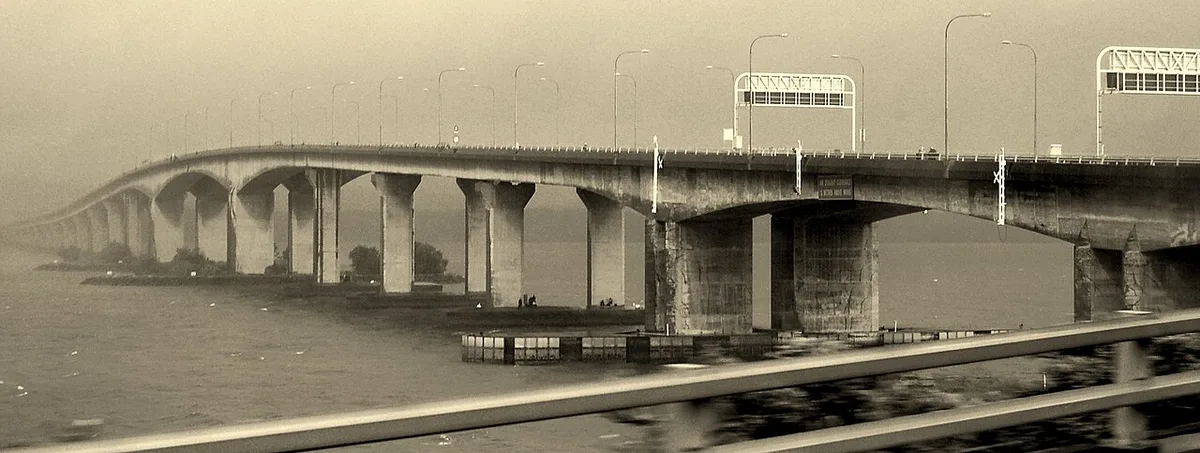
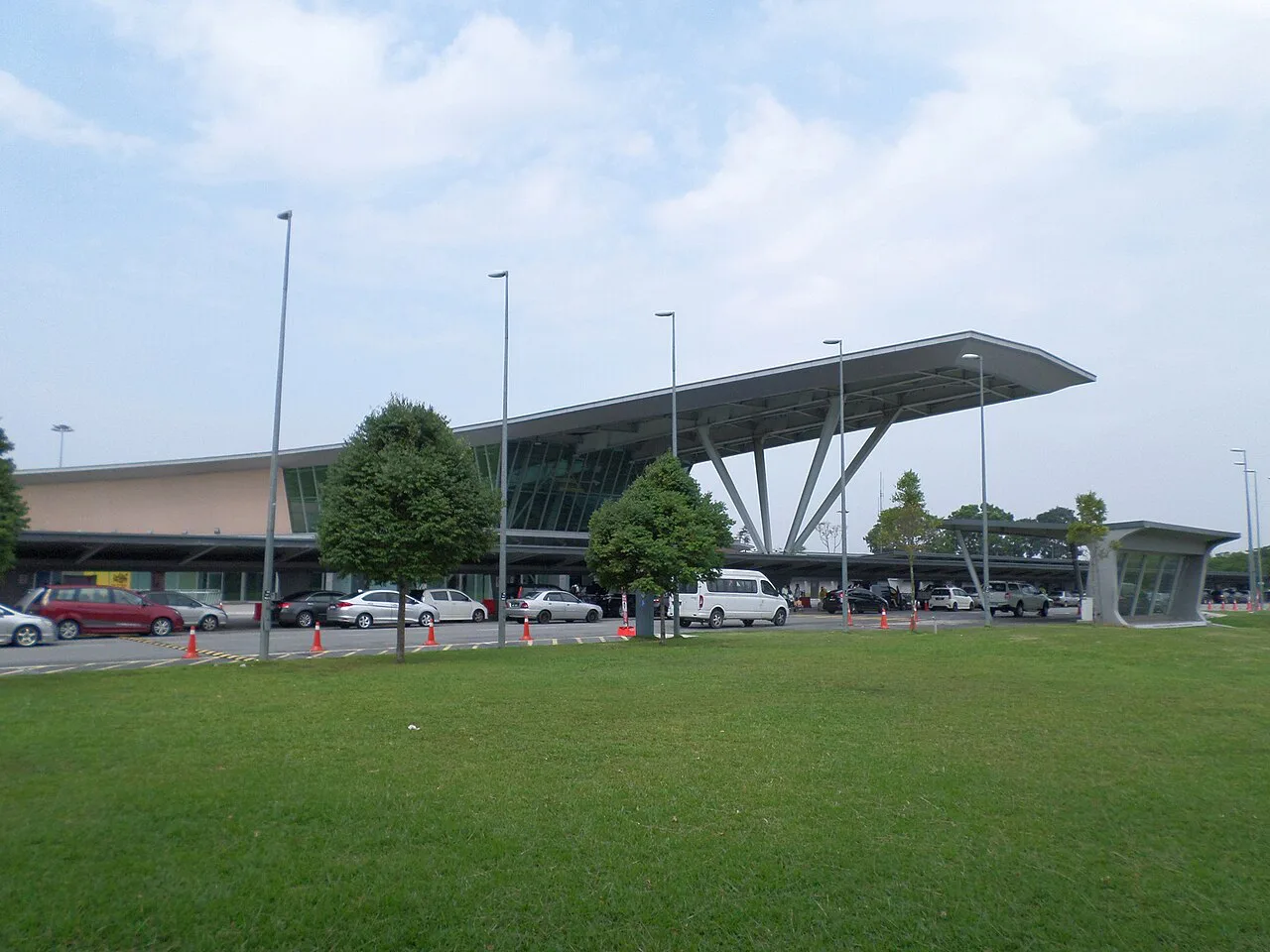
Featured image: mikecogh, CC BY-SA 2.0, via Flickr.
Quick answer: what to expect on the Causeway
Expect a slow crossing at commuter peaks, on weekends, on public holidays and during school breaks. Direction matters as much as timing. Singapore-bound lanes tend to back up first, and the Johor-bound side can stay clear at the same moment. No page can promise a wait time for your crossing, so treat any figure you read as a snapshot. If you are starting in Singapore, our Singapore to JB guide compares the ways across. Travelling from the capital is different, because arrivals from Kuala Lumpur do not use the Causeway at all, as covered in the Kuala Lumpur to JB route.
When Causeway traffic is worst (and when it eases)
Four things drive most jams on the Johor–Singapore Causeway. Each is general guidance, not measured data. Official agencies publish no single peak-hour table that you can rely on for every day.
- Weekday commuter peaks: workers crossing between Johor Bahru and Woodlands in the morning and evening build queues in both directions.
- Weekends: leisure and shopping trips add cars and buses, so Friday evening and Sunday afternoon tend to be heavy.
- Public holidays and school breaks: a holiday on either side of the border adds crossings, and the day before and after often feel like a weekend.
- Intensified checks: extra inspections at a checkpoint slow every vehicle behind them, whatever the hour.
Why one direction can jam while the other flows
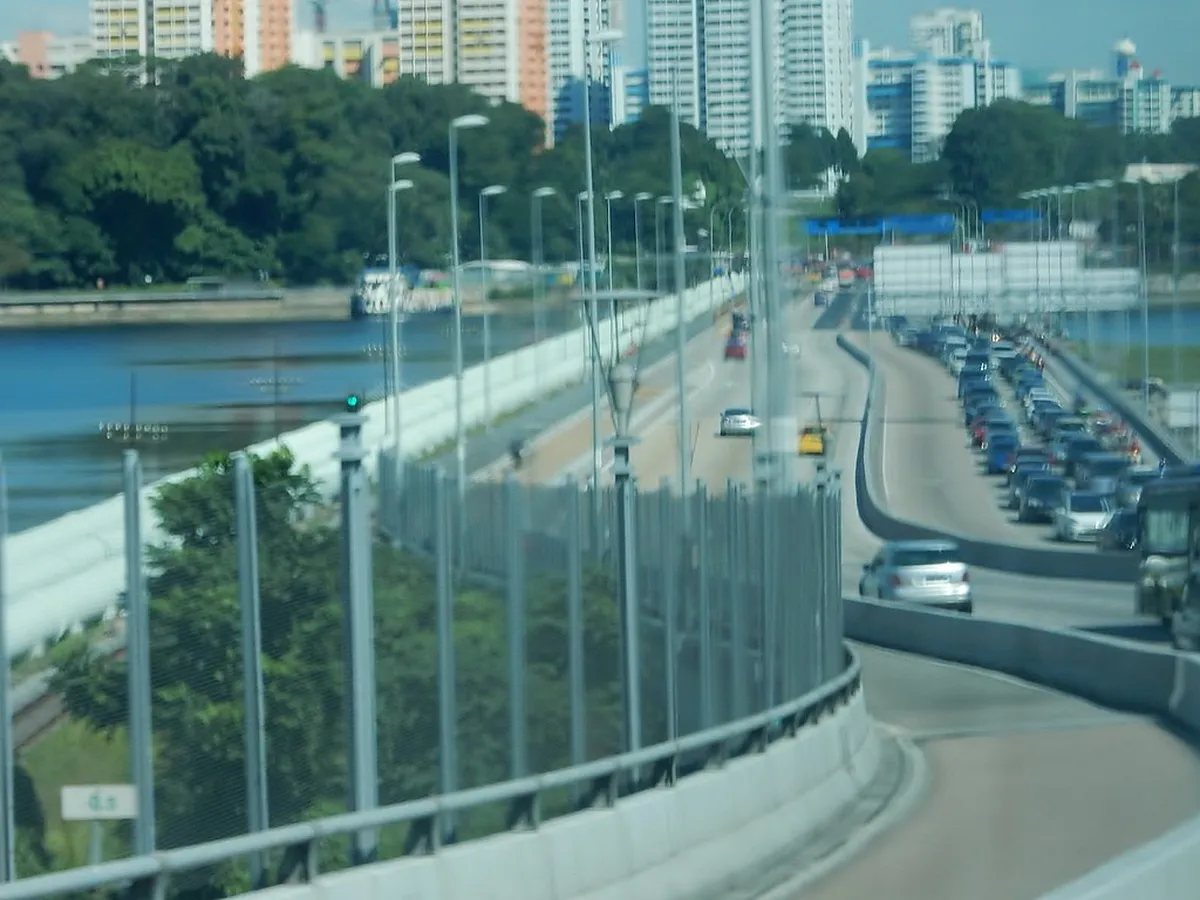
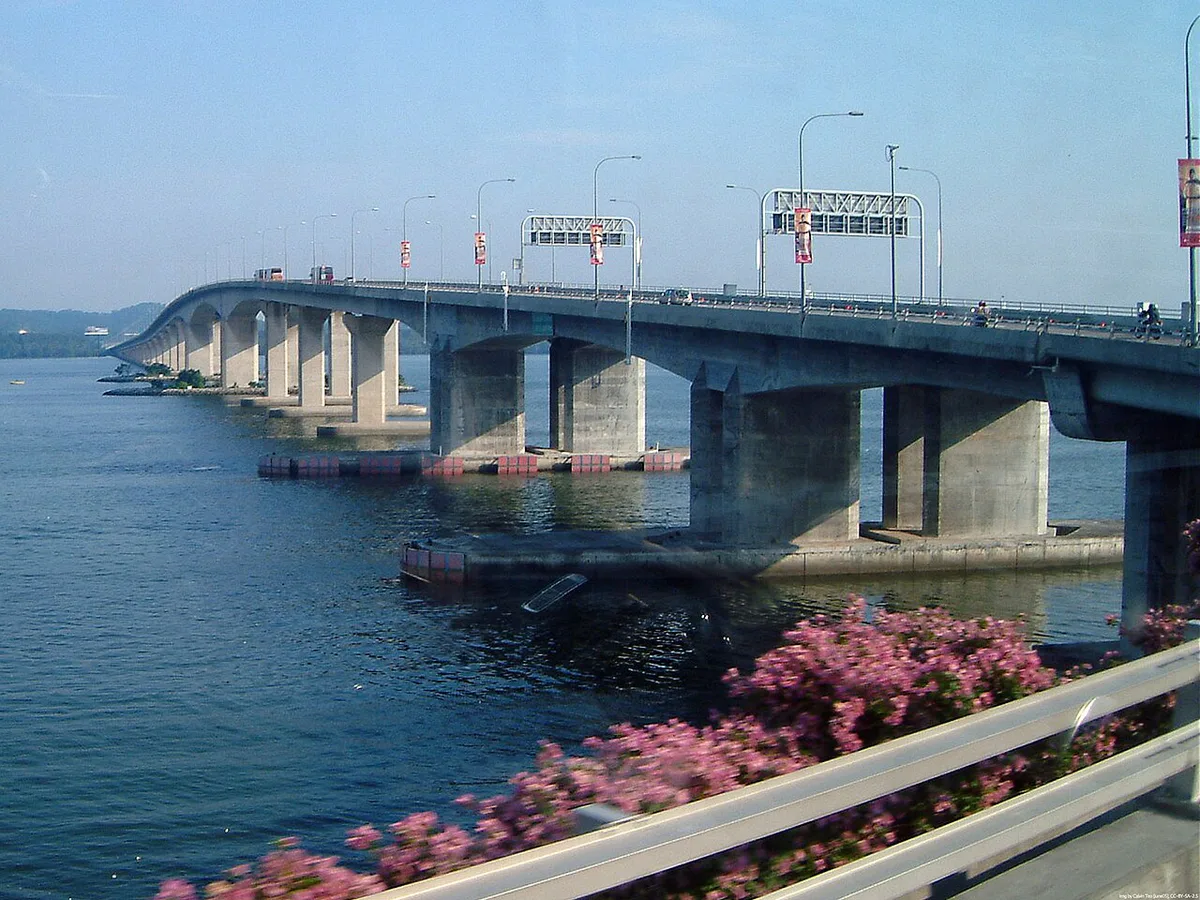
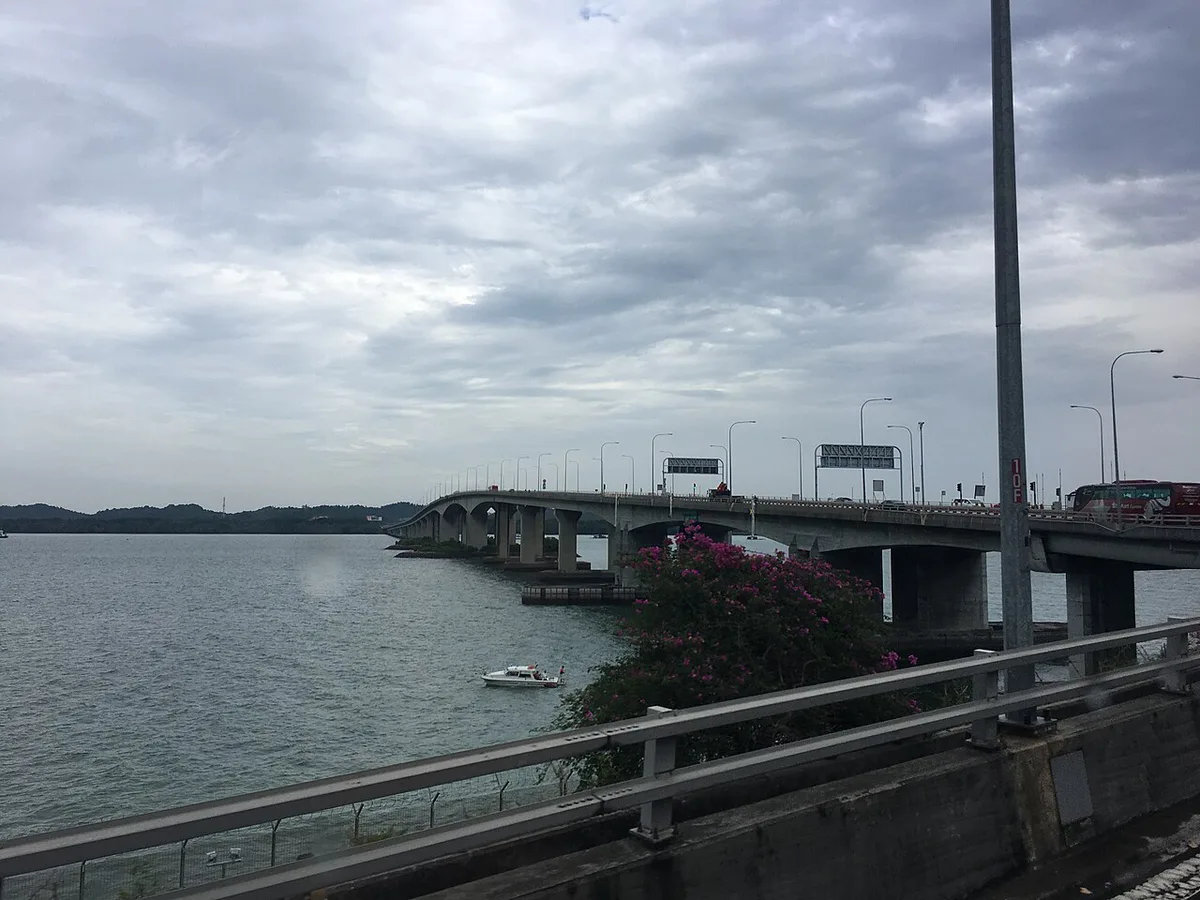
Queues are directional because vehicles wait for the checks of the country they are entering or leaving. A dated example shows the effect. On Sunday, 25 June 2017, news reports described heavy congestion toward Singapore after thorough checks at the Woodlands checkpoint. The tailback reached Jalan Tebrau in Johor Bahru from about noon. Traffic from Singapore into Johor Bahru was reported as unaffected. That incident is years old, so read it as a pattern and not as current conditions. Never assume the return leg will mirror the jam you just crossed.
Sunday jams toward Singapore, such as the 25 June 2017 tailback, fit the weekend pattern, so Sunday afternoon is a time to leave early.
Drive, bus, train, or taxi: the trade-offs
Each mode has a different exposure to the queue. Costs below are relative tiers, not fares. For the rail option, see our Tebrau train shuttle guide. Walking across is only possible where the rules allow it, so read the official guidance before you plan on it.
| Mode | Time risk | Cost tier | Flexibility | Who should skip it |
|---|---|---|---|---|
| Own car | High at peaks; you sit in the full queue | Mid to high once charges and permits are counted | Highest; you set the stops | Drivers without the right vehicle permits or a spare hour of buffer |
| Taxi or ride-hail | High; the meter or fare keeps running in a jam | High | High door to door | Budget travelers crossing at a known peak |
| Cross-border bus | Medium to high; buses share the road queue | Low | Fixed routes and stops | Anyone with a tight onward connection |
| Rail shuttle | Lower; it avoids the road queue | Low to mid | Fixed timetable | Anyone arriving outside its running times |
Checkpoints and the alternative crossing
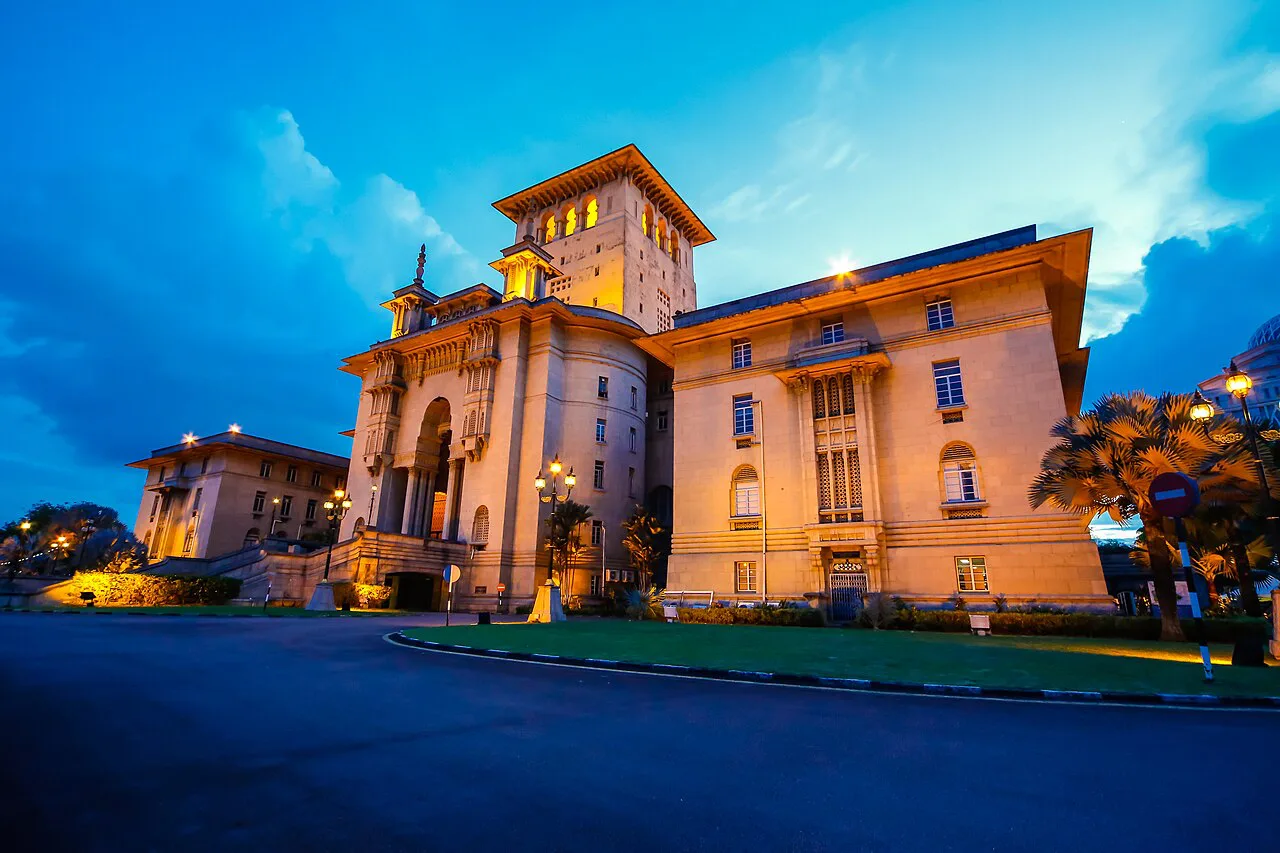
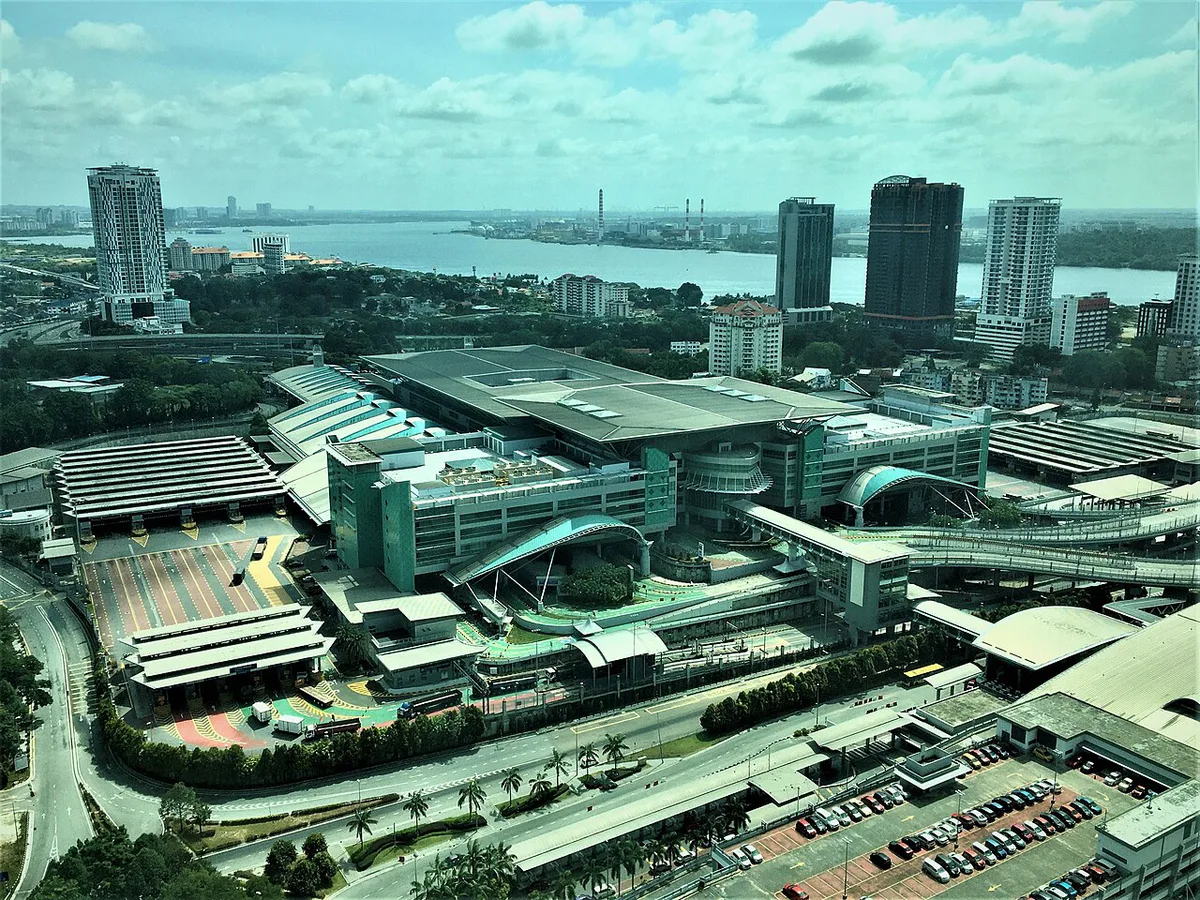
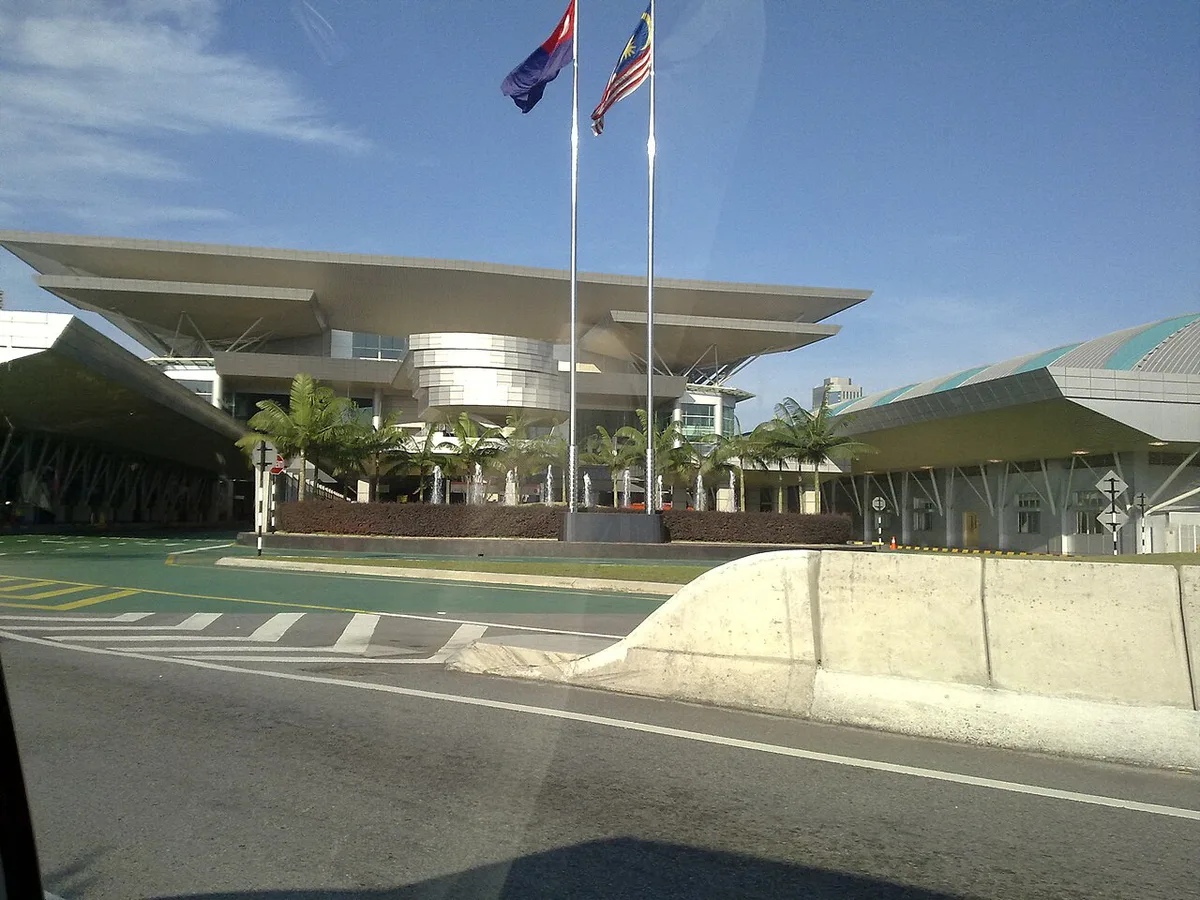
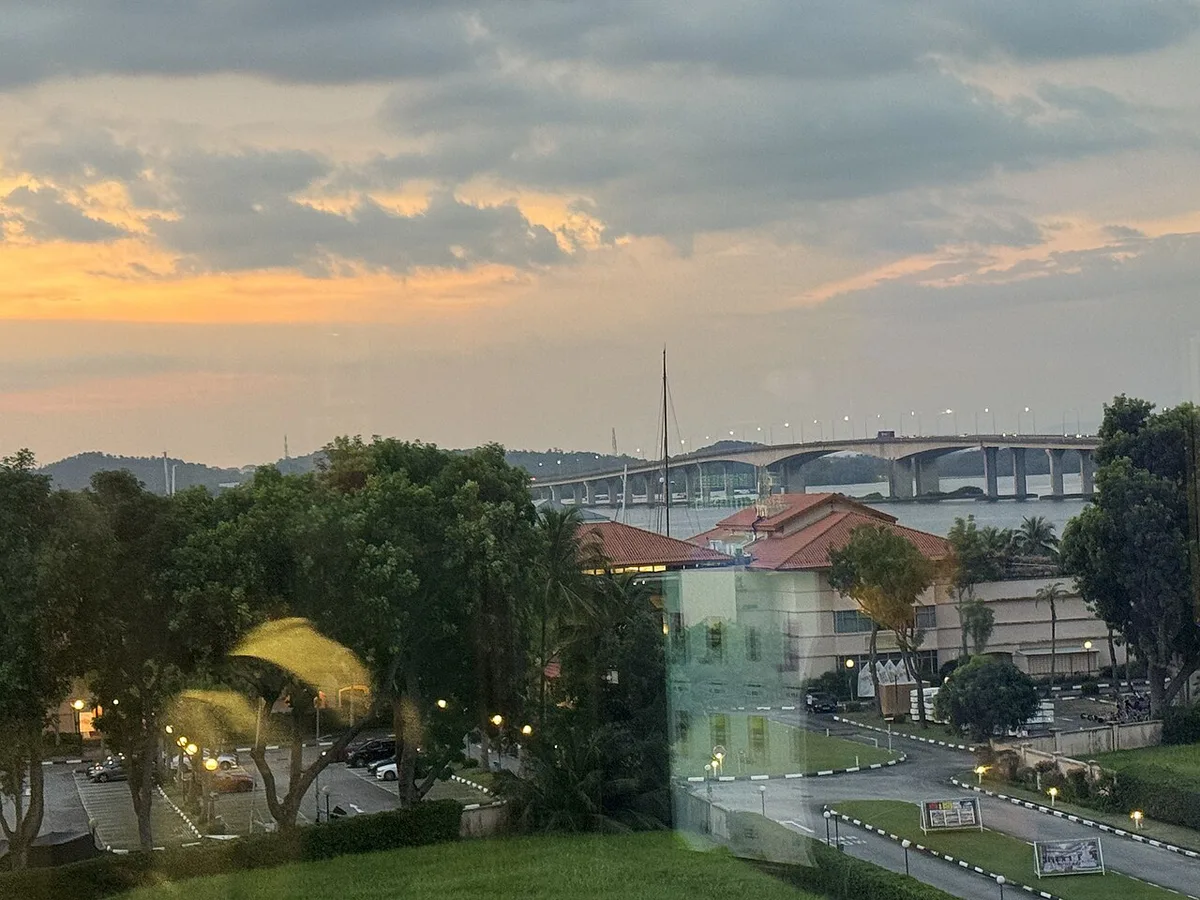
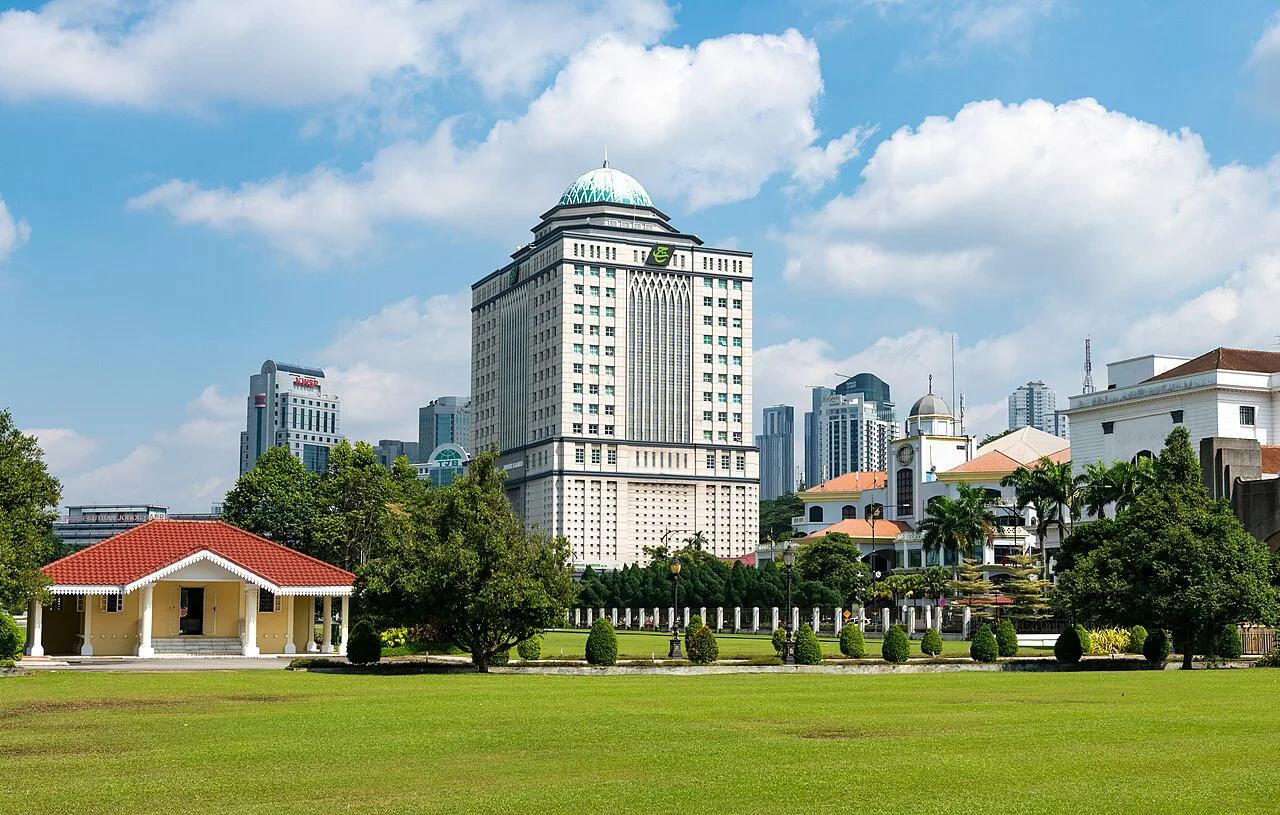
On the Johor side, the Sultan Iskandar Building (BSI) CIQ sits on Jalan Sultan Iskandar in Bukit Chagar. Woodlands is the Singapore-side checkpoint. Approach roads fill first, which is why a long queue can reach Jalan Tebrau before you see the checkpoint. Bukit Chagar is also the site of a new rail station. The station on Jalan Tun Abdul Razak is linked to JB Sentral by a covered bridge. Its operator targets full operational readiness by January 2027, with infrastructure nearing completion. The Tuas Second Link is the other road crossing between the two countries. Whether it beats the Causeway depends on where you start and finish, so compare both routes on a live map. Our overview of getting to Johor Bahru lays out the wider options.
Bukit Chagar's rail station targets full operational readiness by January 2027, so plan road crossings around the queue until then.
How to check conditions before you leave
Start with official notices. The Singapore immigration authority covers checkpoint information. The Land Transport Authority covers Singapore roads. Add a live navigation app for the Jalan Sultan Iskandar approach on the Johor side. Compare at least two sources, because one app can lag or miss a closed lane. Look at both directions, since the lane you need may differ from the one in the headlines. Recheck just before leaving, as queues can build within the hour.
Planning around the queue
Build slack into anything fixed. Flights, train departures and hotel check-ins are the usual casualties. Allow extra time on weekends and holidays, and avoid booking a tight onward connection right after you cross. For airport timing, read our Senai Airport to JB transfer guide. Cross-border arrivals heading for a flight should reach the checkpoint well ahead of the usual schedule. When your dates are flexible, pick a midweek, off-peak window. Day-trippers can also cross early and return outside the Sunday-afternoon surge.
Common mistakes to avoid
Most delays come from planning errors, not bad luck. Use this checklist before you set out.
- Booking a tight flight, train or hotel slot right after the border.
- Assuming the reverse direction will mirror the jam.
- Trusting a single traffic app.
- Leaving passports or any required digital arrival forms until the queue.
- Driving a foreign-plated car without checking vehicle permits and charges.
- Arriving at a public-holiday crossing with no buffer.
Useful notes for your Southeast Asia trip
Optional updates to our guides.
You might also like
Continue reading
More guides you'll find useful