Little India Malacca: What to See, Eat & Visit
A practical guide to Little India in Malacca: Jalan Temenggong and Jalan Bendahara, banana-leaf meals, sari shops, temples, etiquette and timing around Jonker Street.
On this page
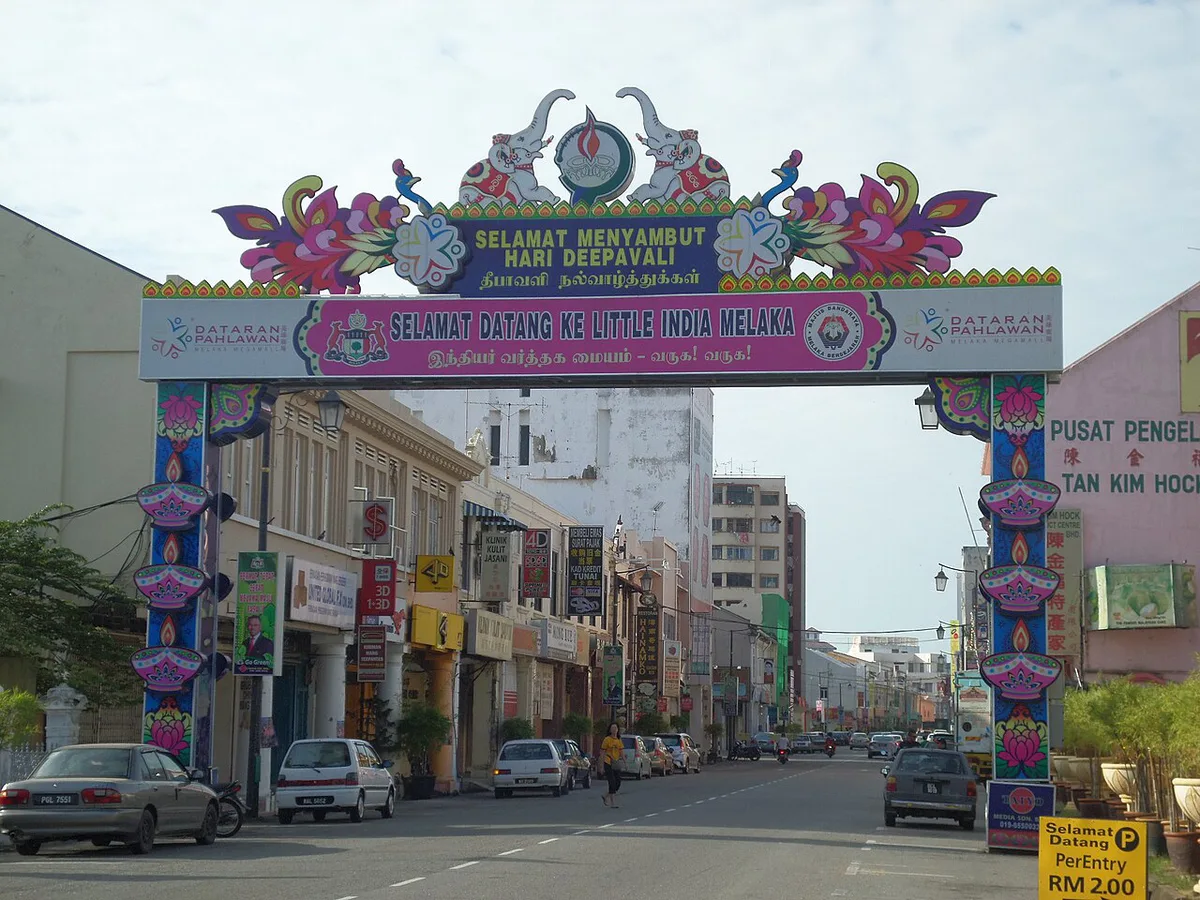
Last updated November 2026: Little India Malacca is a small Indian quarter around Jalan Temenggong and Jalan Bendahara, with restaurants, sari and jewelry shops and flower garland sellers. It is a short detour, not a full-day stop, and it sits naturally beside Malacca's other neighborhoods. Plan 30 to 60 minutes for a walk, or a little longer if you sit down for a banana-leaf meal.
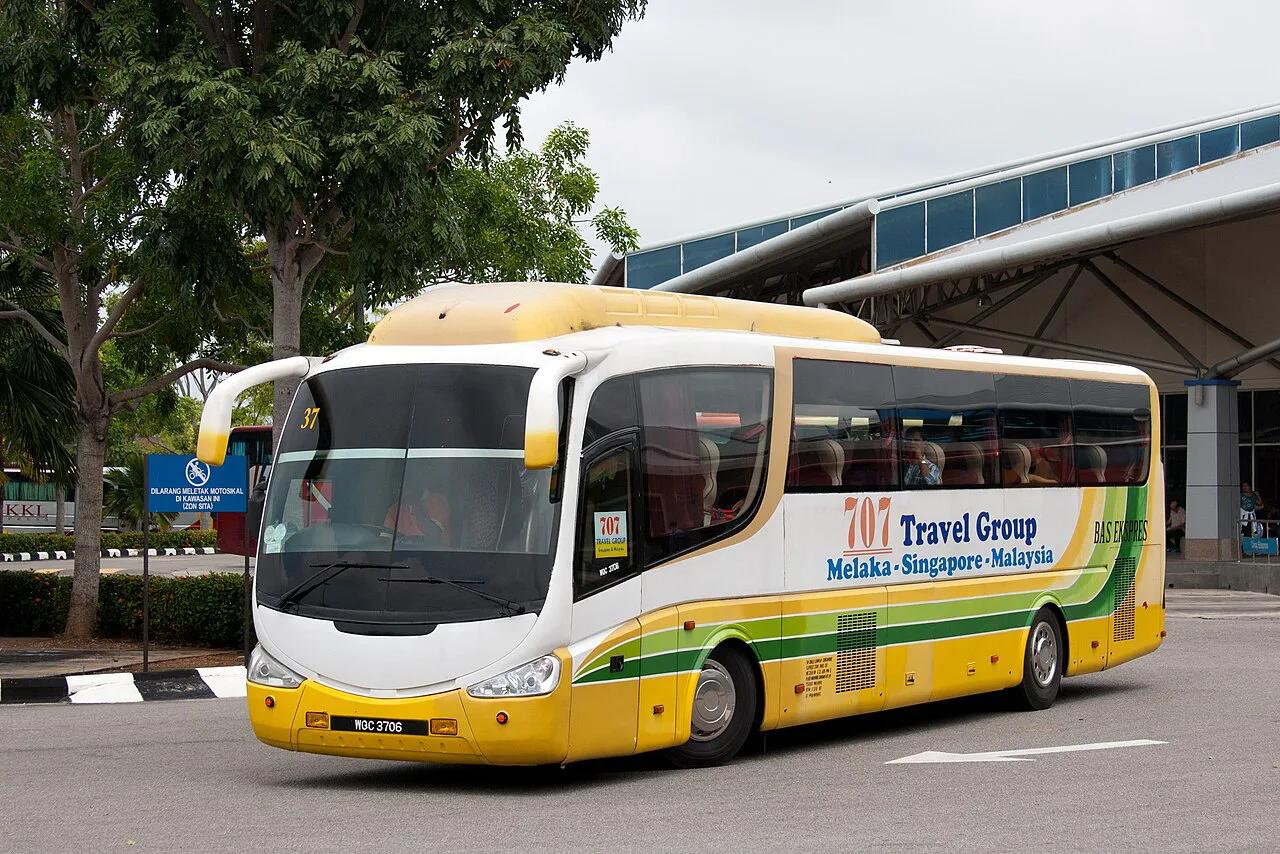
Featured image: Philip Nalangan, CC BY 4.0, via Wikimedia Commons.
Little India Malacca at a Glance
Malacca does have a Little India, and it is modest. Expect a few streets of working shops and eateries rather than a tourist district. Compared with the larger Indian quarters in Kuala Lumpur's Brickfields or in Penang, this one rewards a short, focused visit. It suits you if you want a South Indian meal, a look at sari fabric, or a quiet temple stop between heavier sightseeing.
| Question | Answer |
|---|---|
| Main streets | Jalan Temenggong and Jalan Bendahara |
| Time needed | 30 to 60 minutes for a walk; longer with a sit-down meal |
| Best for | Banana-leaf meals, sari and jewelry shops, flower garlands, nearby Hindu temples |
| Skip it if | You only have a few hours and want the main heritage sights |
Where Little India Is and How to Get There
Look for the cluster of Indian businesses along Jalan Temenggong and Jalan Bendahara, inside the historic center. Walking distances from other sights depend on where you start, so check a live map before you set out. Grab, taxi and local bus are all options from farther areas, but fares and routes change, so check current options in your app. The state tourism portal at Melaka's official site is the place to look for current visitor notices. For a wider orientation, our guide to 4 Malacca Neighborhoods: Where to Go, Stay and Eat by Area shows how the historic center is divided.
What to See and Do in the Indian Quarter
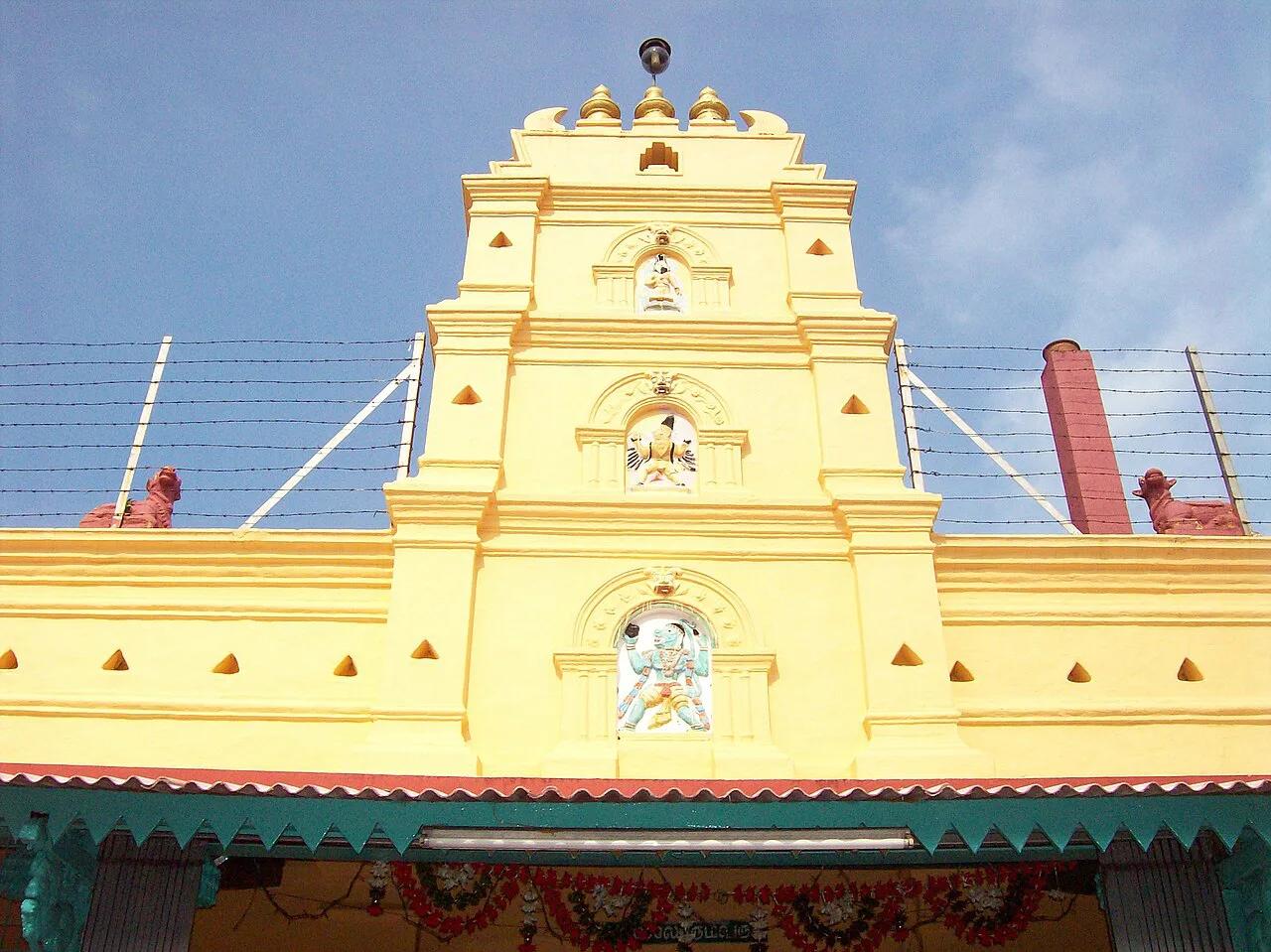
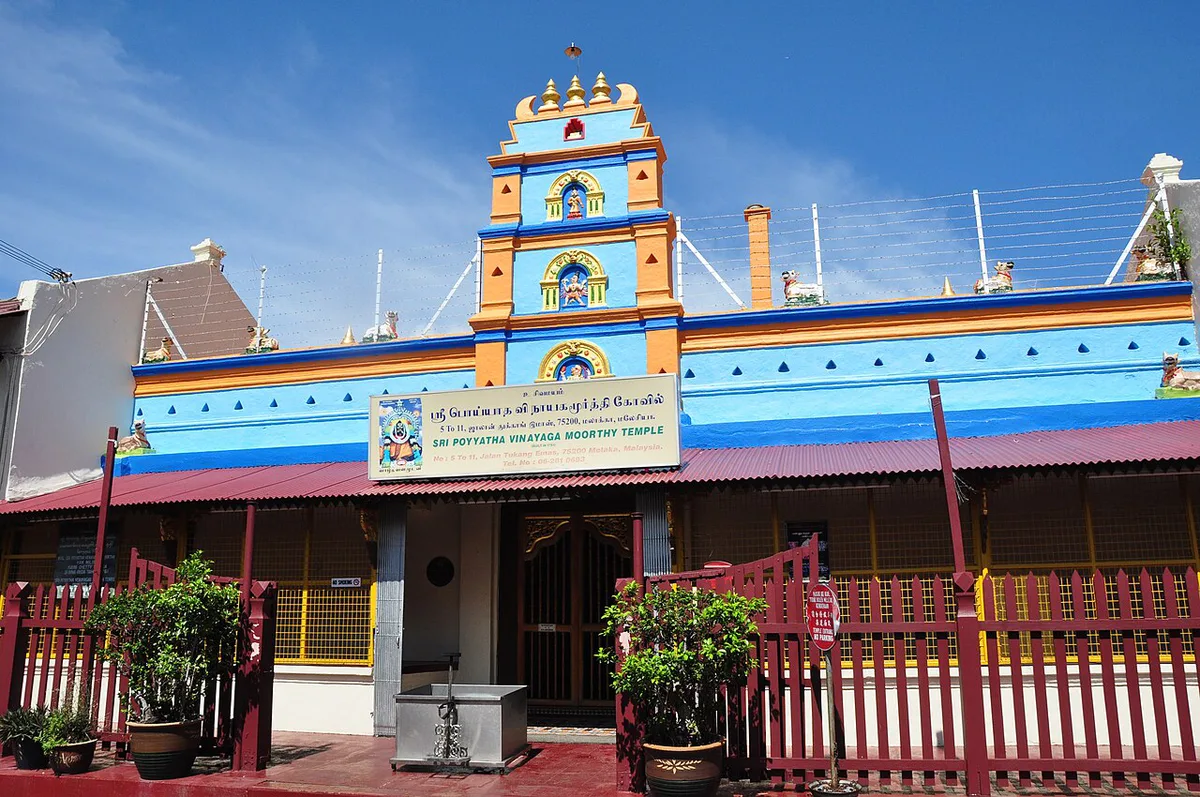
Start with the street scene. Textile shops stack bolts of sari fabric, and jewelry counters sit beside stalls selling fresh flower garlands. These are working businesses serving local customers, so browse politely and ask before photographing people or stock. Hindu temples stand nearby, including Sri Poyatha Vinayagar Moorthi Temple. Visit with the same care you would show at any place of worship.
- Sari and textile shops: look at fabric weights and weaving styles even if you are not buying.
- Jewelry counters: window-shopping is welcome; ask before taking pictures inside.
- Flower garland sellers: garlands are made for temple offerings, so buy one only if you plan to use it respectfully.
- Temples: dress modestly, remove shoes at the entrance and keep voices low.
What to Eat: Banana-Leaf Meals and Snacks
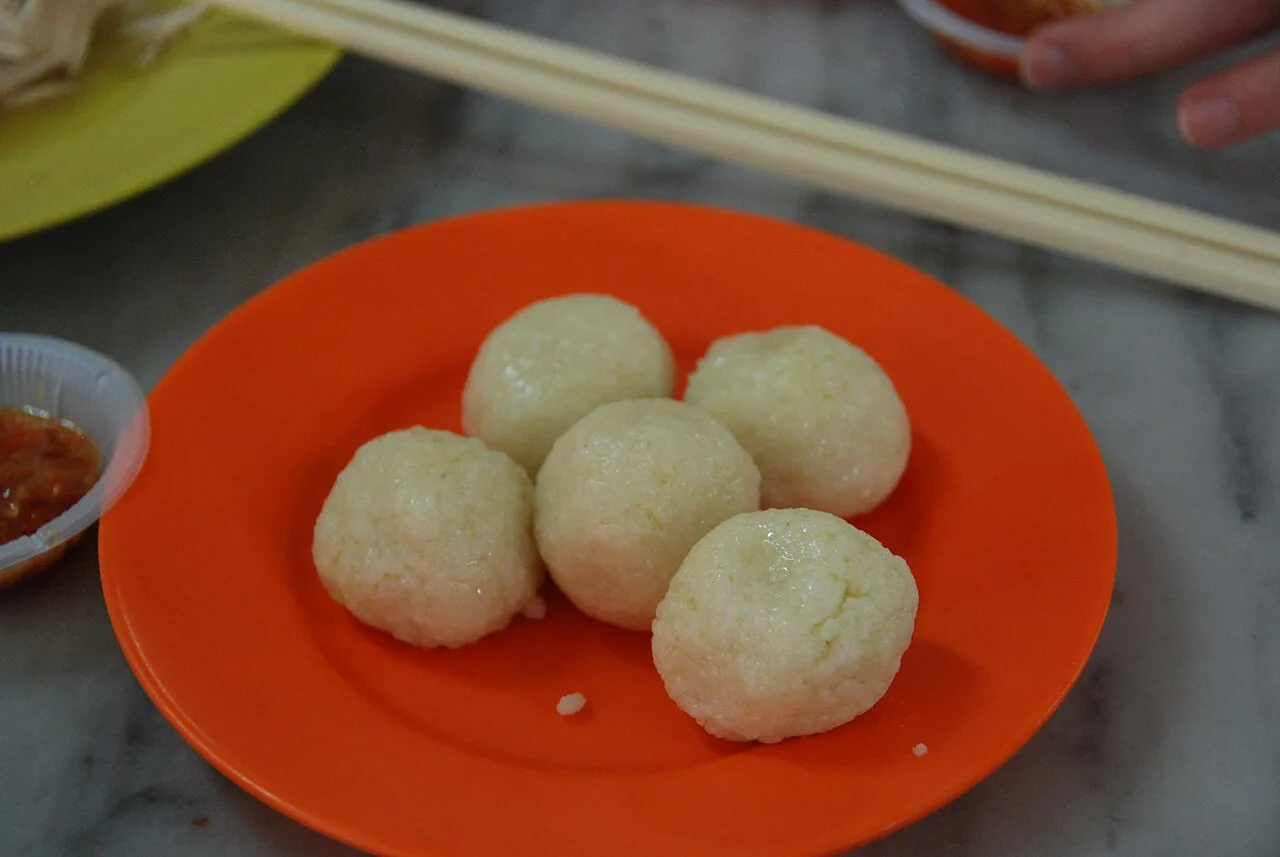
Banana-leaf rice is the main reason to come hungry. Rice is served on a leaf with vegetable sides, and you eat with your right hand. Choose a sit-down meal if you want a full lunch. Choose a snack stop of tea or sweets if you are short on time. South Indian breakfast items usually suit mornings, while heavier rice meals suit lunch. Halal and vegetarian options vary by restaurant, so ask staff directly before you order.
How Long to Spend and How to Fit It Into Your Day
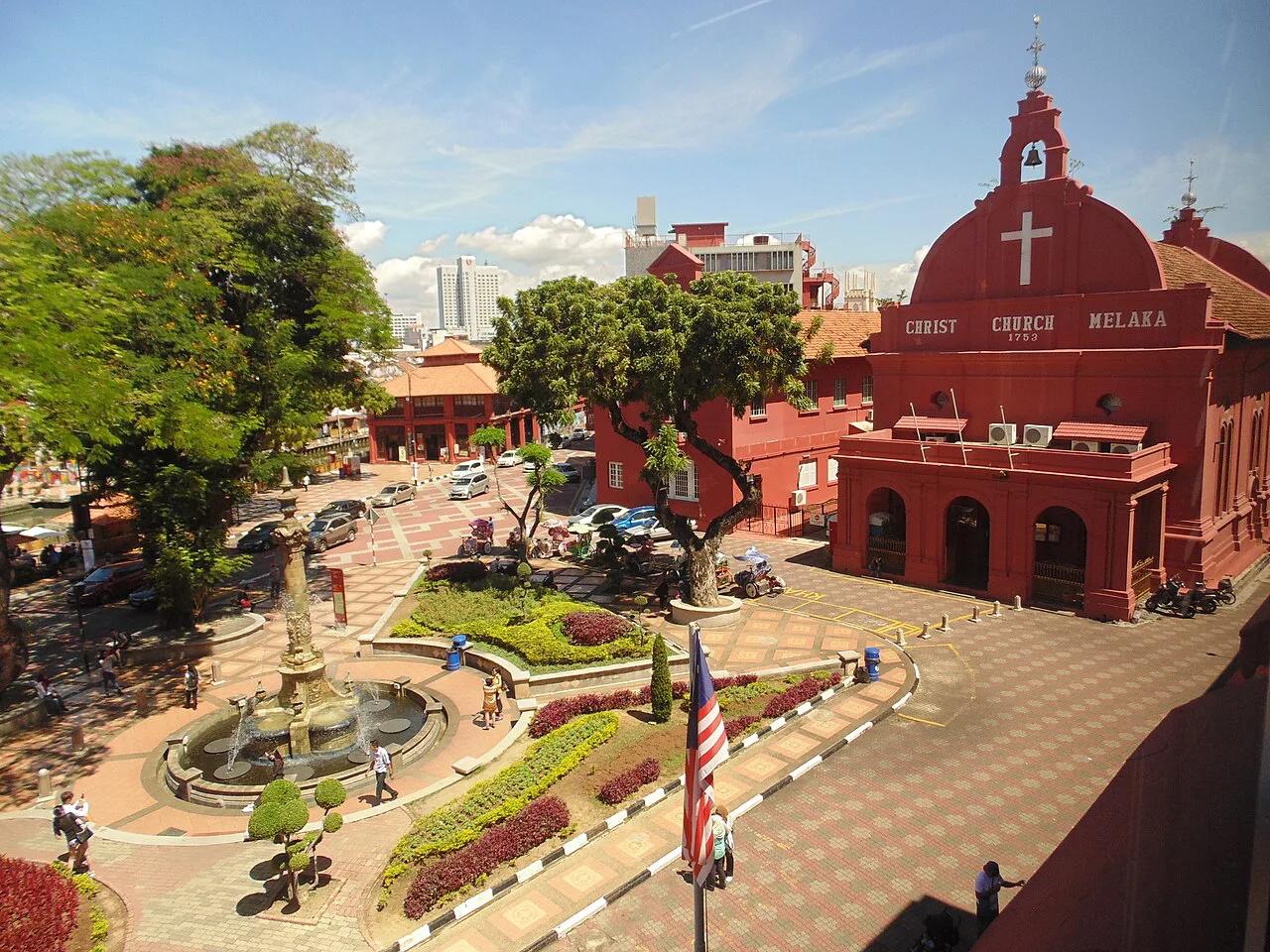
Pair Little India with a heavier heritage stop. Jonker Street Melaka: Night Market Hours, Food & Tips is the obvious partner, since its night market runs Friday to Sunday from 6pm to midnight and the street itself takes about 1.5 hours to explore. Do Little India first, then walk on for the evening crowds. For a contrast, Kampung Morten, Malacca: Visitor Guide and Etiquette offers a village-style heritage stop. The Portuguese Settlement is farther out, so allow extra transit time rather than squeezing it into the same short loop.
| Option | Time | Trade-off |
|---|---|---|
| Quick detour | 30 to 60 minutes | Streets, shops and a temple glance; no meal |
| Food-focused stop | Up to 90 minutes | Banana-leaf lunch plus a short walk; less time for other sights |
| Skip it | 0 minutes | More time for Jonker Street or the settlements |
Best Time to Visit, Festivals and Etiquette
Weekday daytime is easiest for browsing shops and sitting down to eat. Evenings pull more people toward Jonker Street, so Little India works best before dusk. Deepavali and Thaipusam can change the mood and crowds. Festival dates shift each year, so check the Malaysian tourism calendar for current dates. At temples, cover shoulders and knees, remove shoes before entering and ask before photographing worshippers. In heat or rain, plan indoor stops such as a meal or fabric shop browsing.
A night market on Jonker Street runs Friday to Sunday from 6pm to midnight, so evening visits mean sharing streets with the crowds.
Costs and Practical Tips
Budget levels are simple. A snack or tea is the cheapest stop, a sit-down banana-leaf meal costs more, and shopping depends entirely on what you buy. Carry some cash, since small stalls may not take cards. Shop and restaurant closing days vary, so look at the door sign or ask locally. Avoid the common mistake of arriving with no time buffer. A rushed 15-minute pass misses both the food and the shops.
Jonker Street takes about 1.5 hours to explore, so add that time on top of a short Little India walk rather than squeezing both into one visit.
- Go before the Jonker Street night market crowds if you want quiet streets.
- Ask before photographing people, stock or temple interiors.
- Wear shoes that slip off easily for temple visits.
- Bring water and a hat for midday heat.
Frequently Asked Questions
What is Little India famous for?
Little India districts are known for Indian restaurants, sari and jewelry shops, flower garlands and nearby temples. In Malacca, that mix is concentrated around Jalan Temenggong and Jalan Bendahara.
Is there an Indian area in Kuala Lumpur?
Yes. Brickfields and Jalan Masjid India are both commonly listed as Indian areas in Kuala Lumpur. Malacca's version is smaller and quieter than those.
Useful notes for your Southeast Asia trip
Optional updates to our guides.
You might also like
Continue reading
More guides you'll find useful