Silk Island Phnom Penh: Koh Dach Day Trip Guide
Visiting Silk Island (Koh Dach) from Phnom Penh? Get the ferry route, tuk-tuk vs car trade-offs, best season, what to buy, and who should skip it.
On this page
Last updated November 2026. If you search for silk island phnom penh, you land on Koh Dach, a Mekong River island about 15 km northeast of the city. It suits travelers who want to watch hand-weaving and see village life, and it asks for half a day to a full day. Our guide covers who should go, how to get there, what to buy and what to skip, as a spoke of our Phnom Penh things-to-do guide.
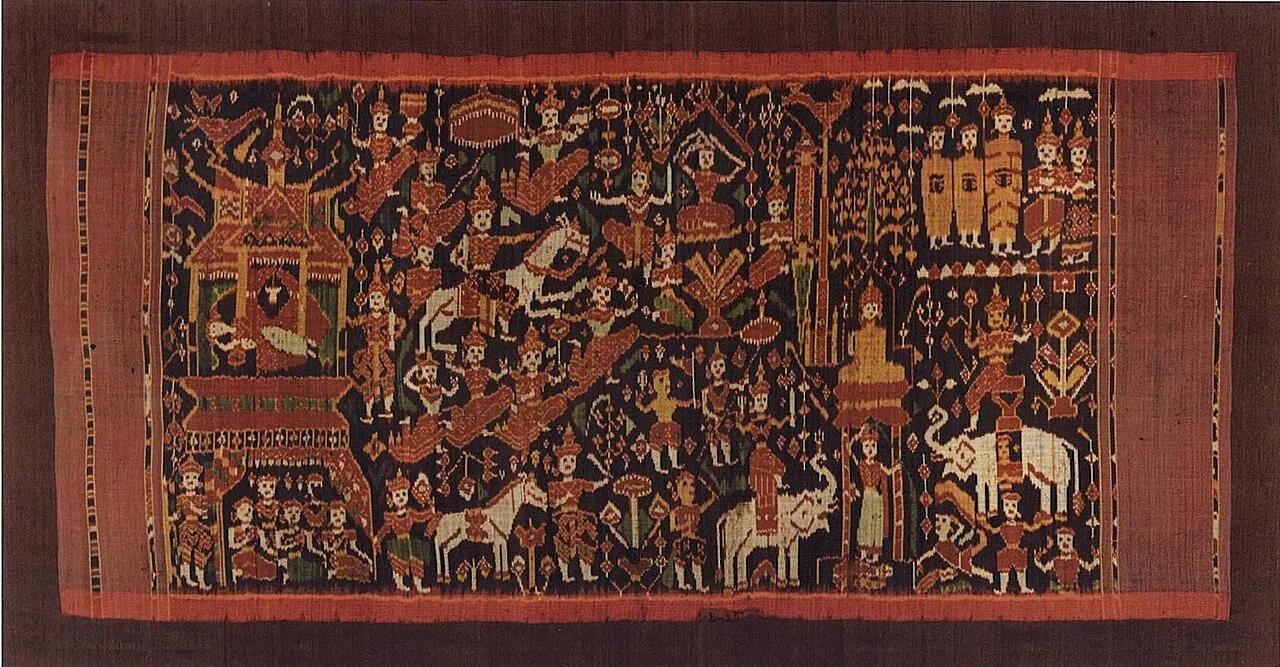
Featured image: AnonymousUnknown author, Public domain, via Wikimedia Commons.
Silk Island at a glance: the quick answer
Koh Dach sits in the Mekong about 15 km from central Phnom Penh. A car ferry crosses to the island in roughly 15 minutes. Most visitors spend half a day there, and a full day suits cyclists and shoppers. Reaching the ferry takes roughly 30 to 60 minutes depending on traffic and where you start. Dry season, November to April, is the easiest time to visit.
- Distance: about 15 km northeast of Phnom Penh
- Ferry crossing: about 15 minutes
- Drive to the ferry: roughly 30 to 60 minutes
- Best season: dry season, November to April
- Time to allow: half a day to a full day
Is Silk Island worth visiting? A verdict by traveler type

Koh Dach is a craft-and-village trip, not a sightseeing checklist. You get looms under stilted houses, quiet lanes and a ferry ride. You do not get monuments. Use the table to decide, and read the "skip" rows honestly.
| Traveler | Verdict | Why |
|---|---|---|
| Textile and craft fans | Go | Watch warp preparation and loom weaving in family homes |
| First-timers with only 2 to 3 days | Skip or swap | Spend the time on city sights first; see our main Phnom Penh guide |
| Families with kids | Go, with limits | The ferry and flat cycling suit children, but heat and long stops do not; see Phnom Penh with kids |
| Cyclists | Go | Flat island lanes work for a slow ride between villages |
| Shoppers | Go | Scarves come directly from weaving households |
| Tight budgets | Swap | Browse Free Things to Do in Phnom Penh: What's Really Free instead |
What is Silk Island (Koh Dach), and why is it famous for silk?
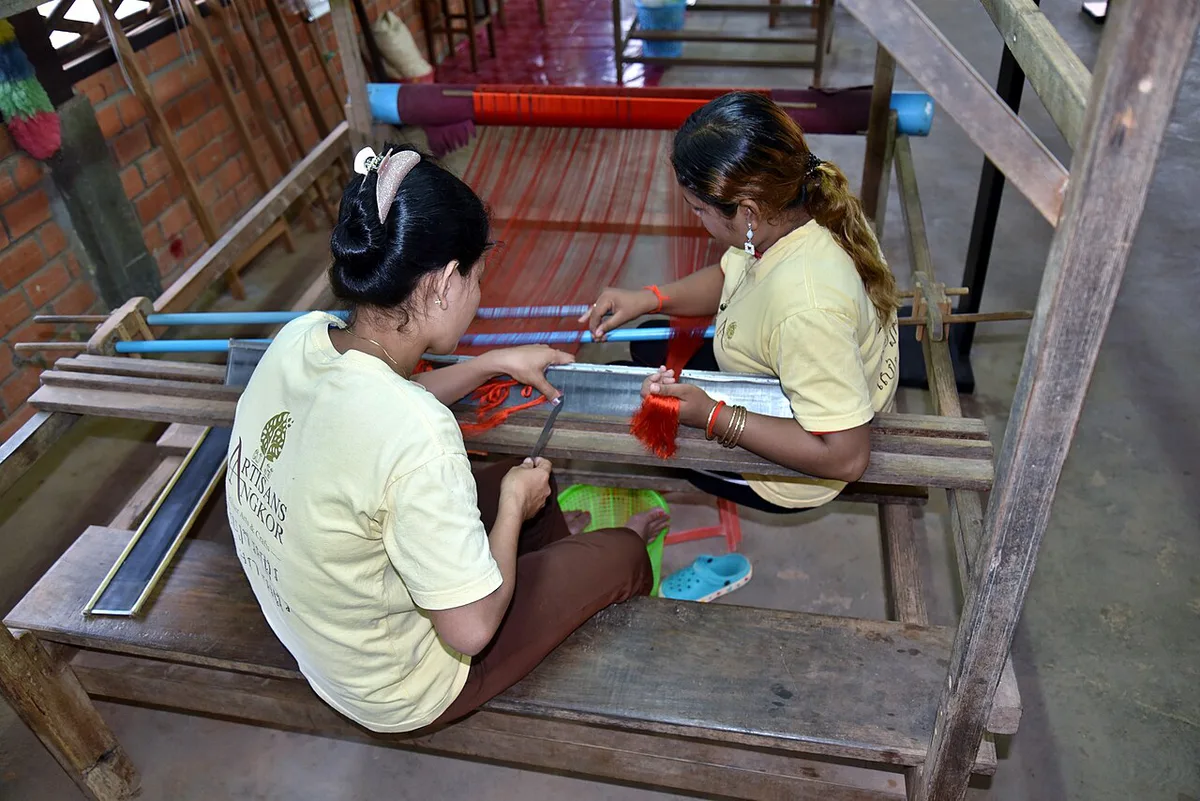
Koh Dach is a long, narrow island in the middle of the Mekong. Its name is often glossed as "separated island". Visitors call it Silk Island because many households weave silk at home, and looms often stand under stilted houses. Cambodia has roughly 20,000 weavers, according to one industry account. Most raw silk is imported, about 95% of it from Vietnam, per the same account. Weavers dye that thread locally, so color choices stay in their hands. For wider destination context, see the Cambodia tourism site.

How to get to Silk Island from Phnom Penh
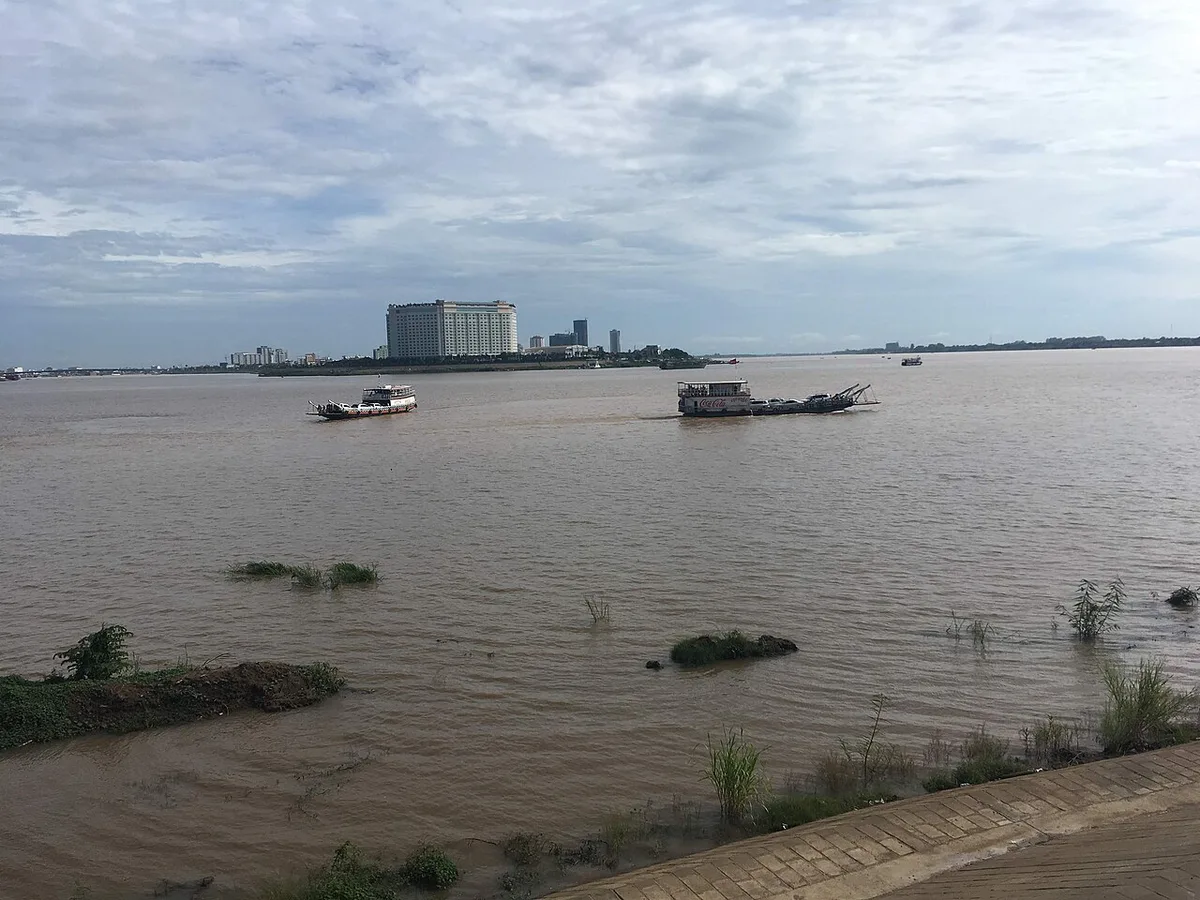
Every route ends at the same car ferry. Motorbike riders cross the Japanese Bridge and follow Road 6 to the terminal. Ferry fees have run about 1,000 riel for a rider with a bike and about 3,000 riel on the tuk-tuk route. These are historical figures, so confirm current rates at the jetty. Once across, signs point to the main tourist centre. Quieter weaving villages such as Koh Oknhatei lie in the other direction.
Plan roughly 30 to 60 minutes each way from the city, then add roughly 15 minutes for the ferry crossing.
| Option | Rough cost | Door-to-door time | Flexibility | Best for |
|---|---|---|---|---|
| Tuk-tuk (private, for the day) | Agree price and stops upfront; ferry about 3,000 riel | Roughly 30 to 60 minutes each way | High | Most independent visitors |
| Self-drive motorbike | Ferry about 1,000 riel | Roughly 30 to 60 minutes each way | Highest | Experienced riders |
| Private car and driver | Ask locally | Roughly 30 to 60 minutes each way | High | Heat-sensitive travelers, families |
| Guided or silk-themed Mekong cruise | Ask locally | Set by the operator | Low | Travelers who want context |
| Mekong island tour tied to a sunset cruise | Ask locally | Set by the operator | Low | Short stays |
What to see and do on Koh Dach
Expect a dense island, not a pastoral one. Houses and shops sit close together, cows wander the lanes, and a bright orange wat rises in the distance. In Koh Oknhatei village, many homes keep looms under the raised floor. Some households also run a small shop in the living room. Demonstrations vary by day, and this is not a museum, so treat each stop as a conversation.
- Workshop visits: watch warp preparation or loom weaving, and ask before you photograph anyone
- Village cycling: flat lanes between the ferry and the villages
- Shopping: scarves are the staple product, sold directly by some weavers
- Local life: stilted houses, riverside paths and village temples
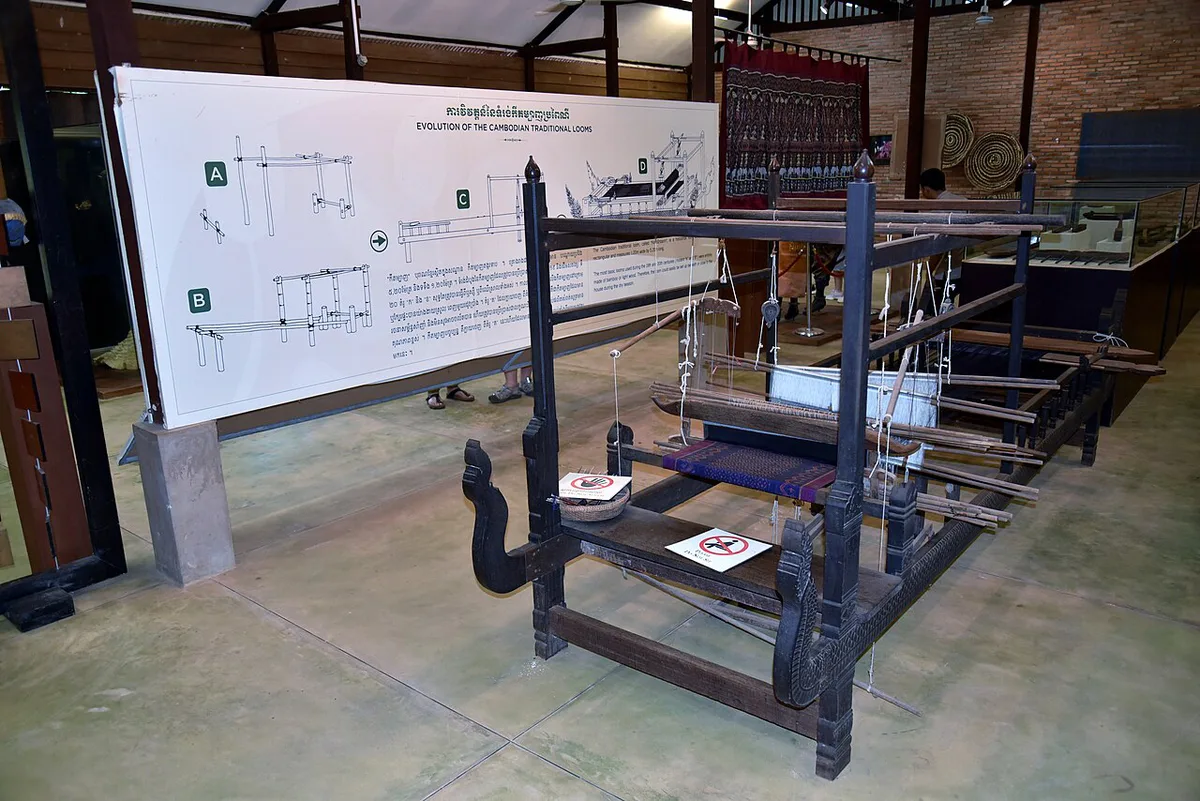
How Cambodian silk is made: bobbin to loom
Weaving starts with bobbin spinning, which sets the color scheme. Women then prepare the warp. For one sampot chang kben, a four-meter skirt cloth, that means about 2,500 silk threads and 56 bobbins. Two or three people can need about two weeks for this stage alone. Each thread is then fed into a reed and set up on the loom. Only after that does weaving begin. Because the process is slow, a household may finish only two or three chang kben a year.
Shopping for silk: how to buy well and spot the real thing
Buy from weavers where you can, since your money then goes to the maker. Expect handwoven pieces to cost more than city-market silk. Hand labor is slow, and some city stock is machine-made. Use a short checklist before you pay:
Before you haggle over a handwoven piece, remember that a single sampot chang kben starts with about 2,500 silk threads.
- Ask who wove the piece and where
- Look for small irregularities that machines do not make
- Ask about the fiber, because not everything sold as silk is silk
- Ask whether the dyes are natural
- Be polite about haggling, and ask permission before photographing homes
Best time to visit: dry season, green season and wedding season
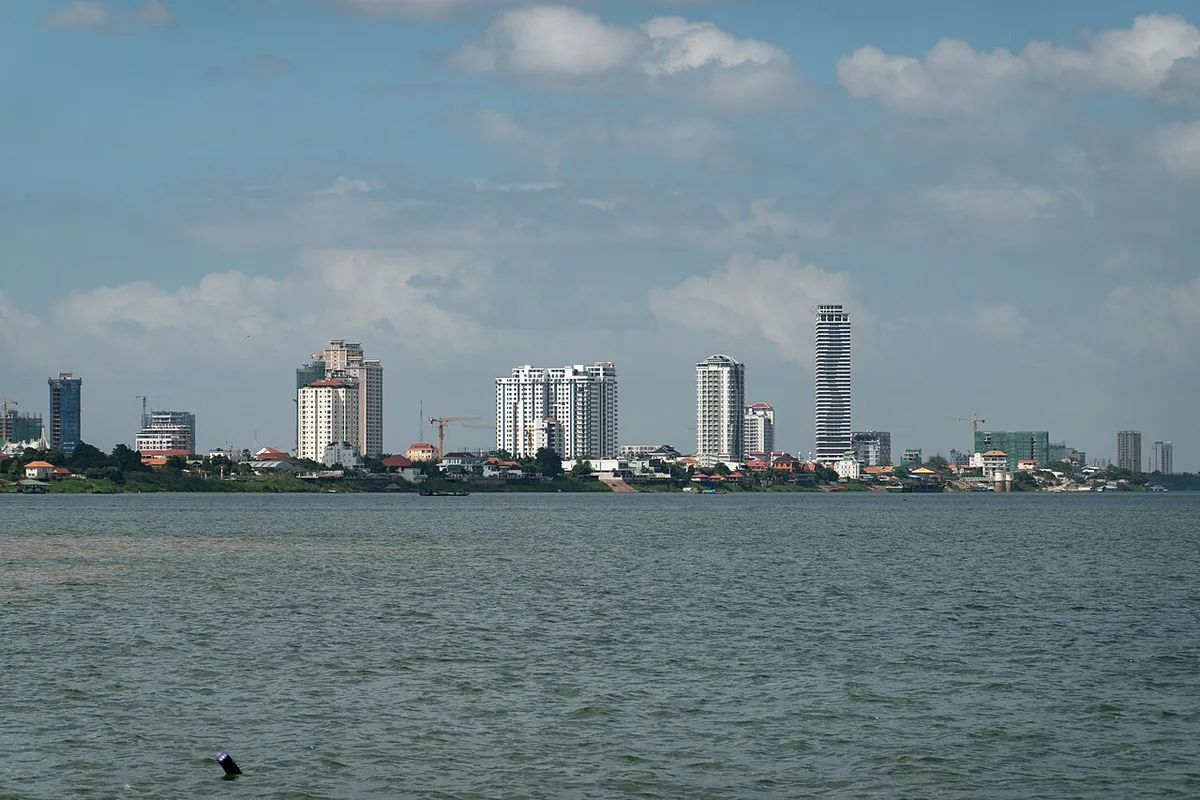
Dry season, November to April, brings sunny skies and easier cycling. Green season, May to October, brings rain and a lush landscape. River level changes the jetty scene. In dry season the river recedes and exposes high mud banks. Wedding season falls in the dry season, which is when demand for sampot chang kben peaks. Weaving activity and orders can differ by month, and no visit is guaranteed to show any particular stage. On a rain or heat day, swap the cycling for a shorter workshop visit, or move the trip to a Mekong sunset cruise.
How much time do you need? Half-day and full-day plans
Half a day covers the ferry, two workshop stops and some shopping. Start in the morning, because looms may sit idle later. A full day adds cycling and a slow lunch. For a combined plan, spend the morning on the island and the afternoon in the city. In the evening, add a Mekong sunset cruise for a second look at the river. An overnight stay is possible, but most visitors return to Phnom Penh and pick lodging there.

Costs and what to budget
Your main costs are transport and what you buy. Ferry fees are small, at roughly 1,000 to 3,000 riel in historical reports. A day-long tuk-tuk is the biggest fixed cost, so agree the price and stops before you leave. Cars cost more but add comfort. Scarves are the usual souvenir, and handmade silk costs more than city-market pieces. For a cheaper day out, see our Free Things to Do in Phnom Penh: What's Really Free.
Mistakes to avoid
Most problems on Koh Dach come from timing and cash.
- Arriving late and finding looms idle
- Carrying only large notes; bring small riel notes for the ferry and purchases
- Expecting ATMs on the island
- Not agreeing the tuk-tuk price and stops upfront
- Assuming every workshop welcomes drop-ins
- Buying "silk" without asking about the fiber
Where to stay: day trip or overnight
Most travelers treat Koh Dach as a day trip from a Phnom Penh base. That keeps city sights and the river within easy reach. Homestay and resort options exist on the island, but ask about availability directly before planning around one.
Useful notes for your Southeast Asia trip
Optional updates to our guides.
You might also like


Continue reading
More guides you'll find useful