
St. Paul's Church Malacca: A Practical Visitor Guide

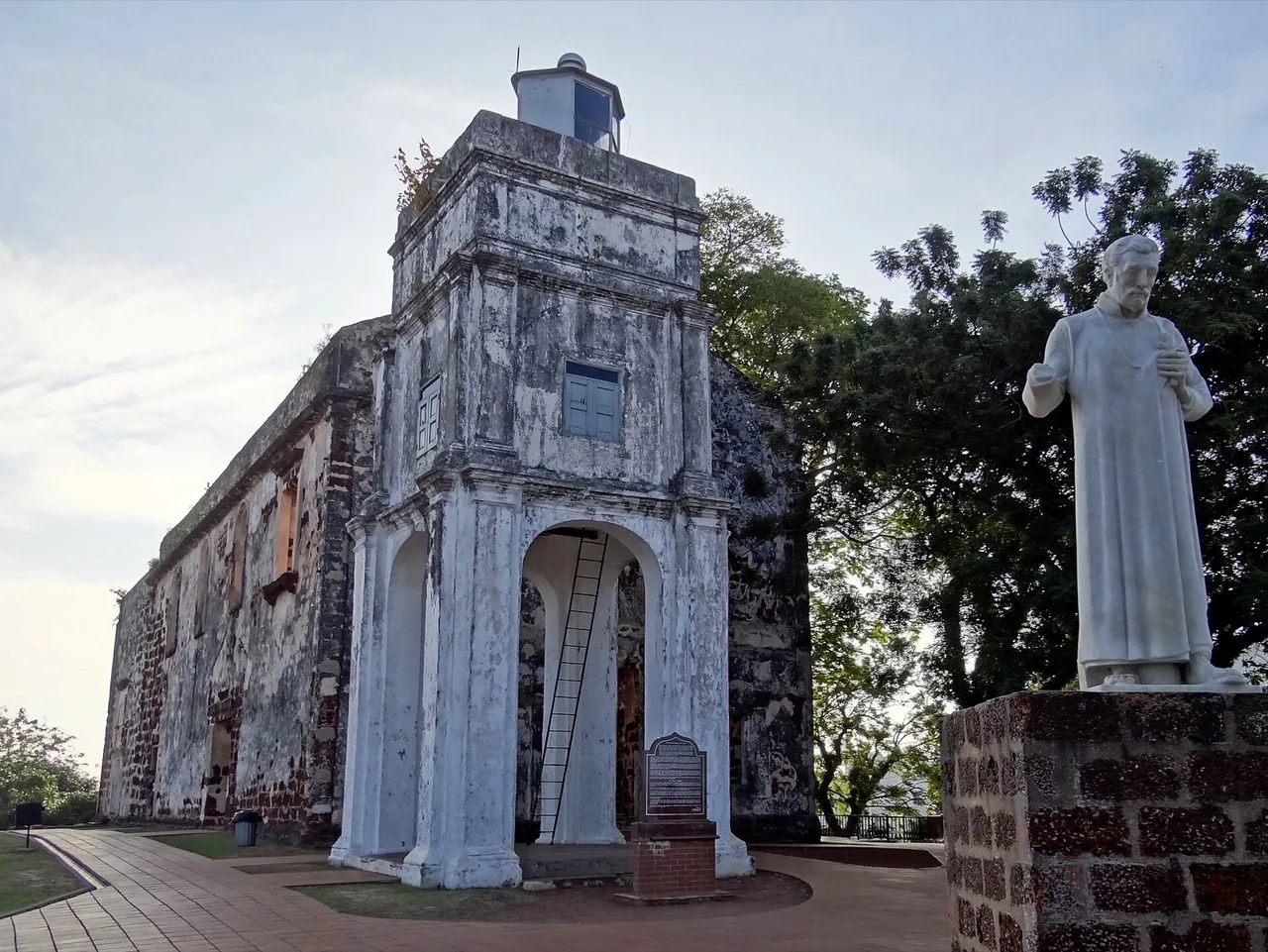
St. Paul's Church sits at the top of a small hill in the middle of old Malacca, and almost nothing of the building is left except its walls. Open sky replaces the roof, carved tombstones line the stone, and a white statue stands at the entrance looking over the town. This St. Paul's Church Malacca visitor guide covers the routes up, what is known about access, and what to look for once you arrive. Last updated November 2026.
Details here come from Tourism Malaysia, PERZIM and Wikipedia, and we mark clearly where no official source gives an answer. That includes opening hours and fees, so read the access section before you plan a timed stop.
What St. Paul's Church Malacca Is Today
The church is a roofless laterite ruin on the summit of St. Paul's Hill, which the state is now renaming Bukit Melaka. Tourism Malaysia's 2024 map labels the hill Bukit Melaka @ St. Paul's Hill, and signs may use either name. The church itself keeps the name St. Paul's Church.
Bukit Melaka is the hill's name from the Malacca Sultanate period, so the new name restores an older label rather than inventing one. Expect bare laterite walls, uneven ground, and a view across the rooftops of the old town from the top.
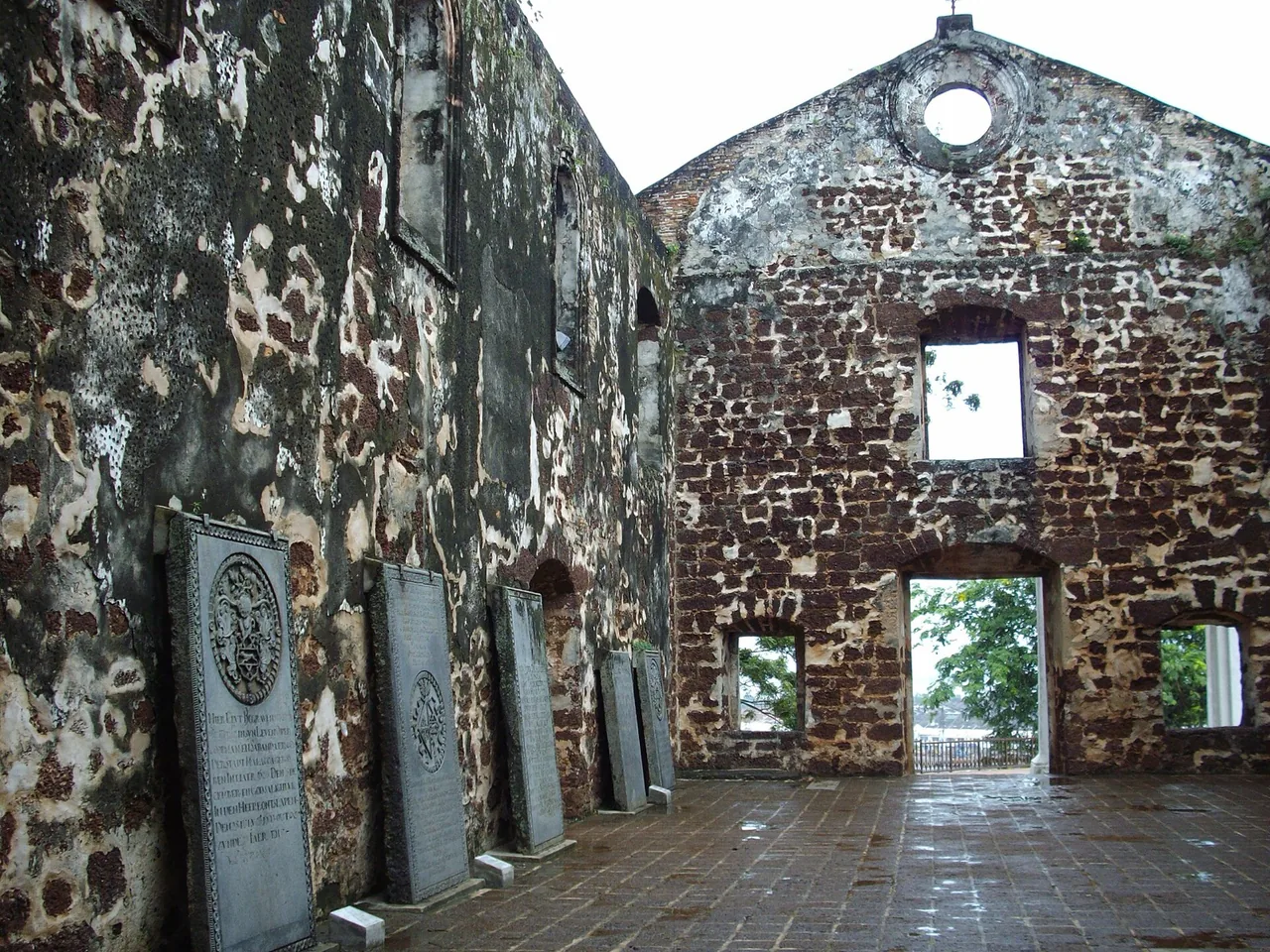
Nothing here is a museum with display cases and guided rooms. Inside the walls are rows of carved Portuguese and Dutch tombstones and the empty grave where St. Francis Xavier's body lay in 1553, and a white statue of the saint stands at the entrance. The ruin adds context to the colonial buildings below, such as the Stadthuys.
Getting to St. Paul's Hill
Most visitors walk, because the hill sits between Dutch Square and the old fort. A set of white stairs climbs the slope from beside Dutch Square straight to the church, according to Tourism Malaysia. In 2025, one travel writer reported that a gate at the base of the northern staircase was unlocked, but gates can change, so treat that as a tip rather than a promise.
The main staircase climbs the south side of the hill from A Famosa, the old fort gate known as Porta de Santiago. Tourism Malaysia says Jonker Street is a short walk from the hill, so the stairs fit easily into a walk through the old town. Look for old Dutch graves along the slope as you climb.
From farther away, Panorama Melaka bus route 17 runs from Melaka Sentral to Bandar Hilir, the area around the hill. Tourism Malaysia also suggests e-hailing with Grab or a rental car. For a wider look at what sits nearby, see our guide to Malacca attractions.

Hours, Fees and Condition of the Ruin
St. Paul's Church is an open-air ruin with no posted opening hours and no ticket. The ruin is not fenced, and there is no charge to walk up the hill and into the walls. No official body (PERZIM, Tourism Melaka, the Melaka state government or Tourism Malaysia) publishes hours or a fee for it, and it is absent from the ticket list of the Melaka Museum Corporation (PERZIM), which covers only the museums around the hill.
Since nobody posts a schedule, visit in daylight, when the stairs, the uneven ground, and the carved stones are easy to see. The PERZIM museums at the foot of the hill are a separate visit with their own hours: Tuesday to Sunday, 9:00 am to 5:30 pm, closed on Mondays, per PERZIM's ticket page.
Upkeep is worth knowing about before you go. In 2023, The Star reported deterioration and vandalism claims at the site, and PERZIM, which is responsible for it, promised more enforcement together with the Melaka Historic City Council (MBMB).
Respect the stones and the grille over the empty grave, and do not climb on the walls. Wear shoes with grip, since the stairs and the uneven ground can be slick after rain.
What to See Inside and Around the Ruin
The hilltop is compact, so a loop around the outside of the walls and a pass through the roofless nave covers the main features. The list below runs from the entrance inward and then back out to the hilltop.
The details are what make the ruin worth the stairs. The tombstones and the open grave tie the bare walls to the Portuguese and Dutch eras described in the history section below.
- Statue of Saint Francis Xavier
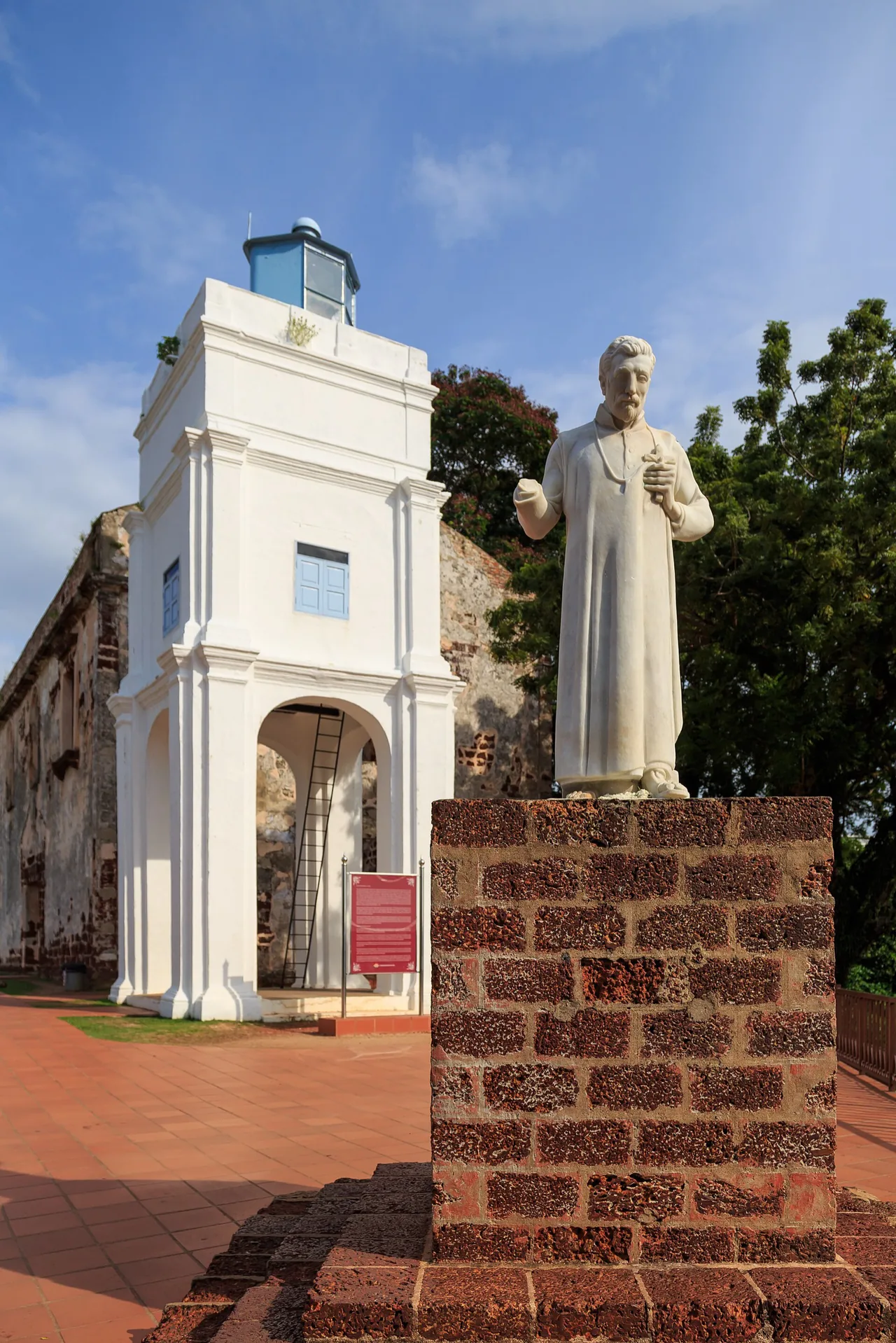
- The white statue near the entrance was put up in 1953, and its right hand is missing.
- One local legend blames lightning and another a falling tree, while a 1967 Straits Times article reported visitors taking the fingers as lucky charms.
- Accounts differ, and none is settled.
- Carved Portuguese and Dutch tombstones
- Tombstones that had been scattered around the site were lined up along the walls in 1932.
- They stand in rows inside the bare laterite walls of the nave.
- Take your time here, since the stones carry the Portuguese and Dutch eras more directly than anything else on the hill.
- Open Grave Inside the Ruin
- A metal grille covers an open grave that is shown as the burial place of Saint Francis Xavier.
- His body lay here temporarily in 1553 before it was shipped to Goa in India.
- Wikipedia notes there is no historical evidence linking this particular vault to him.
- Farquhar's 1814 Lighthouse
- William Farquhar added a lighthouse of roughly 13 meters against the west front of the church in 1814.
- It shows how the building took on a practical role long after worship ended there.
- Look at it from outside the walls to see how it joins the older stonework.
- Hilltop Views and Dutch Graves
- The summit looks out over the rooftops of the old town.
- Older Dutch graves line the slope as you climb, so pause on the way up rather than rushing to the top.
- Photos work best when you stand just outside the entrance and include the statue.

A Short History of the Church
The story starts in 1521, when the Portuguese commander Duarte Coelho built a chapel to the Virgin Mary on the hill. He built it in thanks for escaping a Chinese fleet in a storm in the South China Sea. The chapel was deeded to the Jesuits in 1548, and Saint Francis Xavier used it as his base and opened St. Paul's College on the premises.
Xavier died on Shangchuan Island in China in 1552. His body was buried here temporarily in 1553 before it was shipped to Goa, which is the origin of the open grave inside the ruin.
The Jesuits demolished the chapel in 1566 and built the present church, Nossa Senhora da Annunciada, between 1566 and 1590. So 1521 is the date of the first chapel on the site, not of the church you see today. Wikipedia calls the present building the oldest surviving church building in Southeast Asia and the Far East.
After the Dutch took Malacca in 1641, they renamed it St. Paul's Church, or the Bovenkerk, meaning the church on the top. They used it until Christ Church was finished at the foot of the hill in 1753, and then it was deconsecrated. Later it served as a powder magazine, including under the British from 1824. In 1814 William Farquhar added the roughly 13-meter lighthouse against the west front, and in 1932 the scattered tombstones were lined up along the walls.
The ruin is still used for worship once a year: a Catholic mass in honor of Saint Francis Xavier has been held here every year since 1922.
Pairing the Hill With Nearby Sights
Because the hill sits between Dutch Square and the old fort, it pairs easily with the rest of the old center. One natural route is to climb the white stairs from Dutch Square and come down the main staircase on the south side to A Famosa.
From there you can continue to Cheng Hoon Teng Temple or the Baba and Nyonya Heritage Museum, which cover parts of Malacca's past that the ruin does not.
Plan the climb for daylight, and come back down before dark, since there are no posted hours and the ground is uneven. For the other sights in town, see our Malacca attractions hub.
Frequently Asked Questions
Is there an entrance fee for St. Paul's Church in Malacca?
No. The church ruin and the hill around it are free to visit; the ruin is not fenced. It is not on the Melaka Museum Corporation (PERZIM) ticket list, which covers only the museums around the hill.
What are the opening hours of St. Paul's Church?
No official body publishes opening hours for the ruin. It is an open, unfenced hilltop ruin with no posted hours or ticket, so plan to visit in daylight. The PERZIM museums around the foot of the hill keep their own hours (Tuesday to Sunday, 9:00 am to 5:30 pm) and are a separate visit.
How do you get up St. Paul's Hill?
It is a short climb up a set of white stairs that start beside Dutch Square. Look out for old Dutch graves along the slope on the way up.
Is St. Francis Xavier buried at St. Paul's Church?
Not any more. His body was buried here temporarily in 1553, the year after he died in China, and was then shipped to Goa in India. An open grave inside the ruin, covered by a metal grille, is shown as his burial place, though Wikipedia notes there is no historical evidence linking that particular vault to him.
Why is the St. Francis Xavier statue missing a hand?
The white statue in front of the ruin was put up in 1953 for the 400th anniversary of the saint's stay in Malacca, and its right hand is missing. Stories differ: one local legend blames lightning, another a falling tree, and a 1967 Straits Times article reported that visitors had taken the fingers as lucky charms.
Who built St. Paul's Church?
The Portuguese commander Duarte Coelho built the first chapel on the hill in 1521. The Jesuits replaced it with the present church between 1566 and 1590, and the Dutch renamed it St. Paul's Church after taking Malacca in 1641.
How do I get to St. Paul's Church from Jonker Street?
Walk. Tourism Malaysia says the hill is a short walk from Jonker Street, and the stairs start next to Dutch Square. A second staircase climbs the other side of the hill from A Famosa. From farther away, Panorama Melaka bus route 17 runs from Melaka Sentral to Bandar Hilir.
Is St. Paul's Hill now called Bukit Melaka?
Yes, the hill is increasingly signed as Bukit Melaka, its name in the Malacca Sultanate period. Tourism Malaysia's 2024 Melaka map labels it 'Bukit Melaka @ St. Paul's Hill'. The church itself is still called St. Paul's Church.
St. Paul's Church rewards a short, unhurried stop, with worn tombstones, an empty grave, and a clear view over the old town. Go in daylight, bring shoes with grip, and expect an open-air ruin with no posted hours or ticket. Combine it with Dutch Square and A Famosa at the foot of the hill.
Planning more of Malacca? See our guides to things to do in Malacca, the best time to visit Malacca and heritage hotels in Malacca.