Kaamatan Harvest Festival: Dates, Where to Go, Etiquette
What Kaamatan is, when Sabah celebrates it, and how to visit from Kota Kinabalu: events, food, etiquette and timing tips.
On this page
Last updated November 2026. The Kaamatan harvest festival is Sabah's Kadazan-Dusun thanksgiving for the rice harvest, and its state-level peak falls on 30 and 31 May. Visitors can attend, and Penampang, a short trip from Kota Kinabalu, is the place to start. Below you will find dates, venues, food, etiquette and timing advice.
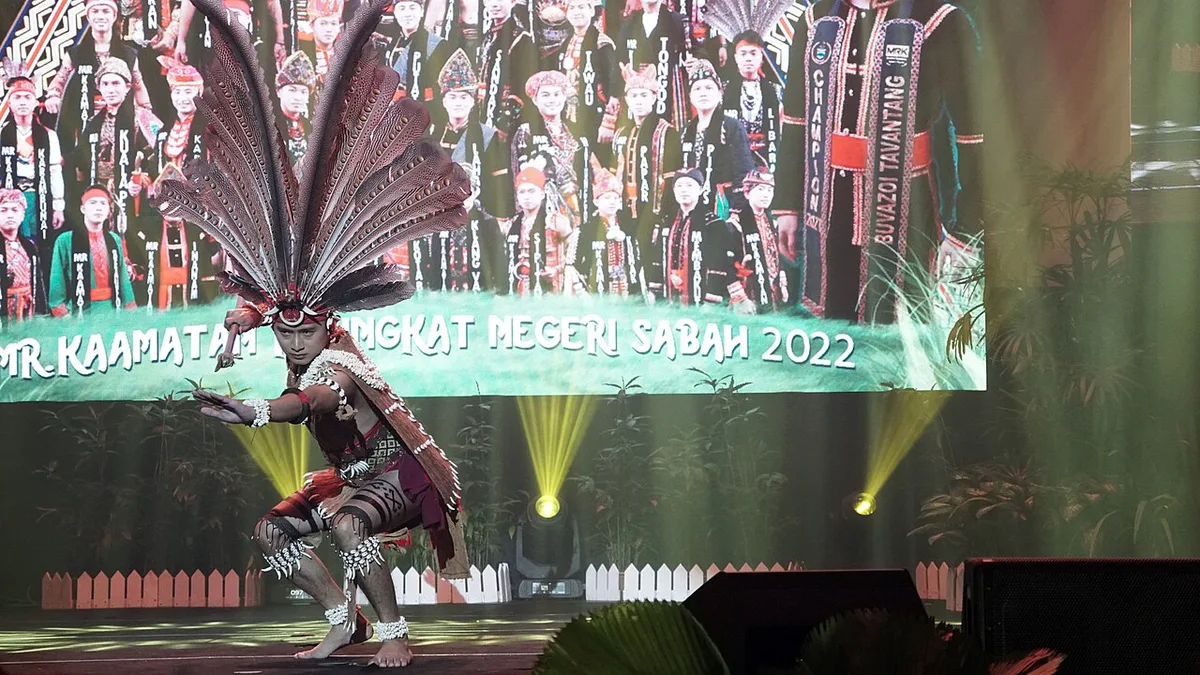
Featured image: Ricardo Unto, CC BY-SA 4.0, via Wikimedia Commons.
What Is the Kaamatan Harvest Festival?
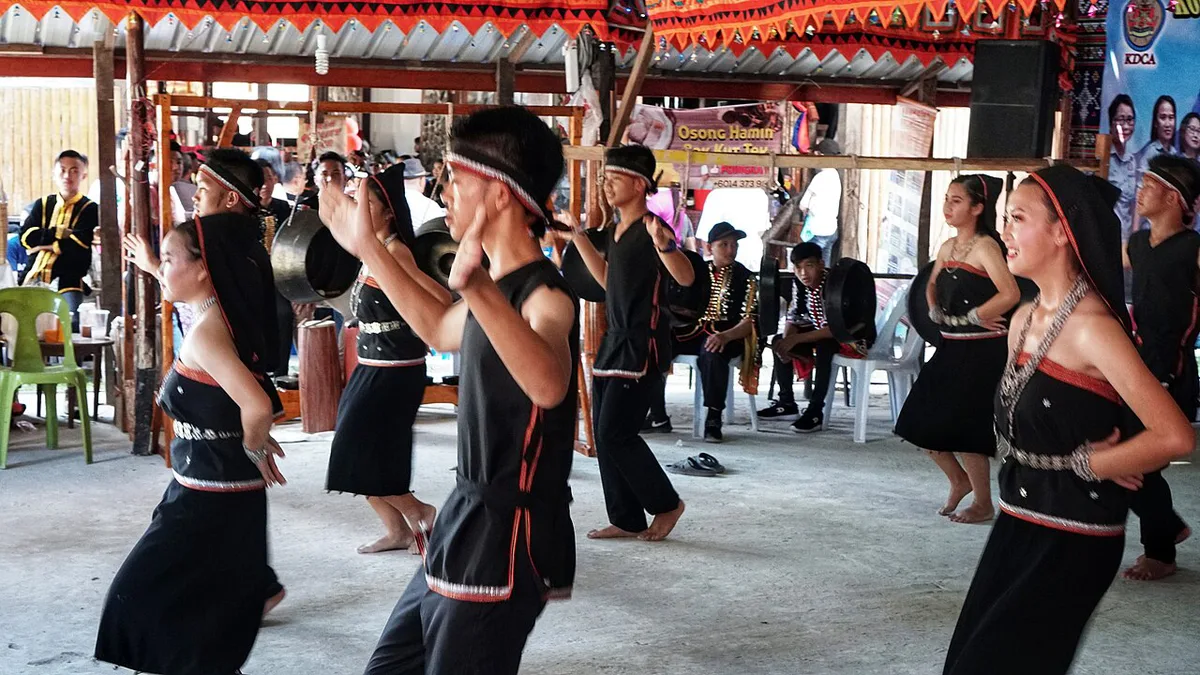
Kaamatan is Sabah's harvest festival and one of its most important cultural events. Kadazan-Dusun communities and related ethnic groups celebrate it to honour a successful harvest. At its centre is Bambaazon, the rice spirit, which according to Kadazan-Dusun tradition lives in every grain. Some Sabahans call the festival Pesta Kaamatan. Because it falls in late May, read our Kota Kinabalu timing guide before you fix travel dates. Outsiders are welcome at the public events. Go as a guest, ask before you photograph anything ritual, and follow local lead.
When Is Kaamatan? Dates and What Happens Each Day
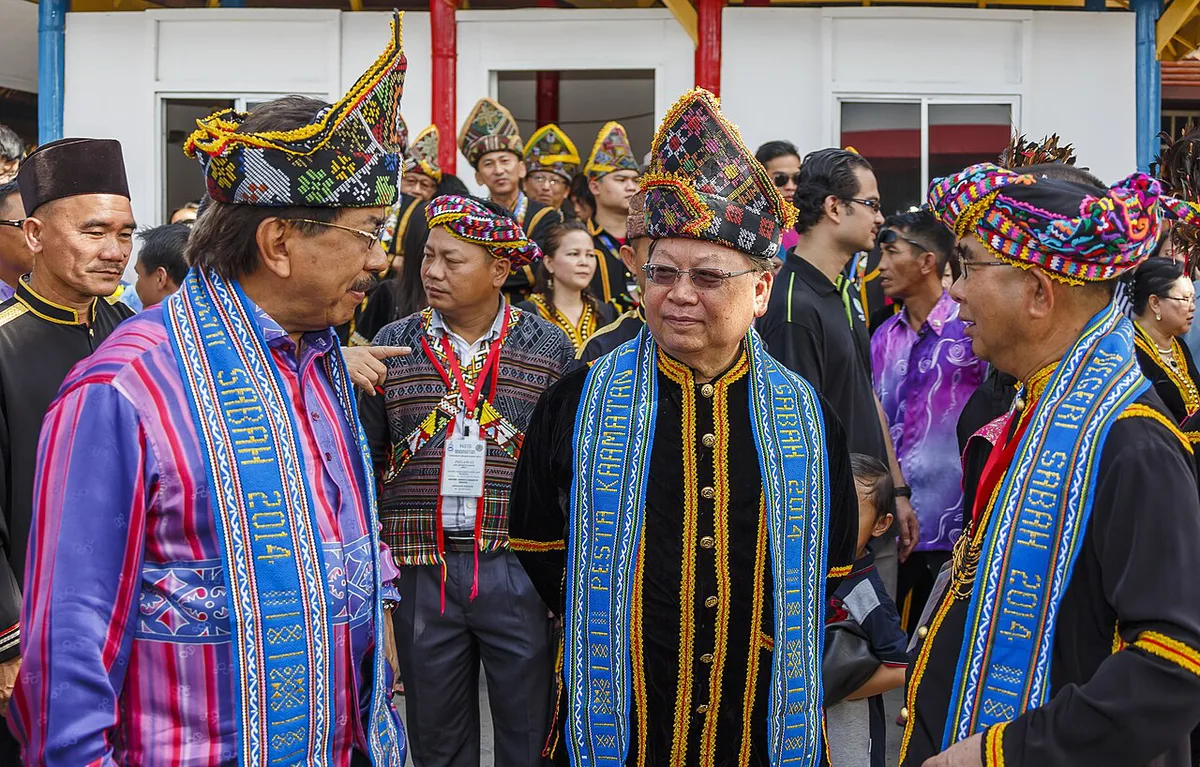
Tourism Malaysia's event listing gives 30 and 31 May as the annual dates. That two-day window is the state-level celebration. Many villages and districts hold smaller events earlier in May, then the programme builds toward the state level. Elderly bobohizan, the ritual specialists of Kadazan-Dusun tradition, open the two days with ancient rituals. The Unduk Ngadau pageant closes the festival, and its winner is announced on 31 May. Exact programmes shift from year to year, so the Kadazandusun Cultural Association Sabah is the best place to look for the current schedule.
- Dates: 30 and 31 May for the state-level event.
- Day one: opening rituals, exhibitions, traditional games and dance.
- Day two: finals and the Unduk Ngadau pageant, with the winner named on 31 May.
- Before you go: get the current programme, entry rules and parking details from the organiser.
The Story Behind Kaamatan
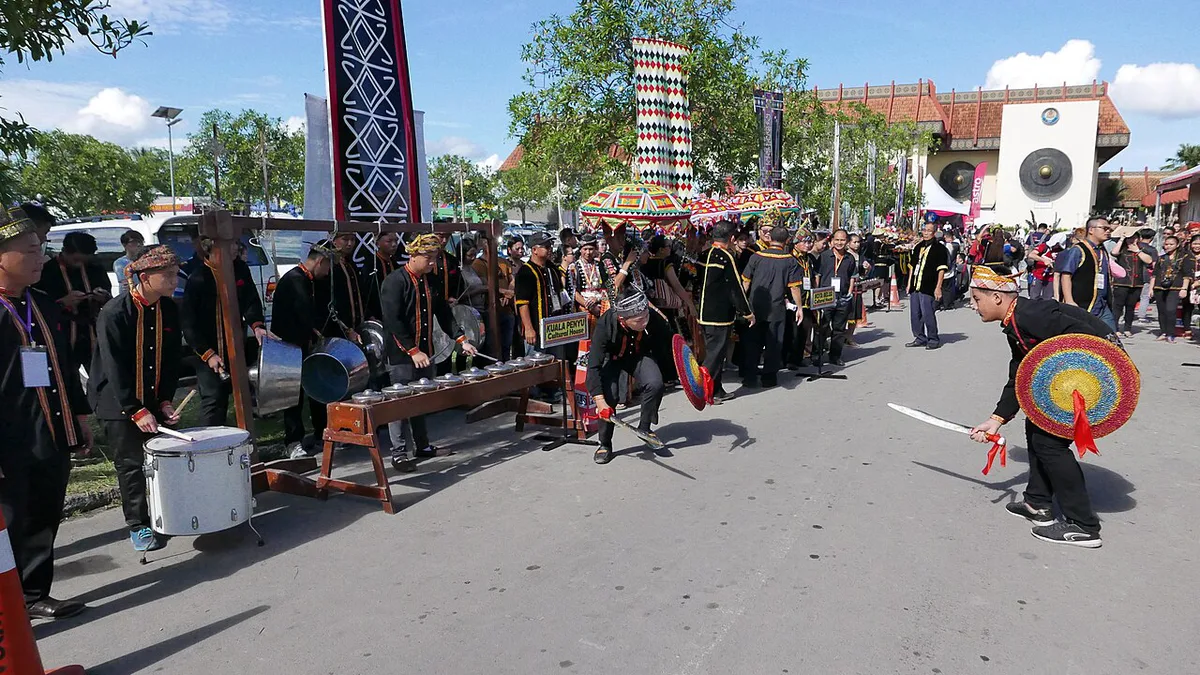
Tourism Malaysia summarises the legend this way. Kinoingan sacrificed his only daughter, Huminodun, and scattered her across the paddy field. The field gave a fruitful harvest that saved the people from famine. Her spirit passed into every grain of rice, known as Bambaazon. Tellings differ between communities, so treat this as a short summary of Kadazan-Dusun tradition rather than a single fixed version. The festival exists to honour and thank Bambaazon. Bobohizan lead the rituals, and the Magavau ceremony is part of the tradition. Magavau is described as the search to bring home strayed parts of the rice spirit. If you see it performed, watch quietly and take your cue from the organisers.
What You Can See and Do as a Visitor
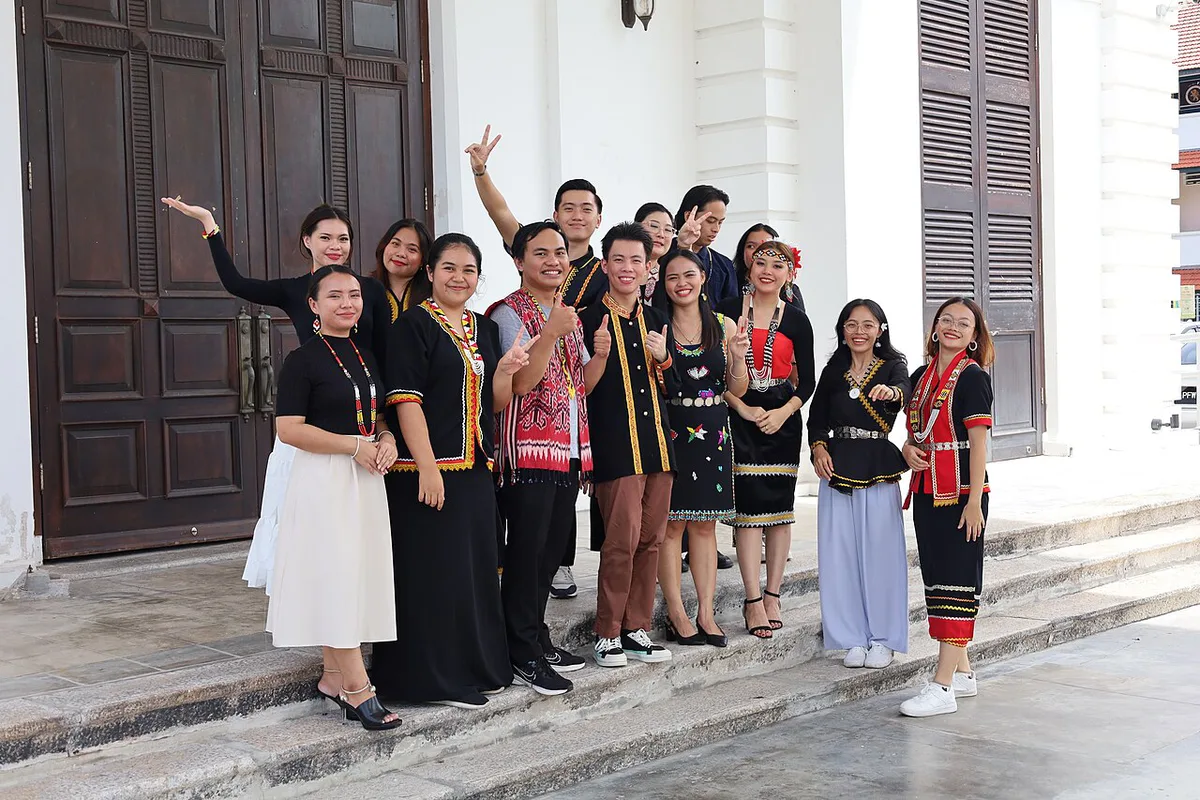
Public programmes mix performance, sport and competition. Sumazau, the traditional Kadazan-Dusun folk dance, is often performed during the harvest festival. Traditional games include mipulos, or arm wrestling, and migayat lukug, or tug of war. Sugandoi is a singing competition. Unduk Ngadau is a pageant that serves as a tribute to Huminodun. Local Sabahan women from across the state compete for a prestigious title. Exhibitions and activities also run at the KDCA in Penampang. Private household rituals and village ceremonies are different from the public stage. Treat those as invitation-only unless a host says otherwise.
Where to Experience Kaamatan from Kota Kinabalu
Penampang is the base for the state-level programme. Tourism Malaysia places the KDCA exhibitions there. KDCA Hall sits at Hongkod Koisaan, KM 8, Jalan Penampang. Outside festival days it opens 9:00am to 5:00pm Monday to Saturday and 1:00pm to 5:00pm on Sunday. Its tour costs RM65 for an international adult, or RM80 with lunch. International children pay RM50, or RM60 with lunch, and children aged 6 and below enter free. Those are standard tour rates, not festival ticket prices. Festival entry rules and transport arrangements are set by the organiser each year. Village and district events are smaller and more personal, but you will usually need a local contact.
| Option | Access | Crowds | Feel | Best for |
|---|---|---|---|---|
| State-level event, Penampang | Public programme, well signposted | Large | Staged and varied | First-timers, families |
| District celebration | Local arrangement, programme varies | Moderate | Mix of competition and community | Culture-focused travellers |
| Village celebration | Usually through a local host or invitation | Small | Closest to the ritual roots | Visitors with a local connection |
What to Eat at Kaamatan
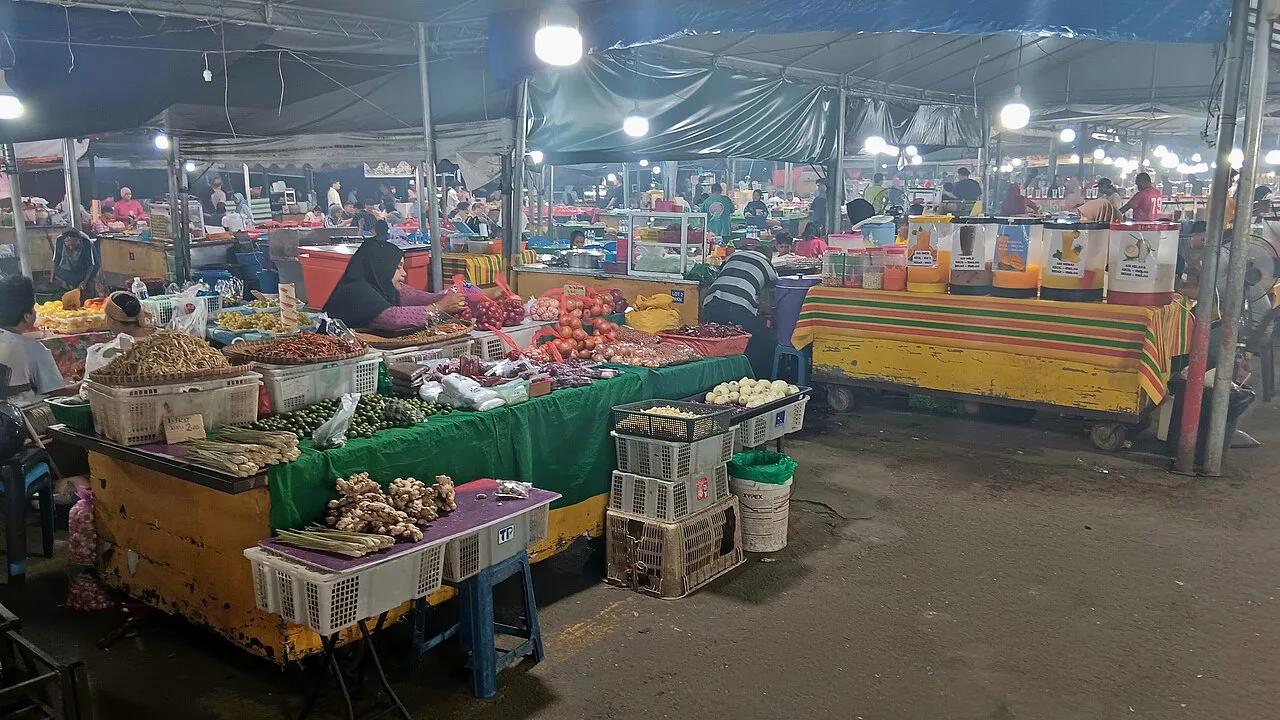
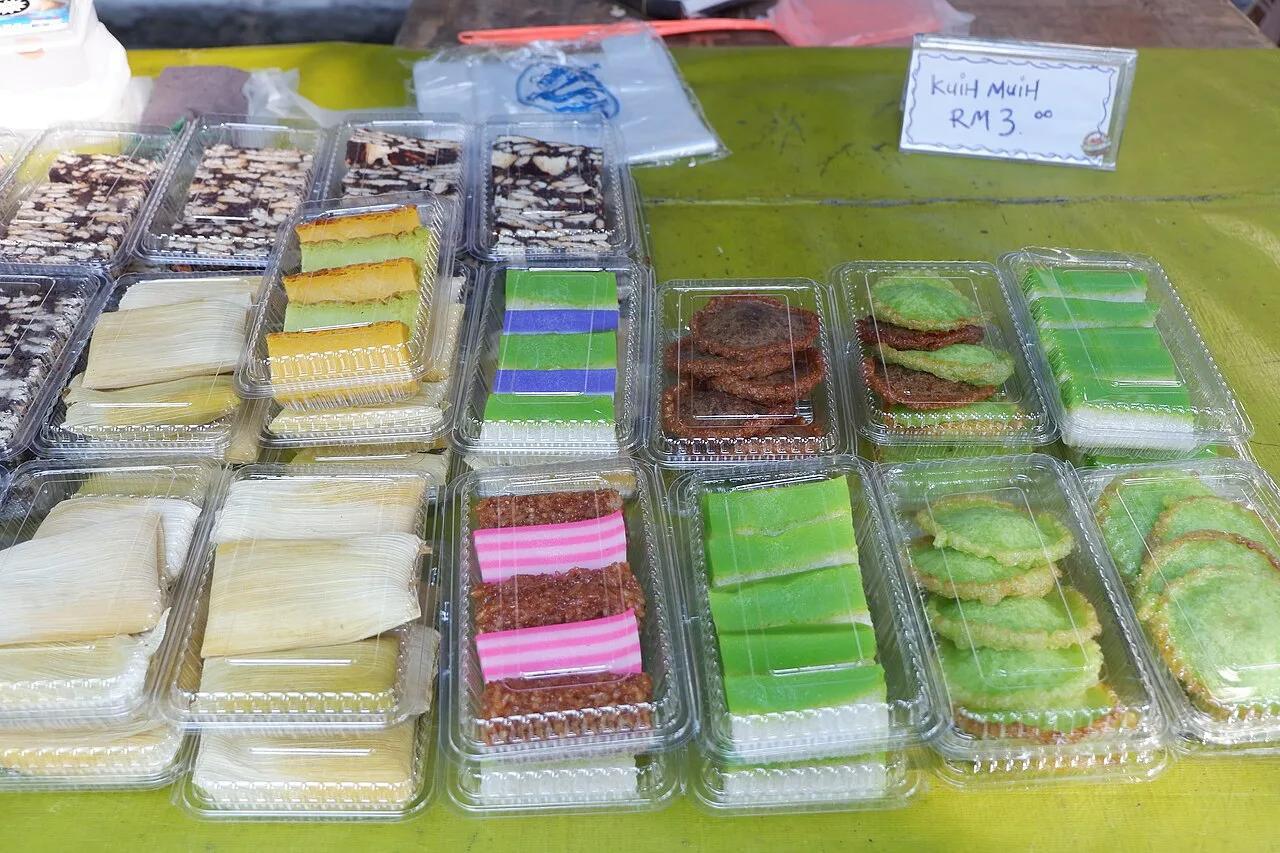
Tourism Malaysia names hinava, a fermented fish dish, and bambangan, a pickled fruit with yellow flesh similar to mango. It also lists wild mango and kampung-style steamed fish. Homemade rice wine is called tapai. Adventurous eaters may also meet sago grub, also called sago worm. Stalls at the state-level event sell both traditional and contemporary dishes. Sabah's food scene is mixed, so ask a vendor about ingredients if you avoid pork or alcohol.

- Hinava: fermented fish, so raw-fish cautions apply.
- Bambangan: pickled fruit with yellow flesh.
- Tapai: rice wine, which contains alcohol.
- Sago grub: an acquired taste, and entirely optional.
Etiquette: Respecting a Sacred Harvest Ritual
Kaamatan is a thanksgiving with spiritual roots, not only a stage show. Rice is treated with respect in Kadazan-Dusun belief, so never waste or toss food at a ceremony. Ask before photographing rituals, offerings or the bobohizan. Wait for an invitation before joining a procession or a ritual. Tapai is part of the celebration, but drink moderately and never pour it carelessly. Dress neatly and modestly, especially at village events.
- Do not photograph rituals or offerings without asking.
- Do not step into a ceremony space uninvited.
- Do not waste rice or leave food scattered.
- Do bring a small gift or ask your host what is appropriate.
When to Go and How to Plan Around the Peak
Late May sits in the Southwest Monsoon, which runs May to September. Penampang's district government page describes that season as hot with heavy rain. Our Kota Kinabalu weather guide covers the conditions to expect. Read our rainy season guide before you plan outdoor days. Pack a rain layer and keep afternoons flexible. The Malaysian Meteorological Department publishes forecasts. Rooms and flights near 30 and 31 May may fill, so book early. Carry some cash for stalls and local transport. If the dates do not suit you, the Northeast Monsoon from November to March brings cooler temperatures and less rain. See Kota Kinabalu in December: Weather and What to Do for that alternative.
Outside festival days, KDCA Hall opens 9:00am to 5:00pm Monday to Saturday, a useful fallback if 30 and 31 May rooms fill.
Is Kaamatan Worth Planning a Trip Around?
Tourism Malaysia calls Kaamatan a good time to visit Sabah, especially for a first trip. Culture-focused travellers get the most from it. First-timers and families will find the Penampang programme the easiest to follow. If you dislike crowds, consider a district event or visit KDCA Hall on a regular day. Wet-season weather and tight bookings are the main trade-offs. Sabah Tourism is a good starting point for wider trip planning.
Skipping the festival crowds still means standard tour rates at KDCA Hall: RM65 for an international adult.
- Go if you want cultural events, dance and local food in one trip.
- Go if you can book early and handle rain.
- Skip the peak if you dislike crowds or need flexible dates.
Useful notes for your Southeast Asia trip
Optional updates to our guides.
You might also like
Continue reading
More guides you'll find useful