Best Time to Visit Kota Kinabalu: Month by Month
The best months to visit Kota Kinabalu by rain, crowds, cost, islands and Mt Kinabalu, plus what to expect in the wetter months and at Kaamatan.
On this page
Last updated November 2026: the best time to visit Kota Kinabalu is the drier stretch from January to April, with May to September as a workable shoulder. Kota Kinabalu sits on Borneo's northwest coast, so plan around a drier stretch and a wetter stretch rather than four seasons. Daytime readings in mid-November ran 24°C (75°F) to 32°C (90°F), so rain, not heat, is what separates one month from another.
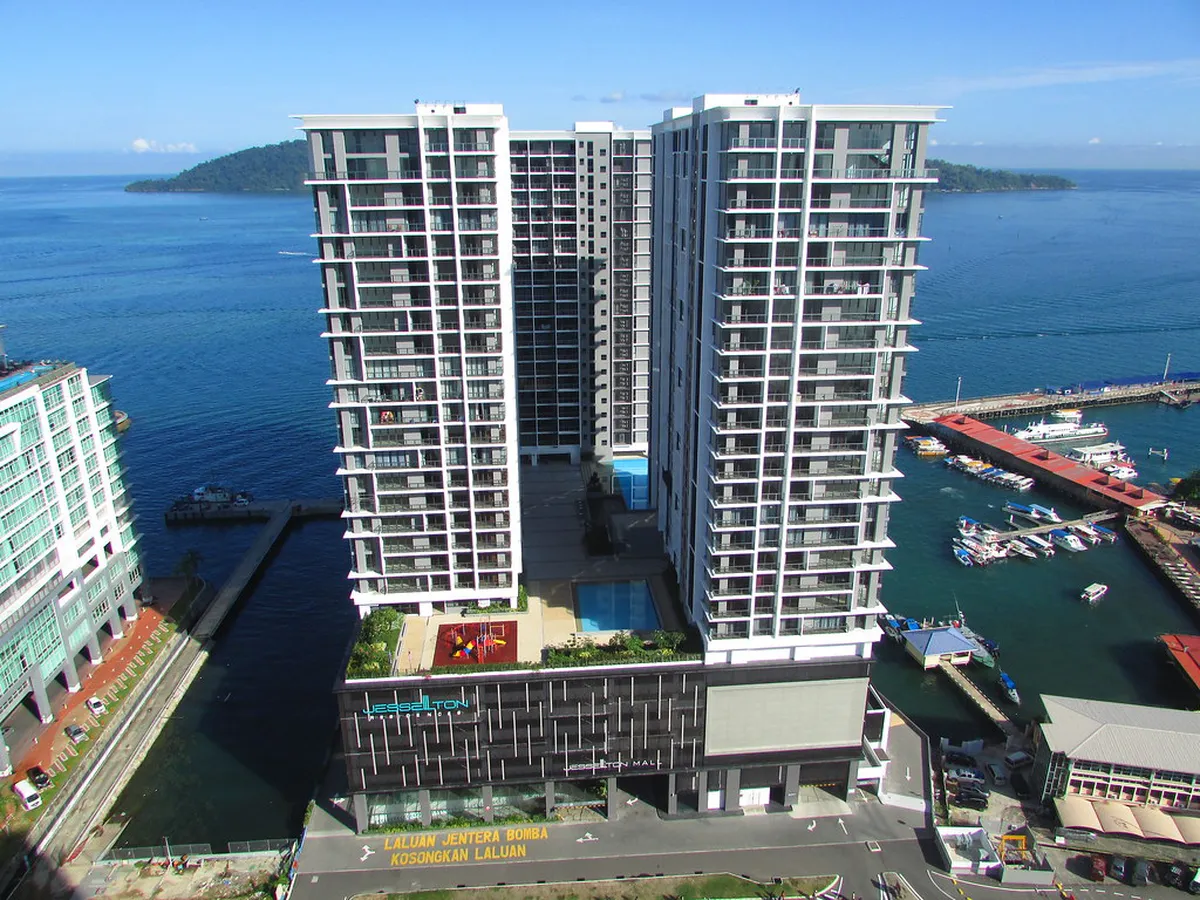
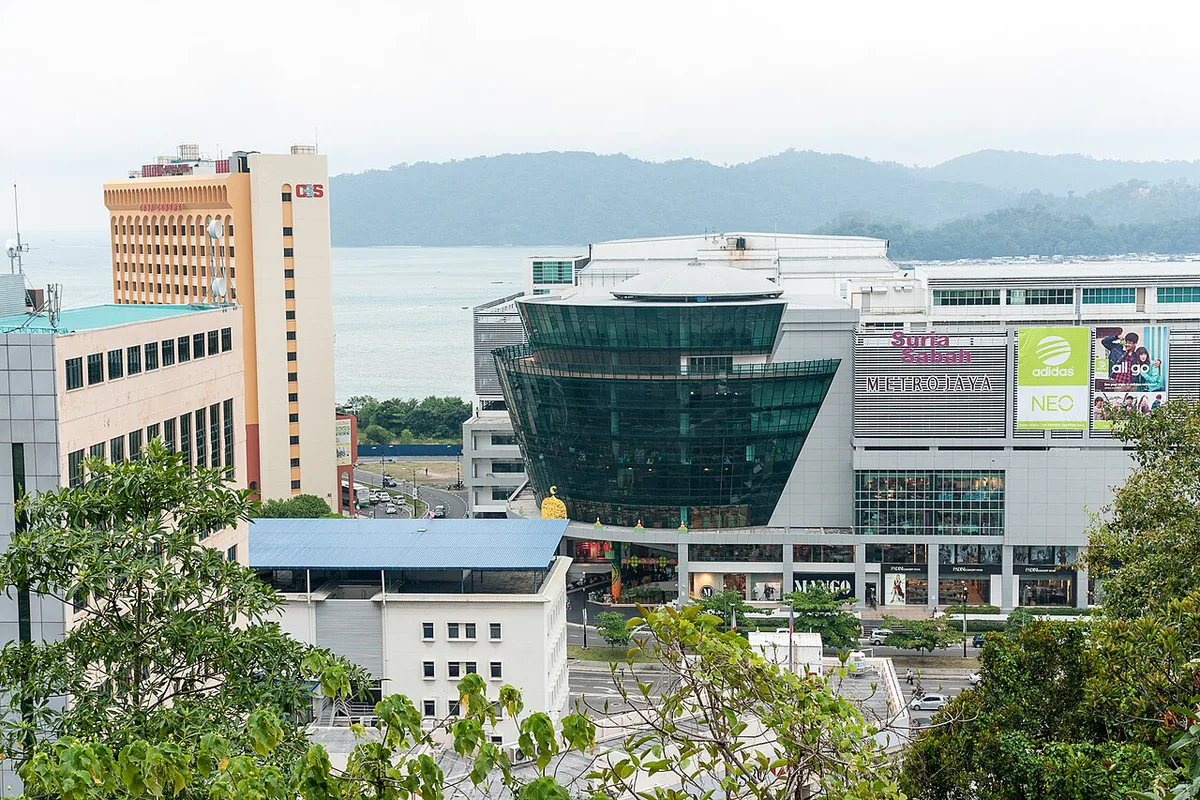
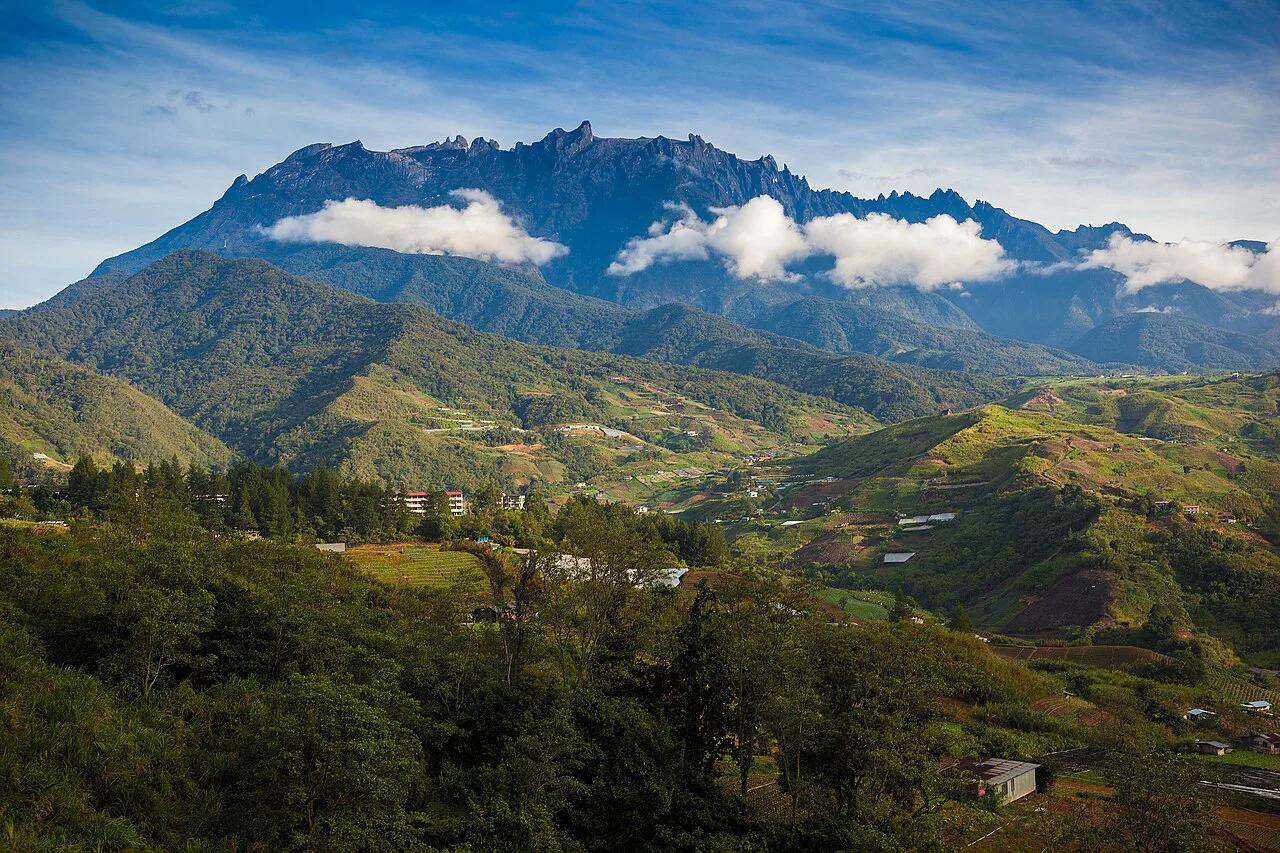
Featured image: jimmyweee, CC BY 2.0, via Wikimedia Commons.
Best Time to Visit Kota Kinabalu: Quick Answer

Go between January and April if you want the best odds of clear skies and calm crossings to the islands. May to September is the shoulder option, with more rain but fewer compromises than the year-end months. October to December is the wettest stretch, and it is a trade-off rather than a write-off. Kota Kinabalu is tropical, so no month is guaranteed dry and none is guaranteed wet. The Malaysia Meteorological Department publishes the official forecasts and warnings. Sources vary on how dry January to April and April to May really are, and rainfall shifts from year to year. Treat the windows below as typical patterns, not promises. For monthly climate detail, see our guide to detailed climate data. Pick your priority first. Islands and Mt Kinabalu favor the drier months. Budget and flexibility favor the wetter ones.
Kota Kinabalu Seasons at a Glance
Ratings in this table are typical patterns, not measured scores. Temperatures stay in a similar band all year, with a mid-November reading of 24°C (75°F) to 32°C (90°F). Park fees below are fixed official rates and do not move with the season. Prices and hours checked November 2026.
| Period | Rain and sea conditions (typical) | Crowds and price level (typical) | Best for | Watch-outs |
|---|---|---|---|---|
| January to April | Drier; calmer seas for boats | Higher demand; higher flight and hotel prices | Island hopping, snorkelling, Mt Kinabalu, sunsets at Tanjung Aru | Book flights and the climb early; 24°C (75°F) to 32°C (90°F) still feels humid |
| May to September | Mixed; more showers, usually short | Moderate; Kaamatan in May lifts demand | Festivals, wildlife, a balance of cost and weather | Showers can cancel afternoon boats |
| October to December | Wettest stretch; heavier, longer spells | Typically lower prices on rooms and flights | Budget trips, Mari Mari, markets, malls, flexible plans | Rough seas can cancel crossings; trails turn muddy |
Month-by-Month Guide
Use these short entries to match a month to a goal. They describe typical patterns, so keep a spare day for weather in any month.
- January: start of the drier stretch; good for islands and first-time visits.
- February: drier conditions continue; book accommodation ahead.
- March: dependable for snorkelling at Sapi and Manukan.
- April: end of the drier stretch; some reports call April and May prime for calm seas.
- May: Kaamatan month, with festival events toward the end; showers become more frequent.
- June: shoulder conditions; fewer crowds than the early-year peak.
- July: mixed weather; plan outdoor activities for mornings.
- August: similar to July; a sensible budget month.
- September: showers still common; check boat schedules daily.
- October: start of the wettest stretch; heavy showers are likely.
- November: wet, with lower prices; keep indoor options ready.
- December: wet and busy with holiday travel; see December conditions and events for detail.
Best Time by Goal: Islands, Mt Kinabalu, Wildlife, Sunsets
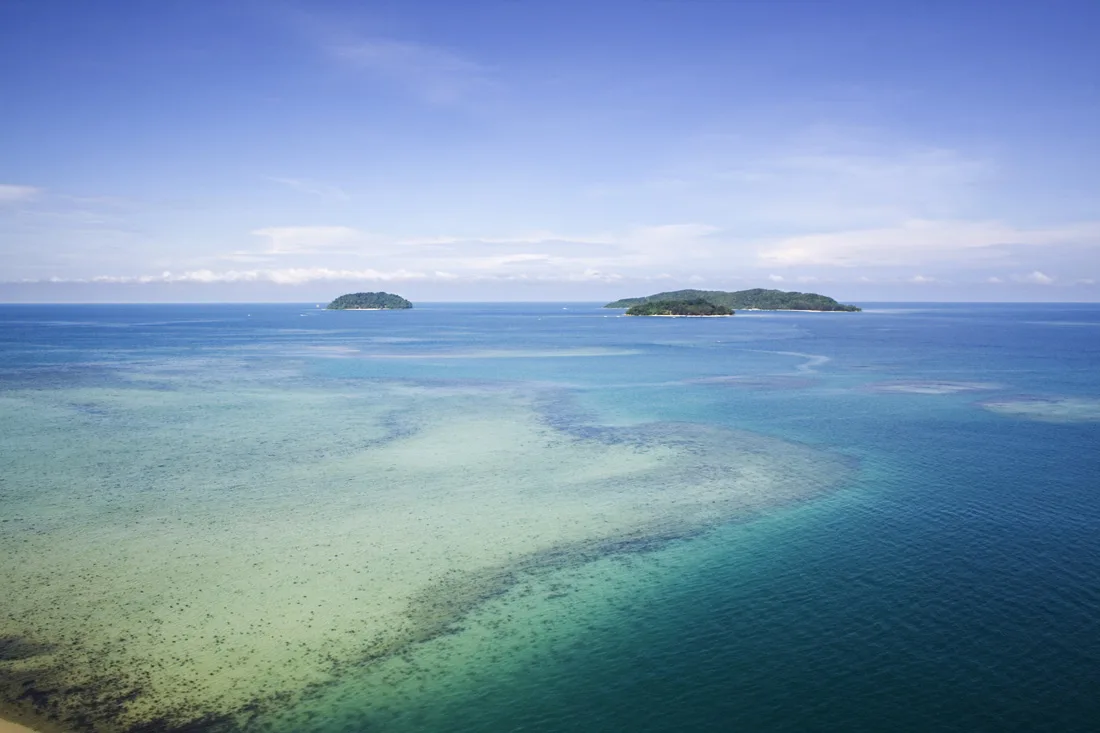
Match the month to the reason you are coming. Islands come first. Tunku Abdul Rahman Park lies in Gaya Bay, 3 kilometers offshore, and opens 8:00am to 5:00pm daily. International adults pay RM25 per day, and Malaysian adults pay RM8. Visiting hours and access may differ by facility, activity and weather. Calmer seas in January to April make snorkelling and diving most reliable. For Mt Kinabalu, a permit and a guide are required, so book early and aim for the drier months. Kinabalu Park is about 90 km from the city and takes almost 2 hours by road. Wildlife works year-round. Lok Kawi Wildlife Park is about 25 km away, and the KK Wetland Centre is about 10 minutes by road. Sunsets are best at Tanjung Aru Beach, where visitors fly kites, picnic and eat from small food stalls. Rain-free evenings are likelier from January to April. Culture and festivals peak in May. Families and budget travelers do well in the shoulder months, when prices ease and the islands remain reachable.
- Islands and snorkelling: January to April.
- Mt Kinabalu: drier months, booked well ahead.
- Wildlife and mangroves: any month, mornings are best.
- Sunsets at Tanjung Aru: January to April.
- Culture: May, for Kaamatan.
- Budget: October to December, with flexible plans.
- Families: May to September shoulder months.

Kaamatan Harvest Festival: Timing and What to Expect
Kaamatan is the Kadazan-Dusun harvest festival, held in May, with the main celebrations usually toward the end of the month. Exact dates are announced each year by the Kadazandusun Cultural Association and Sabah Tourism, so look them up before you book flights. Expect traditional costumes, music and food during the celebrations. Read our Kaamatan festival details for what visitors can realistically see. Hotels fill faster around the festival, so book early if May is your target.

Rainy Season in Kota Kinabalu: Is It Really the Worst Time?
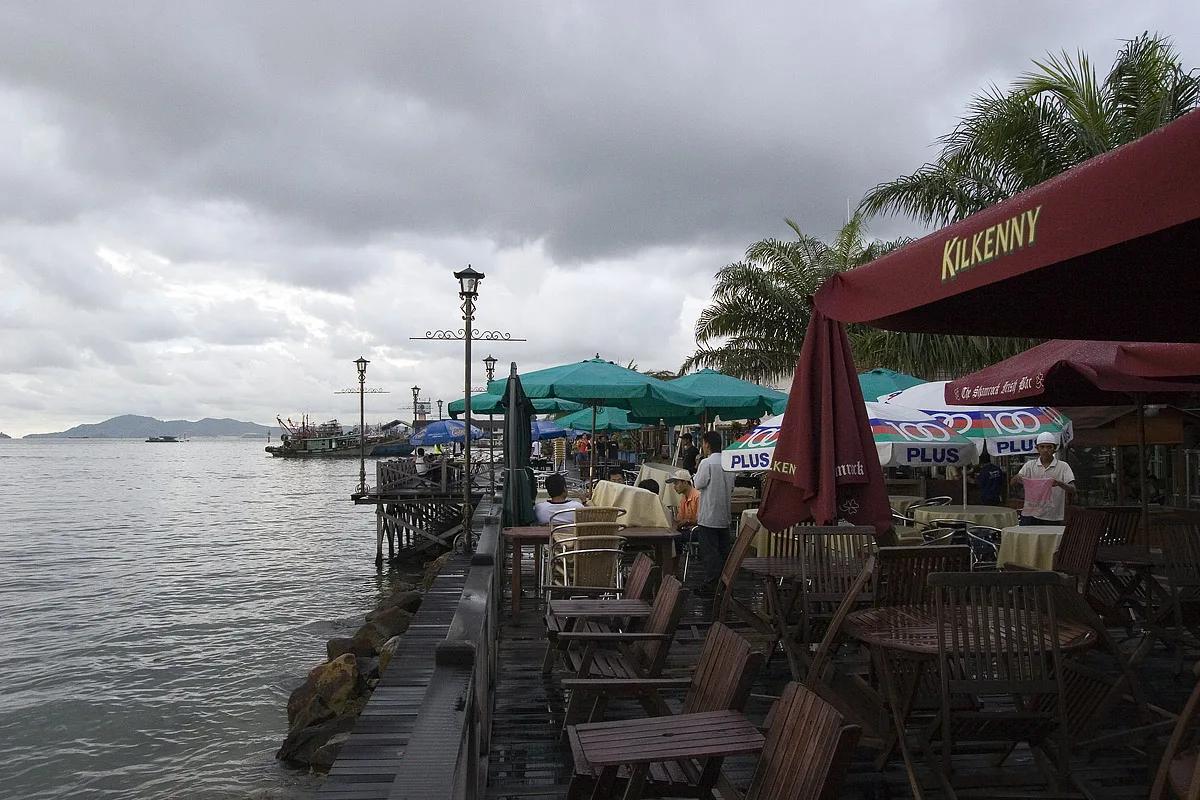
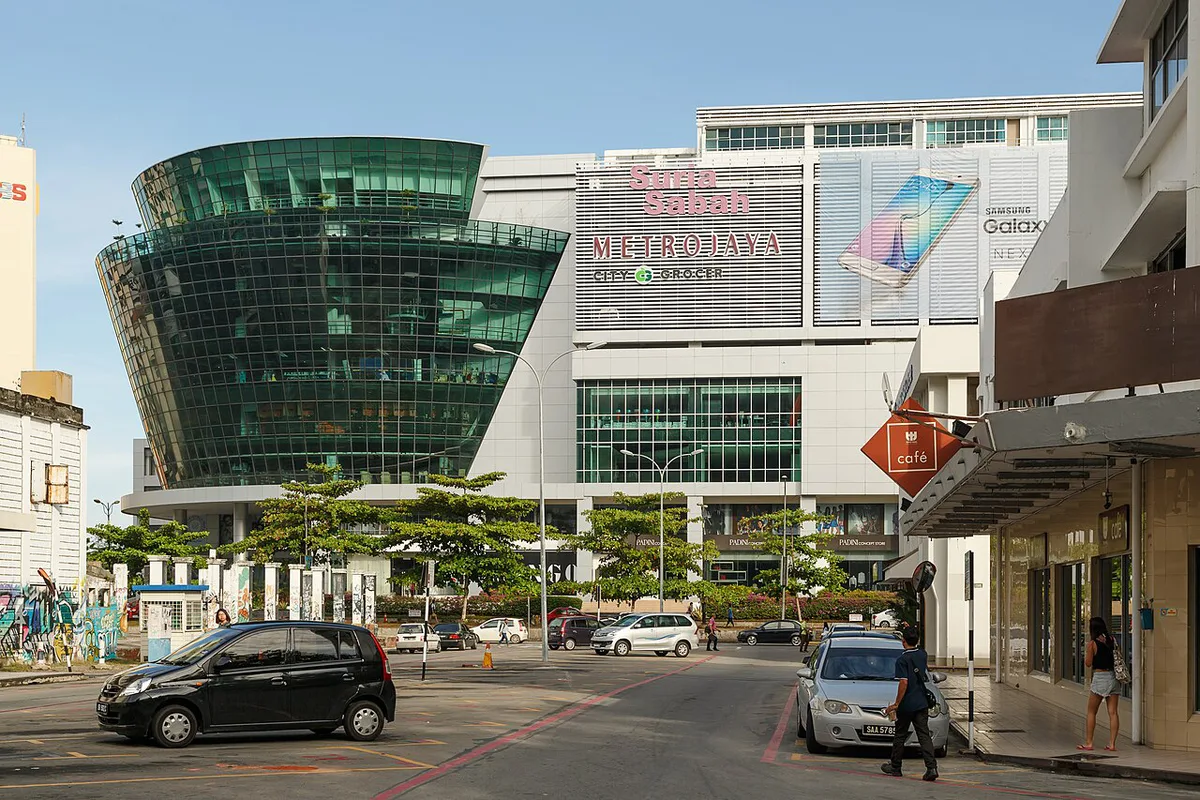
Not necessarily. Rain in Kota Kinabalu often arrives as short, heavy showers rather than all-day downpours. A flexible plan can beat a dry month with a rigid one. The real costs are at sea and on trails. Jesselton Point refunds or reschedules tickets at no extra cost when boats are cancelled for unsafe weather. Visibility for diving drops in rough conditions, and trails get muddy. Several rain-ready options stay open. Mari Mari Cultural Village runs tours at 10am and 2pm rain or shine, at RM130 for international adults. Suria Sabah is open 10AM to 10PM daily. Gaya Street hosts its Sunday fair from 6.00am to 1.00pm. The City Mosque costs RM5 and is closed on Fridays. For depth, see our rainy season guide.
- Wet-season fallback: Mari Mari Cultural Village at 10am or 2pm.
- Indoor option: Suria Sabah, 10AM to 10PM.
- Sunday only: Gaya Street fair, 6.00am to 1.00pm.
- Culture stop: Kota Kinabalu City Mosque, closed Fridays.
Cost, Crowds and Booking Lead Times
Official fees do not change by season. International adults pay RM25 per day at Tunku Abdul Rahman Park. Mari Mari costs RM130 for international adults and RM110 for Malaysian adults. The swing comes from flights and hotels, which are typically higher in the drier months and lower from October to December. One traveler report claims 30 to 50 percent savings in April and May, but that figure is unconfirmed, so compare live prices. Book Mt Kinabalu, peak-month rooms and Kaamatan stays as early as you can. Mari Mari needs a deposit to secure a session. Bring cash, because the entrance has no card processor.
Book the Mt Kinabalu climb early, since Kinabalu Park sits about 90 km from the city and takes almost 2 hours by road.
Getting Around by Season

Jesselton Point is currently operating from the temporary South Jetty at KK Port while the original terminal is upgraded. Ferries to the islands continue, and the terminal is open 7:30 AM to 5:00 PM daily. Walk-ins are welcome, and tickets can be bought ahead on Easybook. From Gaya Street it is a 15 to 20 minute walk. The airport is about a 15 minute drive away by taxi or Grab. There is no on-site parking, so use JQ Central levels 4, 5 and 6. The Labuan ferry is suspended. For day trips, Mari Mari is about 30 minutes out, and hotel pickup needs a minimum of 2 people. If you use Grab to reach Mari Mari, book the return too, because the village has no Grab service. Sabah's east coast has its own weather, so do not assume it matches Kota Kinabalu.
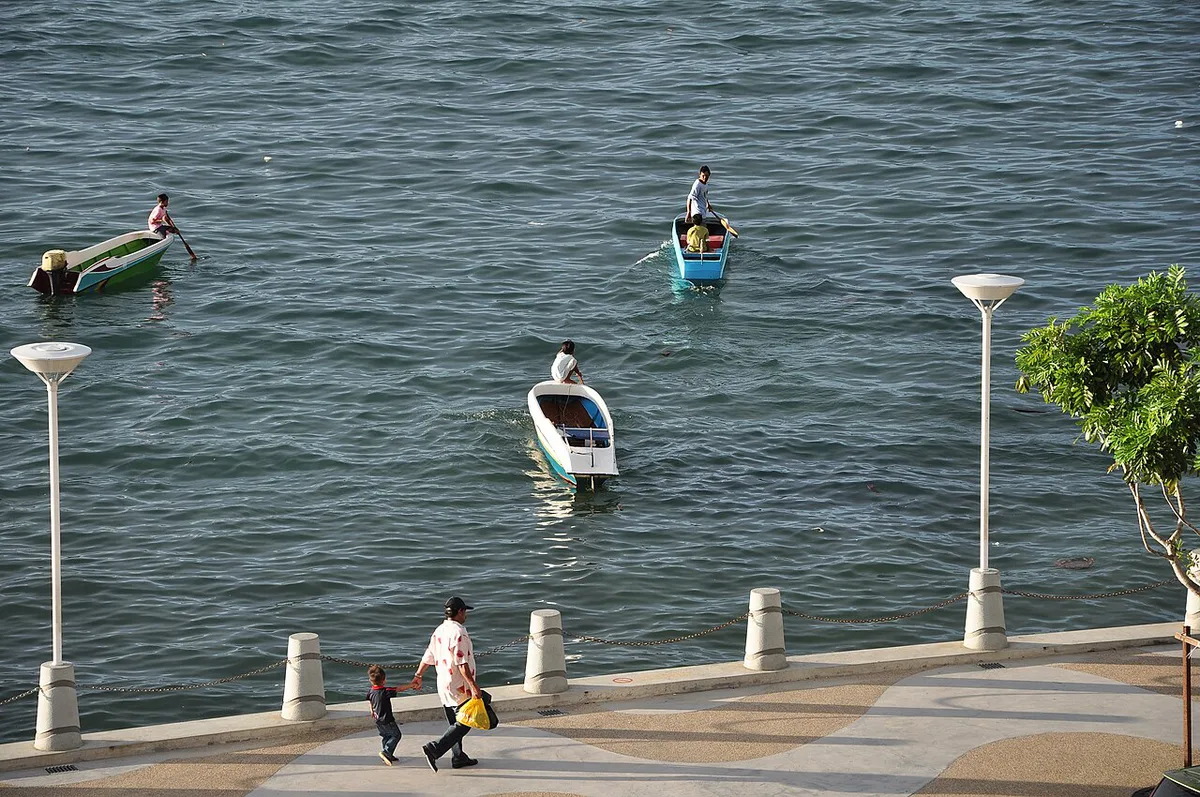
Ferry time eats into island days, so plan around the crossing. Tunku Abdul Rahman Park sits 3 kilometers offshore, so each boat leg adds up.
Mistakes to Avoid When Timing Your Trip
A few slips cost the most. Climbers book the permit too late. Island trips cram too many stops into one day. Some travelers assume Semporna and Sandakan share the weather of the west coast. Others pack without rain cover.
- Booking the Mt Kinabalu climb late.
- Scheduling too many islands in a single day.
- Assuming the east coast matches Kota Kinabalu's weather.
- Skipping insect repellent and a raincoat; Mari Mari runs rain or shine.
Building the rest of the trip? Our Kota Kinabalu attractions guide covers the sights, districts and logistics around this guide.
Best time to visit other cities
Frequently Asked Questions
Which month is best for a Malaysia trip?
For Kota Kinabalu, January to April gives the best odds of dry weather and calm seas. May to September is a good shoulder choice. Other parts of Malaysia follow different weather patterns.
Is Kota Kinabalu city worth visiting?
Yes. Gaya Street holds a Sunday fair from 6.00am to 1.00pm, and Suria Sabah is open daily from 10AM to 10PM. Tunku Abdul Rahman Park is 3 kilometers offshore, and Mari Mari Cultural Village offers tours at 10am and 2pm.
Explore More Kota Kinabalu Guides
Keep planning your Kota Kinabalu trip with these guides.
Kota Kinabalu Guides
Useful notes for your Southeast Asia trip
Optional updates to our guides.
You might also like

Continue reading
More guides you'll find useful