8 Kuala Lumpur Street Food Dishes and Where to Eat Them
Eight Kuala Lumpur street food dishes to try first, plus how to pick between Jalan Alor, Petaling Street, kopitiams and mamaks by time and diet.
On this page
Last updated November 2026: Kuala Lumpur street food spans Malay, Chinese and Indian kitchens, so a single evening can cover nasi lemak, char kuey teow and roti canai. Start with the eight dishes below, then choose an area by time of day. Jalan Alor suits late nights, while Petaling Street and Central Market suit daytime eating.
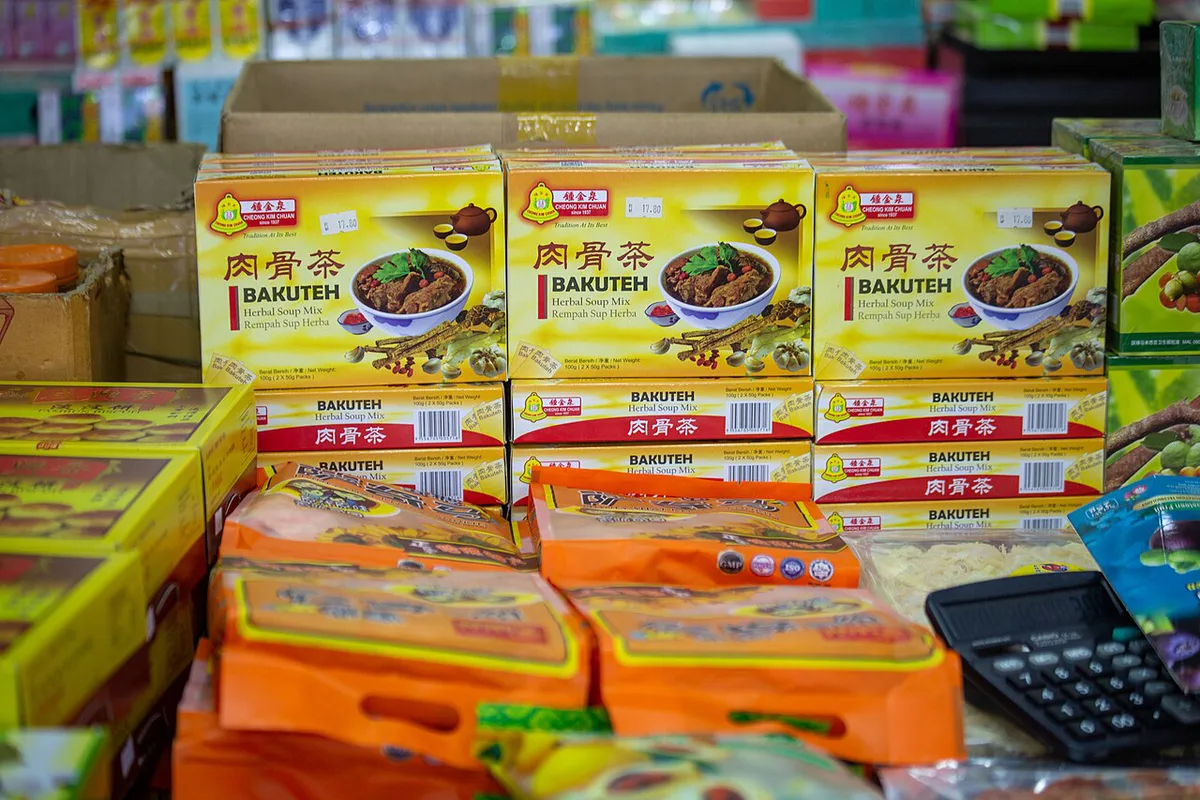
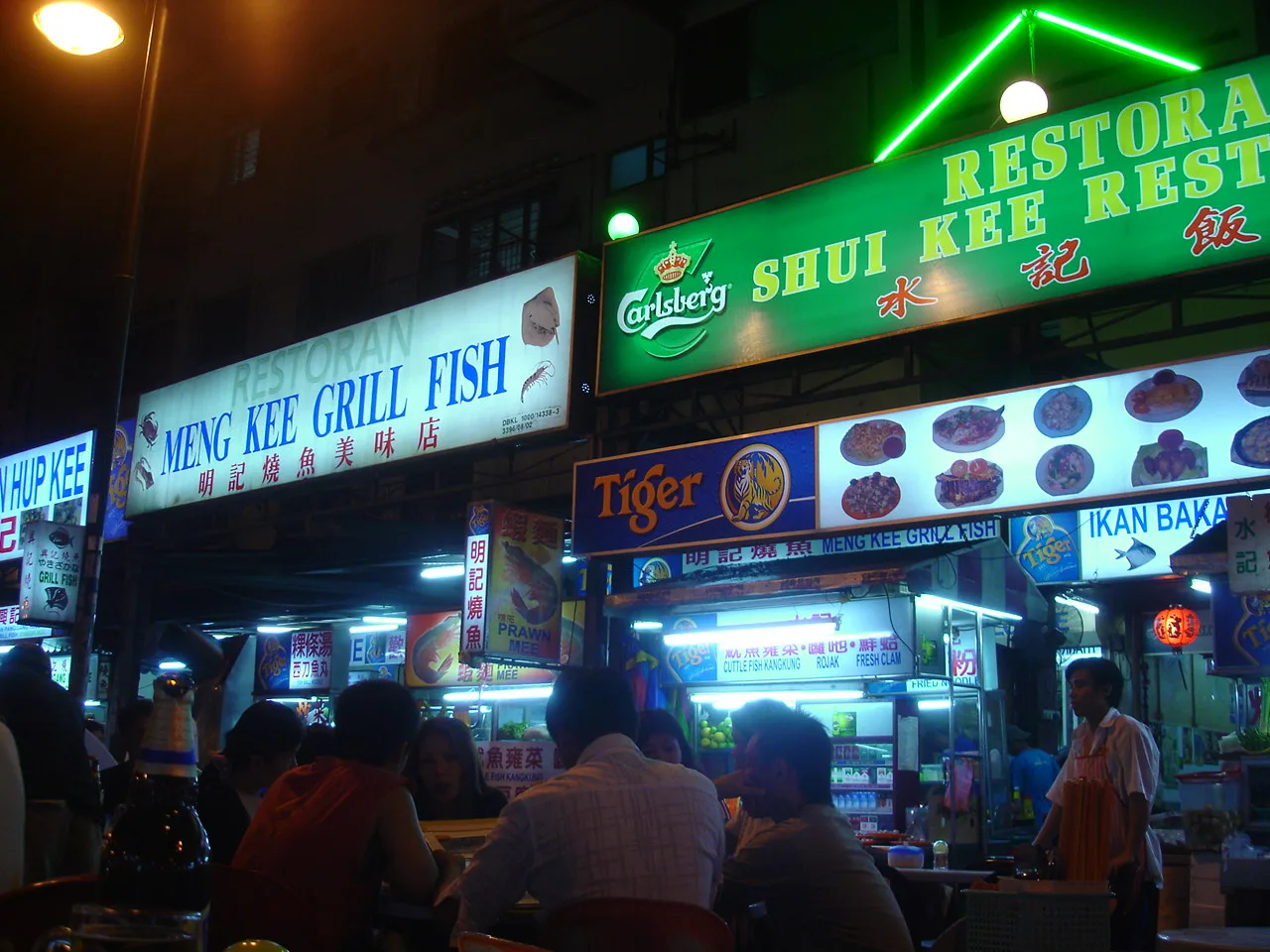
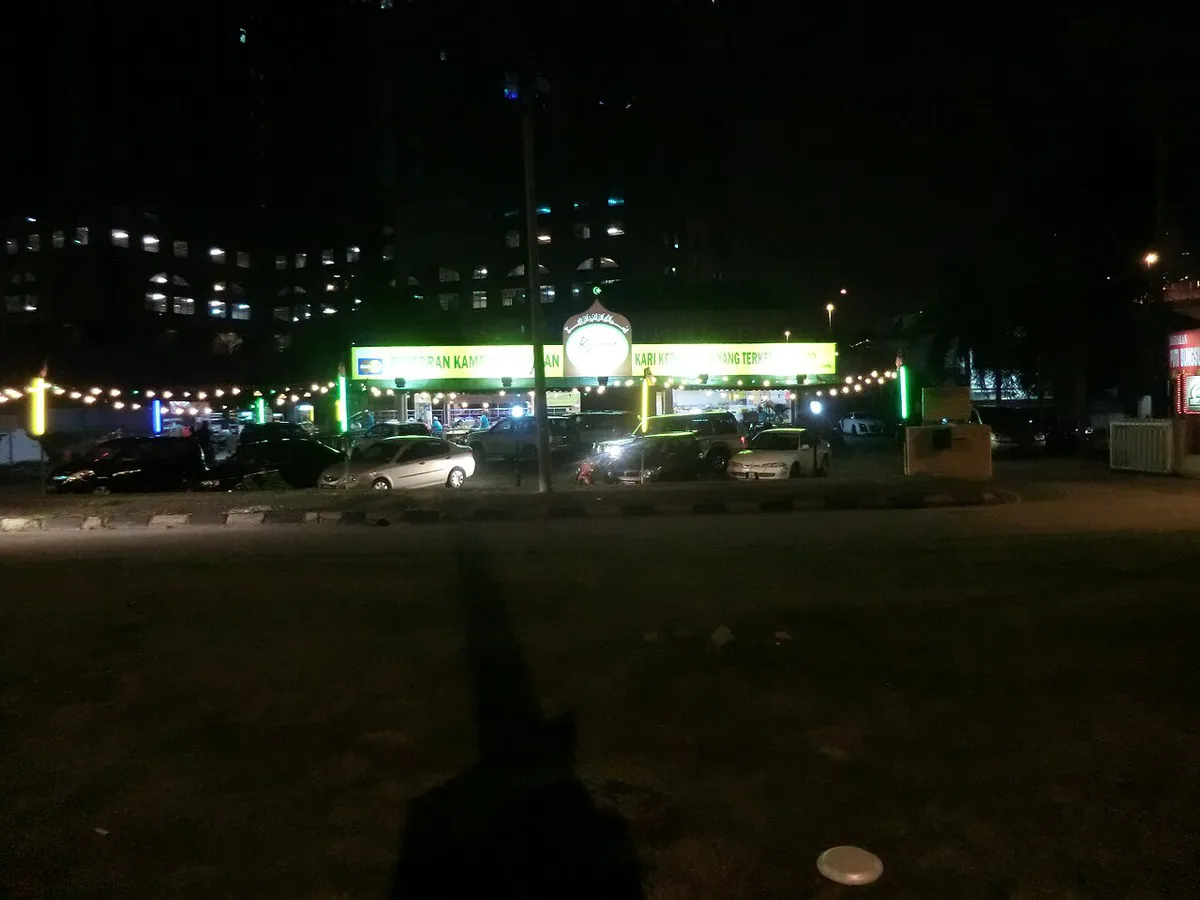
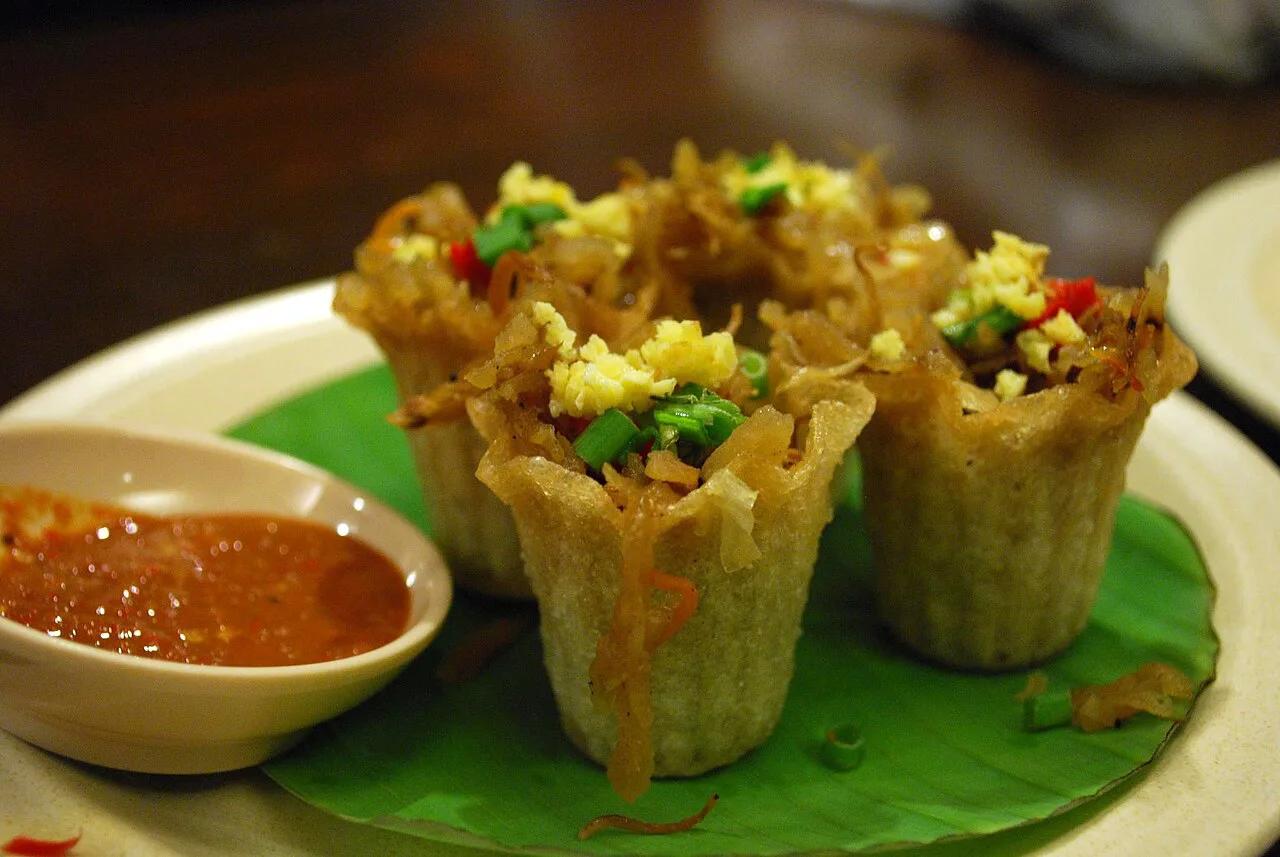
Featured image: rosdi1@gmail.com, CC BY-SA 3.0, via Wikimedia Commons.
8 Kuala Lumpur Street Food Dishes to Order First
Prices and hours checked November 2026. Dishes run roughly from breakfast to late night. Each entry flags who should skip it, so you can filter by diet and appetite.
1. Nasi Lemak
Nasi lemak is rice cooked in coconut milk and served with sambal, peanuts, egg and fried anchovies. Many vendors sell it at breakfast, and plenty keep serving through the day. Add-ons such as fried chicken, rendang chicken, squid or prawns turn a snack into a full plate.

Our guide to where to find the best nasi lemak names specific places to start. Order it if you want one dish that sums up Malay home cooking. Travelers who avoid chili should ask for the sambal on the side.
2. Roti Canai
Roti canai is a flaky flatbread of Indian origin and a standard KL breakfast. It arrives with dhal or curry for dipping, and some people flood the bread with gravy. Plain is the baseline. Stalls also stuff it with egg, sardines, banana or cheese.

Mamak restaurants, run by Indian Muslim families, serve it, and many stay open late. Order it for a cheap, filling start before sightseeing. Anyone wanting a light meal should split one between two people.
3. Char Kuey Teow
Char kuey teow is flat rice noodles stir-fried in a wok with shrimp, Chinese sausage and bean sprouts. It belongs to the Chinese-Malaysian hawker tradition and tastes best straight off the flame. Look for a stall with a single cook working a wok in front of the queue.
Order it for dinner when you want smoky, savory noodles. Skip it with a shellfish allergy, and ask about pork before ordering if you eat halal, since Chinese sausage is common.

4. Hokkien Mee
KL-style Hokkien mee is thick noodles wok-fried in dark soy sauce until glossy and sticky. Cooks usually add meat and greens, and stalls often use pork and lard. That makes it a Chinese-run stall dish, so Muslim travelers should ask before sitting down.
Order it late in the evening, when wok stalls are at full heat and the smell carries down the street. Skip it if you dislike heavy, salty sauces.
5. Satay
Satay is marinated chicken, mutton or beef on bamboo sticks, grilled over charcoal. You order by the stick, and the plate comes with cucumber, onion and a spicy peanut sauce. Dip every piece, because the sauce is half the dish.
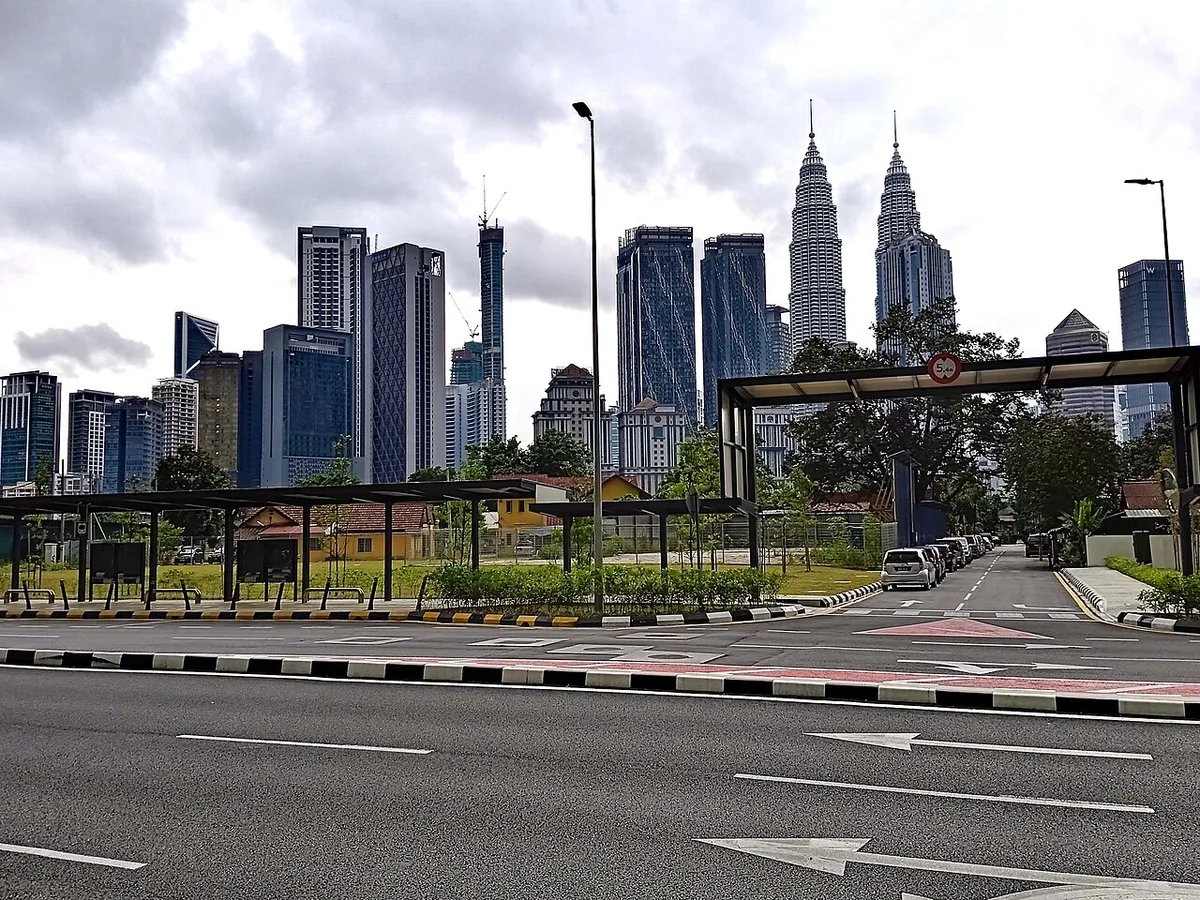
Evening grills at night markets and food streets are the easiest place to find it. Order it as a shared starter while you decide on mains. Travelers with peanut allergies should pass.
6. Cendol
Cendol is a bowl of shaved ice with sweet coconut milk, palm sugar, red beans and green rice-flour jelly. Some stalls offer durian on top for anyone brave enough. It works as a reset after a long walk in KL's heat.
Order it after a savory meal, or as an afternoon stop between kopitiam visits. Skip it if you dislike coconut or want a dessert that is not very sweet.
7. Curry Laksa
Curry laksa is noodles in a curry broth thickened with coconut milk. Common toppings include boiled egg, bean sprouts, tofu puffs, prawns and shredded chicken. The broth is rich, so one bowl makes a full lunch.
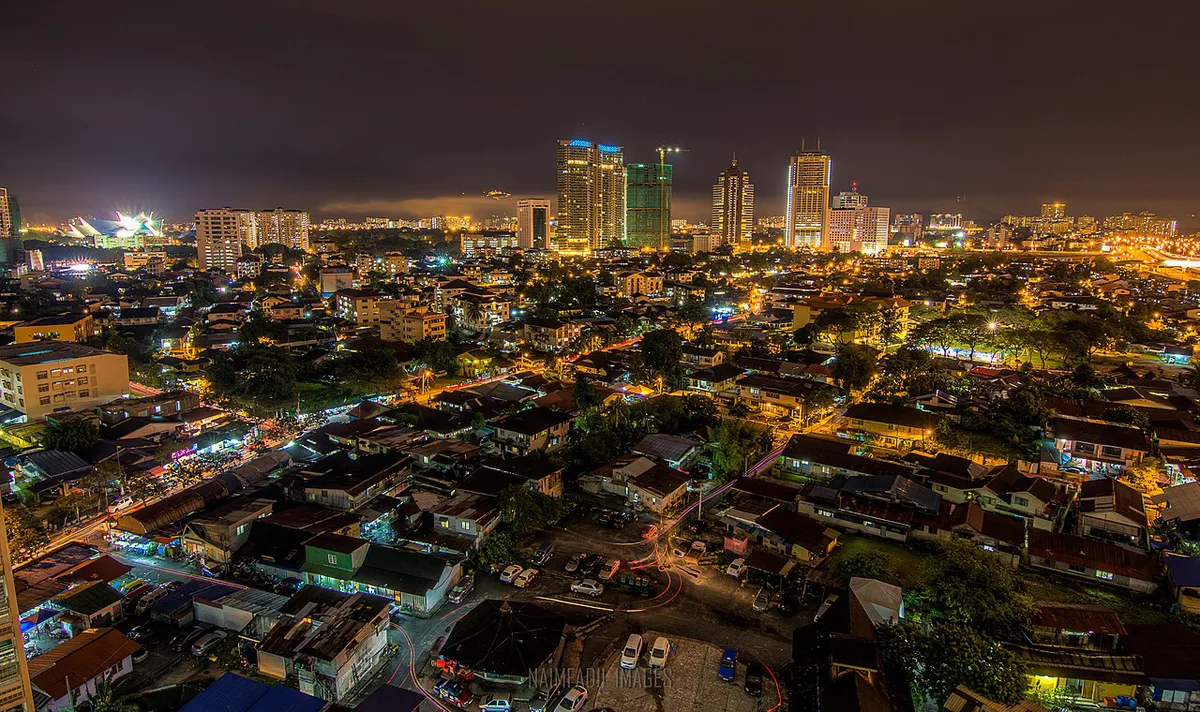
Food courts and kopitiams with several hawkers are the usual places to find it. Order it at midday when you want a single-bowl meal. Anyone sensitive to spice or shellfish should ask what goes in before ordering.
8. Bak Kut Teh
Bak kut teh is a pork stew simmered with Chinese herbs and spices, served in a clay pot with rice. Pork ribs are the usual cut, and tofu skin, mushrooms and choy sum often share the pot. The broth is aromatic rather than spicy, which suits travelers who find curry heavy.
Order it for a hearty breakfast or a late supper. It is not halal, so Muslim travelers and anyone avoiding pork should choose another dish.
Where to Find Street Food in Kuala Lumpur
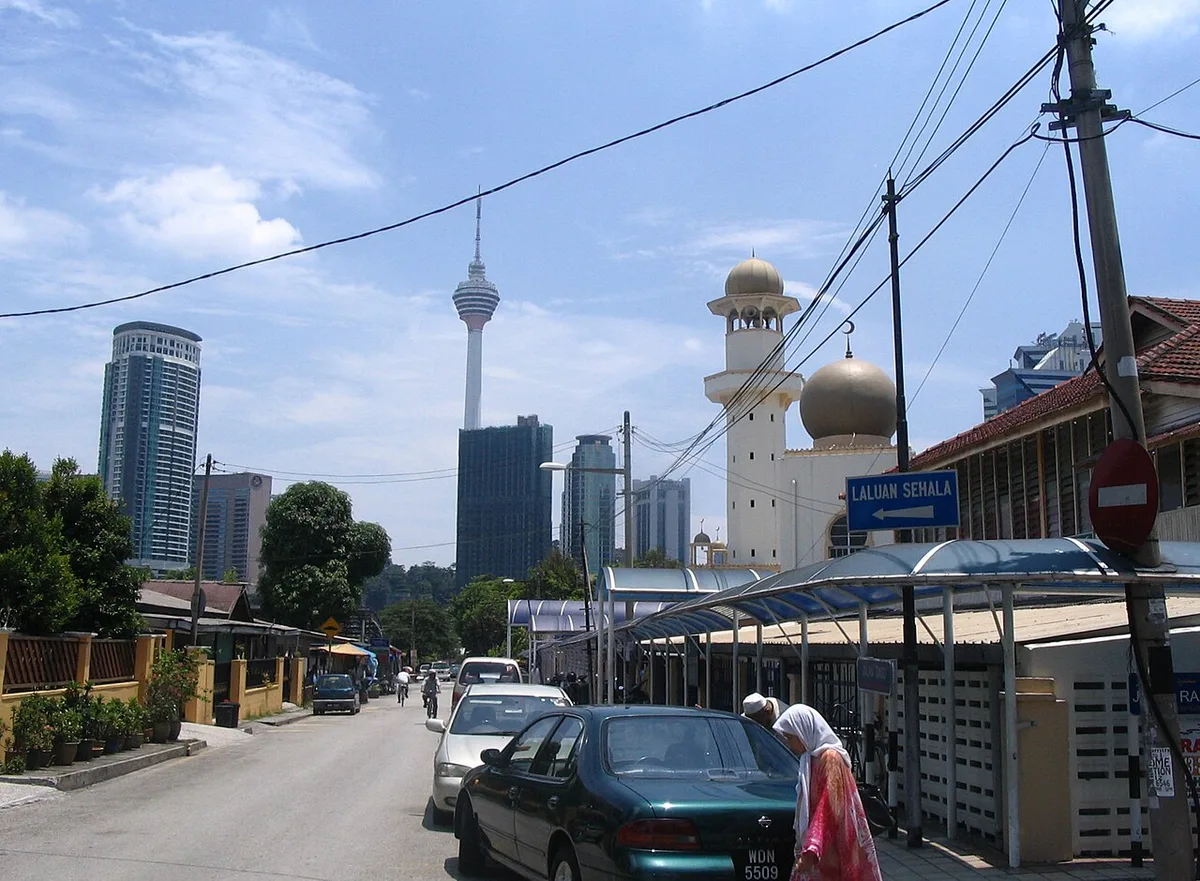
Kuala Lumpur street food comes in five venue types, and each works differently. Kopitiams are coffee shops with several hawkers: order from each one and pay once the food arrives. Food courts gather ten or more stalls around a shared drink station, so tell each hawker your table number. Night markets typically start around 5pm and run late. Mamaks are Indian Muslim restaurants, and many stay open late or around the clock. Our guide to KL hawker centers covers daytime options in detail. For broader food-culture context, see Tourism Malaysia's food pages.
Night markets typically start around 5pm, yet Jalan Alor's stalls only set up as the sun goes down. Arrive after dusk to catch the full street.
Which Area for Which Meal
Match the area to the hour. Petaling Street runs 8:00 AM to 8:00 PM Sunday to Friday and until 10:00 PM on Saturday, with no regular closing day. Central Market is open daily from 10:00am to 10:00pm. Jalan Alor comes alive as the sun goes down, when hawker stalls set up on both sides of the road. Most stalls stay open until dawn. Our Jalan Alor food street guide goes deeper on what to order there.
| Area | Best time | Best for | Watch-outs |
|---|---|---|---|
| Jalan Alor | Evening to dawn | Grills, seafood, late supper | Tourist-oriented pricing; ask the price first |
| Petaling Street | Daytime to early evening | Noodles, clay pot rice, snacks | Crowded market lanes |
| Central Market | 10am to 10pm | Air-conditioned break, nearby snacks | Fewer open-air stalls |
| Kopitiam or mamak | Breakfast or late night | Roti canai, coffee, curry | Menus differ by outlet |
Halal, Pork-Free and Vegetarian Eating
Kuala Lumpur's mix of Malay, Chinese and Indian cooks means diet matters at every stall. Mamaks are Indian Muslim restaurants, so roti canai and curries there suit Muslim travelers. Bak kut teh is pork-based, and Hokkien mee and char kuey teow often involve pork or pork lard. Banana leaf rice centers on rice with vegetarian side dishes, with meat curries added on request. Ask each hawker about pork, lard and shrimp paste before you order. Vegetarians should say so plainly, because sambal and broths often carry seafood.
Sample Routes with Time Trade-Offs
Three routes cover most trips. For breakfast, a kopitiam crawl takes about one to two hours: roti canai first, then coffee, then nasi lemak at a second stall. For an evening loop, take the MRT to Bukit Bintang Station and use Entrance A towards Jalan Alor. Allow two to three hours for satay, grills and cendol along the street. Finish at a mamak for a late supper, since many stay open past midnight. If you want a relaxed day, swap the evening loop for Petaling Street before 8:00 PM.
Costs, Payment and Avoiding Overpaying
Stall prices vary by dish and neighborhood, and we list no fixed figures here. Ask the price before ordering at Jalan Alor, and read current guidance on Tourism Malaysia's official site.
Getting Around and Staying Near the Food
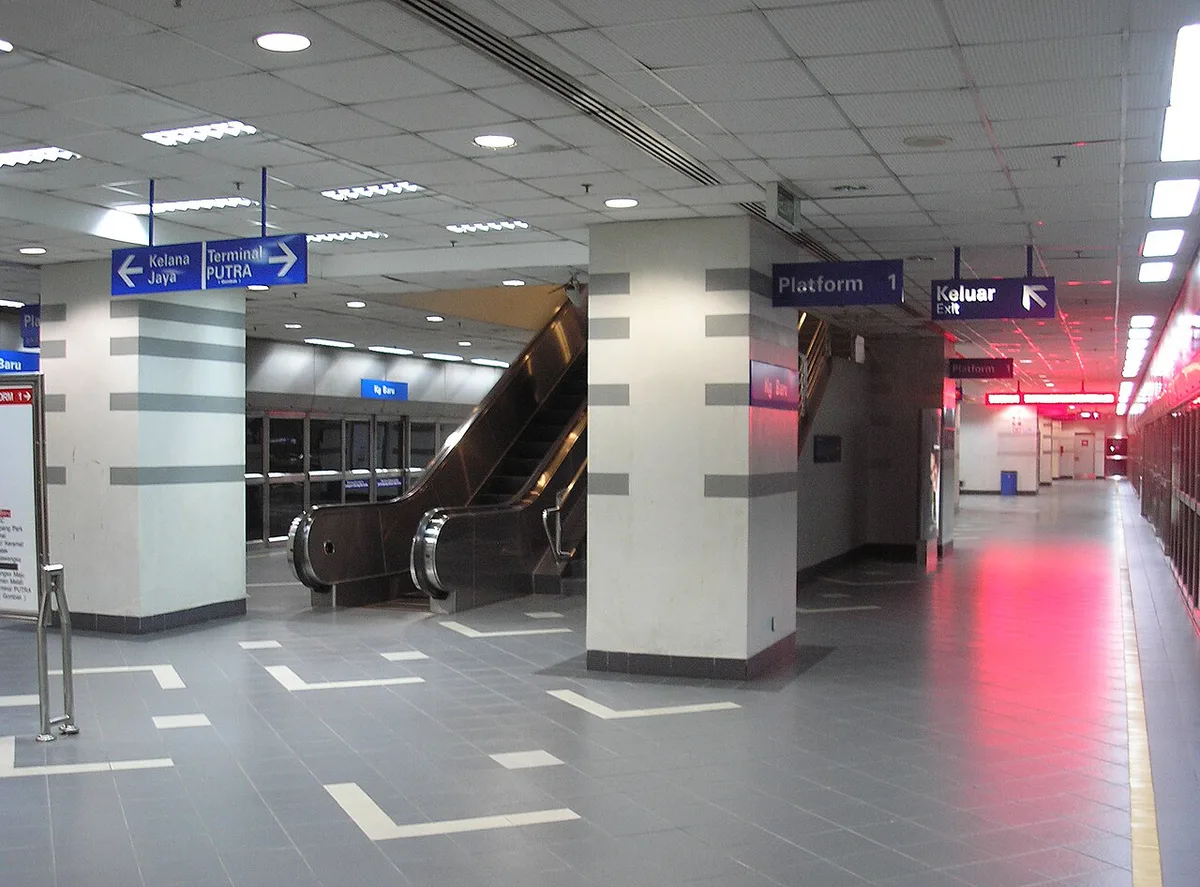
Bukit Bintang is the easiest base for night eating, with Jalan Alor within walking distance. Pavilion Kuala Lumpur sits at 168 Jalan Bukit Bintang. The KL Travel Pass gives international visitors unlimited rides on the Monorail, LRT and MRT. For Petaling Street, alight at Pasar Seni LRT station and walk about 3 minutes. From Maharajalela Monorail Station the walk is about 14 minutes. The free Go-KL Purple Line runs from Pasar Seni to Bukit Bintang with 15 stops in between. Grab and InDriver are available at fixed prices.
Pasar Seni station puts you about 3 minutes from Petaling Street, which runs until 8:00 PM Sunday to Friday.
Street Food or a Sit-Down Meal
Book a restaurant when you need air conditioning, rain cover, or a table for a larger group. Our 10 Best Restaurants in Kuala Lumpur: Where to Eat by Budget & Occasion list covers those evenings. Common street food mistakes are ordering too much at the first stall, skipping the price check and eating only at the busiest tourist stalls. Pace yourself at one dish per stop and carry water in the heat.
Building the rest of the trip? Our Kuala Lumpur attractions guide covers the sights, districts and logistics around this guide.
Frequently Asked Questions
What is there to eat in Malaysia?
Malaysian food draws on Malay, Chinese and Indian traditions. In Kuala Lumpur you can start with nasi lemak, roti canai, char kuey teow and satay.
What are popular street foods?
Popular street foods in KL include satay, cendol, curry laksa and roti canai. Night markets and food streets such as Jalan Alor stock most of them in the evening.
Eating your way north? See our guide to Penang street food.
Explore More Kuala Lumpur Guides
Keep planning your Kuala Lumpur trip with these guides.
Kuala Lumpur Guides
Useful notes for your Southeast Asia trip
Optional updates to our guides.
You might also like
Continue reading
More guides you'll find useful