8 Kuala Lumpur Neighborhoods: Where to Stay and Explore
Compare 8 Kuala Lumpur neighborhoods by vibe, rail access and traveler fit. Pick your base from Bukit Bintang to Bangsar.
On this page
Last updated November 2026: Kuala Lumpur neighborhoods suit very different trips, so the right base depends on how you travel. First-timers do best in Bukit Bintang or KLCC, food and culture hunters in Chinatown or Brickfields, and anyone wanting calm in Bangsar. Eight areas follow, each with its rail access, a time budget and a plain note on who should look elsewhere.
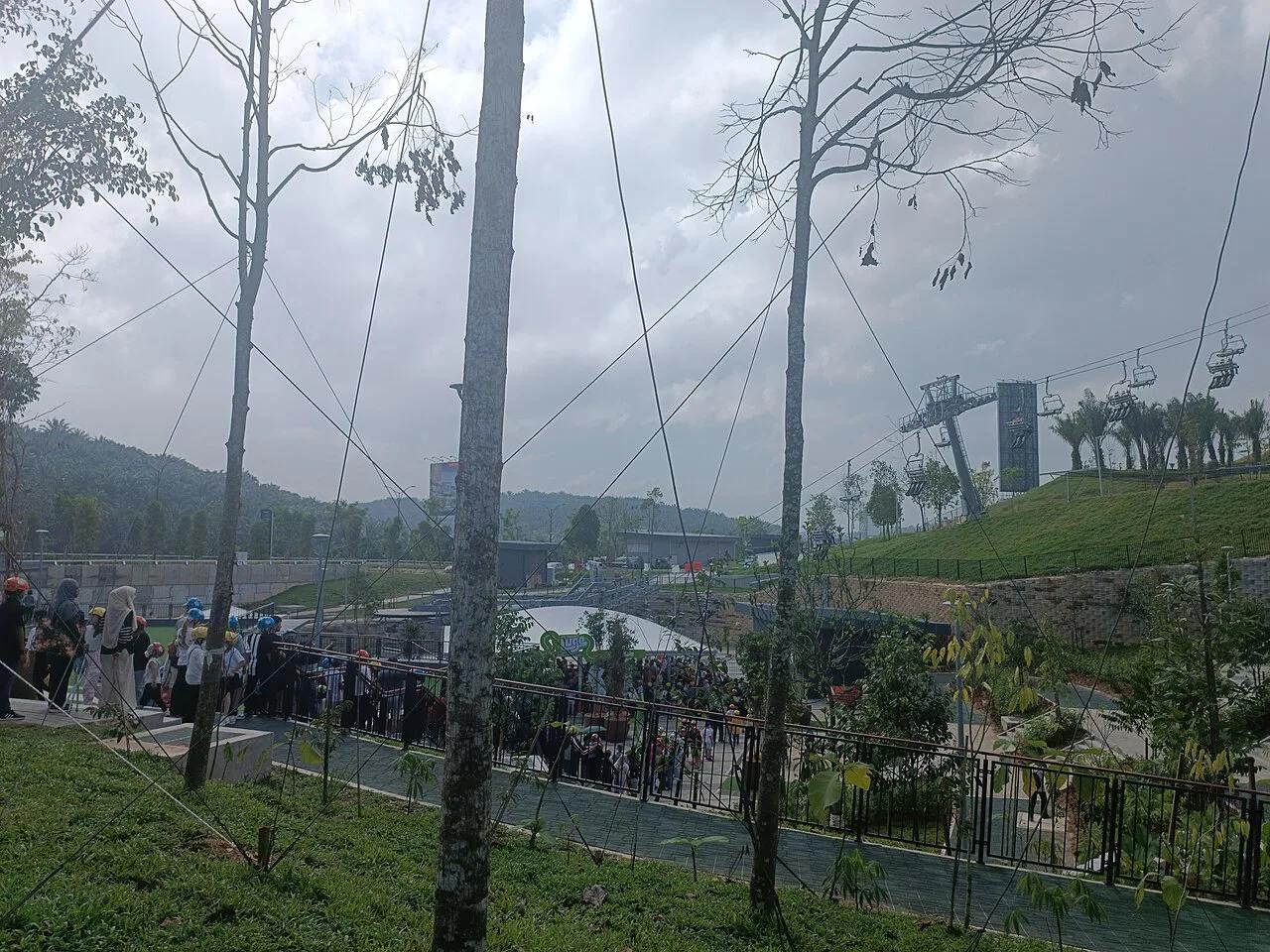
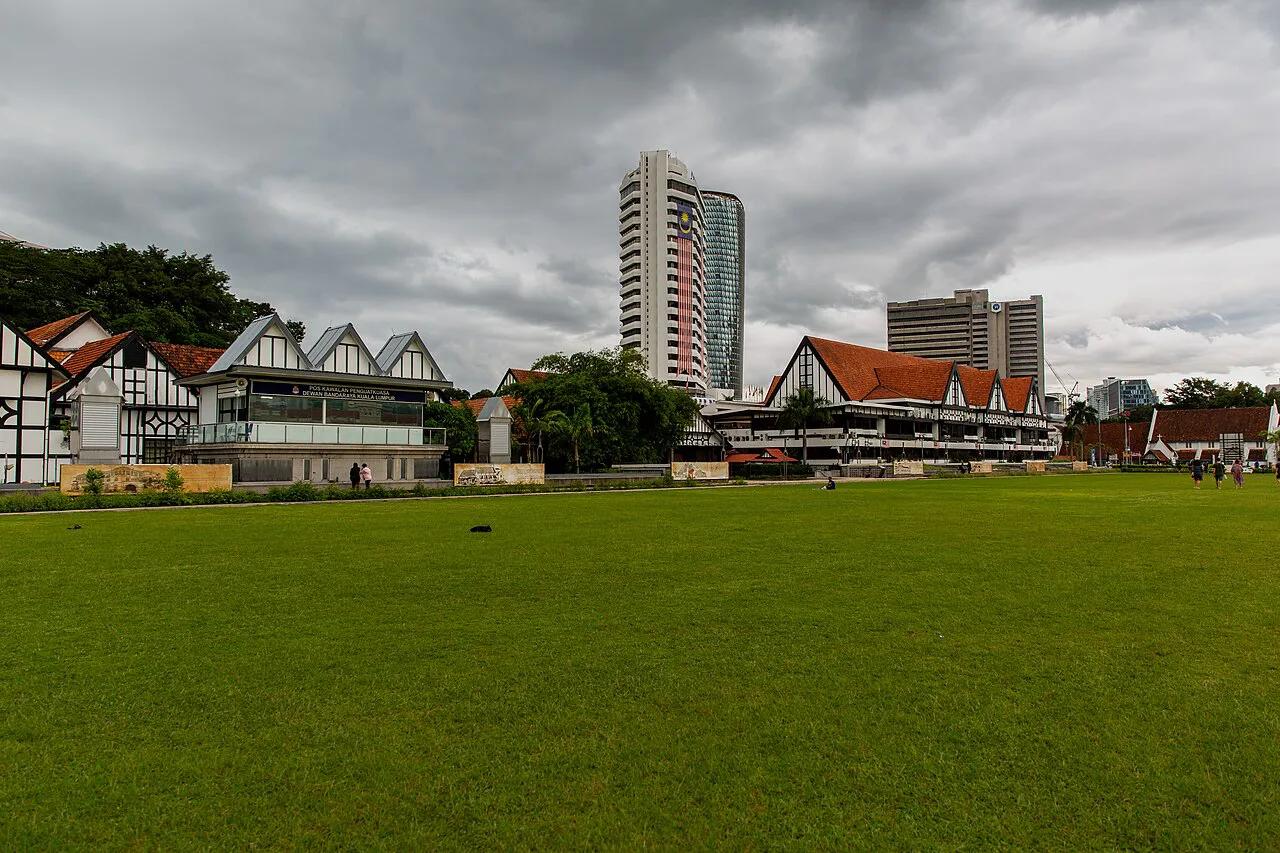
Featured image: *angys*, CC BY-SA 4.0, via Wikimedia Commons.
Which Kuala Lumpur neighborhood is right for you
Pick by trip length first. With 1 to 2 nights, base in Bukit Bintang or KLCC and reach everything by rail or the free GOKL City Bus. With 3 to 4 nights, split the stay or add day visits to Chinatown, Brickfields and Kampung Baru. Longer stays suit Bangsar, where cafés and residential streets replace the tourist circuit. The table below uses relative cost levels from our editorial assessment, not nightly rates.
| Area | Best for | Rail or bus access | Suggested time | Relative cost |
|---|---|---|---|---|
| KLCC | First-timers, skyline views, malls | LRT Kelana Jaya line, KLCC station | Half day | Premium |
| Bukit Bintang | Food, shopping, nightlife | MRT and Monorail, Bukit Bintang station | Full day | Mid-range to premium |
| Chinatown | Budget travelers, street food, markets | Pasar Seni LRT and MRT | Half day | Budget |
| Brickfields and KL Sentral | Temples, banana-leaf meals, transfers | KL Sentral, Muzium Negara MRT | Half day | Budget to mid-range |
| Kampung Baru | Malay food and village atmosphere | Rapid KL bus B102 from Titiwangsa | Quick stop to half day | Budget |
| Bangsar | Cafés, calm evenings, longer stays | Mid Valley KTM station and Bangsar LRT | Half day | Mid-range |
| Bukit Nanas | Forest walks, tower views | Short walk and rail hop from Bukit Bintang | 2 to 3 hours | Mid-range |
| Chow Kit | Wet market, raw local life | Rapid KL rail network | 2 hours | Budget |
How to choose a base: five criteria that matter
Five questions sort the districts quickly. Answer them before you look at any hotel listing.
Rail reach pays off in Chinatown, where the walk from the MRT interchange takes about 3 minutes.
- Rail reach: a station within a short walk beats a cheaper room that needs a ride-hail every trip.
- Heat and rain: areas with malls and covered walkways, such as KLCC and Bukit Bintang, make midday easier.
- Night noise: Bukit Bintang and Jalan Alor run late, while Bangsar and Brickfields wind down earlier.
- Food access: Chinatown, Kampung Baru and Brickfields give the strongest halal-friendly, vegetarian-friendly and local options in our editorial assessment.
- Time per area: most districts need a half day, so base where your longest day will start.
8 Kuala Lumpur neighborhoods, district by district
Prices and hours checked November 2026. Skybridge fares are the operator-listed April 2026 rates. Each entry gives character, access, time needed and who should look elsewhere.
1. KLCC and the Golden Triangle
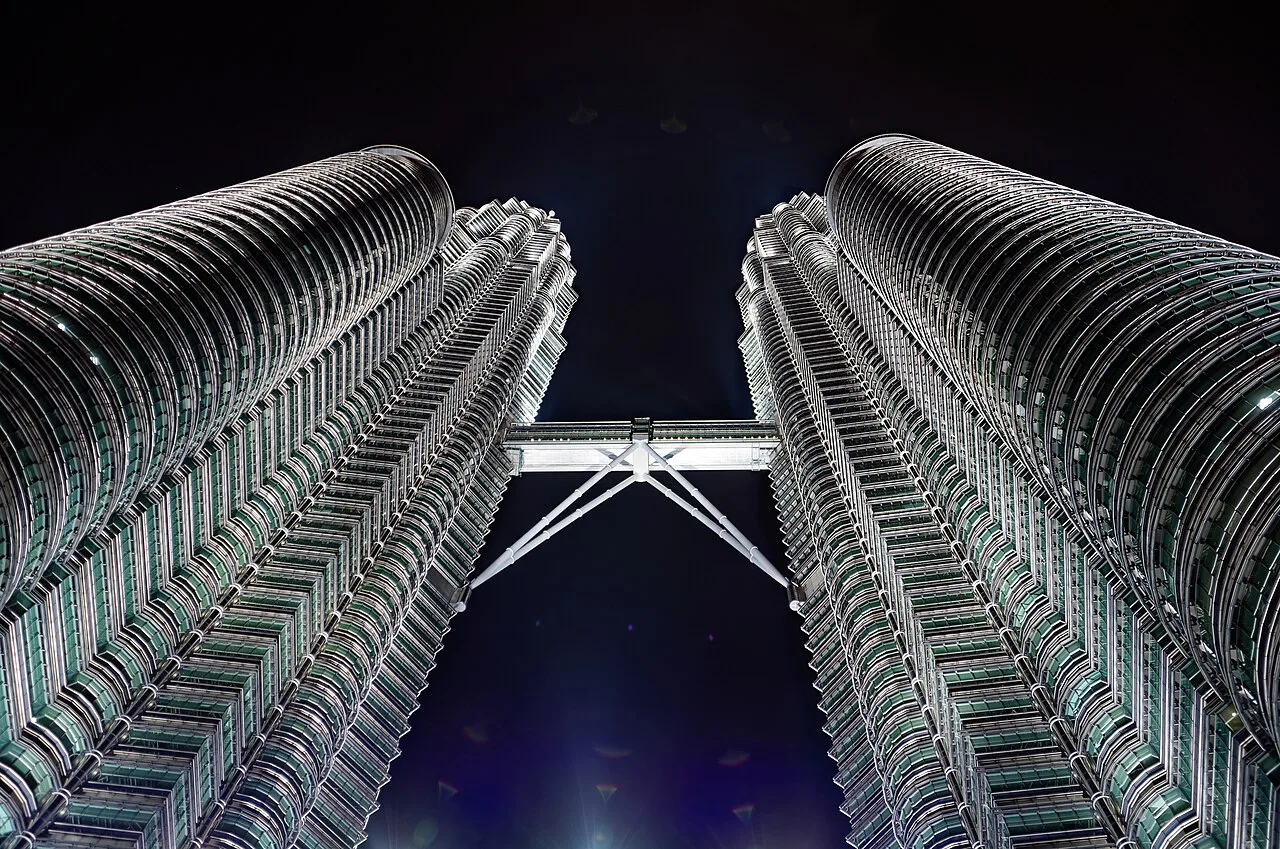
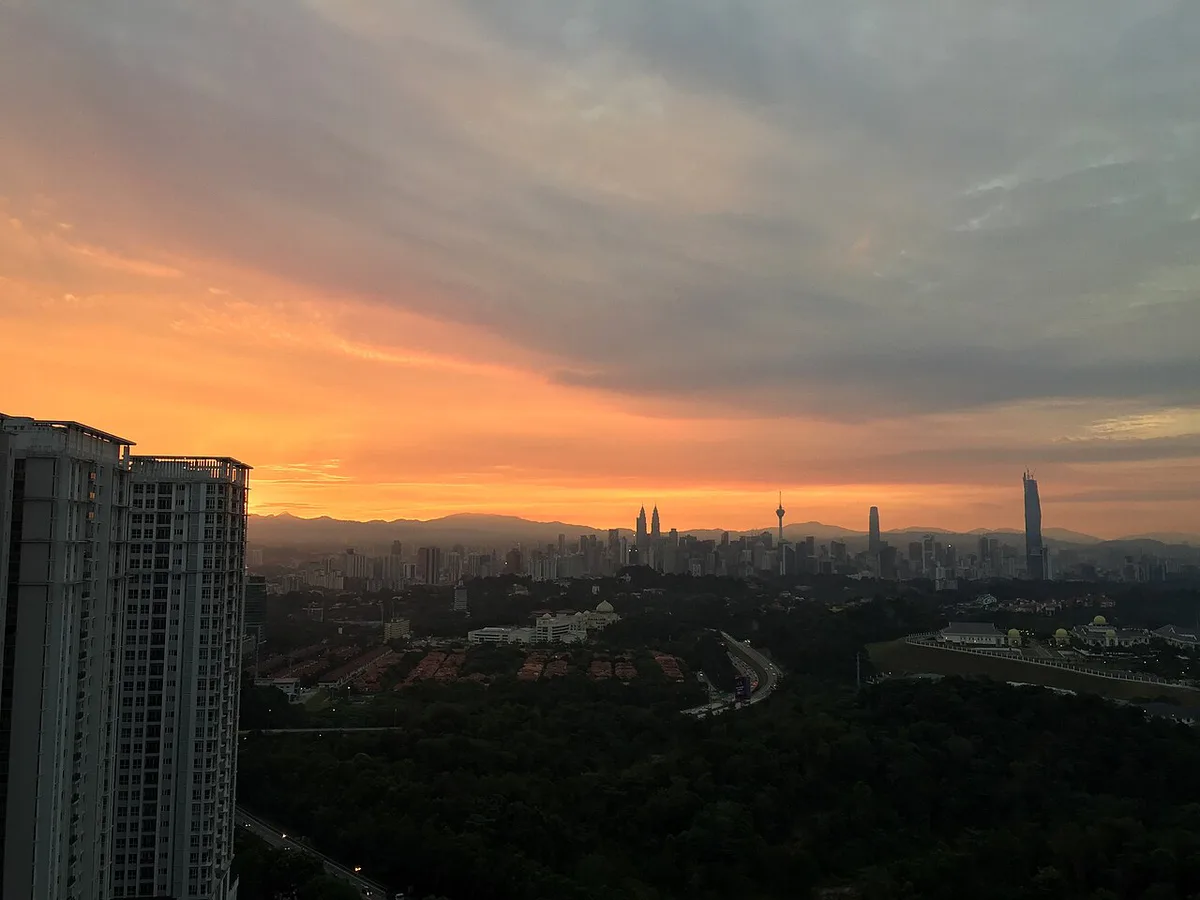
KLCC is the glass-tower core around the Petronas Twin Towers, and it fits first-timers who want skyline views and air-conditioned comfort. Suria KLCC sits at the foot of the towers and connects to KLCC station on the LRT Kelana Jaya line. Mall hours are 10:00 am to 10:00 pm daily, public holidays included.
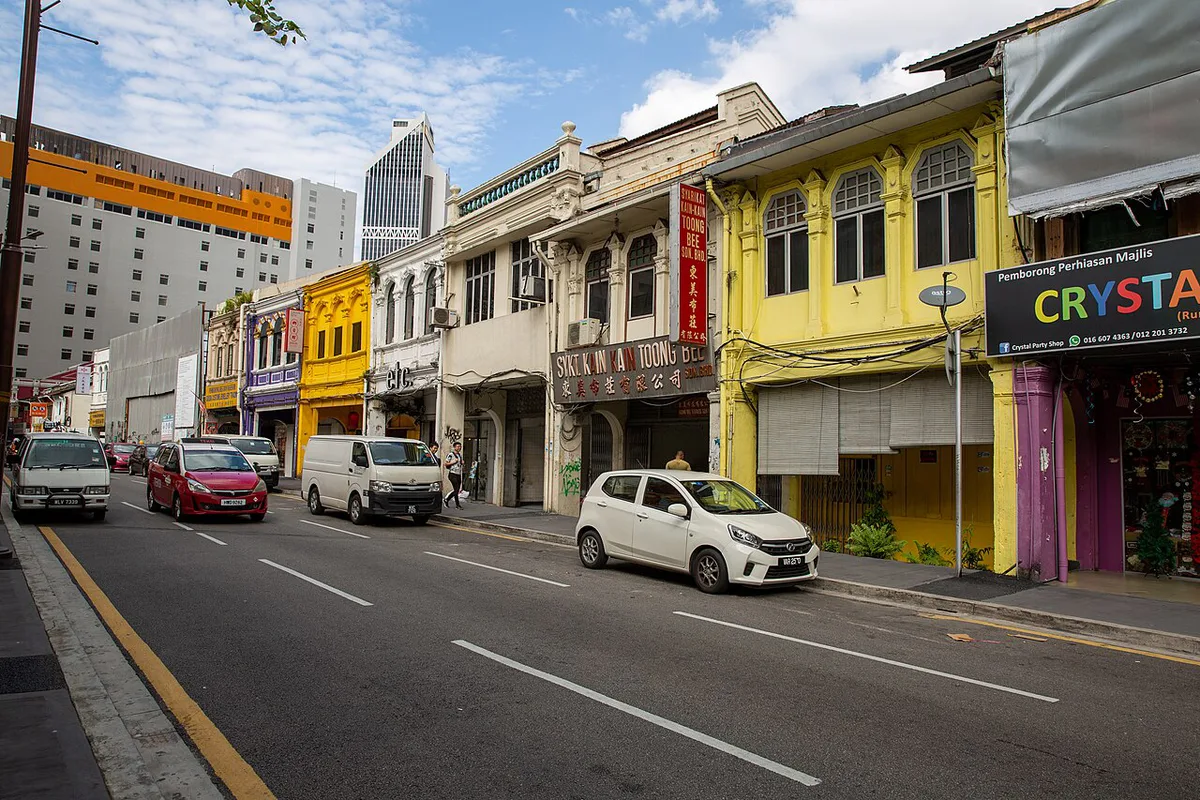
Skybridge tickets cost RM127 for non-MyKAD adults on weekdays and RM137 at weekends, with entry from 9am to 10:30pm Tuesday to Sunday. Aquaria KLCC on Jalan Pinang suggests about 2 hours inside. Look elsewhere if you want street-level local life after dark, since evenings here revolve around malls.
2. Bukit Bintang
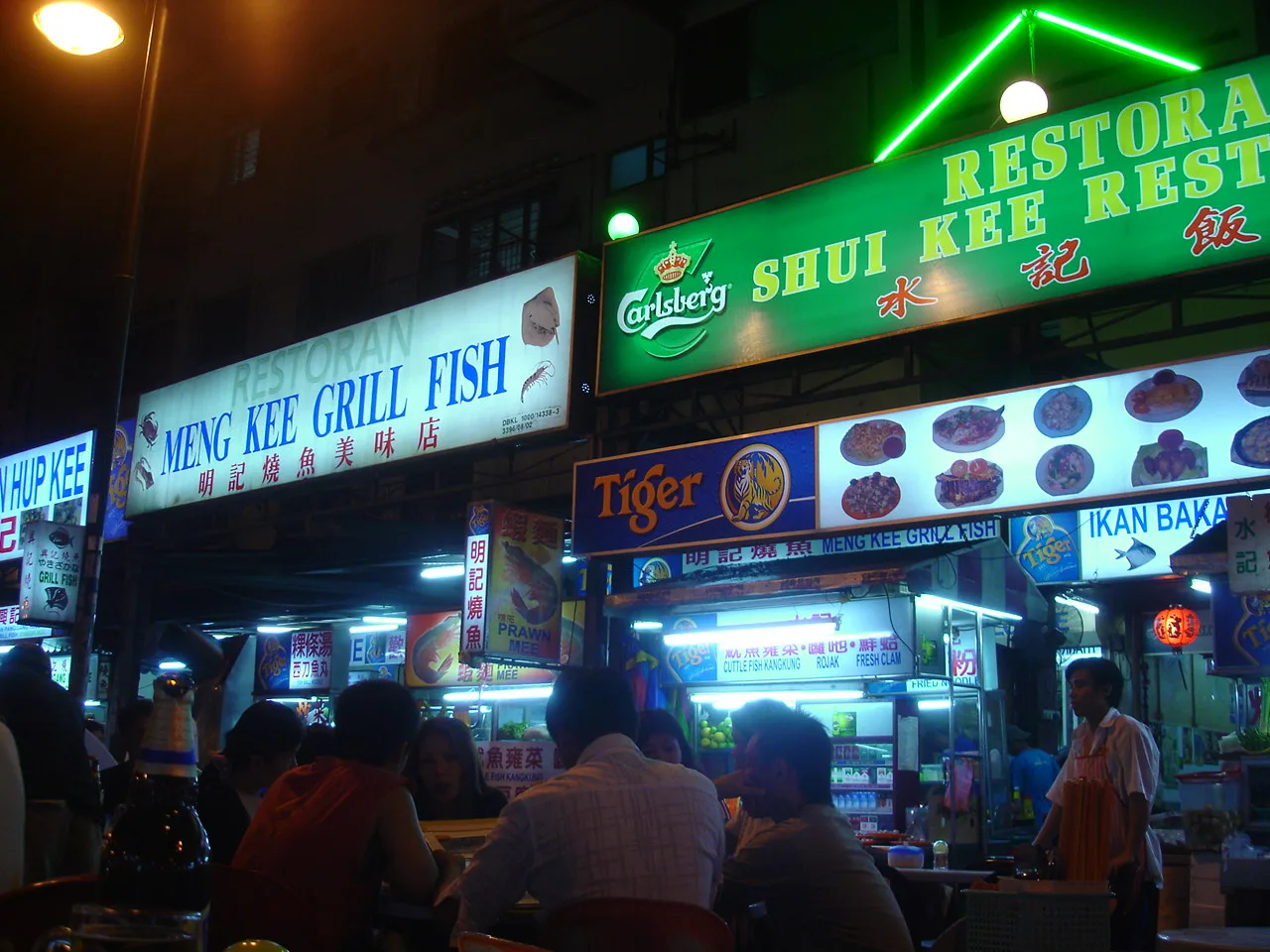
Bukit Bintang packs malls, bars and hawker food into one walkable grid, which makes it the easiest base for a first visit. Pavilion Kuala Lumpur stands at 168 Jalan Bukit Bintang, and MRT Doors E and D lead straight into Pavilion Kuala Lumpur. Jalan Alor is a short walk away, with hawker stalls setting up at sundown and most staying open until dawn.

From the MRT station, use Entrance A for Jalan Alor. Our Bukit Bintang guide covers the area in more depth. Give it a miss if you want early nights, because the food street keeps going until morning.
3. Chinatown and Petaling Street
Chinatown is the budget-friendly choice for street food, market browsing and old temples, with a layout that rewards wandering. Petaling Street trades 8:00 am to 8:00 pm Sunday to Friday and 8:00 am to 10:00 pm on Saturday, with no closing day. Pasar Seni LRT is the closest station, and the walk from the MRT interchange takes about 3 minutes.
Central Market on Jalan Hang Kasturi opens daily 10:00 am to 10:00 pm and hosts Pesona Nyonya from 25 to 29 November 2026. Read our Chinatown walking guide for the street-by-street route. Pass on it as a base if you need a quiet, polished stay, since street trading dominates the daylight hours.

4. Brickfields, Little India and KL Sentral
Brickfields pairs banana-leaf meals and temple culture with KL Sentral, the city's main transit hub where the KLIA Ekspress arrives. Sri Kandaswamy Kovil stands at No 3, Jalan Tebing, and its temple office runs 9:00 am to 1:00 pm and 3:00 pm to 6:00 pm Monday to Friday. The temple office closes on Sundays and public holidays. The National Museum is a 0.5 km walk from KL Sentral along a pedestrian path, or one stop at Muzium Negara MRT.
Museum entry costs RM5 for non-Malaysian adults, and it opens daily 9 am to 5 pm, with last tickets at 4.30 pm. Details on food and temples sit in our Brickfields and Little India guide. Look elsewhere if nightlife matters, since the evening scene is quieter than in Bukit Bintang.
5. Kampung Baru
Kampung Baru is a traditional Malay village set against the city skyline, and that contrast is the reason to come. Rapid KL bus B102 runs from Titiwangsa via Kampung Baru toward Bukit Bintang. Plan a meal of Malay food and a slow walk through the lanes, which suits a quick stop or a half day.
Our Kampung Baru guide lists what to eat and where to wander. Treat it as a visit rather than a base in our editorial assessment, and skip it if you want big-hotel facilities.
6. Bangsar
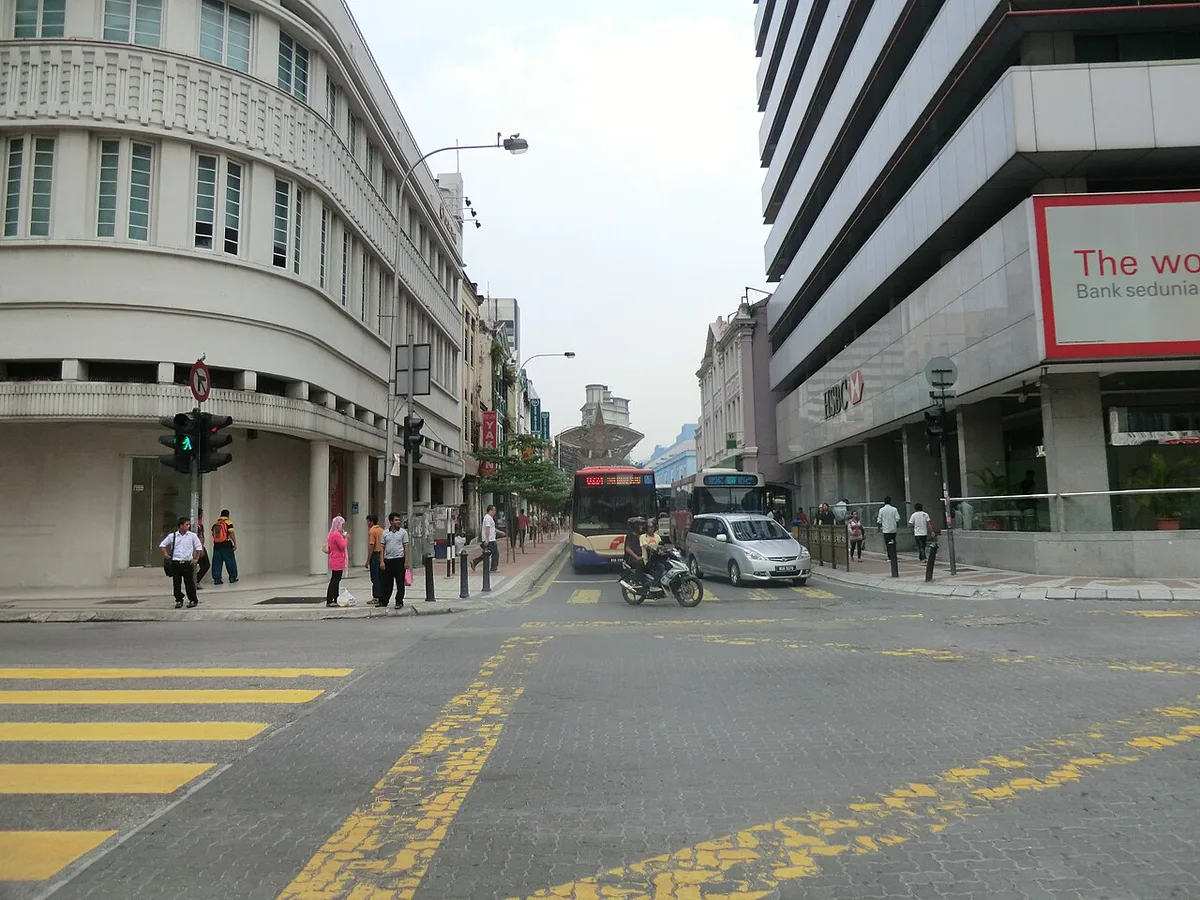
Bangsar is the calm, café-led residential pick for longer stays, with a local feel that the tourist core lacks. Bangsar Village 1, 2 and 3 cluster around Jalan Telawi 1 and Jalan Telawi 2 in Bangsar Baru. Mid Valley Megamall opens 10am to 10pm daily, and the KTM station of the same name stops right outside its doors and connects to KL Sentral and KLIA.
Our Bangsar guide covers cafés and restaurants in more detail. Pass on it if you want to walk to major sights, because most trips from here need a train.
7. Bukit Nanas
Bukit Nanas offers a real patch of rainforest next to the towers, anchored by KL Forest Eco Park and its canopy walk. KL Tower rises from the same hill and gives skyline views. The name means Pineapple Hill, and it works as a green break between Bukit Bintang days.
Go in the morning, when the forest trails are cooler and quieter. Choose another area if you want nightlife on your doorstep, since evenings here are subdued.
8. Chow Kit
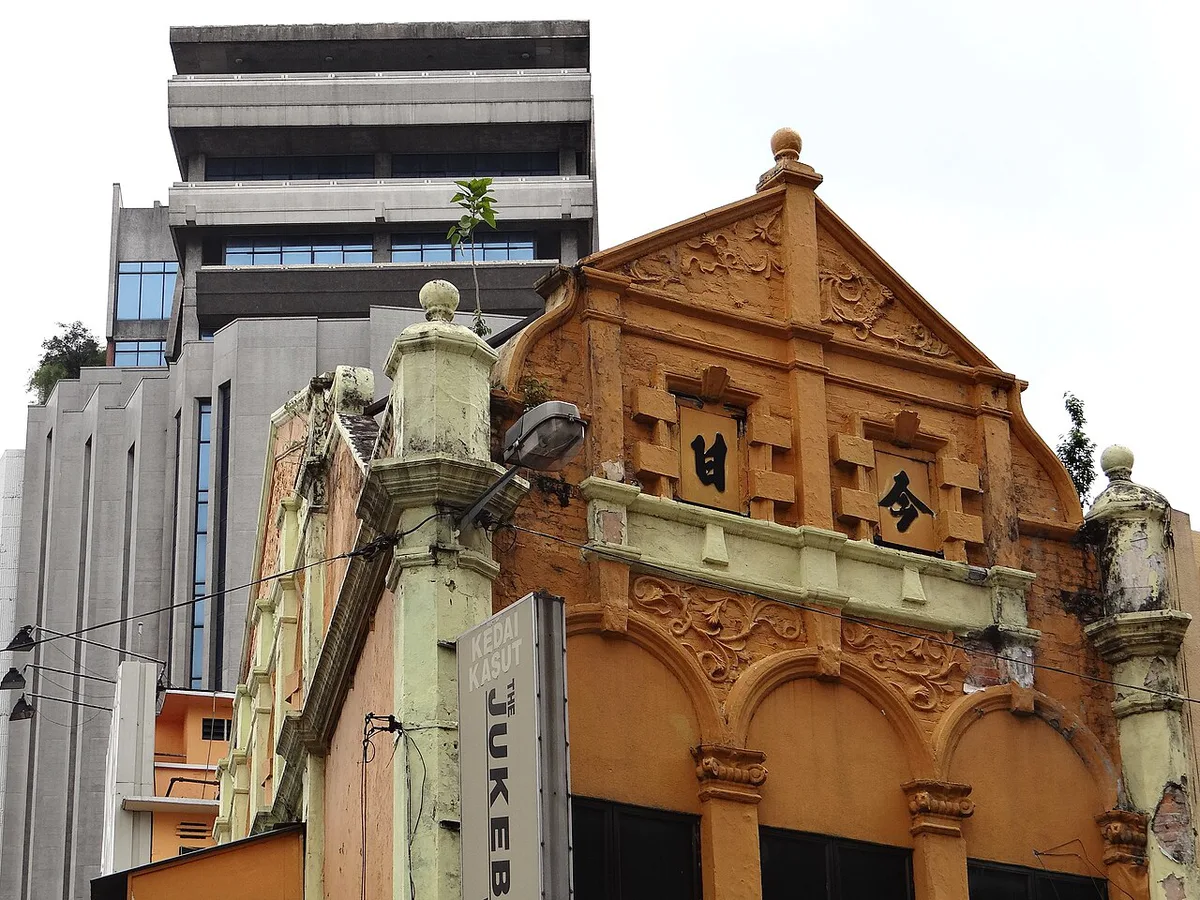
Chow Kit shows a grittier, more local Kuala Lumpur, centered on a large wet market with fruit, seafood and spices. The Row, a stretch of restored 1940s shophouses, adds cafés and creative shops nearby. Visit by day for the market, then leave before dark.
Evenings feel rougher here than in the KLCC malls, in our editorial assessment. Skip it as a base if you want polish and easy rail, and use it as a two-hour stop instead.
Outer residential districts: when to bother
Damansara Heights, Sri Hartamas, Ampang and Petaling Jaya serve residents more than visitors. Go only for a specific errand, such as a meal, a friend's home or a mall visit. For a typical trip, the eight areas above cover far more ground per hour. Putrajaya and Cyberjaya are off this map entirely.
Getting between neighborhoods and from the airport
From the airport, the KLIA Ekspress reaches KL Sentral. From there, take the Kelana Jaya line LRT to KLCC station, or the Monorail toward Bukit Bintang. Three free GOKL City Bus lines tie the core together. The Green Line runs from KLCC to Bukit Bintang with 14 stops in between, and the Purple Line runs from Pasar Seni to Bukit Bintang with 15 stops in between. The Blue Line runs from Medan Mara to Bukit Bintang with 17 stops in between. International visitors can buy a KL Travel Pass for unlimited Monorail, LRT and MRT rides. Grab and InDriver offer a fixed price, while taxi cost varies by starting point.
Step off the KLIA Ekspress at KL Sentral and the National Museum is a 0.5 km walk you can make on foot.
Best time to visit and what it changes
Rain and heat shape which neighborhood feels easy. On wet or hot afternoons, favor KLCC and Bukit Bintang, where an air-conditioned walkway links Pavilion Kuala Lumpur to KLCC. Suria KLCC and Mid Valley Megamall both run 10am to 10pm. For cooler hours, start early. Perdana Botanical Garden opens from 5.30 am and closes at 10.00 pm Sunday to Thursday, or midnight on Friday and Saturday, per the city hall's park announcements. The Malaysian Meteorological Department publishes current rain forecasts.
Mistakes to avoid when picking a base
Three errors recur. Booking for a Petronas Towers view can leave you in an area that feels empty after dark. Staying outside rail reach adds ride-hail costs to every outing. Overlooking Jalan Alor noise matters too, since stalls run until dawn.
- Match your base to your evenings, not just your sightseeing day.
- Stay within a short walk of a station on the line you will use most.
- Pair adjacent areas on one day, such as Chinatown with Brickfields or Bukit Bintang with Bukit Nanas.
Building the rest of the trip? Our Kuala Lumpur attractions guide covers the sights, districts and logistics around this guide.
Frequently Asked Questions
Which part of Kuala Lumpur is best to stay in?
For most first-timers, Bukit Bintang or KLCC works best. Both sit on rail lines and the free GOKL Green Line links them. Choose Bangsar if you prefer calm evenings.
Why is Bukit Bintang so famous?
Bukit Bintang gathers Pavilion Kuala Lumpur and the Jalan Alor hawker street in one walkable area. Stalls there stay open until dawn. Monorail and MRT stations serve it directly.
Going on to Penang? See our guide to Penang neighborhoods.
Explore More Kuala Lumpur Guides
Keep planning your Kuala Lumpur trip with these guides.
Kuala Lumpur Guides
Useful notes for your Southeast Asia trip
Optional updates to our guides.
You might also like
Continue reading
More guides you'll find useful