Money in Luang Prabang: ATMs, Exchange & Cash Tips
How to get and spend kip in Luang Prabang: airport cash, ATMs, exchange options, what to carry, and mistakes to avoid on arrival.
On this page
Last updated November 2026. Money in Luang Prabang runs on Lao kip, and we'd get it from an ATM or a licensed exchange counter instead of relying on foreign cash. Cards work in some hotels, but markets and tuk-tuks want banknotes. Below is the order we'd follow from the airport onward.
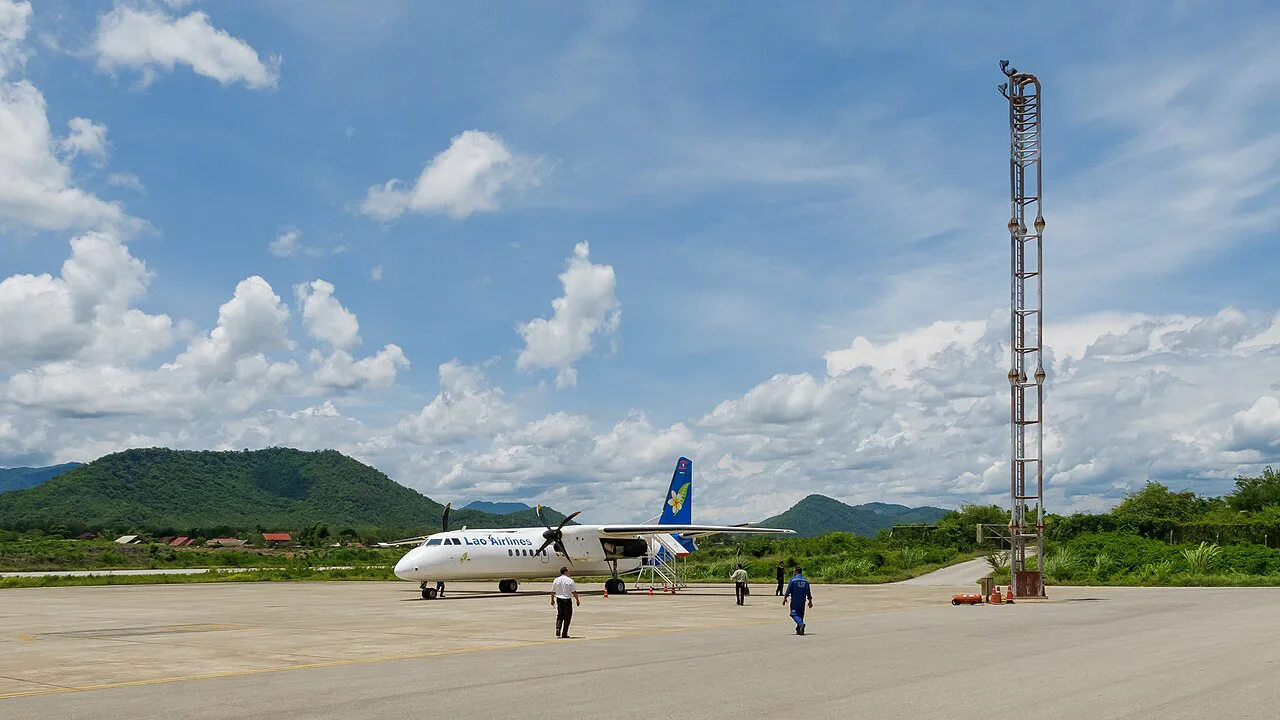
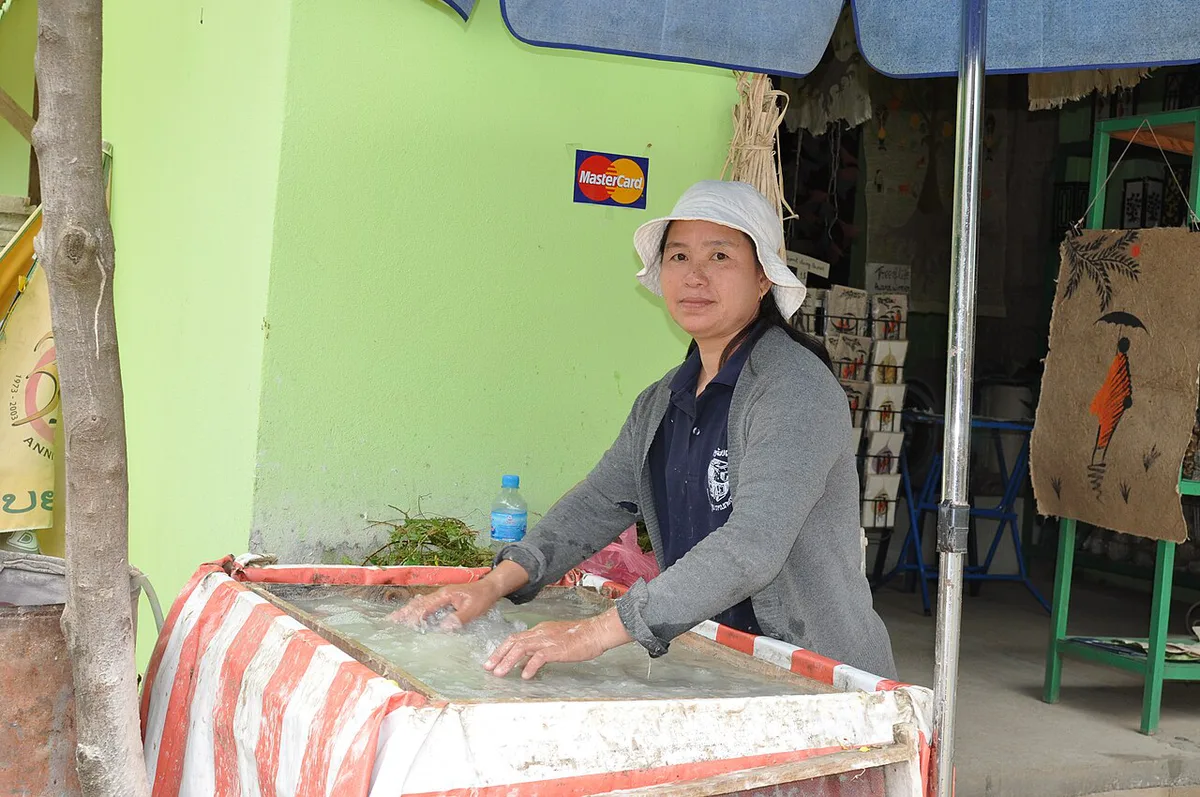
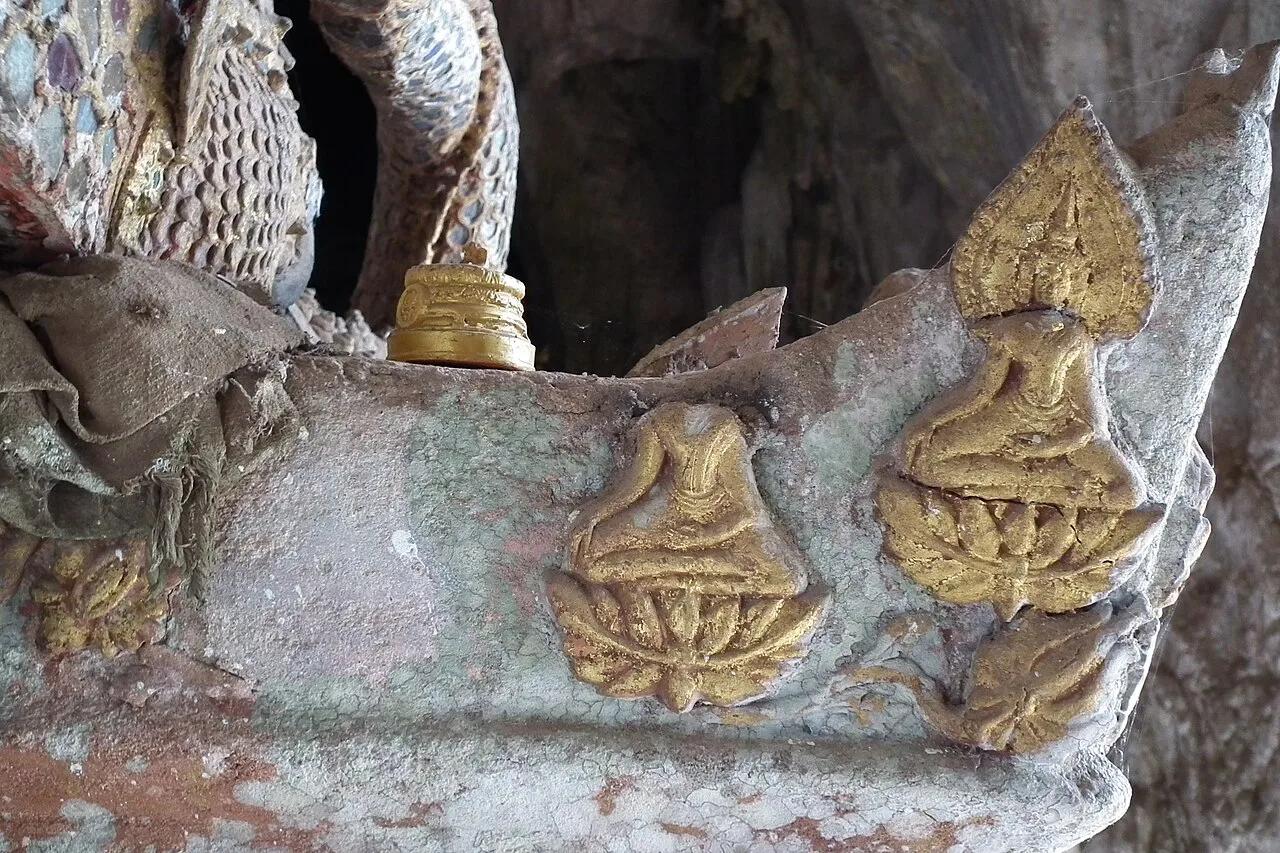
Featured image: Basile Morin, CC BY-SA 4.0, via Wikimedia Commons.
Quick answer: money in Luang Prabang
Lao kip (LAK) is the currency, and its symbol is ₭. You have two main routes to get it: a bank ATM or an exchange counter. Our pick on arrival is a small amount for your transfer and first dinner. Do the bigger withdrawal or exchange in town, where you can compare counters. Pack a backup card in a separate bag in case a machine swallows or blocks your main one. For the wider trip, our general trip tips cover the rest of the planning.
Getting cash on arrival at Luang Prabang airport
Luang Prabang airport (LPQ) has a listed exchange counter, Minipost Money Exchanger, with posted hours of 8:00 to 20:00 daily. Prices and hours checked November 2026. BCEL, one of the largest Lao banks, publishes an ATM list on its official bank site. Use it to see which machines sit at the airport and in town. We'd treat airport rates as a convenience price, so change only what you need for the first day. Here is how we'd decide:
Arrivals outside the counter's 8:00 to 20:00 hours should try an ATM first, since town banks close at 16:00 on weekdays.
- Land before 20:00: exchange a small amount at the counter for the transfer and dinner.
- Land after 20:00 or on a Sunday: try an ATM first, and keep a little foreign cash as a fallback.
- Arriving late at night: read our note on local curfew rules, since evening timing decides how much you can still do.
- Booked a hotel car: agree the fare and the payee in advance, and ask the driver whether you pay them or the hotel.
Where to get kip in town: ATMs, banks, booths and hotels
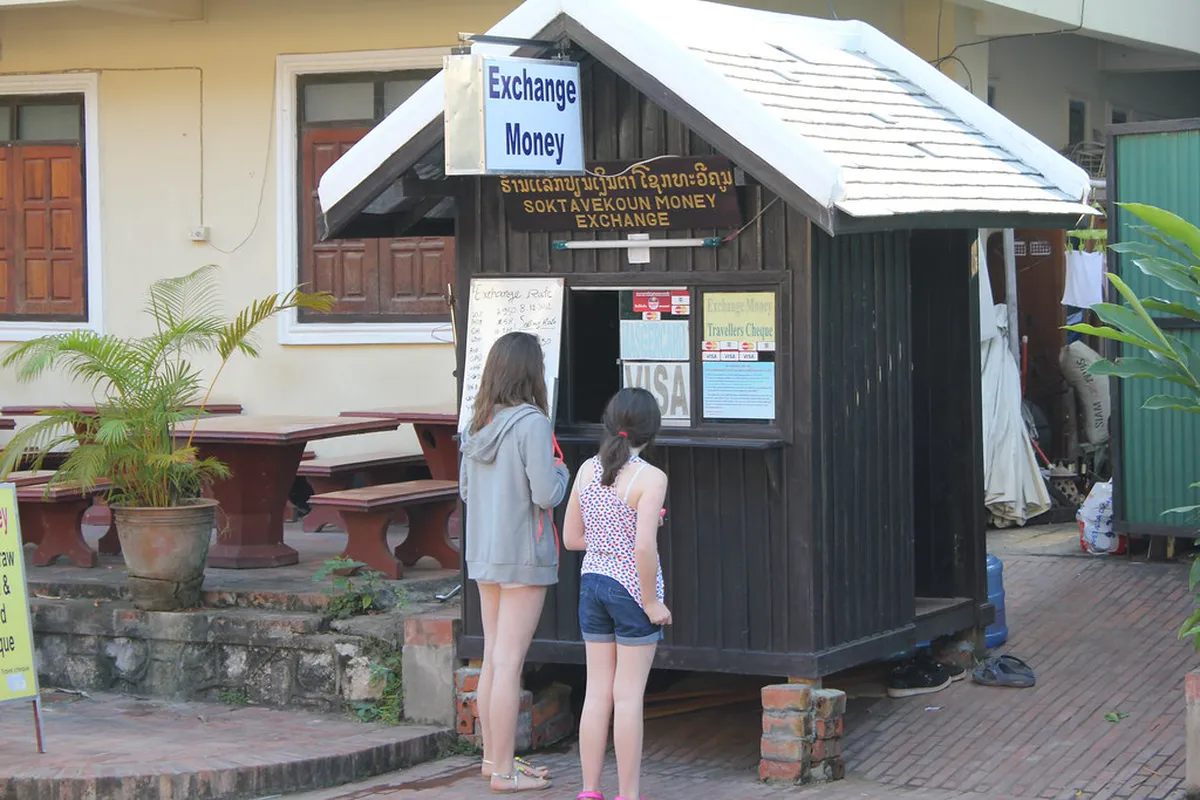
Banks usually open Monday to Friday from 8:00 to 16:00, with some branches open on Saturdays. Exchange booths are common in tourist areas, and in our experience of how these markets work they often beat hotel rates and move faster than a bank queue. Hotels and guesthouses will change money, but rates are usually weaker. Here is how the options compare.
| Option | Rate quality | Speed | Passport | Best for | Skip if |
|---|---|---|---|---|---|
| ATM (BCEL and other banks) | Usually fair; card fees apply | Fast | No | Most visitors | Your card charges high foreign fees |
| Bank counter | Official rates, generally good | Slow, queues and forms | Yes | Larger amounts | You are short on time or arrive after hours |
| Exchange booth | Often close to bank rates | Fast | Often | Comparing rates on foot | You will not count notes at the counter |
| Hotel or guesthouse | Often weaker | Very fast | Sometimes | Urgent small amounts | You are changing a large sum |
| Airport counter | Generally weaker than town | Fast | Often | First-evening cash | You can wait for town |
| USD or THB cash | Informal, varies by shop | Instant | No | Emergencies only | You can pay in kip |
Understanding kip: denominations, big numbers and small change
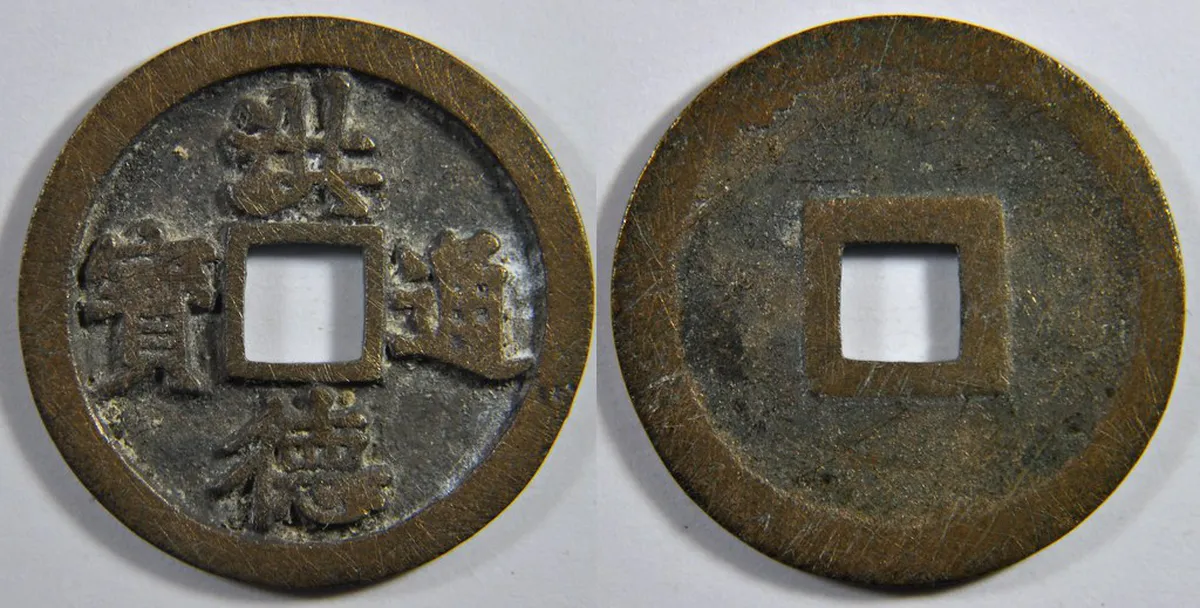
Kip comes in banknotes only, with no coins. Notes commonly run from 500 to 100,000 kip, so a single withdrawal can look like a thick stack. Check the Bank of the Lao PDR for current issues. Keep a stash of small notes for market stalls, street food and tips, because vendors often cannot break a large note. Short rides are the other place where change runs out, so read our guide to tuk-tuk fares in kip before you hail one. When you change money, ask for a mix of small and mid-size notes and sort them by value right away.
Notes run from 500 to 100,000 kip, and the low-value notes you keep for temple donations and market stalls matter most day to day.
Cash or card: where you will need each
Plan to pay in cash at the night market, morning market stalls, small cafés, street food and tuk-tuks. Hotels and some larger restaurants often take cards, though a card machine can be down. Temple entry fees and donations are small, so keep low-value notes ready. Our guide to temple visiting etiquette covers how to behave once you are inside.
- Carry cash for: markets, street food, tuk-tuks, tips, temple donations.
- Use a card for: larger hotel bills and bigger restaurants, if they accept it.
- Always pay card terminals in kip, not your home currency.
Using USD or THB: when it works and when to avoid it
Some hotels and businesses in larger towns accept US dollars or Thai baht informally. We'd still pay in kip, because shops set their own conversion and you rarely get a better deal. Foreign cash can be refused if notes are torn or marked. Treat dollars as a small emergency reserve, not a spending plan. Whether a shop takes them can change, so ask before ordering.
Exchange rates, fees and cash-declaration rules
Rates move daily, so we don't print a figure here. Check the current rate on the central bank's site or your bank app before you change money. Your home bank may add a foreign-transaction fee and set a per-withdrawal cap, so ask it before you travel. At a card terminal, pick the local currency if asked. Choosing your home currency applies dynamic currency conversion, which usually costs more. For cash you carry across the border, use official Lao customs guidance, and see the national tourism site for visitor information.
Common money mistakes and scams to avoid
Most problems are small and avoidable. These are the ones we'd watch for.
- Not counting notes at the counter before you walk away.
- Skipping a rate comparison between two or three booths.
- Leaving the airport fare unsettled and unclear about who gets paid.
- Letting a terminal charge you in your home currency.
- Changing a large sum at a hotel because the queue at a bank looked long.
- Carrying only one card and no cash reserve.
Sample cash plan by trip length
For a short stay of two or three nights, change a small amount on arrival and make one ATM withdrawal in town. Spend the rest on cards where accepted. For a longer stay, withdraw in rounds rather than once, so you carry less at a time. Before you leave for Vientiane, Vang Vieng or the Thai border, spend down your kip or change leftover notes, since you may find them hard to use or exchange abroad. Keep a day's worth of small notes for your last morning in town.
Frequently Asked Questions
What is the currency symbol for Lao kip?
Lao kip uses the symbol ₭, and its code is LAK. You will see prices written in kip at markets and most small businesses in Luang Prabang.
Useful notes for your Southeast Asia trip
Optional updates to our guides.
You might also like

Continue reading
More guides you'll find useful