Vientiane Rainy Season: What to Expect, Do and Skip
Visiting Vientiane in the rainy season? See when the rains run, what to do between downpours, what costs less, and when to wait for the cool season.
On this page
Last updated November 2026: the Vientiane rainy season runs from May to October, and rain is usually a scheduling problem rather than a reason to cancel. This guide sorts the city's sights by how well they handle a downpour. It also covers getting around, costs and who should wait for the cool season.
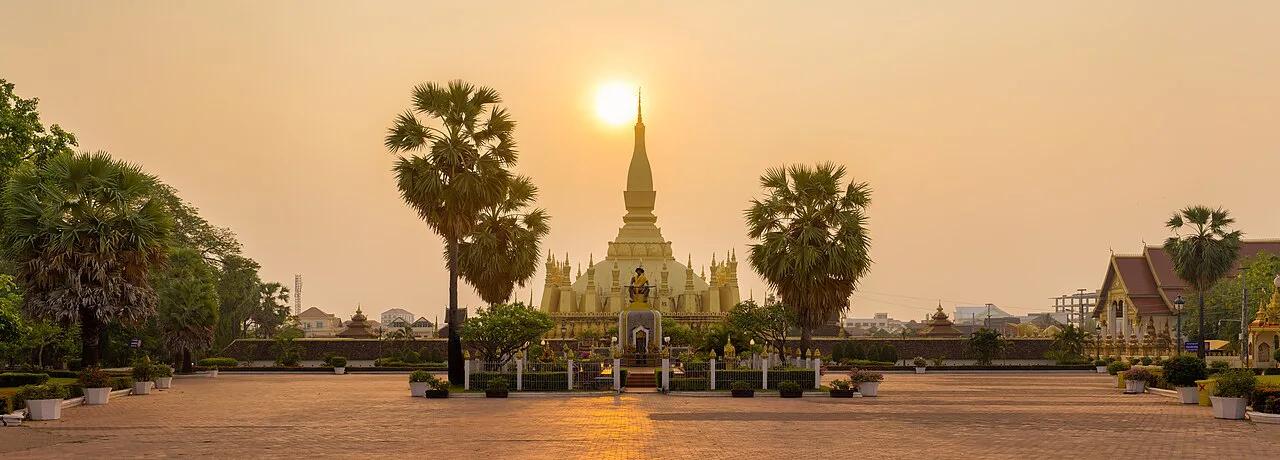
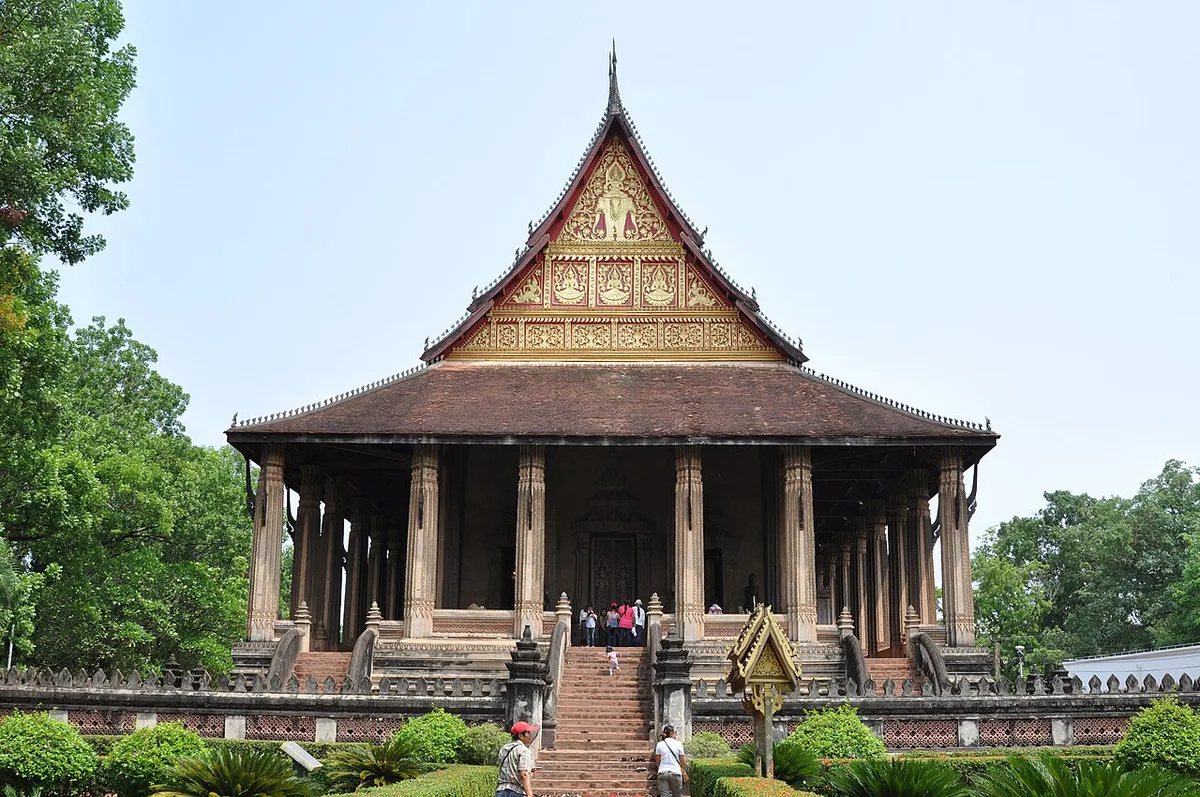
Featured image: Christophe95, CC BY-SA 4.0, via Wikimedia Commons.
Vientiane Rainy Season: Quick Answer
Go in the wet months if your plans bend. Mornings usually stay workable, and Vientiane has plenty of covered stops for the afternoon. Skip May to October if you have a tight connection, a photography shoot or a short trip built around the riverfront. Hotels tend to cost less in these months, but outdoor plans cost you flexibility.
When the Rainy Season Runs in Vientiane
Laos has a wet season from May to October, and Vientiane follows it. Rainfall records come from the national meteorology service. Countrywide, wet-season temperatures run about 24-31°C (75-88°F) in July. May is hotter, at roughly 25-34°C (77-93°F). By October the range eases to about 23-31°C (73-88°F). Treat these as Laos-wide ranges, not Vientiane station readings. Month-by-month detail sits in our Vientiane climate breakdown. For the full-year decision, read our year-round timing advice.
What a Rainy Day Really Looks Like
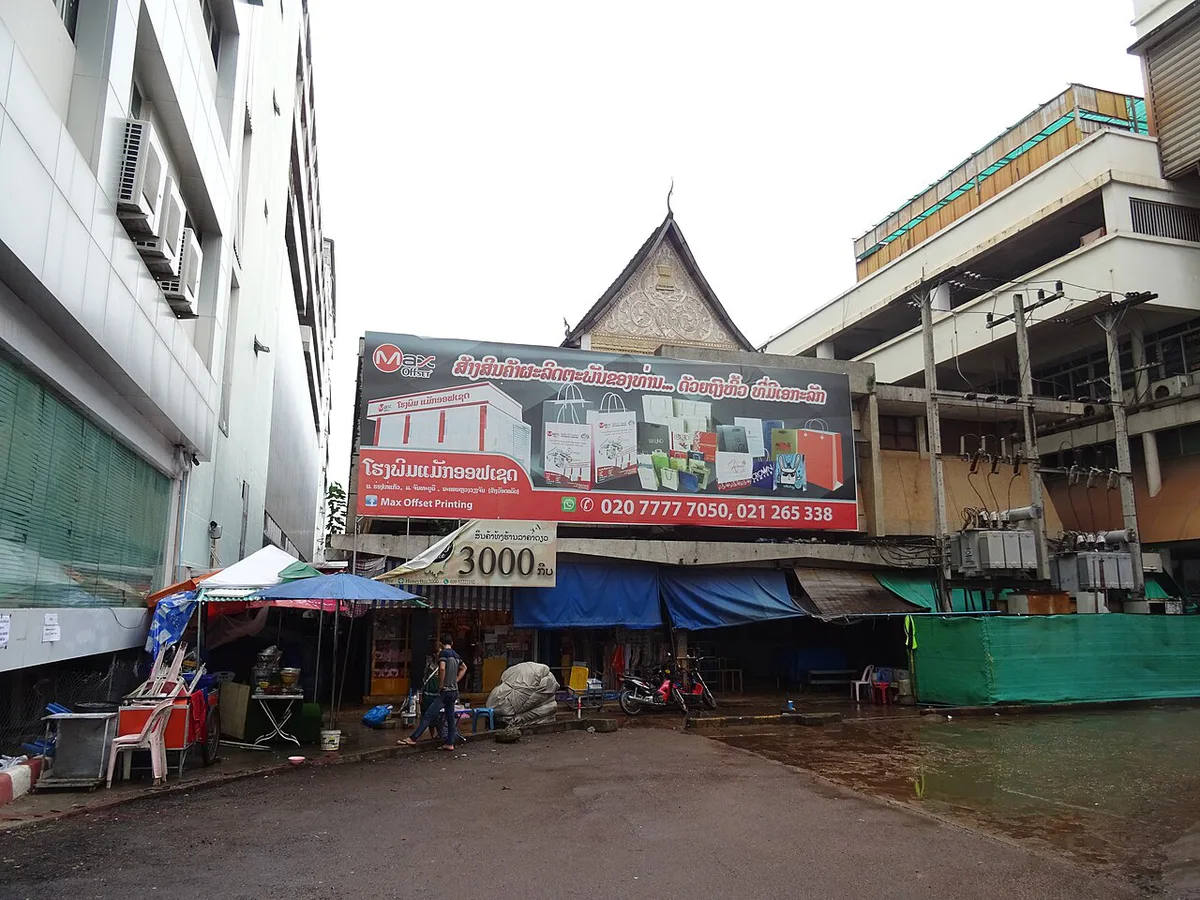
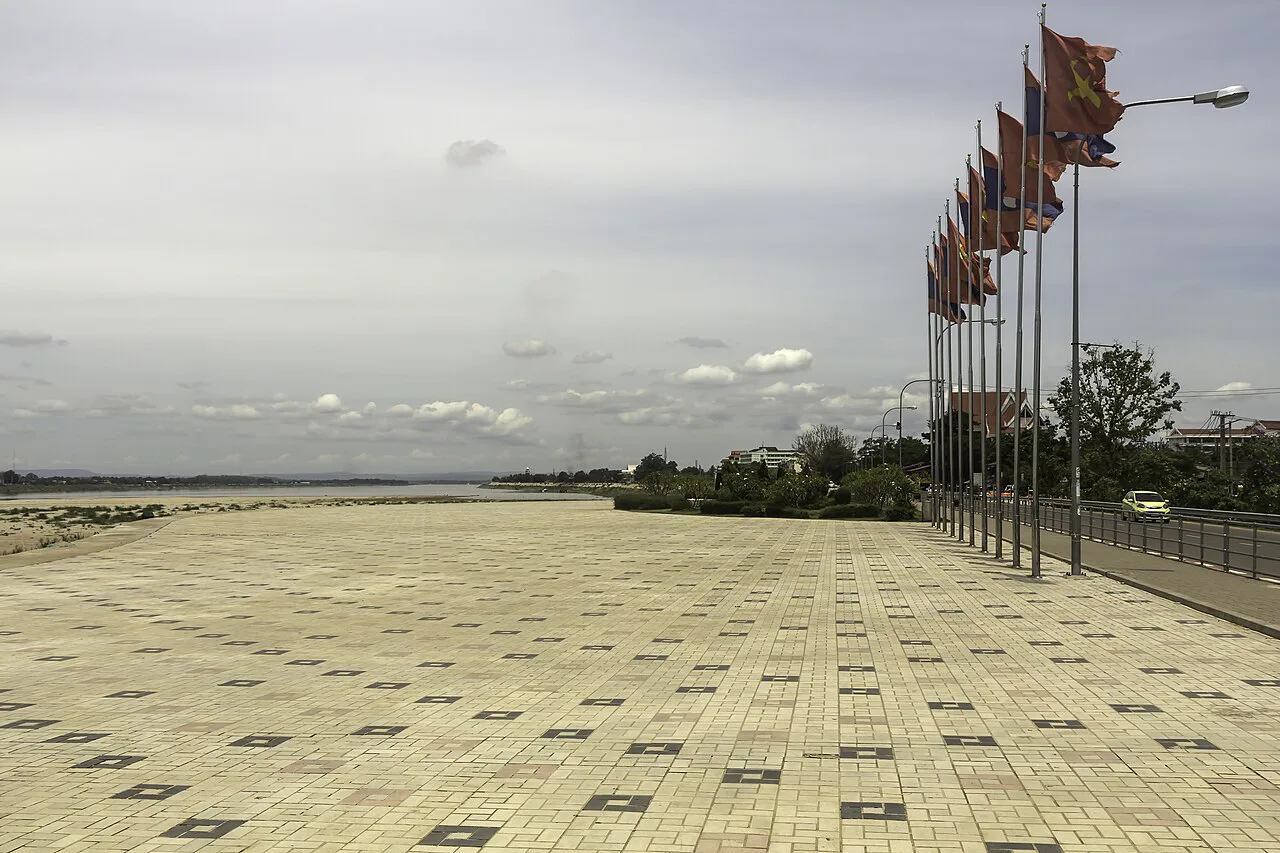
A common pattern is a bright morning, then heavy rain from roughly 2:00 to 6:00 PM. Bursts often last 1 to 3 hours. That pattern is reported across Laos, so use it as a planning default rather than a promise. All-day rain happens, mostly when a tropical system passes through. Side streets can pool water quickly. The Mekong runs high in the wet months, so the lower riverfront paths may be wet or awkward. Evenings after a storm turn cooler, and sunsets over the river are often the reward.
Rain-Proof and Rain-Tolerant Things to Do in Vientiane
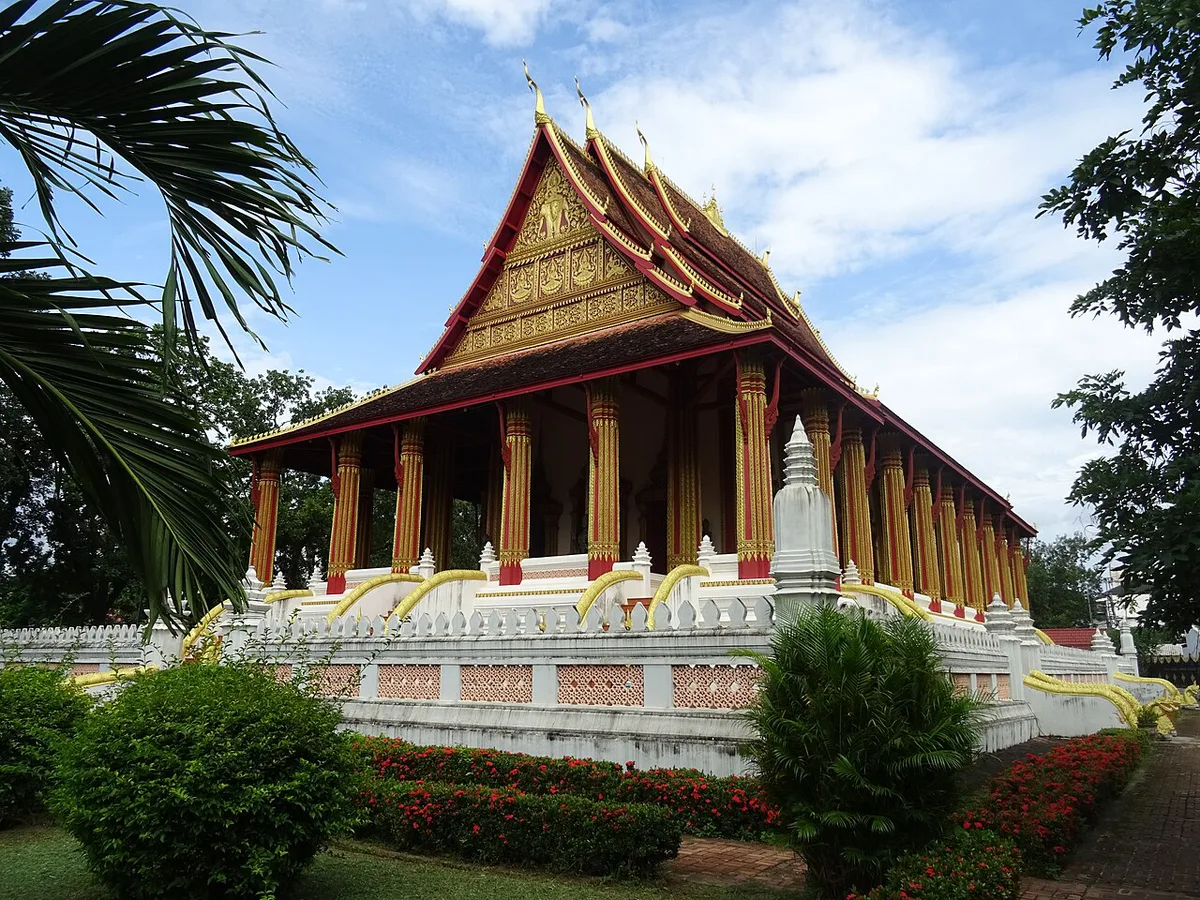
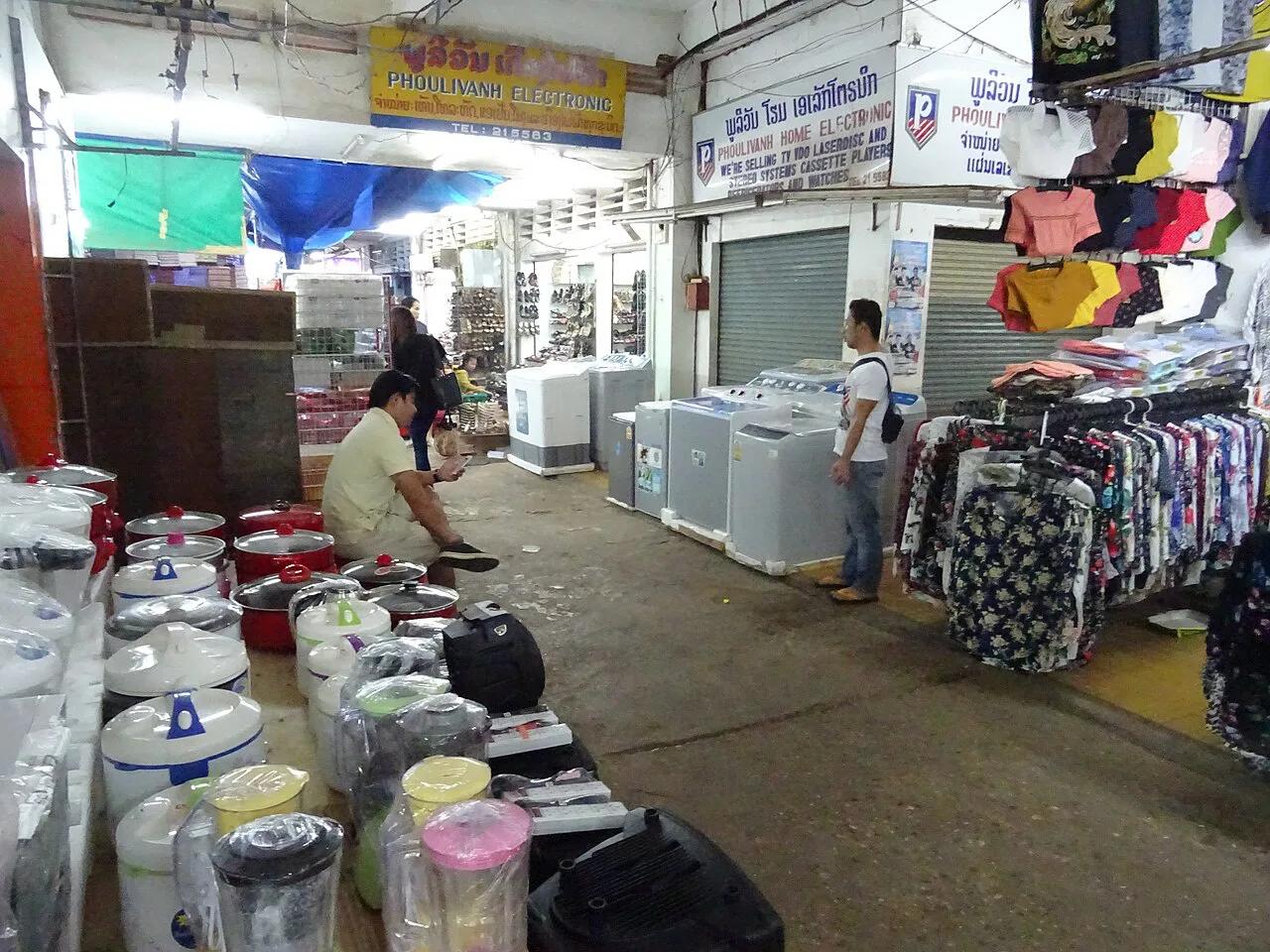
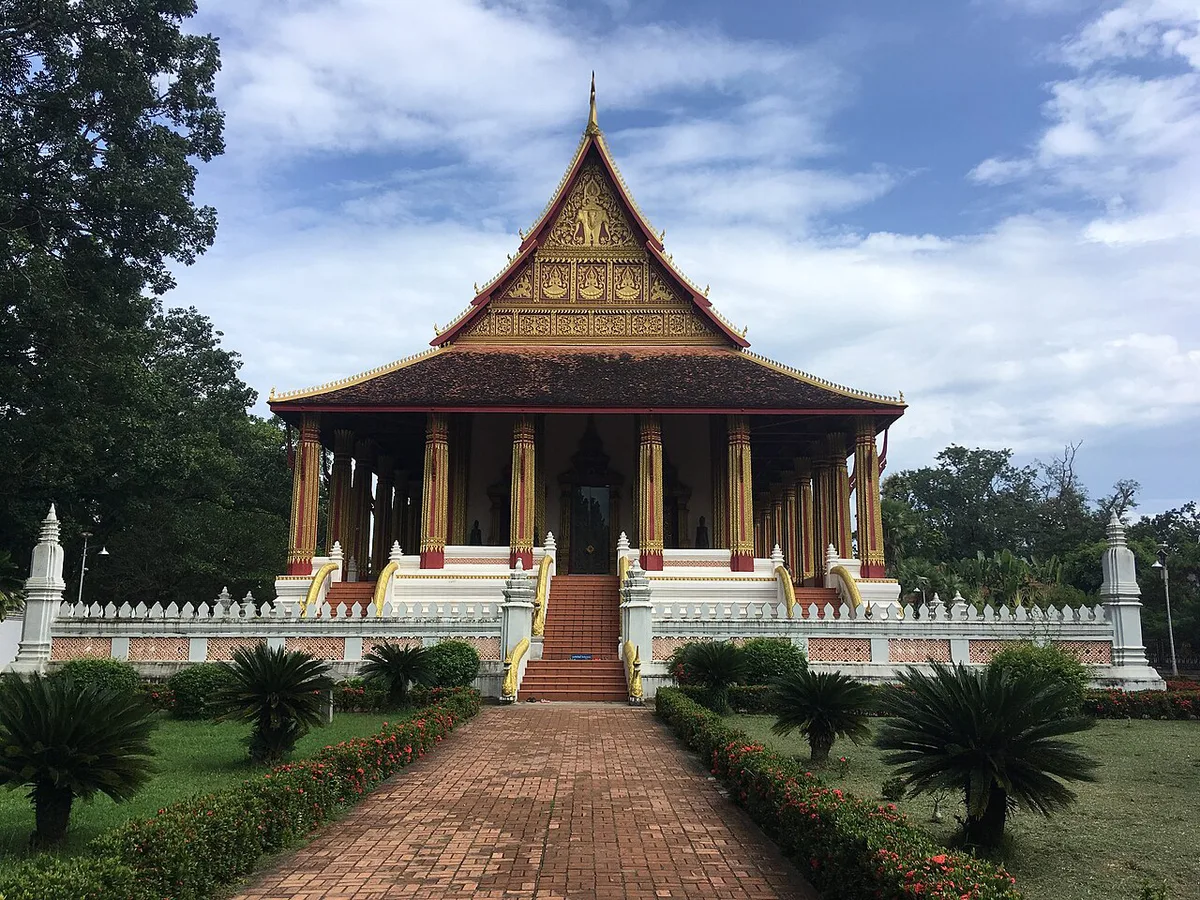
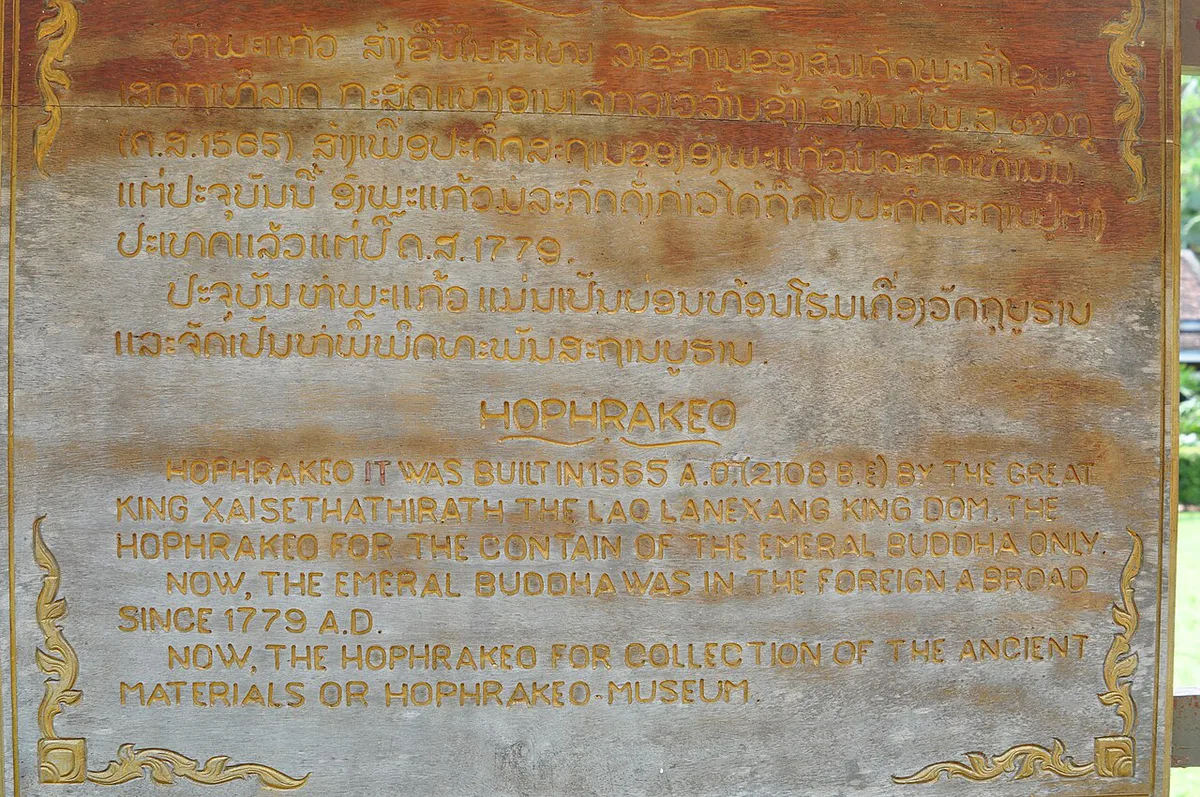
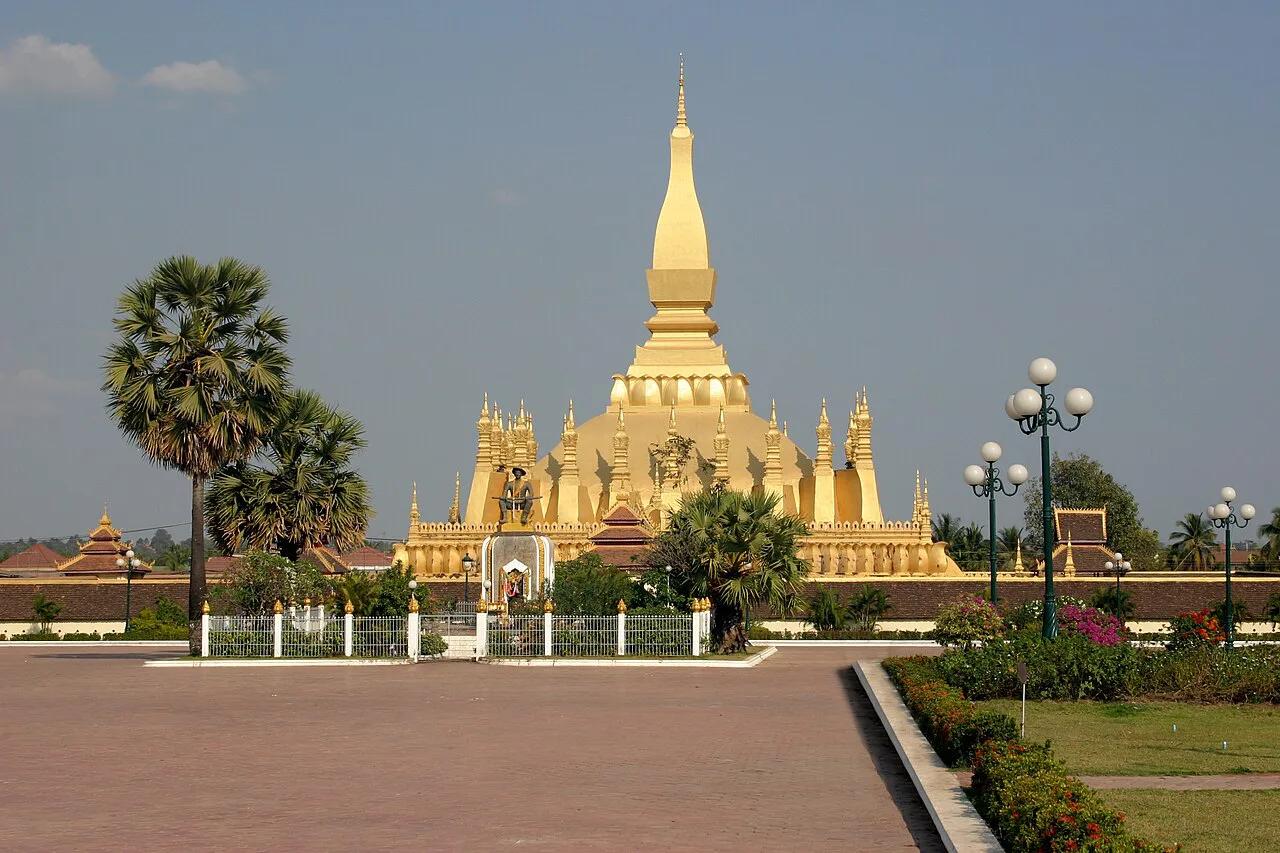
COPE Visitor Centre sits in the grounds of the Centre for Medical Rehabilitation on Khouvieng Road, across from the Green Park Hotel. Entry is free, and it opens daily at 8:30 AM. Its page lists closing at both 4:00 PM and 5:00 PM, so arrive before 4:00 PM. Cave Cinema screens short documentaries on UXO and COPE; ask staff for screening times. Talat Sao is open daily from 07:00 AM to 05:00 PM. Most shops are busiest from 09:00 AM to 03:00 PM. Bring cash, and expect to bargain in the traditional sections. Prices and hours checked November 2026. Wat Si Saket's cloister of Buddhas gives cover, and Pha That Luang suits a dry morning. Our That Luang festival guide shows how different that site feels in crowd season. Current opening details are on the Vientiane Capital tourism site.
| Place or activity | Rain sensitivity | Best time of day | Trade-off |
|---|---|---|---|
| Pha That Luang | Rain-tolerant | Morning | Open courtyards; paths get wet after storms |
| Wat Si Saket | Rain-proof | Any time | Cloister gives cover; shoes get damp on approach |
| COPE Visitor Centre | Rain-proof | Afternoon, before 4:00 PM | Free entry; walk from the gate can be wet |
| Talat Sao | Rain-proof | 09:00 AM to 03:00 PM | Cash only at some stalls; aisles get crowded |
| Mekong riverfront | Rain-dependent | Sunset, after a storm clears | Ground stays wet; lower paths may be awkward |
| Cafes and massage | Rain-proof | 2:00 to 6:00 PM | Best used as your rain shelter |
How to Plan Your Day Around the Rain
Schedule outdoor stops before noon. Start at Pha That Luang, then move to Wat Si Saket. Reach Talat Sao by 09:00 AM, when most shops are busiest. Use the 2:00 to 6:00 PM window for COPE Visitor Centre, a cafe or a massage. On a 2-3 day stay, repeat the pattern and leave one afternoon empty. If rain starts early, swap Talat Sao and COPE into the morning and move temples to the next day.
Talat Sao runs 07:00 AM to 05:00 PM, so a morning visit fits before the typical 2:00 to 6:00 PM rain.
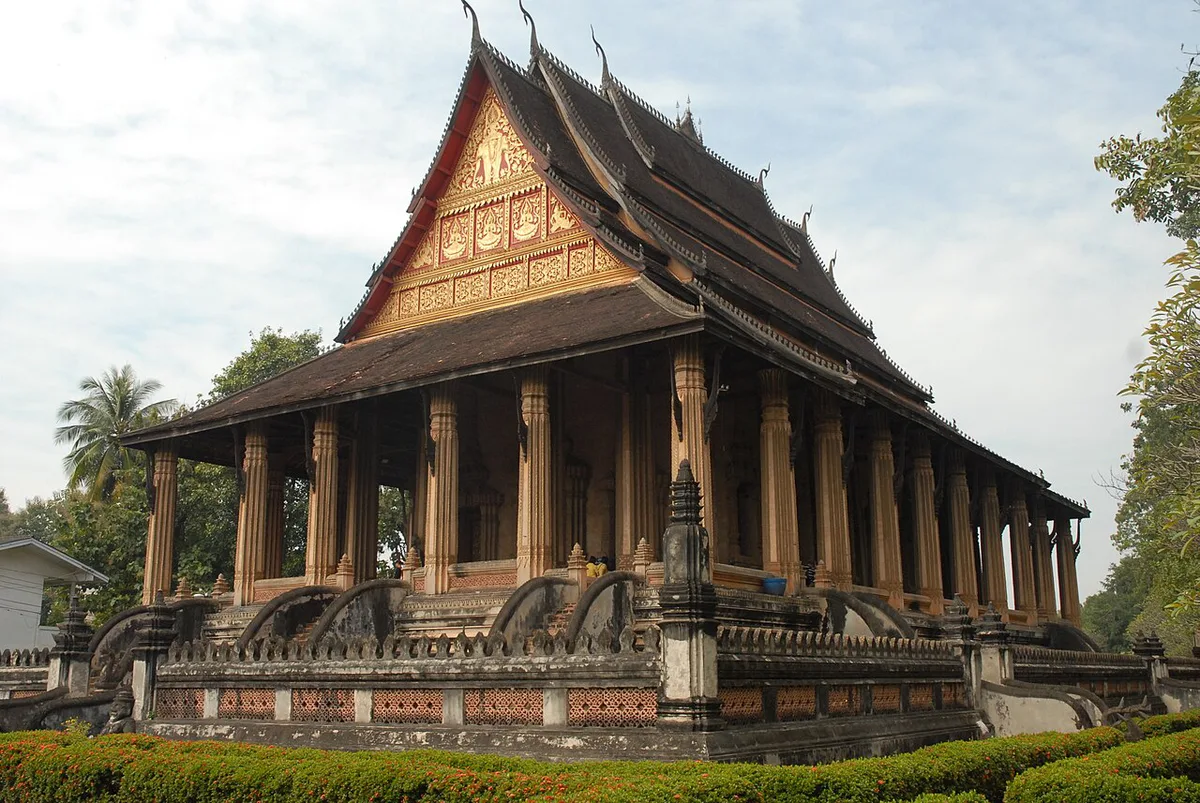
- Morning: Pha That Luang and Wat Si Saket.
- Late morning: Talat Sao while shops are busiest.
- Afternoon: COPE Visitor Centre, then a cafe.
- Evening: Mekong riverfront once the storm clears.
Getting Around Vientiane in the Rain
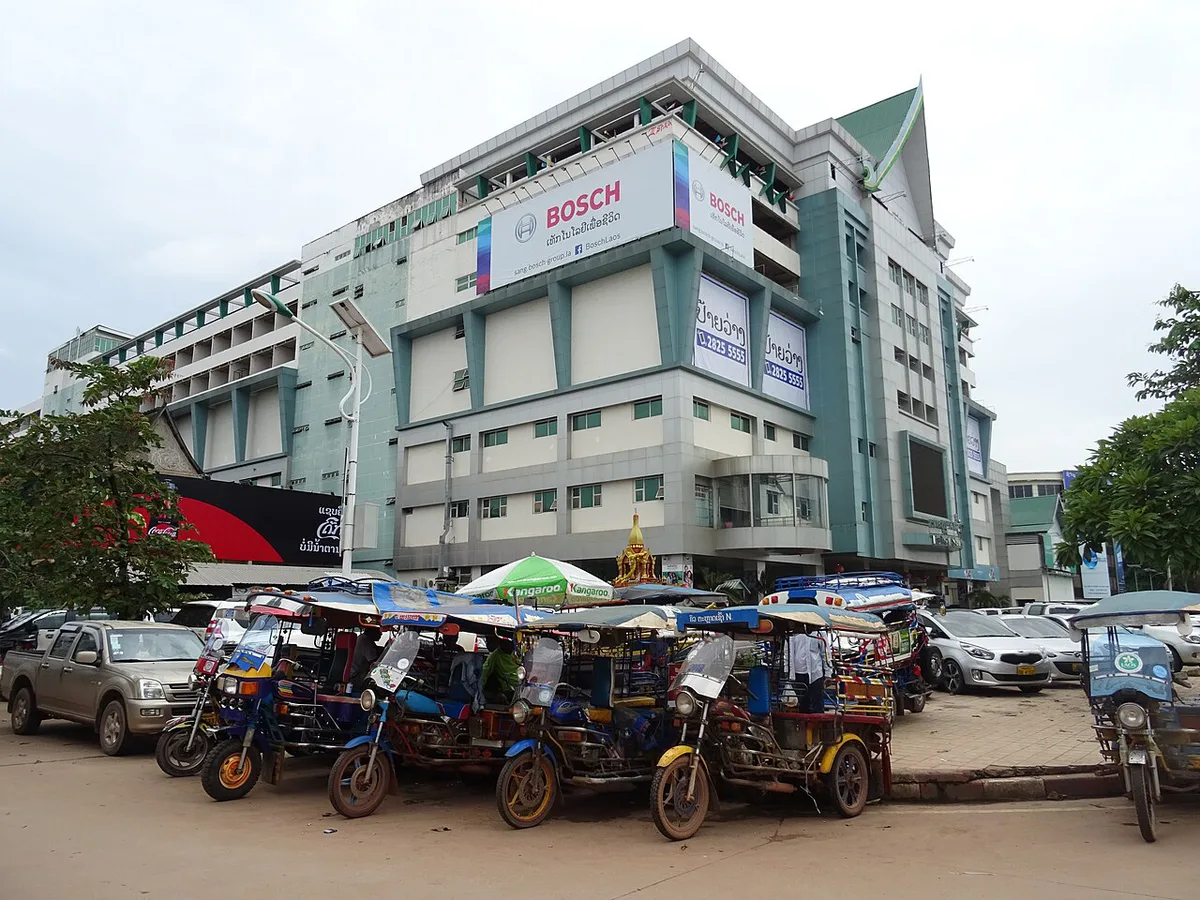
Tuk-tuks give little cover, and drivers can be hard to find during a downpour. Taxis and ride-hailing apps are easier to use then. Check which apps work for you on arrival. Walking between sights gets slow on wet pavement, and cycling is best kept to mornings. Agree any fare before you get in. Leave extra time for the airport and the railway station after heavy rain. Low streets can flood briefly.
Costs and Value in the Green Season
One regional tour operator estimates hotel rates fall 20-40% in the green season. Treat that as a likely direction, not a published Vientiane rate. Fixed costs are not tied to rain. Kuang Si entry, a common day-trip cost outside Vientiane, is about ₭25,000-₭30,000. COPE Visitor Centre is free. Compare room rates for your exact dates, because weather does not set the price.
- You save: lower likely hotel rates, shorter queues, and more room at Talat Sao.
- You lose: flexible afternoons, easy riverside walks, and some tuk-tuk convenience.
- You risk: transfers disrupted by heavy storms.
Day Trips and Onward Travel: What Gets Riskier
Vang Vieng and Luang Prabang are reachable by rail or road from Vientiane. Rail is the steadier option in a storm. Roads and river boats can slow or pause after heavy rain. Kuang Si's pools can turn jade-brown for a day or two after big storms, so treat that as a general rainy-season caveat. Keep a buffer night before any international flight. For transport updates, use the official Lao tourism site.
Kuang Si entry runs about ₭25,000-₭30,000, and its pools can turn jade-brown for a day or two after big storms.
What to Pack and Health Basics
Pack a rain jacket or poncho, quick-dry clothes and sandals with grip. A dry bag protects your phone and passport. Bring closed shoes for muddy paths. Dengue-carrying mosquitoes are a wet-season concern, so use insect repellent morning and evening. Check your national health authority's current guidance before you go.
Rainy Season vs the Cool Season: Who Should Wait
Wait for the cool season if you have a tight connection, a photo-focused trip or a short stay of two days or less. Go in the rains if you want lower hotel rates and can treat each afternoon as flexible. Our Vientiane in December: Weather, Crowds & What to Do guide covers the alternative.
| Season | Months | Rain pattern | Heat | Value |
|---|---|---|---|---|
| Rainy | May to October | Afternoon bursts; some all-day rain | About 24-31°C (75-88°F) in July | Lower hotel rates likely |
| Cool | November to February | Lowest rainfall of the year | Milder, comfortable for walking | Peak tourist window; higher prices likely |
| Hot | March to April | Mostly dry | Can pass 32°C (90°F) | Mid-range |
Where to Stay During Vientiane’s Rainy Season
Choose a central neighbourhood when visiting between May and October. Short walks matter more when wet pavement and pooled side streets slow you down. Ban Anou and the Nam Phou area suit travellers who want cafés, restaurants and covered stops close by. They make it easier to return to your room if rain arrives early.
Riverside accommodation can be appealing after a storm clears, especially for evening views. It is less convenient if your stay depends on using the lower Mekong paths. Those areas can remain wet when the river runs high.
Ask about covered access from the street, drainage around the entrance and a reliable place to leave umbrellas. A room near your planned afternoon stops is useful because heavy showers often fall between 2:00 and 6:00 PM. For a stay of 2 or 3 days, central lodging also makes it simpler to swap an outdoor morning for an indoor visit without losing much time.
Frequently Asked Questions
What is the weather like in Vientiane?
Vientiane is hot and humid through the year. From May to October expect afternoon rain and about 24-31°C (75-88°F) in July, while November to February is the driest stretch.
Useful notes for your Southeast Asia trip
Optional updates to our guides.
You might also like
Continue reading
More guides you'll find useful