Best Time to Visit Penang: Month-by-Month Weather, Crowds and Festivals
Find the best time to visit Penang by month: when it's driest, when it's busiest, and which festivals are worth planning around. Includes rain and haze tips.
On this page
Last updated November 2026. The best time to visit Penang is December through February, when the northeast monsoon brings the island its sunniest stretch for beaches and George Town walks. Runner-up months are the drier patches of June to August, though haze can drift in late in that window. Pick the dry window for outdoor days and accept the crowds, or pick a wetter month for quieter streets and cheaper rooms.
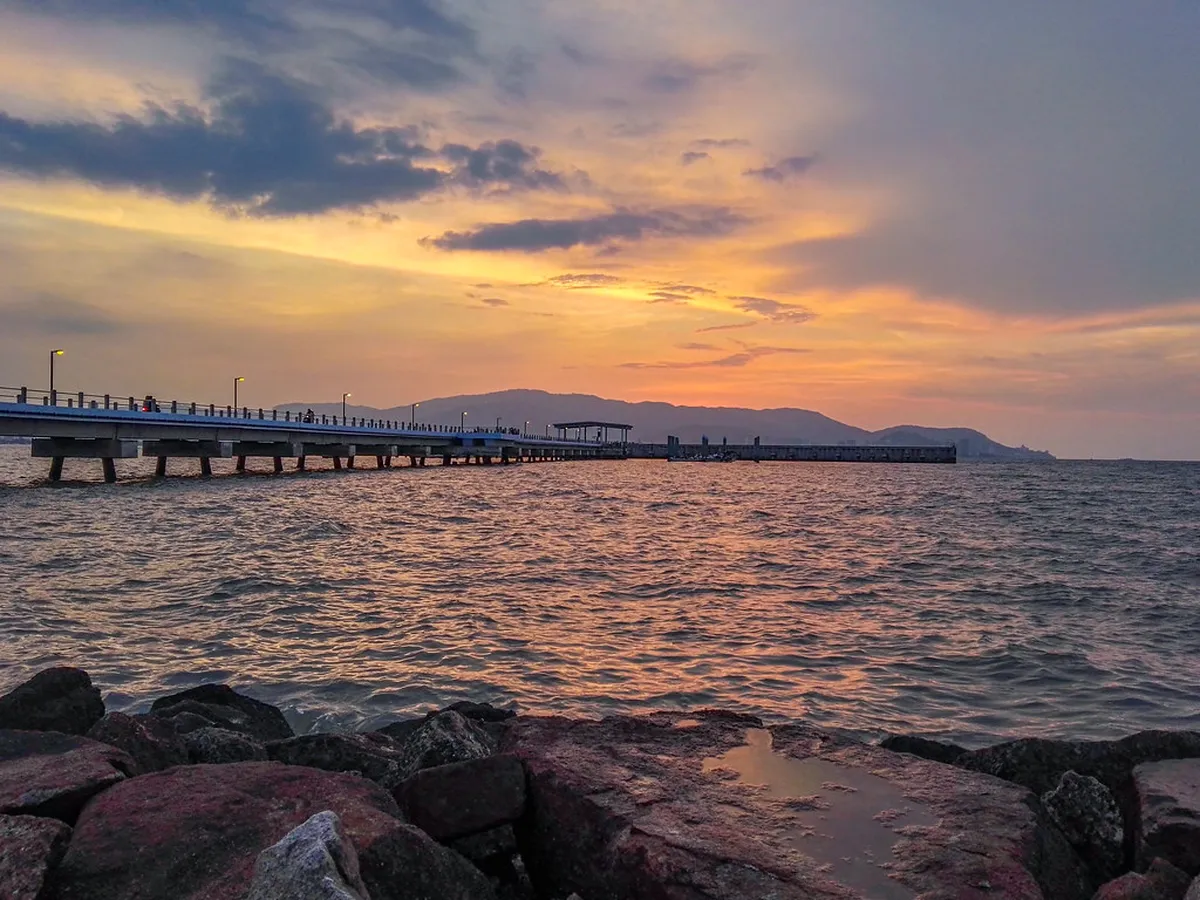
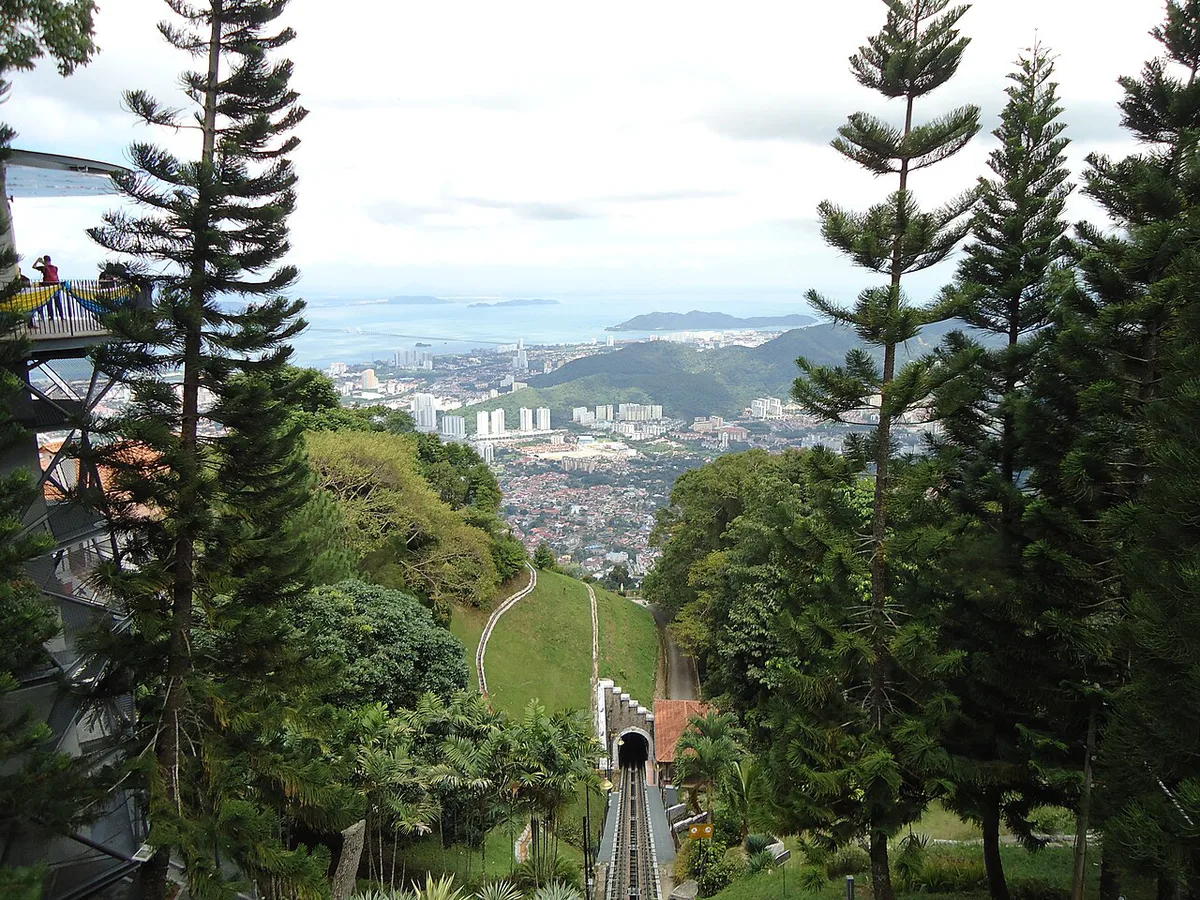
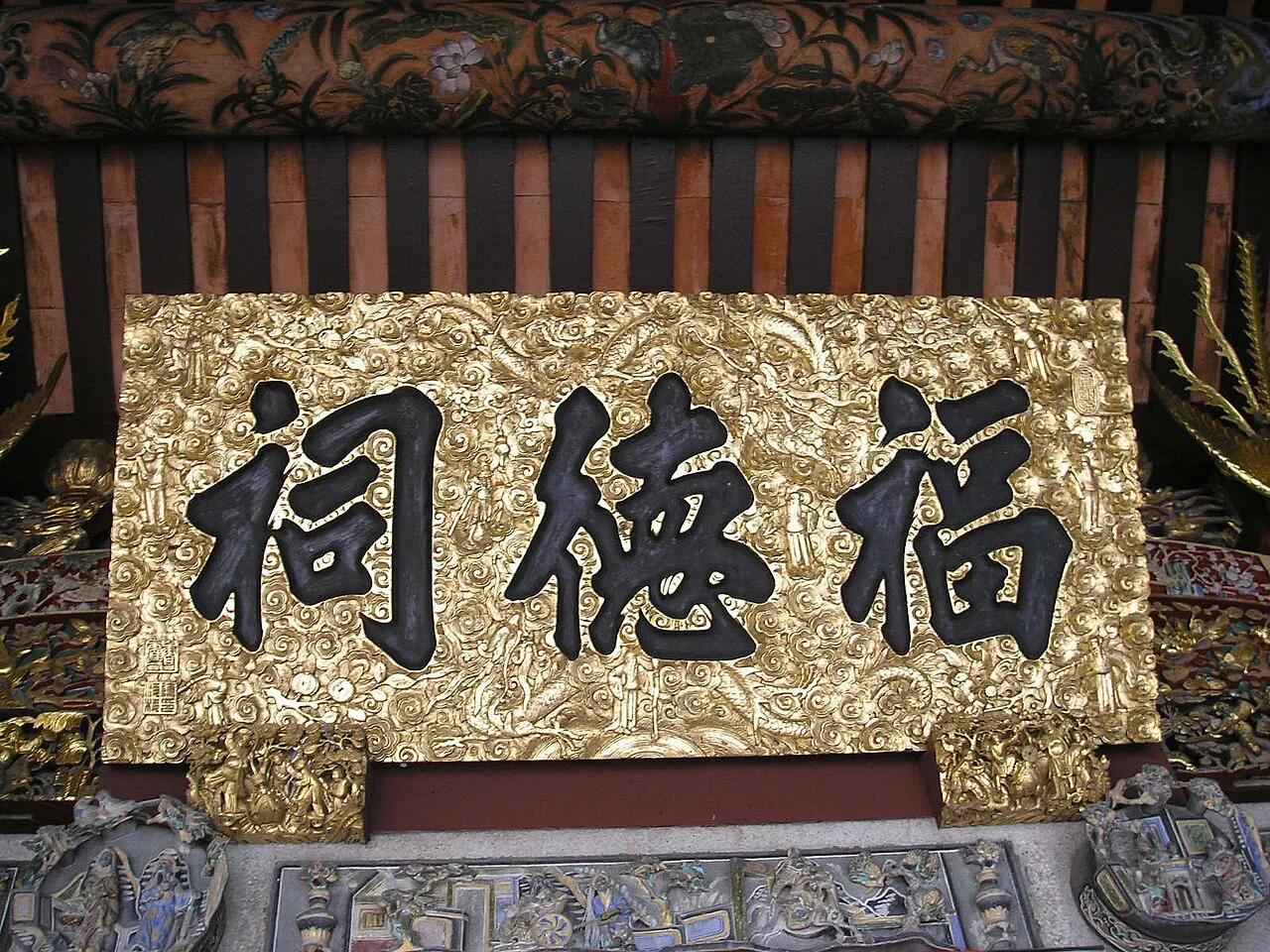
Featured image: Renek78, CC0, via Wikimedia Commons.
Best Time to Visit Penang: The Short Answer
December to February is the easiest window. Skies are clearer, and Batu Ferringhi beach days and George Town walking tours work with the fewest rain interruptions. Mid-November through March is a reasonable extension, though March can turn showery as the southwest monsoon starts to take hold. Penang is a food-and-heritage destination, so a wet month is a trade-off rather than a write-off. Expect higher room rates and fuller streets in the dry window, and a few more umbrellas in the rest of the year.
Penang Weather and Seasons in Brief
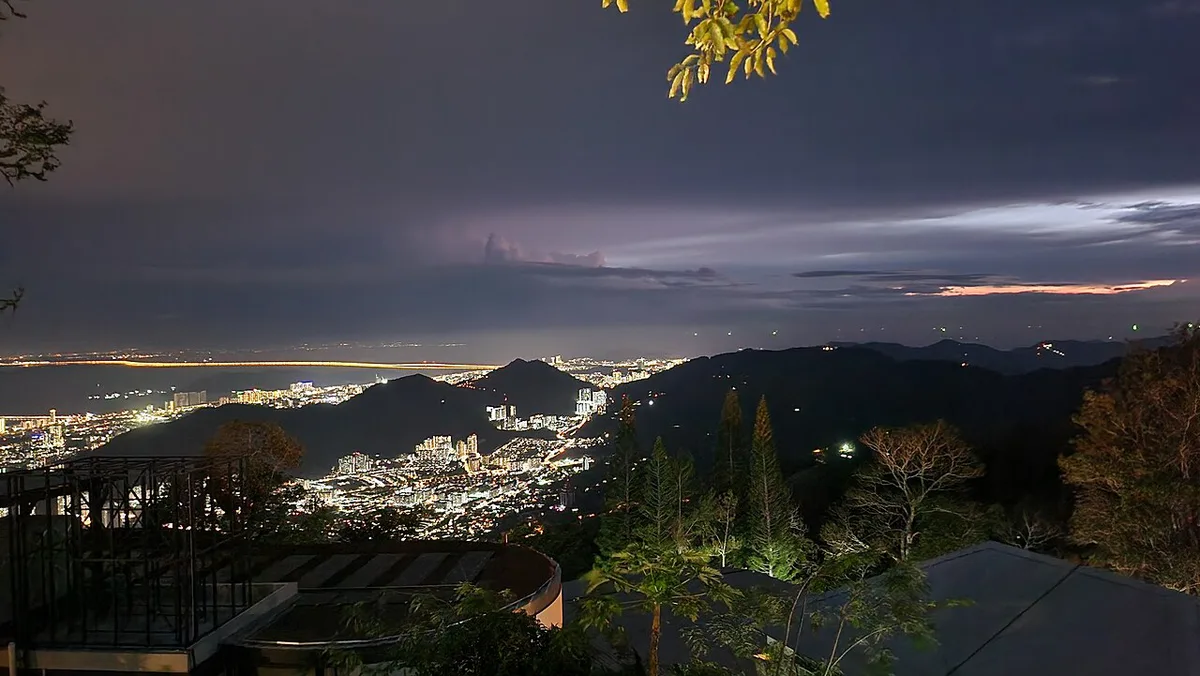
Penang is hot and humid all year. Daytime highs often sit around 32°C (90°F), and typical afternoons feel closer to 28°C (82°F). Sea temperatures stay near 29°C (84°F) through the year, so swimming is never a temperature question. Two monsoons shape the rain. The northeast monsoon runs roughly from November to March. The southwest monsoon runs from late May to September and is usually the drier of the two, though the west coast still gets heavy showers. Between them, the inter-monsoon months bring calm mornings and sharp afternoon thunderstorms, especially on the west side of the peninsula. That pattern explains why guides disagree: some label April, May, September and October as the wet low season, while others call the southwest monsoon months drier. Both are partly right. The wettest feel comes from the inter-monsoon thunderstorms, and there is no truly dry month. For rainfall and temperature detail, read our Penang weather guide. Official forecasts and climate notes sit with the Malaysian Meteorological Department.
Month-by-Month Guide to Penang
Use this table as a tendency guide, not a forecast. Rain varies from year to year. A December trip is the classic choice, and our Penang in December guide covers what that month looks like on the ground. Chinese New Year lands in late January or February and moves with the lunar calendar. Look up the current-year date before booking.
| Month | Weather feel | Crowds | Event hook | Best for |
|---|---|---|---|---|
| January | Drier, sunny, warm | High | Chinese New Year some years | George Town walks, beaches |
| February | Drier, sunny | High | Chinese New Year most years | Festival chasers, beaches |
| March | Hotter, showers begin | Medium | Monsoon transition | Food trips, fewer crowds |
| April | Inter-monsoon storms | Low to medium | None major | Budget stays, indoor food crawls |
| May | Wet afternoons | Low | Vesak Day nationwide | Quiet heritage days |
| June | Drier tendency, hot | Medium | School holidays | Beach days, hiking |
| July | Drier tendency, showers | Medium | George Town Heritage Celebrations | Culture and street art |
| August | Drier tendency, possible haze | Medium | National Day | Food, with an air-quality check |
| September | Wet start, possible haze | Low | Mid-Autumn lantern parade in George Town | Lantern walks |
| October | Inter-monsoon storms | Low | None major | Budget stays |
| November | Wetter early, clearing late | Medium | Dragon boat festival reported by some calendars | Early peak-season bookings |
| December | Drier, sunny | Highest | Year-end holidays | Beaches, George Town |
Best Time to Visit Penang by Traveller Type
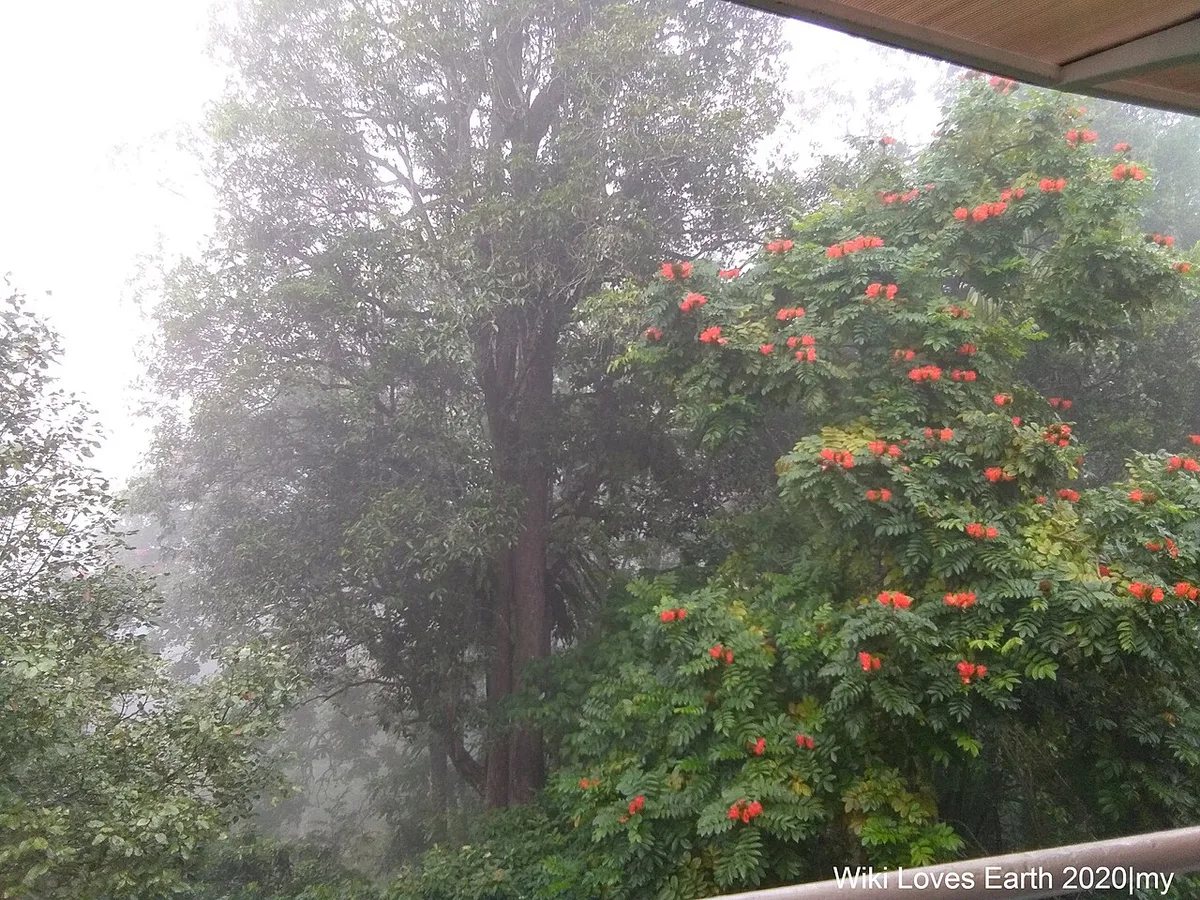
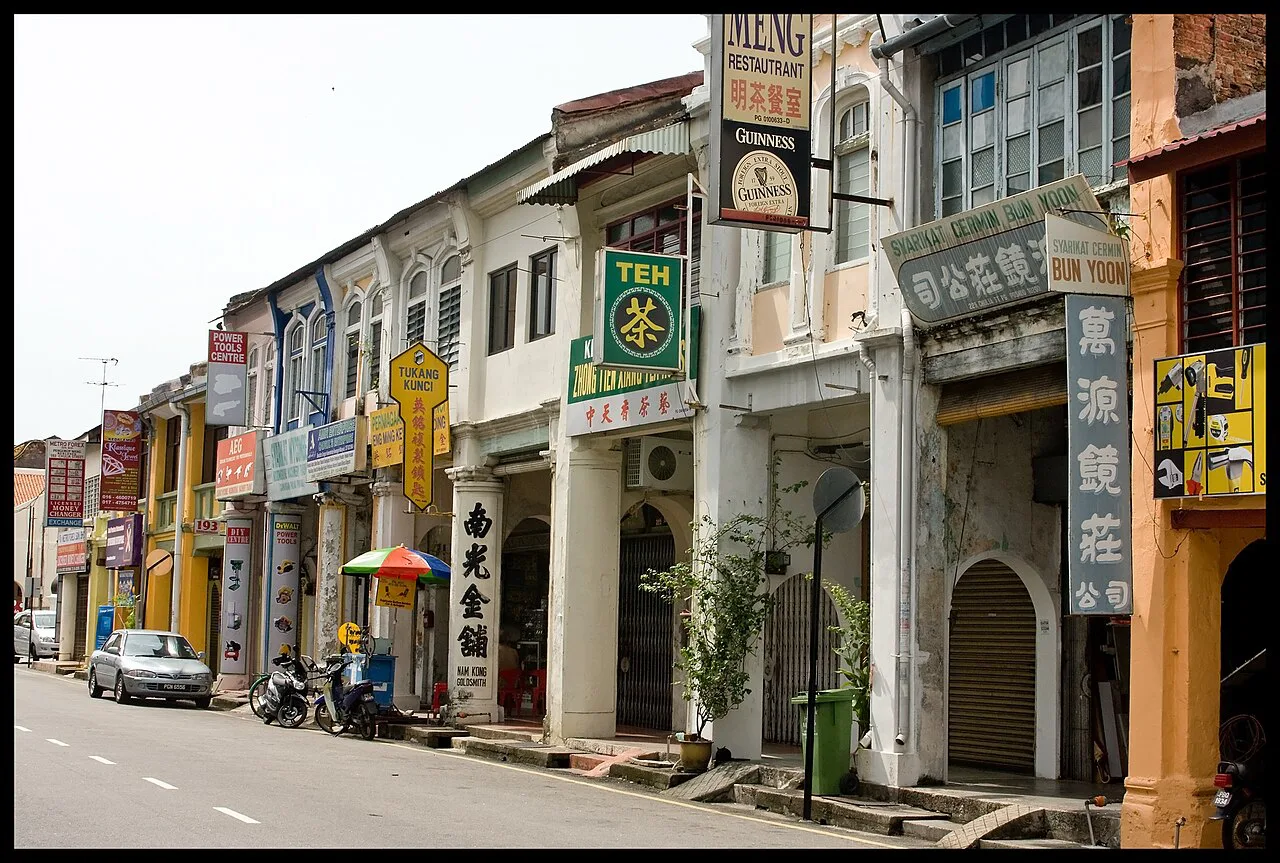
Priorities matter more than a single best month. Food and heritage walkers can go almost any time, because George Town has covered five-foot ways, museums and cafés for rain breaks. Beach stays at Batu Ferringhi suit December to February best. Penang Hill and hiking days reward clear mornings, so aim for the drier months and start early. Families usually follow school holidays, which push up demand in June and December. Budget travellers get the best deals in the inter-monsoon shoulder months.
| Traveller | Best window | Why | Trade-off |
|---|---|---|---|
| Food and culture | Any month; Dec to Feb easiest | Indoor options everywhere | Midday heat in dry months |
| Beach at Batu Ferringhi | Dec to Feb | Fewest rain interruptions | Highest room demand |
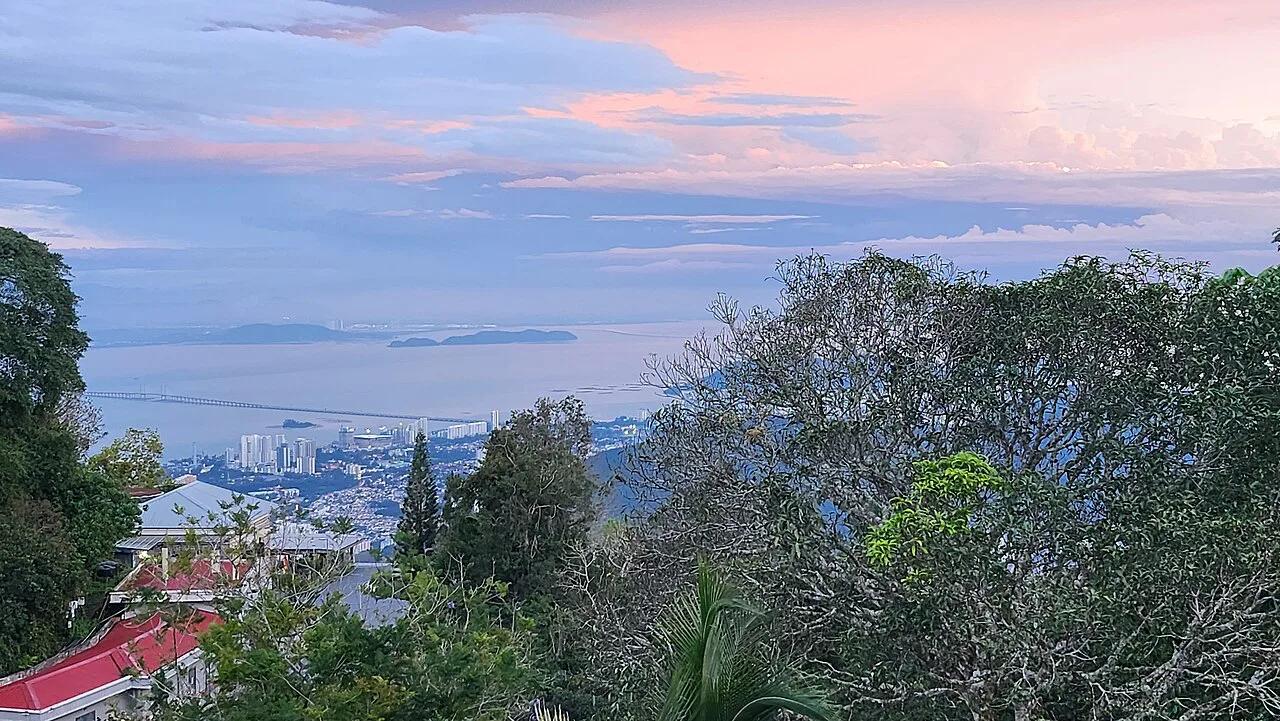
| Penang Hill and hiking | Dec to Feb, June to July | Clearer views, firmer trails | Early starts needed |
| Families | School holidays | Easier leave planning | Fuller flights and rooms |
| Budget | Apr, May, Sep, Oct | Lower demand | More afternoon storms |
Festivals and Events That Change Your Timing
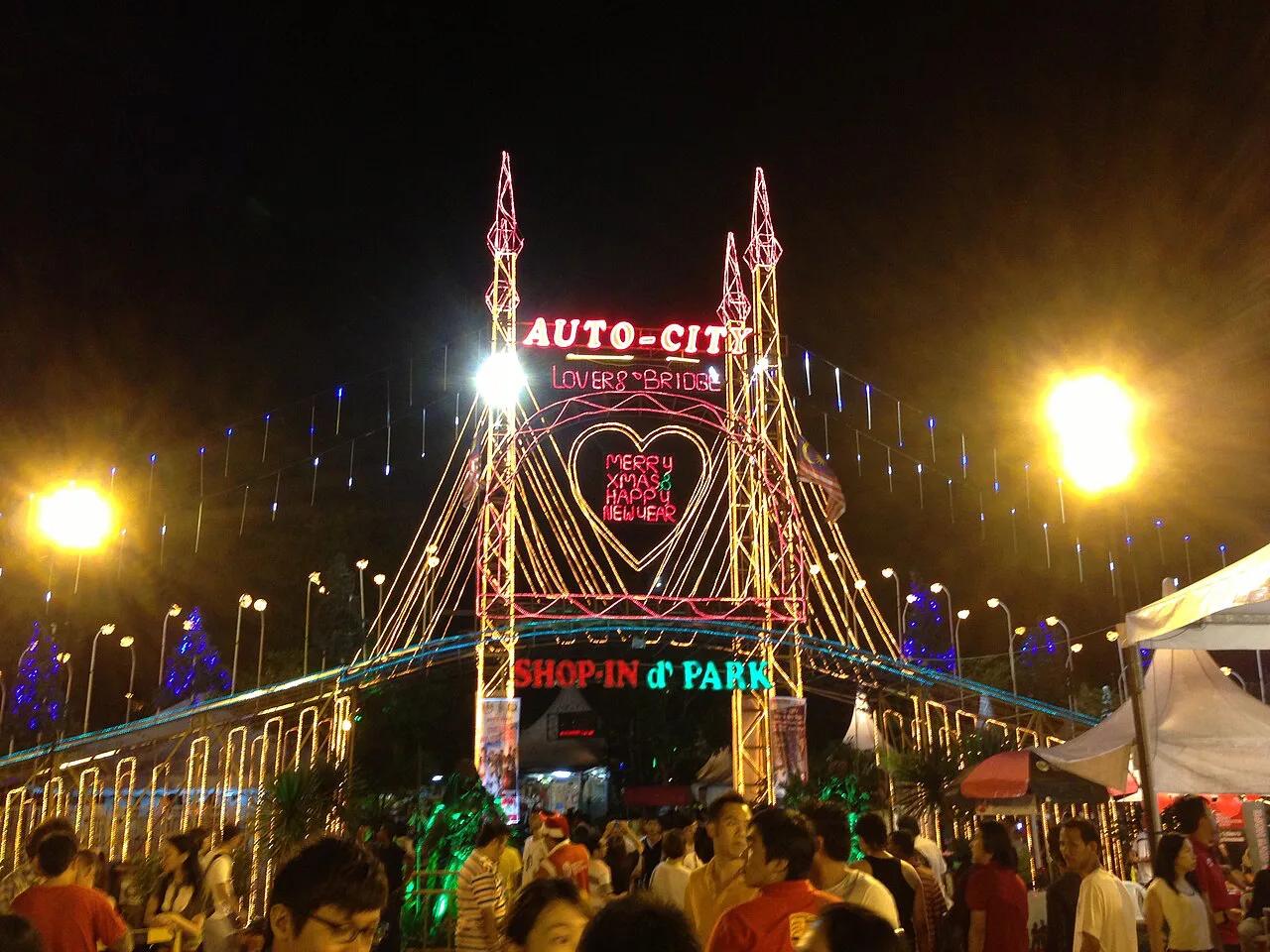
George Town Heritage Celebrations are held every July, according to the George Town World Heritage site. They bring communities together for rituals, food and games. A Mid-Autumn lantern parade is listed for September in George Town, and a dragon boat festival in November. Current schedules shift, so check the official Penang tourism site before building a trip around either one. Chinese New Year changes crowd levels and room demand more than any other event. For temple visits, street decorations and what stays closed, read our Chinese New Year in Penang guide. Thaipusam and other lunar-calendar dates also move yearly. Use an official calendar rather than a past year's date.
Rainy Season in Penang: Is It Really Worth Avoiding?
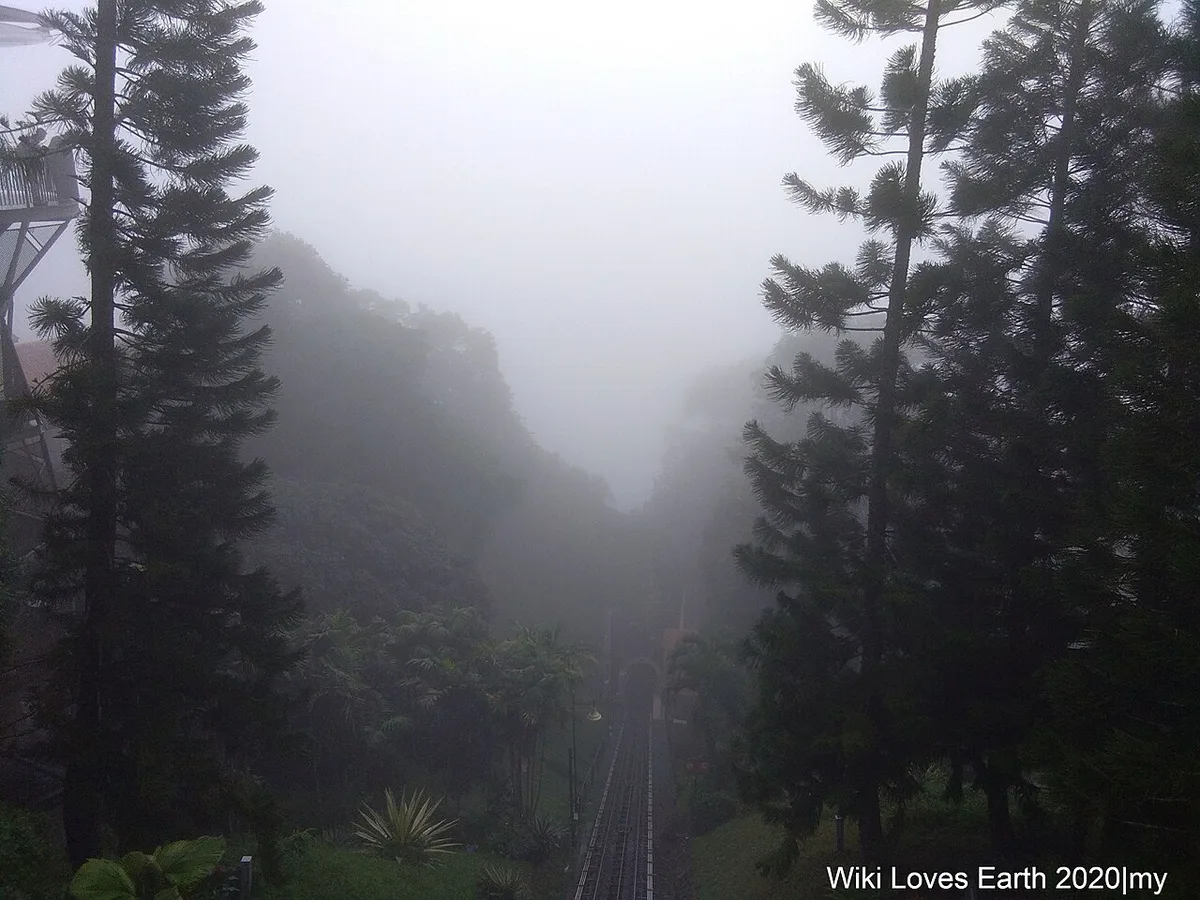
Usually not. Rain tends to arrive as heavy afternoon bursts, then clear. A food-focused trip works fine around that rhythm. Plan outdoor streets and street art for the morning. Move to museums, cafés and food courts after about 2 pm. Beach and Penang Hill plans need the most flexibility, so keep a spare day in the schedule. Our Penang rainy season guide sets out a wet-day plan in more detail. Heavy rain mostly costs you boat and viewpoint time, not meals. Wet months also come with lower demand and easier room hunting.
Haze, Heat and Humidity: What to Expect
Agricultural fires in nearby Sumatra can send smoke across the Malacca Strait. Haze is most common around August and September on Malaysia's west coast. It is not guaranteed, and many years pass with only a faint grey sky. Follow the Department of Environment's Air Pollution Index before outdoor days, and keep a mask handy if readings are poor. Heat is the steadier issue. Midday in George Town feels heavy in any month, so schedule walks for early morning and late afternoon. Drink water often, and take a break in an air-conditioned café at midday.
Ducking indoors after about 2 pm also covers the midday heat, leaving early morning for outdoor walks in any month.
Crowds, Costs and Booking Lead Time
Dry months are the busiest, and prices follow. As an illustrative planning example, a mid-range George Town room around RM250 a night in a wet shoulder month can run RM400 or more in late December or Chinese New Year week. Treat those as sample figures only, since rates vary by property. Prices and availability need a look on booking sites for your dates. For peak weeks, book rooms and flights well ahead. Shoulder and wet months allow later booking and more choice. The table compares the three patterns.
| Pattern | Months | Cost | Crowds | Outdoor viability | Flexibility |
|---|---|---|---|---|---|
| Dry and busy | Dec to Feb | Highest | High | Best | Low |
| Shoulder | Mar, Jun to Aug | Mid | Medium | Good, with haze check | Medium |
| Wet and quiet | Apr, May, Sep to early Nov | Lowest | Low | Needs rain plan | High |
Getting Around and Practical Logistics by Season
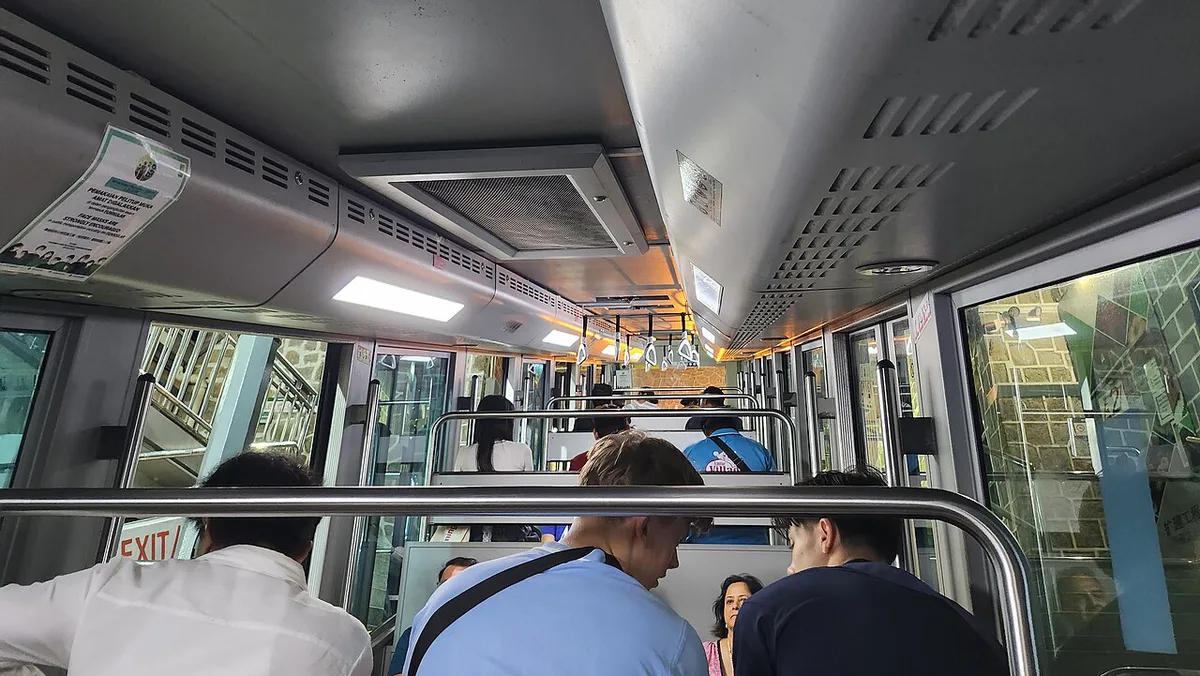
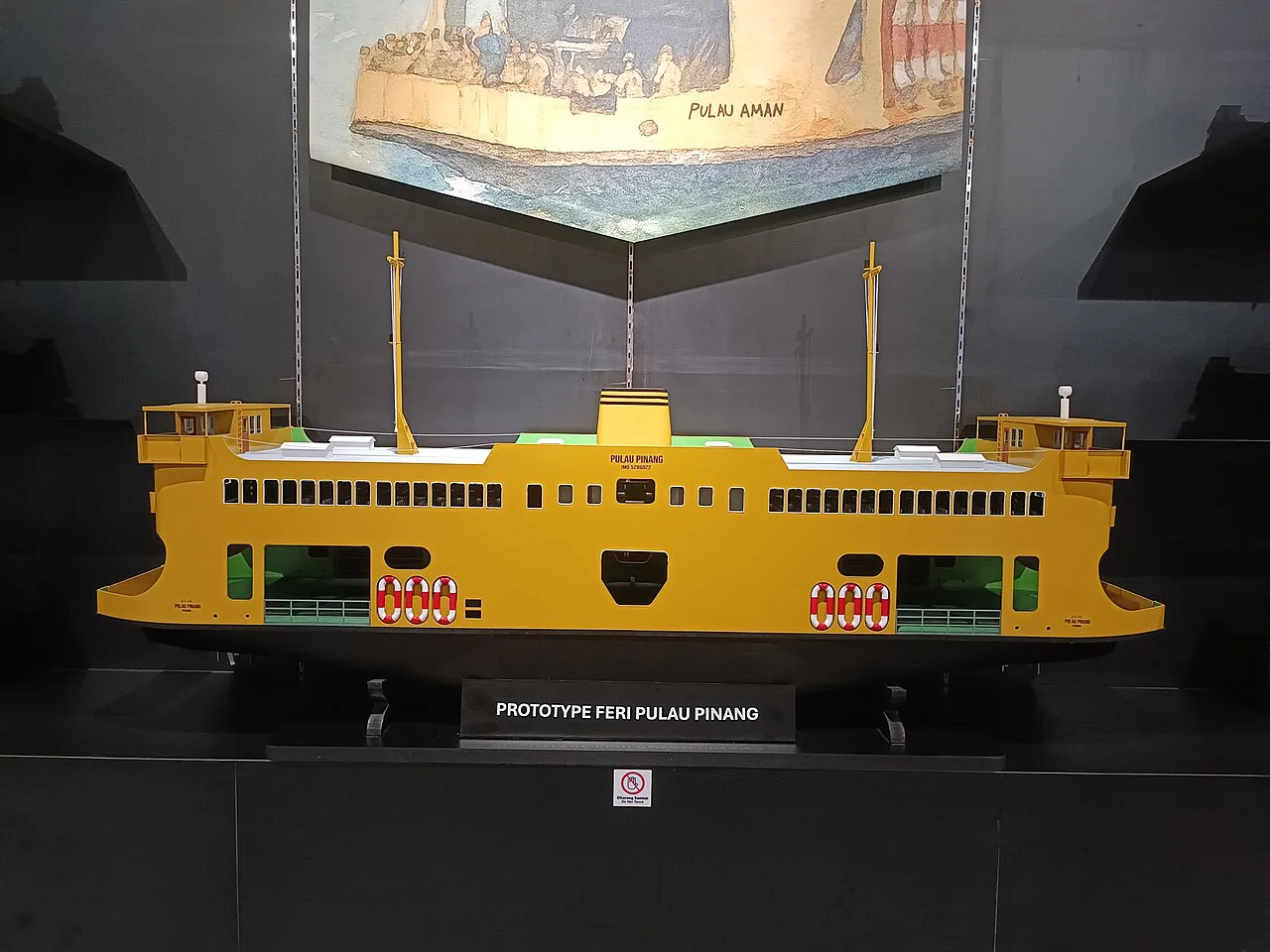
Penang International Airport serves the island, and the Penang Bridge links it to the mainland. Ferry service is another crossing option, and operators set the current timetable. In heavy rain, ride-hailing demand jumps, so allow extra time or shelter until the downpour passes. Penang Hill runs on a railway, and weather can delay or pause services. Look up the operator's status on the day before a summit plan. In George Town, covered walkways ease rainy transfers between sights such as Chew Jetty, at 59A Chew Jetty, Weld Quay.
Common Timing Mistakes
Most mistakes come from treating one label as the whole story.
- Booking a "best month" without checking Chinese New Year dates.
- Planning Penang Hill and beach days with no rain fallback.
- Skipping an air-quality check in August and September.
- Scheduling midday walks in George Town during dry-season heat.
- Assuming a wet month means closed attractions.
Building the rest of the trip? Our Penang attractions guide covers the sights, districts and logistics around this guide.
Best time to visit other cities
Frequently Asked Questions
What is the annual weather like in Penang?
Penang is warm and humid all year. Highs often sit near 32°C (90°F), and the sea stays around 29°C (84°F). Rain comes in bursts, mainly during the monsoons and the thunderstorm months between them.
Which month is not a raining season in Penang, Malaysia?
No month is fully dry. January and February are the driest tendency, and December is close behind. Plan a rain break even then.
Explore More Penang Guides
Keep planning your Penang trip with these guides.
Penang Guides
Useful notes for your Southeast Asia trip
Optional updates to our guides.
You might also like

Continue reading
More guides you'll find useful