Binondo, Manila: Chinatown Food Walk, Sights & Access
Visiting Binondo, Manila's historic Chinatown? Get a walking route, food-crawl tips by dish, timing, getting there from Intramuros and Makati, and who should skip it.
On this page
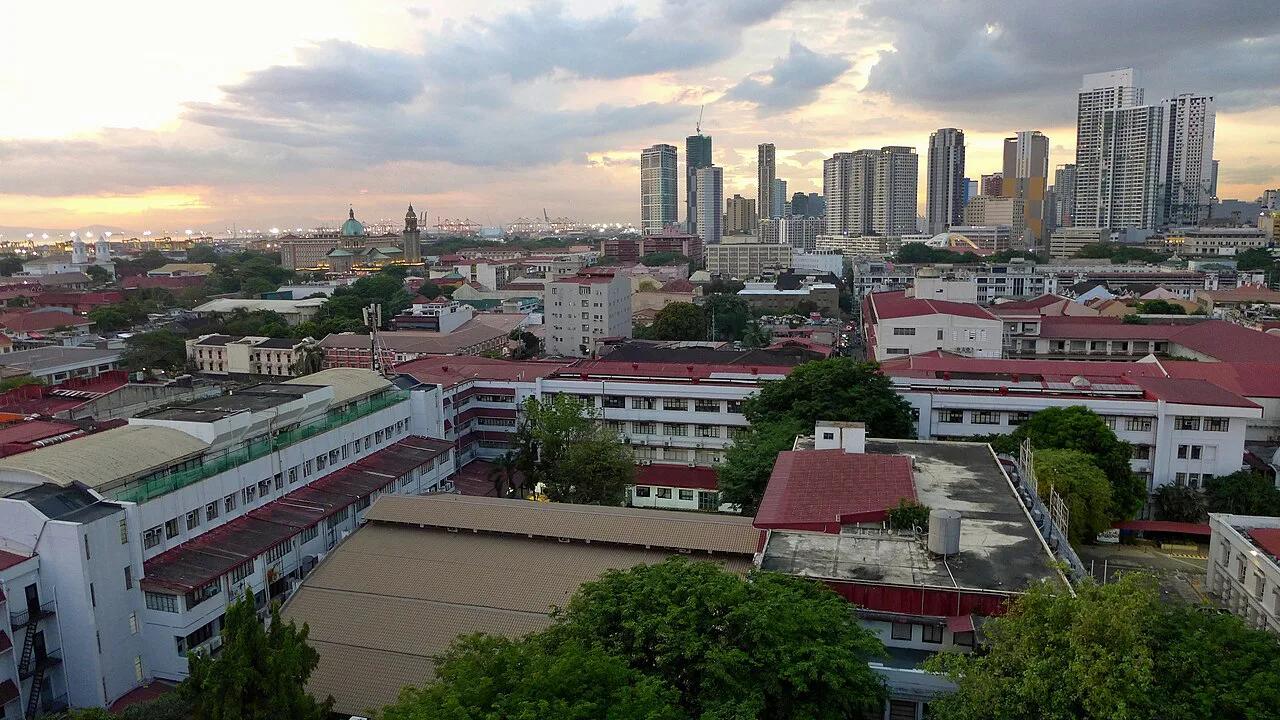
Last updated November 2026: Binondo is Manila's Chinatown, a compact district across the Pasig River from Intramuros. Ongpin Street carries the food, and Escolta and the church plazas carry the history. Slot it into Manila's wider neighborhood overview if you are building a longer city plan.
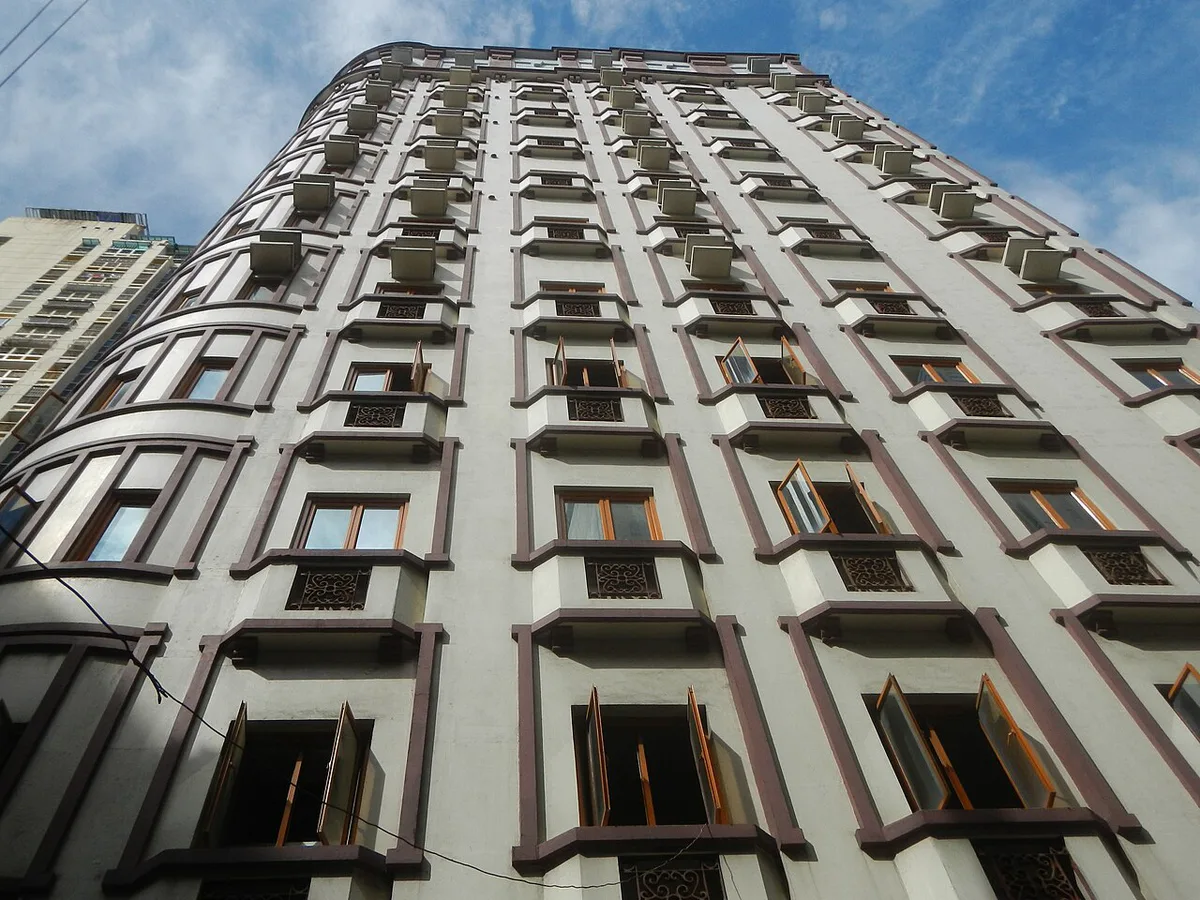
Featured image: Judgefloro, CC0, via Wikimedia Commons.
What Binondo Is and Whether It Is Worth Your Time
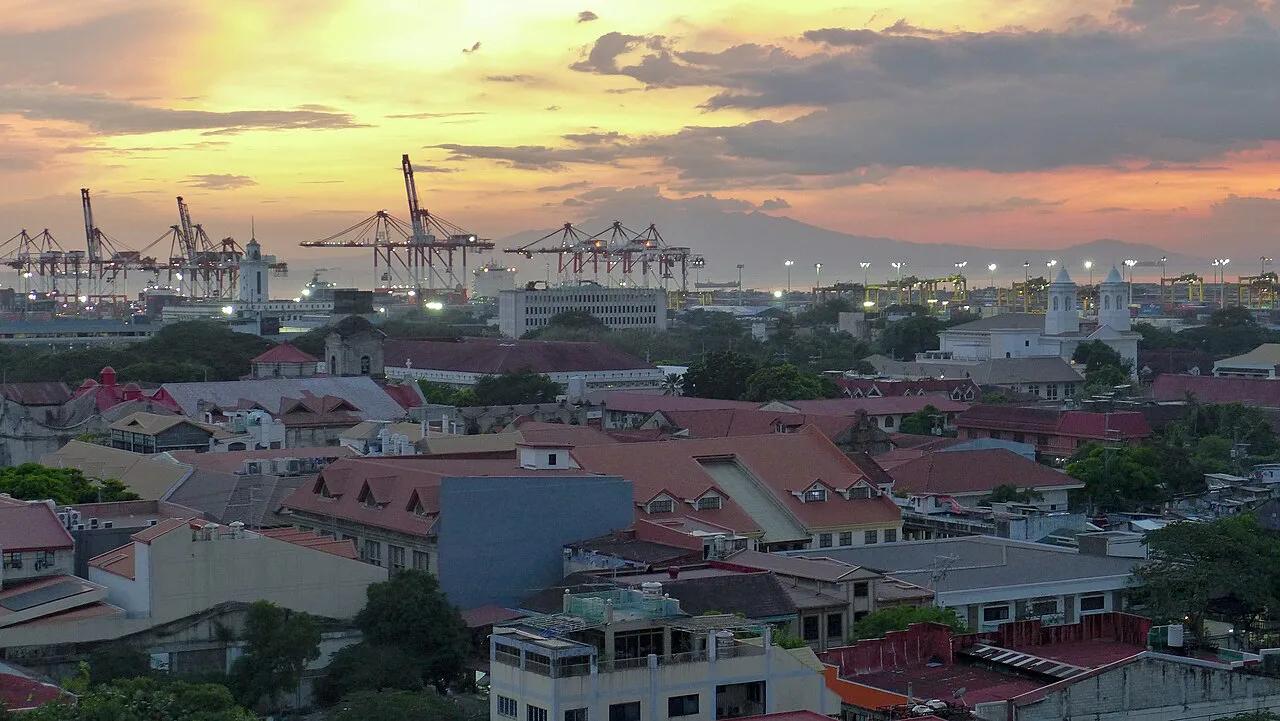
Binondo is a district of Manila, widely described as the world's oldest Chinatown. Spanish Governor Luis Pérez Dasmariñas founded it in 1594 as a settlement for Chinese converts to Catholicism. Colonial officials placed it across the river from Intramuros so they could keep watch. Today it covers about 0.66 km² across 10 barangays, and the 2024 census counted 23,935 residents. Searches for the name also return a New York restaurant, which this guide does not cover. Food is the main reason to go. History walkers get plazas, a basilica and former banking streets within one small district.
- Suits: food-led travelers, heritage walkers, and anyone pairing a meal with Intramuros.
- Skip if: you want green space, quiet streets or a slow rest day.
How Much Time to Plan for Binondo
Binondo sits only a few minutes from Intramuros and Rizal Park, according to the Philippine tourism site. That proximity makes a combined day easy. Pair it with the Intramuros walled city if you have a full day. Intramuros Administration lists the Visitors Center at Fort Santiago as open daily 8:00AM to 5:00PM. Treat the durations below as our own estimates.
| Plan | Time (estimate) | What fits |
|---|---|---|
| Quick taste | 2-3 hours | Binondo Church and a few Ongpin Street snacks |
| Half-day | About 4 hours | Church, Ongpin Street, Escolta and Jones Bridge |
| Full day | 6-8 hours | Binondo in the morning, Intramuros before 5:00PM |
A Walking Route Through Binondo
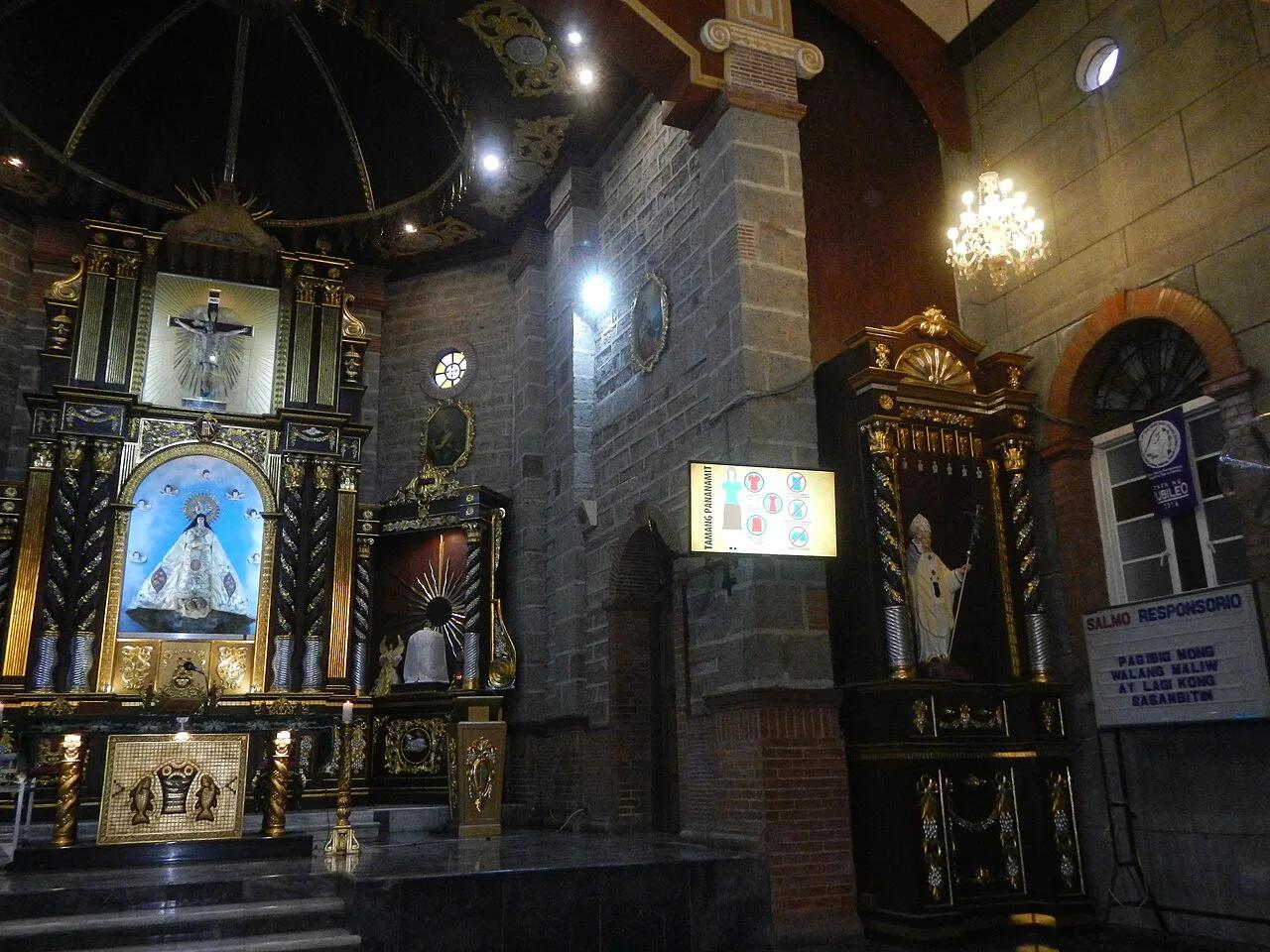
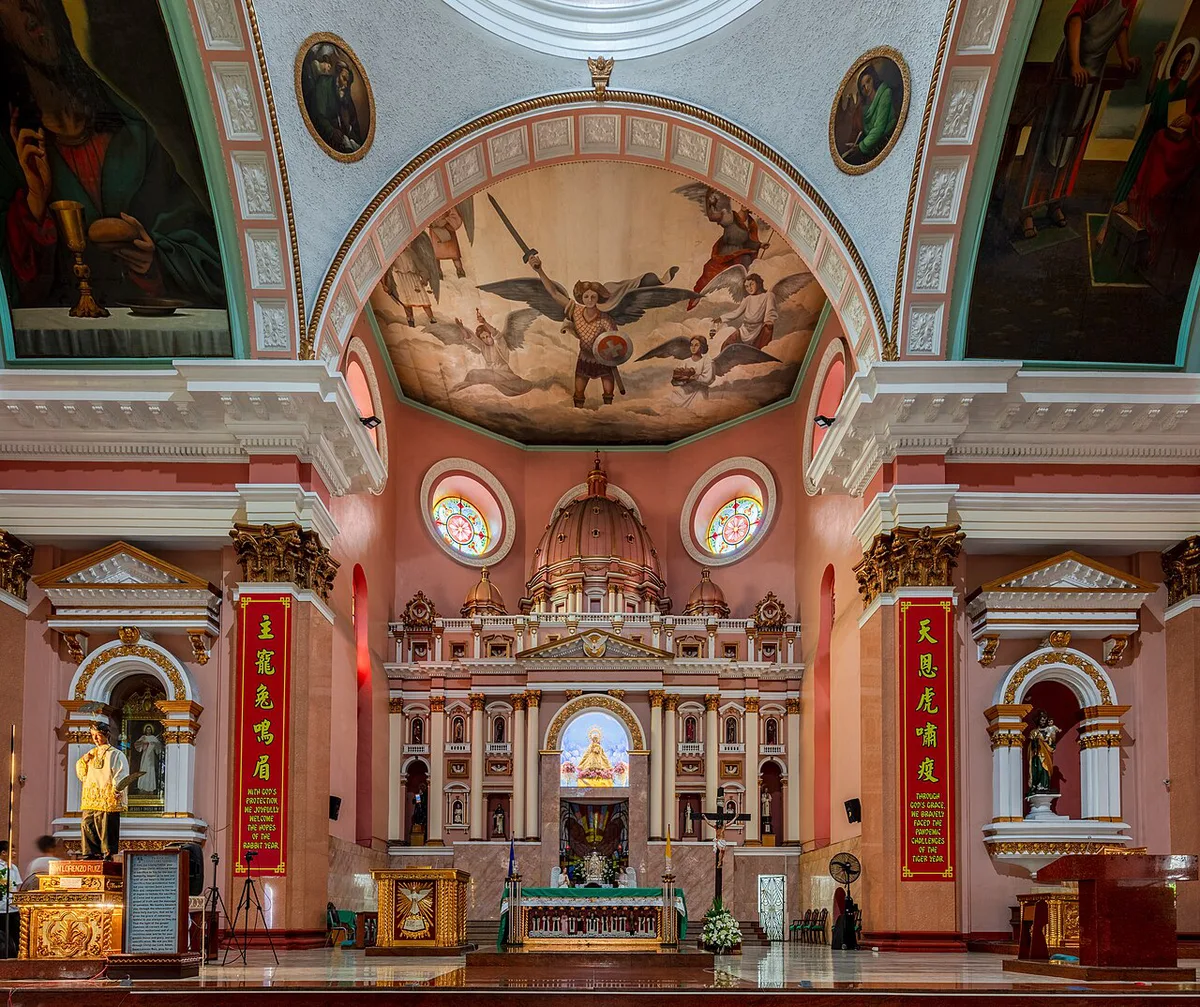
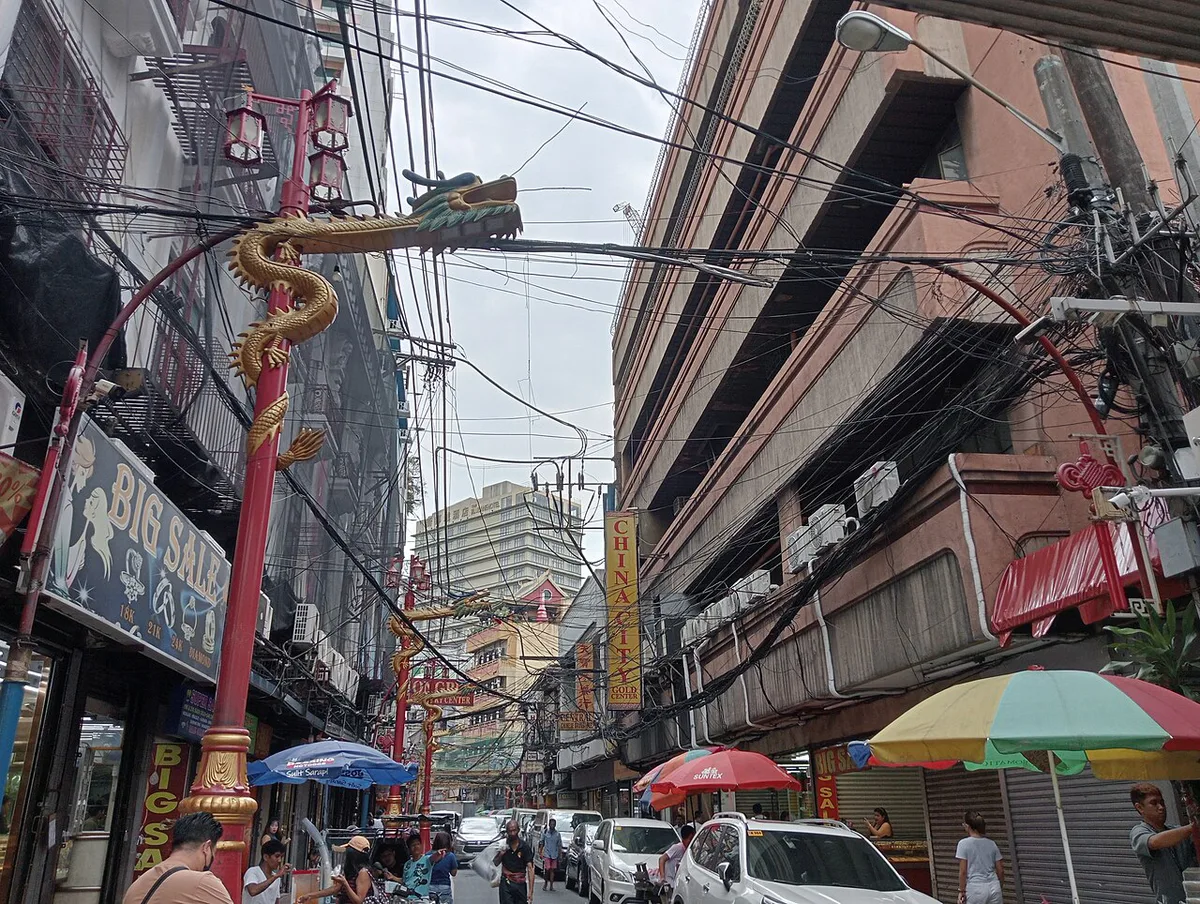
Start at Binondo Church, formally the Minor Basilica of San Lorenzo Ruiz, and Plaza San Lorenzo Ruiz. Andres Bonifacio married in this church, and Saint Lorenzo Ruiz is listed among the district's noted residents. Move on to Ongpin Street for the food stretch. Finish with Escolta and Jones Bridge. Escolta's banks once earned it the label 'Wall Street of the Philippines'. At 0.66 km² in total, the district is small enough that the order is flexible.
Ongpin Street's food stop takes 1.5-2 hours, so a morning start leaves room before Intramuros' Visitors Center closes at 5:00PM.
- Stop 1: Binondo Church and Plaza San Lorenzo Ruiz, about 20-30 minutes.
- Stop 2: Plaza Moraga and Plaza Cervantes, about 15 minutes.
- Stop 3: Ongpin Street food crawl, 1.5-2 hours.
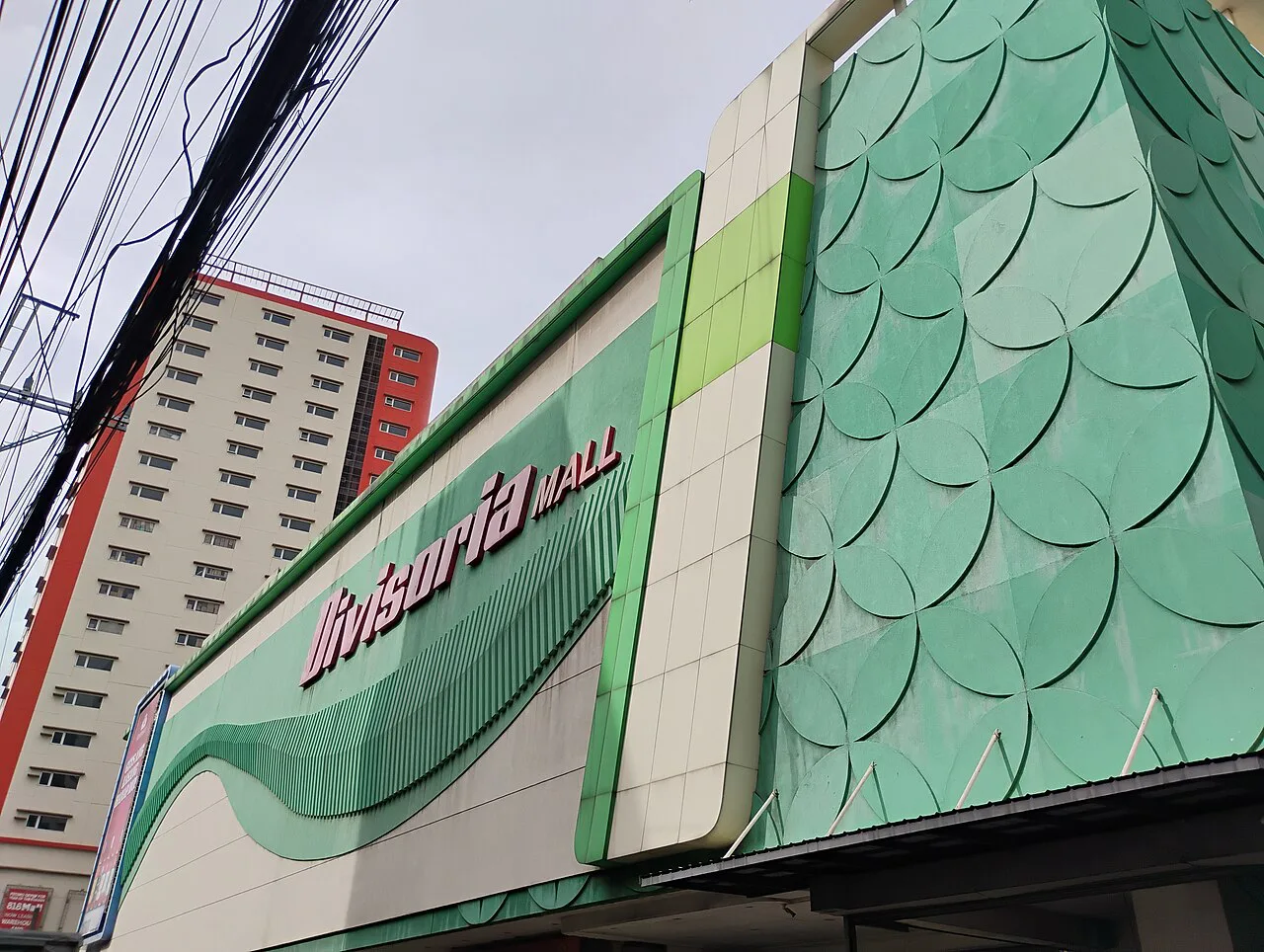
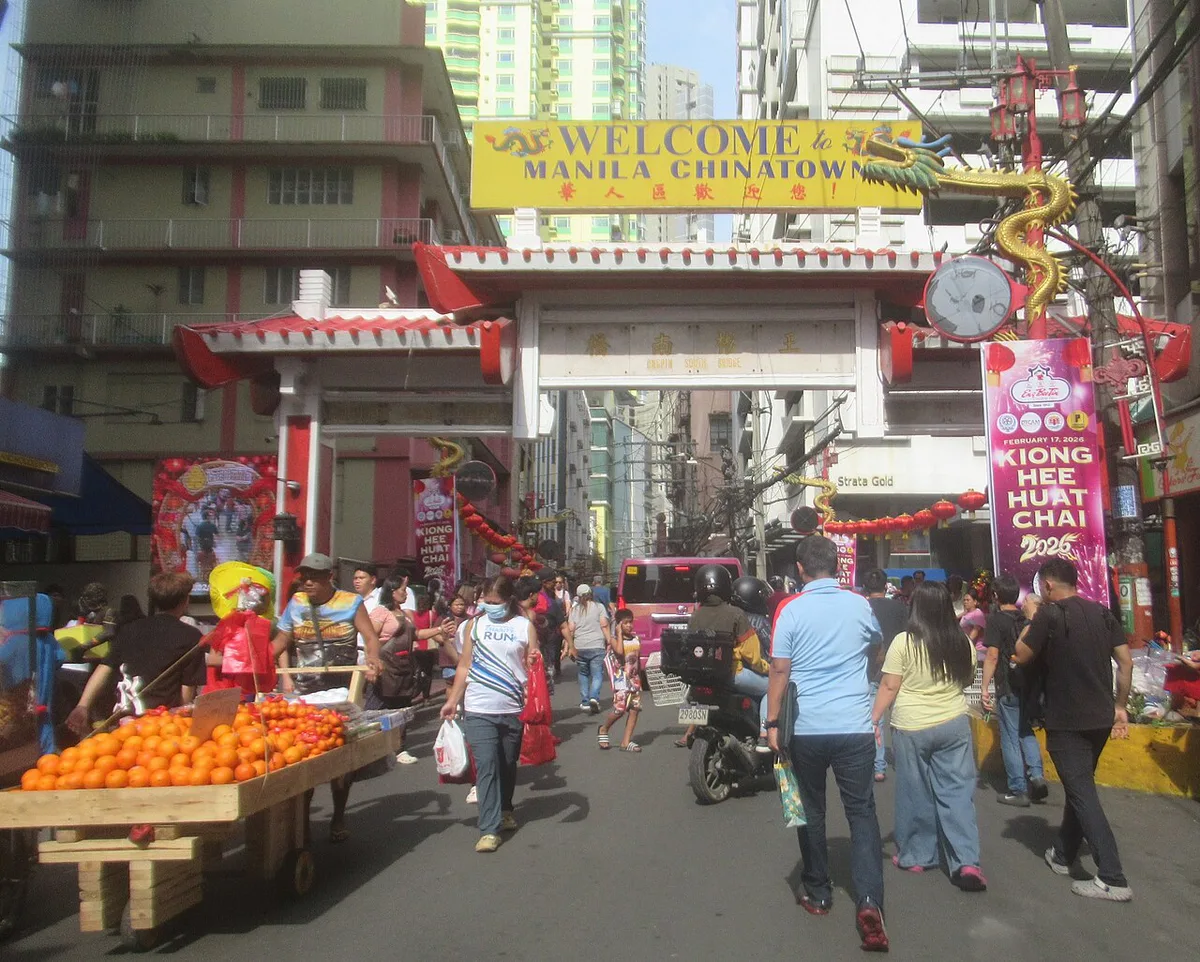
- Stop 4: Chinatown Arch, the Filipino-Chinese Friendship Arch and Lucky Chinatown Mall, about 30 minutes.
- Stop 5: Escolta and Jones Bridge, 30-45 minutes.
What to Eat: A Binondo Food Crawl
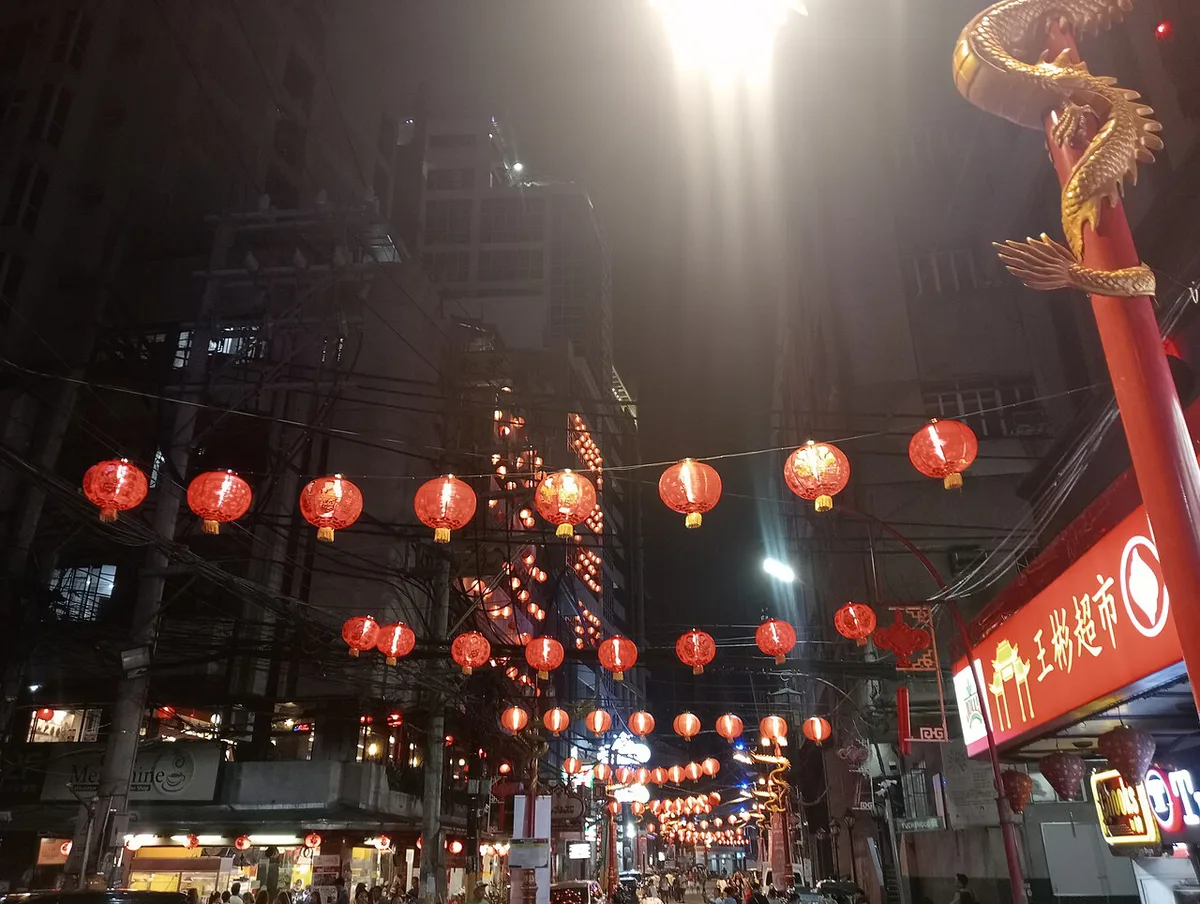
Ongpin Street holds tea houses, restaurants and hawker-style stalls serving dim sum, and locals call a walk through them a Binondo food crawl. Tsinoy, or Chinese-Filipino, food is an original cuisine shaped by migration rather than fusion. Pancit, lumpiang Shanghai and shumai are the usual entry points. Pork humba, a vinegar-braised dish popular in the Visayas, traces to the Hokkien dish hong-bah. Share plates, and order one or two dishes per stop so you can reach the next stall. Carry some cash for small stalls. Hours differ by shop, so walk Ongpin Street early and see what is open.
| Dish type | Look for | Effort | Best time |
|---|---|---|---|
| Dim sum | Shumai, steamed buns | Low to medium, often sit-down | Morning to midday |
| Noodles | Pancit | Medium | Lunch |
| Pastries | Hopia | Low, grab-and-go | Afternoon |
| Tea | Tea houses on Ongpin Street | Low | Mid-afternoon break |
| Street snacks | Hawker-style stalls | Low | Evening |
Binondo History in Five Minutes
Founded in 1594, Binondo replaced the Parian near Intramuros as the home for Chinese merchants and artisans. Dominican friars made it their parish, and intermarriage produced the Chinese mestizo community. A revolt in 1603 ended with most of the roughly 20,000 Chinese in the colony killed. New migrants repopulated the district afterward. Before World War II, banks and insurers lined Escolta. Businesses later shifted toward Makati. José Rizal mentions Binondo in Noli Me Tangere and El Filibusterismo. Panciteria Macanista de Buen Gusto, a building named in Noli Me Tangere, belongs to that literary trail. Hokkien, Tagalog and Mandarin are the listed languages of the district.
Getting to Binondo from Intramuros, Makati, BGC and Poblacion
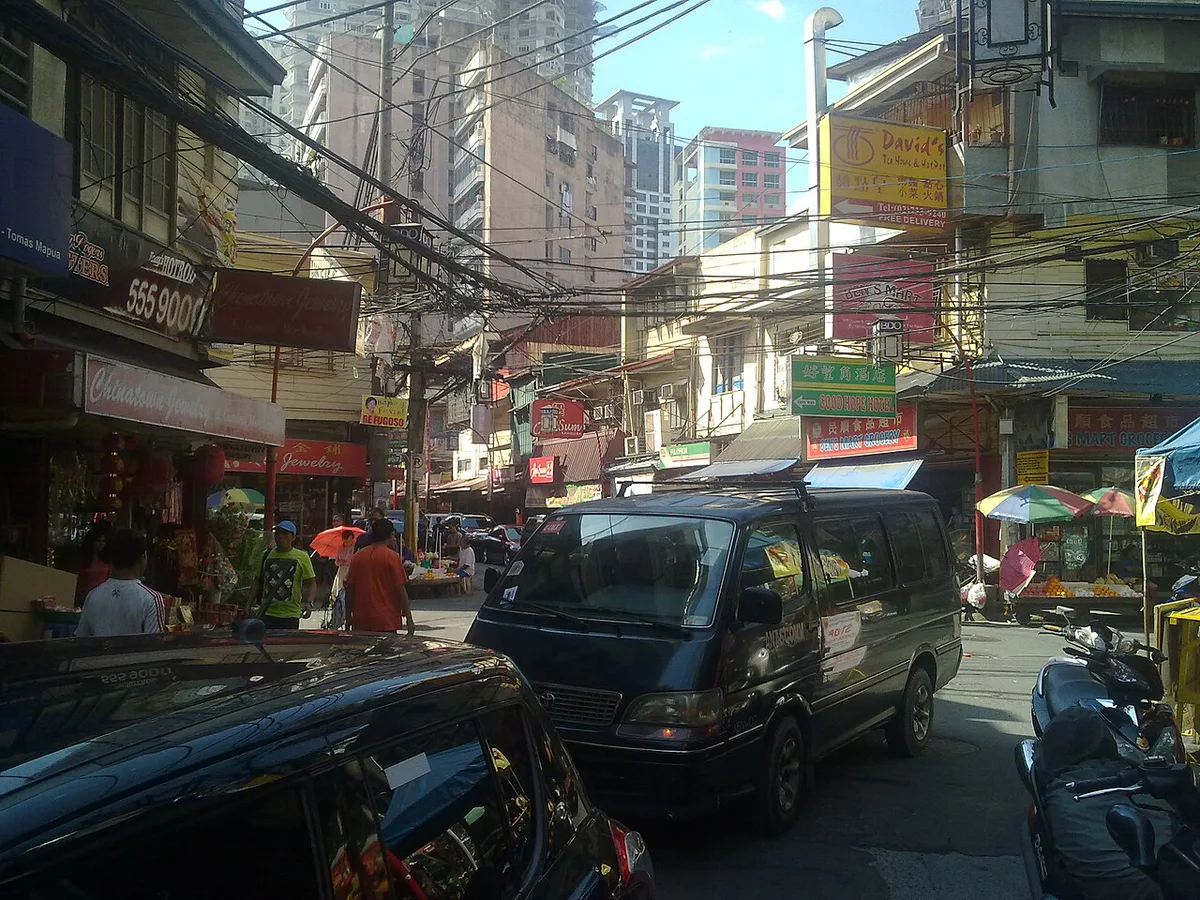
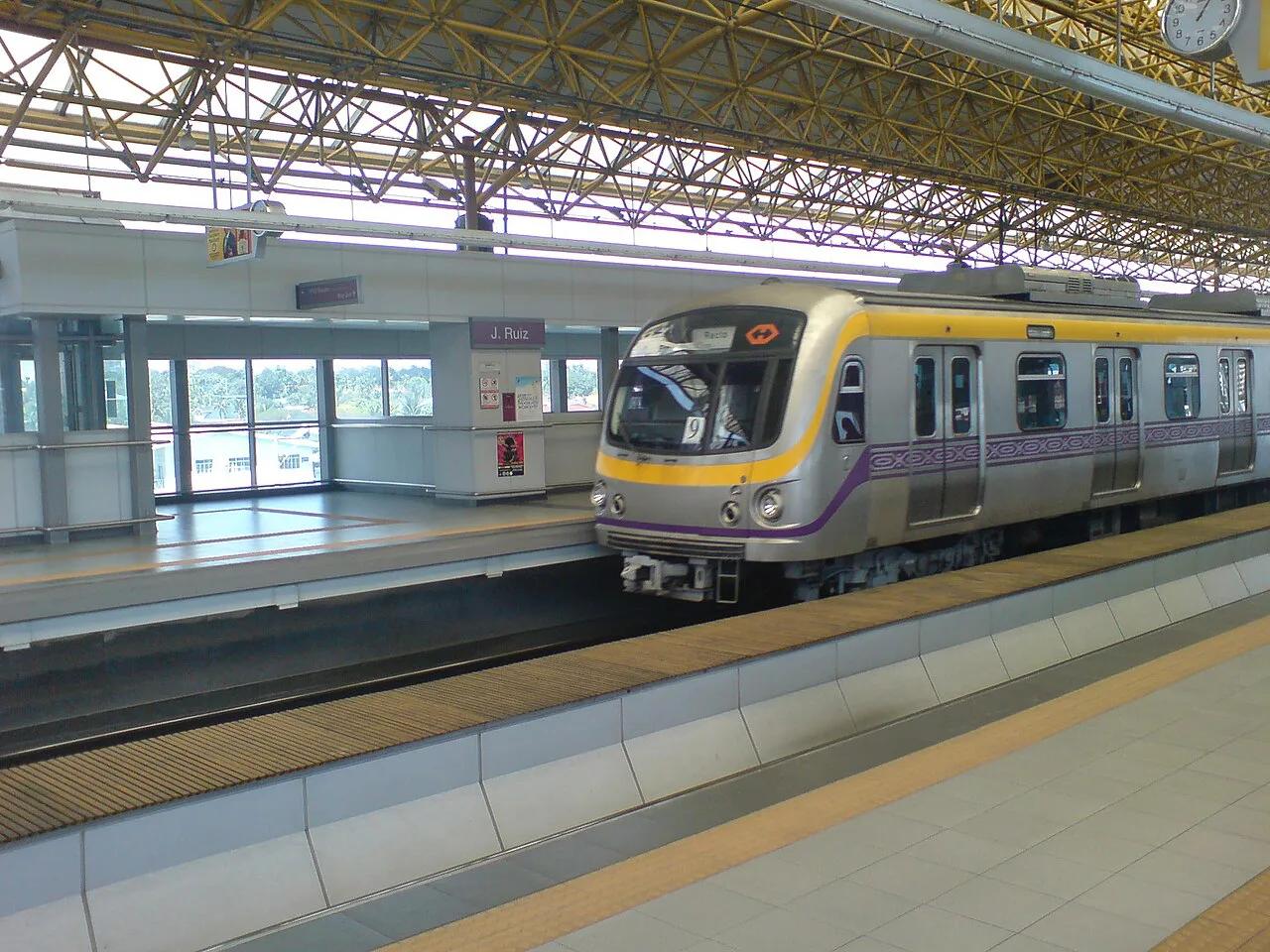
Airport arrivals reach Binondo in around an hour, according to the Philippine tourism site. From Intramuros you are only a few minutes away, across the Pasig River. Carriedo station and Tutuban station both appear among Binondo's transit points. Light Rail Manila Corporation publishes LRT-1 operating hours at lrmc.ph. Visitors based in central Makati can take a taxi or ride-hail for the simplest door-to-door trip. From BGC in Taguig City, the BGC Bus links Ayala and Market! Market!. Continue to Binondo by taxi or ride-hail. Fares and fixed travel times change, so use the operator or your app for current figures.
| From | Option | Friction |
|---|---|---|
| Intramuros | Short ride or walk across the Pasig River | Low |
| Makati | Taxi or ride-hail | Medium, traffic-dependent |
| BGC | BGC Bus to EDSA Ayala, then taxi or ride-hail | Medium to high |
| Poblacion | Taxi or ride-hail | Medium, worse at night |
Best Time to Visit, Costs and Practicalities
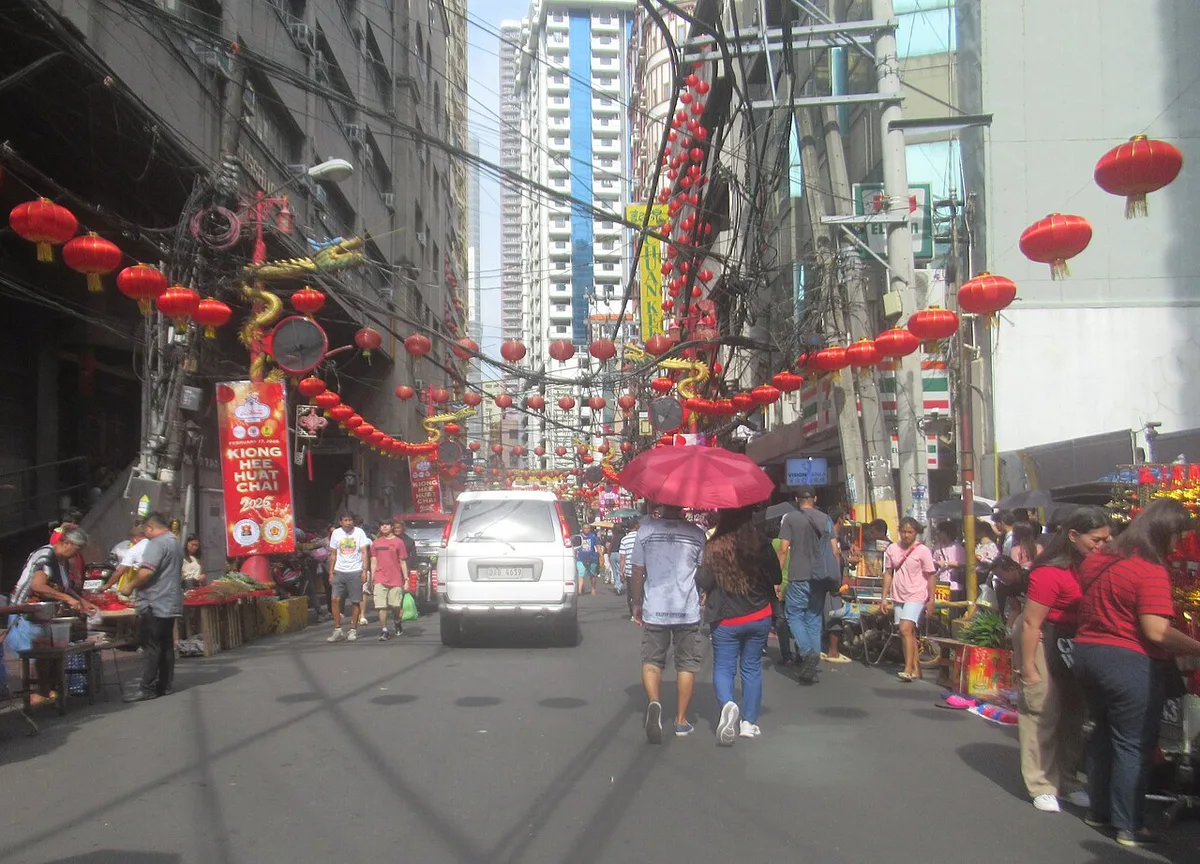
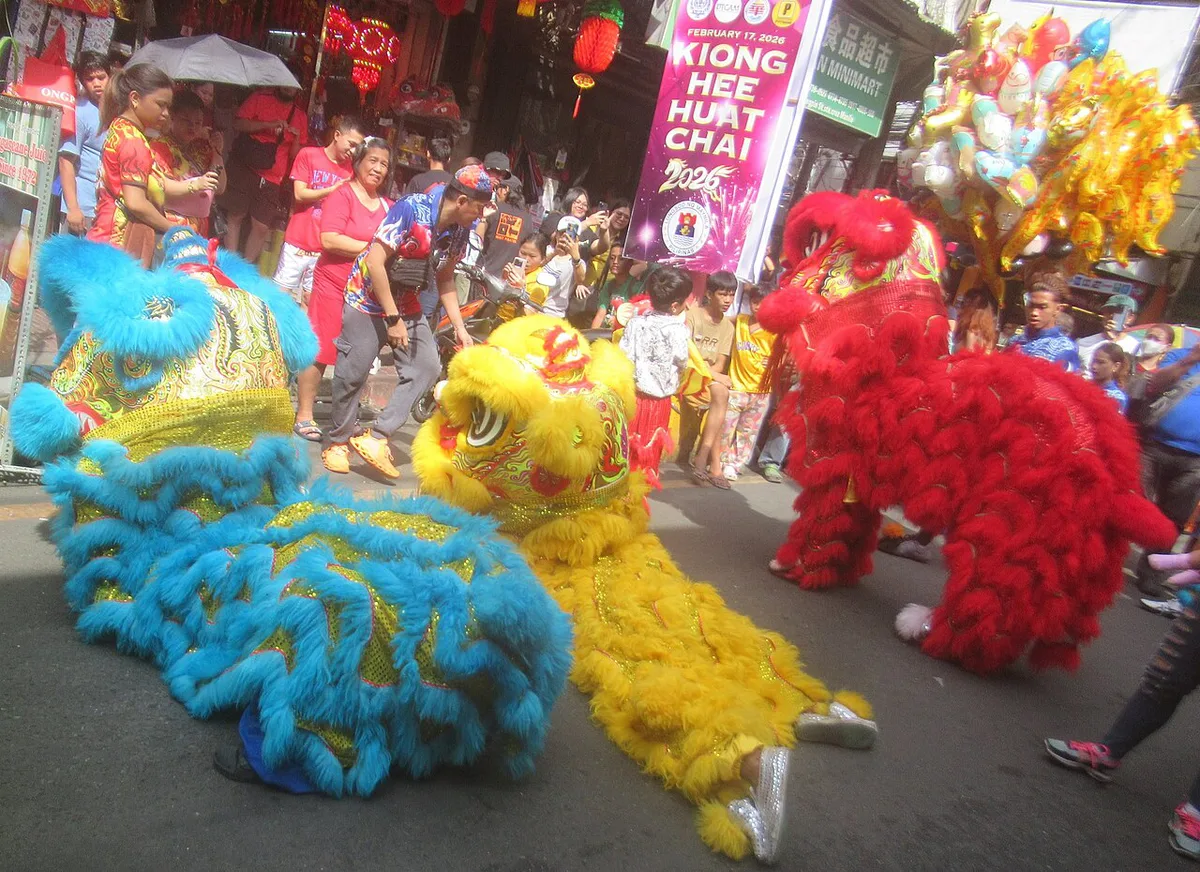
Prices and hours checked November 2026: walking Binondo costs nothing, and food prices vary by stall. Budget street snacks lowest and sit-down tea-house meals higher. With about 23,935 residents in 0.66 km², streets feel tight, and weekends and festival days run busiest. Chinese New Year brings street celebrations, as the district's 2024 festivities showed. Heat builds by midday, so shelter in a tea house or Lucky Chinatown Mall in the afternoon. Keep phones and wallets in front pockets in crowds. Plan restroom stops at a restaurant or mall. If you add Intramuros, reach the Visitors Center before its 5:00PM close.
Where to Base Yourself for Binondo
Staying in Binondo puts Ongpin Street at your door and suits food-focused trips. Intramuros keeps you near the Visitors Center, open daily 8:00AM to 5:00PM. Makati and Poblacion bars give the strongest evening scene. BGC offers parks open from 6:00 AM to 10:00 PM, bike lanes and most destinations within 5-15 minutes' walk. It sits about 20-30 minutes by car from NAIA, traffic permitting. BGC also feels furthest in character from Chinatown's old streets.
At 0.66 km², Binondo keeps most stops close, unlike BGC where most destinations sit 5-15 minutes' walk apart.
Common Mistakes and Who Should Skip Binondo
Treating Binondo as a single stop wastes it. Arriving in midday heat without a plan tires you fast. Carrying only cards can strand you at small stalls. Skip Binondo if you dislike crowds, or if you have only an hour.
- Mistake: eating a full meal at the first stall.
- Mistake: starting after noon in the heat.
- Mistake: leaving cash behind.
Frequently Asked Questions
What is Binondo famous for?
Food on Ongpin Street leads, followed by its 1594 founding and Binondo Church. Escolta's banking past adds the heritage layer.
Is Chinatown different from Binondo?
No. Chinatown is the nickname for Binondo. Its influence also reaches neighboring areas. Quiapo, Santa Cruz, San Nicolas and Tondo are named.
Is Binondo part of Manila city?
Yes. It is a district of the City of Manila, within its 3rd legislative district.
Useful notes for your Southeast Asia trip
Optional updates to our guides.
You might also like
Continue reading
More guides you'll find useful