Best Time to Visit Manila: Month-by-Month Weather Guide
Dry season, December to April, is the most comfortable window for Manila. See the heat, rain, typhoon, crowd and price trade-offs by season and traveler type.
On this page
Last updated November 2026: the best time to visit Manila is the dry season, roughly December through April. Rain, flooding and typhoon disruption peak in the southwest monsoon (habagat) months that follow. Use this guide to match the season to your budget, heat tolerance and onward plans, starting with the detail on Manila's weather and temperatures.
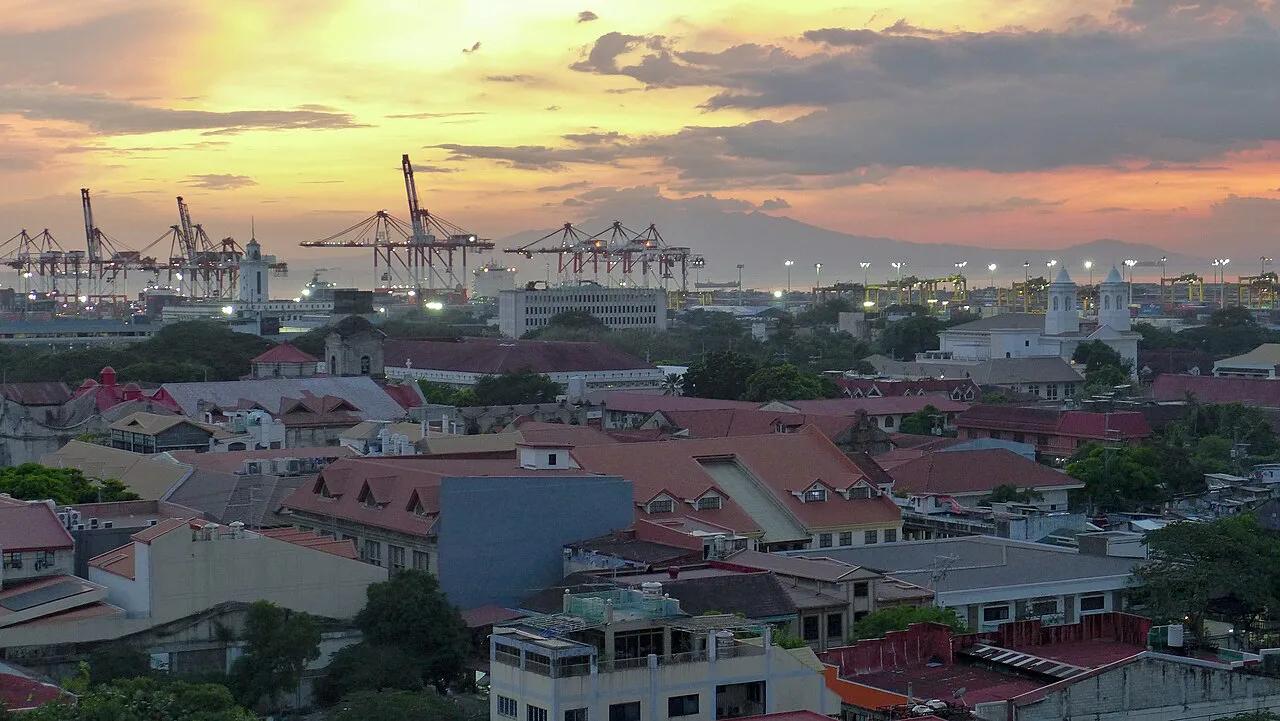
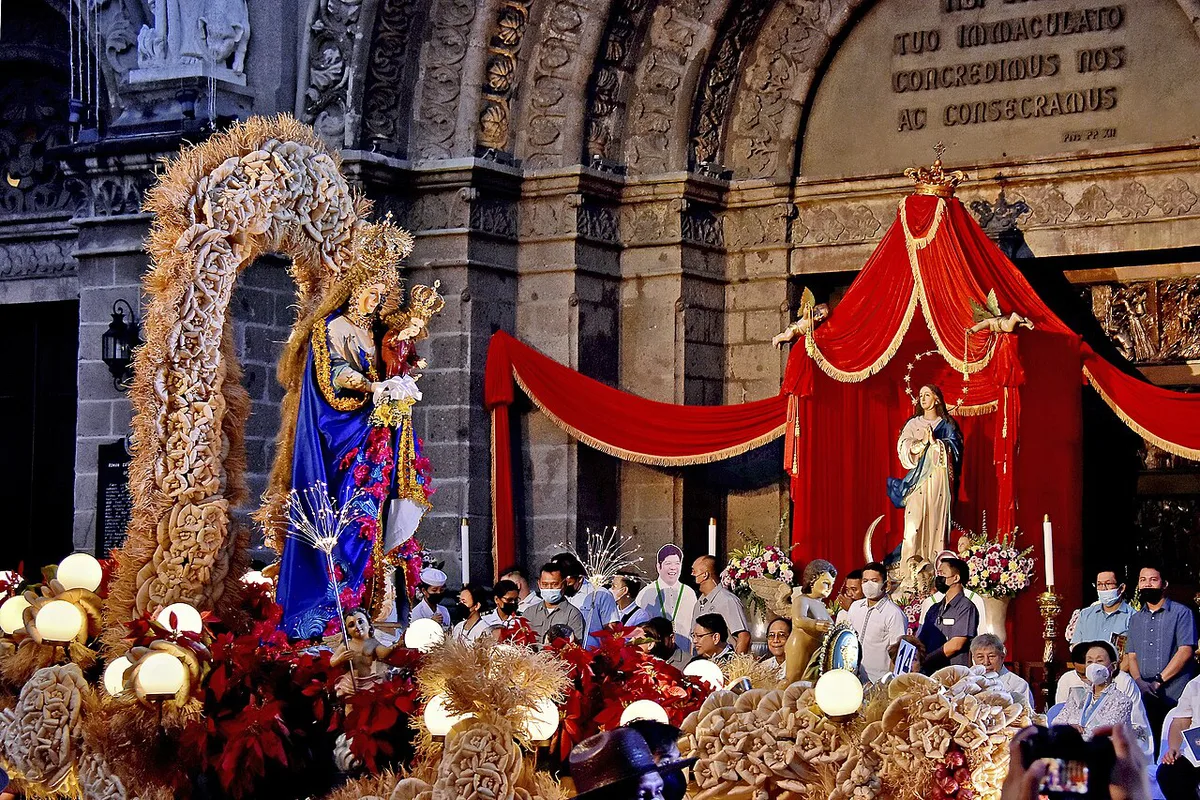
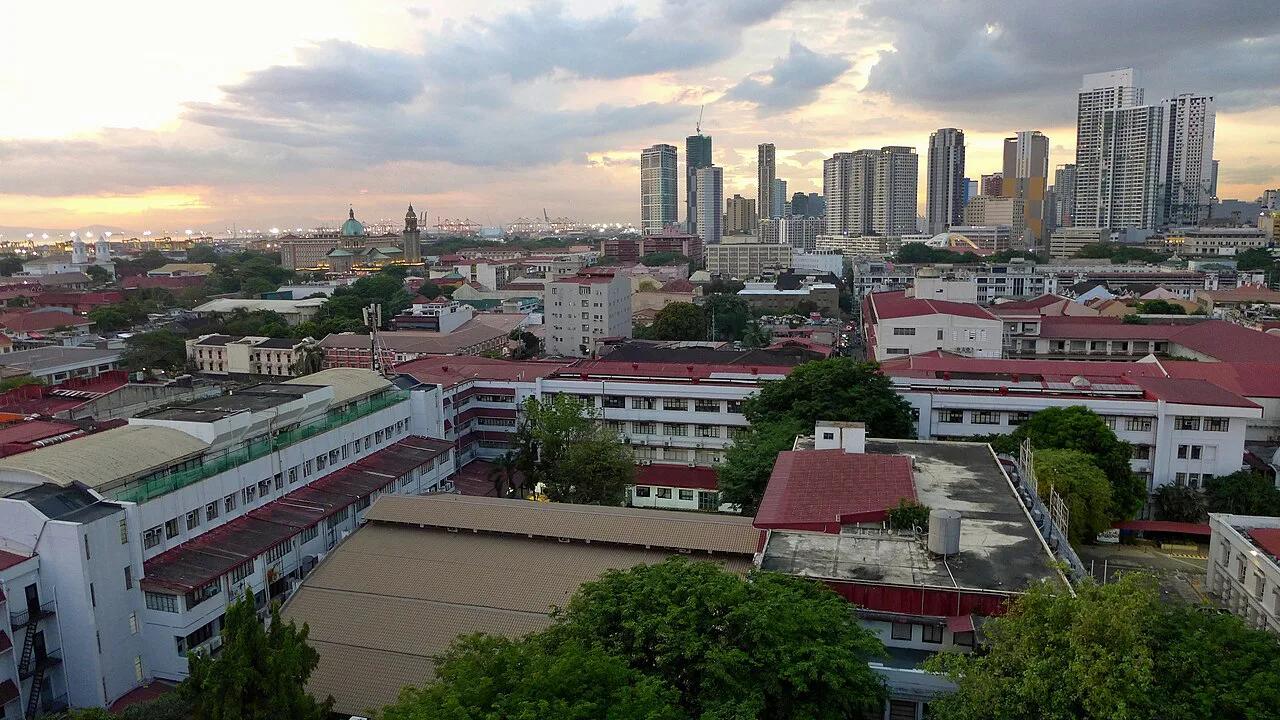
Featured image: Vyacheslav Argenberg, CC BY 4.0, via Wikimedia Commons.
Short answer: the best time to visit Manila
December to February is the best overall window. Rain is lightest and nights feel cooler, though lowland temperatures can still reach 30°C (86°F). March to May stays dry but gets much hotter, with lowland and urban highs reported at 35–37°C (95–99°F). Budget travelers do better in June to August, when hotel rates fall and rain showers replace the holiday crowds. Avoid peak typhoon weeks in the wetter months unless your dates are flexible. Dry season does not mean cool: Manila is humid all year.

Manila's climate at a glance
Manila has a tropical climate with a dry season and a wet season. Dry weather runs roughly December to May, and rain dominates roughly June to November. August and September are typically the wettest months. Typhoon season is defined by the national weather agency, so check PAGASA climate information for current outlooks. The table compares the four blocks of the year.
| Season | Comfort | Rain and typhoon risk | Crowds and prices | Best for |
|---|---|---|---|---|
| Dec–Feb | Cooler, drier, still humid | Lowest | Highest; Christmas peak | First-timers, festival seekers |
| Mar–May | Hottest, most humid | Low, but heat is intense | Moderate; Holy Week spike | Early-morning sightseers |
| Jun–Aug | Warm, wet, sticky | Rising; flooding possible | Lower hotel rates | Budget travelers, museum fans |
| Sep–Nov | Humid, heavy rain spells | Highest typhoon exposure | Shoulder to low | Flexible, insured travelers |
December to February: cooler, drier, busiest
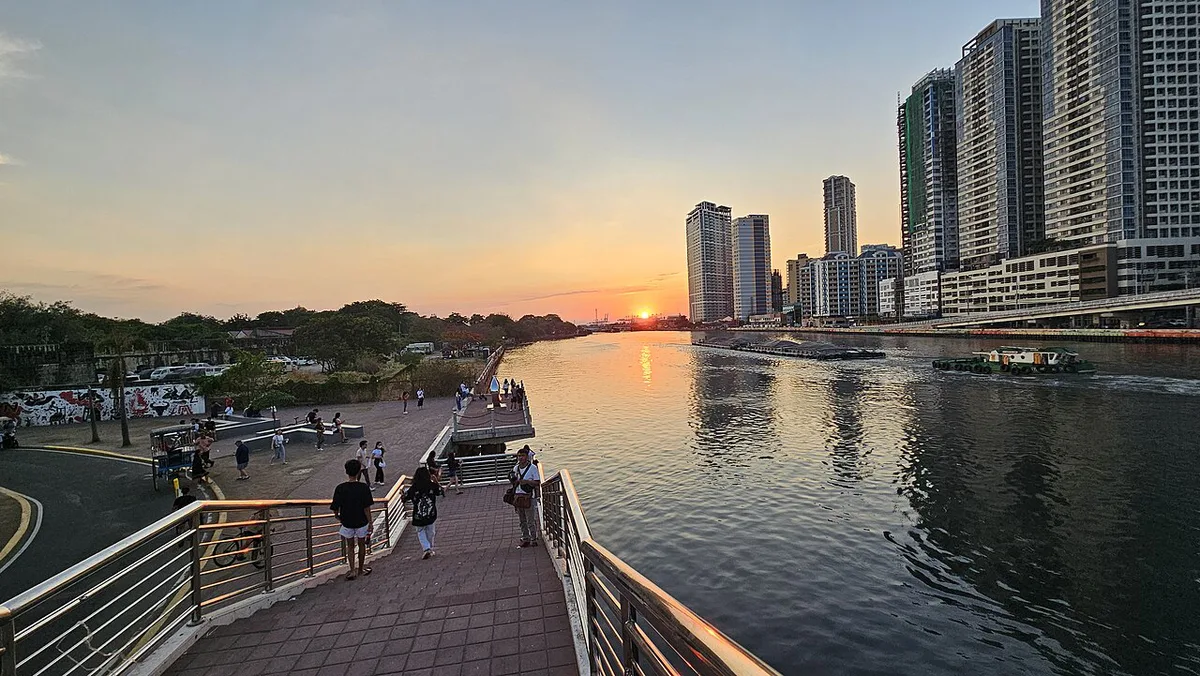
Expect the most pleasant walking weather of the year. Highs can still reach 30°C (86°F), and January is usually the coolest month. Christmas and New Year bring festive lighting and full hotels. Flights and rooms cost more, and popular sights have longer queues. Book early if your dates sit between mid-December and early January. Our December in Manila guide covers holiday timing and what to expect.
March to May: hot and dry
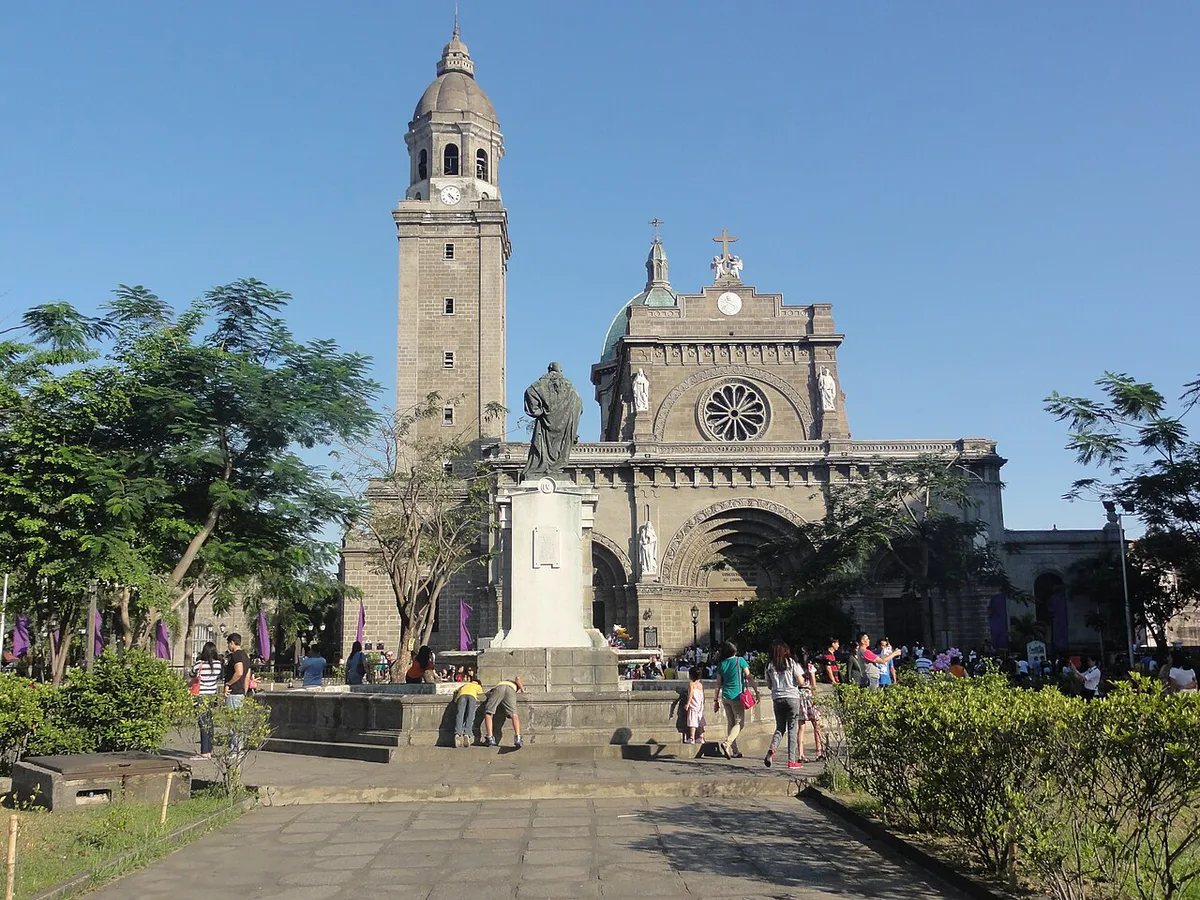
Skies are clear, but heat is the main limit. Lowland and urban highs are reported at 35–37°C (95–99°F), and humidity makes it feel worse. Plan walking tours for early morning and late afternoon. Spend midday in air-conditioned venues. Holy Week brings closures and heavy travel out of the city, so check opening days for any sight you want. Our April in Manila guide has heat-management detail.
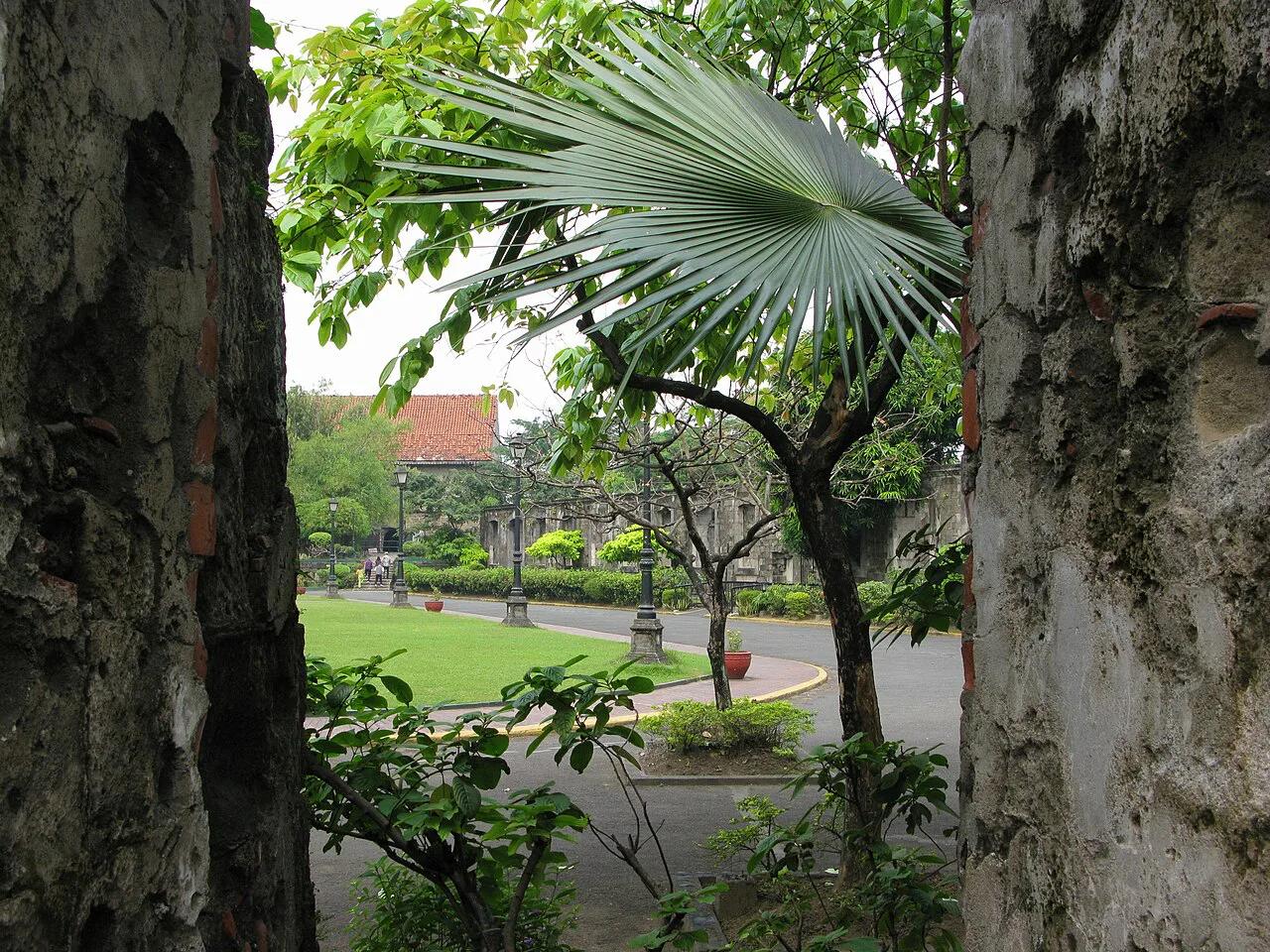
With highs of 35–37°C (95–99°F) here, the Visitors Center at Fort Santiago, open daily 8:00AM to 5:00PM, offers an indoor option.
June to August: start of the rainy season
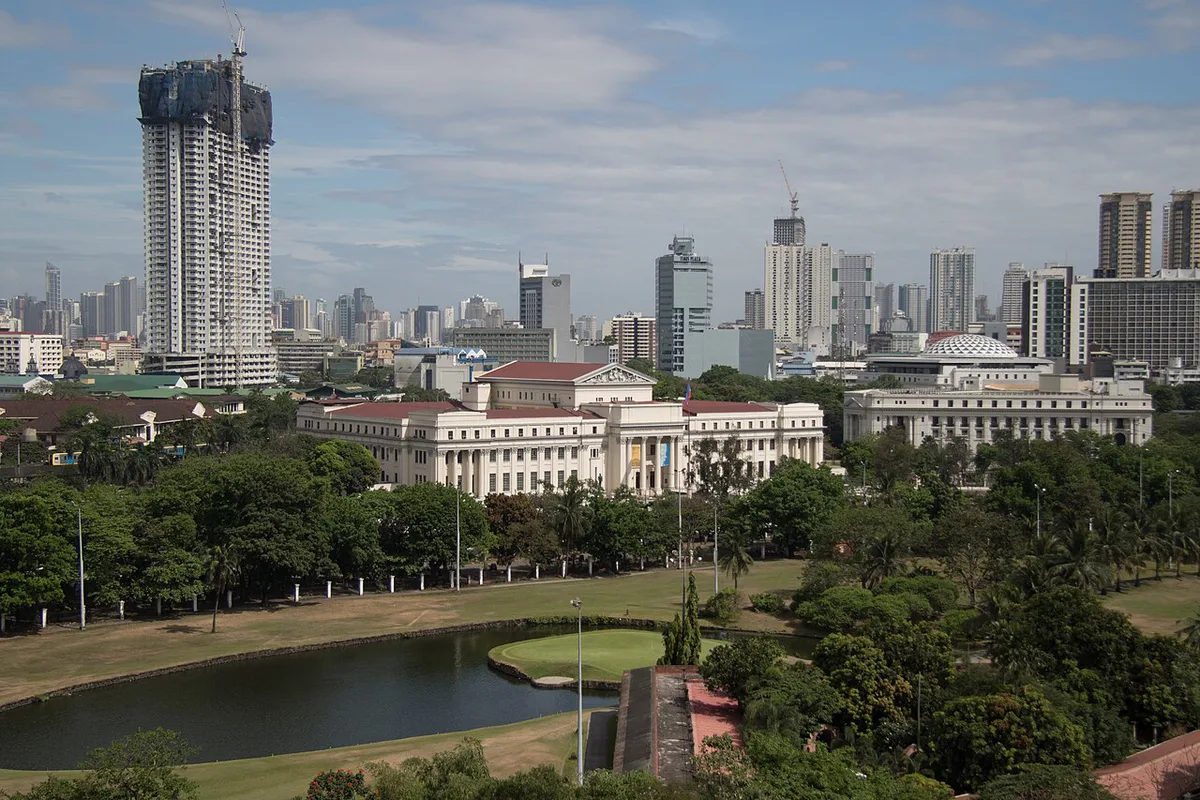
Showers arrive more often and some streets flood after heavy downpours. Hotels discount to fill rooms. As an illustrative planning example, a mid-range room listed near ₱3,500 a night in April may drop toward ₱2,500 in August. Treat those as sample figures and compare live rates for your dates. Build mornings around outdoor stops and keep afternoons for museums. See the Manila rainy season guide for flooding and transit detail.
September to November: peak typhoon and rain risk

Rain and typhoon exposure are highest in these months. Heavy rain can close roads, delay flights and slow airport transfers. Choose flexible fares and refundable rooms. Avoid tight connections to onward flights. Late November starts to ease toward the drier months, and prices often stay below the December peak. Monitor PAGASA advisories in the week before departure.
Month-by-month quick picks
Use these one-line summaries to shortlist dates.
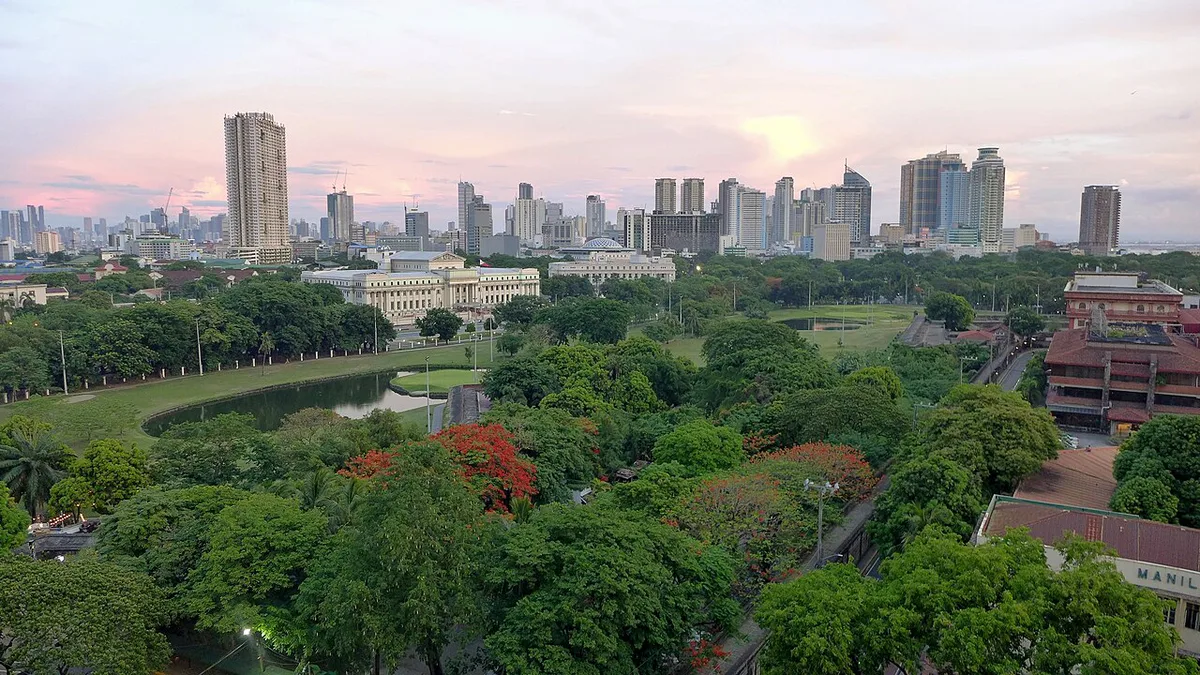
- December: best weather, highest prices, festive crowds.
- January: usually the coolest month and still busy.
- February: dry and comfortable, a strong all-round pick.
- March: dry but heat builds fast.
- April: hottest stretch, Holy Week closures possible.
- May: hot, with the first rain building late in the month.
- June: wet season begins, rates start to fall.
- July: frequent rain, good budget value.
- August: among the wettest months, flood risk.
- September: wet, typhoon exposure high.
- October: still stormy, fewer visitors.
- November: easing rain, shoulder pricing.
Which time fits you
Match your priorities to a window.
- First-timer: late January to February for comfortable walking and dry skies.
- Budget traveler: June to August, with a rain plan.
- Heat-sensitive: December to February; avoid April and May.
- Festival seeker: December for Christmas atmosphere, booked early.
- Beach-bound after Manila: dry season suits most island trips, so one window can cover both.
- Highland-bound: dry months also give clearer views, but expect cool nights.
Rainy-day and heat-day plans in Manila
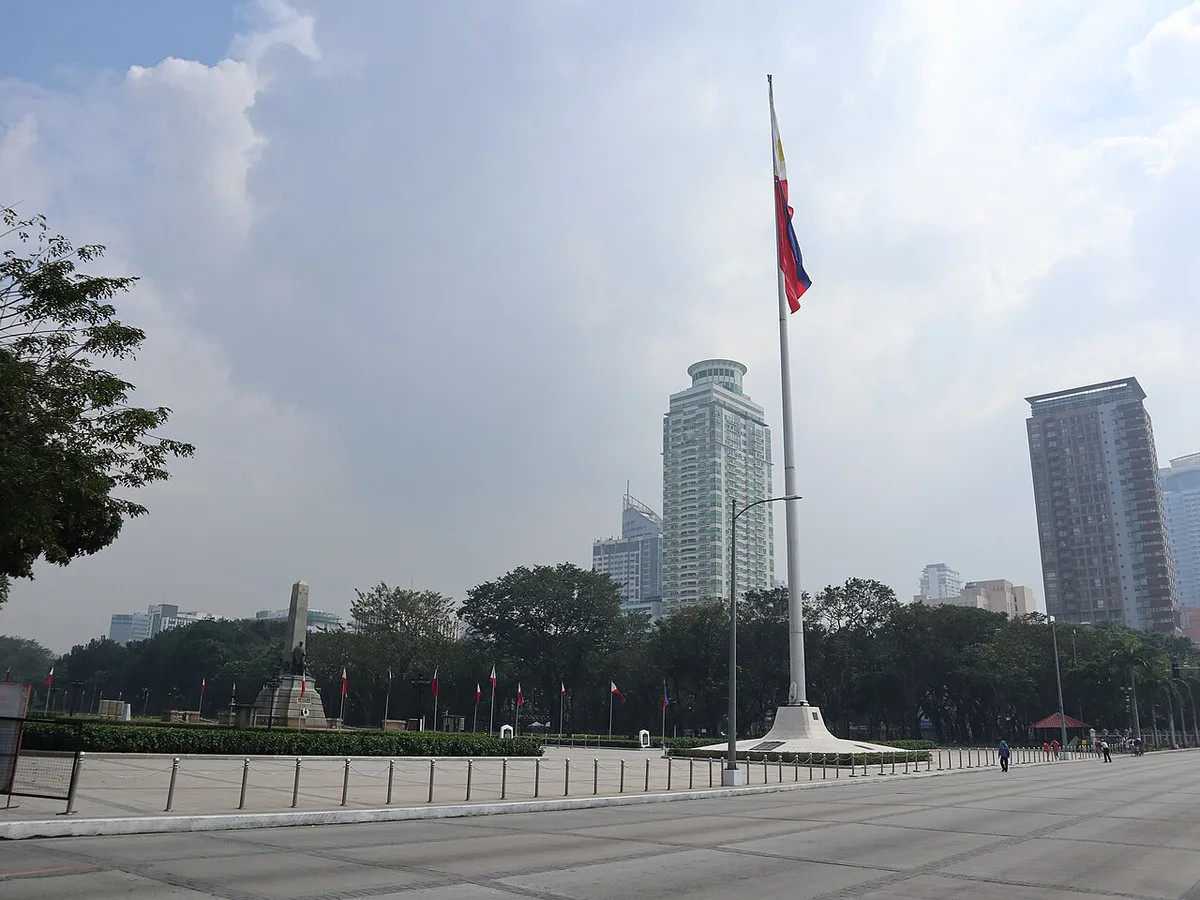
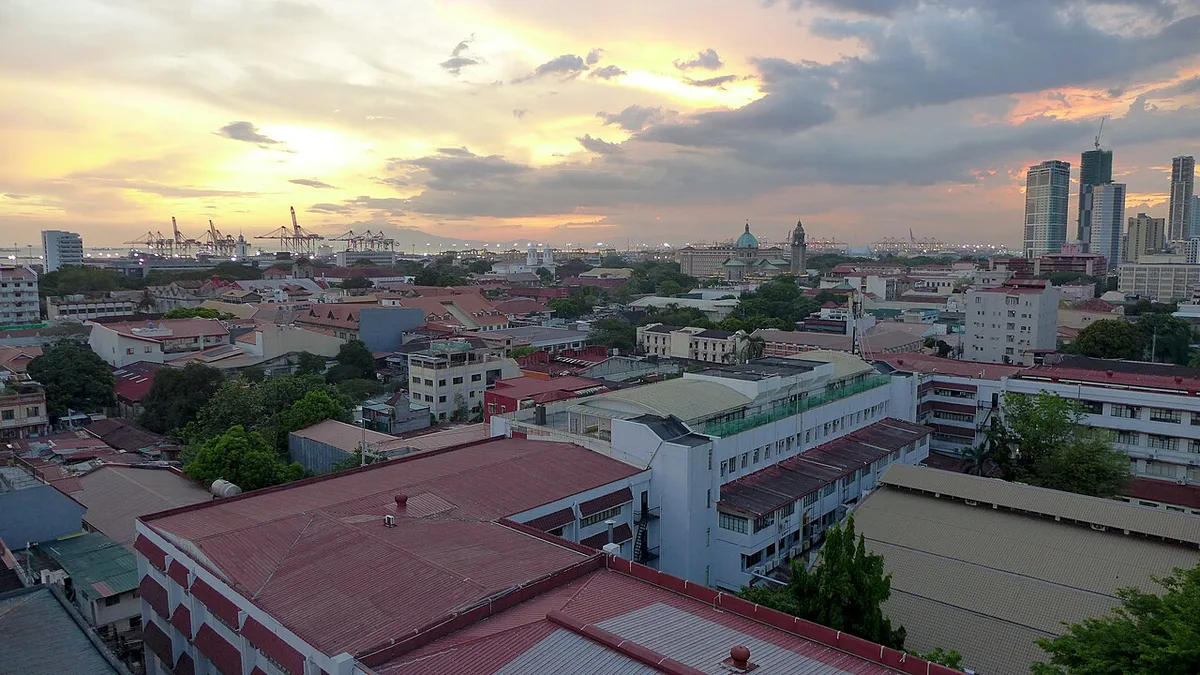
Indoor options keep a Manila trip on track. The National Museum Complex on P. Burgos Drive in Rizal Park gives you a full day under a roof. Intramuros is a walled area with churches and history. The Visitors Center at Fort Santiago, on Sta. Clara St., is open daily from 8:00AM to 5:00PM. Read the Intramuros Administration rules before you go. The Fort Santiago dungeons have been rehabilitated and are open to the public. Binondo is only a few minutes from Intramuros and Rizal Park, so you can pair a food stop with a museum visit. Do outdoor walking early in hot months and save malls and museums for midday.
Planning around typhoons and flooding
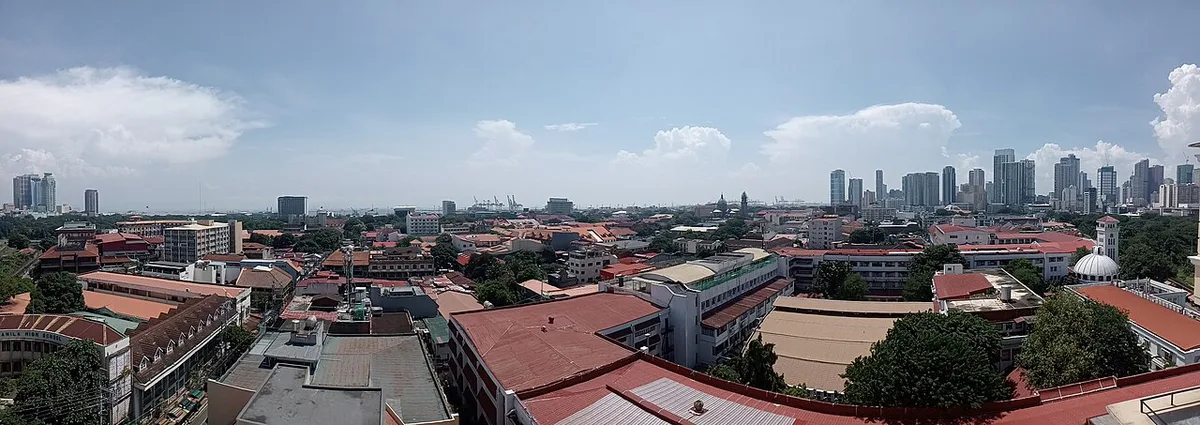
Build one spare day into any trip from June to November. Choose flexible fares and rooms with free cancellation. Buy travel insurance that covers weather delays. Allow extra time for airport transfers: Binondo is around an hour from Ninoy Aquino International Airport in normal conditions, and rain can add to that. Avoid booking a same-day international connection after your Manila stay. Mistakes to avoid include sightseeing at midday in April, assuming dry season means cool, and ignoring the Christmas price peak.
Gateway planning for onward trips
Many travelers use Manila as a stopover. Beach islands such as Palawan and Boracay are generally best in the dry months, which matches Manila's best window. Highland Baguio and Sagada offer cooler air when Manila is hottest. Cebu is popular year-round, though rain affects flights in typhoon months. For stopovers of two to three days, February and early March fit most itineraries.
Building the rest of the trip? Our Manila attractions guide covers the sights, districts and logistics around this guide.
Best time to visit other cities
Frequently Asked Questions
What is the best time to vacation in the Philippines?
December to February is generally the most comfortable period, with drier and cooler weather. March to May stays dry but is much hotter. Rain and typhoons are more likely from June to November.
How much time do I need in Manila?
Two to three days cover Intramuros, the National Museum Complex and Binondo. Add a spare day from June to November in case rain disrupts plans.
What is the weather like in the Philippines in November?
November is the end of the rainy season, with humid days and continued showers. Typhoon exposure eases toward the month's close. Check PAGASA advisories before booking.
Explore More Manila Guides
Keep planning your Manila trip with these guides.
Manila Guides
Useful notes for your Southeast Asia trip
Optional updates to our guides.
You might also like

Continue reading
More guides you'll find useful