Getting Around Manila: Trains, Grab, Jeepneys and Ferry Compared
How to get around Manila: when to take the LRT/MRT, Grab, jeepneys or the ferry, with airport routes, rush-hour trade-offs and mistakes to avoid.
On this page
Last updated November 2026. Getting around Manila means choosing between fixed-route trains, app-booked cars and cheap but confusing jeepneys and buses. Trains beat traffic along EDSA, Grab wins with luggage or after dark, and the Pasig River Ferry is a niche extra. Use the chooser table below, then the route pairs further down.
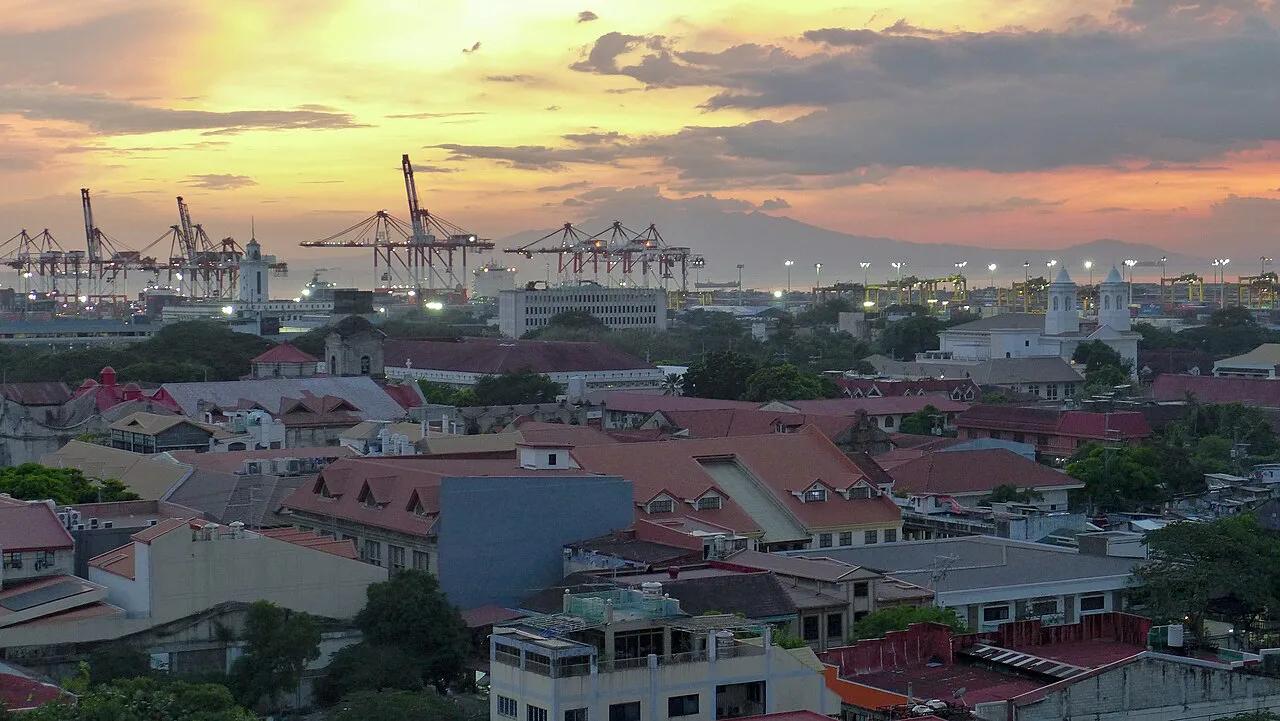
Featured image: Josh Lim (Sky Harbor), CC BY-SA 3.0, via Wikimedia Commons.
Getting around Manila: which mode fits which trip
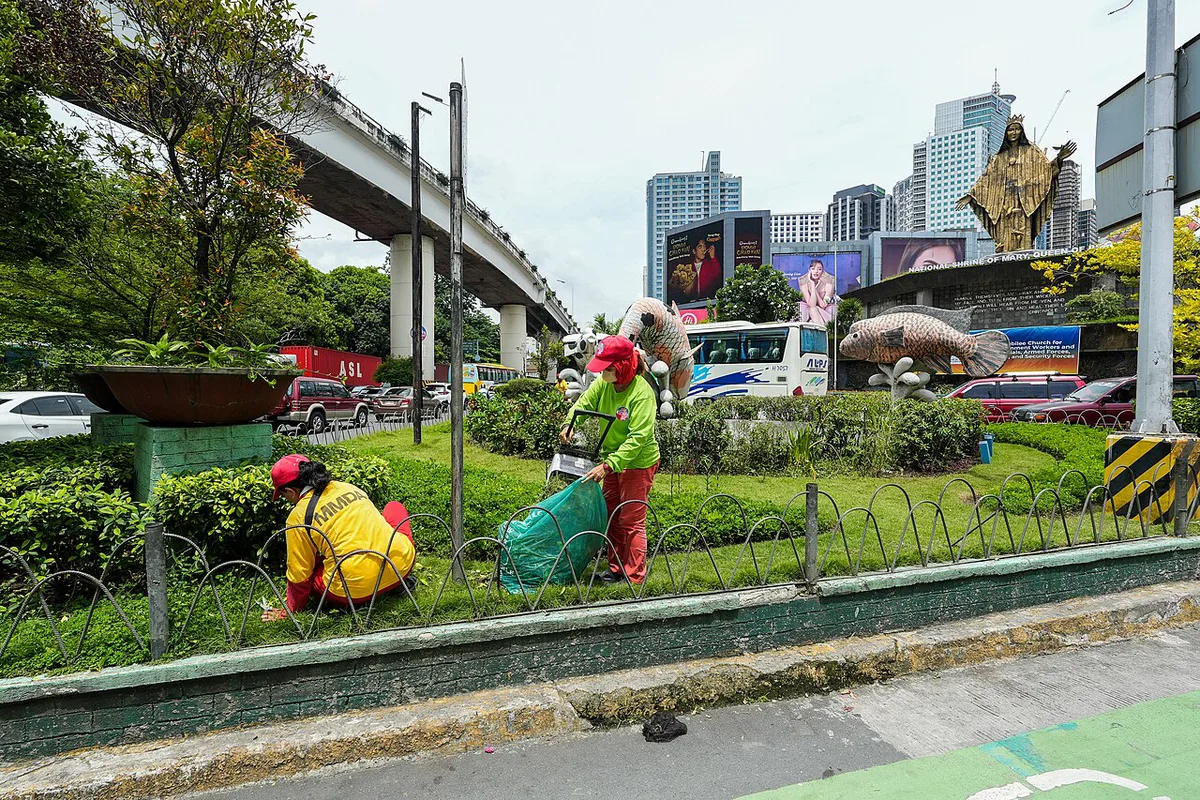
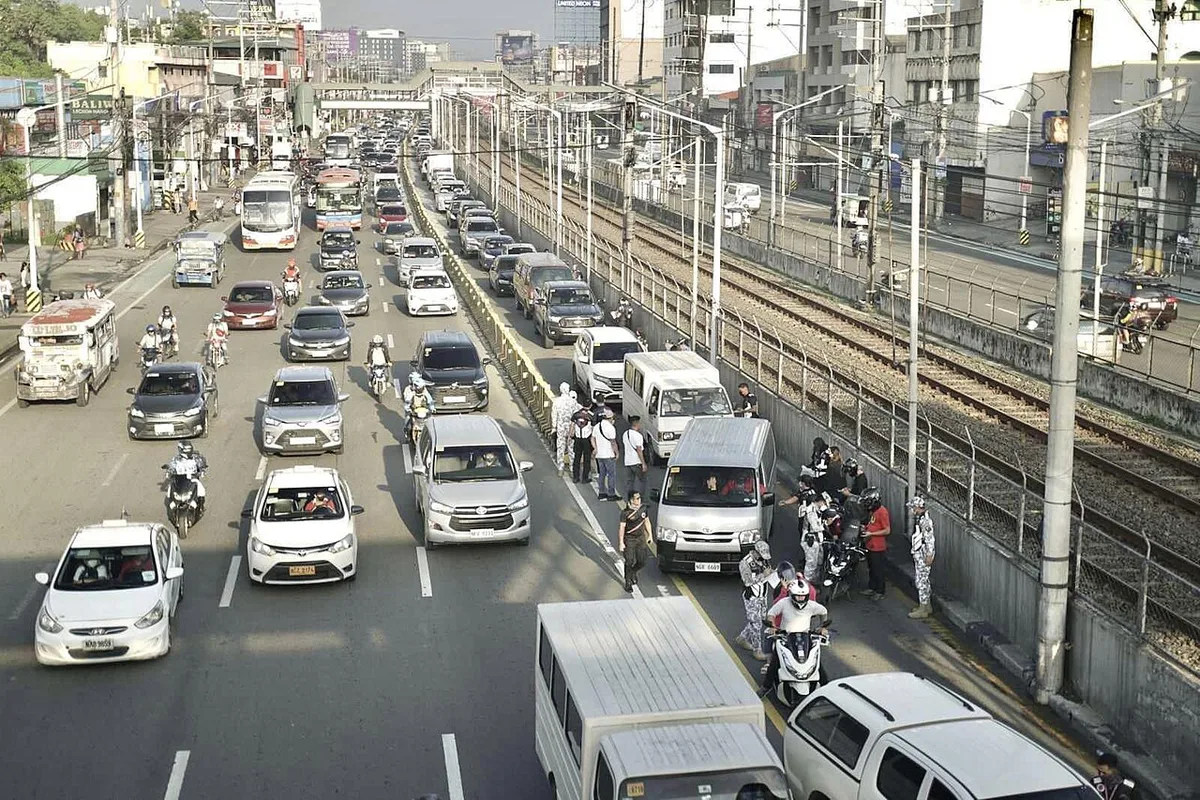
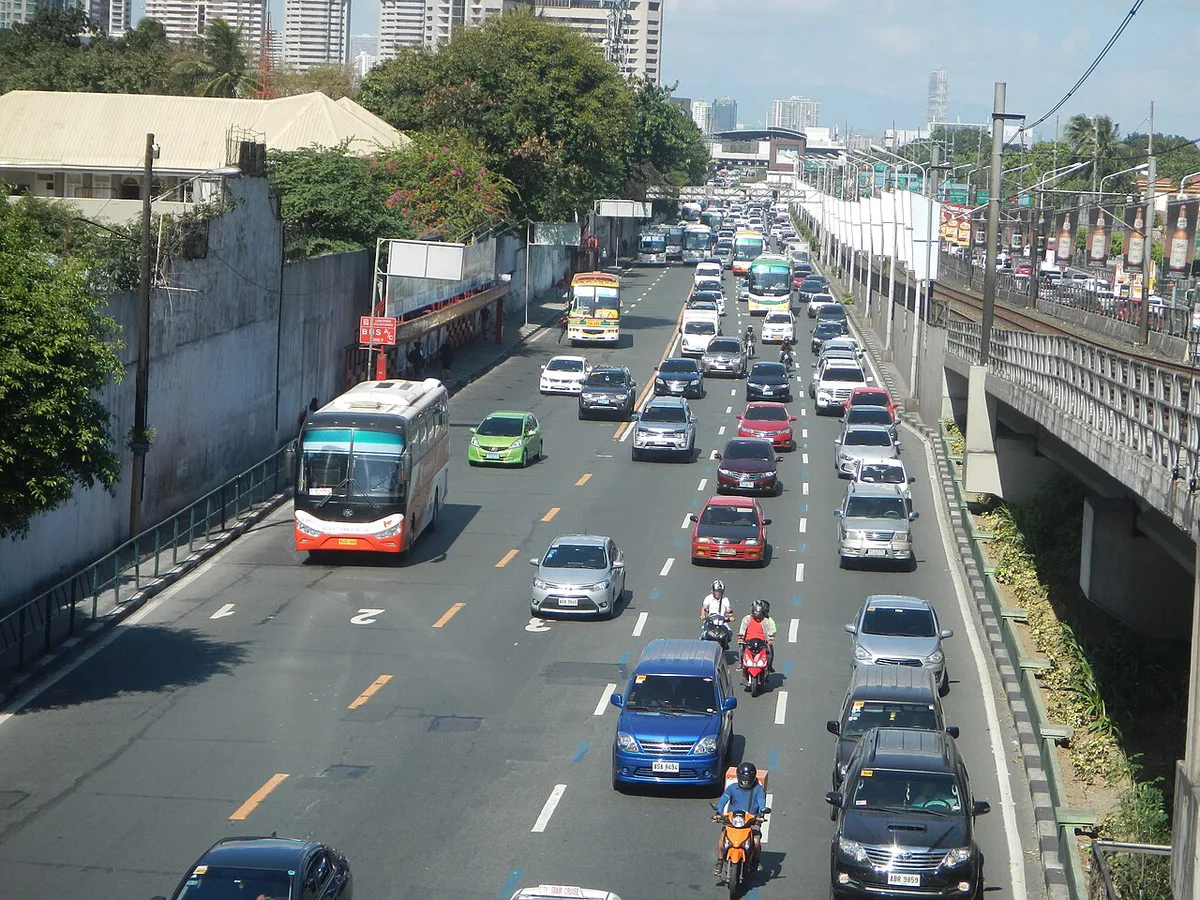
Metro Manila is a chain of cities, not one compact centre. Distances that look short on a map can double at rush hour, so the mode matters more than the route. Weekday peaks run 7–10 AM and 5–8 PM. Trains ignore that traffic. Cars and buses do not.
| Mode | Best for | Cost level | Luggage | Main drawback |
|---|---|---|---|---|
| LRT-1, LRT-2, MRT-3 | Beating peak traffic on fixed corridors | Lowest | Poor at peak | Crowding, station transfers |
| Grab | Door-to-door, night, rain, bags | Mid, surge-prone | Good | Surge and traffic delays |
| Metered taxi | Airport arrivals, short hops | Mid | Good | Meter disputes if you skip the booth |
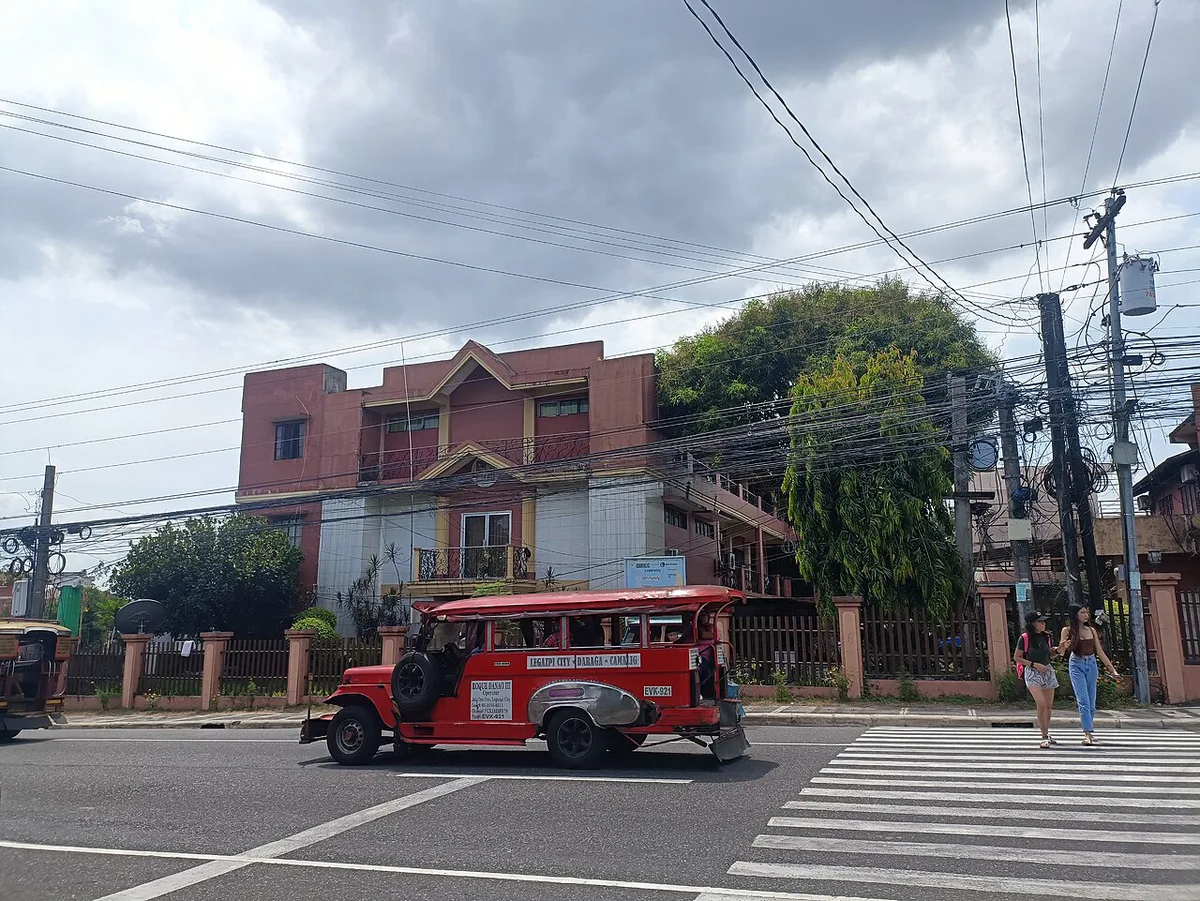
| Jeepney and bus | Short hops with a light bag | Under ₱50 on airport routes | Poor | Hard-to-read routes |
| Pasig River Ferry | A scenic, traffic-free option | Check current fare | Limited | Limited stops and status |
Getting from NAIA into the city
Prices and hours here were checked November 2026. Terminal operations at Ninoy Aquino International Airport now sit with the New NAIA Infrastructure Corporation, which manages the shuttle and transport concessions. The Manila International Airport Authority also publishes airport FAQs for passengers. A metered taxi to central Manila runs about ₱250–₱350 and takes 30–60 minutes. A prepaid booth taxi costs around ₱450 and removes meter arguments. Grab usually quotes ₱300–₱500 and can top ₱700 in peak hours or bad weather. Terminal shuttle buses do not reach the city centre, and buses or jeepneys under ₱50 are a poor fit with heavy bags.
- Makati: Grab or a metered taxi. Our NAIA to Makati guide covers pickup points.
- BGC: about 20–30 minutes by car from NAIA, traffic permitting. Enter via Kalayaan Avenue from Makati, McKinley Road or C5.
- Binondo: around an hour from the airport. Intramuros and Rizal Park are only a few minutes beyond.
- Late arrival with bags: a booth taxi or pre-booked Grab, not a jeepney.
Trains: LRT-1, LRT-2 and MRT-3
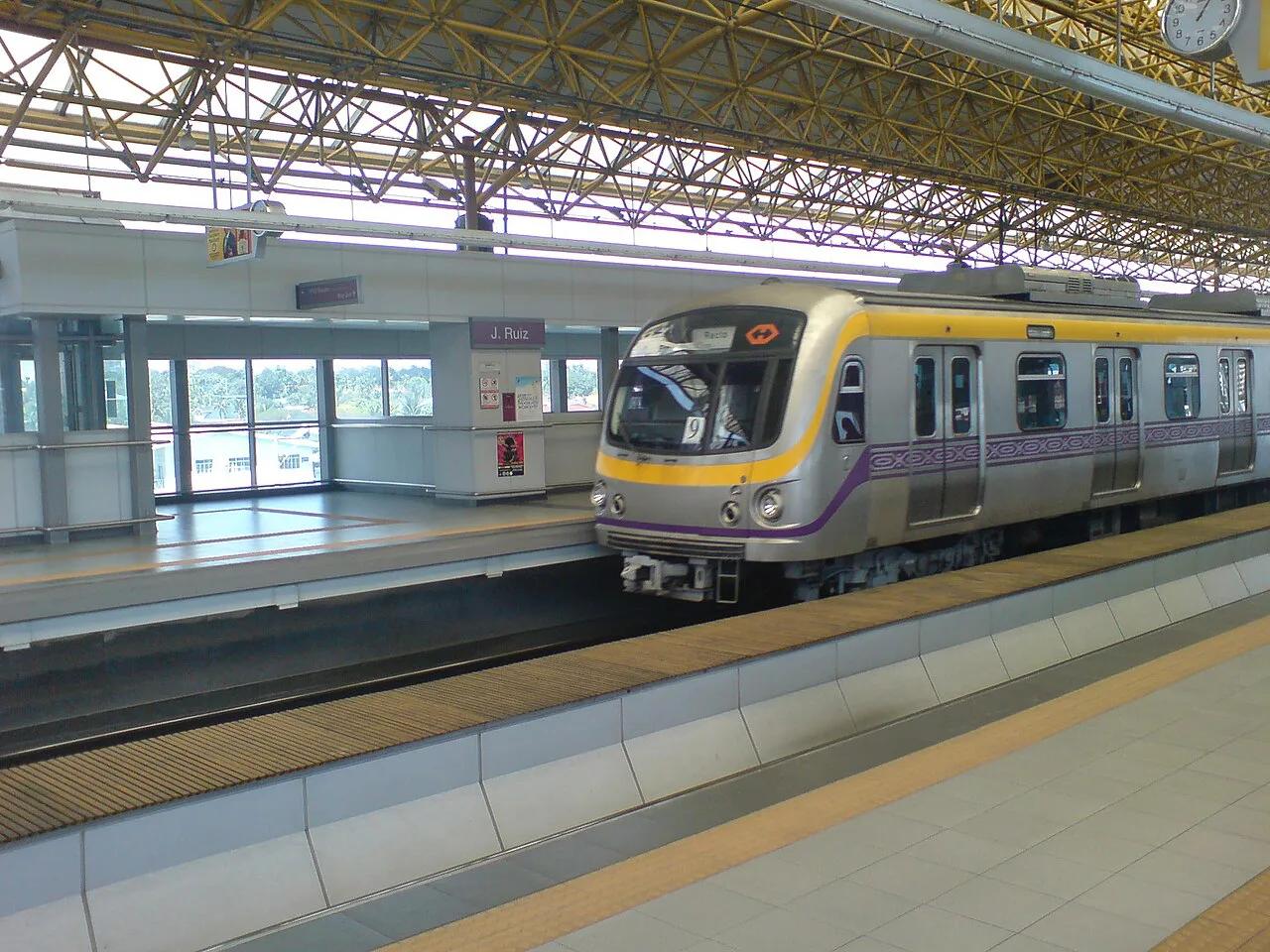
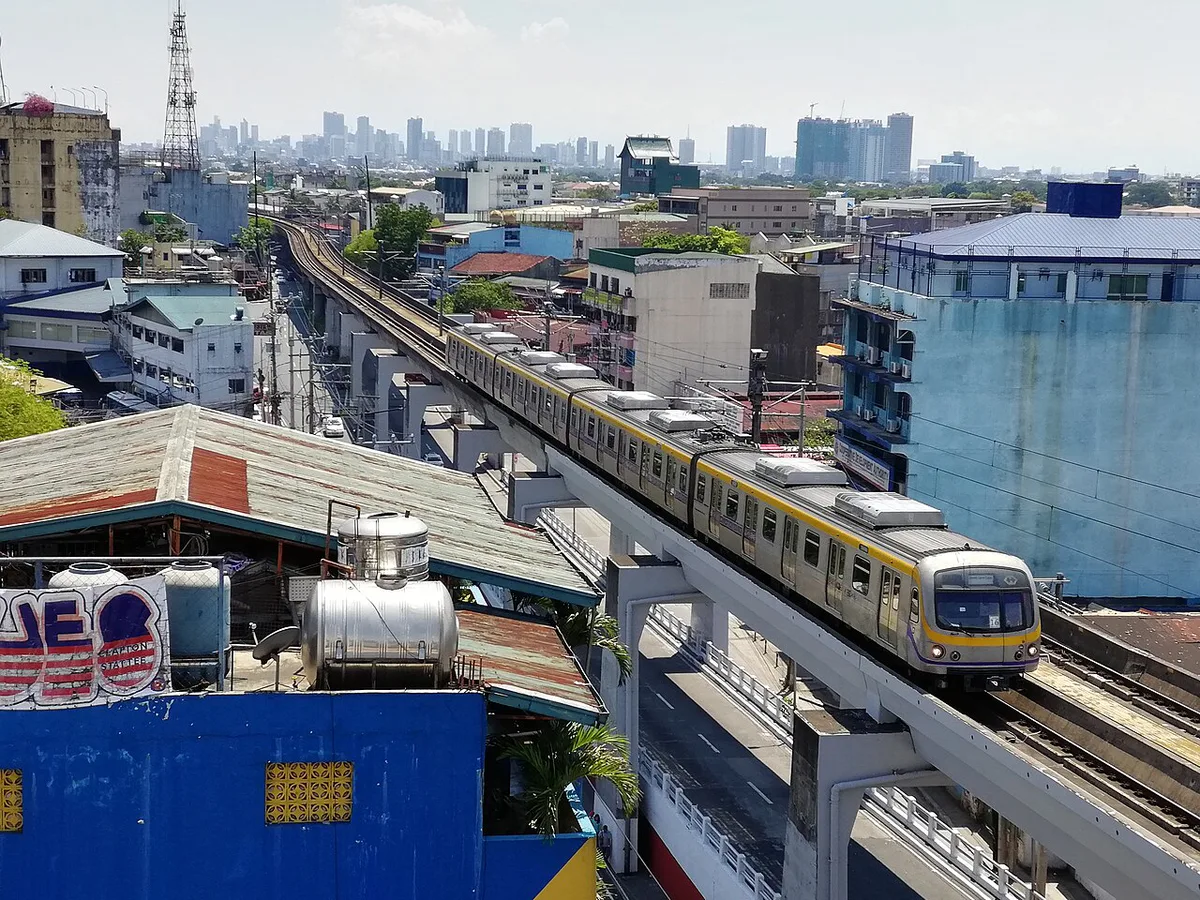
Rail is the most predictable way to cross the metro in daytime. MRT-3 runs 16.9 km along EDSA from North Avenue in Quezon City to Taft Avenue in Pasay, with 13 stations and a full trip of about 30 minutes. Weekday trains start at 4:30 AM. On Sundays and holidays they run 4:30 AM to 10:40 PM. Weekday last trains leave North Avenue at 10:30 PM southbound and Taft Avenue at 11:09 PM northbound. Fares are distance-based and paid with contactless cards. LRT-1 is run by Light Rail Manila Corporation, and the Light Rail Transit Authority covers LRT-2. Our LRT and MRT guide maps the transfers. Avoid trains at peak with big suitcases, because platforms and cars fill up fast. Check current line status before long rail days.
- Only the paid side of the gates needs a fare; station concourses are public.
- Peak MRT-3 headways drop to 4–7 minutes, then widen to 15 minutes after 9:31 PM.
- Stored-value cards avoid ticket queues; confirm which card each line takes at the station.
Grab and taxis
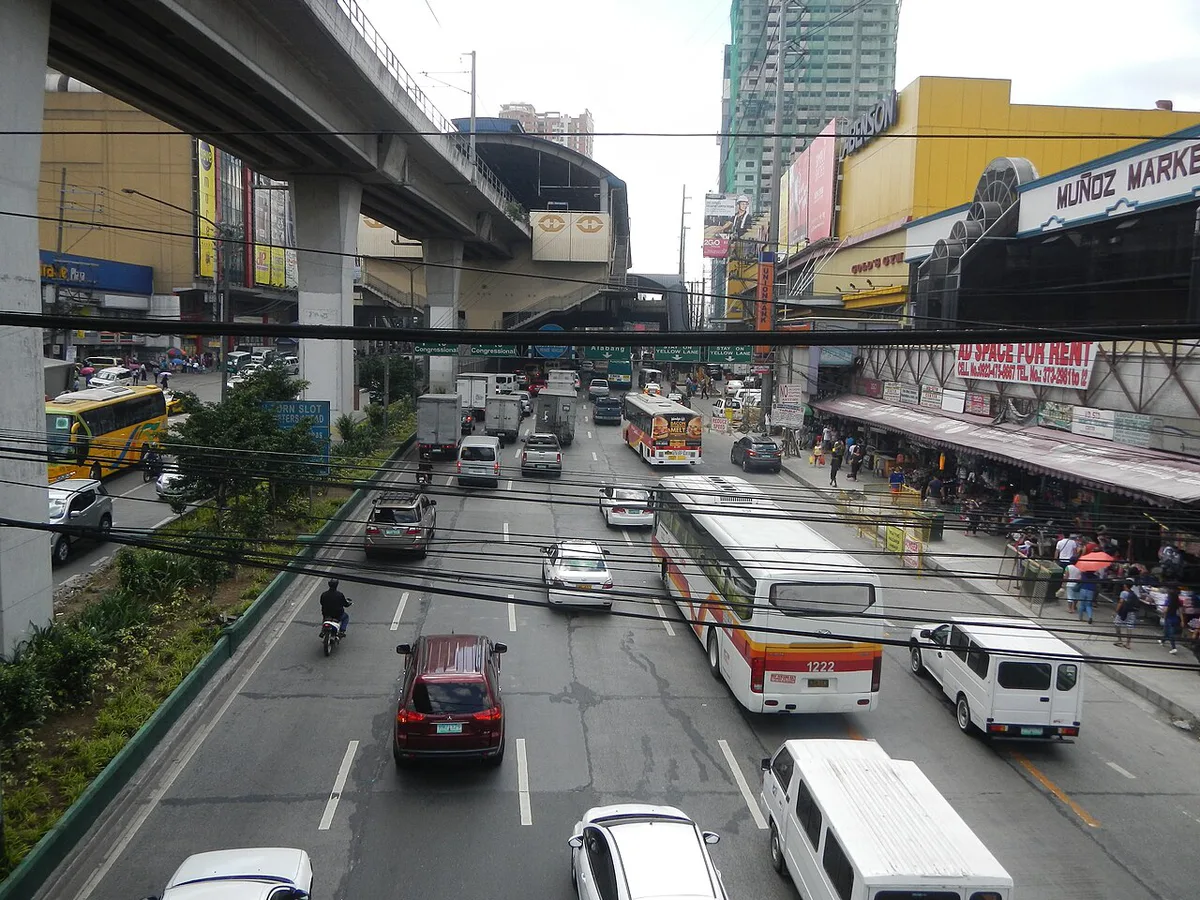
Grab is the easiest default for visitors. You see a fare estimate before you book, and the driver and plate are shown in the app. Fares climb in the 7–10 AM and 5–8 PM windows and when it rains. Waiting ten minutes often beats paying a surge. Read how the app works on Grab Philippines. Our Manila Grab guide covers pickup etiquette in malls and hotels. For street taxis, insist on the meter and skip any driver quoting a flat price. A tip of ₱20–₱50 is usual. In BGC, ride-hailing apps and taxis are both accepted entry options.
Jeepneys and buses
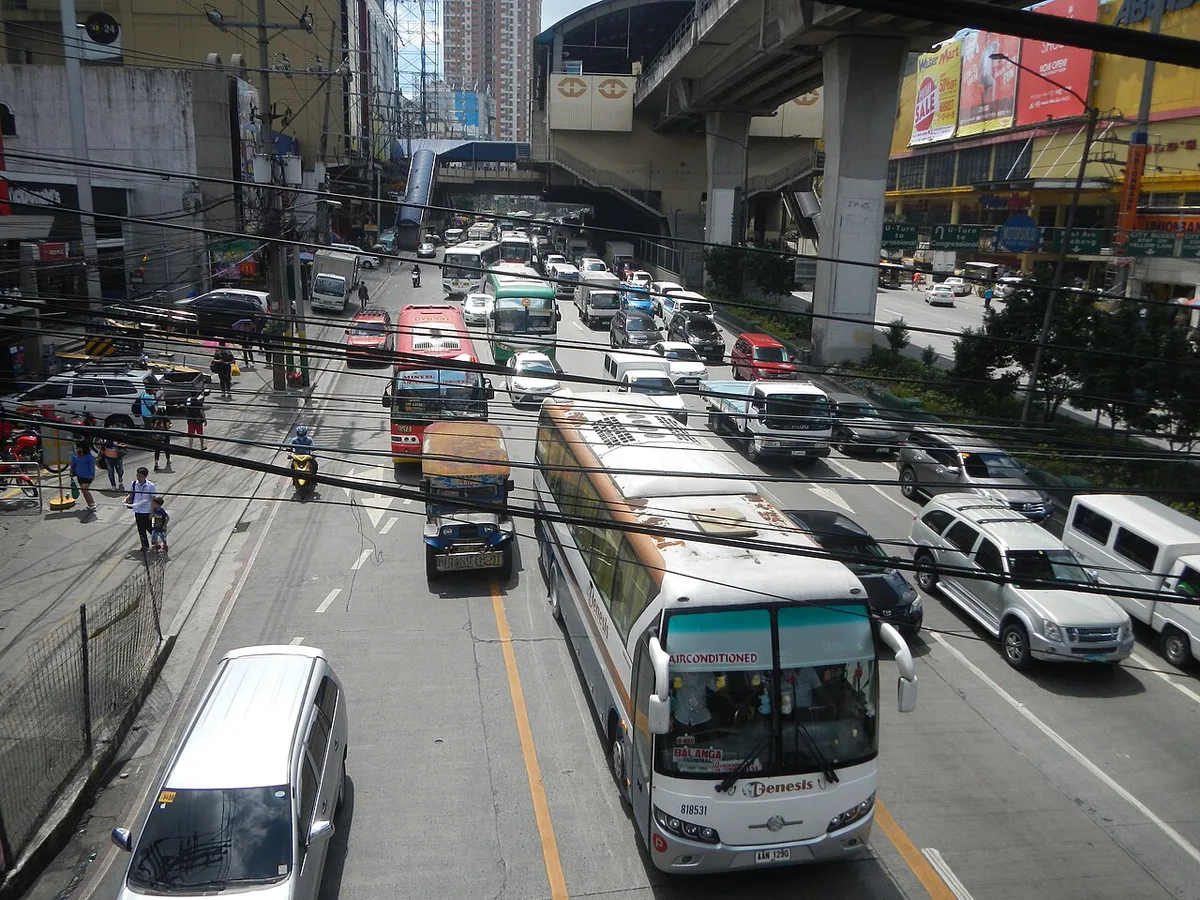
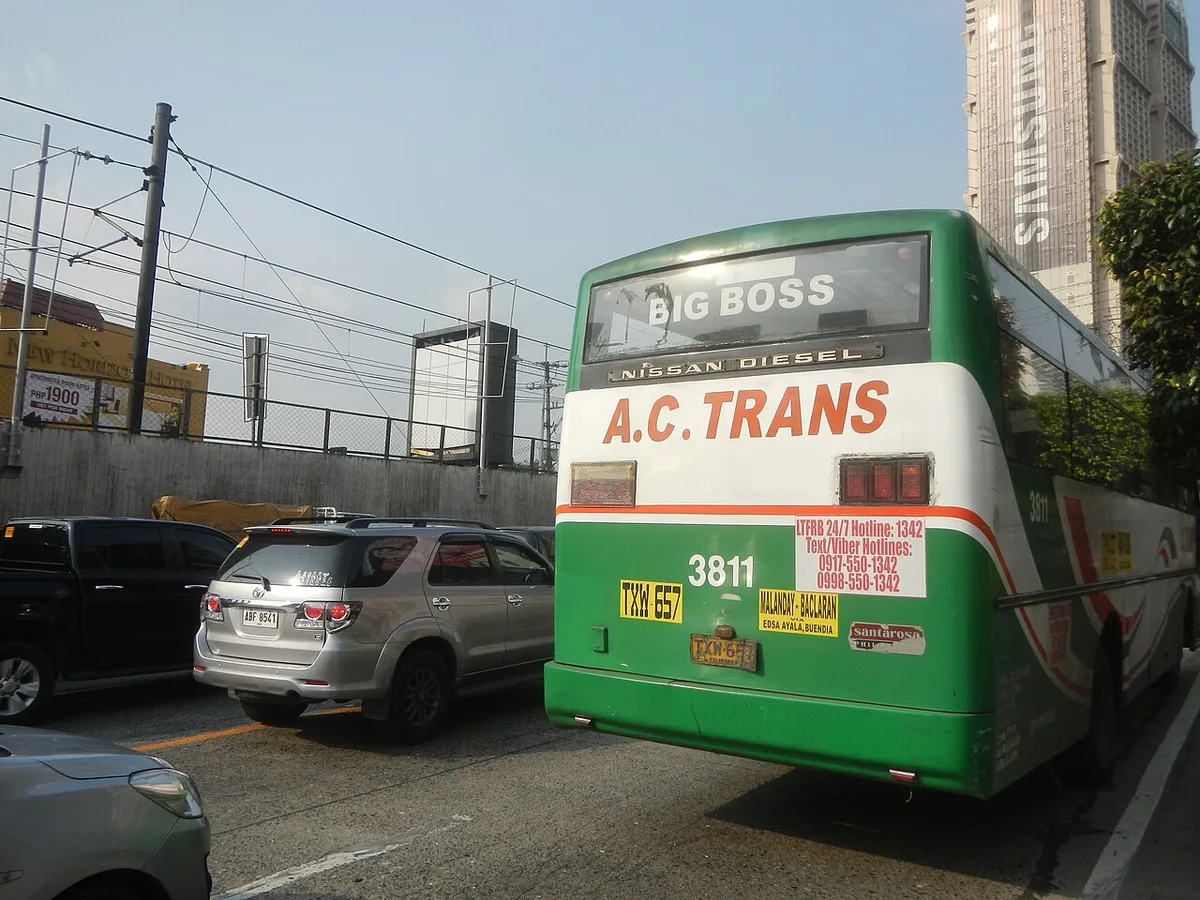
Jeepneys and buses suit short hops with a day bag. Routes are painted on the side or shown on the front, so match the destination board before boarding. Pay the driver or conductor and say your stop aloud. Fares on airport-area routes sit under ₱50, though current fares and modernized routes change, so ask before you board. Skip them on your first day, at night, or with luggage. One bus worth knowing is the BGC Bus, which runs fixed routes with designated stops. Pay by Beep card or QR ticket. The terminal for riders from outside BGC is at EDSA Ayala, on the Telus side. Routes link Ayala, Market! Market! and Uptown.
Pasig River Ferry
The ferry suits travellers who want a road-free hop and can plan around limited stops and schedules. Current routes, fares and status are in our Pasig River Ferry guide.
Which mode for which trip
These pairs give a first choice and a fallback. Time estimates beyond the brief figures above are left out, because traffic decides them.
| Trip | Best mode | Fallback | Rush-hour warning |
|---|---|---|---|
| NAIA → Makati | Grab or booth taxi | Metered taxi | Peak surge likely |
| NAIA → BGC | Grab | Taxi | 20–30 minutes is the no-traffic figure |
| Intramuros ↔ Binondo | Short Grab or taxi | Walk if cool | Only a few minutes apart |
| Intramuros ↔ Rizal Park | Walk | Grab | Midday heat |
| Rizal Park → Manila Ocean Park | Grab or taxi | Walk if cool | Roxas Boulevard slows at 5–8 PM |
| Makati ↔ BGC | Grab | BGC Bus from EDSA Ayala | Kalayaan Avenue backs up at peak |
| EDSA corridor, north to south | MRT-3 | Grab | Trains fill 7–10 AM and 5–8 PM |
Rush hour, rain and timing
Plan sightseeing between peaks. Start at 8 AM, when Intramuros Visitors Center at Fort Santiago opens, and finish by 5 PM, when it closes. Take Manila Ocean Park from 10 AM to 6 PM on weekdays, and from 9 AM on weekends and holidays. Move across town between 10 AM and 4 PM. When rain starts, trains keep running, while Grab prices and waits rise. Build a rain buffer into airport transfers, and leave earlier than a map suggests.
A Grab from the airport can top ₱700 in peak hours or bad weather, so check the surge before you book at 5–8 PM.
Paying and staying safe
Carry small bills for jeepneys, taxis and the ₱20–₱50 tip. Stored-value cards cover trains, and the BGC Bus accepts Beep cards or QR tickets. Malls take cards, but markets and small eateries lean on cash. Use official taxi queues at NAIA and wait for Grab in marked pickup zones. Check the plate before you get in. Keep phones out of sight on crowded trains and jeepneys.
Where to base yourself for transit access
Makati and BGC suit business trips and short airport transfers. BGC is also easy on foot, with most destinations 5–15 minutes' walk away and dedicated bike lanes. Its parks open 6:00 AM to 10:00 PM. Ermita and Malate put you near Intramuros and Rizal Park. They cost less, but check lines and walking routes on your own map before booking.
Inside BGC, most destinations sit 5–15 minutes' walk away, so the BGC Bus from EDSA Ayala matters mainly for arrivals from outside.
Common mistakes to avoid
Most transport problems come from timing and luggage, not the route itself.
- Booking Grab at 5–8 PM without checking surge.
- Taking a jeepney with luggage on arrival night.
- Boarding a taxi without a meter running.
- Assuming trains run late; the last MRT-3 trains leave around 10:30 PM and 11:09 PM.
- Expecting a terminal shuttle bus to reach the city centre.
Building the rest of the trip? Our Manila attractions guide covers the sights, districts and logistics around this guide.
Getting around other cities
Frequently Asked Questions
Is Manila walkable?
Parts are. Bonifacio Global City has sidewalks and most destinations sit 5–15 minutes apart on foot. Intramuros and Rizal Park also work on foot in cooler hours. Between districts, take a train or Grab.
What is the best app for transportation in Manila?
Grab is the practical default for visitors, with upfront fare estimates. For BGC Bus rides, use a Beep card or QR ticket.
What are the bus routes in Metro Manila?
Metro-wide routes change, so no single list is reliable. The BGC Bus runs fixed routes linking Ayala, Market! Market! and Uptown, from the EDSA Ayala terminal on the Telus side.
Explore More Manila Guides
Keep planning your Manila trip with these guides.
Manila Guides
Useful notes for your Southeast Asia trip
Optional updates to our guides.
You might also like
Continue reading
More guides you'll find useful