Filipino Dishes to Try in Manila: Where to Eat Each One
Which Filipino dishes should you eat in Manila? A first-timer's guide to sinigang, adobo, sisig, halo-halo and more, with how to order and where.
On this page
Last updated November 2026: the Filipino dishes to try in Manila start with sinigang, adobo, kare-kare, sisig, lechon, bulalo, pancit, lumpia, crispy pata and halo-halo. Pick by taste first, whether you want sour, savory, rich or sweet. Bold eaters can finish with isaw and balut.
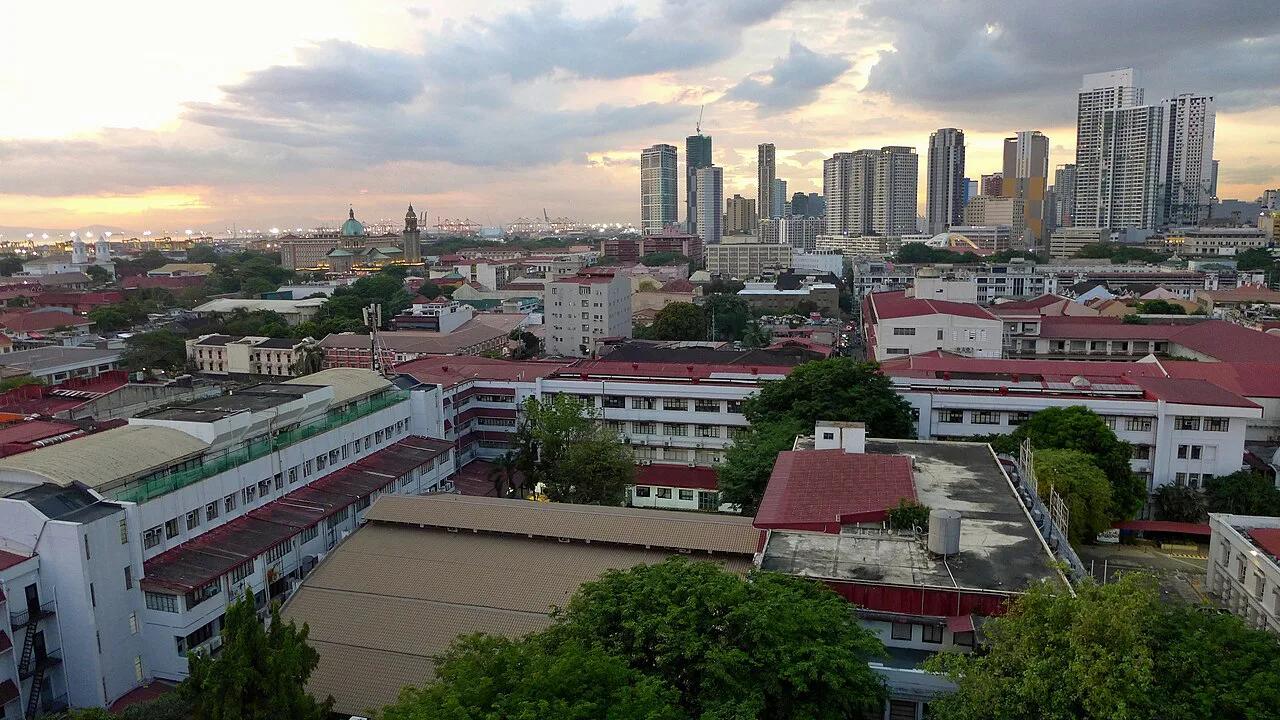
Featured image: Judgefloro, CC0, via Wikimedia Commons.
Filipino Dishes to Try in Manila: The First-Timer Shortlist
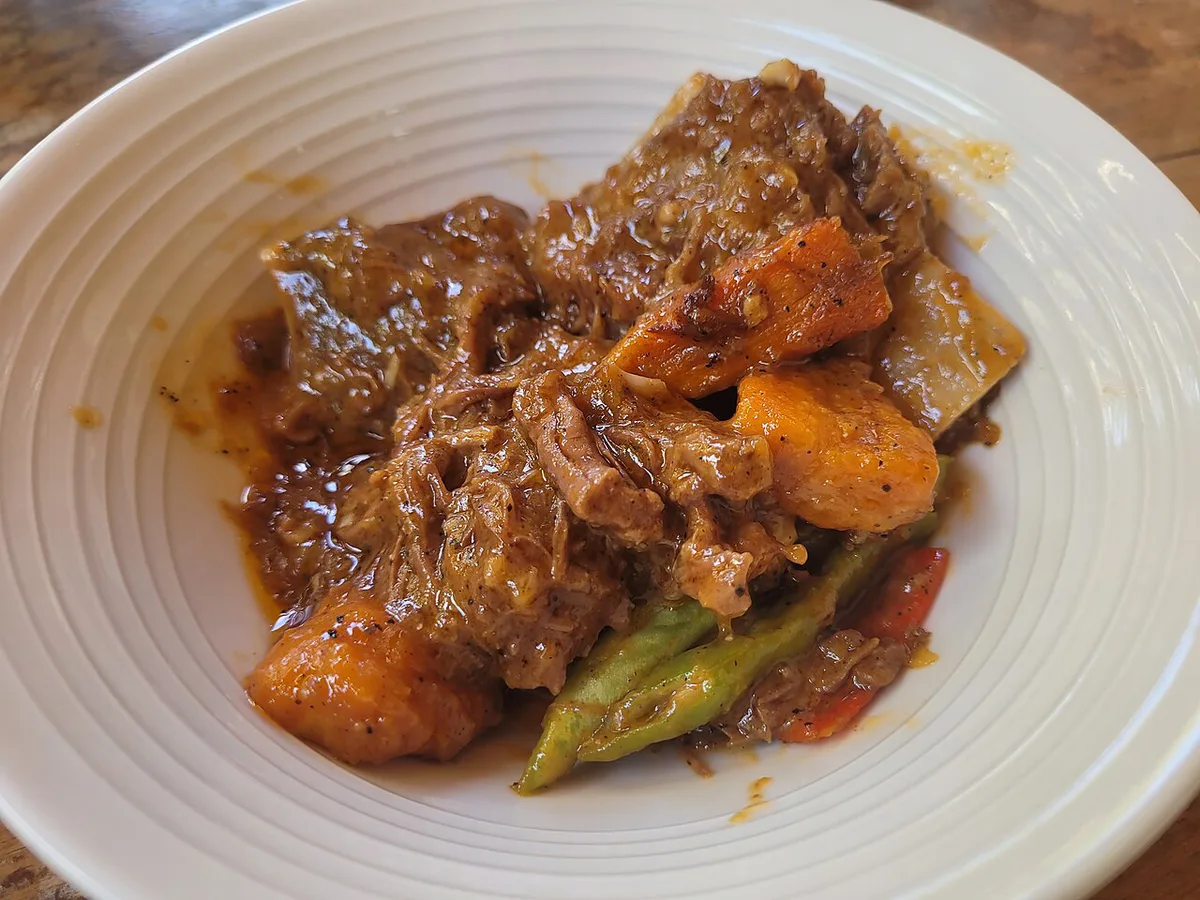
Manila's food draws on Tagalog home cooking, Spanish-era stews and Chinese noodle traditions. Some dishes below are national rather than strictly Manila: chicken inasal is tied to Bacolod, and laing is a Bicolano dish. You can still find most of them in the capital. Start with this shortlist, then use the table to match dishes to your appetite.
- Sinigang: sour tamarind soup with pork, beef or shrimp and vegetables.
- Adobo: chicken or pork braised in vinegar, soy sauce and garlic.
- Kare-kare: oxtail or tripe stew in a peanut sauce.
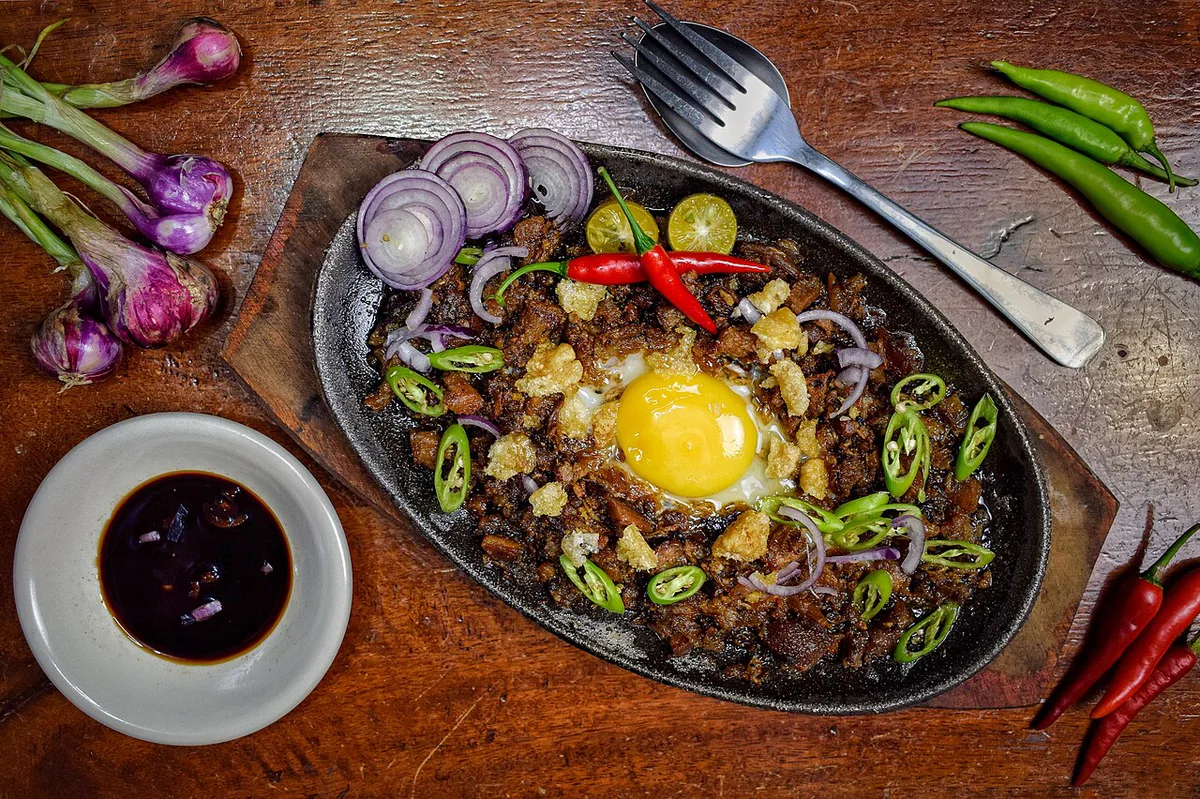
- Sisig: chopped pork on a sizzling plate, usually eaten with beer.
- Lechon: whole roast pig with crackling skin.
- Bulalo: beef shank and bone marrow soup.
- Pancit: stir-fried noodles with soy sauce and calamansi.
- Lumpia: fried or fresh spring rolls.
- Crispy pata: deep-fried pork knuckle for sharing.
- Halo-halo: shaved ice dessert with sweet beans, fruit, jelly and milk.
How to Choose: Pick by Taste, Nerve and Meal Slot
Filipino cooking balances sour, salty and sweet, and most dishes arrive with steamed rice. Plan on one rice per person and two or three dishes to share. Mix one safe dish with one bold dish at each meal.
| Dish | Taste | Adventure level | Best slot | Best venue type |
|---|---|---|---|---|
| Adobo | Savory, tangy | Safe | Lunch or dinner | Carinderia |
| Lumpiang shanghai | Crisp, savory | Safe | Starter or merienda | Any eatery |
| Sinigang | Sour | Safe | Lunch | Carinderia or restaurant |
| Pancit | Savory, citrusy | Safe | Lunch or merienda | Binondo eatery |
| Kare-kare | Rich, nutty | Moderate | Dinner | Restaurant |
| Sisig | Savory, crunchy | Moderate | Evening | Bar or restaurant |
| Lechon and crispy pata | Rich, crisp | Moderate | Dinner, shared | Restaurant |
| Isaw, chicharon bulaklak, balut | Smoky, chewy, rich | Bold | Evening snack | Busy street stall |
Everyday Mains and Stews
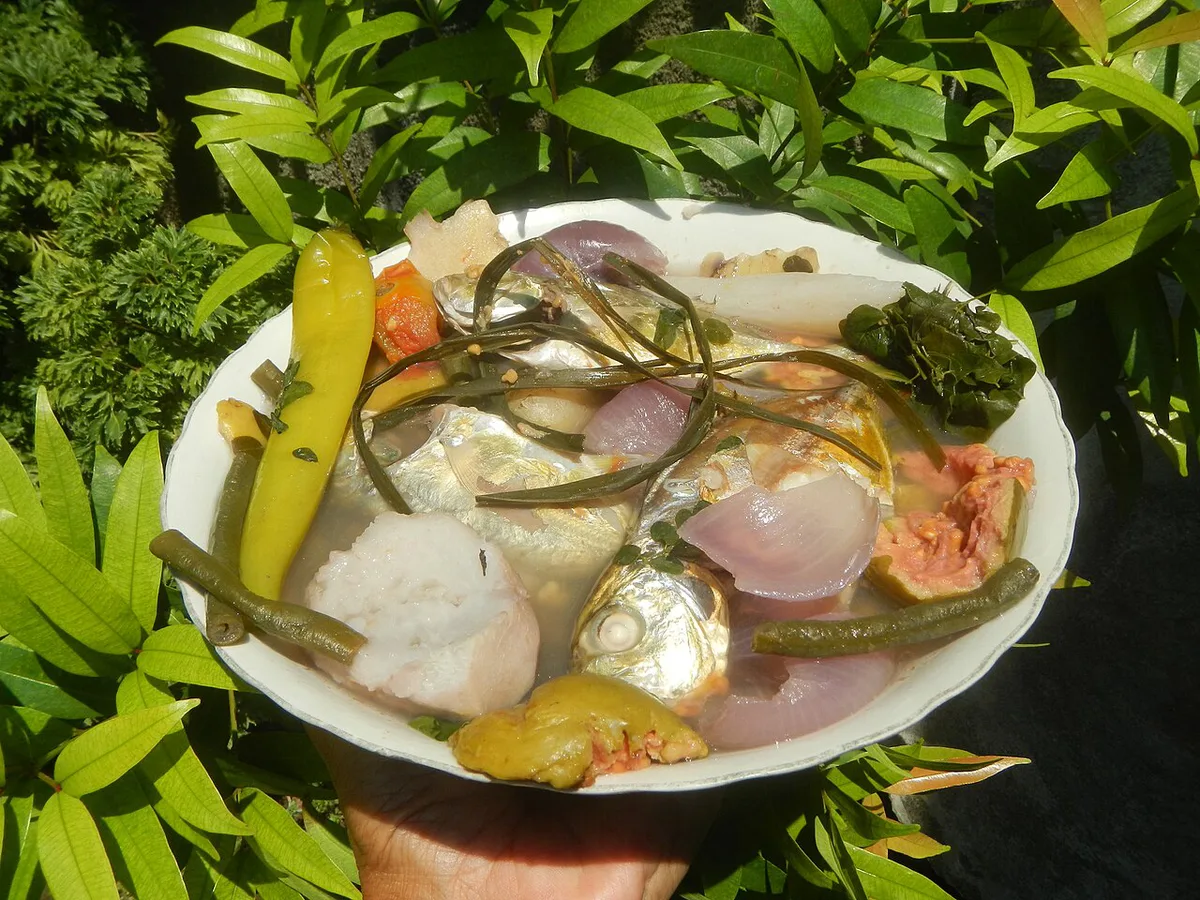
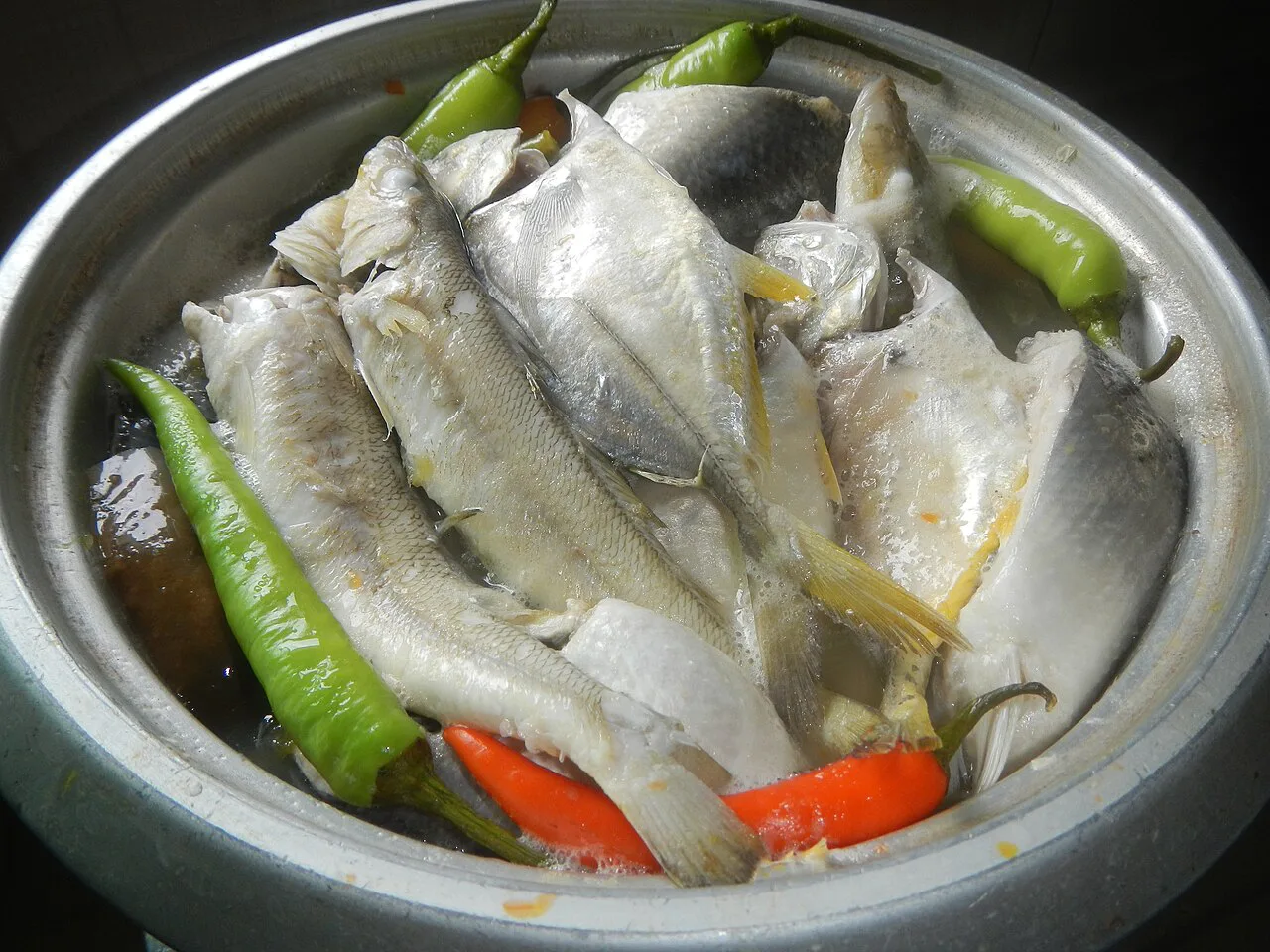
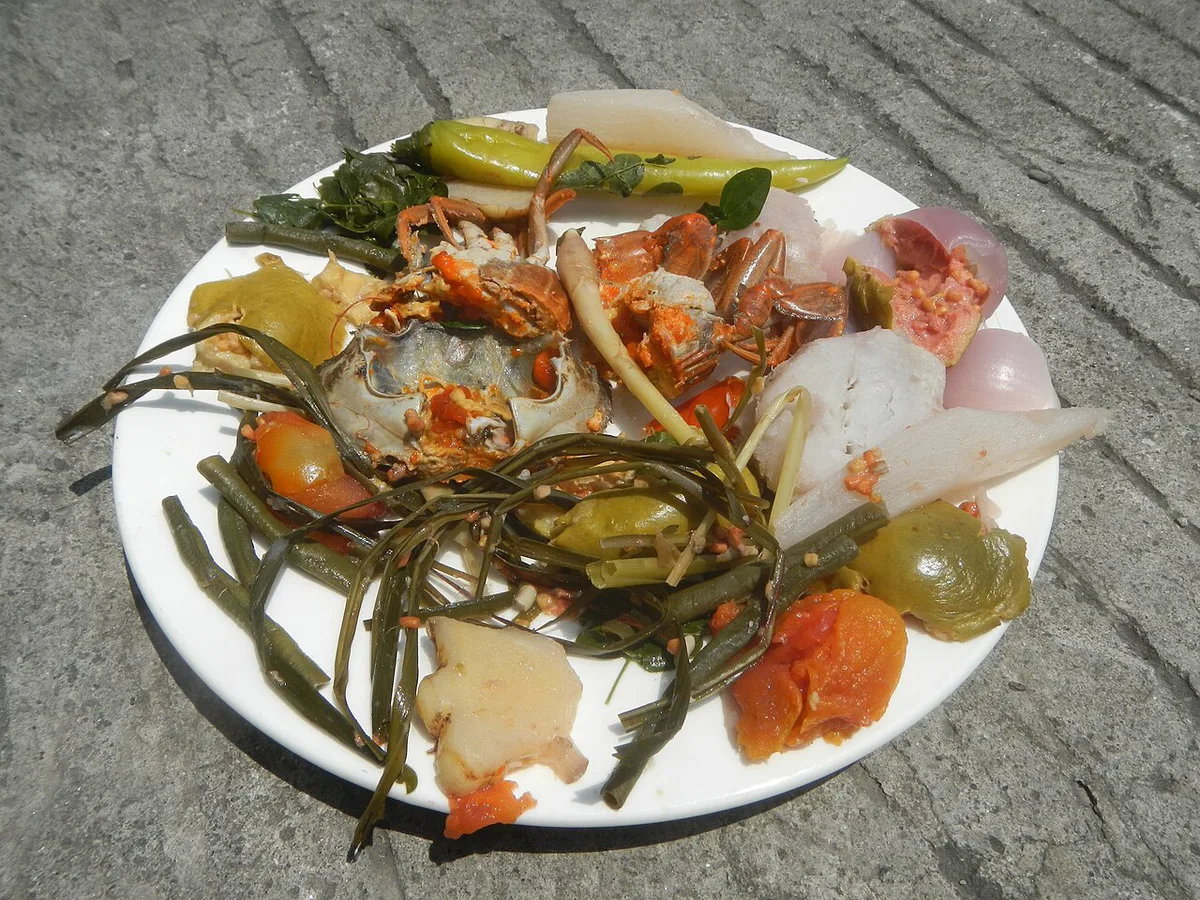
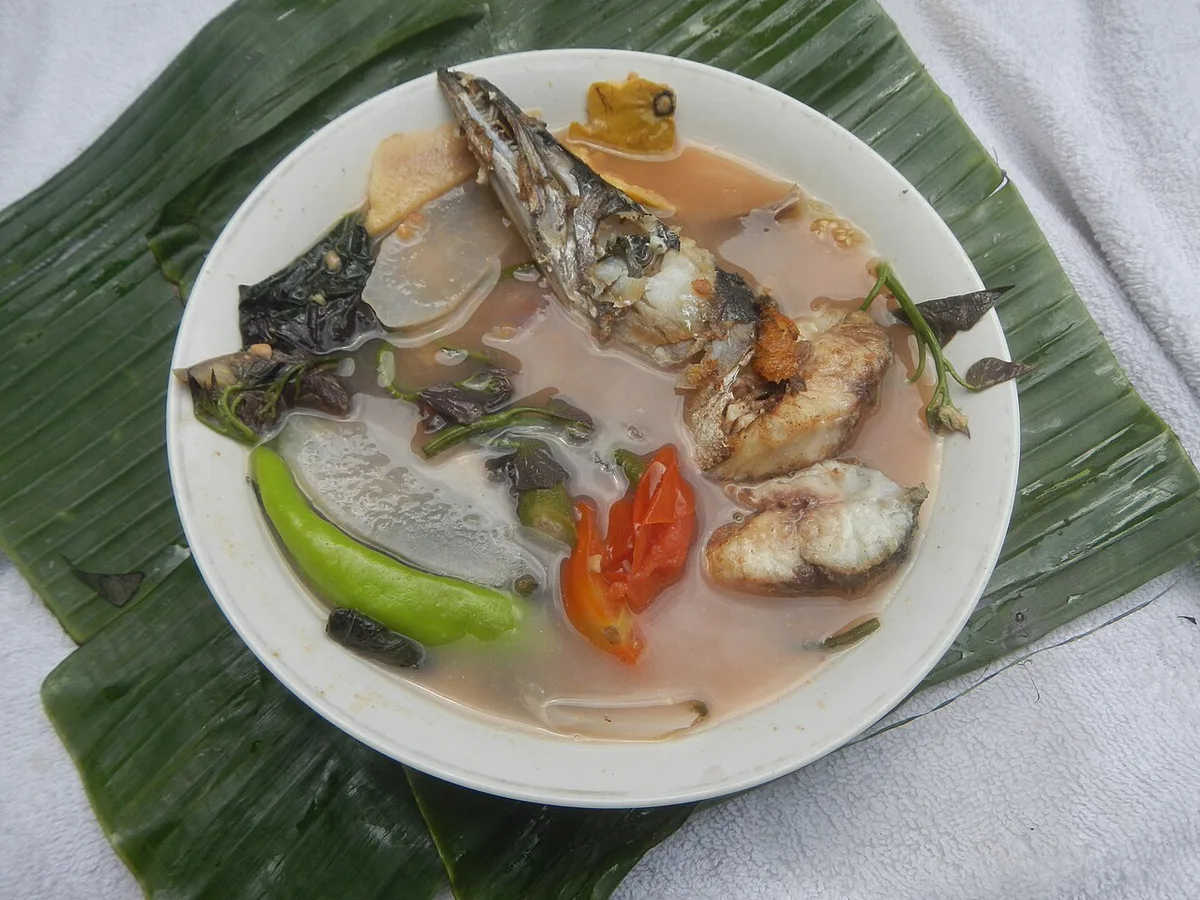
Sinigang is the dish to eat first. Its tamarind broth is sour, and pork, beef or shrimp share the bowl with eggplant, long beans, water spinach, radish and okra. Spoon it over plain rice while it is hot. That sourness cuts through a heavy meal, which helps on a humid day.
Adobo is chicken or pork cooked in vinegar, soy sauce and garlic. Cooks vary the mix, so expect black pepper, bay leaf or a little sugar. A carinderia, where trays of cooked food wait behind glass, is the easiest place to compare versions.
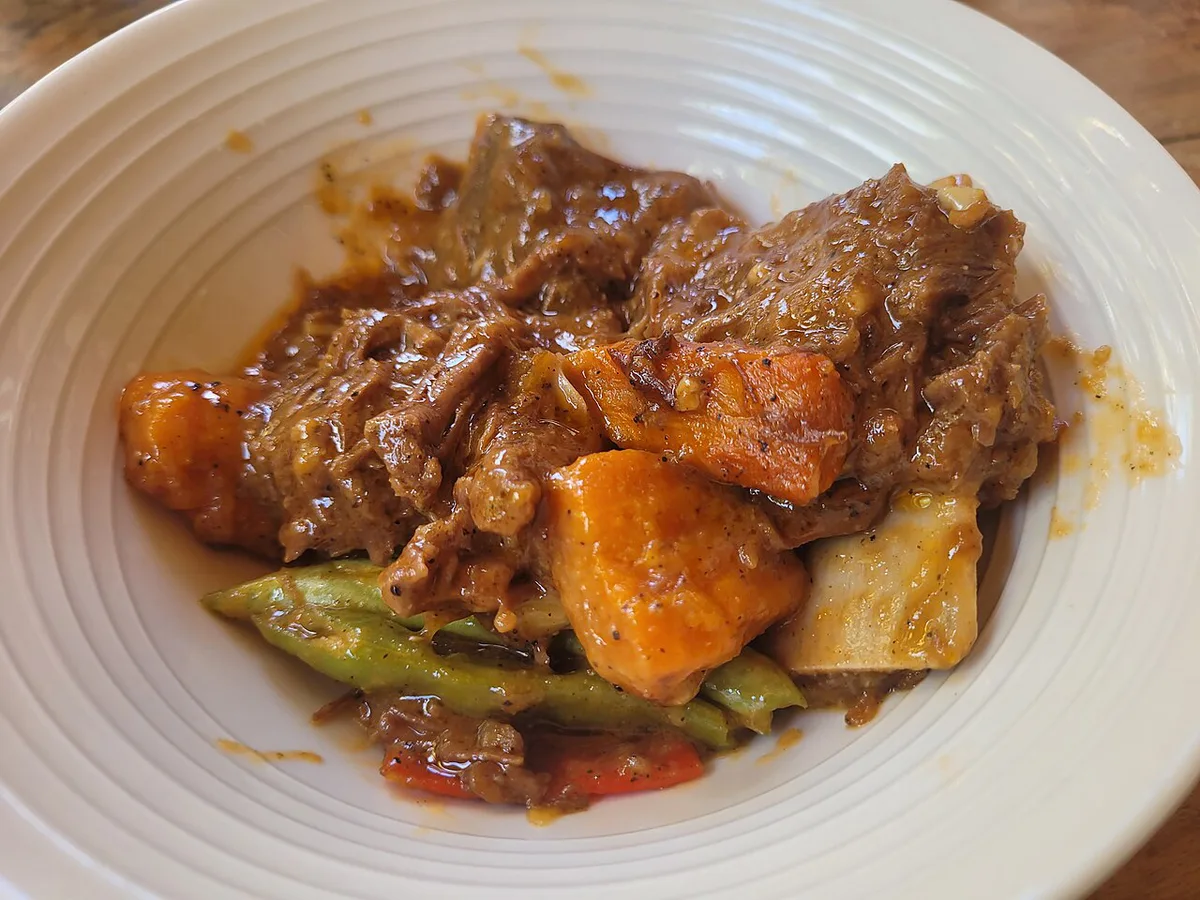
Kare-kare simmers oxtail, tripe or pork hock with eggplant and banana blossom in a peanut sauce. Shrimp paste on the side is traditional. Add it a spoonful at a time, because it is salty. Anyone with a peanut allergy should skip this dish.
Bulalo is beef shank and marrow simmered for hours with corn, cabbage and green beans. Scoop the marrow onto your rice. Bowls are large, so order it when you have three or more people at the table.
Grilled, Fried and Bar Food
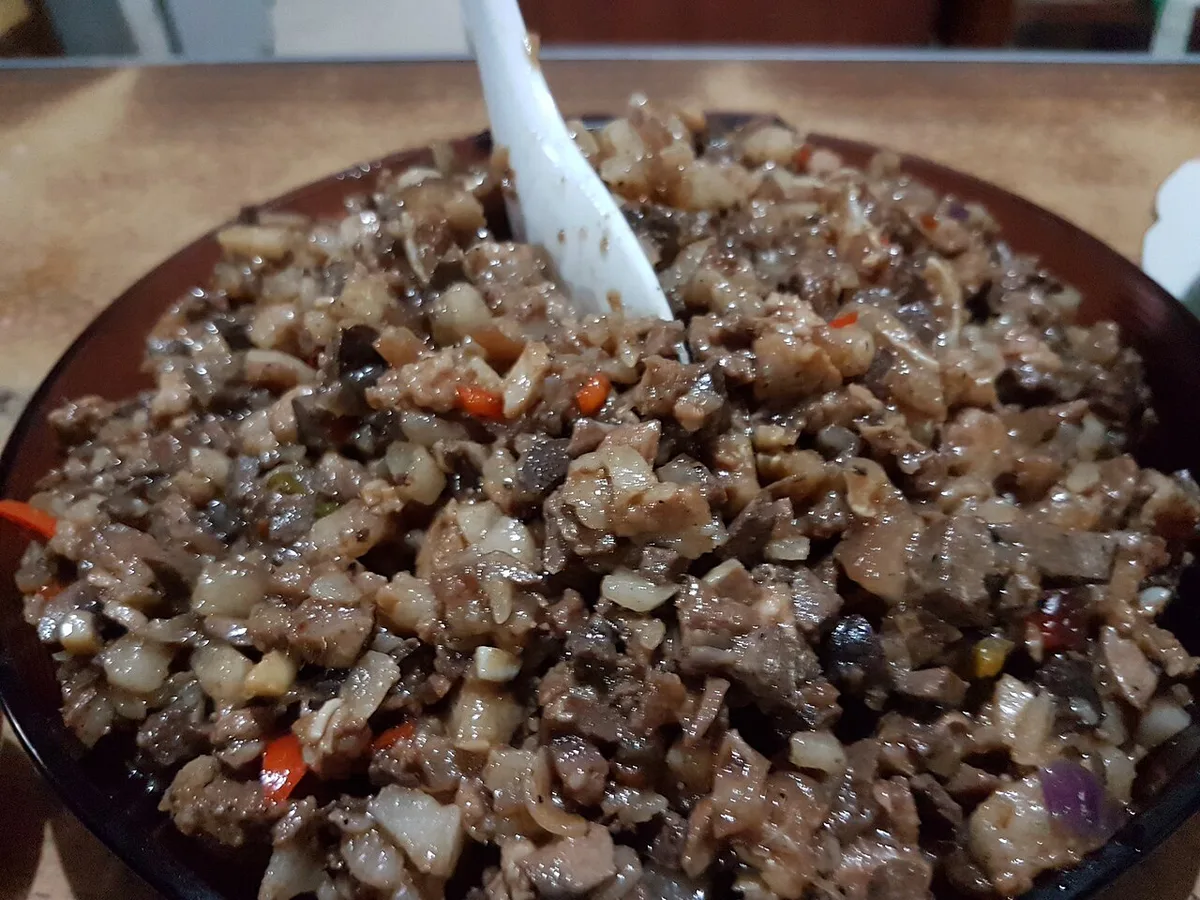
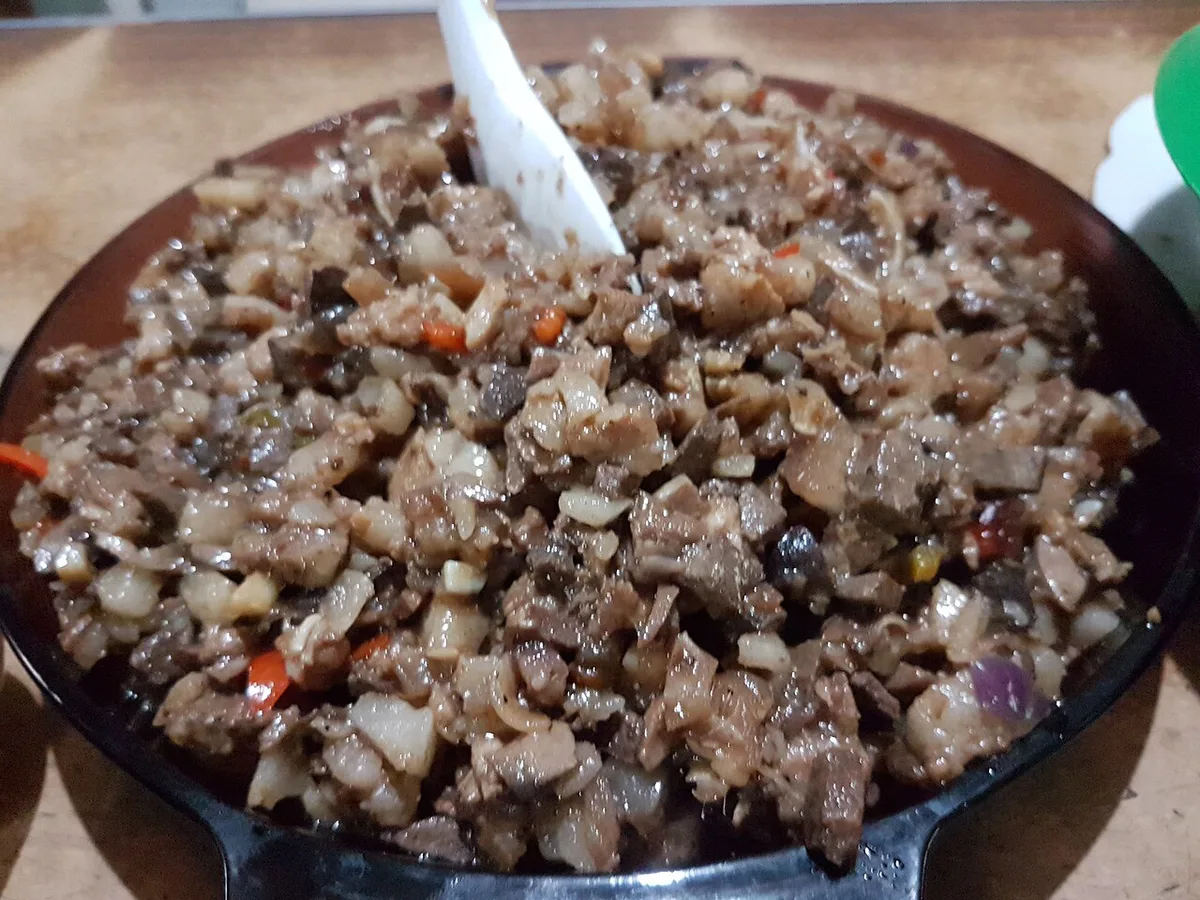
Sisig arrives on a hot plate, still sizzling. Chopped pork, onion, garlic and chili make up the base, and many places add an egg on top. Locals eat it as pulutan (bar food) with cold beer, or with rice as a main. Ask for chili on the side if you want less heat.
Lechon is whole roast pig, and the skin is the point. Slow roasting over fire gives crackling skin over tender meat. Fiestas and weddings are its usual stage. A restaurant portion is the easy way to try it without throwing a party.
Crispy pata is a deep-fried pork knuckle with shattering skin and soft meat underneath. It is built for sharing, so split one among the table. Dip it in soy sauce and vinegar to cut the richness.
Lumpiang shanghai are thin fried rolls of ground pork. Vinegar or sweet chili sauce comes alongside. Cautious eaters can start here.
Noodles and Chinese-Filipino Dishes
Pancit is the Chinese-Filipino thread running through Manila menus. Noodles are stir-fried with soy sauce and finished with a squeeze of calamansi. Lumpiang sariwa wraps vegetables, sometimes with shrimp, in a soft crepe-like wrapper. Pancit Malabon uses thick rice noodles and seafood, but Malabon is a separate Metro Manila city.
For a full Chinese-Filipino crawl, follow our Chinese-Filipino eating route in Binondo. According to the Philippine Department of Tourism, Binondo sits around an hour from Ninoy Aquino International Airport. It is only a few minutes from Intramuros and Rizal Park, so pair it with a morning of sightseeing.
Street Food and Snacks
Kwek-kwek is quail eggs in bright orange batter, fried and dunked in vinegar. Isaw is grilled chicken or pork intestine, smoky and chewy. Chicharon bulaklak is deep-fried pork intestine, crunchy outside and tender inside. Balut, a boiled duck egg with a developing embryo, is the final dare. Eat it hot, from a busy vendor.
Cautious eaters should follow three habits. Choose stalls with a steady queue. Pick items fried or grilled in front of you. Skip anything that has sat out in the sun.
- Safest start: kwek-kwek, fried to order.
- Moderate: isaw, with vinegar dip.
- Bold: chicharon bulaklak, then balut.
Desserts and Sweets
Halo-halo means "mix-mix." Shaved ice, sweetened fruit, beans, jelly and evaporated milk go in the glass, often topped with leche flan or ube ice cream. Stir everything together before the first spoonful. Mid-afternoon heat is the natural time to order one, and our guide to halo-halo shops worth a detour narrows the options.
Leche flan is caramel custard made from eggs, condensed milk and sugar. Ube halaya is purple yam jam. Pastillas de leche are sweet milk candies. Suman is sticky rice steamed in banana leaf, served with latik or grated coconut and brown sugar. Buko pandan combines young coconut and pandan jelly with cream.
Bibingka is a rice cake traditionally cooked in clay pots lined with banana leaves. It is most popular around the Christmas season, so look for it in December rather than expecting it year-round.
Where to Eat These Dishes: Carinderia, Mid-Range or Restaurant
Carinderia are local eateries with trays of ready-cooked dishes. Point at what you want, pay per dish and add rice. Go at lunch for the fullest trays, since popular dishes can run out later in the day. Carry cash for small eateries.
Mid-range Filipino restaurants have English menus and photos, which makes ordering simpler. For choosing among neighborhoods, start with our Manila eating guide. If you want white tablecloths and a longer meal, read our sit-down restaurant picks.
| Venue type | Cost level | Speed | Ordering ease |
|---|---|---|---|
| Carinderia | Budget | Fast, point and pick | Easy; menus are the trays themselves |
| Mid-range Filipino restaurant | Mid | Moderate | Easy; English menus common |
| Modern Filipino restaurant | Splurge | Slow, multi-course | Easy; staff explain dishes |
A Neighborhood Eating Plan for One to Three Days
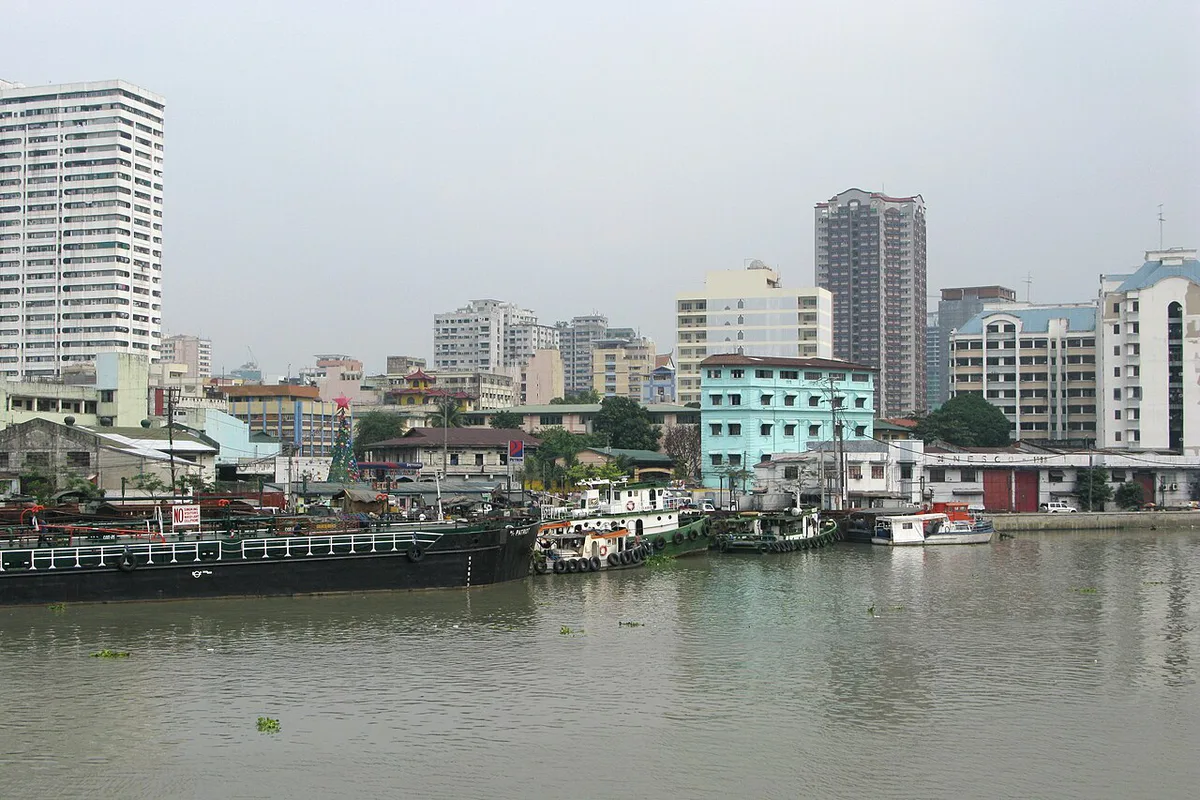
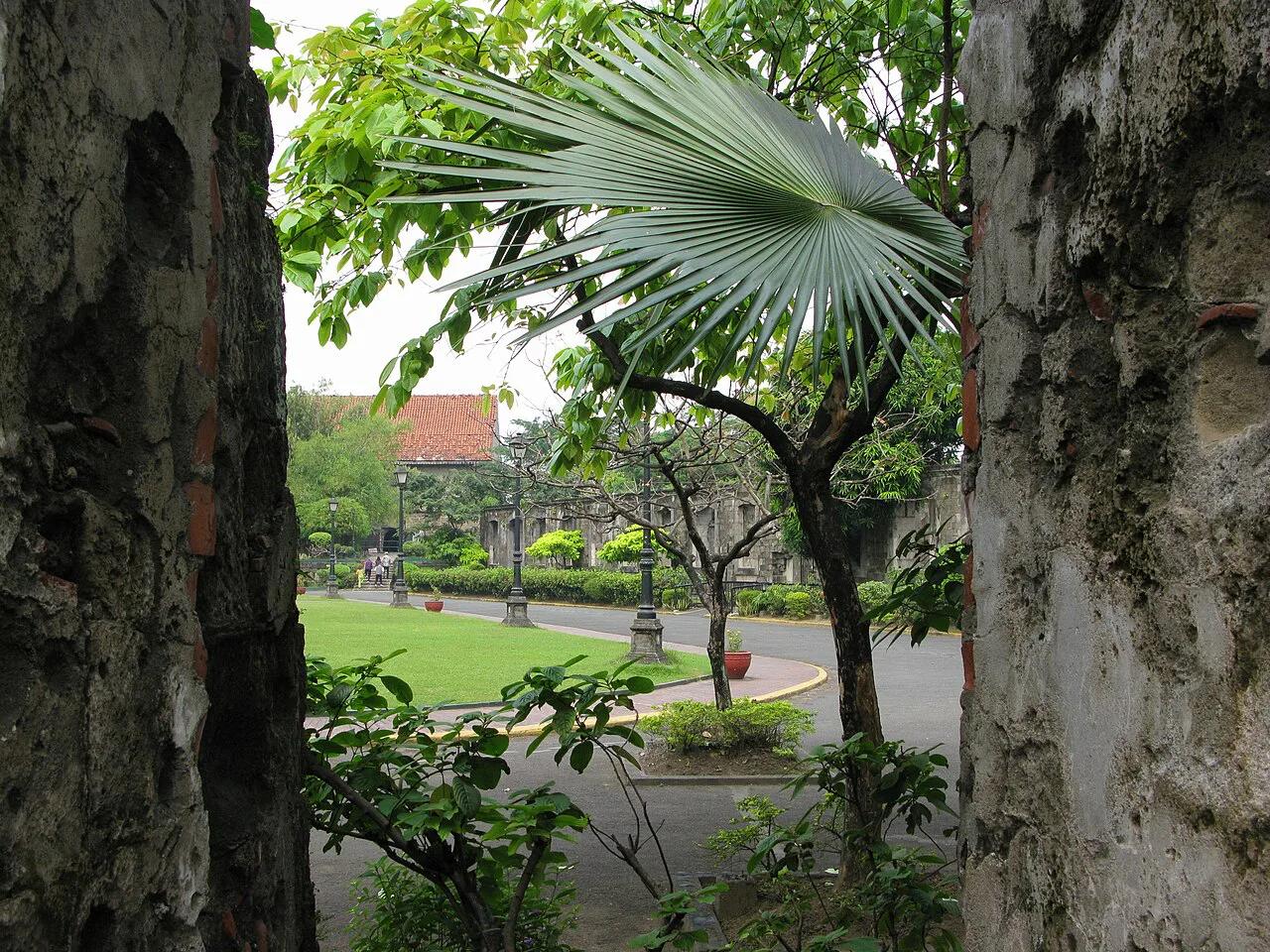
Manila traffic punishes cross-city trips, so group meals by area. Day one belongs to Intramuros and Binondo, which sit a few minutes apart. Start at the Intramuros Visitors Center inside Fort Santiago, open daily 8:00AM to 5:00PM (hours checked November 2026). Fort Santiago's rehabilitated dungeons are open to the public. Eat sinigang or adobo for lunch, then cross to Binondo for pancit and lumpia.
Day two moves to Makati and Bonifacio Global City for modern Filipino cooking. BGC is in Taguig City and is about 20-30 minutes by car from NAIA, traffic permitting. Most destinations inside it are within a 5-15 minute walk. Reach it by taxi, ride-hailing or the BGC Bus from EDSA Ayala or Market-Market.
Day three is for repeats and dares: another halo-halo, plus a street-food evening.
- Day 1: breakfast near Intramuros, lunch with a stew and rice, merienda of pancit and lumpia in Binondo, dinner with sisig.
- Day 2: carinderia lunch, afternoon halo-halo, dinner of kare-kare and crispy pata in Makati or BGC.
- Day 3: bulalo lunch, leche flan or ube halaya for merienda, isaw and kwek-kwek after dark.
Dietary Callouts and Ordering Mistakes
Filipino cuisine is pork-heavy. Bagoong (shrimp paste) appears in binagoongan and pinakbet, peanuts anchor kare-kare, and fish sauce flavors tinola and many soups. Vegetarian options include laing (taro leaves in coconut milk) and tofu dishes such as sizzling tofu. Ask staff to confirm whether a vegetable dish contains shrimp paste or pork.
Inside BGC, most destinations sit a 5-15 minute walk apart, so one area per day beats crossing town.
Small errors spoil many first meals. Avoid these.
- Ordering a main per person: share two or three dishes instead.
- Skipping rice: nearly every stew and grill is built around it.
- Forgetting to ask about spice or shrimp paste before a dish arrives.
- Crossing the city between meals: stay within one area per day.
- Saving halo-halo for a cool evening: order it in the afternoon heat.
Frequently Asked Questions
What are some of the most famous Filipino dishes?
Sinigang, adobo, kare-kare, sisig, lechon and halo-halo come up most often. Pancit and lumpia round out a first-timer's list.
What is the best ulam in the Philippines?
Ulam means any dish eaten with rice, so there is no single winner. Adobo and sinigang are safe picks for first-timers, while kare-kare suits richer appetites.
Useful notes for your Southeast Asia trip
Optional updates to our guides.
You might also like
Continue reading
More guides you'll find useful