Gawai Festival in Kuching: Dates, Customs & Visitor Tips
What Gawai Dayak is, when it falls (1–2 June), and how to join in respectfully from Kuching. Etiquette, logistics and timing trade-offs.
On this page
Last updated November 2026: the gawai festival, formally Gawai Dayak, is the Dayak harvest celebration held across Sarawak on 1–2 June. Next occurrence is Tuesday 1 June and Wednesday 2 June 2027, with celebrations starting on the evening of 31 May. This guide covers what visitors can realistically see in Kuching, how to behave as a guest, and how to plan around the holiday.
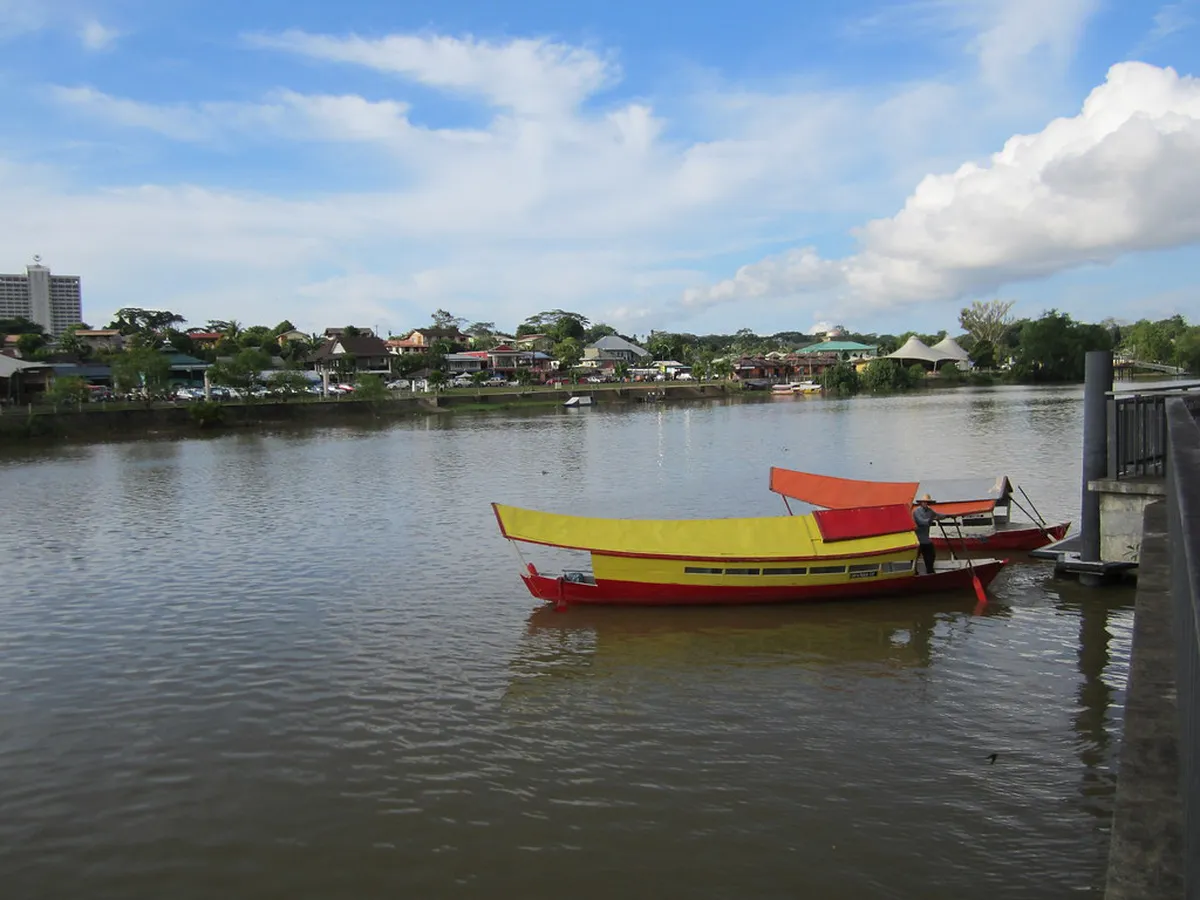
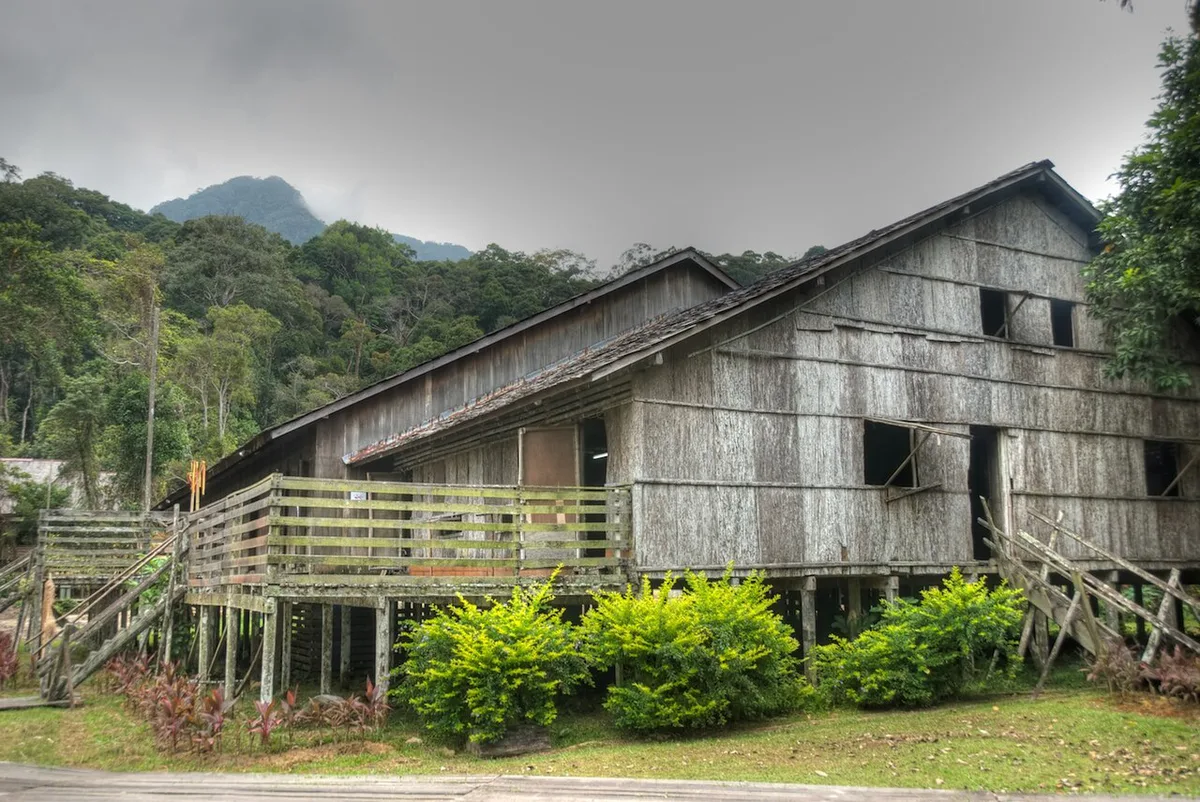
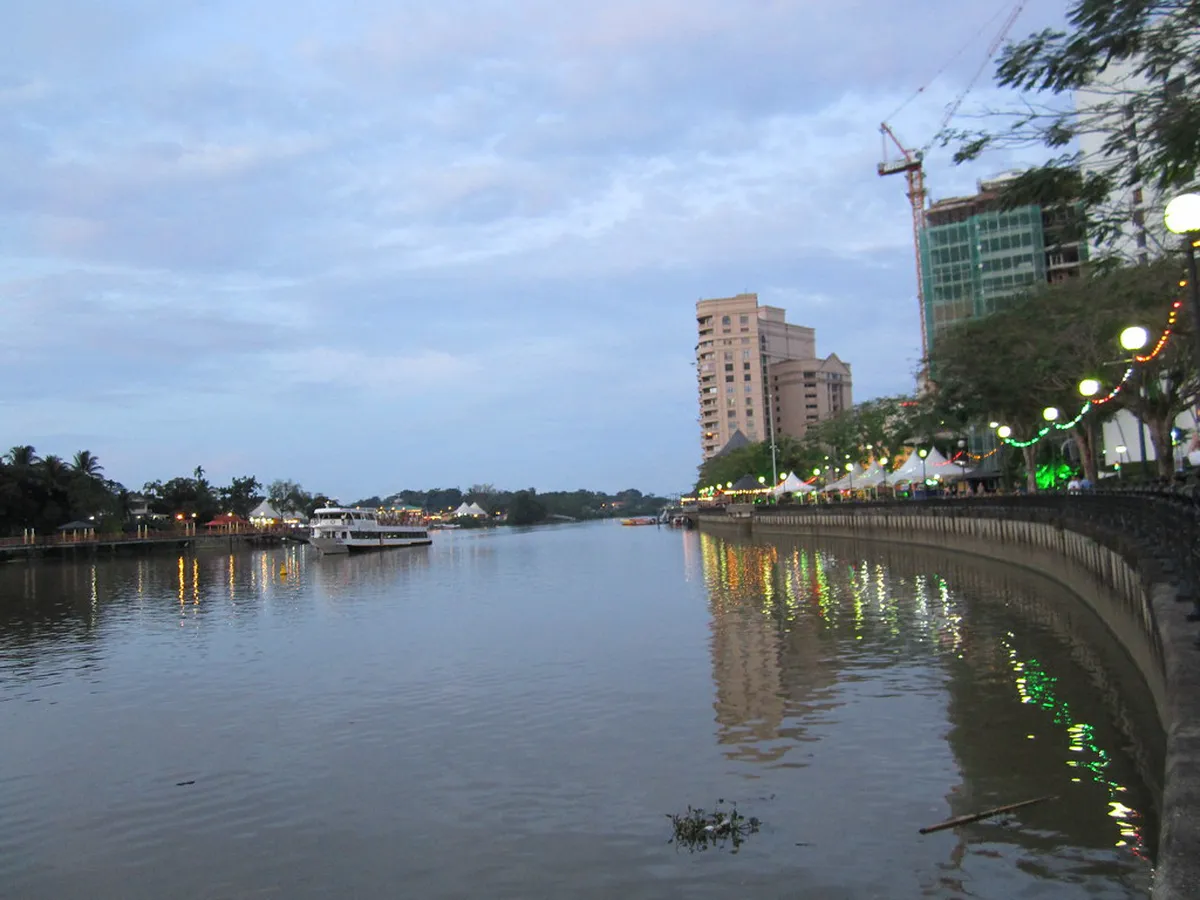
Featured image: Zahirulnukman, CC BY-SA 4.0, via Wikimedia Commons.
What Is Gawai Dayak? (Quick Answer)
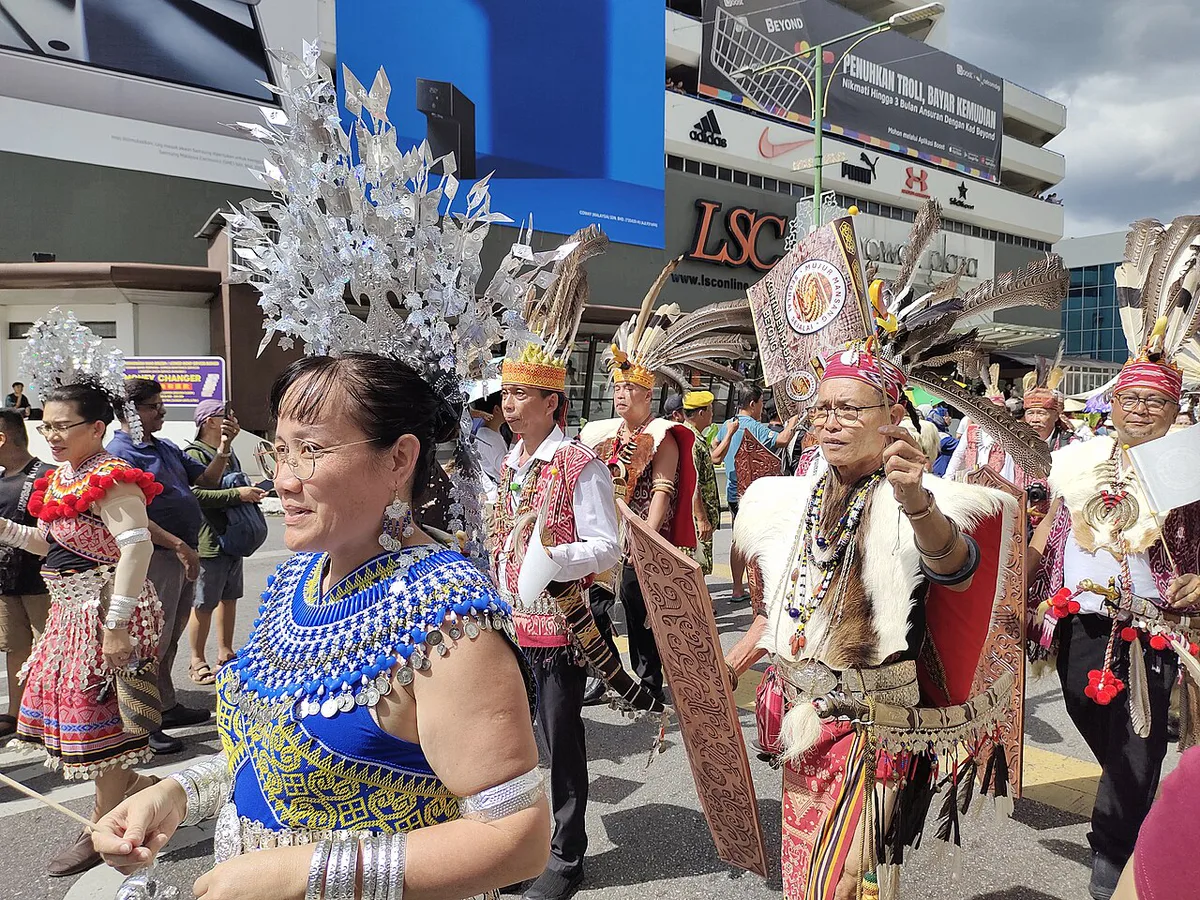
Gawai Dayak is the harvest festival of the Dayak peoples of Sarawak. It marks the end of the rice harvest and centres on thanksgiving and community bonding. Iban and Bidayuh communities are the groups most often associated with it, and Kayan families also celebrate. Hari Gawai is a common variant of the name. In Sarawak it is a state holiday on 1–2 June, and offices, schools and most businesses close on both days. Treat it as a living cultural and religious observance rather than a performance staged for visitors. Searches for the gawai festival usually come from travelers asking whether they can attend. Short answer: yes, in specific ways, and the sections below explain them.
When Is the Gawai Festival? Dates for 2026–2028
Each year the festival is fixed on 1 June, and the holiday runs 1–2 June. Celebrations start on the evening of 31 May. Dates for 2026 have already passed, so the next occurrence is 1–2 June 2027. In 2027, 1 June is a Tuesday and 2 June is a Wednesday. Observance can shift in years when the date lands on a weekend, so confirm with the official Sarawak or Malaysian holiday calendar. For event listings, start with the Sarawak Tourism Board.
| Year | Dates | Weekdays | Status |
|---|---|---|---|
| 2026 | 1–2 June | Monday–Tuesday | Passed |
| 2027 | 1–2 June | Tuesday–Wednesday | Next occurrence |
| 2028 | 1–2 June | Thursday–Friday | Upcoming |
How Gawai Dayak Is Celebrated
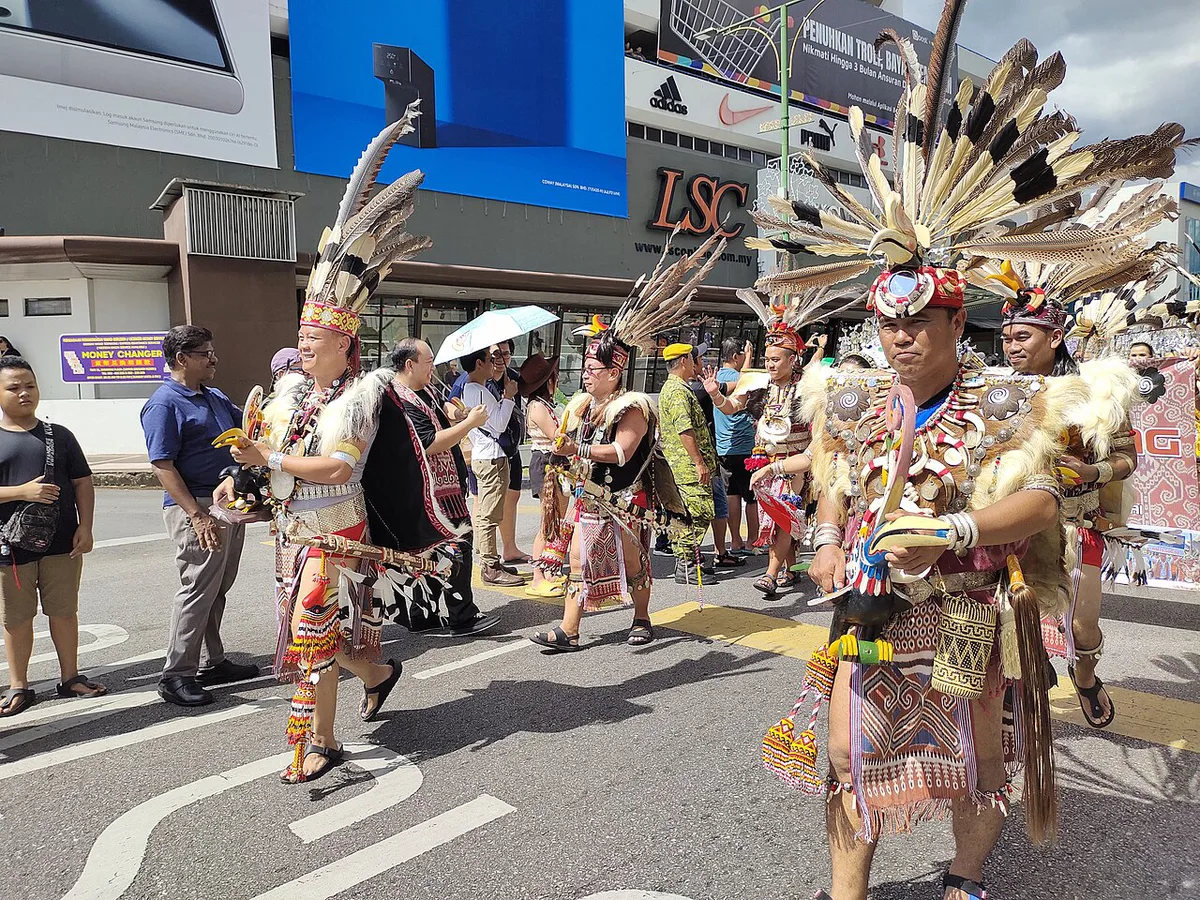
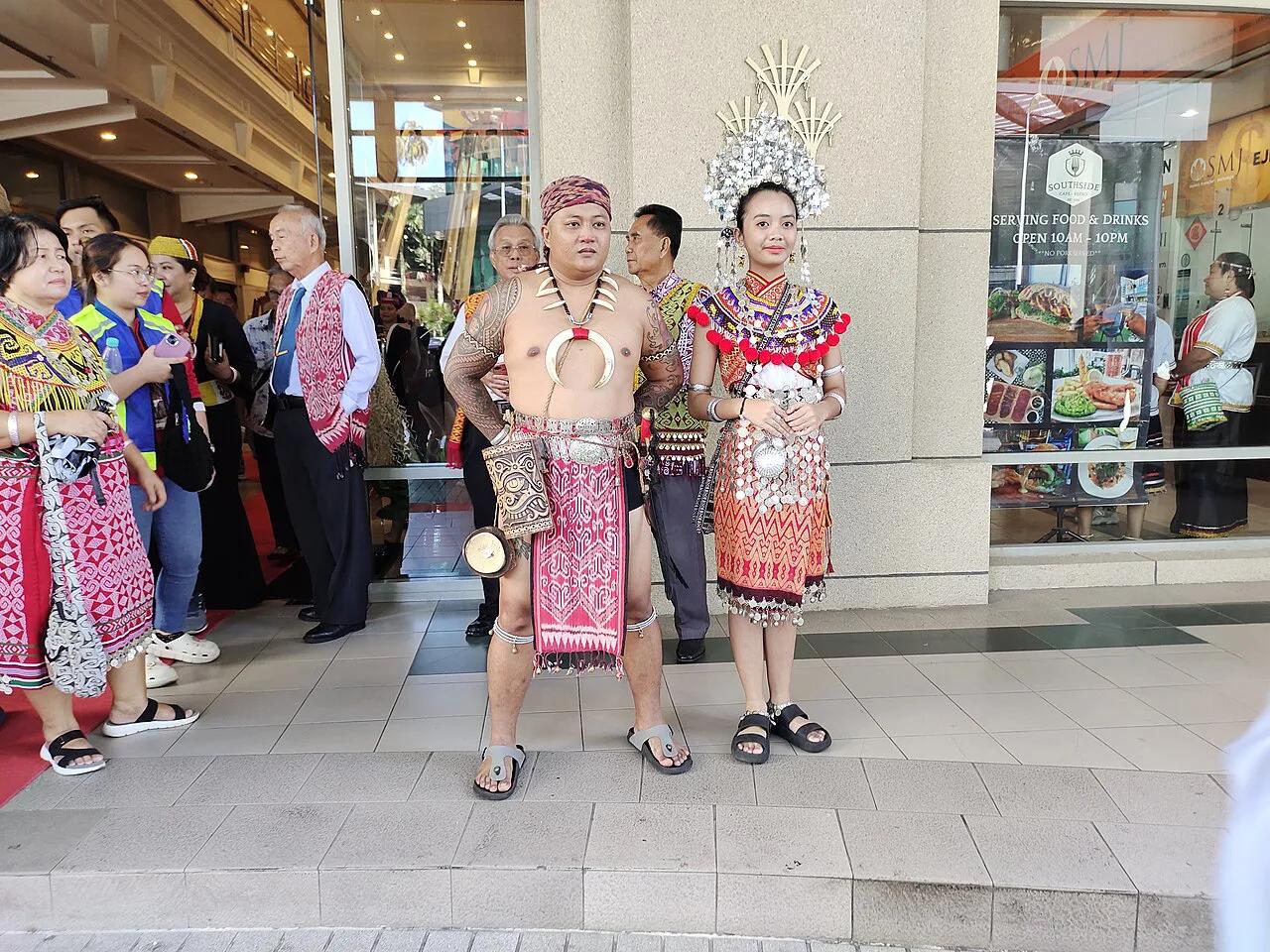
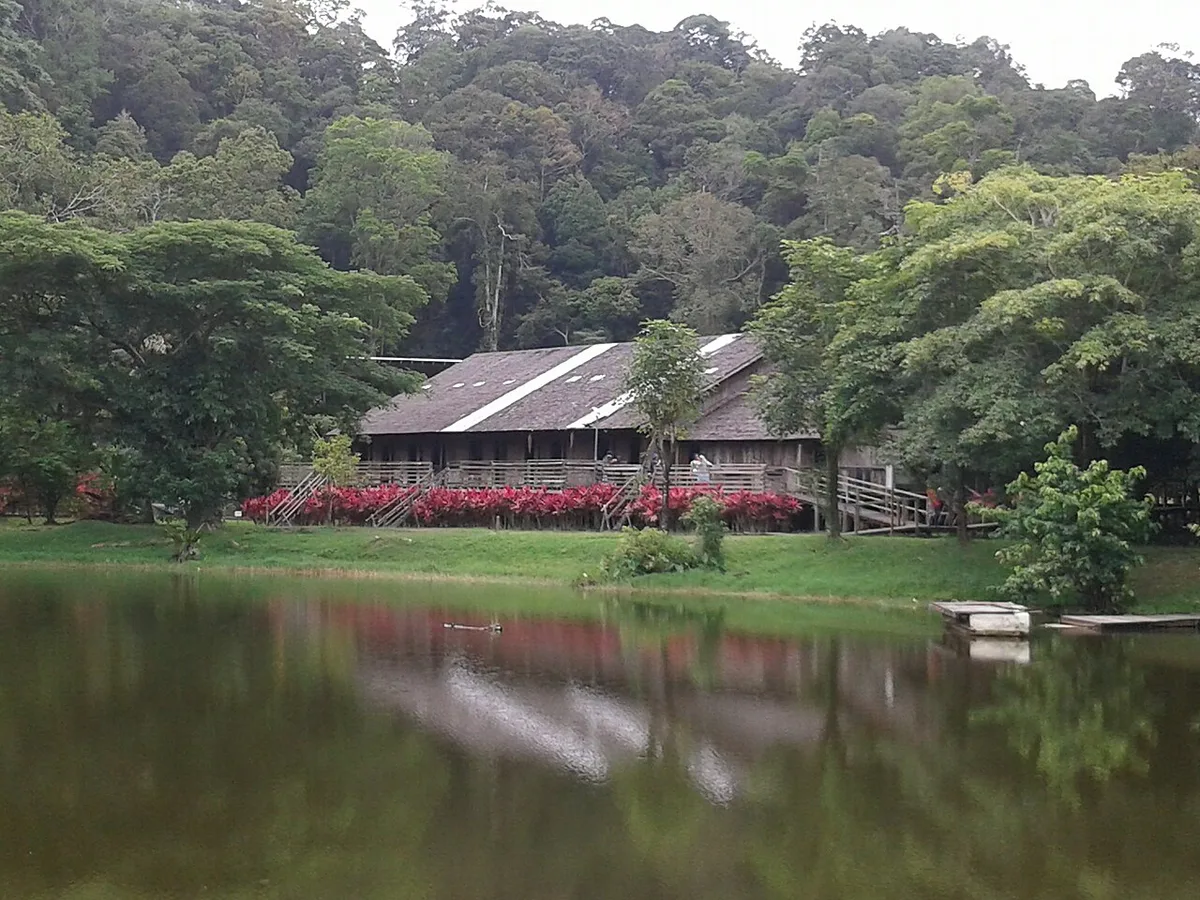
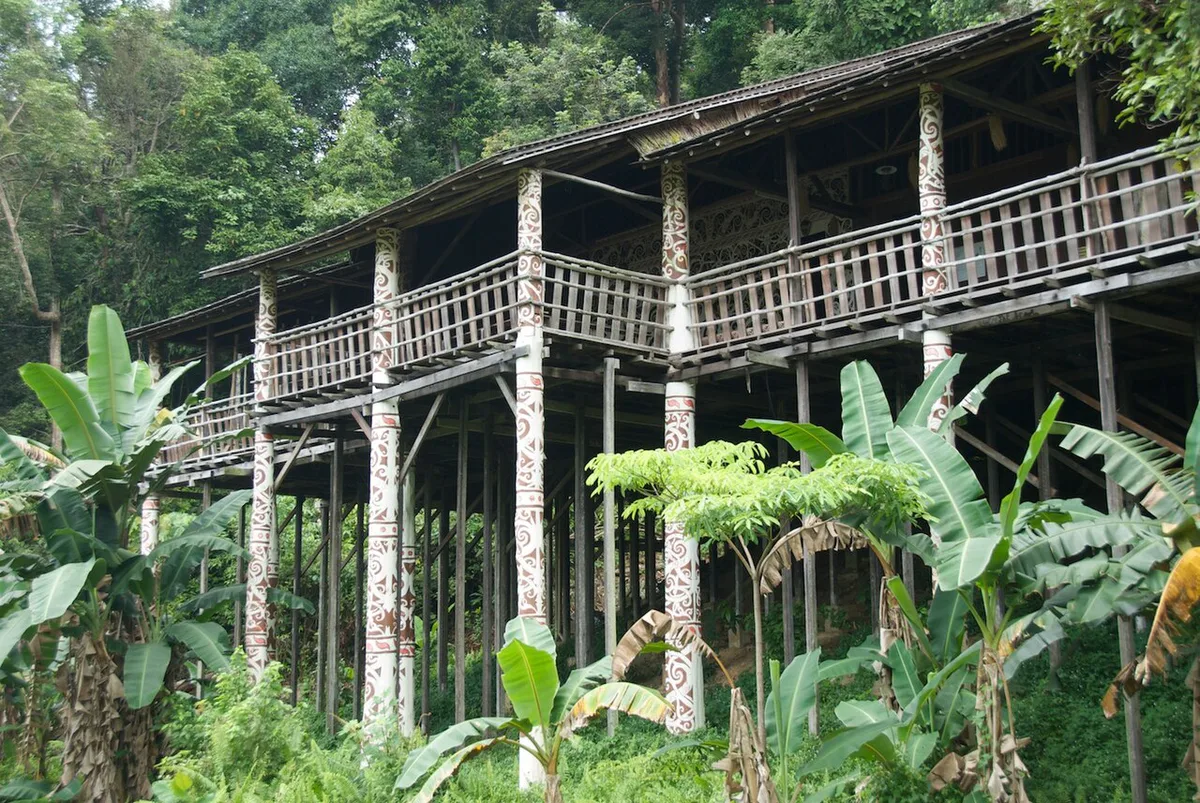
Celebrations open on the evening of 31 May in longhouses, the communal homes where many Dayak families gather. Families prepare food and drink, including tuak, to welcome guests. At midnight, a miring ceremony offers thanks for the harvest through prayers, chants and symbolic offerings. Treat miring as a family and spiritual moment, not a photo stop. On 1 June, festivities continue with music, dance, games and shared meals. Ngajat, a traditional dance, is performed in traditional attire, often with gongs and other instruments. Many Dayak families return to their home villages for the holiday. Private celebrations happen in homes and longhouses, so Kuching's public side is smaller than the village side. Plan your expectations accordingly.
Can Visitors Join In? Etiquette and Invitations
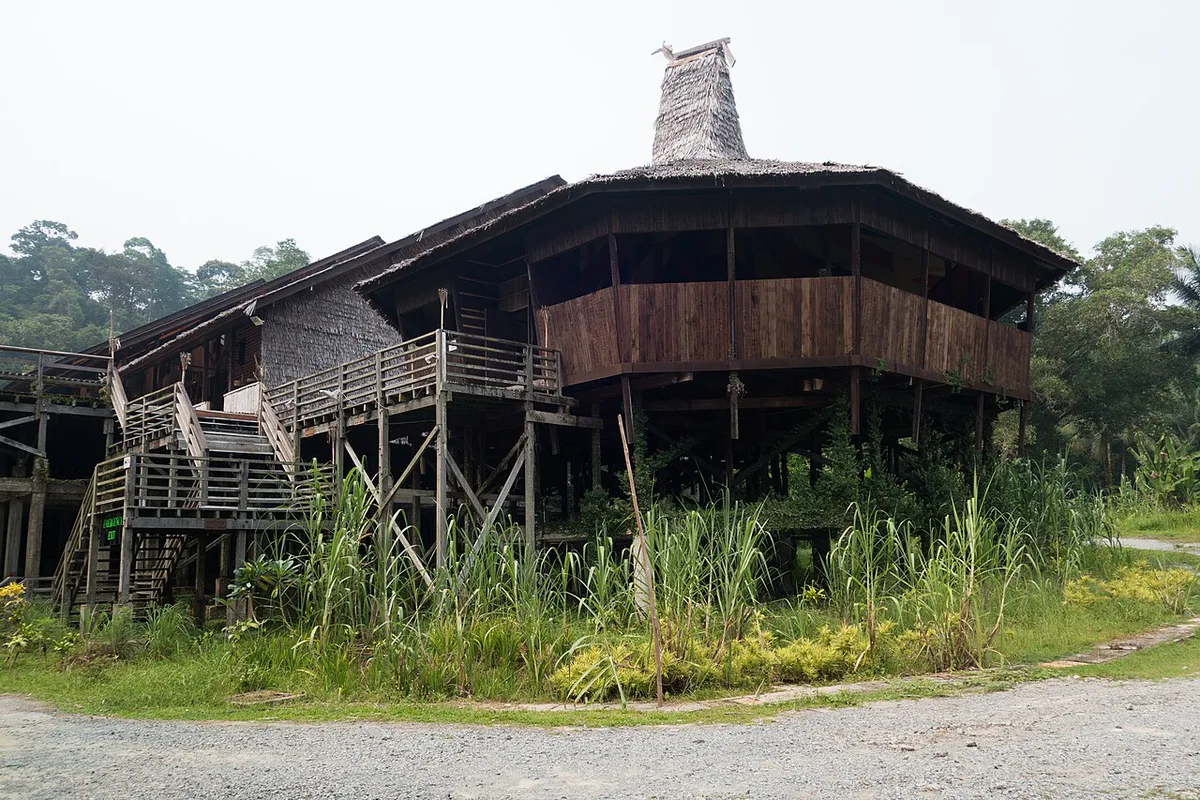
Most visitors cannot simply walk into a private longhouse. Gawai is a family occasion, and invitations come through hosts, friends or guides. Dayak associations sometimes organise open houses, and local contacts can tell you which welcome guests. Ask your hotel or tour operator in Kuching well before 31 May. Public-facing options include cultural venues and organised performances. Etiquette varies by community, so follow your host's lead. These habits are a safe starting point.
Invitations matter for private longhouse celebrations, which open the evening of 31 May, so ask your host early.
- Dress modestly in neat, covered clothing; traditional attire is for the people celebrating, not a costume for guests.
- Accept a drink graciously. A small sip honours the gesture, and you can decline further rounds politely.
- Ask before photographing people, rituals or the inside of a home.
- If invited, bring a small gift such as packaged food or sweets, and ask your host or guide what suits.
- Arrive and leave when your host indicates, and stay out of ceremonies unless asked to join.
Where to Experience Dayak Culture Near Kuching
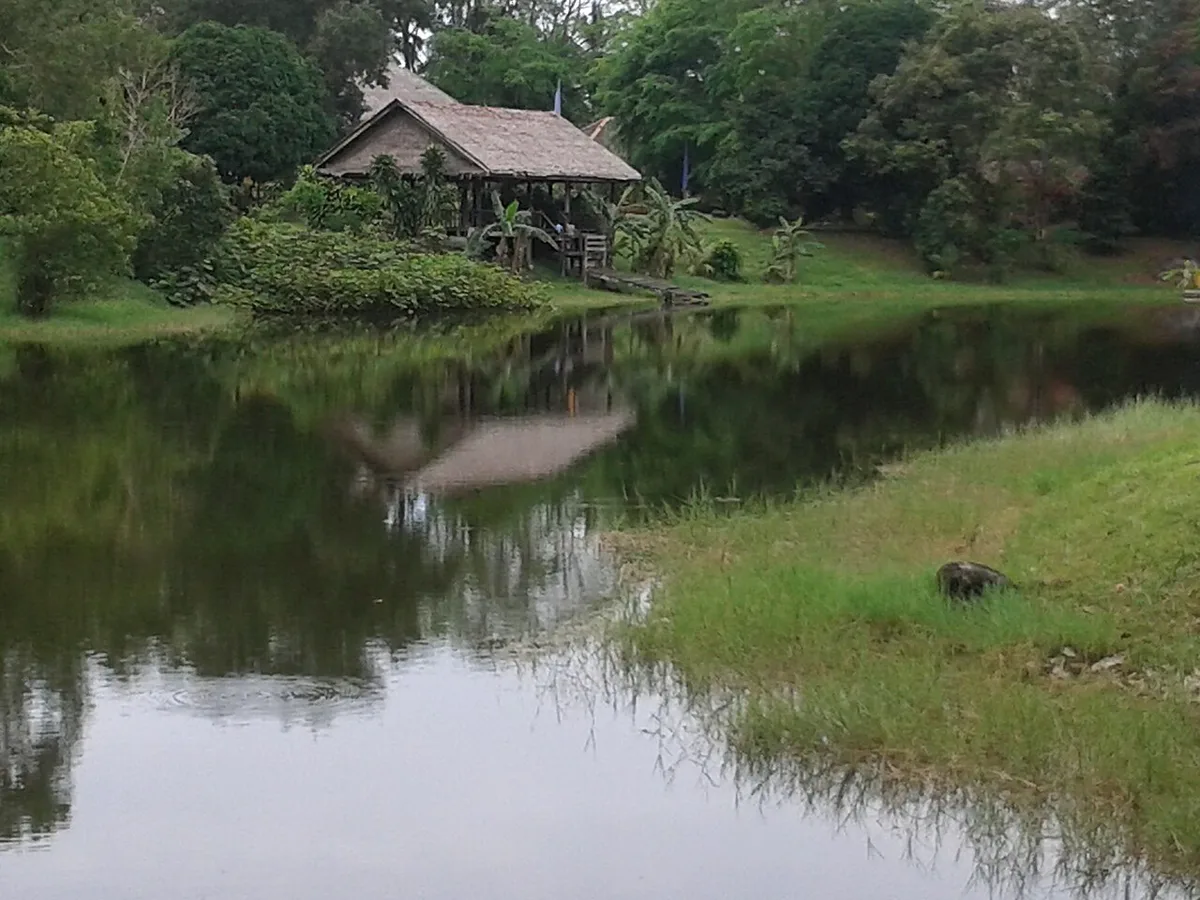
Dayak culture is reachable from Kuching all year, not only on 1 June. Tour operators commonly name Skrang River, Lemanak River, Batang Ai and Annah Rais for longhouse and village visits. Confirm each route, transfer time and homestay option with your operator, since this guide lists no distances or fares. Some areas involve river or lake travel, so an organised tour often simplifies logistics. Self-driving suits only destinations your operator confirms are road-accessible. The table compares your three realistic options.
| Option | Access to private celebrations | Crowding | Closures | Flexibility | Cost level |
|---|---|---|---|---|---|
| Attend around 1–2 June | By invitation for most visitors | Higher (assumed) | Many businesses closed | Low: fixed dates | Likely higher (assumption) |
| Visit another time for villages and cultural venues | None, but visits are arranged | Lower | Normal opening | High | Moderate |
| Visit during a different festival | Not applicable | Varies by event | Normal opening | High | Varies |
- Choose early June if you have a host or guide who can invite you.
- Choose another month if you want scheduled village visits with predictable access.
- Choose a different festival if your dates are fixed and fall outside late May.
Planning a Kuching Trip Around Gawai
Plan around the holiday, not just the festival. On 1–2 June, many shops, offices and schools close, and some attractions may keep reduced hours. Book flights and rooms early, because demand is likely higher around the holiday. That is an assumption, not a published price trend. Ask every museum or tour operator for opening hours on both days. Late May and early June is also a weather question. Read about weather conditions around 1 June before packing. For rain expectations and indoor backups, use our wet-season planning guide. If you are still choosing a month, our month-by-month planning guide compares the options. For live forecasts, see the Malaysia Meteorological Department. Cultural travelers sometimes pair Gawai with Sarawak's rainforest music festival. Its timing is set by the organisers, so check the official festival site before building a combined trip.
Next year's Gawai runs Tuesday 1 June and Wednesday 2 June 2027, so lock rooms and flights for that Tuesday–Wednesday stretch early.
Food and Drink to Look For
Pansoh is meat cooked in bamboo, and bamboo-cooked chicken is a classic festival dish. Glutinous rice, also cooked in bamboo, often sits alongside it. Tuak is the rice wine offered to guests during celebrations. Alcohol is part of hospitality, but you never have to drink. A polite thank-you is enough to decline. Non-drinkers and Muslim travelers can ask hosts for water or soft drinks. Raise any halal questions about the food with your operator or host early, since preparation differs by household.
Mistakes to Avoid
Most problems come from treating Gawai as a spectacle. Avoid these errors.
- Turning up uninvited at a longhouse.
- Photographing rituals or people without asking.
- Assuming shops, tours and attractions are open on 1–2 June.
- Treating the festival as a costume party.
- Leaving flights and rooms until the final weeks.
Frequently Asked Questions
Who celebrates Gawai?
Dayak communities in Sarawak celebrate it, mainly Iban and Bidayuh, with Kayan and other groups also marking the day. Visitors from other communities are welcomed through invitations and organised events.
What is the harvest festival, and why is it celebrated?
Gawai Dayak marks the end of the rice harvest. Families give thanks, ask for blessings in the coming year and strengthen community ties.
Useful notes for your Southeast Asia trip
Optional updates to our guides.
You might also like
Continue reading
More guides you'll find useful