Kuching Rainy Season: What to Expect and How to Plan
When is Kuching's rainy season, how wet does it get, and is it worth visiting? Month-by-month rain data, wet-day plans and packing tips.
On this page
Last updated November 2026. The Kuching rainy season is the northeast monsoon, which runs roughly from November to February or March. Rain falls here in every month, so the real choice is how much rain risk you accept. This guide covers the numbers, what the wet months feel like and how to adjust a trip.
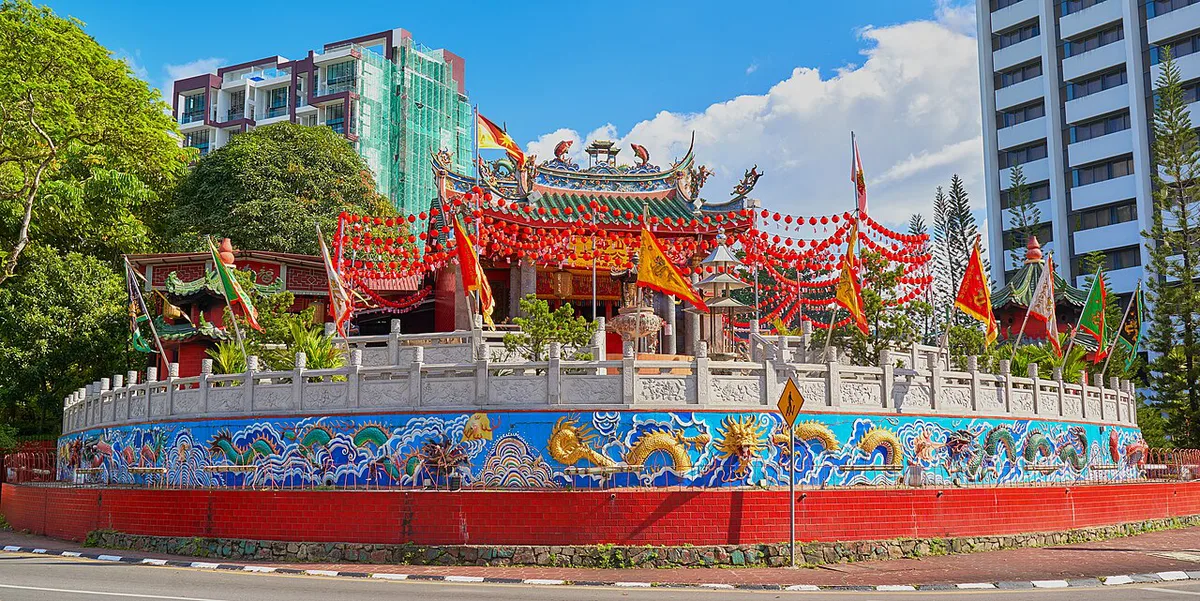
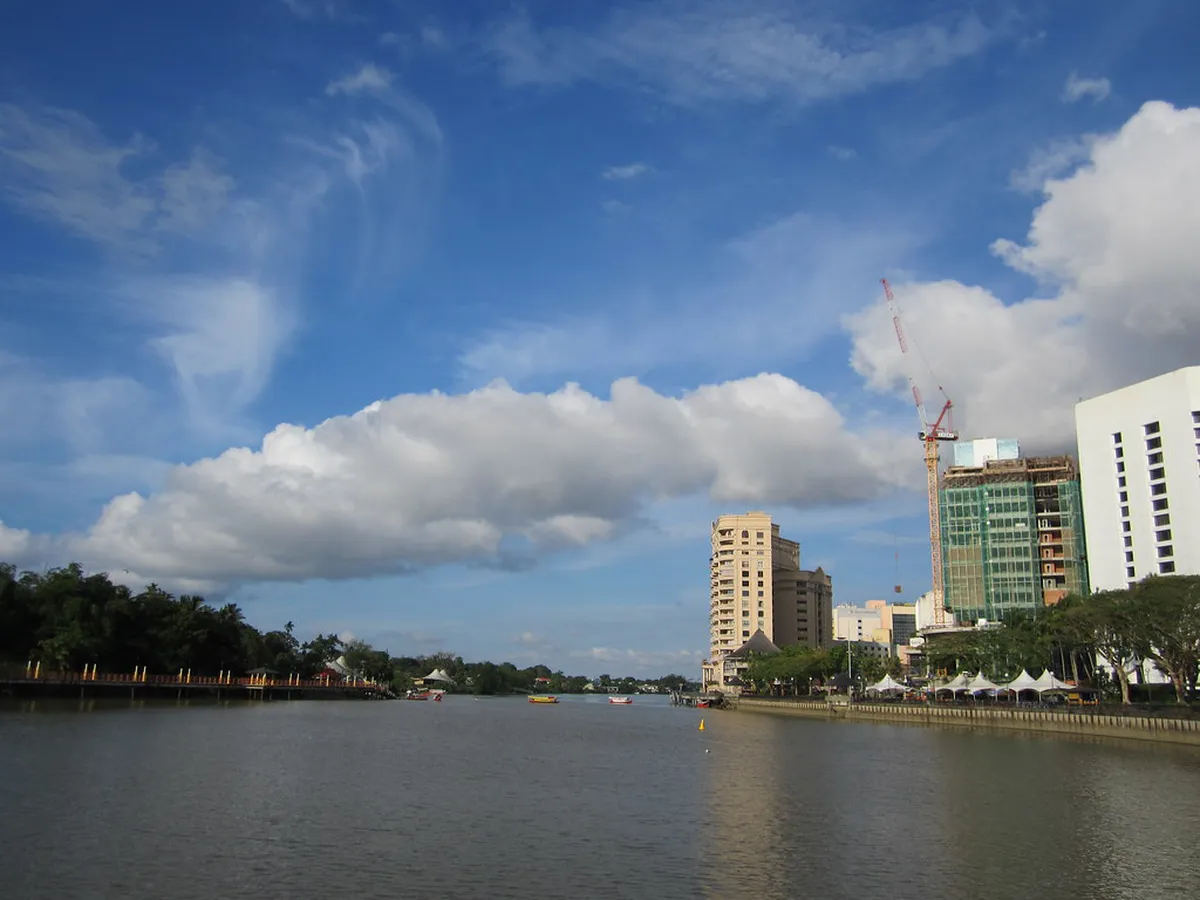
Featured image: Damian Pankowiec, CC BY-SA 4.0, via Wikimedia Commons.
Quick answer: when is the Kuching rainy season?
Kuching has a tropical rainforest climate with no true dry season. The wettest stretch is roughly November to February, and December and January are usually the peak. Treat those as typical months, not exact dates. The Malaysian Meteorological Department publishes the official outlook for the monsoon window.
Our verdict is go, but adjust. Wet months suit travellers who can shift plans around a downpour. They suit tight, fixed itineraries less well. For the full year-round verdict, read our Best Time to Visit Kuching: Month-by-Month Guide guide. This page stays on rain.
Month-by-month rainfall and rain days
Figures below are approximate averages from third-party climate data, rounded. Individual days vary a lot, so use them as a risk gradient. A rain day means 1 mm or more. Prices and conditions were checked November 2026. For temperature and sunshine beyond rain, see our Kuching weather overview.
Humidity stays roughly 80–90% all year and is highest from December to February. Temperature barely moves. Daily means sit around 28°C (82°F) to 30°C (86°F), and nights hold near 24°C (75°F). Rain does not cool the city much.
| Month | Avg rainfall | Rain days | Rain risk |
|---|---|---|---|
| Oct | ~120 mm | ~18.5 | High |
| Nov | ~136 mm | ~17 | High |
| Dec | ~193 mm | ~18 | Highest |
| Jan | ~188 mm | ~17 | Highest |
| Feb | ~151 mm | ~16 | High |
| Mar | ~103 mm | ~16 | Moderate |
| Jun–Aug | ~65–76 mm | ~11 | Lowest |
What the wet months are actually like
Typically you get heavy showers that pass, with dry gaps between them. All-day grey drizzle also happens. Neither pattern is guaranteed, and a morning forecast can fail by afternoon. With 17 or more rain days a month in December and January, expect to get wet at least briefly on most days.
Heavy rain can flood low roads and slow river conditions. Local authorities and news report such events, so check conditions on the day rather than assuming. Heat stays near 30°C (86°F) even under cloud, so humidity matters more than cold. Dry June to August months are the sunniest, with August the driest.
Is it worth visiting in the rainy season?
Use this guide by traveller type.
- Go if you are flexible, want fewer crowds, or plan mostly city and cultural days.
- Adjust if you are a first-timer: put outdoor sights in the morning and indoor stops after midday.
- Adjust if you travel with children: keep one covered backup for each day.
- Skip or shift to June–August if you need trail or boat days to run on exact schedules.
- Wildlife and nature fans can still go, with buffer days for cancelled trips.
- Festival-goers should read the festival details below before choosing dates.
Rainy-day things to do in Kuching
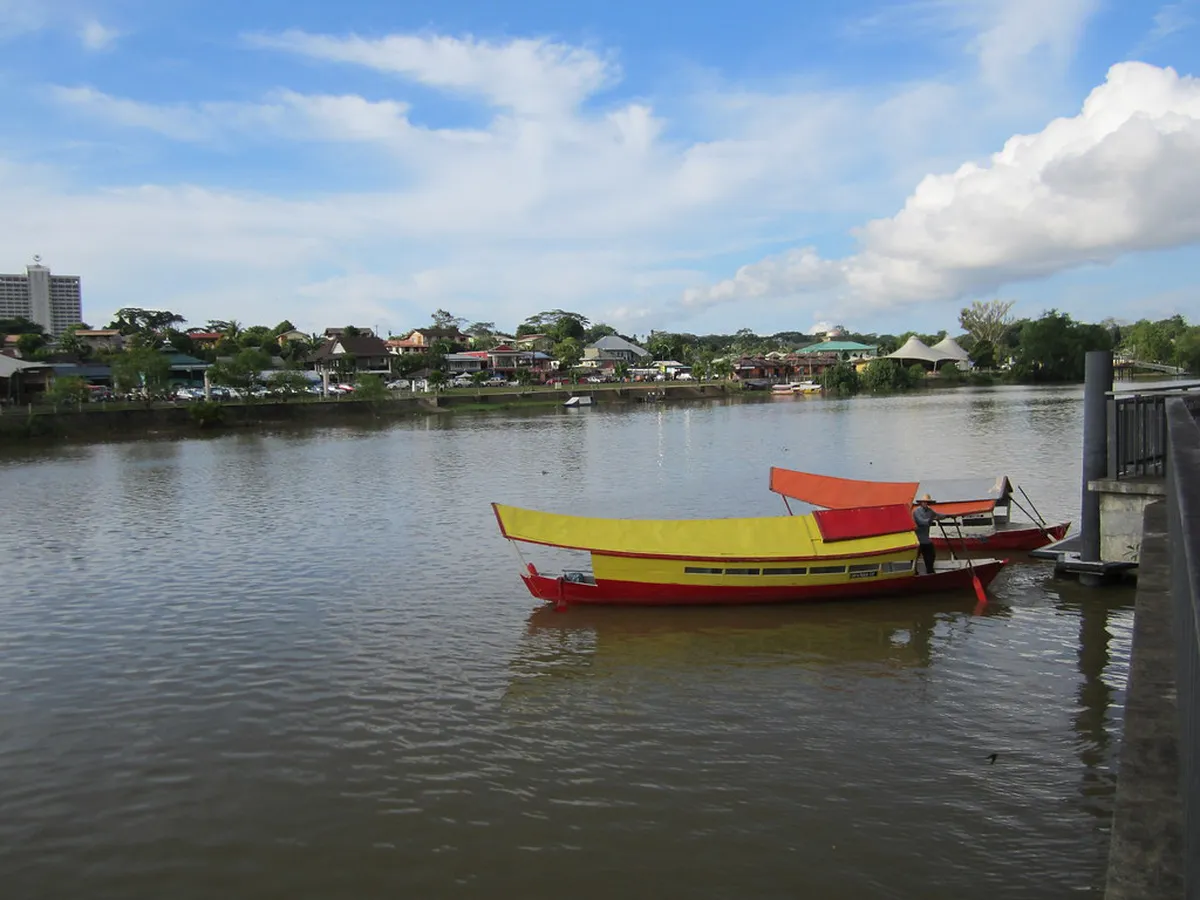
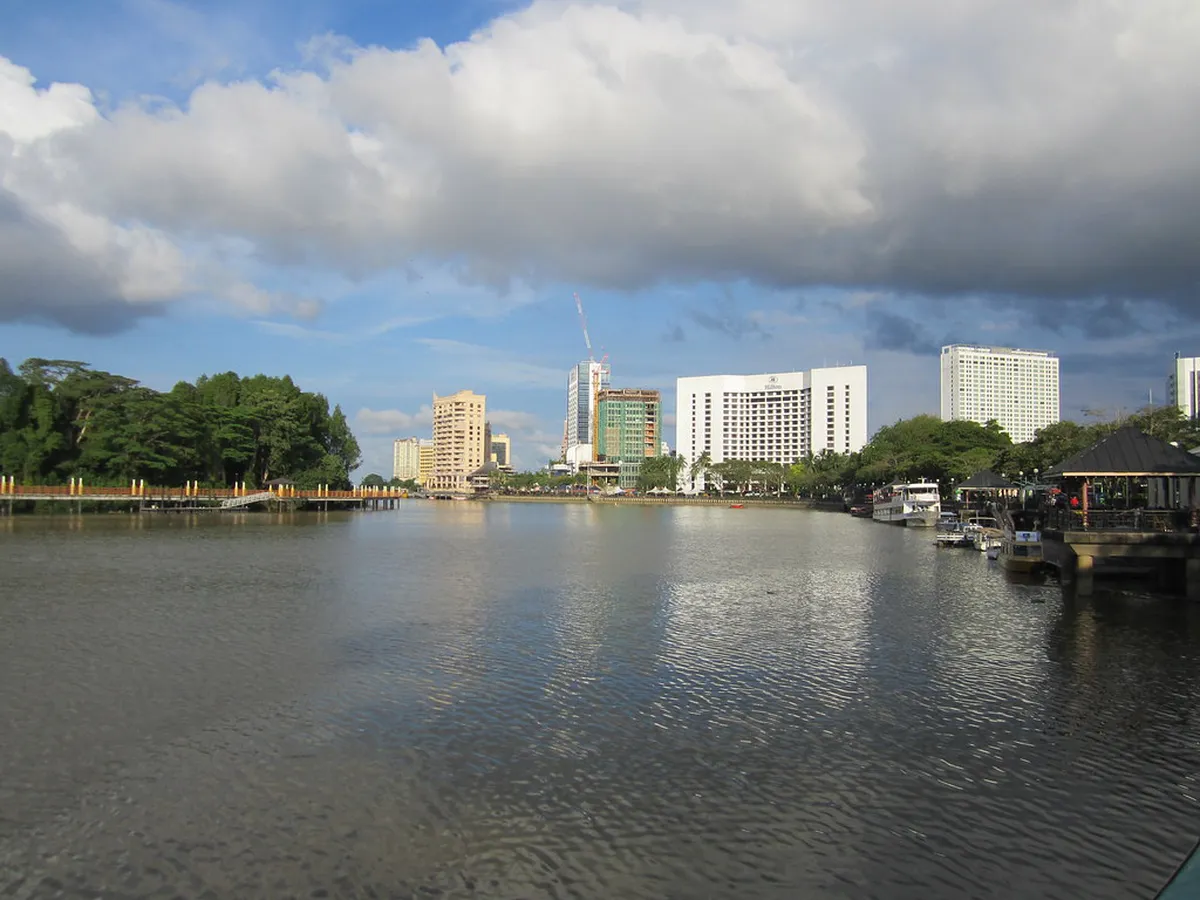
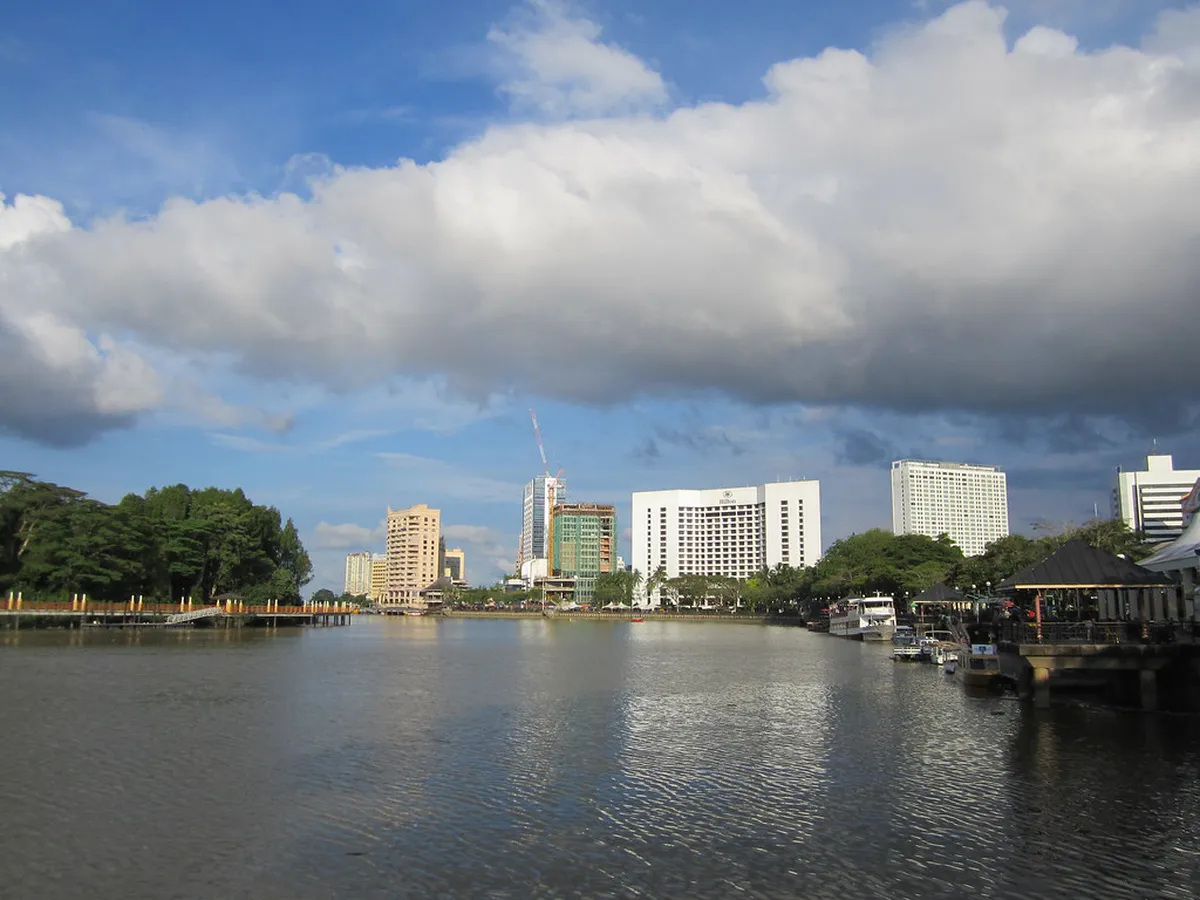
Walk the old waterfront in short covered stretches. Main Bazaar fronts the Sarawak River, and Fort Margherita lies across the river from it. A self-guided heritage route through old Kuching that includes Main Bazaar takes roughly 2 hours, so split it around showers.
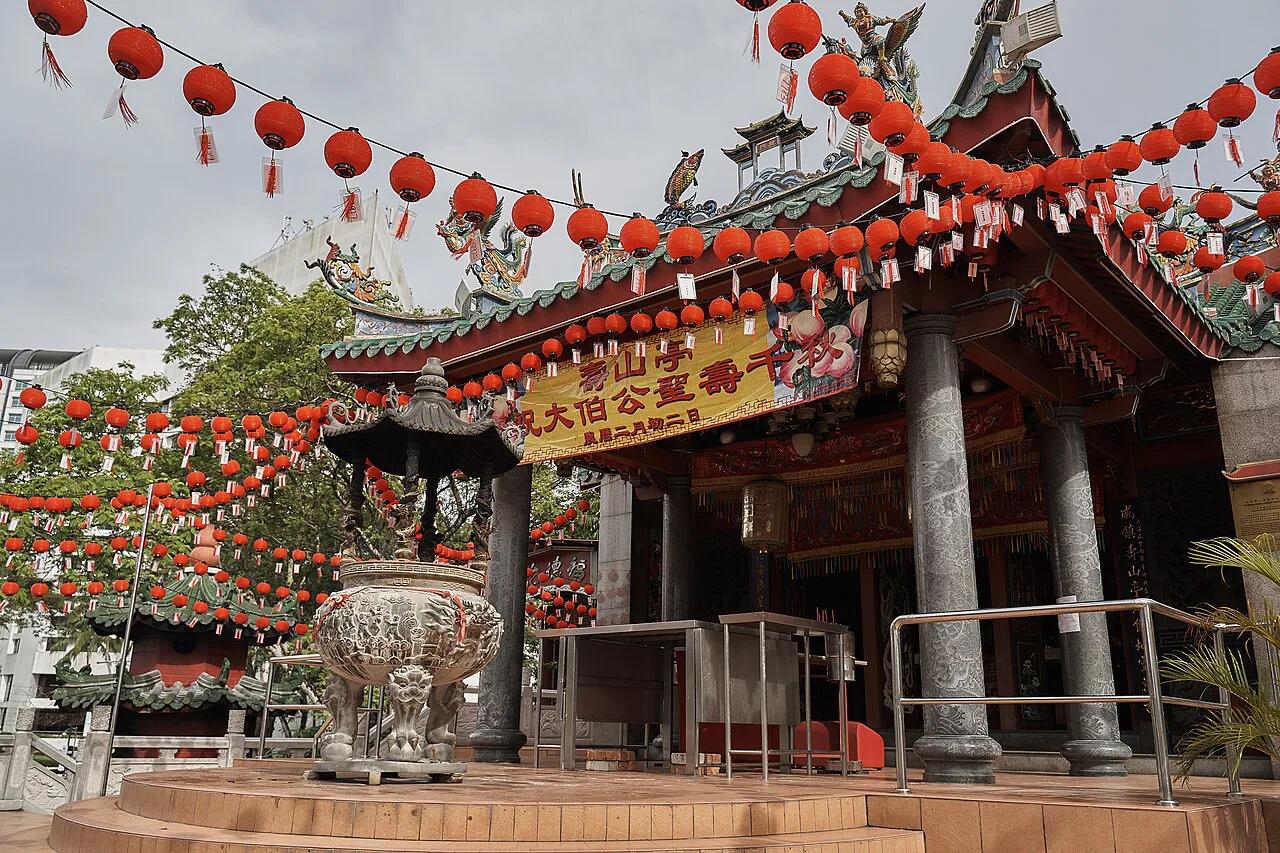
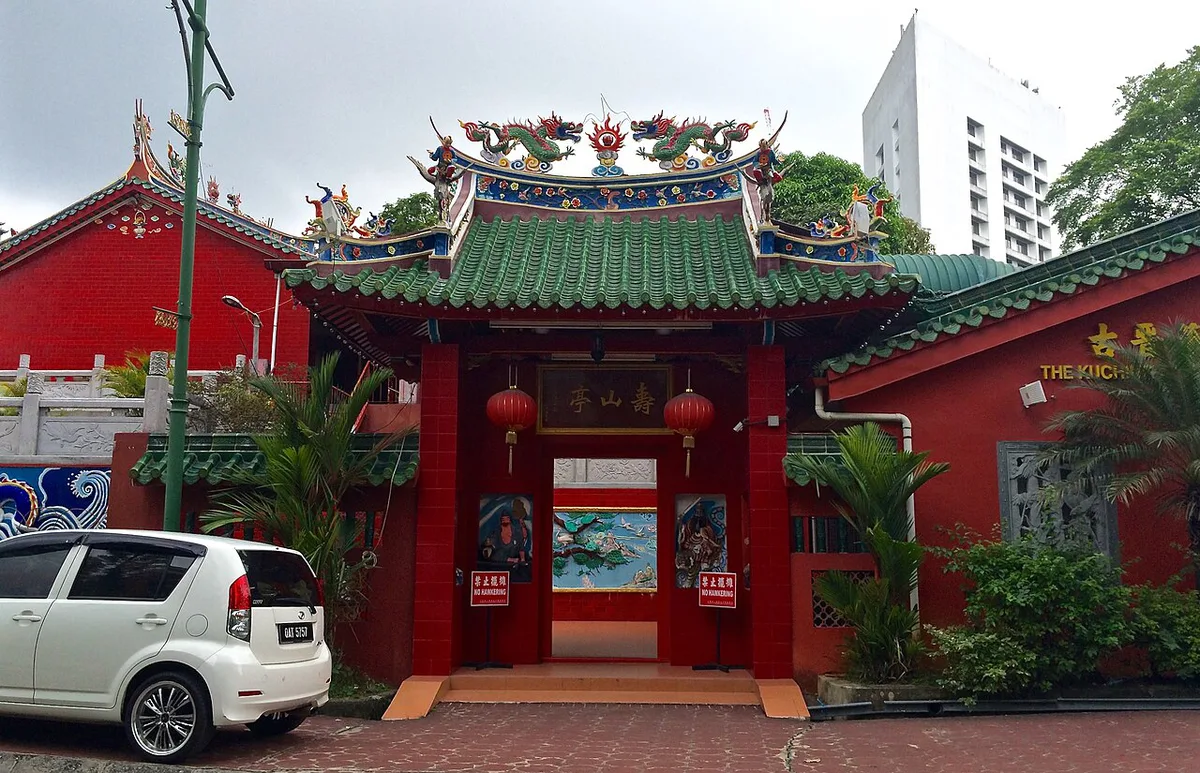
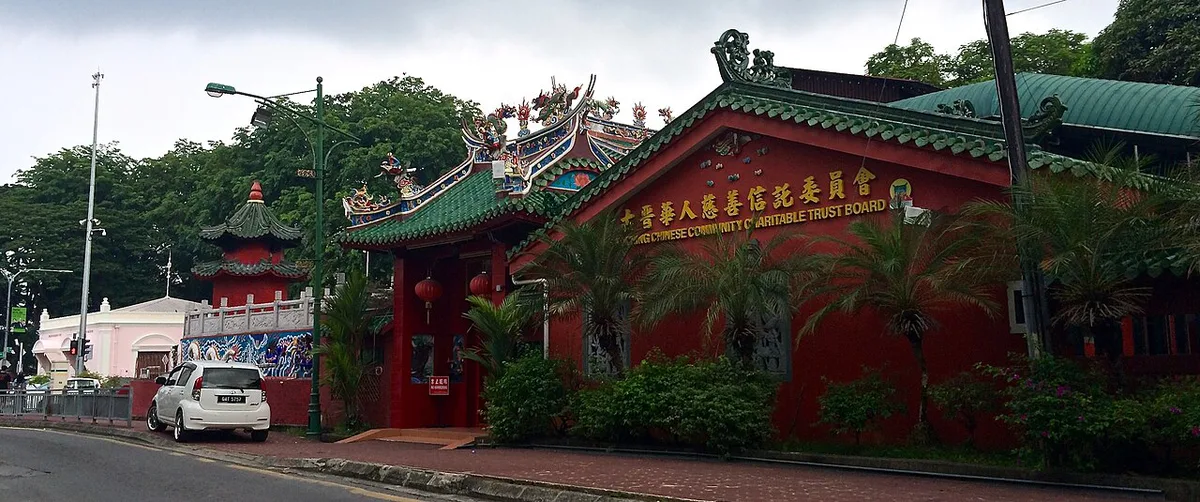
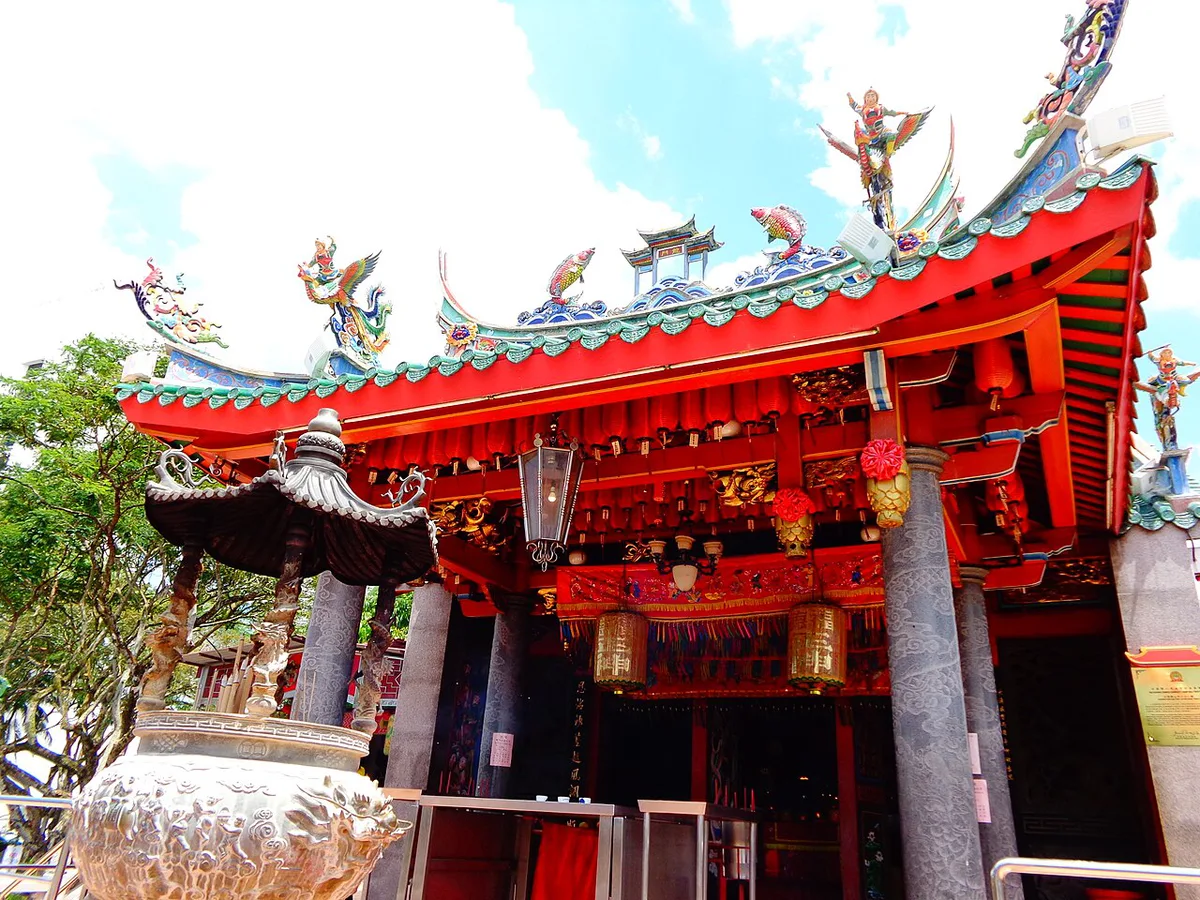
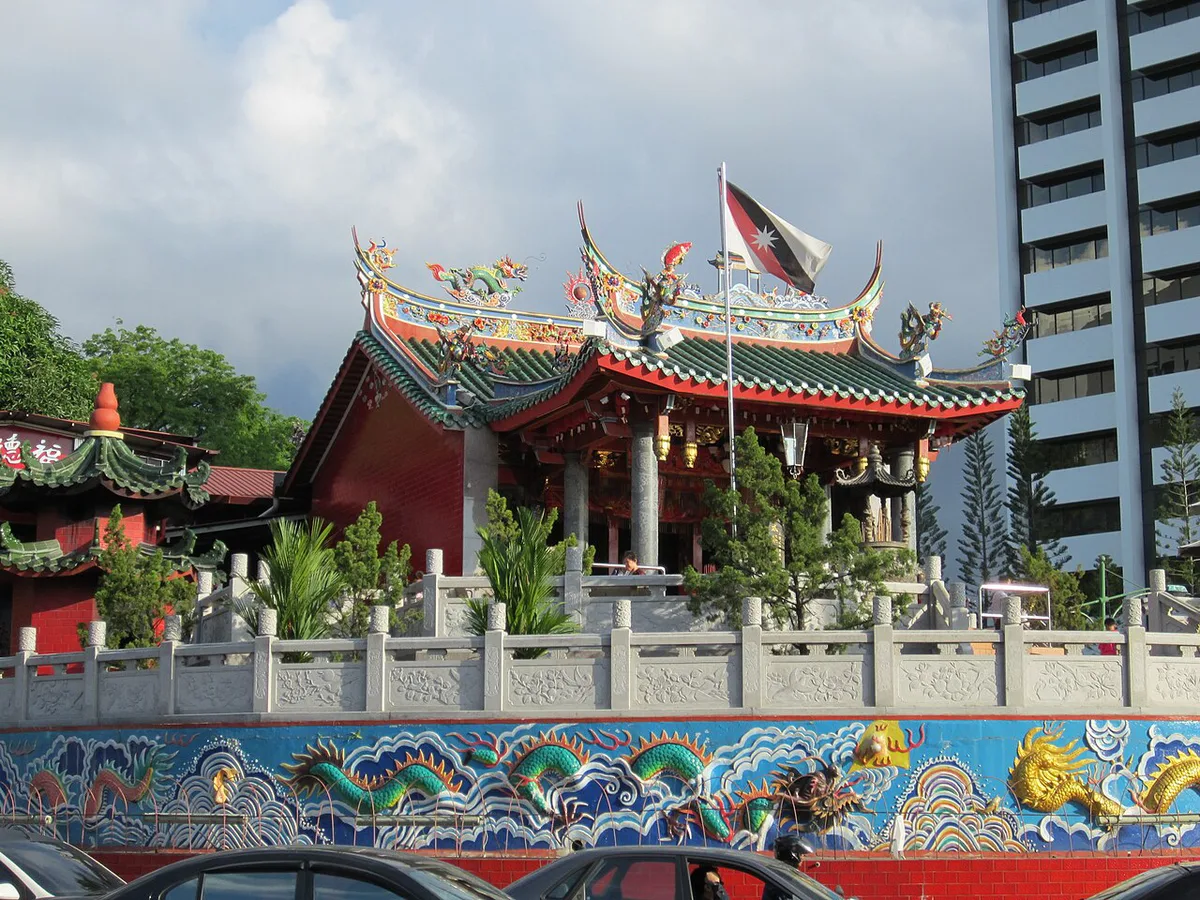
Tua Pek Kong Temple runs 8:00 AM to 5:00 PM daily, which makes it a fallback when a morning forecast fails by afternoon.
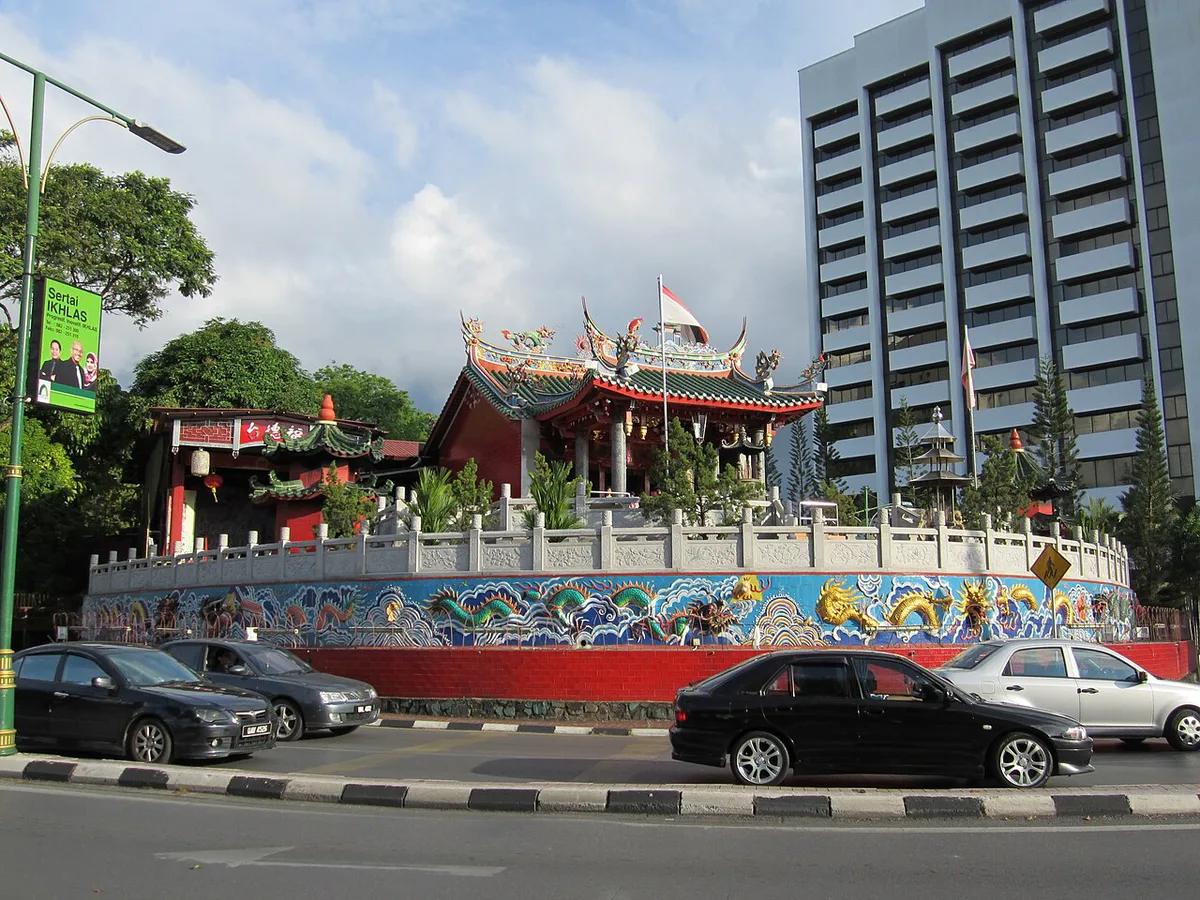
Tua Pek Kong Temple is open 8:00 AM to 5:00 PM daily. It sits right next to the Miri Fish Market and is easy to reach from the city centre. Move river views and open-air walking to the first dry window, and save shop and temple stops for downpours.
Nature, day trips and river logistics in heavy rain
Heavy rain can delay boat transfers and make boardwalks and trails slippery. Leeches are more active on wet jungle paths. Ask your operator for their wet-weather policy before paying. Check current notices from the Sarawak Tourism Board and the park authority for access updates.
Keep one spare day in a 3-day plan. Avoid same-day transfers that leave no room for a delay.
Costs, crowds and booking in the wetter months
Wet months usually mean thinner crowds and more room to negotiate. Use a simple comparison. If a room you like costs RM200 a night in a dry month, ask what the rate is for December or January. Treat that RM200 as an example, not a published rate.
Book flexible cancellation terms where possible. Ask whether tours run in heavy rain and whether you get a refund or a rebooking.
Festivals and the rainy season
Check dates before building a trip around a festival. Our Rainforest World Music Festival Guide: Dates, Tickets & Tips page covers that event in detail. Its organisers publish dates on the official festival site. For harvest celebrations, see our Gawai Festival in Kuching: Dates, Customs & Visitor Tips guide. Match each event's dates against the rain table above.
What to pack and how to stay safe
Pack a light rain jacket, quick-dry clothing and grippy shoes. Use a drybag for phones and cameras, because humidity near 90% also dampens gear. On trails, wear long socks against leeches and watch every wet boardwalk step. Bring insect repellent for evenings.
- Mistake: packing rain gear but no drybag for electronics.
- Mistake: booking tight same-day nature transfers.
- Mistake: trusting a morning forecast all day.
- Mistake: wearing smooth-soled sandals on boardwalks.
- Mistake: leaving damp clothes sealed in a bag overnight.
Rainy-season itinerary adjustments
Use this flexible 3-day structure and swap blocks as showers arrive.
Day 1's dry window has to fit the heritage route, which takes roughly 2 hours, leaving any downpour time for the indoor stops.
| Day | Dry window | If it pours |
|---|---|---|
| Day 1 | Main Bazaar and waterfront walk | Tua Pek Kong Temple and indoor stops |
| Day 2 | Nature or river trip | Move to Day 3 and keep city time |
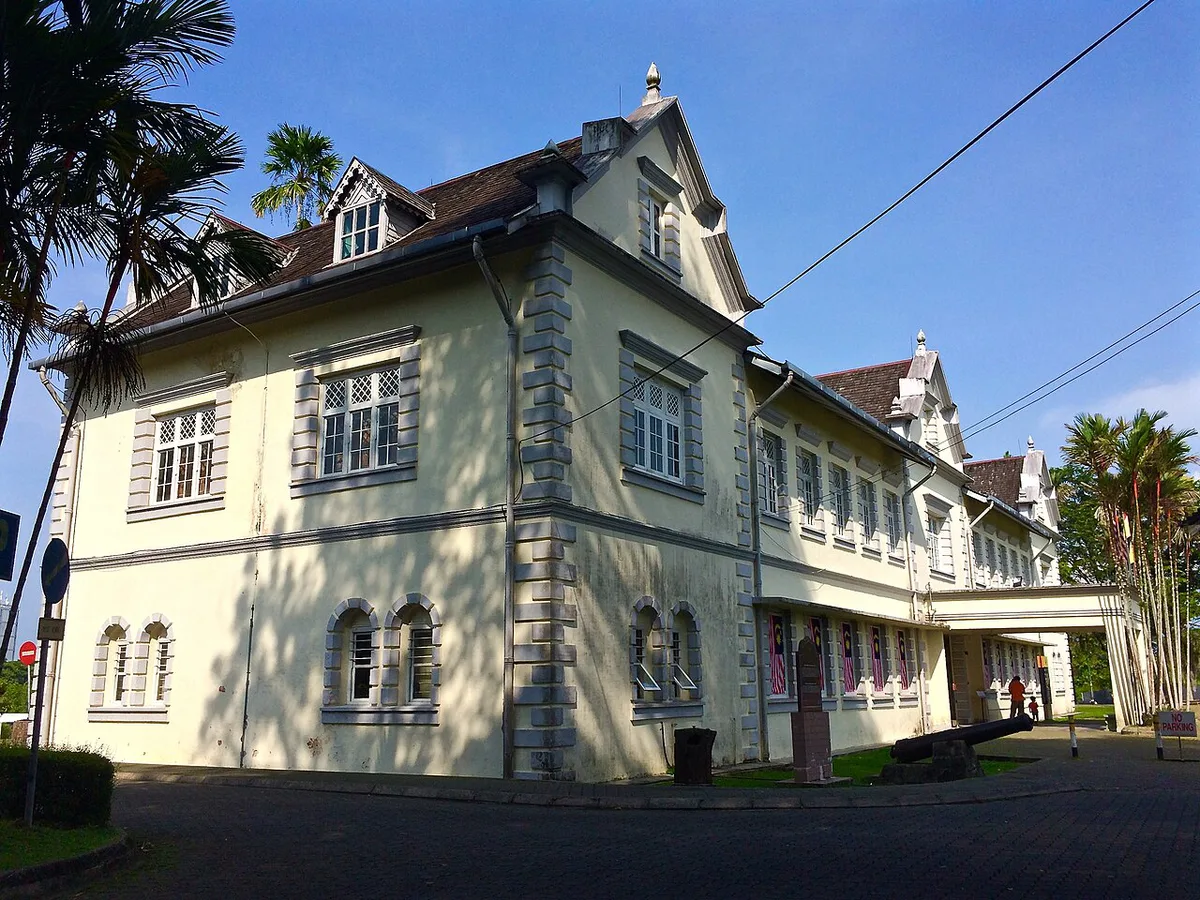
| Day 3 | Buffer day for the delayed trip | Slow city day, museums and cafés |
Useful notes for your Southeast Asia trip
Optional updates to our guides.
You might also like
Continue reading
More guides you'll find useful