Best Time to Visit Kuching: Month-by-Month Guide
When to visit Kuching for dry weather, wildlife, festivals and fewer crowds. Month-by-month rain, events and trade-offs for Sarawak's capital.
On this page
Last updated November 2026: the best time to visit Kuching is March to October, with June and July the driest stretch. November to February brings the northeast monsoon, so plan for heavy showers and a looser schedule. Wet months are still workable in town, and our guide shows which months suit wildlife, festivals, budgets and city walking.
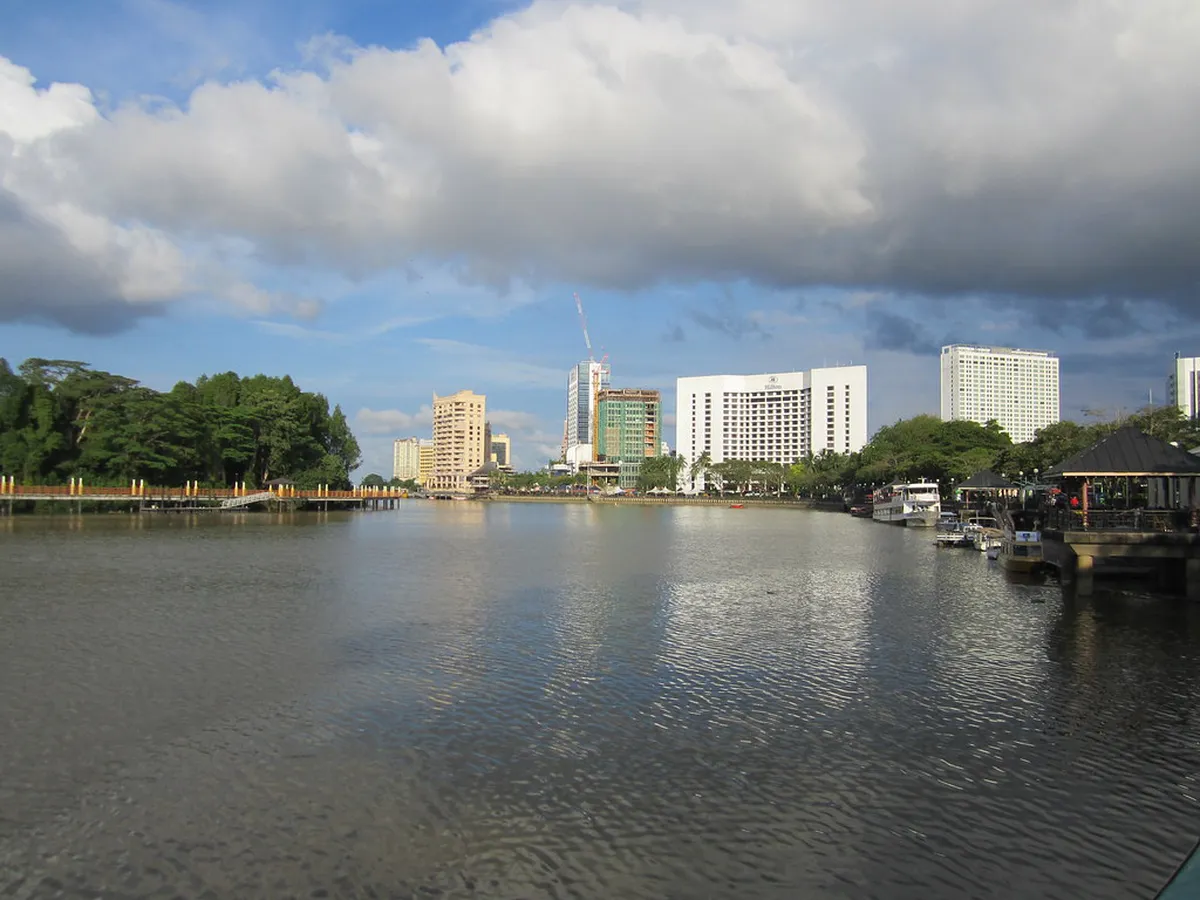
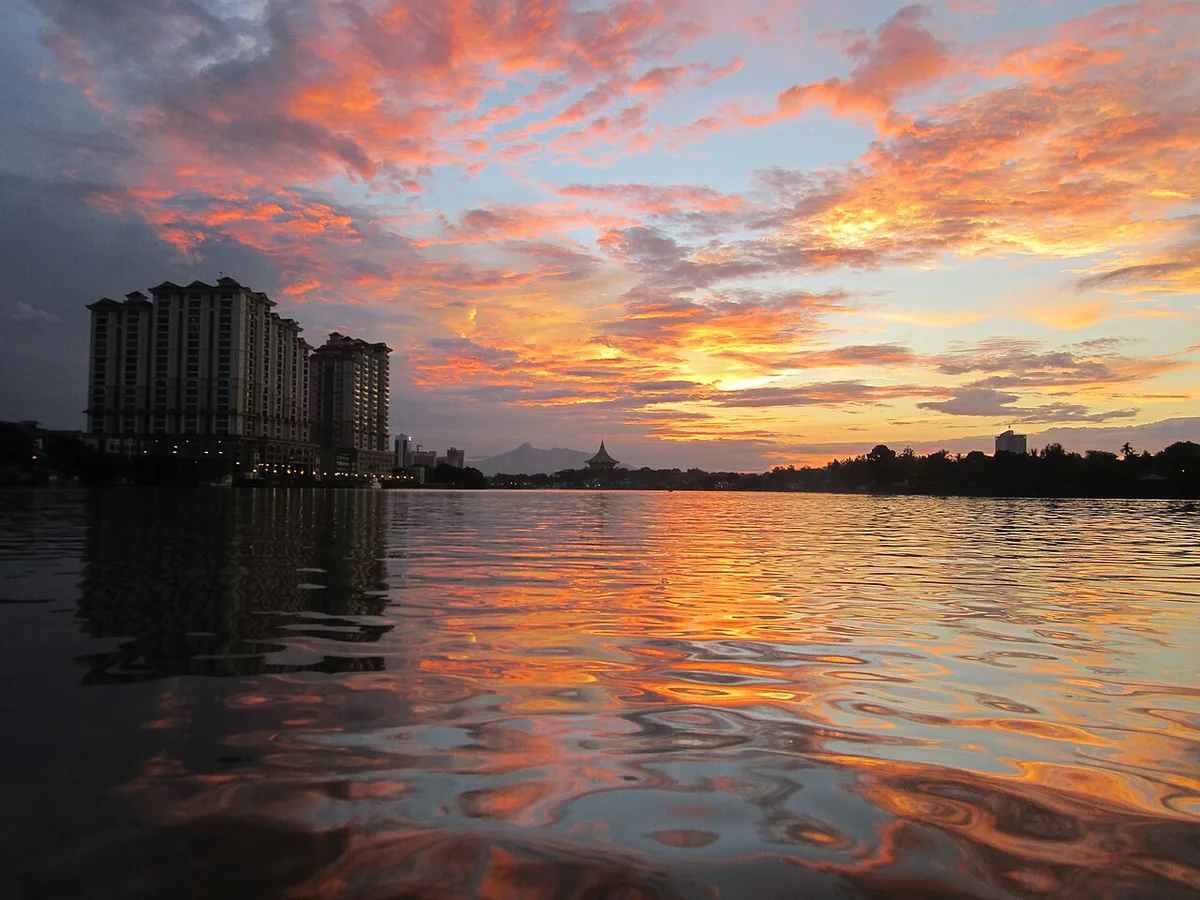
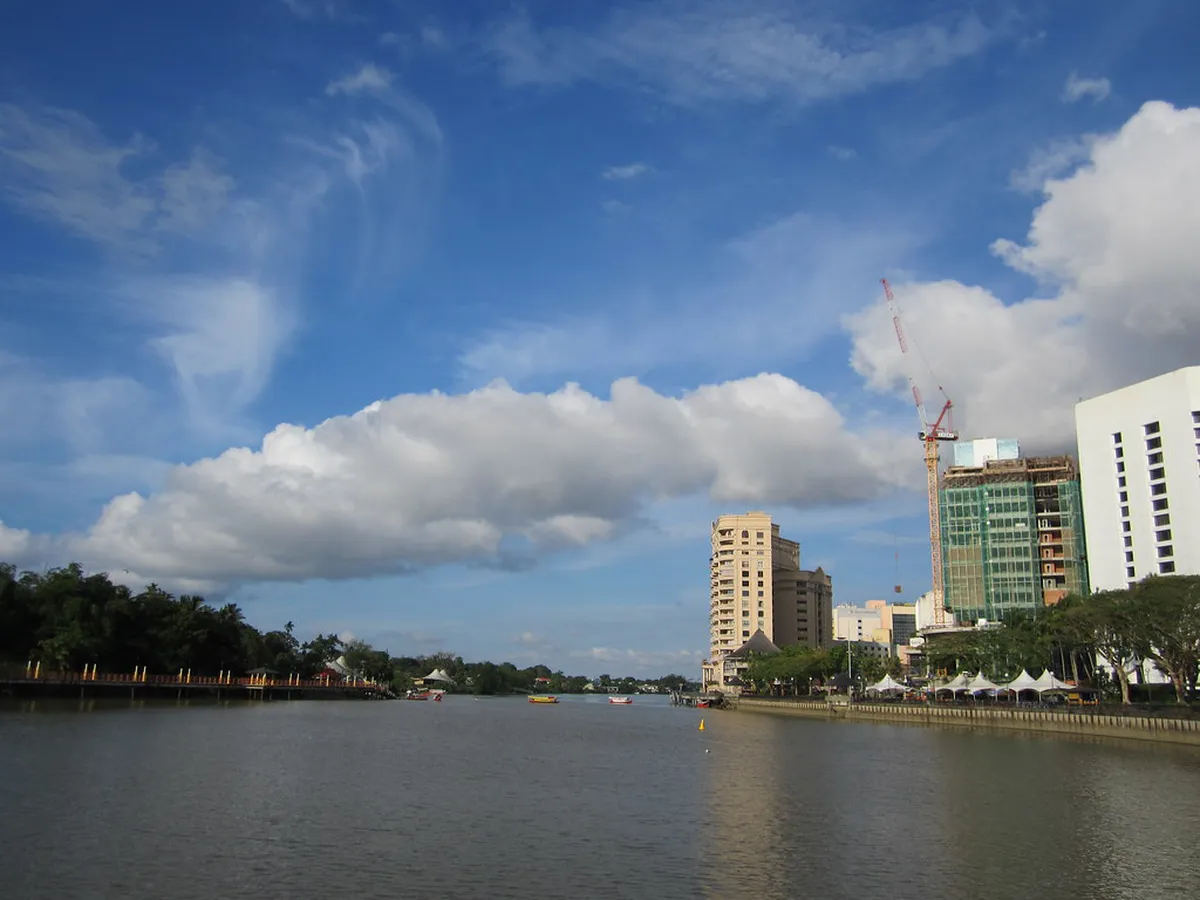
Featured image: Marufish, CC BY-SA 2.0, via Flickr.
Best Time to Visit Kuching at a Glance
Aim for March to October if you want the best odds of dry days. June and July sit at the driest end, and July is also the busiest month. May and September work well as shoulder months, with fewer visitors and still-reasonable weather. Treat December and January with caution, since January is typically the wettest month in Sarawak. For depth on those months, see our guide to Kuching's wet months. Rain in Kuching is a planning variable, not a dealbreaker. Museums, waterfront food stalls and the heritage trail all work in a downpour. Boat trips and upriver journeys are the parts that suffer.
- Driest and sunniest: June and July
- Best balance of weather and quiet: May and September
- Festivals: late May to June for Gawai, July for the music festival
- Cheapest and quietest: November to February, with more rain
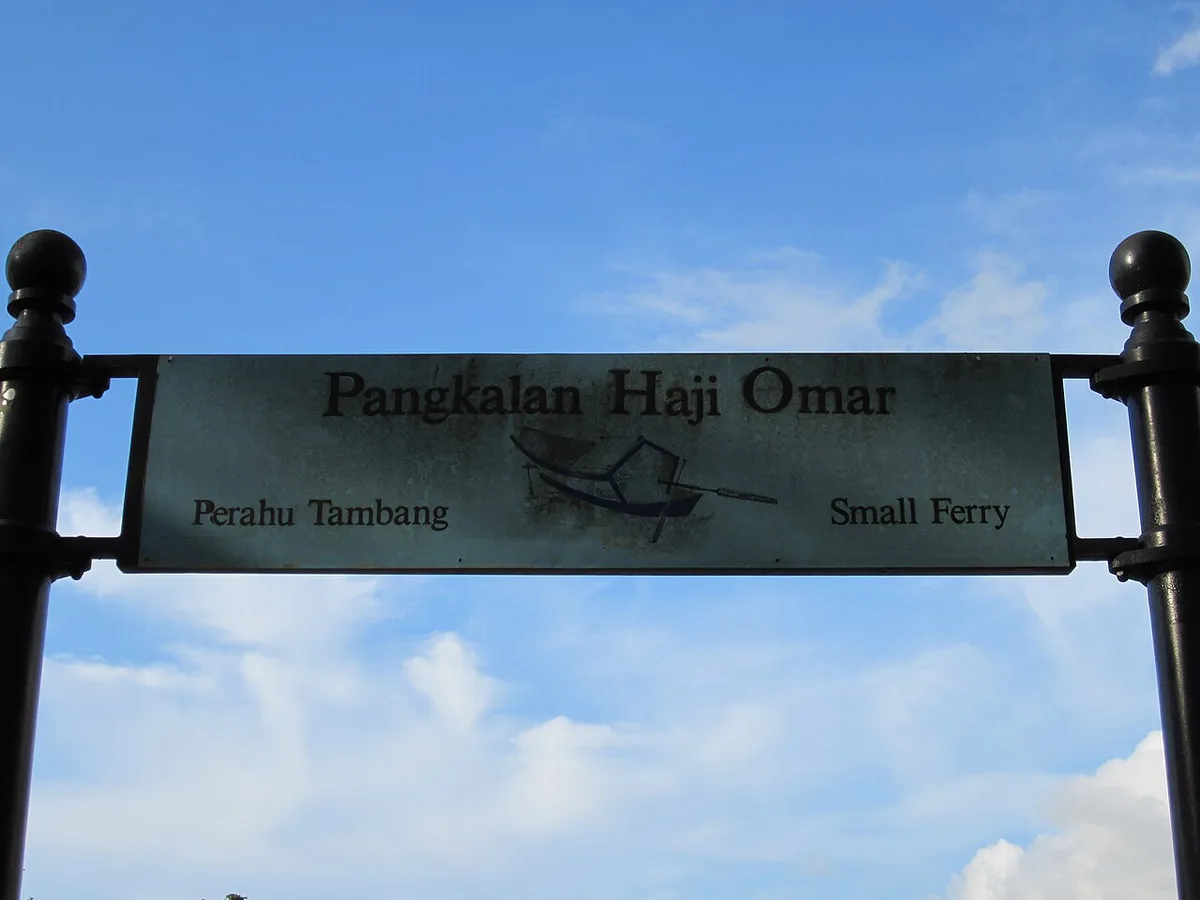
- Easiest city days in any weather: the Main Bazaar heritage walk and the waterfront
Kuching Weather by Season
Kuching stays warm and humid all year. Daytime highs typically run around 27°C (81°F) to 32°C (90°F), with humidity near 80%. For official climate averages, see Malaysia Meteorological Department data. Rain can fall in any month, usually as short, heavy bursts that clear within an hour or two. The drier stretch runs from roughly March to October. April marks the start of better weather, and June is the usual start of the dry season in Sarawak. October brings more rain again. From November to February, the northeast monsoon makes showers longer and heavier. Travelers who want station-level detail can read our Kuching weather breakdown. Pack a light rain jacket in every month. A 30°C (86°F) afternoon feels hotter at 80% humidity, so plan outdoor walking for the morning.
Month-by-Month Guide to Kuching
Ratings below are general editorial patterns, not forecasts. Rain tendency reflects broad Sarawak seasonality, and crowd levels reflect school holidays and festival dates. Check official climate records for rainfall figures before locking in a tight plan.
| Month | Rain tendency | Crowds | What is on | Best for |
|---|---|---|---|---|
| January | Highest rain of the year | Low, apart from Chinese New Year travel | Chinese New Year in January or February | Cheap stays, indoor culture |
| February | Wet, easing late | Low to moderate | Chinese New Year may fall here | Quiet city days |
| March | Easing | Low | Post-monsoon greenery | Value trips with some rain risk |
| April | Drier | Low to moderate | Start of better weather | Parks and wildlife |
| May | Drier | Moderate | Labour Day on 1 May; Gawai begins 31 May | Gawai build-up, trekking |
| June | Among the driest | Moderate | Gawai Dayak on 1 June | Dry-weather sightseeing |
| July | Among the driest | Highest | Rainforest World Music Festival | Festival fans |
| August | Mostly dry | High, school holidays | Hari Merdeka on 31 August | Families, parks |
| September | Rain returns | Moderate | Malaysia Day on 16 September | Shoulder-season value |
| October | Wetter | Low to moderate | Deepavali | Quieter trekking |
| November | Wet | Low | Few set events | Budget travel |
| December | Wet, monsoon storms | Low | Year-end holidays | Flexible indoor plans |
- January and February: expect long showers. Boat trips to Bako National Park get harder in these months.
- March and April: the worst rain is over, and crowds stay light.
- May and June: Gawai brings celebrations, and weather is usually good.
- July and August: peak dry weather, peak demand.
- September and October: rain returns, but weekdays stay calm.
- November and December: lowest crowds, highest chance of cancelled boat or upriver plans.
Best Time to Visit Kuching for Your Travel Goal
Match the month to the activity rather than chasing one perfect date. Semenggoh Nature Reserve sits a short drive from the city, and its orangutans come to morning and afternoon feeding sessions. Drier months generally make the trip easier, though session times are worth checking on the day. Kuching Wetlands National Park lies about 15 kilometres from the city and can only be explored by river. Most cruises take about half a day, so a calm, dry morning helps. Operators also run coastal trips from there, with Damai Beach about 5 kilometres from the park. Bako National Park needs a boat from the jetty, so the drier months give the smoothest crossings. The Main Bazaar fronts the Sarawak River, with Fort Margherita across the water. That heritage route takes about 2 hours on foot, so it suits almost any month. Our music festival guide covers July. Our Gawai Dayak guide covers late May and June.
- Orangutans at Semenggoh: April to October, aiming for a feeding session
- Bako or Wetlands wildlife: June to August for the calmest boat days
- Festivals: late May to June for Gawai, July for music
- Food and walkable city days: any month, with a rain plan
- Budget and low crowds: November to March
- Families: August, but book early for school holidays
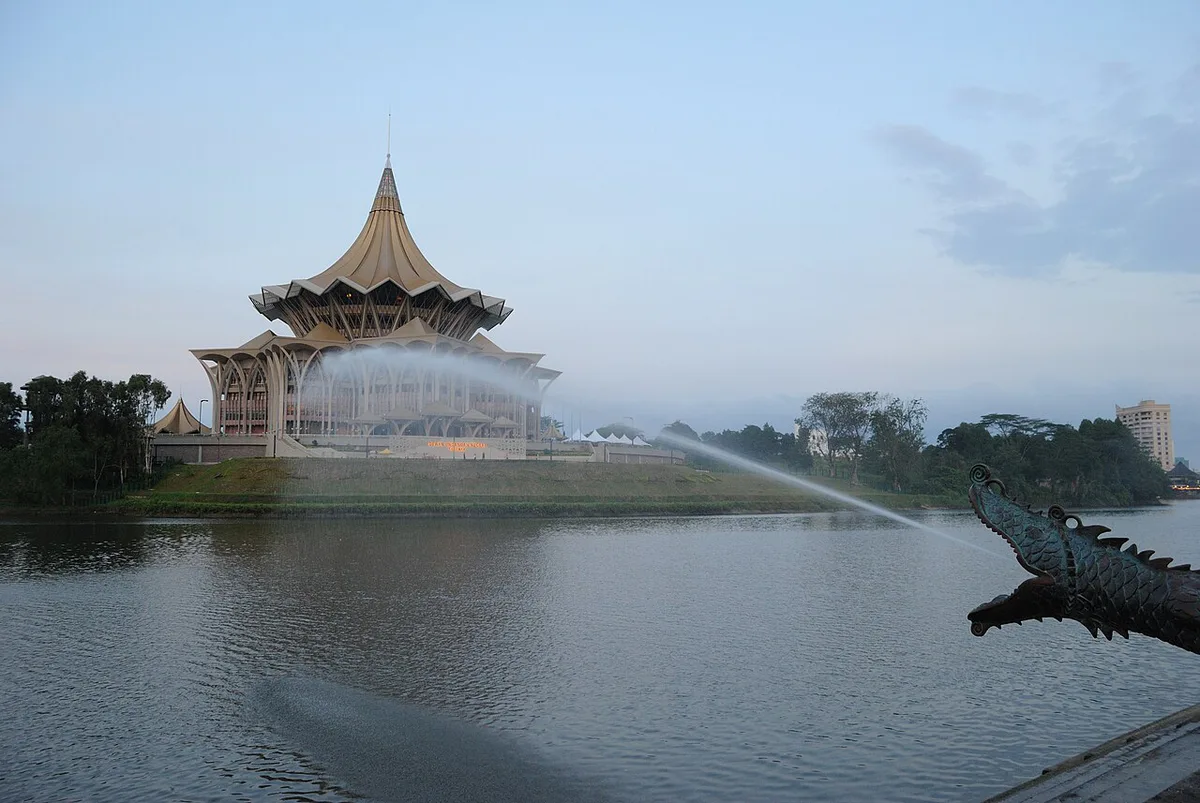
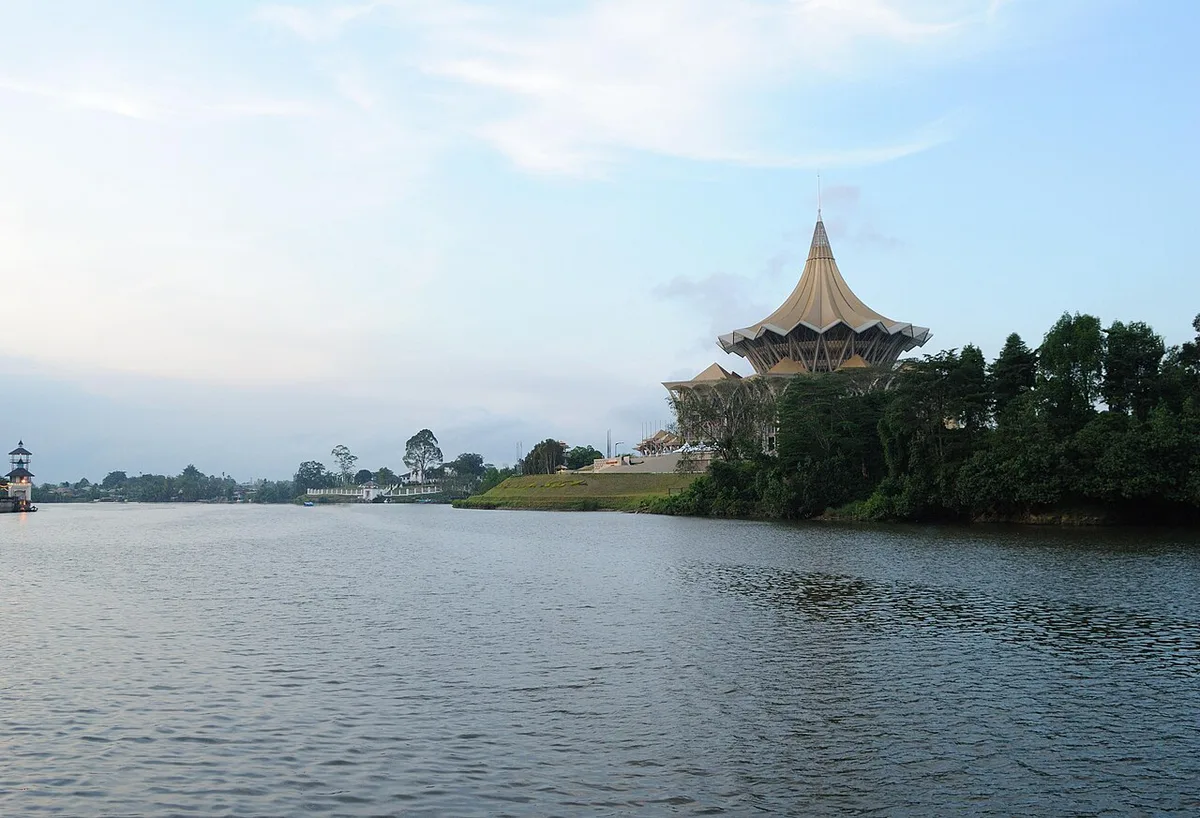
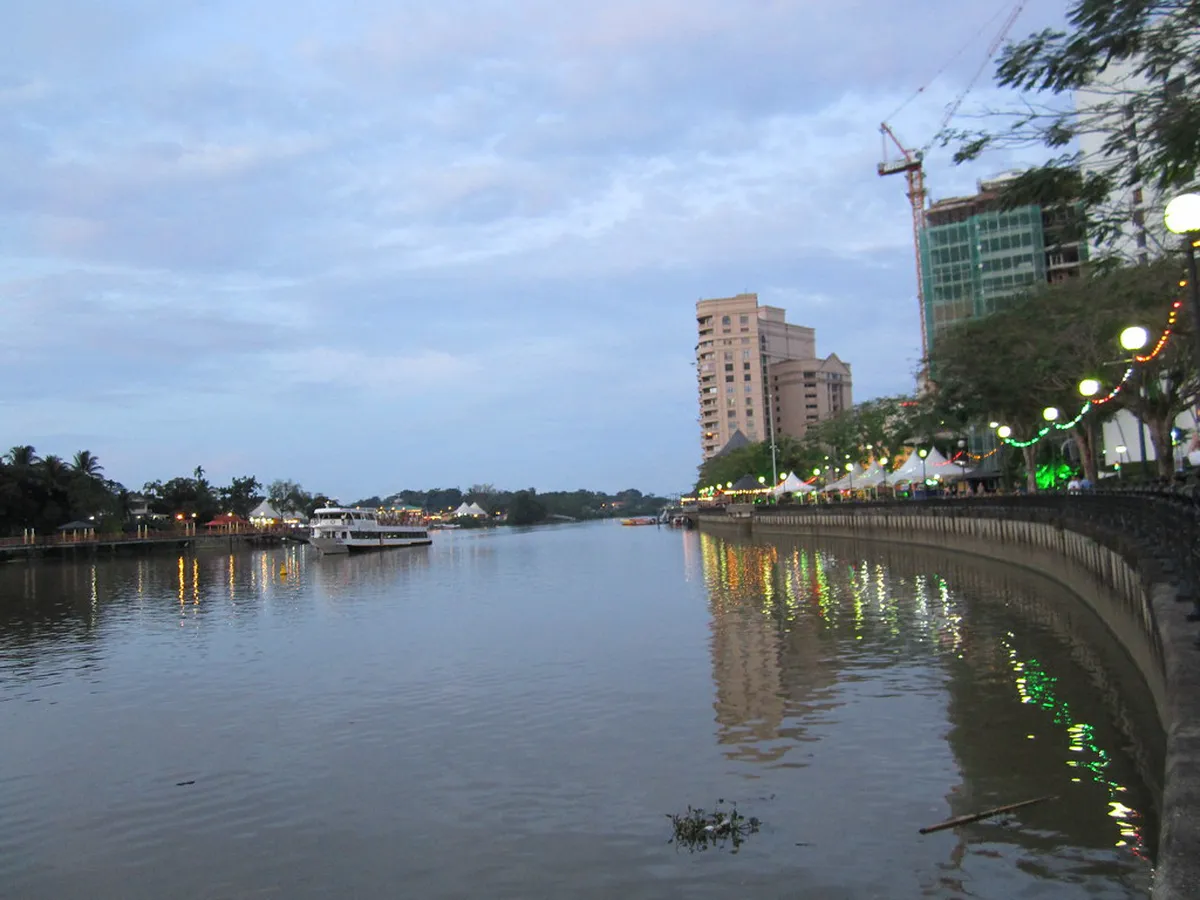
- Photography: dry mornings for river light, nights for the Darul Hana Bridge
Visiting Kuching in the Rainy Season
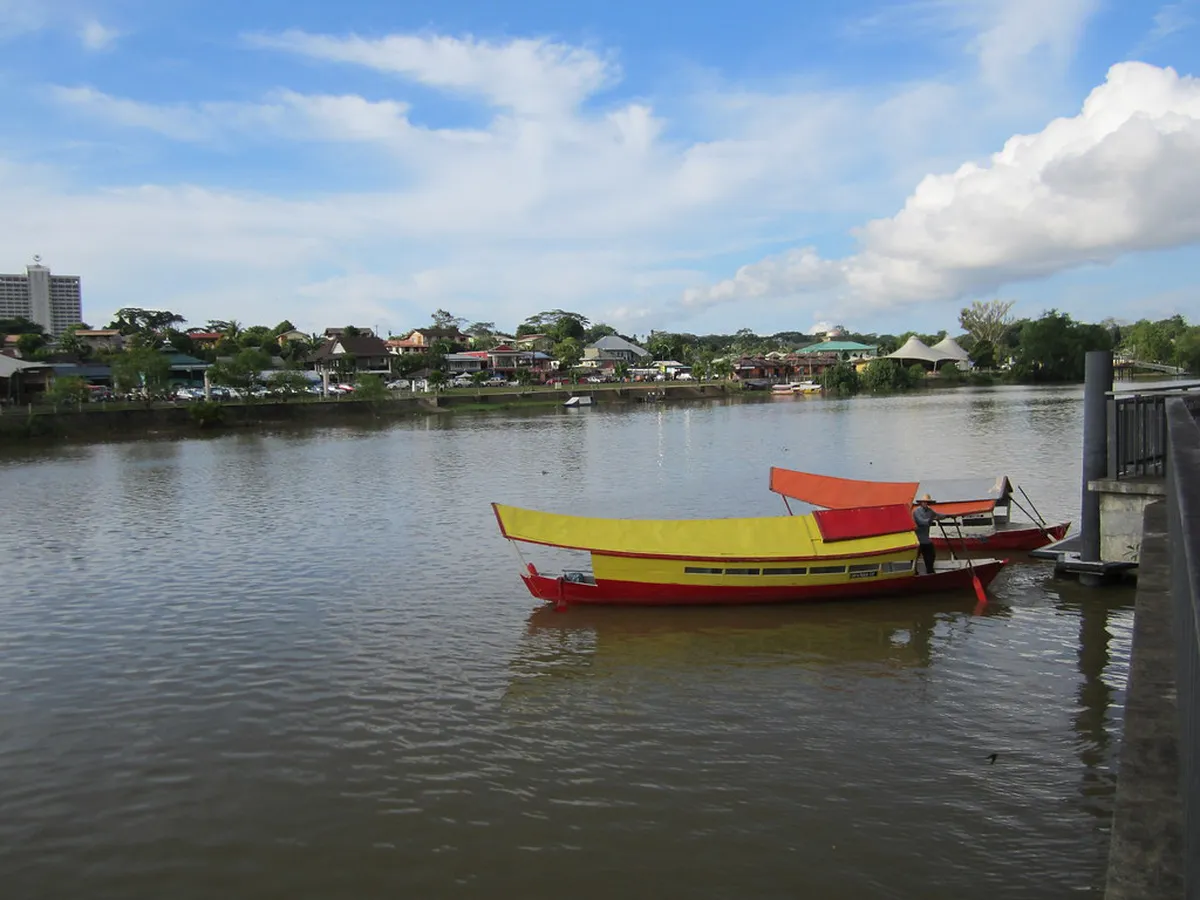
Wet months still work if you build the days around cover and flexibility. Start with the 2-hour heritage route through old Kuching, which includes Main Bazaar and its shopfronts. Add the Borneo Cultures Museum, which is an indoor, five-storey option. Waterfront food stalls fill the evenings. Tambang crossings and the Darul Hana Bridge link the two banks, but a heavy downpour can stop both. Skip Bako in the stormiest weeks, because it needs a boat. Upriver longhouse trips and interior transfers also carry extra risk. Mulu and Batang Ai rely on domestic flights and boats, so leave a spare day around them. Our rainy season planning page goes deeper on packing and rain-day routes. Bring a dry bag for your camera, and book refundable rooms where you can.
Wetlands sits 15 kilometres from the city and can only be explored by river, so a wet-weather plan should keep that cruise flexible.

Festival Timing: Crowds, Rain and Bookings
Gawai Dayak, Sarawak's harvest festival, runs from sundown on 31 May into 1 June. Hotels and flights tighten around it, because many Sarawakians travel home. The Rainforest World Music Festival is a three-day event just outside Kuching, held in July. Rooms and transfers get scarce that week, so book early. Dates change by year, and the festival's official site lists current dates. For wider events, the Sarawak Tourism Board publishes calendars. Chinese New Year lands in January or February. It adds local holiday crowds to an already wet month. Hari Merdeka on 31 August and Malaysia Day on 16 September bring parades and fireworks. School holidays in July and August also add pressure on parks and boat seats. A late May trip lets you catch Gawai build-up with lighter crowds than July.
Hari Merdeka on 31 August falls inside the mostly dry August school holiday rush, so expect crowded parks.
Peak vs Shoulder vs Wet Season: Cost, Crowds and Access
Prices swing with demand. As a rough editorial planning benchmark, not a quoted rate, a mid-range double room might run about RM150 a night in the wet months. That could rise to RM250 or more during the July festival week. Live rates vary by property, so compare before you book. Shoulder months sit between the two. Wet months cost less but carry more cancellation risk for boat-dependent trips. Peak months cost more but give the most reliable access to Bako, Wetlands cruises and interior routes.
| Season | Months | Cost | Crowds | Access risk |
|---|---|---|---|---|
| Peak dry | June to August | Highest | High, especially July | Lowest |
| Shoulder | March to May, September to October | Moderate | Light to moderate | Low to moderate |
| Wet | November to February | Lowest | Light | Highest for boats and interior flights |
How Many Days to Spend in Kuching

Three days cover the city well. Day one fits the 2-hour heritage walk and waterfront food. Day two suits Semenggoh and a Wetlands cruise, which takes about half a day. Day three can go to Bako or a museum, depending on weather. Add two or three nights if you plan a longhouse or Mulu stay. In wet months, keep the third day open as a buffer. Dry months let you stack boat trips back to back. Kuching also works as a first stop before Sabah or Peninsular Malaysia. Put interior travel in the drier months, and leave the city for the end.
Mistakes to Avoid When Timing Your Trip
Booking a Bako day on your only free afternoon is risky in January. Arriving in July without a room is another trap. Many visitors also assume Gawai and the music festival fall on the same dates every year. They do not, so check each organiser. Packing only sunscreen is a mistake in any month, since showers can arrive without warning. Finally, do not cram Mulu or Batang Ai into a tight window during the monsoon. Domestic flights and river boats need spare time.
- Skipping a rain plan in November to February
- Leaving July festival rooms until the last minute
- Treating festival dates as fixed
- Scheduling interior flights with no buffer day
Explore More Kuching Guides
Keep planning your Kuching trip with these guides.
Kuching Guides
Building the rest of the trip? Our Kuching attractions guide covers the sights, districts and logistics around this guide.
Best time to visit other cities
Useful notes for your Southeast Asia trip
Optional updates to our guides.
You might also like
Continue reading
More guides you'll find useful