Manila LRT and MRT Guide: Lines, Fares and Tips
A clear guide to Manila's LRT-1, LRT-2 and MRT-3: which line to take, how to pay, when to avoid crowds and how they link to the airport and Makati.
On this page
Last updated November 2026: Manila LRT and MRT service is really three separate elevated lines, LRT-1, LRT-2 and MRT-3, each with its own corridor and fare gates. Rail suits short, predictable hops that skip traffic on Taft Avenue, Recto and EDSA. Skip it with heavy bags or at rush hour, and use our Manila transport comparison to weigh the other options.
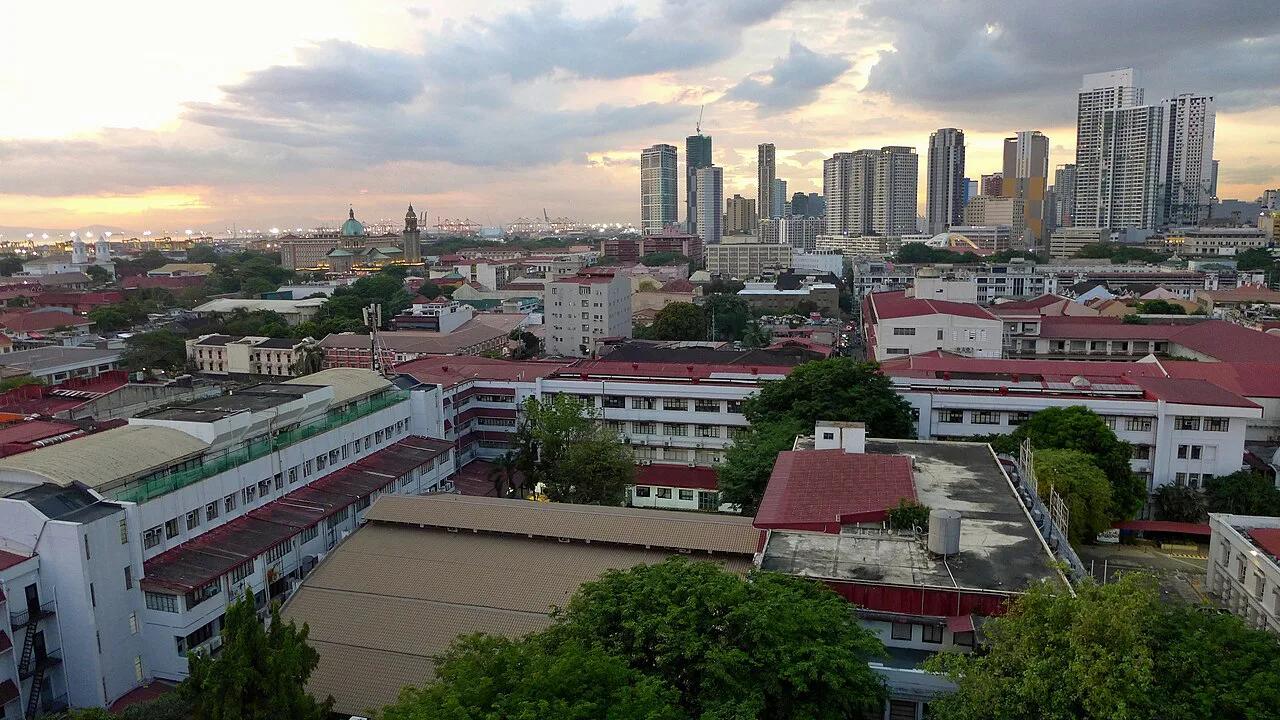
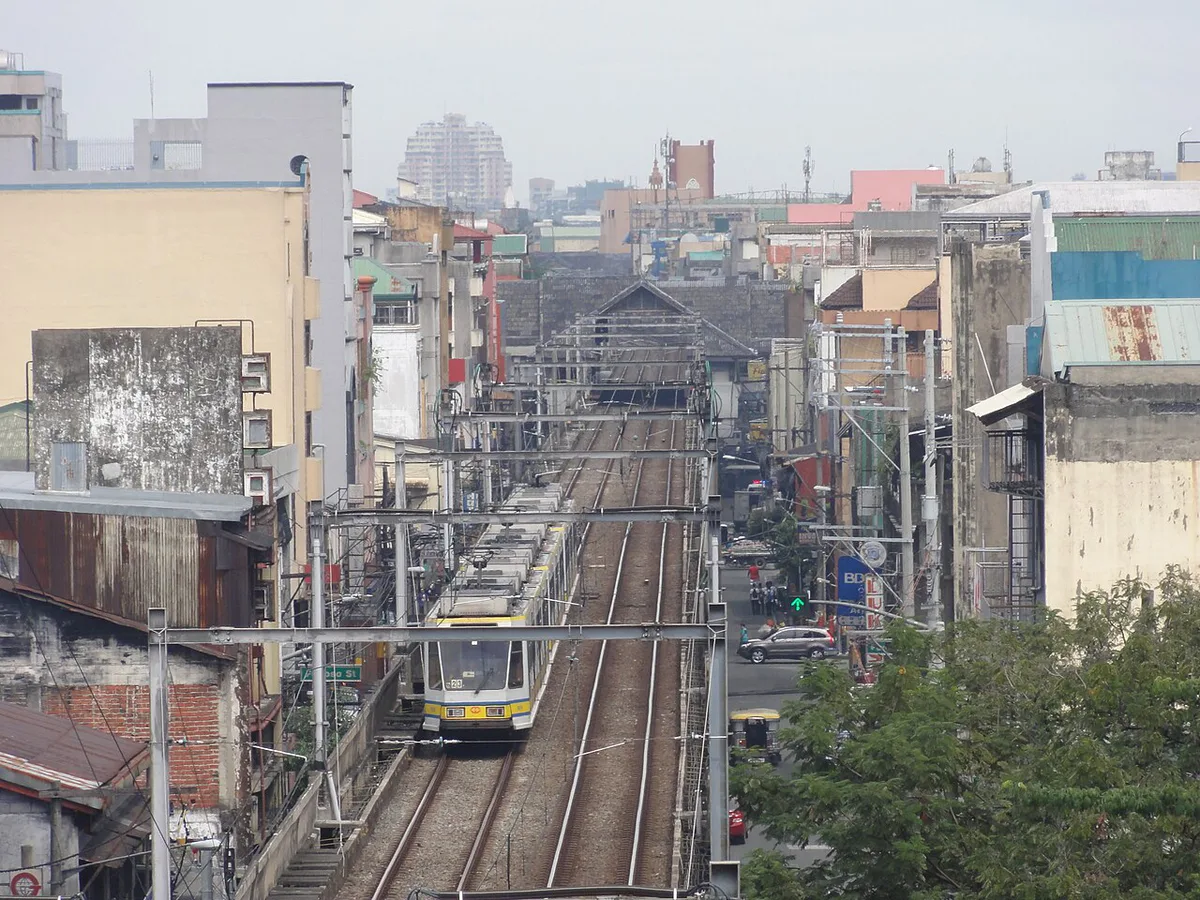
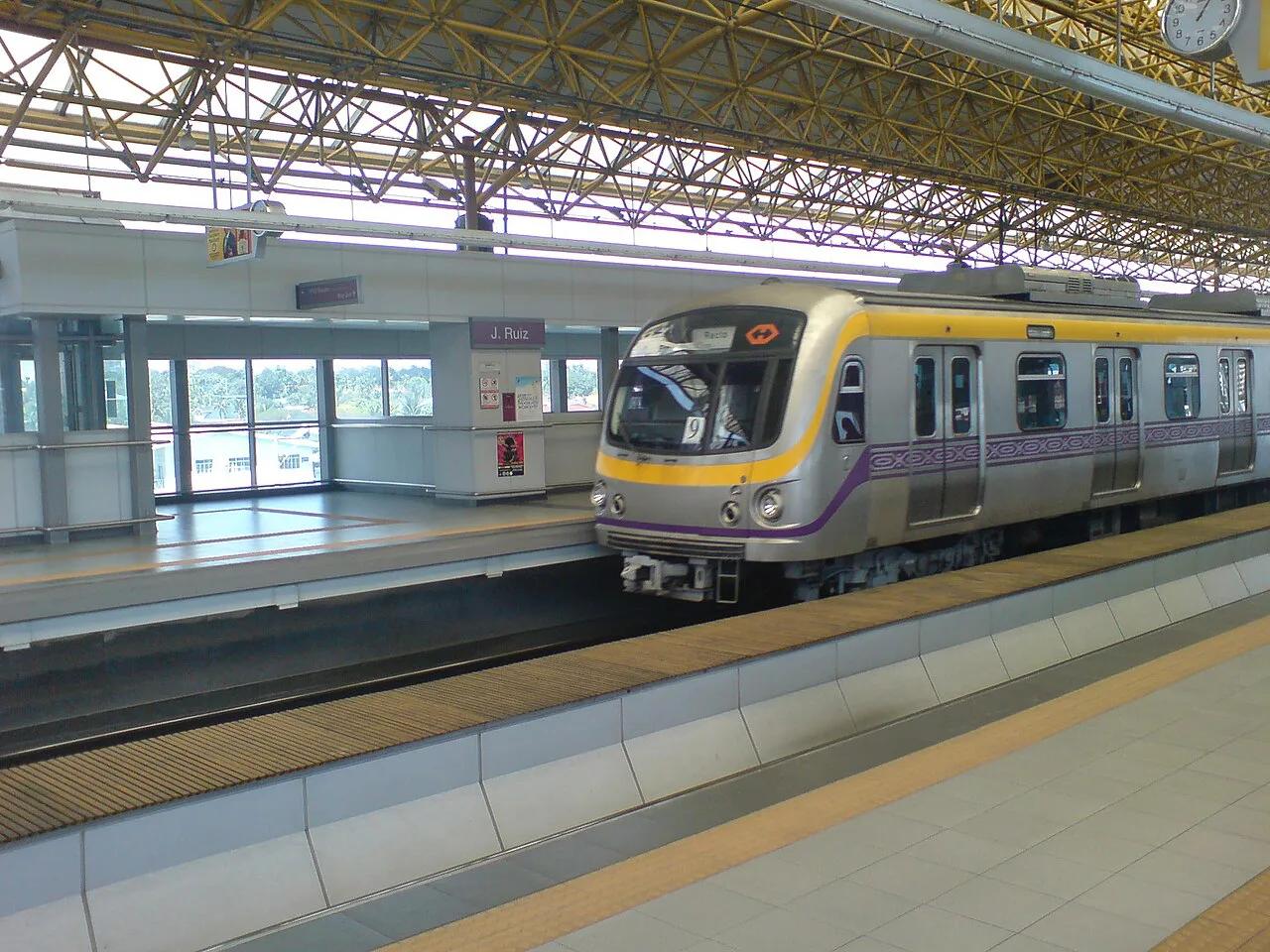
Featured image: Ralff Nestor Nacor, CC BY-SA 4.0, via Wikimedia Commons.
Manila LRT and MRT Lines at a Glance
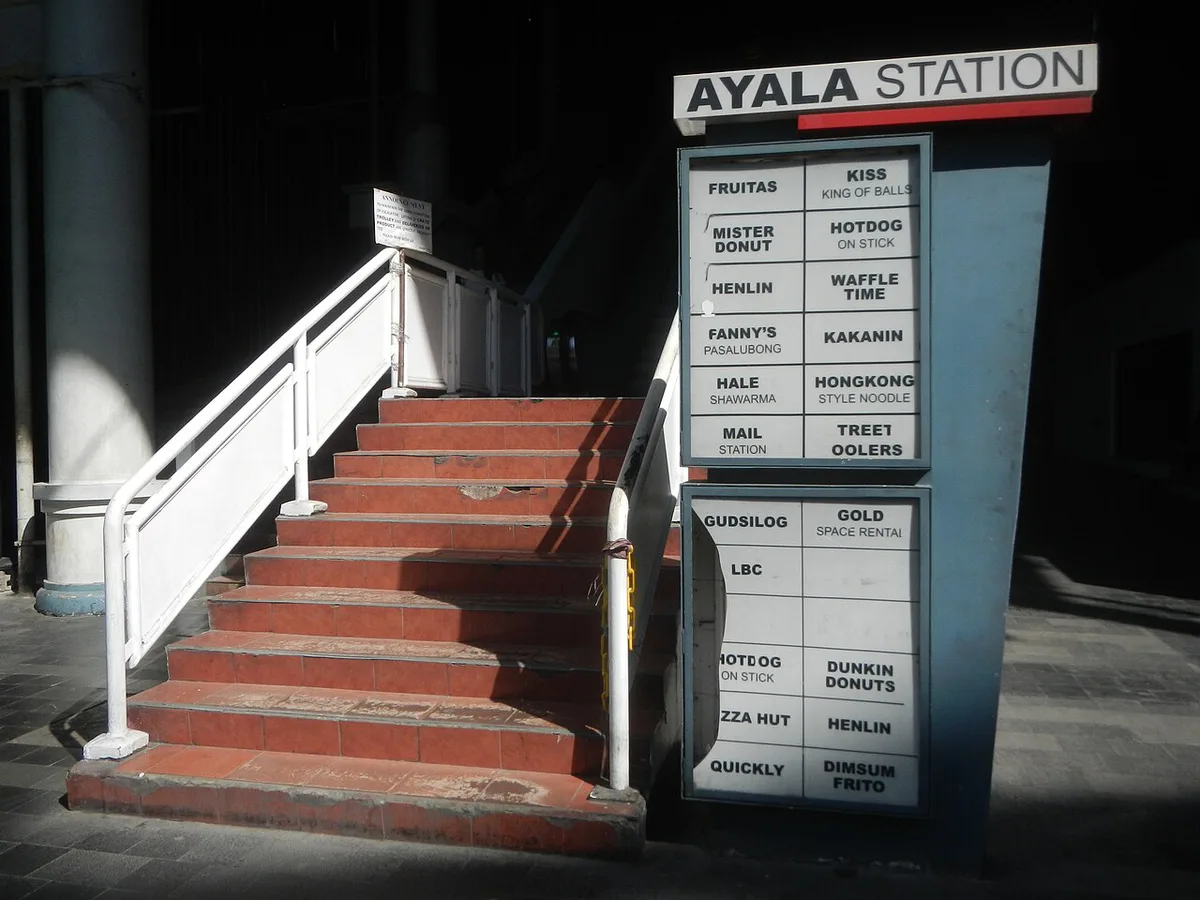
Visitors often call every train "the MRT". That is wrong, and it causes real mistakes at the ticket gate. LRT-1 runs 20.1 km across 25 active stations, according to the Light Rail Transit Authority. LRT-2 covers about 17.6 km with 13 stations. MRT-3 follows EDSA for 16.9 km with 13 stations. Prices and hours below were checked November 2026.
| Line | Corridor | Stations | Best for visitors |
|---|---|---|---|
| LRT-1 | Fernando Poe Jr. (Quezon City) to Dr. Santos (Parañaque) via Rizal Avenue and Taft Avenue | 25 active | Manila's old center, Taft Avenue, Parañaque stations near the airport side |
| LRT-2 | Recto (Manila) to Antipolo (Rizal) via Legarda, Cubao and Katipunan | 13 | Recto, Cubao, Katipunan and the east |
| MRT-3 | North Avenue (Quezon City) to Taft Avenue (Pasay) along EDSA | 13 | Ayala, Buendia, Ortigas and Cubao |
LRT-1: The Taft Avenue and Rizal Avenue Spine
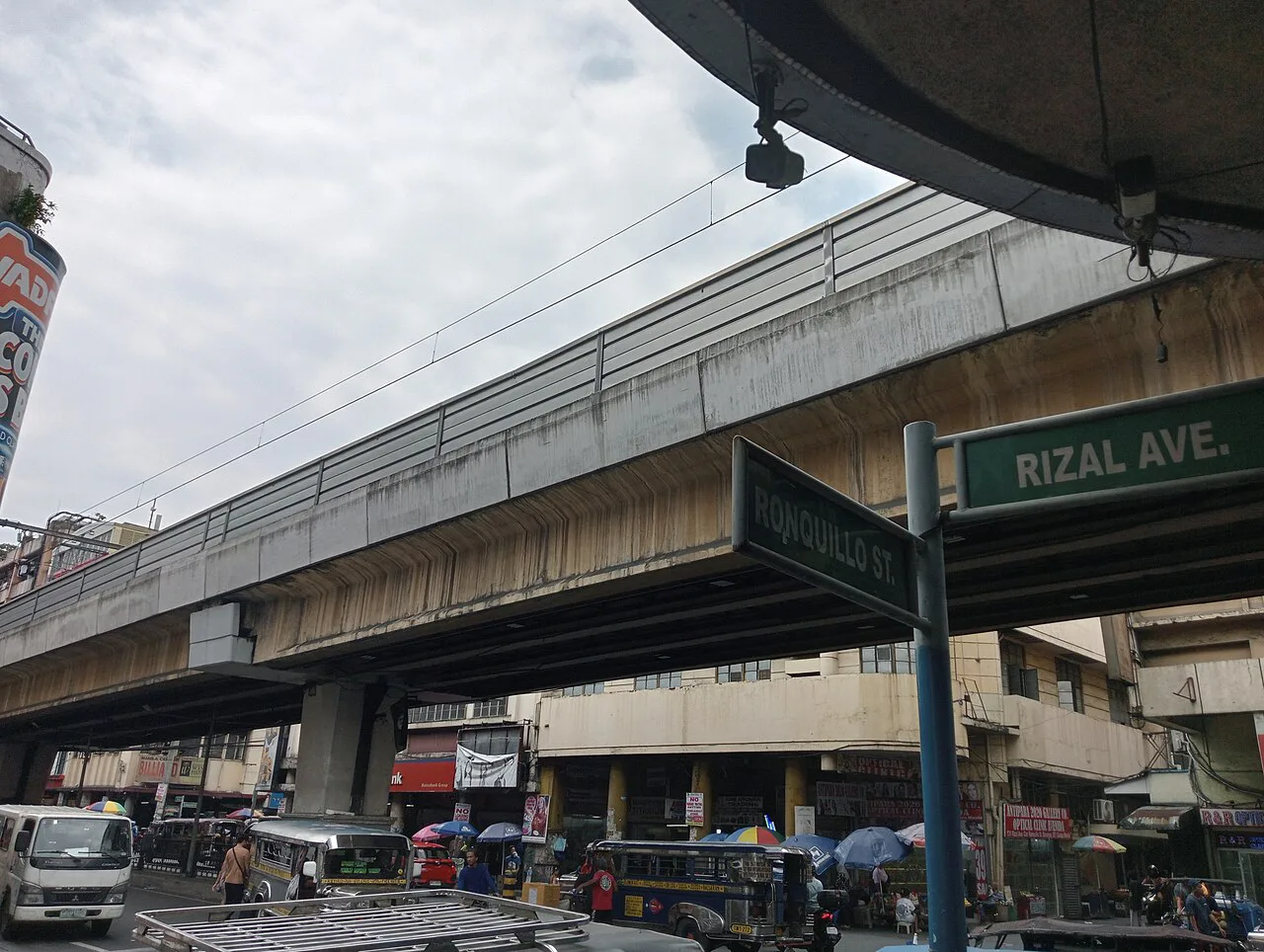
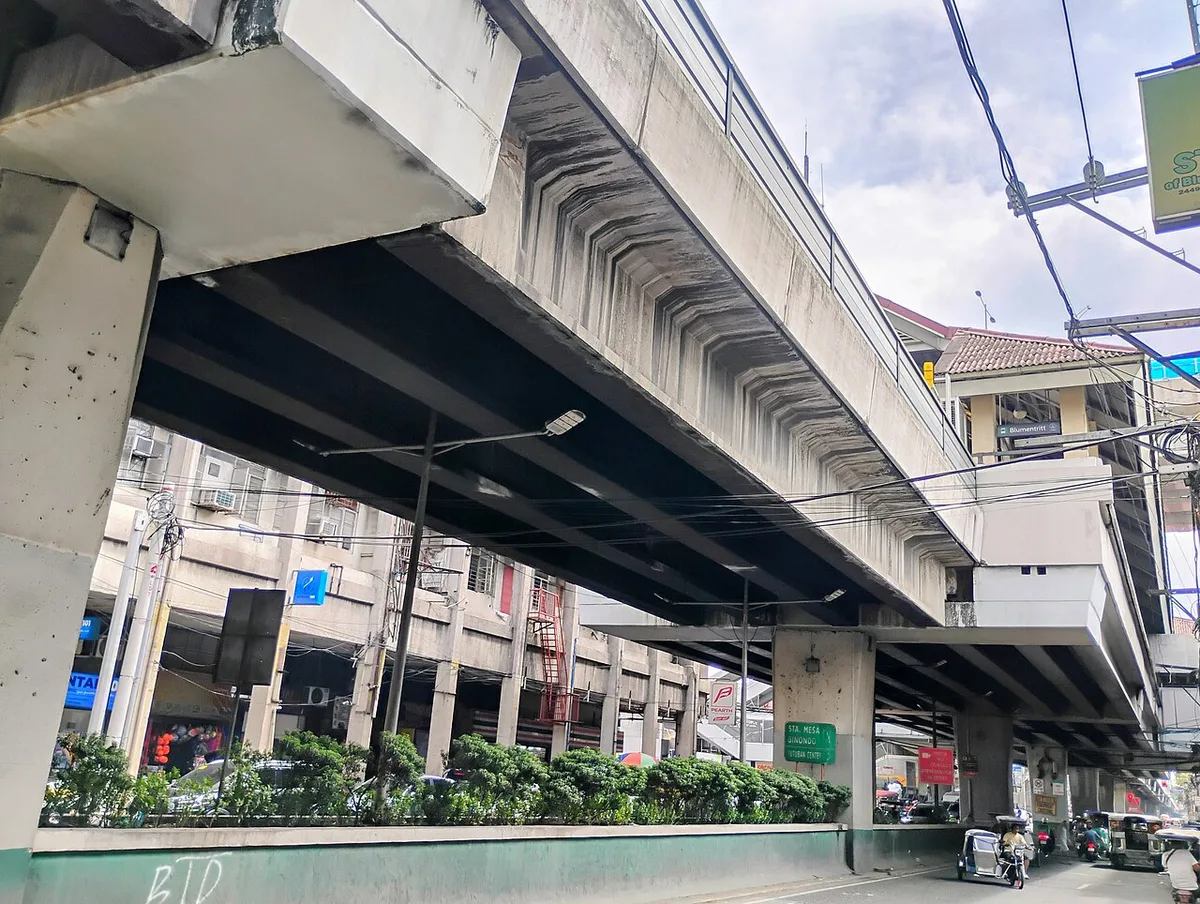
LRT-1 is the north-south line. Through Manila it follows Taft Avenue and Rizal Avenue. Cavite Extension Phase 1 opened on November 16, 2024. It added 6.2 km of viaduct and five stations: Redemptorist–ASEANA, MIA Road, PITX, Ninoy Aquino and Dr. Santos. Those stations are in Parañaque, on the airport side of the city. A station name is not a terminal entrance, so plan the last leg separately. Our airport to Makati guide covers the transfer. Phase 2 into Las Piñas and Bacoor is still under construction.
LRT-2: Recto to Antipolo
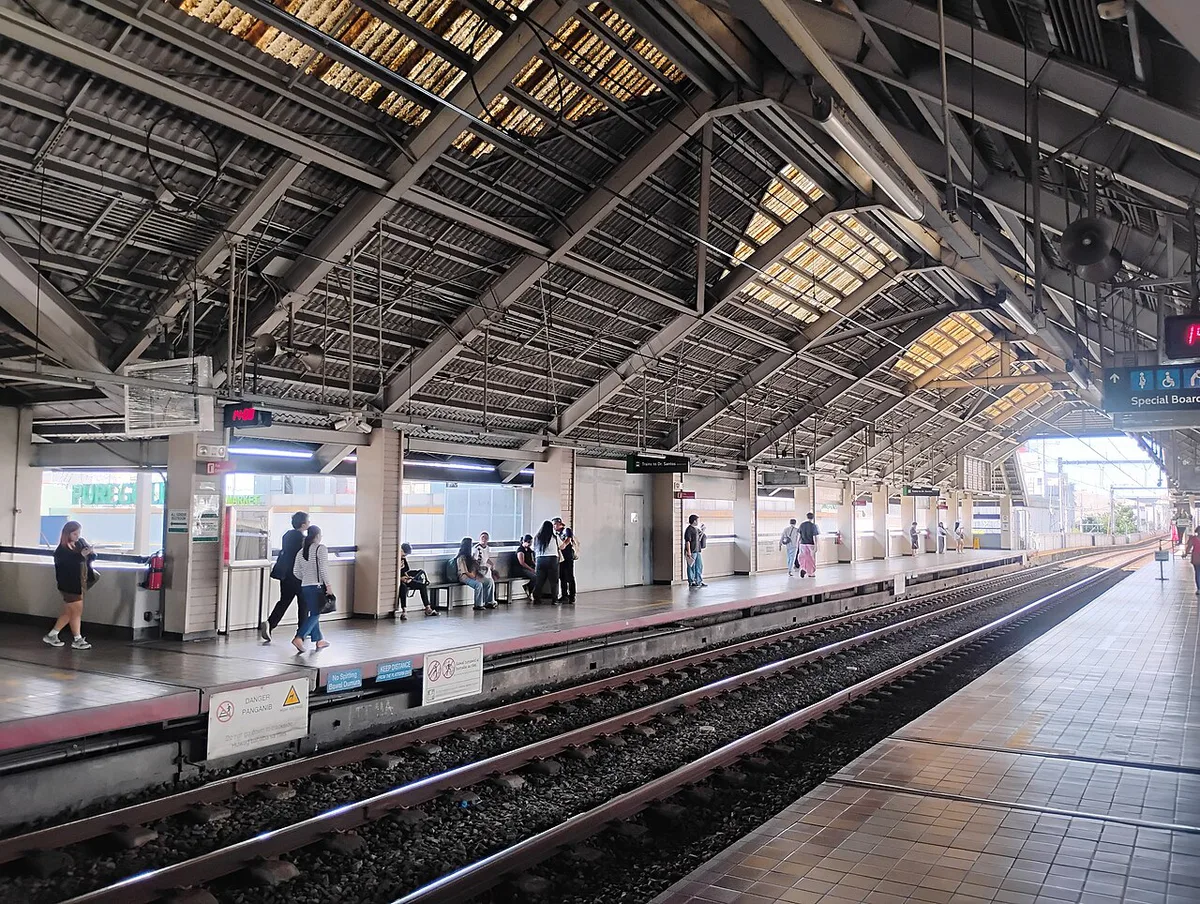
LRT-2 is the east-west line. It runs from Recto in Manila through Legarda and Araneta Center-Cubao to Antipolo. The East Extension opened on July 5, 2021, bringing the line to 13 stations. End to end takes about 40 minutes, per the LRTA. Katipunan is the underground, air-conditioned station. Stations have elevators and braille tactile guidance, which helps travelers with limited mobility. Ticket vending machines let you buy a ticket without queuing at the booth.
MRT-3 Along EDSA
MRT-3 runs 16.9 km along EDSA from North Avenue in Quezon City to Taft Avenue in Pasay. It has 13 stations and an end-to-end ride of about 30 minutes. Visitors mostly use five stops: Ayala, Buendia, Ortigas, Araneta Center-Cubao and Taft Avenue. Ayala and Buendia serve the Makati side. Ortigas serves the business district, and Cubao is the junction with LRT-2. Fares are distance-based and use contactless cards. The unpaid concourse is public. You reach the platform only after inserting a fare ticket at the gates.
Transfers and Interchanges Between the Lines
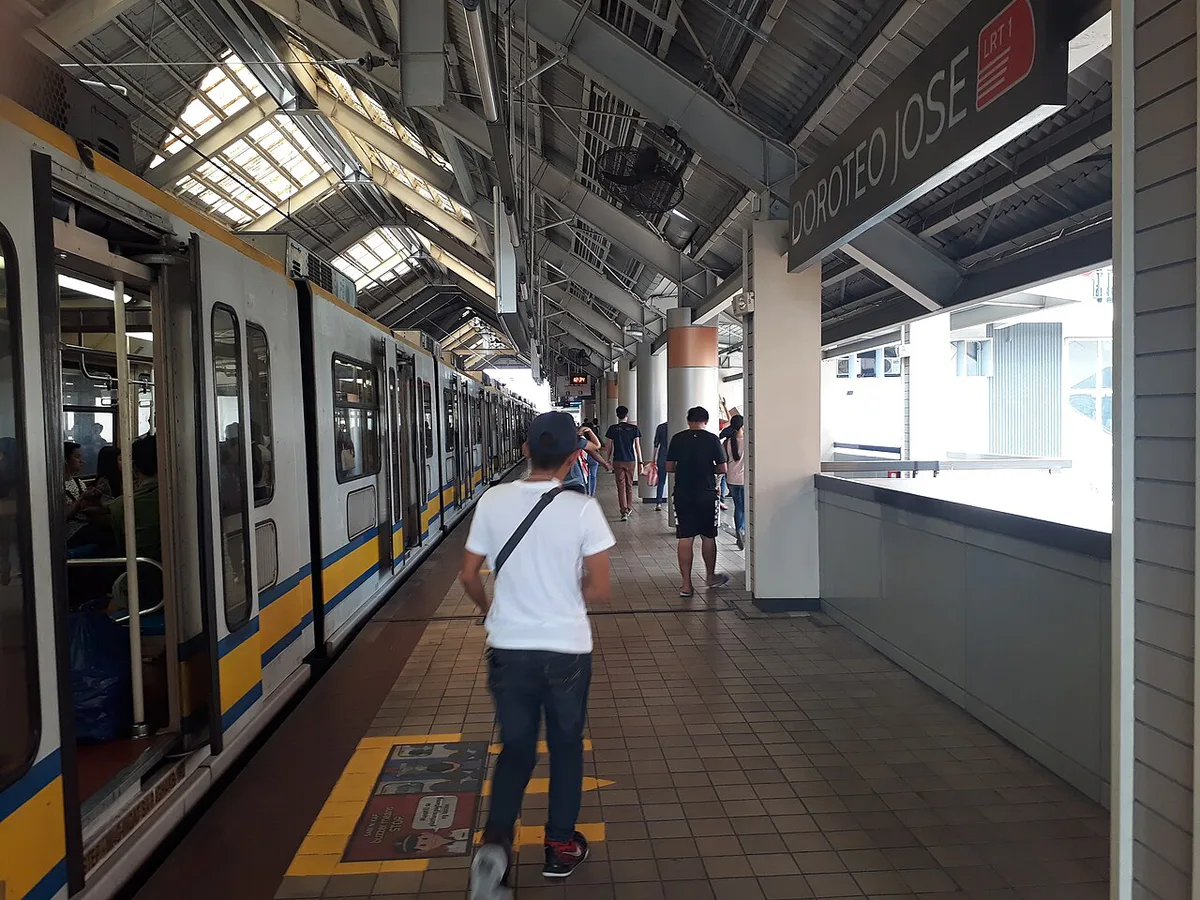
Doroteo Jose station on LRT-1 interconnects with LRT-2 at Recto. That is the cleanest rail-to-rail change for Manila's old center. Cubao is served by both LRT-2 and MRT-3, so allow time for the street-level walk between stations. MRT-3's southern end at Taft Avenue sits close to LRT-1's Taft Avenue run. Walk the route in daylight if you carry bags. A Unified Grand Central Station is planned to connect LRT-1 with MRT-3, MRT-7 and the Metro Manila Subway. It is a planned project, so do not build an itinerary around it.
Fares, Tickets and Payment
Each line has its own system. LRT-2 replaced magnetic-stripe tickets with a contactless beep card in 2015. It also sells single-journey smart tickets at vending machines. In July 2026, LRT-2 added designated Fast Lane gates. They accept Visa and Mastercard contactless cards, mobile wallets and GCash QR codes. Not every gate takes them, so look for the Fast Lane marking. MRT-3 fares are distance-based and paid by contactless card. Peso fares differ by line and distance, so read the matrix posted at each station. Buy a card before you reach the gates.
Hours, Crowding and Best Times
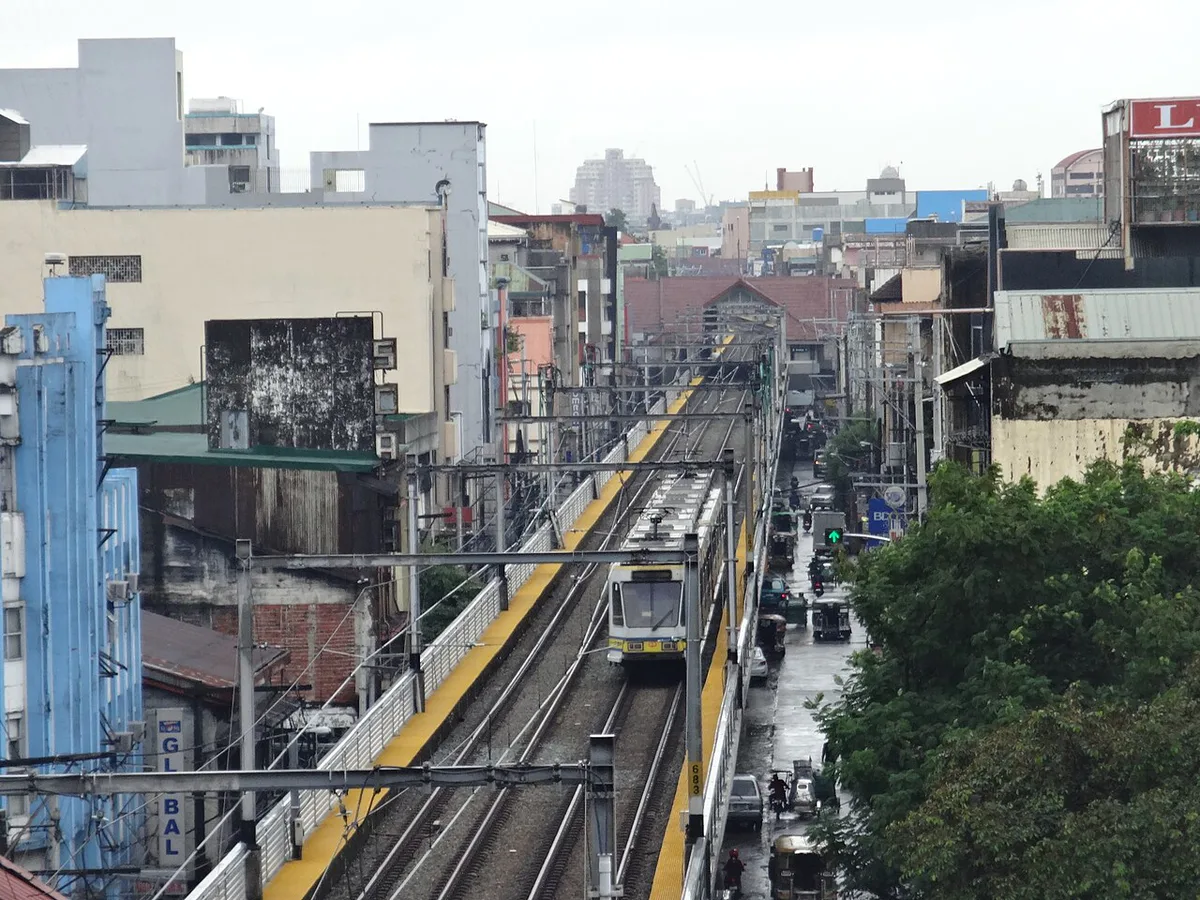
MRT-3 runs from 4:30 AM on regular weekdays. The first period, 4:30 AM to 7:00 AM, has headways of 7 to 4 minutes. An extended period runs 9:31 PM to 11:40 PM, with 4 trains at 15-minute headways. On Sundays and holidays, trains run 4:30 AM to 10:40 PM at 6.5 to 7 minute intervals. On weekdays the last southbound train leaves North Avenue at 10:30 PM. The last northbound train leaves Taft Avenue at 11:09 PM. LRT-1 and LRT-2 publish their own hours, so check the operator pages before a late trip. Ride mid-morning or early afternoon if you can, and avoid carrying luggage through commuter peaks.
Early MRT-3 rides start at 4:30 AM on weekdays, so have a contactless card ready before you reach the gates.
Which Line for Which Trip
Match the line to the destination, not the other way round. Rail is predictable when roads are jammed. A Grab ride in Manila is the better fallback with luggage or late at night. The Pasig River Ferry Guide: Status, Stations and Tips is a calmer way across the city when you are not in a hurry.
Cavite Extension Phase 1 opened on November 16, 2024, so an older map may not show the airport-side stops.
| Trip | Line | Note |
|---|---|---|
| Airport side (Parañaque) | LRT-1 to Ninoy Aquino or MIA Road | Plan the last leg to the terminal separately |
| Makati (Ayala, Buendia) | MRT-3 | Stops on EDSA |
| Intramuros and Rizal Park area | LRT-1 or LRT-2 toward Recto | Doroteo Jose links the two lines |
| Cubao | LRT-2 or MRT-3 | Two stations, so allow a walk between them |
| Ortigas | MRT-3 | Direct on EDSA |
| Quezon City | LRT-1 north end or MRT-3 North Avenue | Both lines end in Quezon City |
Safety, Accessibility and Etiquette
Expect bag checks at station entrances. Keep your phone and wallet in front pockets in crowded cars, as you would on any metro. Step aside for passengers leaving the car before you board. LRT-2 stations have elevators and tactile paths, and the cars have spaces for wheelchairs. Check other stations for elevator access before relying on them with a stroller or mobility aid.
Mistakes to Avoid
Most problems on the trains come from planning, not from the system itself.
- Assuming "MRT" means every line. LRT-1, LRT-2 and MRT-3 are separate systems.
- Arriving at a gate without a card. Buy or top up before you queue.
- Riding with large luggage at commuter peaks.
- Trusting an old map. Cavite Extension Phase 1 stations opened on November 16, 2024.
- Counting on a late finish. MRT-3's last weekday departures are 10:30 PM from North Avenue and 11:09 PM from Taft Avenue.
Frequently Asked Questions
What do LRT and MRT stand for in the Philippines?
LRT means Light Rail Transit, and MRT means Metro Rail Transit. In Manila they are separate lines with separate gates. LRT-1 and LRT-2 are the LRT lines, and MRT-3 runs along EDSA.
What is the schedule for LRT-2?
The LRTA states an end-to-end trip between Antipolo and Recto takes about 40 minutes. Operating hours and headways are not listed here. Check the LRTA site for the current timetable before you go.
What are the MRT-3 stations?
MRT-3 has 13 stations from North Avenue in Quezon City to Taft Avenue in Pasay. Visitors mostly use Ayala, Buendia, Ortigas, Araneta Center-Cubao and Taft Avenue. Check the posted line map at any station for the full list.
Useful notes for your Southeast Asia trip
Optional updates to our guides.
You might also like
Continue reading
More guides you'll find useful