10 Rules for How Many Days in Vang Vieng, by Traveler Type
Not sure how many days in Vang Vieng? Our 10 rules cover 1, 2, 3 and 5 days with ride times, kip costs and season tips for each traveler type.
On this page
Last updated November 2026, and our answer on how many days in Vang Vieng is 2 to 3 days for most visitors. One night is the minimum for a transit stop, and 5 days is a slow-travel stretch. The ten rules below show what each length gets you and what it costs.
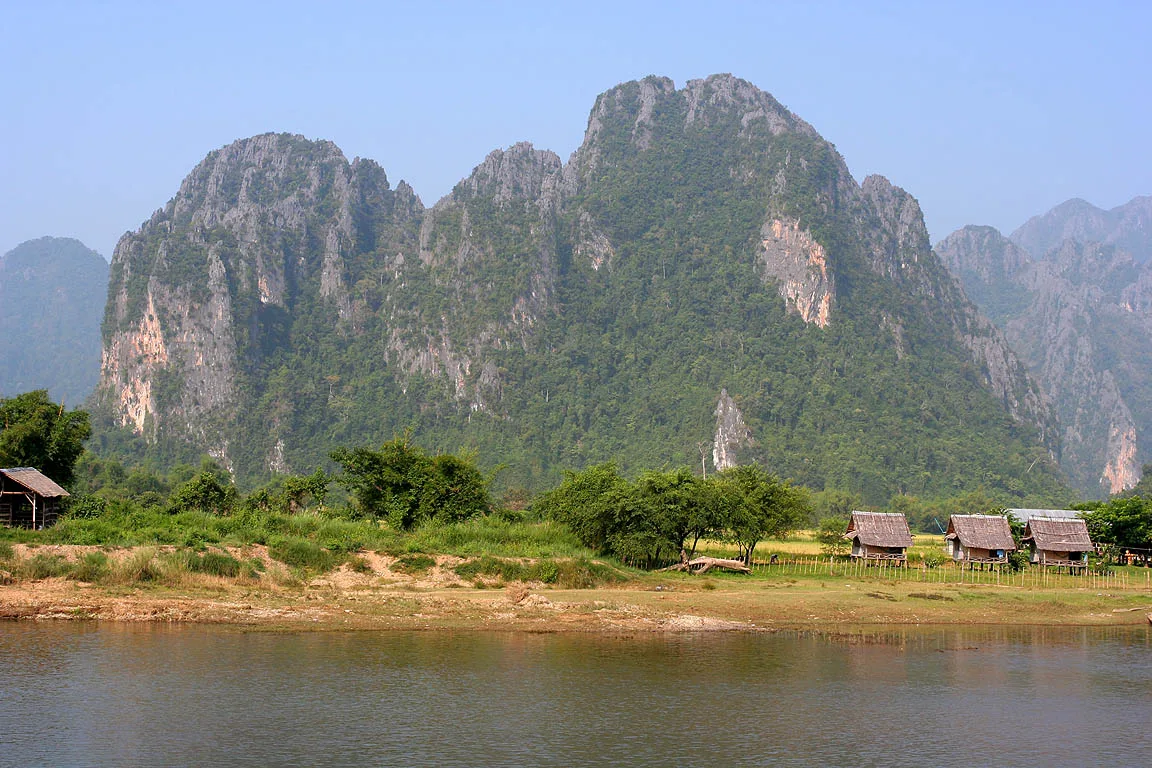
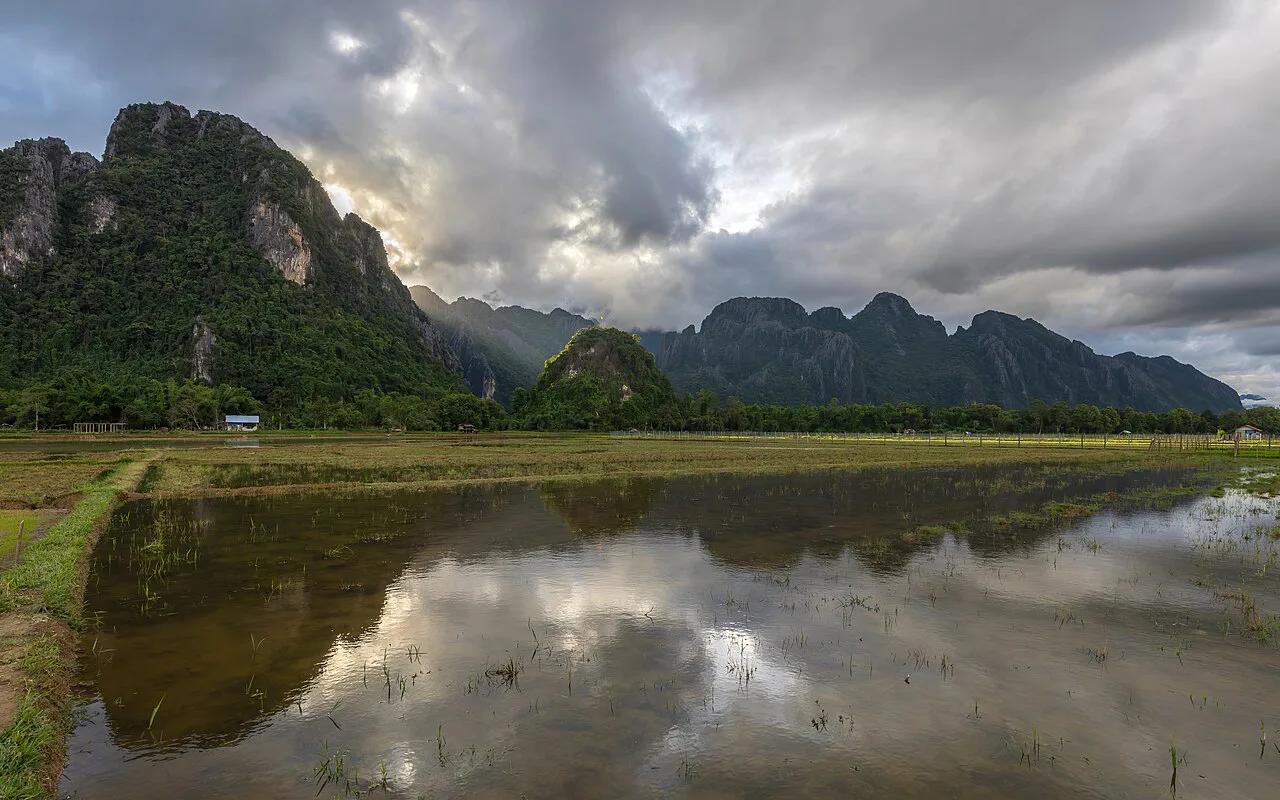
Featured image: Jirrupin at English Wikipedia, CC BY-SA 3.0, via Wikimedia Commons.
Quick answer: 1, 2 or 3 days at a glance
Prices and hours checked November 2026; all costs are in Lao kip (LAK). Our verdict: 2 nights suit most travelers, 1 night suits a transit stop, and 3 or more suit slow travelers. Use the table to match your route, then read the ten rules.
| Length | Best for | What fits | What you give up |
|---|---|---|---|
| 1 day | Transit stop between Vientiane and Luang Prabang | One lagoon, one cave, sunset and a night market dinner | Nam Xay viewpoint, a second lagoon, any buffer for rain |
| 2 days | Most first-time visitors | Lagoons and a cave on day one, viewpoint and river on day two | Kaeng Nyui Waterfall and the deeper caves |
| 3 days | Active travelers and couples who like a slower pace | Adds Kaeng Nyui, Tham Chang and the water cave | Time in your next town |
| 5 days | Slow travelers and remote workers | Rest days, a weather buffer and a balloon flight | A tight Laos schedule |
10 Rules for How Many Days in Vang Vieng
Each rule below is a decision, not a full itinerary. Our reasoning rests on ride times, entry fees and season, so pick the rule that matches your trip.
1. Transit stop only: 1 night is the floor
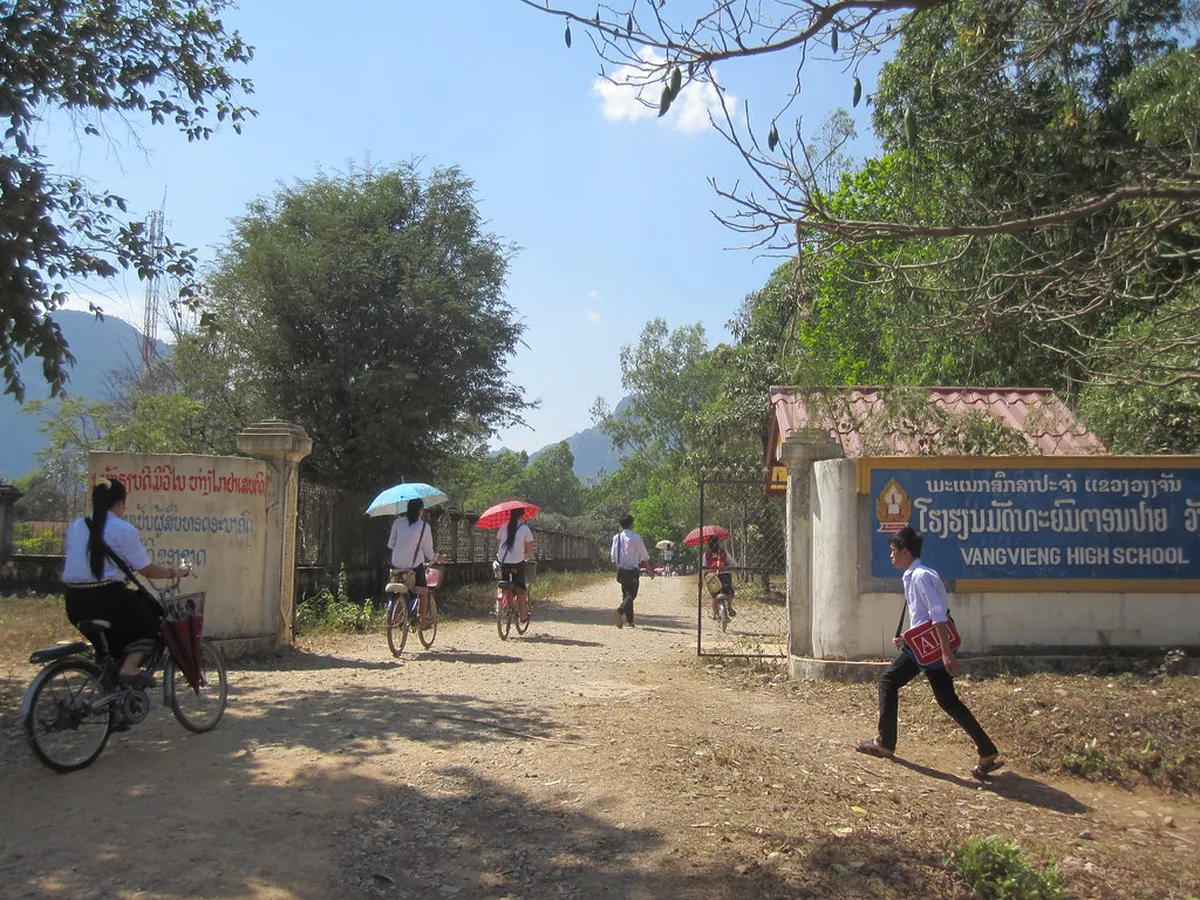
Vang Vieng sits between Vientiane and Luang Prabang, so one night works as a stop on that route. Vans from Vientiane take about 2 to 3 hours, and the trip from Luang Prabang runs about 4 hours. With one night you get a sunset, a night market dinner and one morning activity, such as Blue Lagoon 1, about 20 minutes from town.
Blue Lagoon 1 charges about 20,000 LAK, and Phu Kham Cave sits above it on a steep trail. Skip this plan if you want caves, a viewpoint and a lagoon, because they will not fit. Doubting the stop itself? Read whether the town earns a night before you commit.
2. One full day: a lagoon, a cave and a sunset
One day is a rushed minimum, and we treat it as a sampler. Pair Blue Lagoon 1 with Phu Kham Cave, because the cave trail starts above the lagoon and you avoid a second ride. Arrive before 11 AM, since tour buses reach the lagoons from late morning.
Finish with a night market meal, which runs roughly 20,000 to 100,000 LAK per person. Cut the viewpoint and the second lagoon. A single-day plan lays out the hour-by-hour version. Skip this if you dislike rushing, because every stop becomes a clock check.
3. Two days: the default for most travelers
Two days is our pick because it splits the area into two realistic loops. Day one covers lagoons and a cave by e-bike or guided half-day tour. Day two starts early at Nam Xay Viewpoint, a climb of 30 to 45 minutes that costs 20,000 LAK and opens 06:00 to 18:00.
Afternoon goes to the Nam Song River by kayak or tube. Our two-day plan shows how to sequence it. Skip this length if you also want a balloon flight and the deeper caves in the same trip.
4. Three days: add the waterfall and the caves
A third day pays off when you want the far-flung sights without hurrying. Kaeng Nyui Waterfall sits about 7 km east of town and opens daily 08:00 to 17:00. Allow 2 to 3 hours for the hike and a swim. Tham Chang Cave has 328 steps and costs 15,000 kip. Blue Lagoon 4 charges 10,000 kip and sits near the Tham Nam water cave, which also charges 10,000 kip.
These sights are cheap, so lodging and rentals drive the cost of day three. Skip it if your Laos route is fixed at 10 days or fewer, because the third night is better spent elsewhere.
5. Five days: slow travel and remote work
Five days suits people who want mornings off, not a daily checklist. Plan three active days and two slow ones, with cafes, the night market and river time on the slow days. A longer stay also lets you wait out rain. Lagoon water is clearest after dry spells, and murky after heavy rain.
An e-bike runs about 200,000 LAK per day, so repeat rentals add up. Skip five days if you need nightlife variety or a constant schedule, since the town is small.
6. Count arrival and departure days as halves
Mid-afternoon arrival or an early departure turns a day into half a day. A van leaving Vientiane around 8:30 AM arrives near 11:30 AM, which leaves most of a first day. Two nights with a late arrival and an early exit equals about 1.5 usable days.
In that case, book a third night or cut the viewpoint. Skip the extra night if you arrive by midday and leave after lunch, since you keep two usable days.
7. Match the stops to ride times
Lagoons are spread out, and signage is limited. Blue Lagoon 1 is about 20 minutes from town, Blue Lagoon 2 is 13 km away, and Blue Lagoon 6 takes about 25 minutes over a muddy road. Blue Lagoon 3 sits 40 to 50 minutes out on a bumpy dirt road. Lagoon numbering is informal and sources disagree on how many there are, so confirm each by its map name.
One traveler reported Blue Lagoon 6 as unstaffed with no lifeguard and decaying structures. Check its current state before you go. Two lagoons plus a cave is a full self-drive day. Skip the three-lagoon day.
8. Season decides your buffer
November to February is the dry season, with clear skies and daytime highs of roughly 17 to 28°C. Kaeng Nyui flows strongest from June to October, so rainy-season visitors trade lagoon clarity for waterfall power. After heavy rain, lagoons turn murky and trails turn slick, so keep one flexible day.
Rain-day fallback: the night market, cafes and a cave with a guide. Skip tubing in low-water months, since conditions vary and rules change, so ask local operators about river level.
9. Balloon and paramotor: one extra day only for weather
Hot air balloon flights cost roughly 1,500,000 to 1,700,000 LAK in traveler reports, and prices vary by operator. Timing varies too, with sunrise and late afternoon both reported, and flights last about 30 minutes to an hour. Paramotor flying costs less than the balloon in the same reports.
Weather can move or cancel a flight, so a spare night protects the booking. Skip the balloon if you are on a tight budget, since the money covers several days of lagoons and caves.
10. Add a night when you need recovery
Fatigue is a reason to extend. Nam Xay is steep, cave floors are wet and the roads are rough gravel. Hike the viewpoint early, never in midday heat. Scooters rent for about 130,000 to 140,000 kip per day. Renters often ask for your passport, and some accept a driving licence instead.
Check your insurance covers motorbike riding before you rent. Skip self-drive if you are not confident on gravel, and book a guided half-day tour that bundles viewpoint, lagoon and cave.
Getting here and what it does to your days
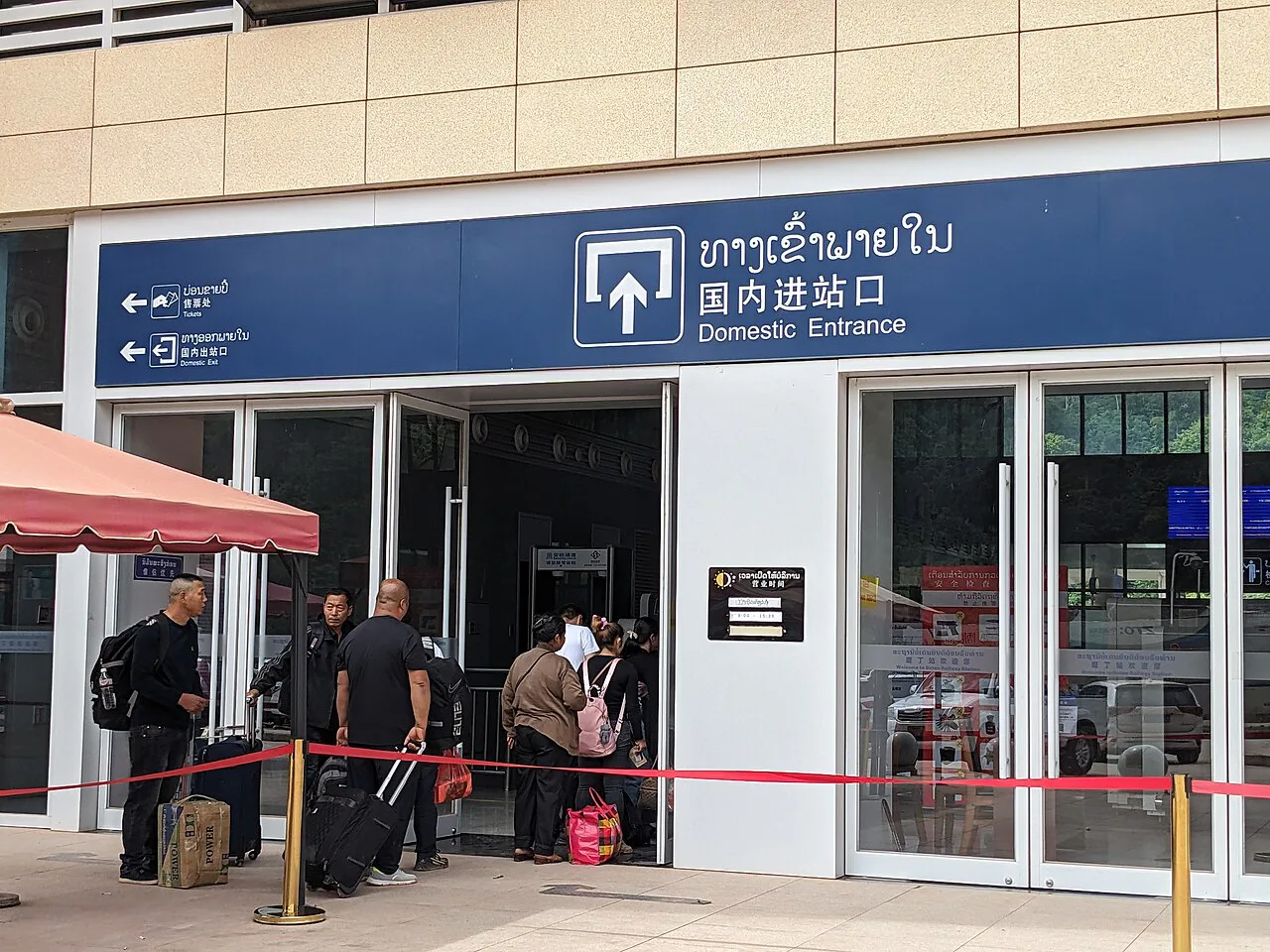
Vans from Vientiane take 2 to 3 hours, and Luang Prabang is about 4 hours away. Rail tickets on the Laos-China Railway sell out around Christmas, New Year and Lunar New Year. Book early then, or add a buffer night. Entry rules and notices sit on Laos's official tourism site. Weighing this town against its northern neighbor? Read about splitting time with Luang Prabang.
Late arrivals with two nights leave about 1.5 usable days, so a holiday trip needs the buffer night before rail seats sell out.
Costs by trip length
Extra days cost less than they sound. Lagoon entry runs about 20,000 LAK, and Nam Xay costs 20,000 LAK. Tham Chang adds 15,000 kip. E-bikes rent for about 200,000 LAK per day. Lodging and meals are the real cost of a third night. Balloon flights are the one big spend.
Best season for a longer stay
Kaeng Nyui suits November to February for comfortable hiking and June to October for peak flow. Mornings and nights run cool in December and January, so pack a layer for early starts. Clear, calm dry-season mornings are when balloon flights are most reliable. In the rainy season, add a day rather than cramming your list.
Dry-season highs of roughly 17 to 28°C make the Kaeng Nyui hike comfortable from November to February.
For trip-planning details, see Vang Vieng, Wikivoyage.
Explore More Vang Vieng Guides
Keep planning your Vang Vieng trip with these guides.
Vang Vieng Guides
Building the rest of the trip? Our Vang Vieng attractions guide covers the sights, districts and logistics around this guide.
How many days in other cities
Useful notes for your Southeast Asia trip
Optional updates to our guides.
You might also like
Continue reading
More guides you'll find useful