Vang Vieng Rainy Season: Month-by-Month Guide & Tips
What the Vang Vieng rainy season is really like: months, river safety, what to do in the rain, and when to skip it.
On this page
Last updated November 2026: the Vang Vieng rainy season runs roughly May to October, and rain usually arrives in afternoon bursts rather than all day. Mornings stay workable for caves, lagoons and viewpoints above the Nam Song River. For a year-round comparison, start with our month-by-month best-time guide.
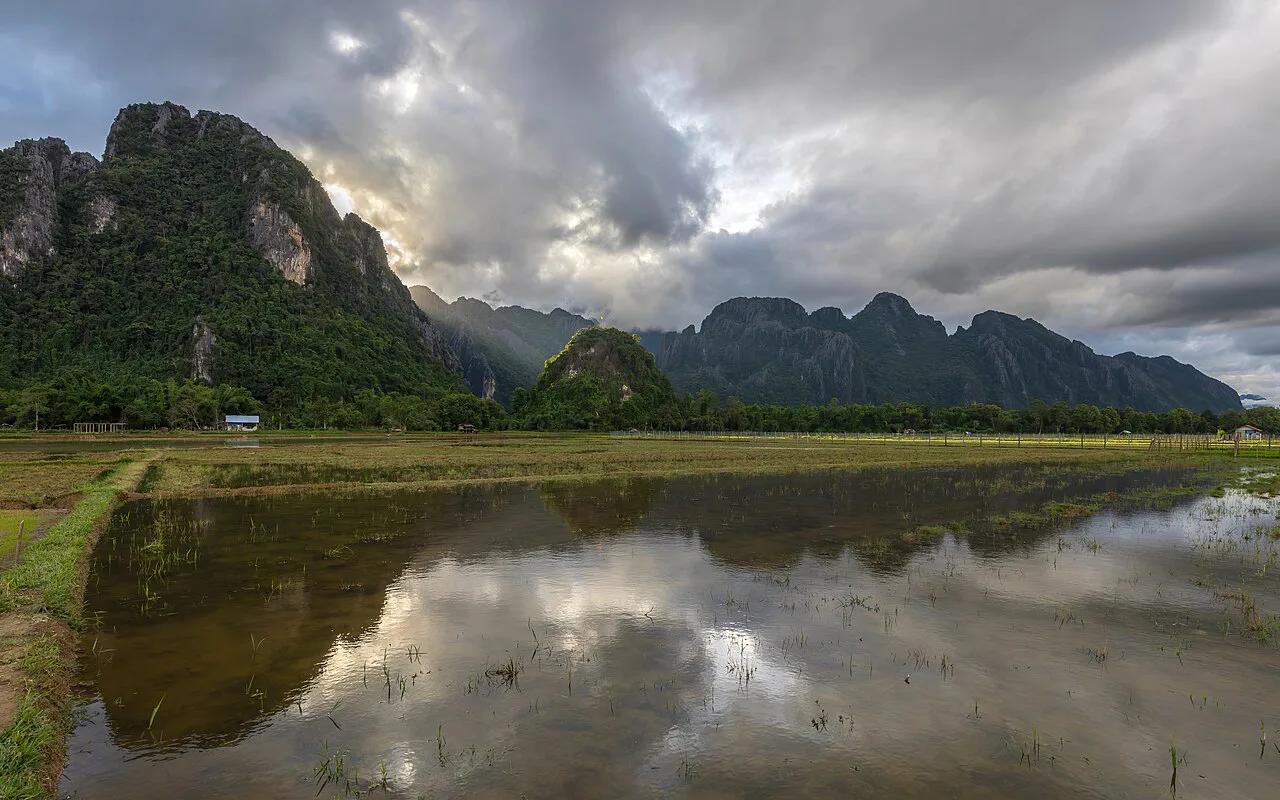
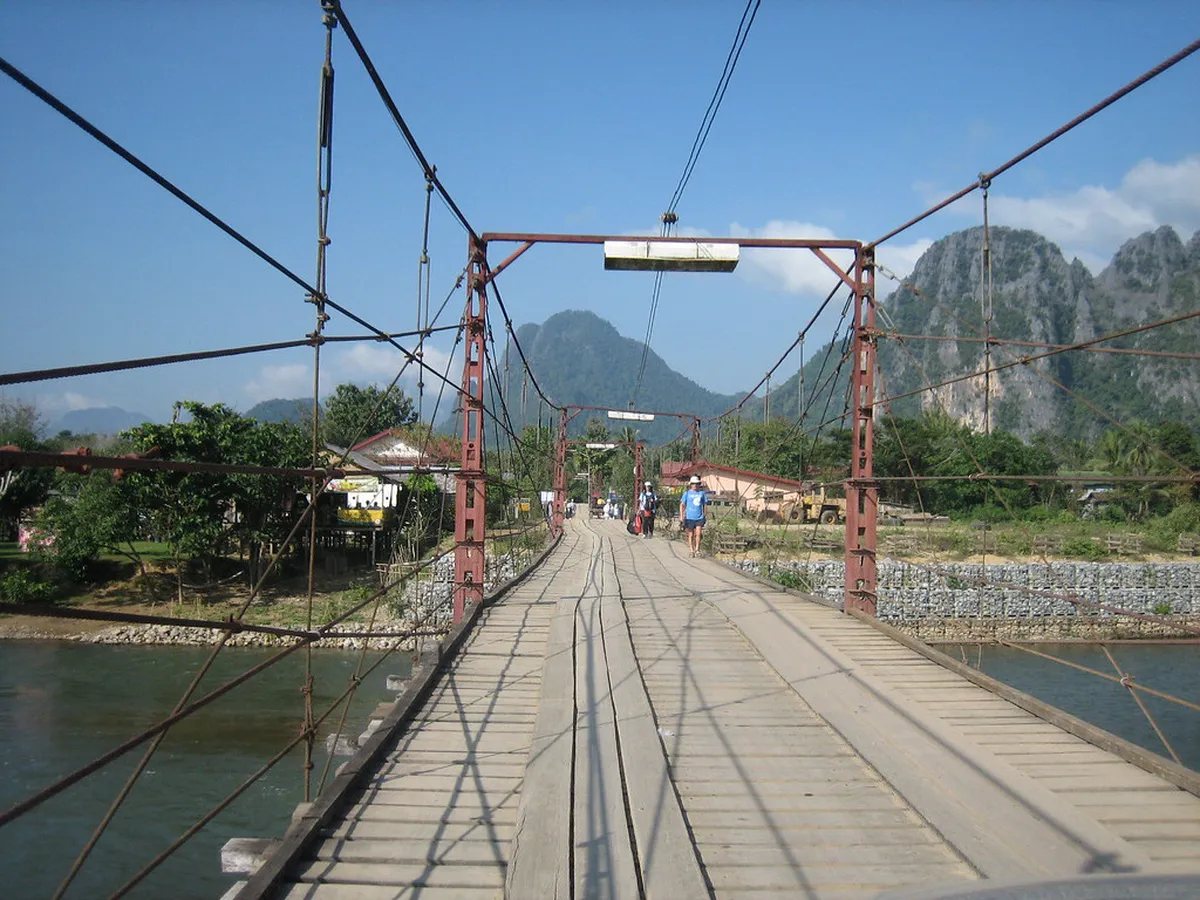
Featured image: Michael Cory, CC BY 2.0, via Flickr.
Vang Vieng Rainy Season: The Short Answer
Wet-season Vang Vieng suits flexible travelers. Expect bright mornings, a heavy shower that typically lands between 2:00 and 6:00 PM, and a cooler evening. Rice paddies turn deep green and the Nam Song runs high. Tubing and kayaking depend on operators judging the river safe, so treat them as bonuses. Budget travelers, photographers and crowd-avoiders gain the most. Fixed itineraries and tight flight connections fare worse. Dry-season visitors get more dependable river days.
Rainy Season Month by Month (May–October)
Temperatures below are approximate monthly lows and highs for Vang Vieng. Rain is transitional in May and October and heaviest in August and September. For deeper climate numbers, see our Vang Vieng climate data. Official rainfall and river bulletins come from the Lao meteorology and hydrology department.
| Month | Approx. low–high | What it feels like | What to adjust |
|---|---|---|---|
| May | 25–33°C (77–91°F) | Season opens with hot, short storms | Start early and keep afternoons open |
| June | 25–32°C (77–90°F) | Afternoon rain settles in; paddies green up | Hold caves and lagoons for the morning |
| July | 24–31°C (75–88°F) | Sunny mornings, 1–3 hour afternoon downpours | Ask your guesthouse about Nam Song levels daily |
| August | 24–31°C (75–88°F) | Peak rain and muddy trails | Wear long socks for leeches; avoid wet gravel on a motorbike |
| September | 24–31°C (75–88°F) | Among the wettest months; river at its highest | Add a buffer night; expect river activity pauses |
| October | 22–31°C (72–88°F) | Rains taper; landscape at its greenest | Viewpoints improve; river conditions ease toward November |
Is Vang Vieng Worth Visiting in the Rain?
Yes, for the right traveler. Gains and trades here are specific to this valley.
- Gain: karst ridges and paddies at full green, best seen from Nam Xay viewpoint and Pha Ngern viewpoint.
- Gain: fewer people at the lagoons and at cave entrances such as Tham Chang.
- Gain: room rates that are often lower than in peak months.
- Trade: Nam Song tubing and kayaking can pause on high-flow days.
- Trade: viewpoint climbs and jungle trails turn muddy.
- Trade: lagoon color and clarity vary after heavy rain.
What to Do in the Rain, by Time of Day
Plan around three blocks: early, midday and late afternoon. Early suits Nam Xay viewpoint and caves such as Tham Phu Kham, before showers typically arrive from about 2:00 PM. Midday works for a lagoon stop or a ride through the paddies if the sky holds. Late afternoon belongs to cafes, massages and cooking classes. Balloon flights need stable dawn air, so keep a spare morning. On high-flow days, swap the river for a paddy ride or a long cafe session.
Showers typically land between 2:00 and 6:00 PM, so a viewpoint climb booked for 3:00 PM runs straight into the shower window.
River Activities, Caves and Lagoons After Rain
Kayaking and tubing run only when operators judge the Nam Song safe. Ask your guesthouse for current river conditions each morning, and do not rely on weather-app icons. Lagoon color can shift after heavy rain, so do not count on turquoise. One regional operator says Tham Poukham's Blue Lagoon holds its color better than other Lao pools, but treat that as a single view. Venue fees and hours are listed on the official Laos tourism site.
| Activity | Rain sensitivity | Best time of day | High-flow day | Verdict |
|---|---|---|---|---|
| Tubing | High | Early, if operators run | Skip; cycle the paddies | Skip or adjust |
| Kayaking | High | Early | Skip until the river eases | Skip or adjust |
| Caves (Tham Chang, Tham Phu Kham) | Moderate; muddy approaches | Early | Go with grip sandals or shoes | Go |
| Lagoons | Moderate; color varies | Midday | Visit for the setting, not the color | Adjust |
| Viewpoints (Nam Xay, Pha Ngern) | Moderate; slick climbs | Early | Wait for a drier morning | Adjust |
| Balloons | Weather-dependent | Dawn | May cancel; keep dates flexible | Adjust |
| Cycling the paddies | Low to moderate | Morning | Stick to firm tracks | Go |
| Cafes and indoor options | None | Late afternoon | Ideal | Go |
Getting There and Around When It's Wet
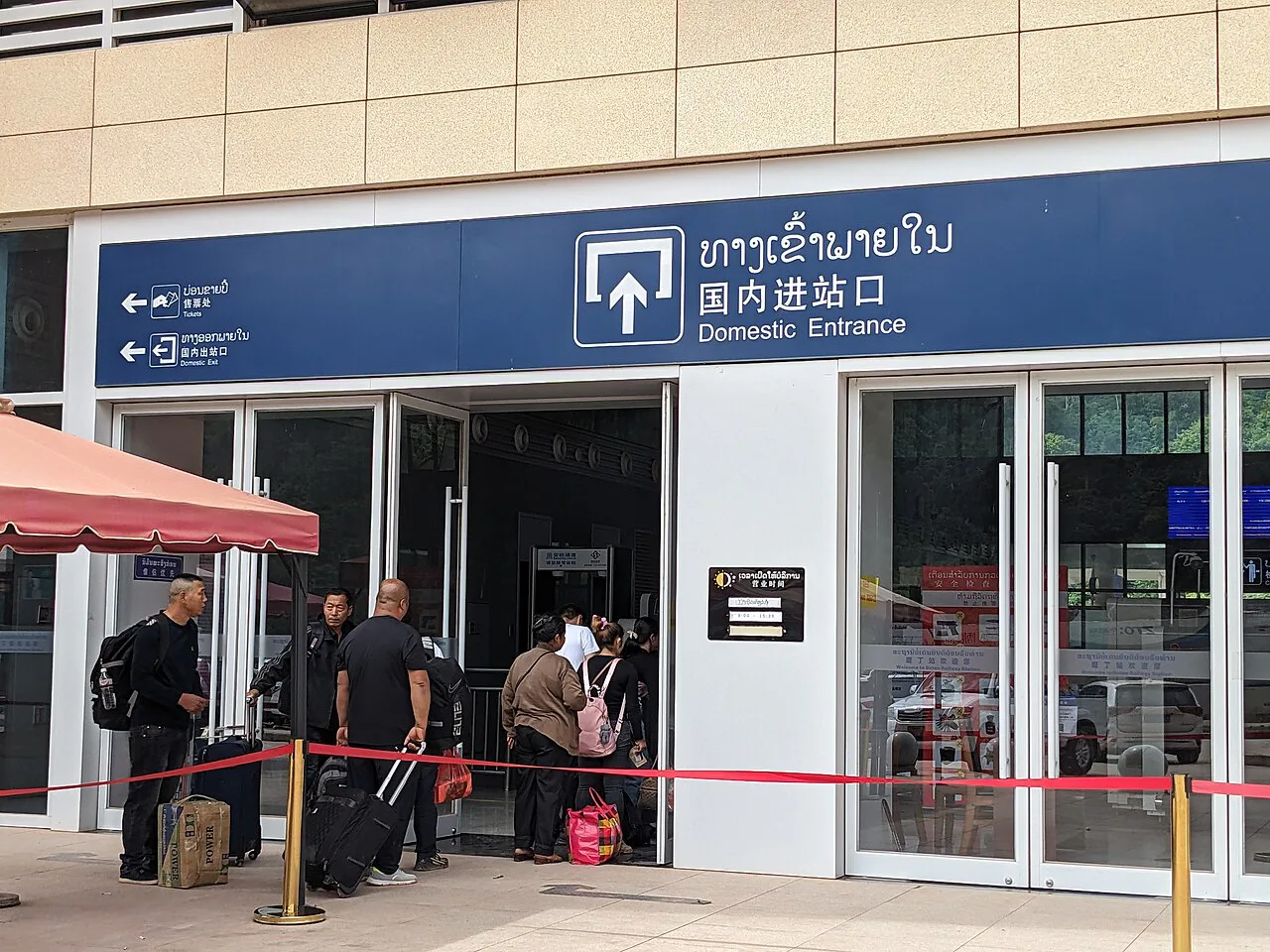
The Laos–China Railway links Vientiane, Vang Vieng and Luang Prabang, and one regional operator reports roughly an hour per hop. Check the current timetable and the station-to-town transfer with the railway operator before booking. Buses and minivans can slow after storms. Motorbikes are the riskiest option on wet roads. The tracks toward Blue Lagoon 3 and Pha Ngern are already hilly and rough. Leave a buffer night before any international departure.
One operator reports roughly an hour per hop, but a high-flow river day can pause river plans, so keep transfers loose.
- Mistake: booking a tight transfer right after a river day.
- Mistake: riding a motorbike on wet gravel.
- Mistake: assuming the lagoon will be turquoise.
- Mistake: planning a viewpoint climb for 3:00 PM.
Costs, Rooms and Crowds
Prices checked November 2026. One regional operator estimates green-season hotel rates at 20–40% below December–February peaks. Treat that as a prompt to ask and compare, not a promise. Small fares give a baseline: a shared tuk-tuk to the bus station runs about ₭10,000, per one regional guide. Rooms are usually easy to book on short notice, and lagoons and viewpoints are quieter. Trade-off: fewer river operators may run on high-water days.
What to Pack for Wet-Season Vang Vieng
Keep it light and quick-drying, since the rain is warm.
- Quick-dry clothing plus one warm layer for evenings and air-conditioned buses.
- A dry bag for phone, passport and camera.
- Sandals with grip, plus closed shoes for muddy trails.
- A poncho or small umbrella.
- Insect repellent for mosquitoes.
- Long socks for leeches, reported in August and September.
Rainy Season vs Dry Season: Which Should You Choose?
Choose the dry season if tubing, kayaking or a fixed itinerary matter most. See December dry-season conditions for the cool, clear end of the year. Our January dry-season notes cover the coolest mornings. Pick the rains for green scenery, flexibility and quieter sites.
| Factor | Rainy season (May–October) | Dry season (November–February) |
|---|---|---|
| Typical temperatures | 24–33°C (75–91°F) in most months | 20–28°C (68–82°F) |
| Rain pattern | Afternoon bursts, heavier in August–September | Low rainfall, lower humidity |
| River activities | Depend on operator judgment of the Nam Song | More dependable |
| Landscape | Deep green paddies and karst | Drier, clearer skies |
| Rates and crowds | Often lower; quieter sites | Peak demand |
Frequently Asked Questions
How many days do you need in Vang Vieng?
Two full days cover the main caves, a lagoon and a viewpoint. In the wet season, add a third day as slack for showers. Keep a buffer night before any flight.
What are the main seasons in Laos?
Laos has a wet season from May to October and a dry season from November to February. March to May is hot, and Lao New Year falls in April. Vang Vieng follows the same pattern.
Useful notes for your Southeast Asia trip
Optional updates to our guides.
You might also like
Continue reading
More guides you'll find useful