Best Time to Visit Vang Vieng: Month-by-Month Guide
Find the best time to visit Vang Vieng by month: weather, rainy season, burning-season haze, crowds, festivals and activity trade-offs.
On this page
Last updated November 2026. The best time to visit Vang Vieng is the cool, dry season from roughly November to February, when mornings are crisp and the Nam Song riverfront is at its clearest. Late October and early November make the runner-up window, with green hills and falling water. March and April are the months to avoid if views matter, because seasonal burning can fill the valley with haze.
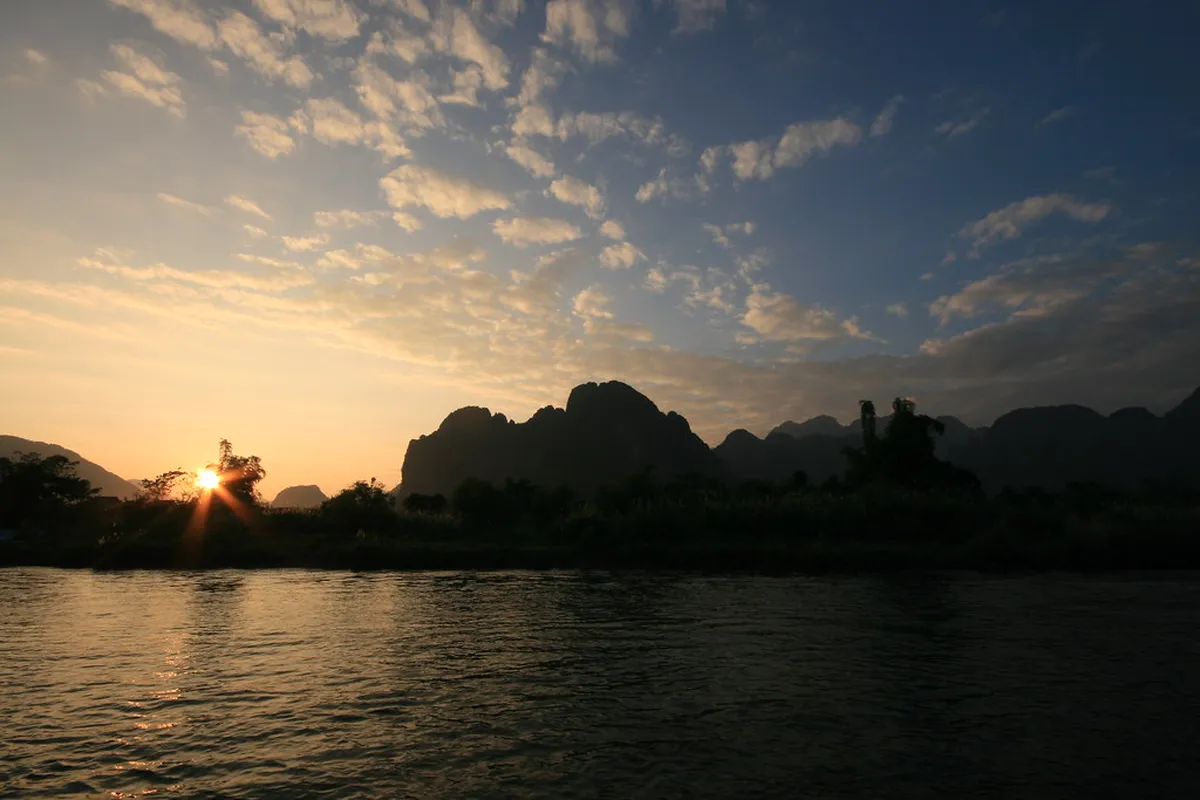
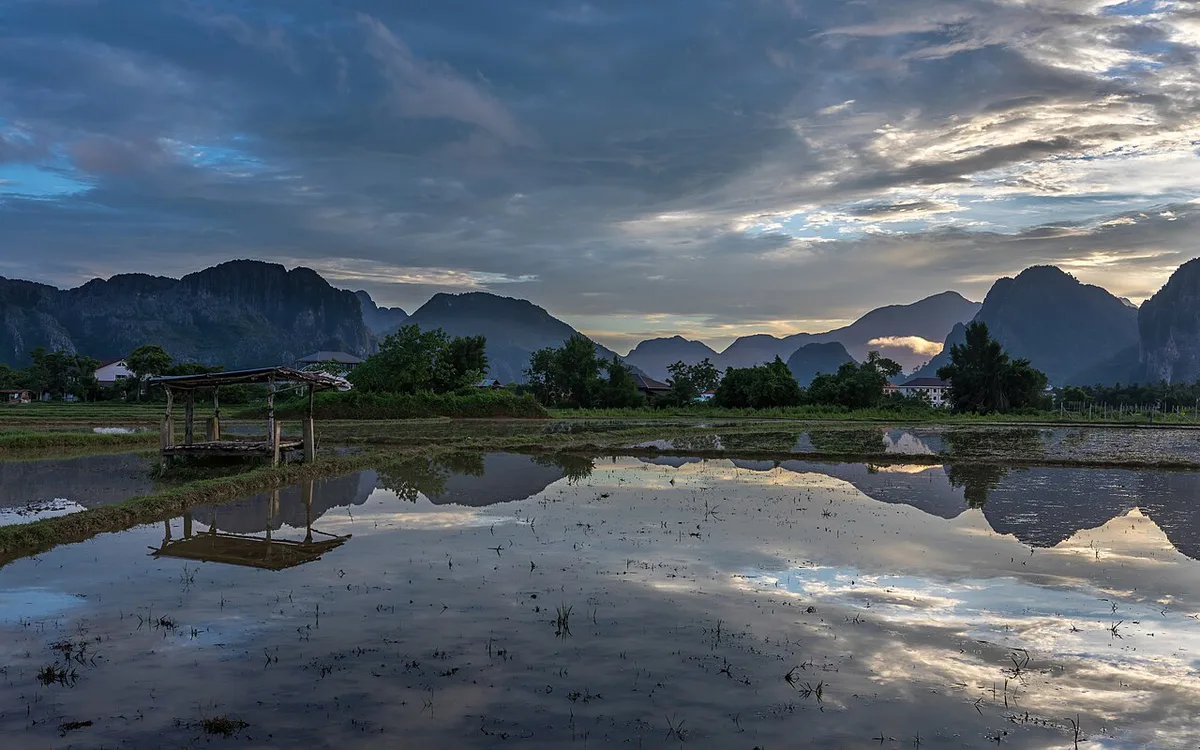
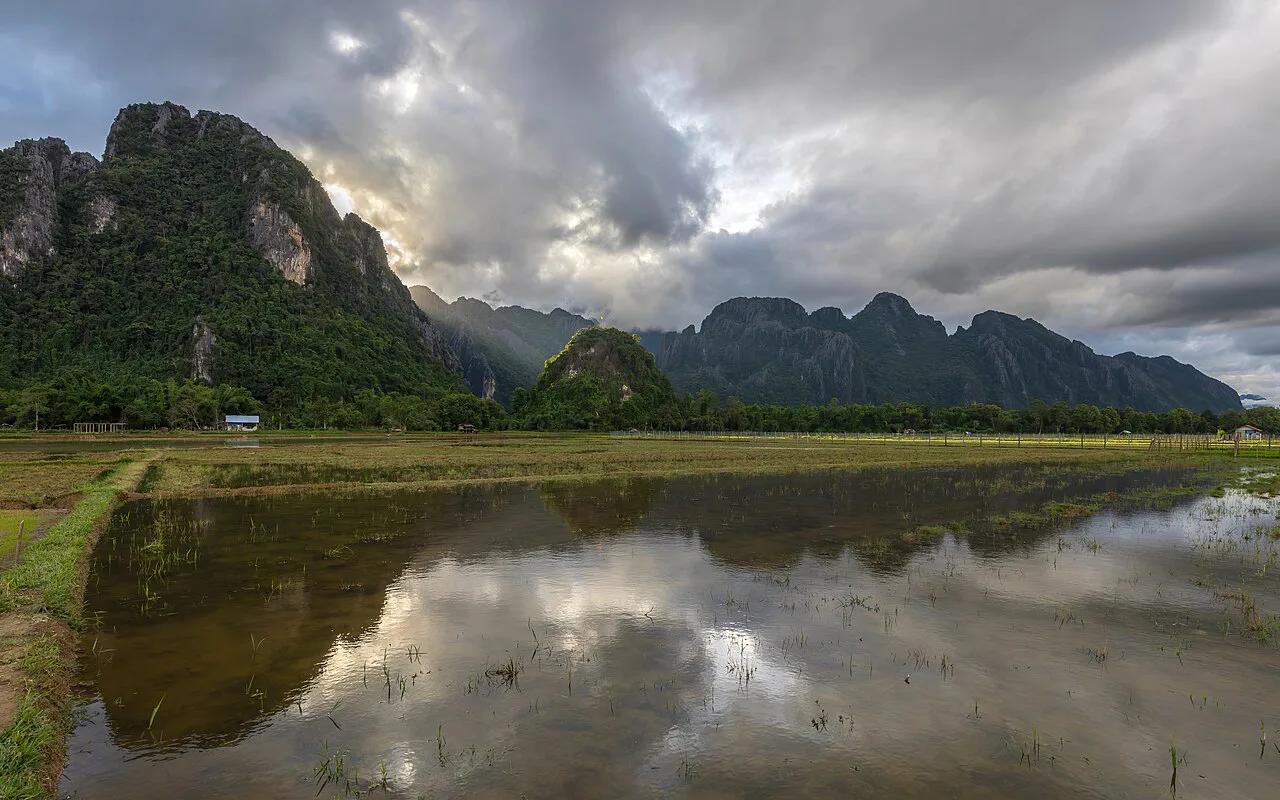
Featured image: Rossi Remy, CC BY 2.0, via Flickr.
Best Time to Visit Vang Vieng: Quick Answer
Pick November to February for balloon flights, viewpoint hikes and comfortable days. Pick late October to early November if you want green scenery and fewer people. Skip March and April for photography, and skip peak flood weeks in the wet season for river sports. Daytime highs in the cool season sit near 20–25°C (68–77°F), so a light jacket covers most days.
| Window | Months | Verdict |
|---|---|---|
| Best overall | November to February | Clear skies, cool mornings, high-season demand |
| Runner-up | Late October to early November | Green hills, receding river, lighter crowds |
| Avoid for views | March to April | Smoke and haze, rising heat |
Vang Vieng Climate at a Glance
Vang Vieng has three working seasons. The cool, dry season runs roughly November to February. A hot, dry build-up follows from March to May. Monsoon rain arrives from June to October. Cool-season highs run from 15–25°C (59–77°F) depending on the source, and mornings can feel noticeably colder. Peak heat before the rains reaches up to 35°C (95°F) or slightly above. For station-level figures, see the national forecasts from the Lao Meteorology and Hydrology Department. Our Vang Vieng weather guide covers the numbers in more depth.
Month-by-Month Guide to Vang Vieng
Levels below are qualitative planning aids, not measured data. Use them to compare months, then check live forecasts and an air-quality app before booking. December and January are the safest bets, and each has its own page: read Vang Vieng in December: Weather, Crowds & What to Do first. Then see what January is like for cold mornings and crowds.
| Month | Weather feel | Rain | Haze risk | Crowds and price | Best for |
|---|---|---|---|---|---|
| January | Cool mornings, mild days | Very low | Low to moderate | High | Ballooning, viewpoints |
| February | Warming, clear | Very low | Rising | High to moderate | Hikes, caves before haze peaks |
| March | Hot, dusty | Low | High | Moderate | Lagoon swims only |
| April | Hot, dusty | Low, first showers | High | Spikes around Lao New Year | Pi Mai Lao water play |
| May | Hot, humid | Increasing | Fading | Lower | Budget stays, caves |
| June | Warm, humid | Frequent | Low | Low | Green scenery, savings |
| July | Warm, humid | Frequent | Low | Low | Quiet stays, rice fields |
| August | Warm, humid | Frequent, river high | Low | Low | Cheap rooms, indoor days |
| September | Warm, humid | Heaviest stretch likely | Low | Low | Waterfalls, flexible plans |
| October | Easing | Dropping | Low | Rising | Boun Ok Phansa, green hills |
| November | Cool, clear | Rare | Low | High | Everything, shoulder month |
| December | Cool, cold mornings | Very low | Low to moderate | Highest | Photography, hiking |
Cool and Dry Season (November to February)
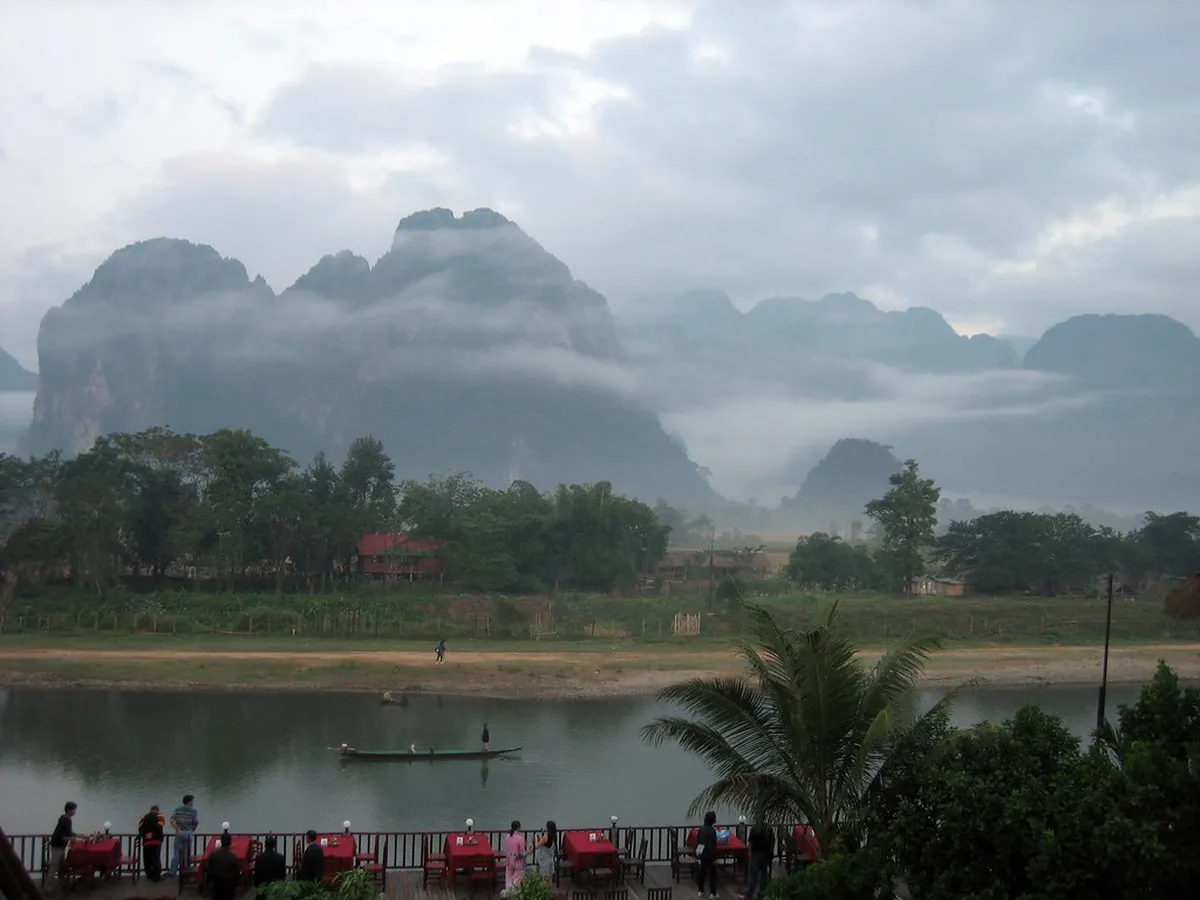
This is the usual sweet spot. Skies are clear, humidity is low and trails to viewpoints such as Pha Ngern are comfortable. Daytime highs run around 20–25°C (68–77°F). Early mornings and evenings can be chilly, so carry a layer for balloon flights and riverside dinners. Demand is highest here. Book rooms ahead for December and January, especially for riverside bungalows facing the Nam Song. Late February is a good compromise, since haze usually builds later. Treat that as a pattern to check against a live air-quality app, not a promise.
Hot Season and Burning-Season Haze (March to May)
Temperatures climb through March, with highs up to 35°C (95°F). March and April are also when seasonal burning of fields can leave smog and dust over the valley. Karst ridges that look sharp in January can vanish into a grey wash. People with asthma or other respiratory conditions should check an air-quality app daily and consider another month. Heat suits swimmers more than hikers. Plan lagoon stops, start walks at dawn and keep afternoons slow. May brings the first real relief as showers return and haze fades.
Rainy Season in Vang Vieng (June to October)
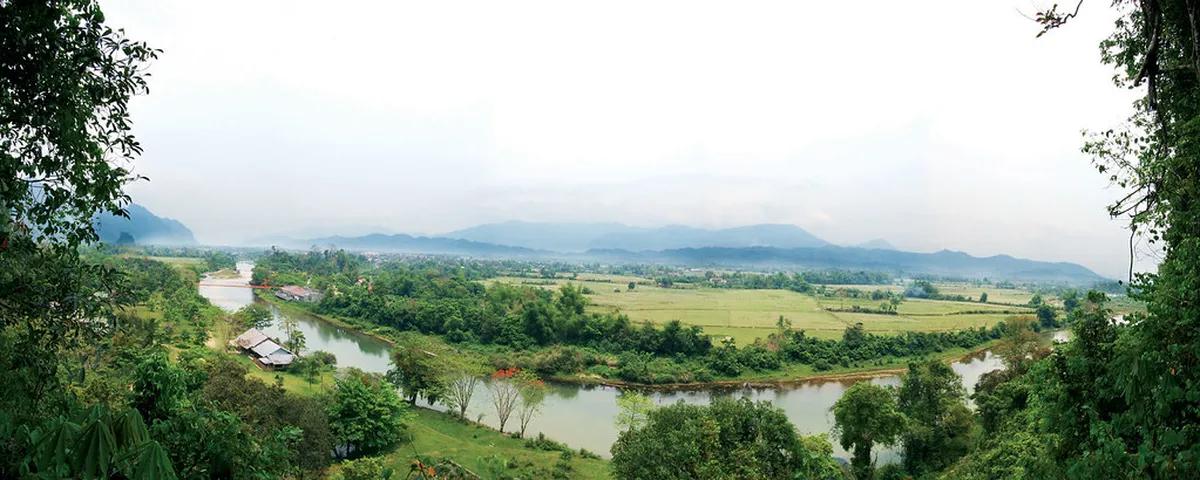
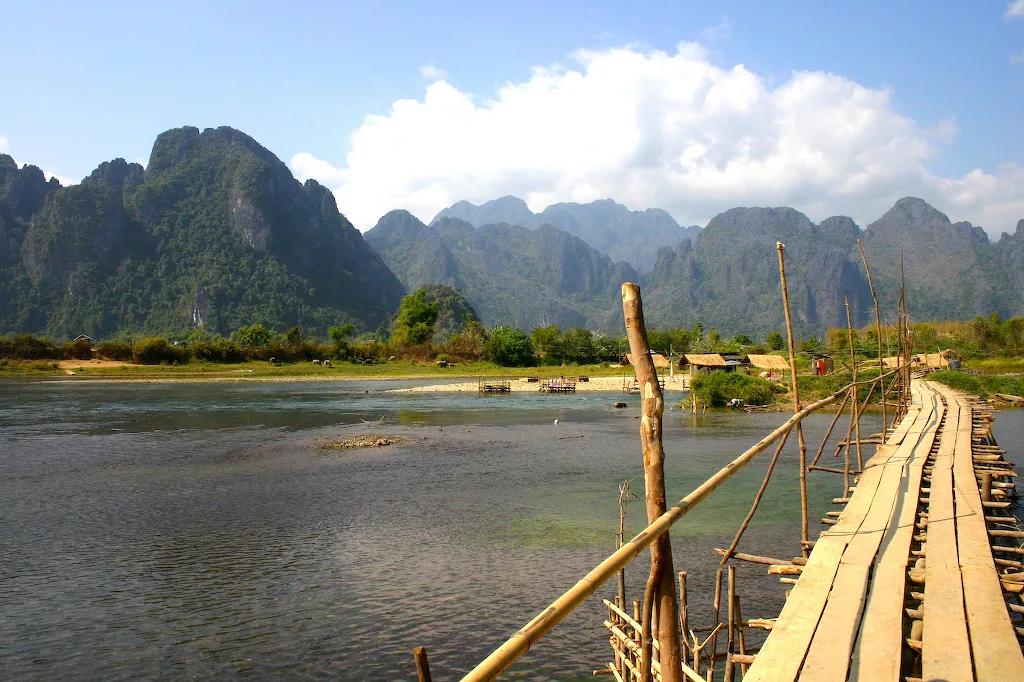
Rain does not mean constant rain. Reports describe showers that are often short and fall mostly in the afternoon, leaving mornings clear. Rivers swell, waterfalls run hard and the hills turn deep green. Heavy rain can also bring road closures and flooding. Read our Vang Vieng rainy season guide before committing. Tubing and kayaking are riskier at high water, so ask operators about current river levels. Wet season is the cheap season. As a worked example for comparing quotes, not a published rate, a room offered at ₭400,000 in January might be negotiable toward ₭250,000 in July. Ask every guesthouse for both numbers.
Best Time for Each Activity
Match the month to the plan, not the other way round. Ballooning wants clear, calm air, so aim for November to February. Hikes to Pha Ngern and Nam Xay viewpoints reward you most in the same window. Caves such as Tham Phu Kham with its blue lagoon work year-round, though flooded access paths are possible in peak rains. Tubing and kayaking on the Nam Song are gentlest in the cool season. In the monsoon the same river runs faster and needs extra caution. Photographers should avoid March and April.
| Activity | Best months | Trade-off |
|---|---|---|
| Tubing and kayaking | November to February | High water and strong current in the wet season |
| Hot air ballooning | November to February | Cold mornings; haze ruins views in March and April |
| Caves and blue lagoons | November to May | Muddy, high-water access in heavy rain |
| Viewpoint hikes | November to February | Heat and haze from March |
| Photography | November, December, October | Haze in March and April |
Festivals and Holidays That Affect Timing
Pi Mai Lao, the Lao New Year, falls in April. Expect water play, processions and crowds, plus higher prices and some closures. Dates vary by year, so check with the Laos tourism site before you book. Boun Ok Phansa in October marks the end of Buddhist Lent and is known for illuminated boats. It lands as the rains ease, which makes it a good reason to choose October. Visit around Pi Mai only if you want the party and accept the haze and heat.
Which Season Fits You?
First-timers should aim for November or early December. Adventure seekers can try late October or February for strong river action and good trails. Photographers should choose November to January. Budget travelers do best from June to September, with the flood caveats above. Families should favor the cool season, when midday heat and river risk are lower. Heat-sensitive or air-quality-sensitive travelers should avoid March and April entirely.
- Mistake: booking March or April for views.
- Mistake: tubing during peak flood weeks.
- Mistake: arriving in December or January without a warm layer.
- Mistake: booking Pi Mai week late, when rooms and rates tighten.
Getting There and Around by Season
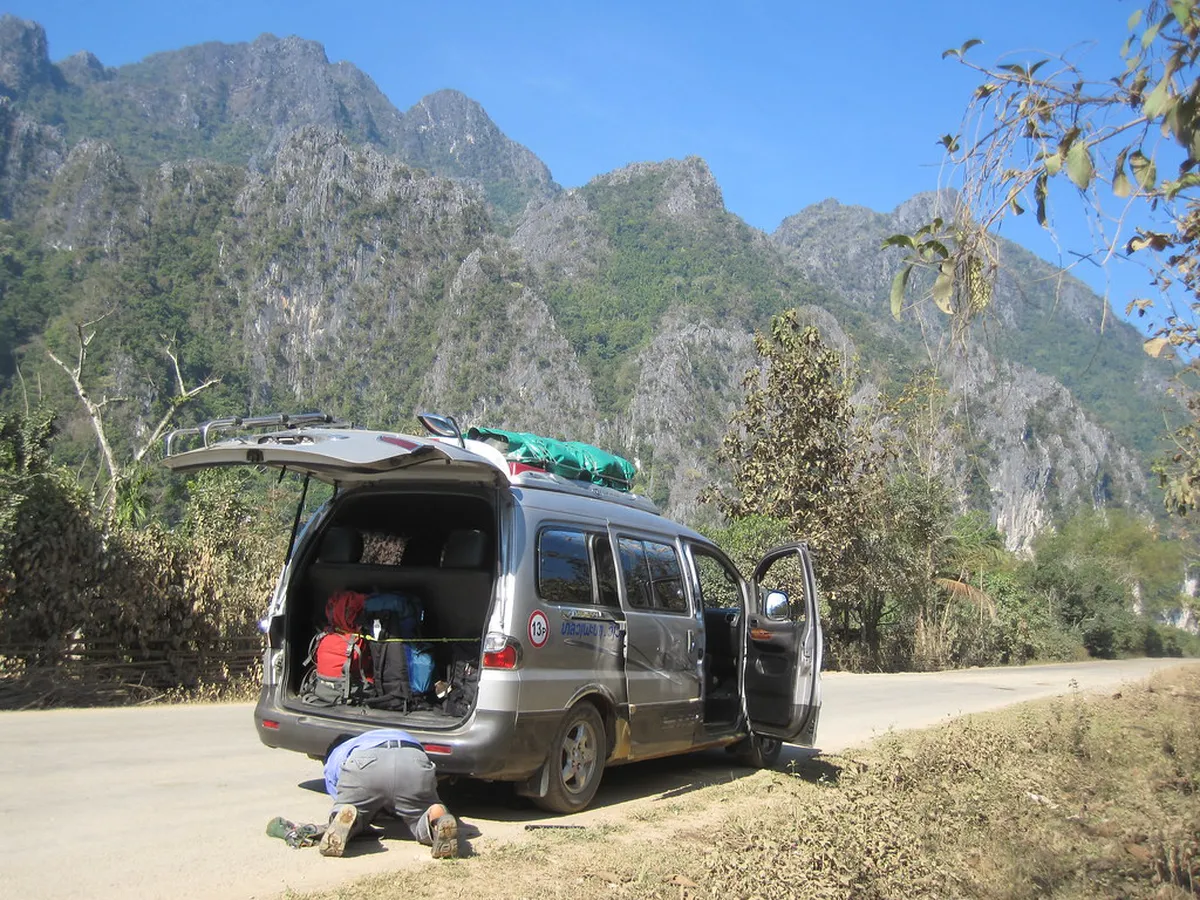
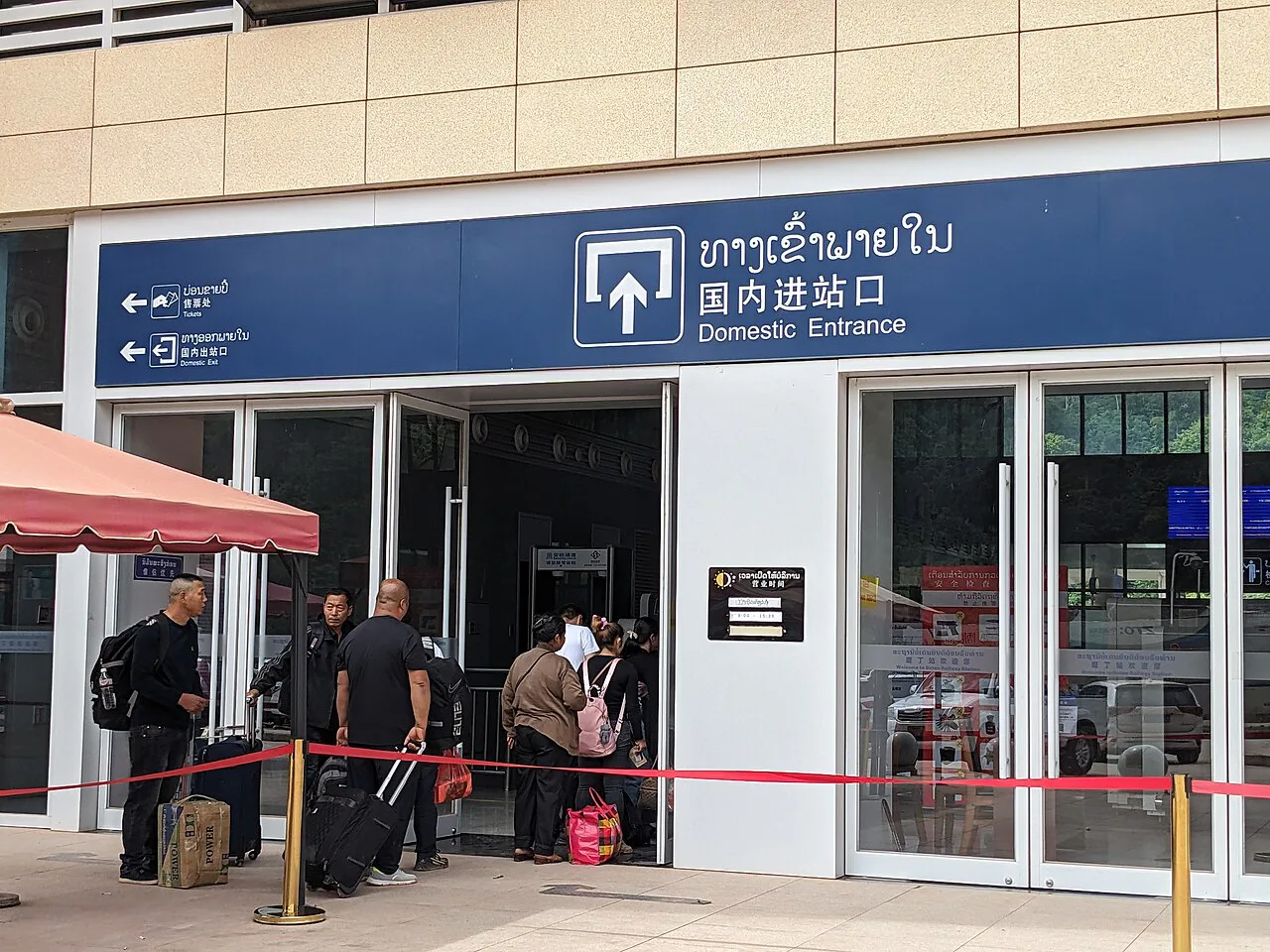
Buses and minivans connect Vang Vieng with Vientiane in about 4 hours and Luang Prabang in about 6 hours, per recent reports. The Laos-China Railway is said to link Vientiane to Vang Vieng in under an hour. That claim dates from March 2024, so check the current timetable and the station-to-town transfer. In the wet season, allow slack for road delays. In the cool season, book transport and rooms early. Locally, bicycles, e-bikes, tuk-tuks and songthaews cover most trips.
Buses to Vientiane take about 4 hours per recent reports, and June to October heavy rain can bring road closures and flooding.
What to Pack by Season
For November to February, bring a light jacket or fleece for 15–25°C (59–77°F) days that start cold. For March to May, pack breathable clothing, a hat, sunscreen and a mask for hazy days. For June to October, carry a rain jacket, grippy sandals and a dry bag for river trips and phones.
Pack for 15–25°C (59–77°F) days, a wider range than the 20–25°C (68–77°F) highs quoted for the sweet spot.
Building the rest of the trip? Our Vang Vieng attractions guide covers the sights, districts and logistics around this guide.
Best time to visit other cities
Frequently Asked Questions
How many days do you need in Vang Vieng?
Two to three days covers a river activity, a cave or lagoon, and one viewpoint. Add a day in the rainy season for weather buffer.
Is Vang Vieng a party town?
It was known as a backpacker party stop. Today it is also a base for outdoor activities such as kayaking, caving and ballooning. Riverside bars remain, especially along tubing routes.
Explore More Vang Vieng Guides
Keep planning your Vang Vieng trip with these guides.
Vang Vieng Guides
Useful notes for your Southeast Asia trip
Optional updates to our guides.
You might also like
Continue reading
More guides you'll find useful