Ipoh Rainy Season: When It Rains and How to Plan
What the Ipoh rainy season means for your trip: when rain is heaviest, what to do indoors, and how to plan around it.
On this page
Last updated November 2026. The Ipoh rainy season has no clean start or end, because the Kinta Valley gets rain in every month. Showers peak during the two inter-monsoon periods, so plan for short afternoon storms rather than a long washout, and read on for a go-or-skip call.
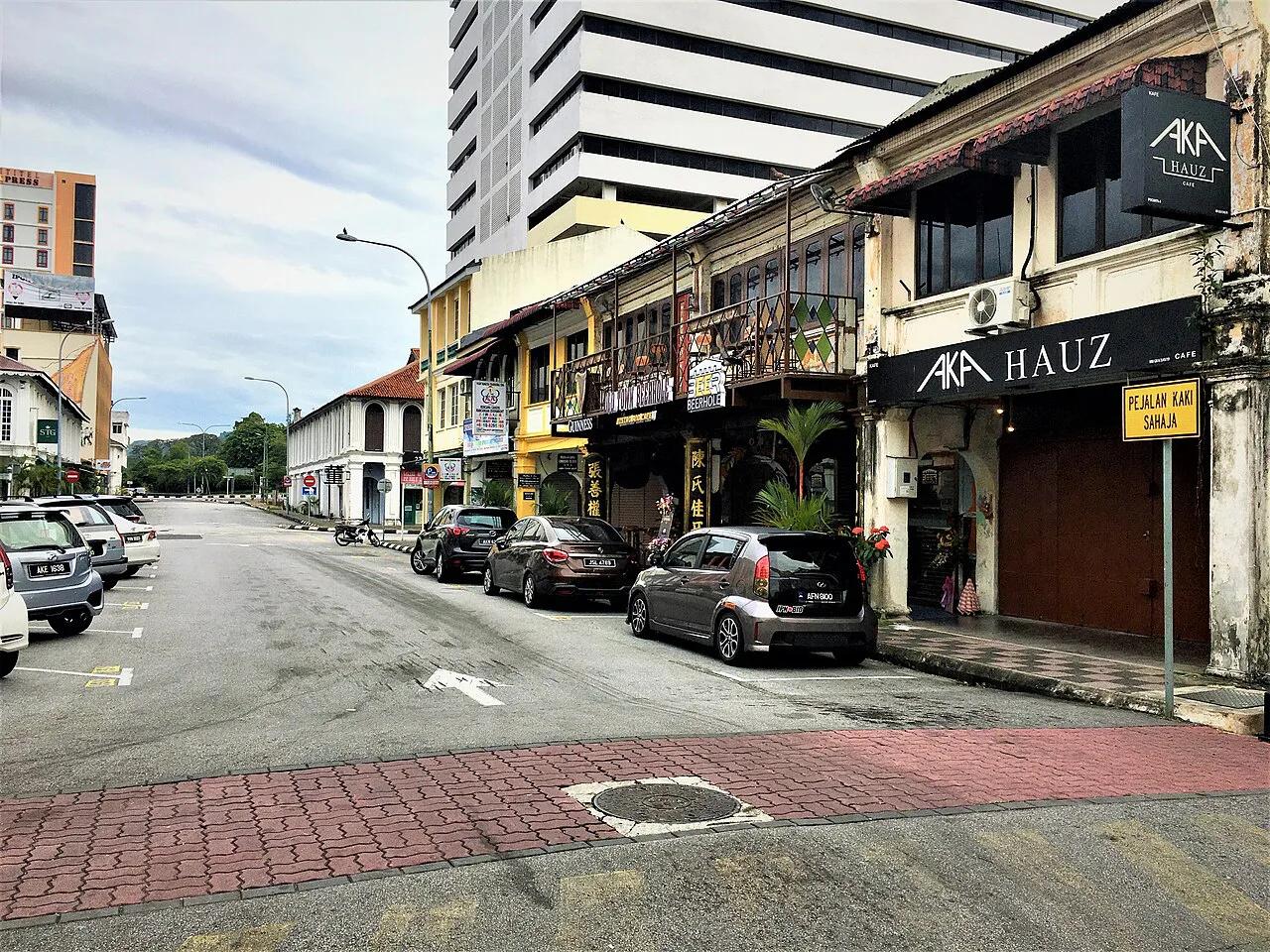
Featured image: World of Travolution360, CC BY-SA 2.0, via Flickr.
Short Answer: When Is the Ipoh Rainy Season?
Ipoh sits in a hot, humid tropical climate with no true dry season. Heavy afternoon thunderstorms are most frequent during the inter-monsoon periods, which fall roughly in April–May and October–November. Northeast monsoon months are generally less severe on the west coast, so Ipoh usually escapes the worst of that pattern. Go in any month if you are happy to plan around a storm. Skip only if your trip depends on long, uninterrupted outdoor days. Our Best Time to Visit Ipoh: Weather, Crowds & Festivals guide covers the wider seasonal decision.
Ipoh Rainfall by Month: What to Expect
Treat the table as a planning guide, not a forecast. Daytime highs stay near 32°C (90°F) all year, with warmer spells reaching 34°C (93°F). Nights hold around 23°C (73°F). For official outlooks and warnings, check the Malaysian Meteorological Department. Month-level detail lives on our Ipoh weather page.

| Period | Typical rain pattern | Trip impact |
|---|---|---|
| January–March | Rain is present but usually lighter on the west coast | Easiest sightseeing; book popular food stops early |
| April–May | Inter-monsoon: frequent afternoon thunderstorms | Do outdoor sights in the morning, indoor stops after lunch |
| June–September | Showers continue without a true dry season | Carry a light rain layer; buffer time is rarely needed |
| October–November | Inter-monsoon: heaviest and most frequent storms | Add a buffer day; keep cave and hill visits flexible |
| December | Wet spells possible, often easing from the peak | Mixed days; see the December guide for crowds |
How Rain Usually Behaves in Ipoh
Inter-monsoon rain tends to arrive as a build-up of heat and cloud, then a thunderstorm in the afternoon. Mornings are often clear, which makes them your best window for outdoor sights. Storms commonly pass within a few hours, though a heavy cell can flood roads briefly. Humidity stays high either way, so even dry spells feel damp. Pack breathable clothes, a compact umbrella and shoes with grip.
Best Rainy-Day Things to Do in Ipoh
Ipoh's food and cafe culture suits wet weather. Spend storm hours in the Old Town and New Town, where heritage shophouses hold coffee shops and kopitiam. Group your stops so each one is a short hop from the last.
- Indoor: settle into a kopitiam for white coffee and a long lunch.
- Covered: walk shophouse five-foot ways, the roofed pavements in front of the old shops.
- Short hop: use ride-hail between Old Town and New Town instead of walking in a downpour.
A Rain-Proof Ipoh Itinerary
Use a simple split. Put outdoor sights, such as limestone hills and cave temples, between breakfast and early afternoon. Move food, cafes and shopping to the hours when storms are most likely. If your trip is two to three days, keep one day loose. A buffer day lets you swap a washed-out outing without rebooking anything.
Cave and hill climbs at 3 p.m. in inter-monsoon season run straight into the afternoon storm window. Move them to the clear morning slot instead.
- If it pours in the morning: start with a long breakfast and shift outdoor stops to the evening.
- If a storm hits mid-hike: shelter, wait out the lightning, then decide.
- If roads flood: stay in the city and save the countryside for the next day.
Outdoor Plans: What to Protect or Skip
Cave temples, limestone hills and nature outings are the plans most exposed to rain. Steps and rock paths turn slippery, and lightning makes exposed viewpoints a poor place to wait. Check official weather warnings on the morning of any outing. Skip hillside climbs during thunderstorm alerts. Keep hot-spring or garden visits for the flexible slot in your plan.
Costs, Access and Getting Around in the Rain
Ride-hail demand rises when a storm breaks, so expect longer waits and higher fares. As a budgeting example only, set aside an extra RM30 for rides on a wet day. Rooms can swing with season and events. A room at RM150 in a quiet week might reach RM220 over a festival weekend, so compare rates for your dates. Choose accommodation with free cancellation when you travel in October or November. Parking near the shophouse streets fills quickly in heavy rain, so leave the car at your hotel when you can.
Who Should Go and Who Should Skip
Food-focused trips and first-timers do well in the rainy months, because most of Ipoh's best stops are indoors or under cover. Photographers and hikers should favor early mornings and keep spare days. Short stopovers are the riskiest, as a single storm can cost half your time.
Festival weekends can push a RM150 quiet-week room to RM220, so compare rates for your dates before a short stopover.
- Mistake: scheduling a cave or hill climb for 3 p.m. in inter-monsoon season.
- Mistake: booking non-refundable rooms for October–November.
- Mistake: packing only sandals with no rain layer.
Rainy Season vs Other Times
If you want a firmer plan, compare months before you book. Our Ipoh in December: Weather, Crowds & What to Plan guide covers the end-of-year mix of showers and crowds. Festival timing changes prices and availability more than rain does, so read about Chinese New Year in Ipoh: Plan Your Visit if you travel then.
Frequently Asked Questions
Is it raining season in Ipoh?
Rain falls in Ipoh in every month, with no true dry season. Storms are most frequent in the inter-monsoon periods of roughly April–May and October–November. Mid-November sits inside the second one.
How many days to spend in Ipoh?
Two to three days covers the main food and heritage stops. Add one buffer day in the wetter months so a storm does not wipe out an outdoor plan.
Useful notes for your Southeast Asia trip
Optional updates to our guides.
You might also like


Continue reading
More guides you'll find useful