Best Time to Visit Ipoh: Weather, Crowds & Festivals
A plain-language guide to the best time to visit Ipoh: dry versus wetter months, festivals, crowds, cave-temple hours and what to plan around each season.
On this page
Last updated November 2026. The best time to visit Ipoh is the drier stretch from November to February, though this hot, humid Perak city has no true dry season. We'd pick that window for cave-temple climbs and old-town walking, and we'd choose another month only to dodge Chinese New Year crowds or to save on a hotel. Since you're reading in November, the recommended window is already starting.
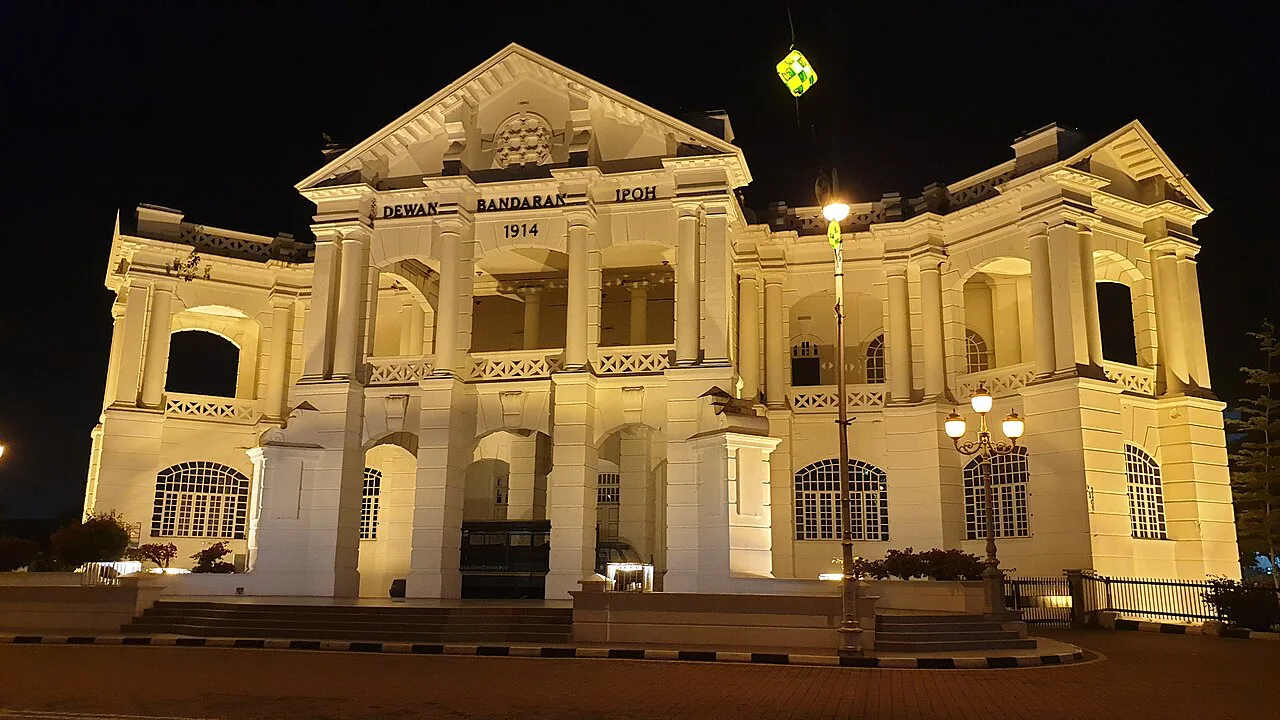
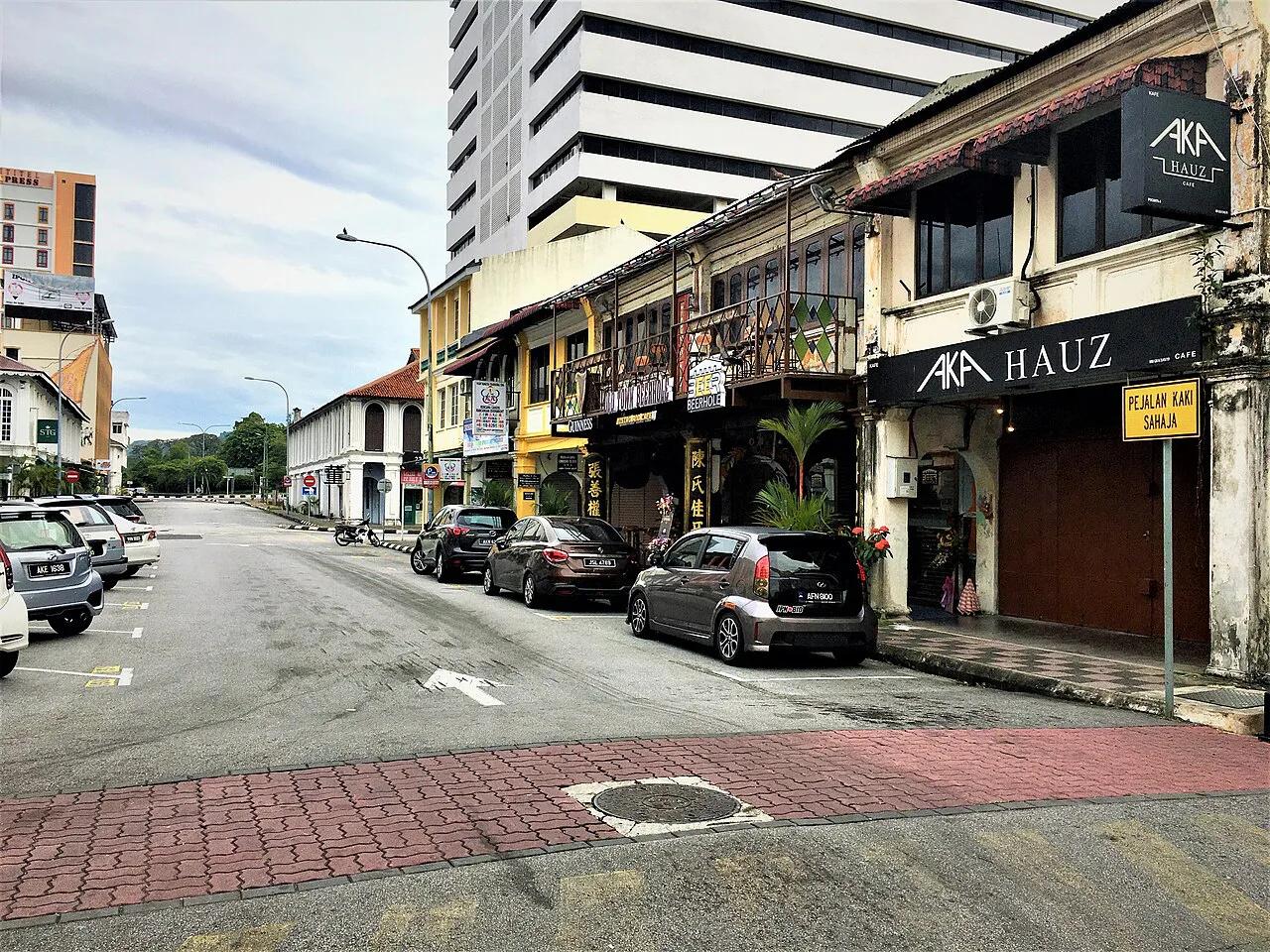
Featured image: Zahirulnukman, CC BY-SA 3.0, via Wikimedia Commons.
Best Time to Visit Ipoh: The Short Answer
Our pick is November to February. Rain is typically lighter then, and the stair climbs at Sam Poh Tong and Perak Cave Temple are far more pleasant. Ipoh stays warm all year, with daytime highs typically between 32°C (90°F) and 34°C (93°F). Rain still falls in every month, so pack a compact umbrella whenever you go. For the climate detail behind these ranges, see our Ipoh weather guide. Official forecasts come from the Malaysian Meteorological Department.
Daytime highs between 32°C (90°F) and 34°C (93°F) explain why a cave climb before 2 pm beats a midday start.
| Traveler type | Best if you want | Avoid if |
|---|---|---|
| Food-focused | Cooler mornings for street stalls, Nov–Feb | You hate queues at Chinese New Year |
| Temples and photography | Dry mornings, early cave starts | A heavy downpour is forecast |
| Families | Evenings at Lost World hot springs | You can't tolerate midday heat |
| Budget travelers | Quieter non-holiday weeks | You need a December or CNY bed |
| Day-trip combiners | Clear days for Taiping or Cameron Highlands | Rain is forecast on the day |
Ipoh's Seasons at a Glance
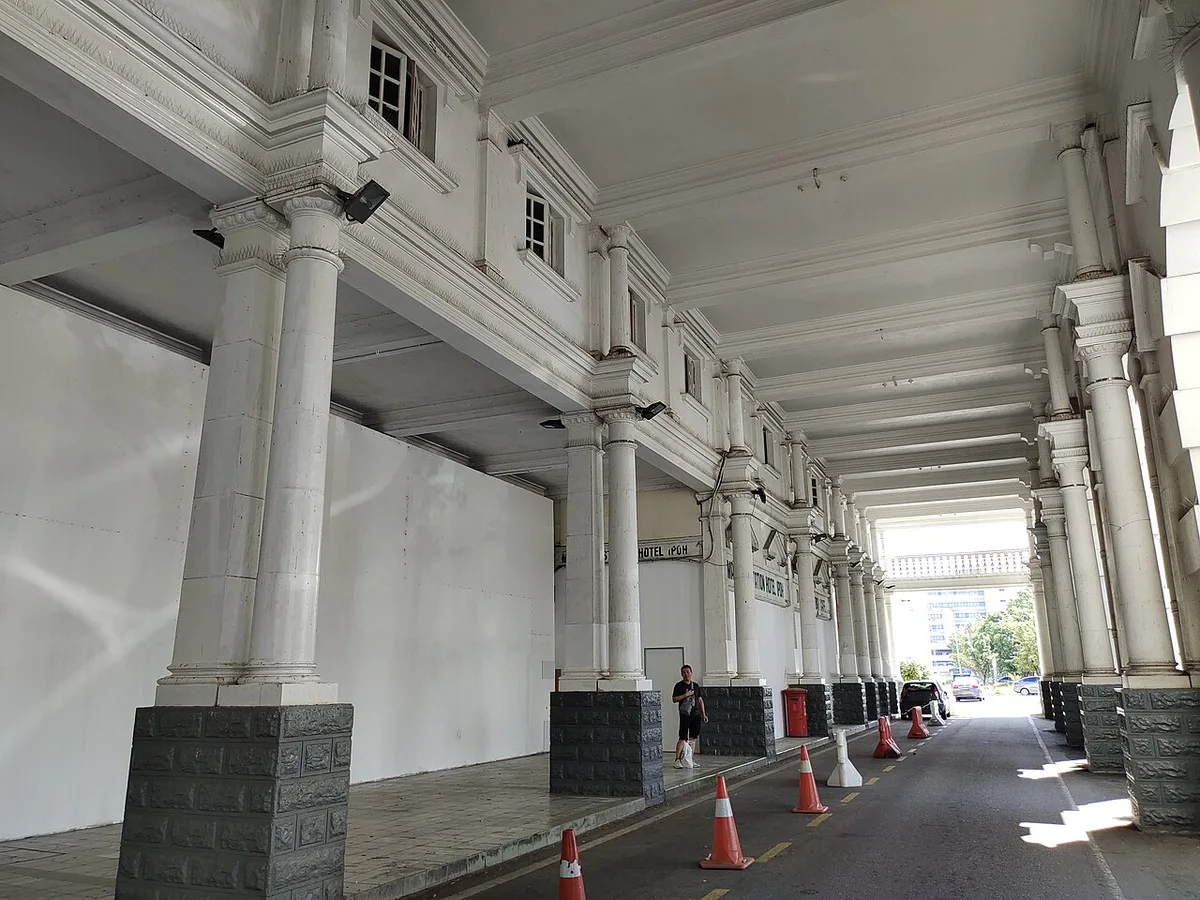
Ipoh has a tropical rainforest climate. Temperatures barely move through the year, with lows near 23°C (73°F) and humidity that stays high. What changes is how much rain falls and when. We'd treat November to February as the drier window. Showers are usually shorter in those months. The inter-monsoon periods around spring and autumn typically bring more frequent afternoon storms. Those months can still work for a trip if you plan your days around them. Our Ipoh rainy season guide covers what a wet week looks like on the ground. Rain matters most for three things: cave-temple stairs, the Gunung Lang boat rides and walking between old-town lanes.
Month-by-Month Guide to Ipoh
Read this table as a planning aid, not a forecast. Rain and crowd levels shift from year to year, so lean on the broad pattern. Hotel levels are relative, because we have no sourced monthly rates. Prices and hours in this guide were checked November 2026. For a closer look at the holiday month, see our Ipoh in December guide.

| Month | Weather feel | Crowds | Hotel level | Notes |
|---|---|---|---|---|
| January | Drier, warm | Moderate | Higher | Dry window; holiday tail |
| February | Drier, warm | High if CNY falls here | Higher near CNY | Check CNY dates each year |
| March | Warm, rain building | Moderate | Mid | Showers start to return |
| April | Humid, frequent storms | Moderate | Mid | Inter-monsoon rain typical |
| May | Humid, frequent storms | Lower | Lower | Good for flexible planners |
| June | Hot, mixed | Moderate | Mid | School-holiday dates vary |
| July | Hot, mixed | Moderate | Mid | Outdoor mornings work best |
| August | Hot, mixed | Moderate | Mid | Early starts essential |
| September | Humid, rain picking up | Lower | Lower | Quieter old town |
| October | Humid, frequent storms | Lower | Lower | Inter-monsoon rain typical |
| November | Rain easing | Moderate | Mid | Dry window begins |
| December | Drier, warm | High | Highest | Holiday-period demand |
Best Time to Visit Ipoh by Trip Type
Food trips work best from November to February. Mornings are comfortable enough for a 8:30 am breakfast at Nam Heong and a stall crawl through the old town. Cave temples reward the same months. Sam Poh Tong is open Monday to Friday from 8:00 AM to 2:00 PM, and admission is free. Perak Cave Temple is reportedly best visited before 2 pm, when stair access closes. Photography fans can go any month if they start early, because clouds build by afternoon. Families get the most from Lost World of Tambun outside the wettest weeks, since its water rides depend on dry skies. Day trips to Taiping or Cameron Highlands need a clear forecast.
- Food trip: November to February, with 2 days minimum.
- Temples and caves: November to February, morning starts.
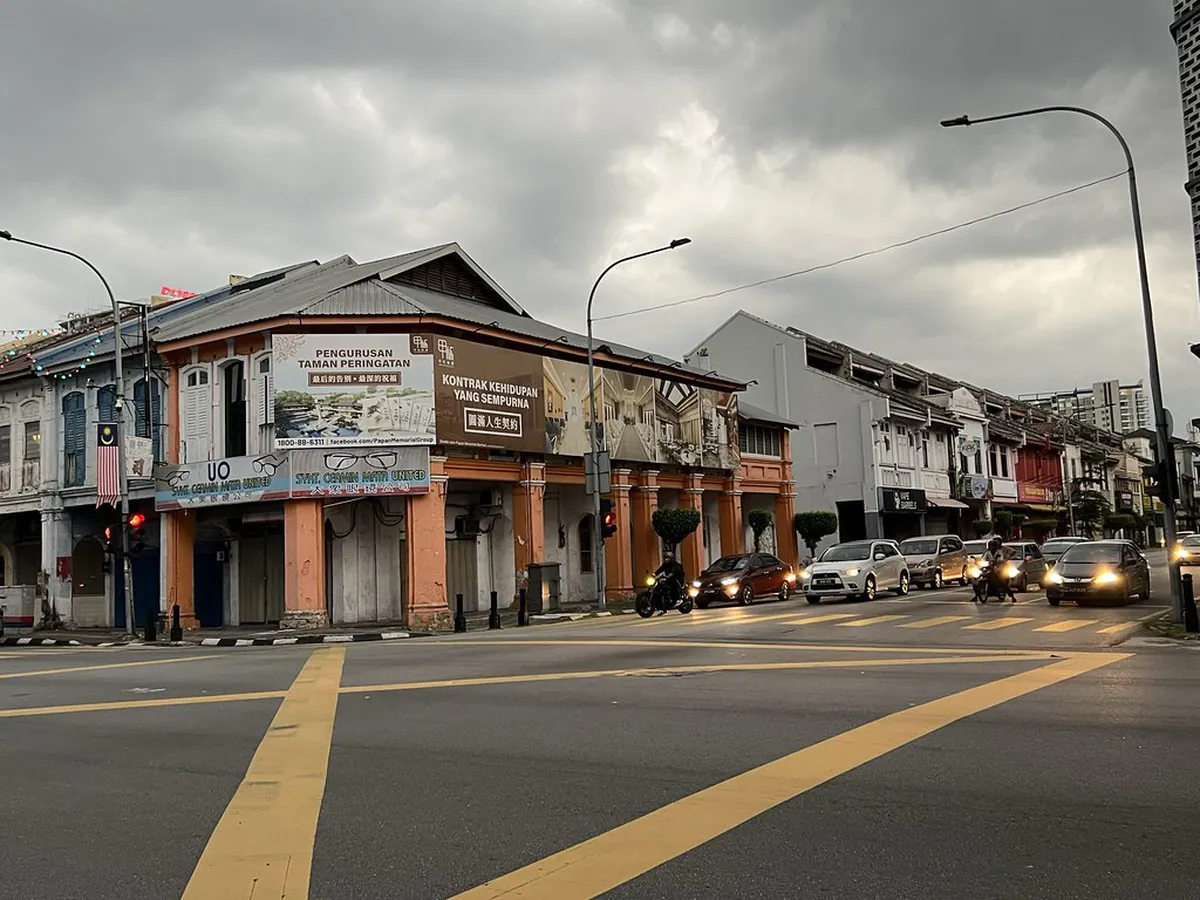
- Photography and street art: any month, before 10 am.
- Families: November to February, with an evening hot-springs session.
- Budget stay: May, September or October, with a flexible umbrella plan.
Festivals and Holidays: Plan Around Them or Avoid Them
Chinese New Year changes the city. Visitors fill the old town, and some family-run food stalls close for the holiday. If you want the festive mood, go. If you want your usual stall crawl, pick another fortnight. Our Chinese New Year in Ipoh guide covers closures and crowds. December is the other pressure point, with holiday demand lifting hotel prices. We'd book early for that month, and our December in Ipoh page has the detail. Ramadan and school holidays also shift crowds and opening hours. Their dates move each year, so check Tourism Malaysia's current calendar before you lock in flights.
Rainy-Day Plan and Heat Plan
Our rule of thumb: if the forecast is wet, swap outdoor stops for indoor ones. Replace Gunung Lang's boat ride with Han Chin Pet Soo at No. 3, Jalan Bijeh Timah (Treacher Street). Entry there is by appointment only, bookable up to 30 days ahead on the museum website. There is no fixed fee for scheduled tours, but a donation for upkeep is requested. Booking takes about 1 minute. A hot day needs a different shape. Start at a cave temple before 2 pm, then move to air-conditioned cafés and museums through midday. Evenings suit Lost World Hot Springs & Night Park, which opens daily from 6:00pm to 11:00pm. Adults pay RM130 at the walk-in rate, or RM105 with a MyKad. Our rainy-season planning page has more swap ideas.
Cave-temple stair access reportedly closes after 2 pm, so a hot day can pair morning climbs with the Lost World evening slot, 6:00pm to 11:00pm.
- 8:00 am: Sam Poh Tong, free, open until 2:00 PM Monday to Friday.
- 11:00 am: Old-town lanes and a café break out of the heat.
- 2:00 pm: Han Chin Pet Soo slot, booked in advance.
- 6:00 pm: Lost World Hot Springs & Night Park, open to 11:00pm.
How Long to Stay and How to Get There
Two days is the minimum if you came for food. Three days is plenty before you run out of Ipoh-proper sights. Add a day only if you want Taiping or Cameron Highlands. From Kuala Lumpur, the train takes 2 to 3 hours and costs RM20 to RM30. Buses run about 3 hours for RM20 and arrive at Terminal Amanjaya. By road, the E1 highway south of Kuala Lumpur gets you there in just over two hours. Lost World of Tambun is about 2 hours' drive from Kuala Lumpur and from Penang. From Ipoh city centre it is roughly a 20 minute taxi ride. Admission is RM160 for adults at the walk-in rate, or RM125 with a MyKad. The theme park is closed on Tuesdays except on Malaysian school and public holidays.
Where to Stay in Ipoh by Season
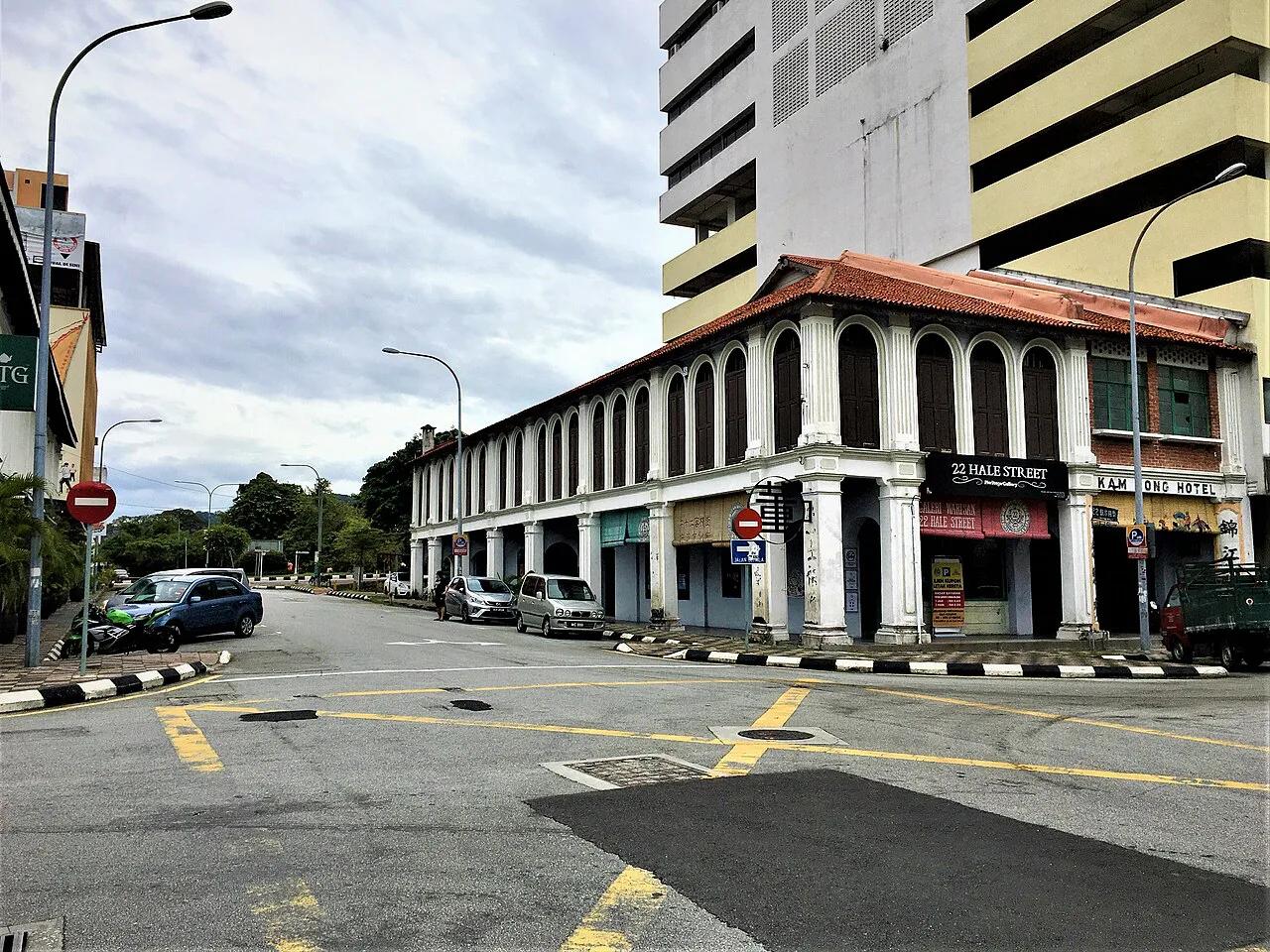
Old Town heritage hotels put you within walking distance of Concubine Lane, Han Chin Pet Soo and the railway station. We'd choose that base for a food trip in the cooler months, when evening walking is easy. Tambun suits families who plan evenings at the hot springs. Rooms in either area fill earlier around Chinese New Year and December, so book those dates well ahead. Rates drop in the wetter inter-monsoon months, so flexible travelers can save. We have no sourced monthly rates, so compare dates on a booking site before you commit.
Common Mistakes When Timing an Ipoh Trip
Four errors cost travelers the most time. Skipping them makes a short trip feel much longer.
- Arriving at Perak Cave Temple after 2 pm, when stair access reportedly closes.
- Visiting at Chinese New Year without planning for stall closures.
- Booking one night only, which leaves no slack for a rainy morning.
- Showing up at Han Chin Pet Soo without an appointment confirmation email.
- Counting on Qing Xin Ling or Kek Lok Tong: both were reported closed in August 2026 with no reopening date.
Building the rest of the trip? Our Ipoh attractions guide covers the sights, districts and logistics around this guide.
Best time to visit other cities
Frequently Asked Questions
What is Ipoh well known for?
Ipoh is known for its food, including white coffee and kai se hor fun. Limestone cave temples such as Sam Poh Tong and Perak Cave Temple draw many visitors. Its old town also preserves tin-mining heritage, shown at Han Chin Pet Soo.
Which month is best for a Malaysia trip?
Malaysia's regions differ, so there is no single answer. For Ipoh, we'd choose November to February, when rain is typically lighter. Check the Malaysian Meteorological Department forecast for any other region you add.
Explore More Ipoh Guides
Keep planning your Ipoh trip with these guides.
Ipoh Guides
Useful notes for your Southeast Asia trip
Optional updates to our guides.
You might also like
Continue reading
More guides you'll find useful