Ipoh Weather: Climate, Rain & What to Pack
Ipoh is hot, humid and showery year-round. See how the monsoon seasons affect your trip, when afternoon rain hits and what to pack.
On this page
Last updated November 2026. Ipoh weather is hot, humid and showery in nearly every month, with warm days, mild nights and afternoon thunderstorms as the pattern to plan around. Use this page to read the climate, then pick dates with our month-by-month trip planner.
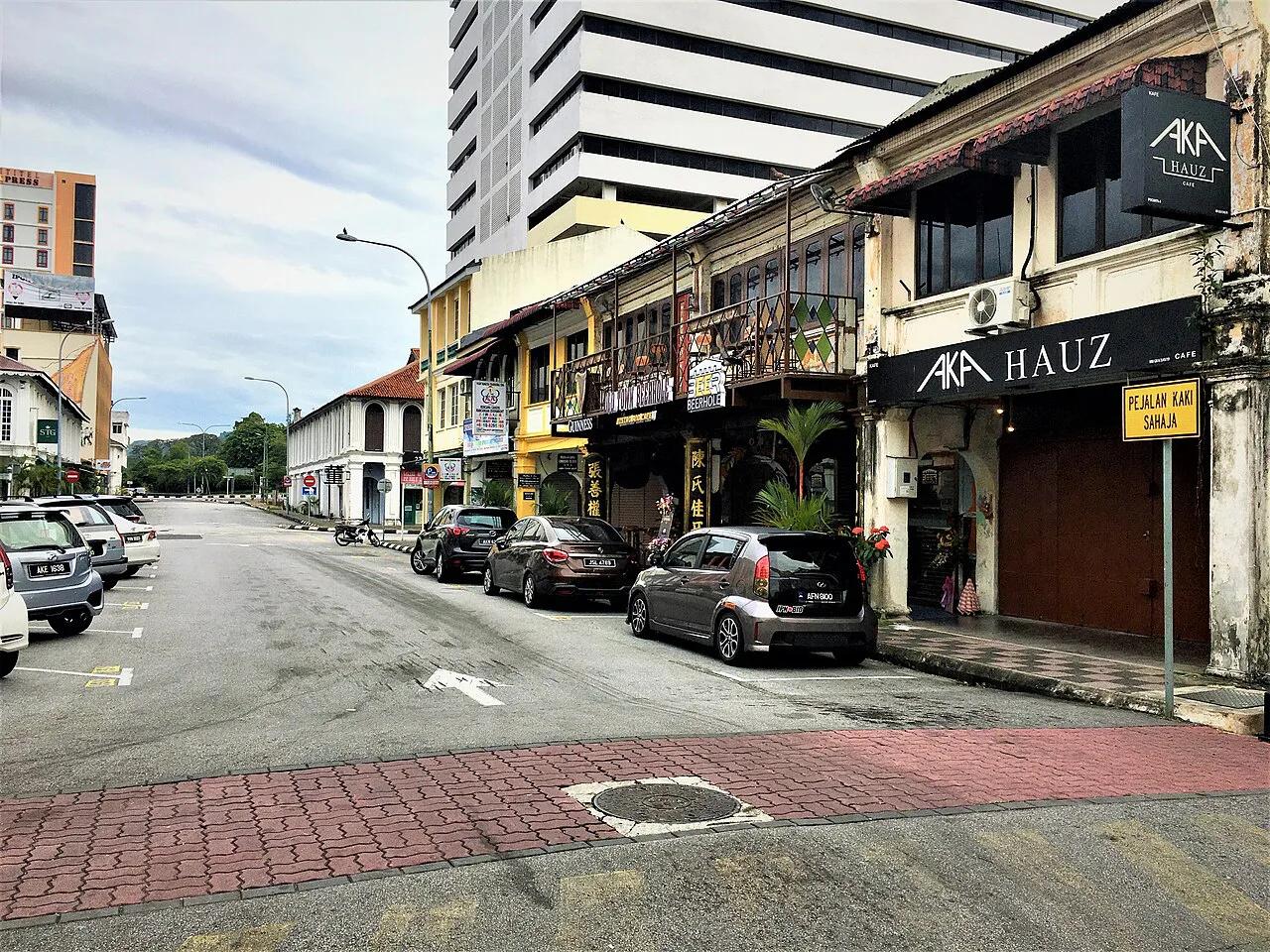
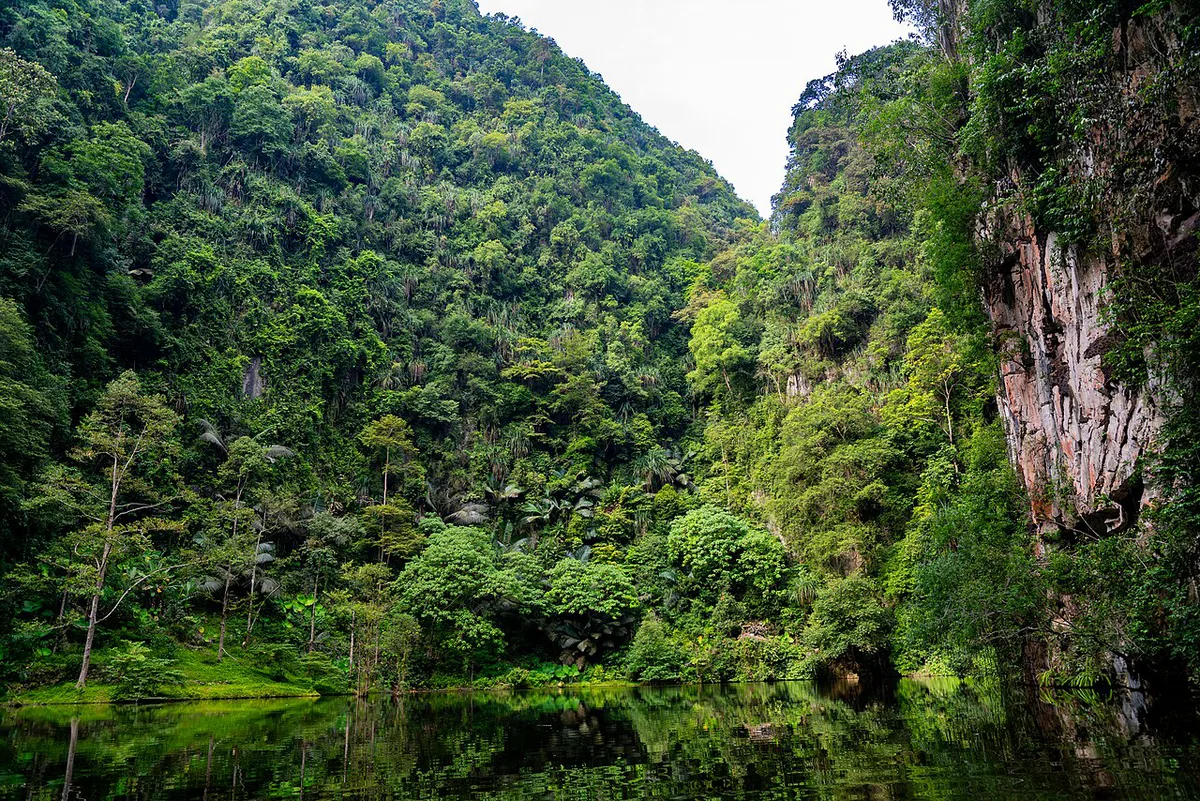
Featured image: Slleong, CC0, via Wikimedia Commons.
Ipoh Weather at a Glance

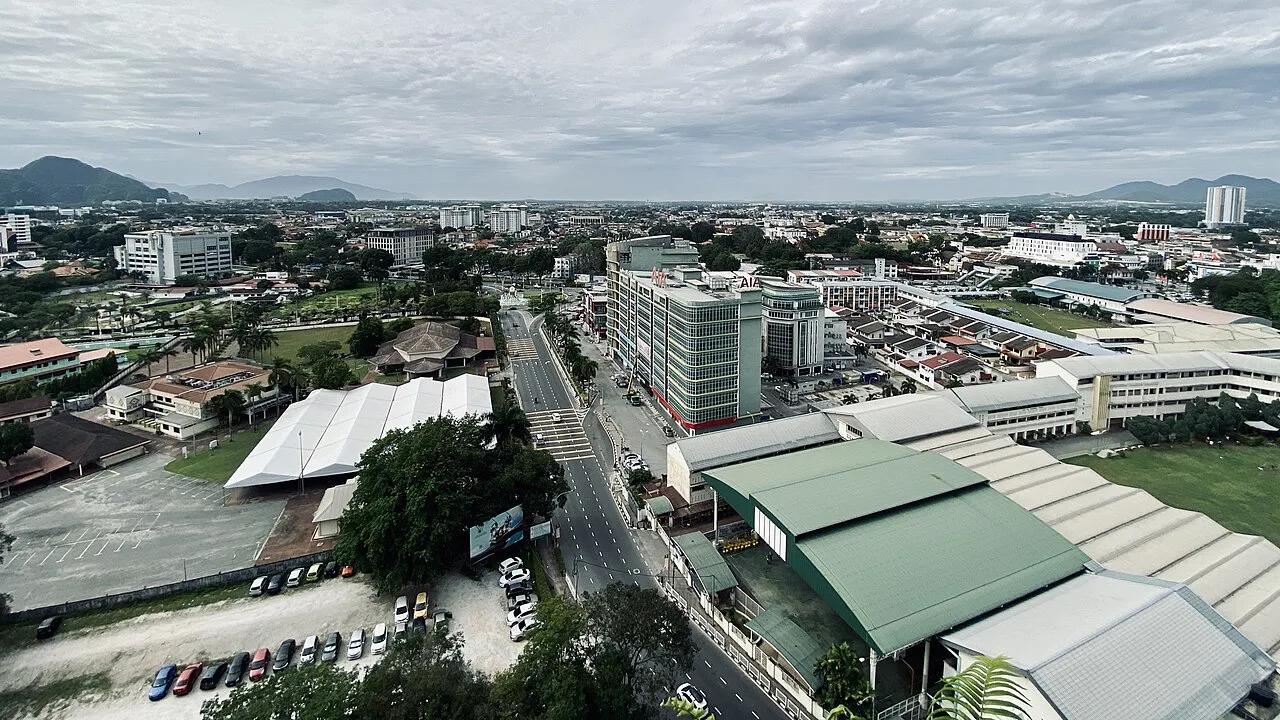
Ipoh sits in the Kinta Valley and has an equatorial climate with no true dry or cold season. Malaysia-wide temperatures are commonly quoted at 23°C (73°F) to 33°C (91°F). Single-day forecast snapshots for Ipoh showed highs near 29–32°C (84–90°F) and lows near 23–25°C (73–77°F), with humidity above 85%. Treat those as typical conditions rather than official climate normals. Prices and forecast notes were checked November 2026.
| Factor | What to expect |
|---|---|
| Climate type | Hot, humid equatorial |
| Daytime highs | About 29–32°C (84–90°F) on typical days |
| Night lows | About 23–25°C (73–77°F) |
| Humidity | High all year; often above 85% |
| Rain pattern | Showers in most months; storms peak in the inter-monsoon periods |

Month-by-Month Weather in Ipoh
Malaysia's two monsoons are the northeast (roughly November to March) and the southwest (roughly May to September). Ipoh is inland, so the effect is softer than on the east coast. The bigger swing is storm frequency, which rises in the inter-monsoon months of April and October. For deeper rain planning, read our guide to the Ipoh Rainy Season: When It Rains and How to Plan. Hotel prices follow festivals more than weather. As an illustrative planning figure, a mid-range room might cost about RM180 in a quiet wet-season week versus RM300+ in Chinese New Year week, so compare live rates for your dates.
Chinese New Year lands in the drier part of the northeast monsoon, but a mid-range room can reach RM300+ that week.
| Period | Months (approx.) | Rain pattern | Trip implication |
|---|---|---|---|
| Northeast monsoon | Nov–Mar | Frequent showers, some long rain spells | Carry a rain layer; shift outdoor sights to mornings |
| Inter-monsoon | Apr | More thunderstorms, sultry afternoons | Finish cave temples and walks by midday |
| Southwest monsoon | May–Sep | Showers, usually shorter | Best odds for outdoor days; heat and haze still possible |
| Inter-monsoon | Oct | More thunderstorms again | Keep a flexible afternoon plan |
A Typical Day: When the Rain Usually Falls
Mornings tend to be dry and humid. Hourly forecasts for Ipoh showed rain chances rising from about 12:00, often peaking between 14:00 and 18:00. One snapshot had rain chance at 37% at noon and 86% by 14:00. Build your day around that rhythm. Visit cave temples, outdoor walks and street-art trails from about 07:30 to 11:30. Save museums, cafés and food courts for the afternoon. Showers often clear by evening, which suits a late dinner.
What to Pack for Ipoh's Weather
Pack for sweat, sudden rain and strong air-conditioning. Cave floors and wet pavement get slick, so footwear matters more than fashion.

- Breathable cotton or linen layers that dry fast
- A compact umbrella or light rain jacket
- Sunscreen, a hat and sunglasses; one snapshot showed a UV index of 7.4
- A thin layer for cold air-conditioned cafés and malls
- Closed shoes or sandals with real grip for cave floors
- A dry bag or zip pouch for your phone and passport
- Mistakes to avoid: heavy clothing, no rain plan, and stacking outdoor sights at midday
How Weather Changes Your Plans
Match each weather situation to a plan and accept the trade-off. Cave and hillside sites have little cover and slippery steps. Old-town streets have covered five-foot-ways but fill up when everyone ducks out of the rain. After a downpour starts, ride-hail waits usually stretch, so book a ride before the storm peaks.

Cave and hillside visits are safest from 07:30 to 11:30, before the usual afternoon storms.
| Situation | What to do | Trade-off |
|---|---|---|
| Heavy afternoon rain | Move to a museum, café or food court | Indoor spots fill quickly |
| Heat and humidity peak | Walk early, rest 12:00–15:00 | Less time for afternoon sights |
| Haze | Check the air index and limit hillside hikes | Views may be poor |
| Cave or hillside visit | Go in the morning in grip footwear | Early start required |
| Old-town food trail | Use covered five-foot-ways | Crowds crowd the shelter |
Weather and Seasonal Events
Late in the year falls in the northeast monsoon, so rain and festivals overlap. Our guide to Ipoh in December: Weather, Crowds & What to Plan covers that wet-season month. Chinese New Year usually lands in the drier, less stormy part of the northeast monsoon, but showers remain possible. Read Chinese New Year in Ipoh: Plan Your Visit for timing and crowds. Festival weeks lift hotel prices and crowd the covered walkways, so book early.
Where to Check Live Weather and Warnings
Forecasts change daily, so check them near departure. The Malaysian Meteorological Department publishes forecasts and weather warnings. Rain probability is the percentage chance of rain in the area that day, so 70% means rain is likely but not constant. For haze, check the national environment department's air pollution index before hillside outings.
Quick Answers for Planning Around Ipoh Weather
Is Ipoh hot all year? Yes. Typical daytime conditions sit around 29–32°C, while nights remain mild at roughly 23–25°C. Pack breathable clothes and a light layer for strongly air-conditioned cafés, malls and vehicles.
When should you sightsee outdoors? Plan cave temples, street art and walks between 07:30 and 11:30. Rain chances often rise after 12:00, so use the 12:00–15:00 period for lunch, museums or a café break. April and October can bring more frequent thunderstorms.
Do you need an umbrella or rain jacket? Bring one compact rain layer every month. Choose footwear with grip for wet pavement and cave floors. Keep your phone and passport in a zip pouch, then check the Malaysian Meteorological Department forecast and warnings before setting out.
Frequently Asked Questions
What is the weather like in Ipoh today?
Conditions change daily, so use a live forecast. The Malaysian Meteorological Department posts forecasts and warnings. Expect warm, humid conditions with a rising chance of showers after midday.
Useful notes for your Southeast Asia trip
Optional updates to our guides.
You might also like

Continue reading
More guides you'll find useful