Kolo Mee in Kuching: What It Is and Where to Eat
Kolo mee is Sarawak's classic dry-tossed noodle dish. Learn how to order it in Kuching, what styles to expect, and how to choose a stall.
On this page
Last updated November 2026: kolo mee is a Sarawak dry-tossed egg noodle dish, and this guide covers how to order it and choose a stall in Kuching. Noodles come coated in shallot oil and lard, then topped with char siu and minced pork. Looking for a recipe? You are in the wrong place, but our Kuching food guide covers the wider table.
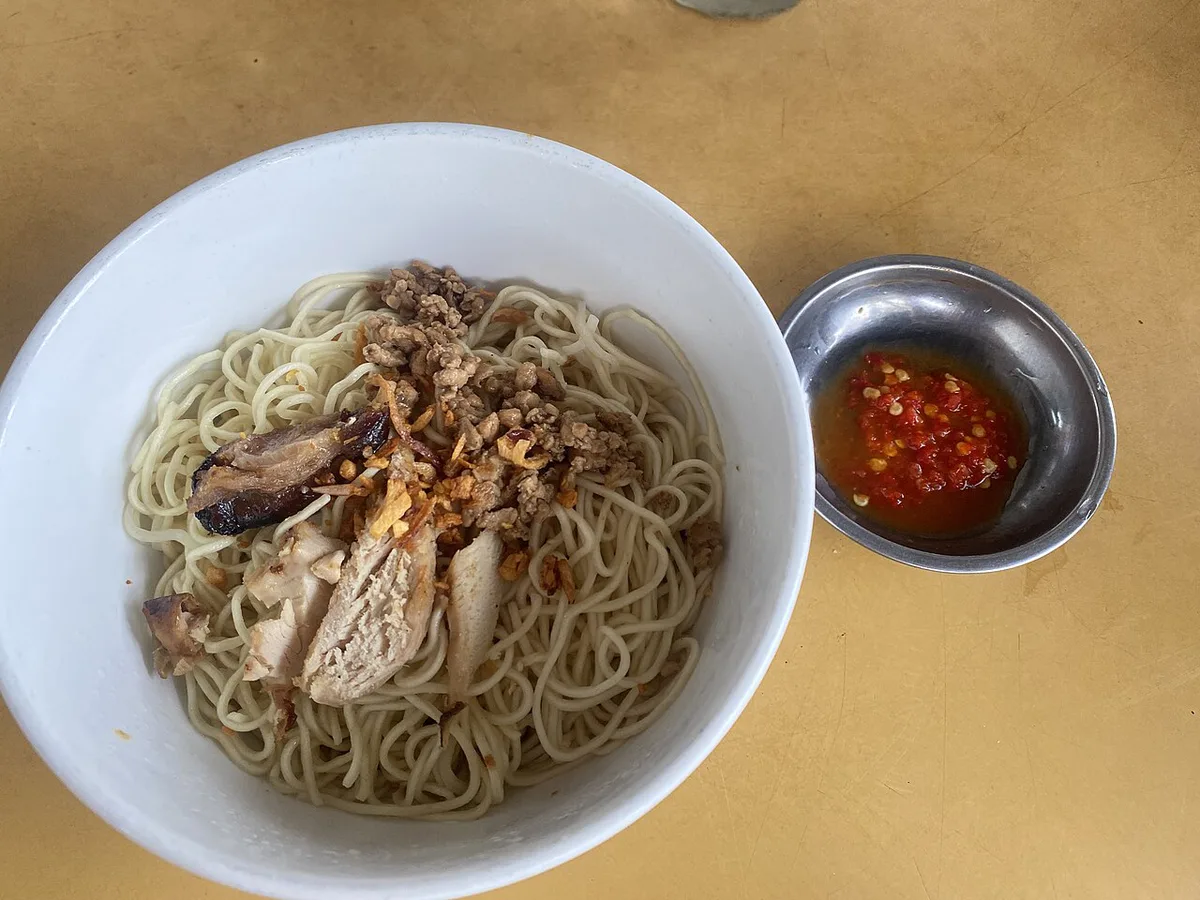
Featured image: Song GK, CC0, via Wikimedia Commons.
What Kolo Mee Is (and What It Isn't)
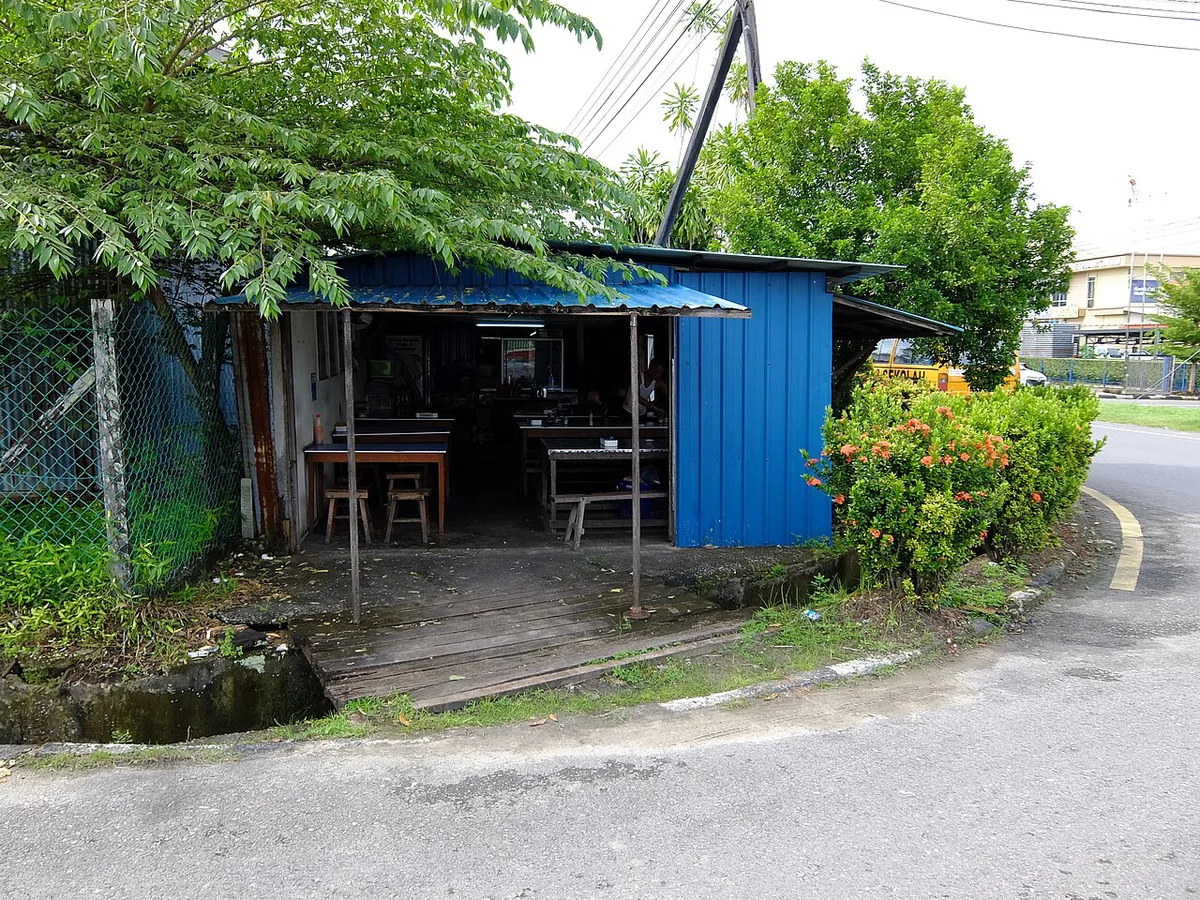
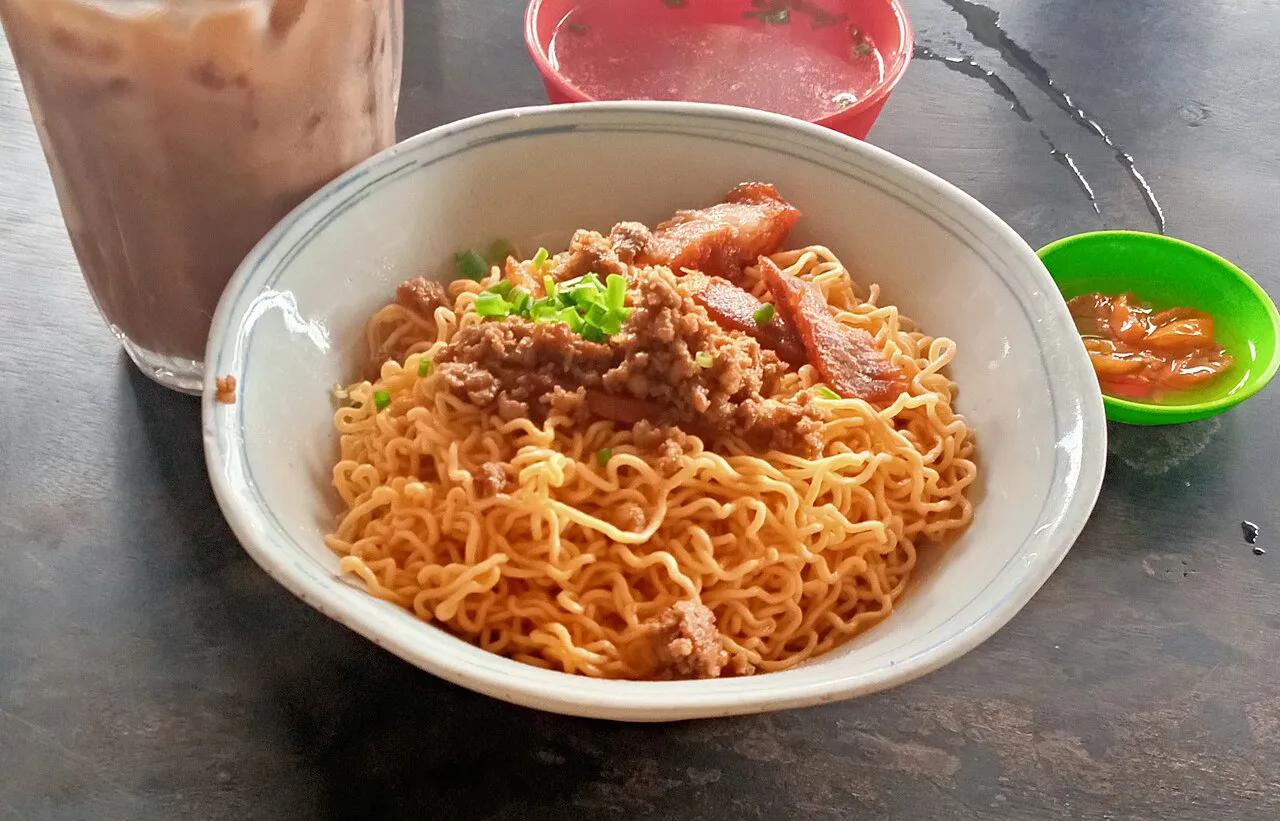
Kolo mee, also written kolomee or kolok mee, is a dish of egg noodles tossed dry rather than served in broth. You may also see it described as dried egg noodles, or 干捞面 in Chinese. Sarawak claims it as a local staple, and Kuching is where most visitors meet it first.
Expect a plate, not a soup bowl. That separates it from Sarawak's best-known noodle, which is a spiced soup dish. Our page on Sarawak's laksa covers that one. Order both on separate days and the contrast is obvious.
What Is in a Bowl
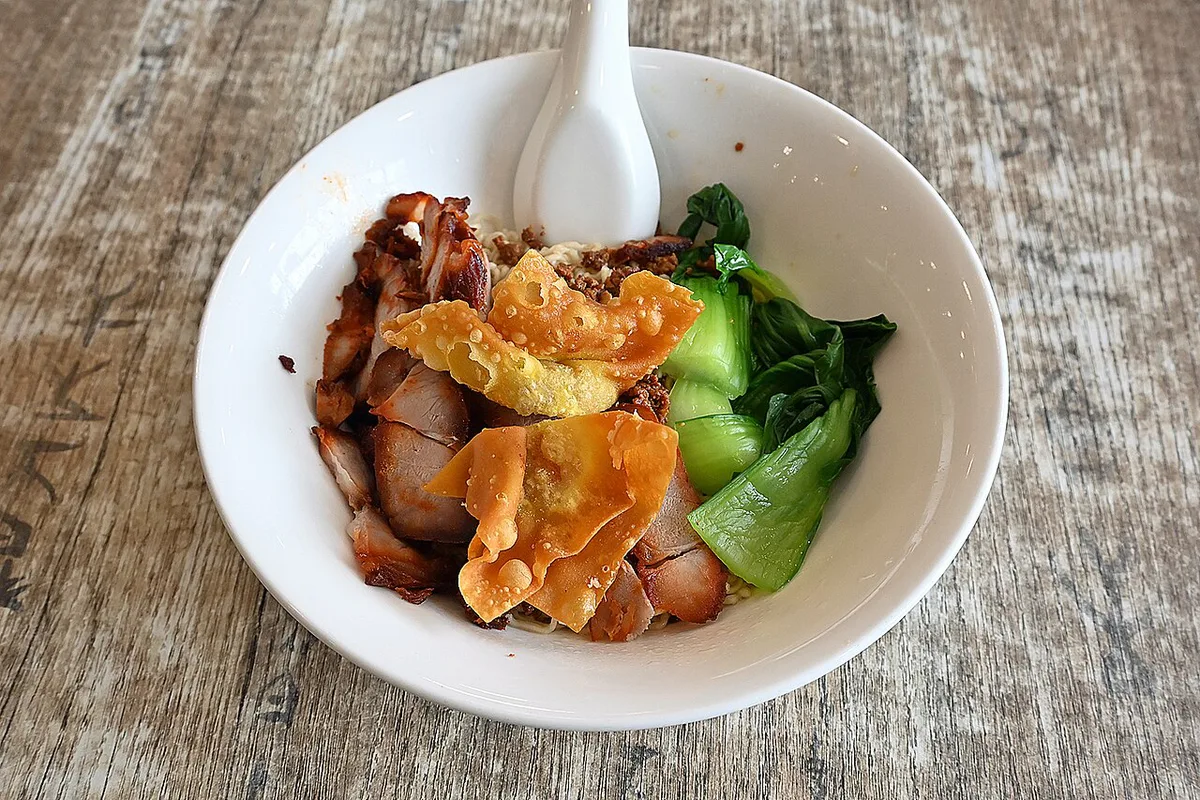
A standard plate starts with springy egg noodles. They are tossed in shallot oil and lard with a light soy sauce. Char siu slices and a scoop of seasoned minced pork go on top.
Details vary from stall to stall. Garnishes, the amount of lard and the sweetness of the sauce all change with the cook. Treat any single description, including this one, as a baseline rather than a rule.
- Noodles: fresh egg noodles, served dry
- Sauce: shallot oil, lard and light soy
- Toppings: char siu and minced pork
- Extras: ask the counter what else they add
Kolo Mee Styles You'll Meet in Kuching
Most stalls fall into a few broad groups. Use this table to match a style to your own needs. Individual stalls differ, so ask before you commit.
| Style | What to expect | Best for |
|---|---|---|
| Classic pork version | Shallot oil, lard, light soy, char siu and minced pork | Diners who eat pork |
| Halal-certified version | Pork-free toppings at a certified stall | Muslim travellers |
| Dry bowl with broth on the side | Noodles dry, with soup served separately if the stall offers it | Anyone who wants something wet |
How to Order
Walk up, say kolo mee, and the stall will usually ask what you want with it. Ask whether it comes with char siu, minced pork or both. Say if you want a smaller or larger portion.
Mention chilli at the same time if you want heat. Ask about a side of broth if you would like one. Practical phrasing in English works at most kopitiam stalls, and pointing at the menu board does the rest.
How to Choose a Stall
Pick by situation rather than reputation alone. A long queue of locals is a reasonable signal, and a busy stall turns over its noodles quickly. For a seated meal with air conditioning, our list of sit-down restaurants in Kuching is the next step.
| Stall type | Best time | Trade-off |
|---|---|---|
| Kopitiam breakfast stall | Morning | Can sell out and close early |
| Food court stall | Lunch | More choice, less focus on one dish |
| Restaurant | Any meal time | Higher price level, easier seating |
Time, Cost and Access
Morning stalls are the safest bet, since breakfast kolo mee often sells out early. Kolo mee is generally a budget meal, but no verified price is available here, so read the stall's own board. Visit Kuching has current area information at Visit Kuching, and cash or e-wallet acceptance varies by stall.
Halal and Dietary Notes
Traditional kolo mee uses pork and lard, so it is not halal. Muslim travellers should look for stalls that display a halal certificate and use pork-free toppings. Do not assume a stall is certified from its name or menu alone. Ask the staff and check the certificate on display. The Sarawak Tourism Board is a starting point for current visitor information.
Common Mistakes
A few slips catch first-timers.
- Expecting soup noodles. Kolo mee is served dry.
- Arriving late. Breakfast stalls can sell out before midday.
- Confusing it with laksa. They are different dishes.
- Assuming every stall is halal. Look for the certificate.
Make It a Kuching Food Day
Start with kolo mee at breakfast, then move to a heavier or sweeter stop. Sarawak layer cake makes a good souvenir or dessert, and our page on Sarawak layer cake explains what to buy. For a bigger eating setting later in the day, check the Top Spot area. Return to the Kuching food hub to plan the rest of your meals.
Frequently Asked Questions
Is Kolo Mee from Sarawak?
Yes, kolo mee is a Sarawak noodle dish, and Kuching is a good place to try it. It is served dry, with egg noodles, char siu and minced pork. Local stalls differ in the sauce and toppings.
Useful notes for your Southeast Asia trip
Optional updates to our guides.
You might also like


Continue reading
More guides you'll find useful