Kuala Lumpur Rainy Season: Months, What to Expect and How to Plan
Plan around Kuala Lumpur's rainy season: which months get the most rain, how to structure rainy days, and what changes for transport, costs and day trips.
On this page
Last updated November 2026. The Kuala Lumpur rainy season has no clean start or end date, because the city sees rain in every month and peaks in October to December. Use this guide with our Best Time to Visit Kuala Lumpur: Month-by-Month Guide overview to decide when to go and how to plan around the downpours.
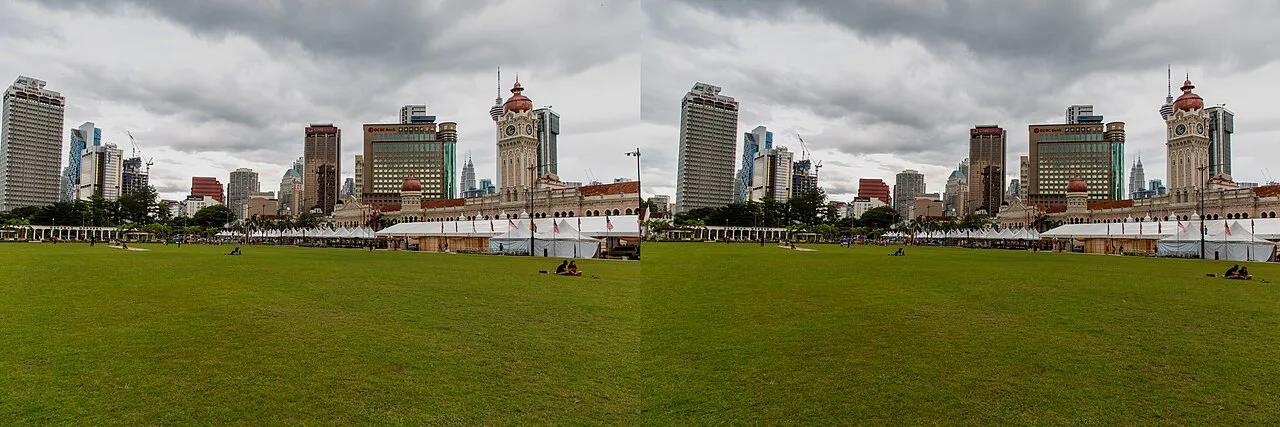
Featured image: Jorge Láscar from Melbourne, Australia, CC BY 2.0, via Wikimedia Commons.
Kuala Lumpur Rainy Season at a Glance
Expect rain year-round, with the wettest stretch from October to December and a second, lighter peak in March and April. Temperatures barely move, sitting around 23°C (73°F) to 33°C (91°F) in every season. Humidity averages above 80%. May to September is the drier half, but showers still arrive on many days. For the broader timing decision, start with our pillar guide to timing a KL trip. Monsoon timing shifts from year to year, so the Malaysian Meteorological Department is the place for current outlooks and warnings.
| Period | Rain pattern | Typical monthly rain | Sunshine per day | Best for |
|---|---|---|---|---|
| October to December | Wettest stretch, northeast monsoon influence | 250 mm to 290 mm; November has about 25 rain days | 6 to 7 hours | Museums, malls, flexible plans |
| January and February | Driest part of the wet half | Lower than the late-year peak | Sunnier than November | Travelers who want cooler, calmer days |
| March and April | Second, lighter wet peak | 240 mm to 260 mm; 17 to 19 rain days | 7 to 8 hours | Mixed indoor and outdoor days |
| May to September | Drier half, showers still common | 150 mm to 160 mm; about 15 rain days in June and July | About 8 hours | Outdoor sightseeing, with a haze caveat in August and September |

Month-by-Month: When It Rains Most in KL
November is the wettest month, with roughly 290 mm of rain and about 25 rain days. October follows at around 280 mm, and December at around 250 mm. Our December in Kuala Lumpur guide covers that month in detail. March and April bring a second wave of 240 mm to 260 mm. July is the driest month at around 150 mm, with June and August near 160 mm. Average temperatures stay at 27°C (81°F) to 28°C (82°F) all year, and January nights drop to about 22°C (72°F). Our Kuala Lumpur weather by month page has the fuller climate table. Boundaries vary, so treat these months as a pattern and not a calendar.
What Rain Actually Looks Like Day to Day
Most rain falls in heavy but short afternoon downpours. Mornings are often dry, even in November. Heavy rain can cause flash flooding in parts of the city, and it can disrupt roads for a few hours. Humidity can climb into the 90s in the wettest months, so afternoons feel heavy. August and September can bring haze from regional agricultural fires, which counters the idea that dry months guarantee clear skies. Even in the driest months, an occasional downpour is normal.
Is Rainy Season a Bad Time to Visit KL?
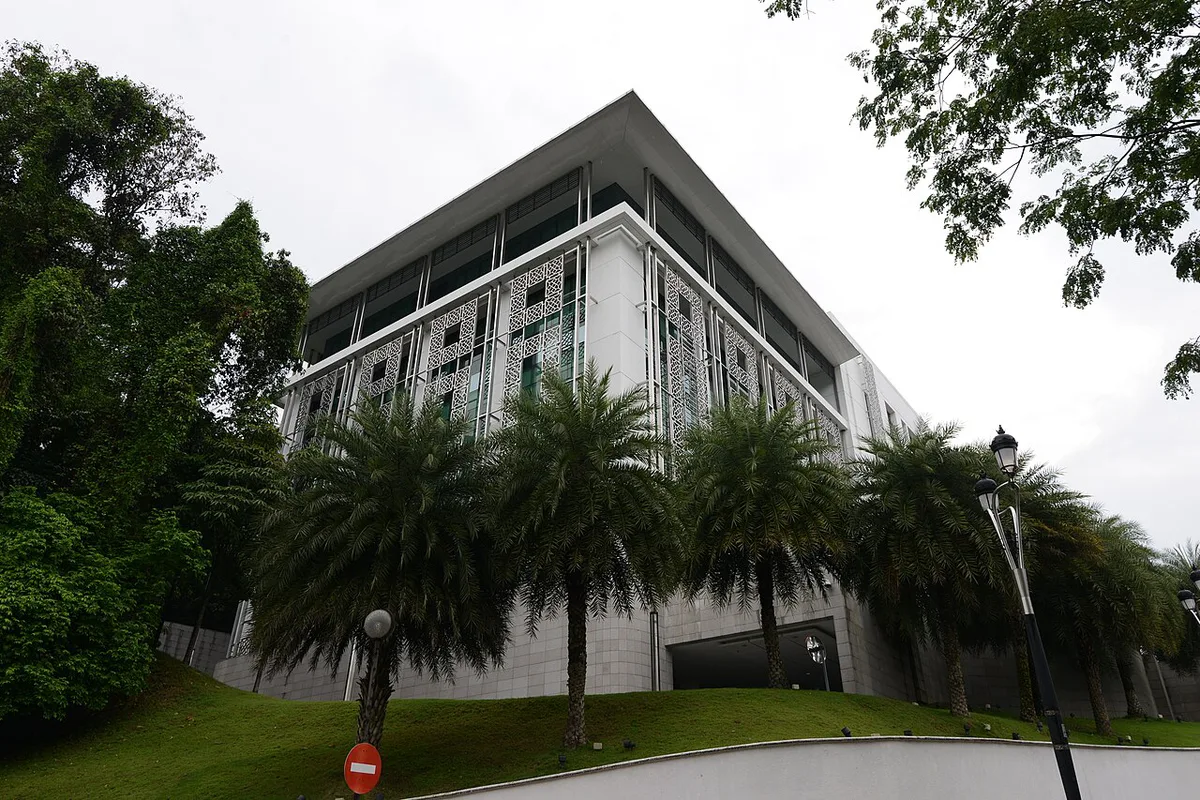
No, but it rewards flexible planning. Short stays suit the wet months if the itinerary has indoor anchors. First-timers who want long outdoor days will do better in May to September. Photographers get dramatic skies but less sunshine, at 6 hours a day in November and December. Budget travelers should note that museum entry fees are fixed. Islamic Arts Museum Malaysia lists RM20 for adults in every month, and the National Museum lists RM5 for non-Malaysian adults. Attraction fees carry no wet-season surcharge, so any seasonal swing shows up in hotel rates, which vary by property. Prices and hours checked November 2026.
Sunshine runs 6 hours a day in November and December, inside the October to December wettest stretch, so keep indoor backups ready.
How to Structure a Rainy Day in KL
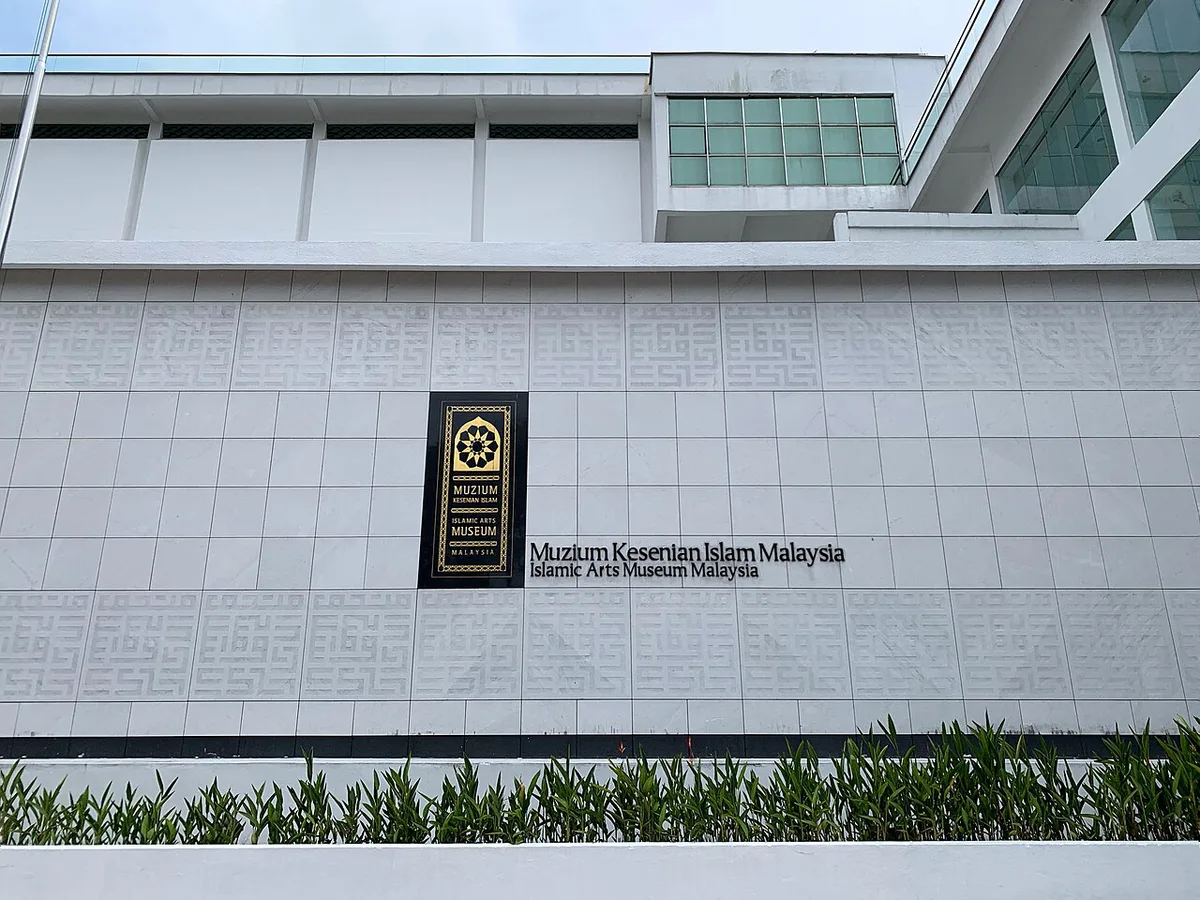
Put outdoor sights in the morning and indoor blocks after lunch. Start at the Petronas Twin Towers, where the Skybridge and observation deck open 9am to 10:30pm Tuesdays through Sundays, per the Petronas Twin Towers site. Then move into Suria KLCC, open 10:00 am to 10:00 pm daily. Next, choose a museum for the downpour hours. Islamic Arts Museum Malaysia opens 9:30 AM to 6:00 PM daily and needs no booking for general visits. National Museum opens daily, with last ticket purchase at 4.30 pm. Central Market opens 10:00am to 10:00pm daily and also hosts November events through 29 November 2026.
Since most downpours hit in the afternoon, Islamic Arts Museum Malaysia's 9:30 AM to 6:00 PM daily hours suit a morning start before the rain.
- Petronas Twin Towers Skybridge: RM127 adult on weekdays, RM137 on weekends (non-MyKAD, accurate as of April 2026)
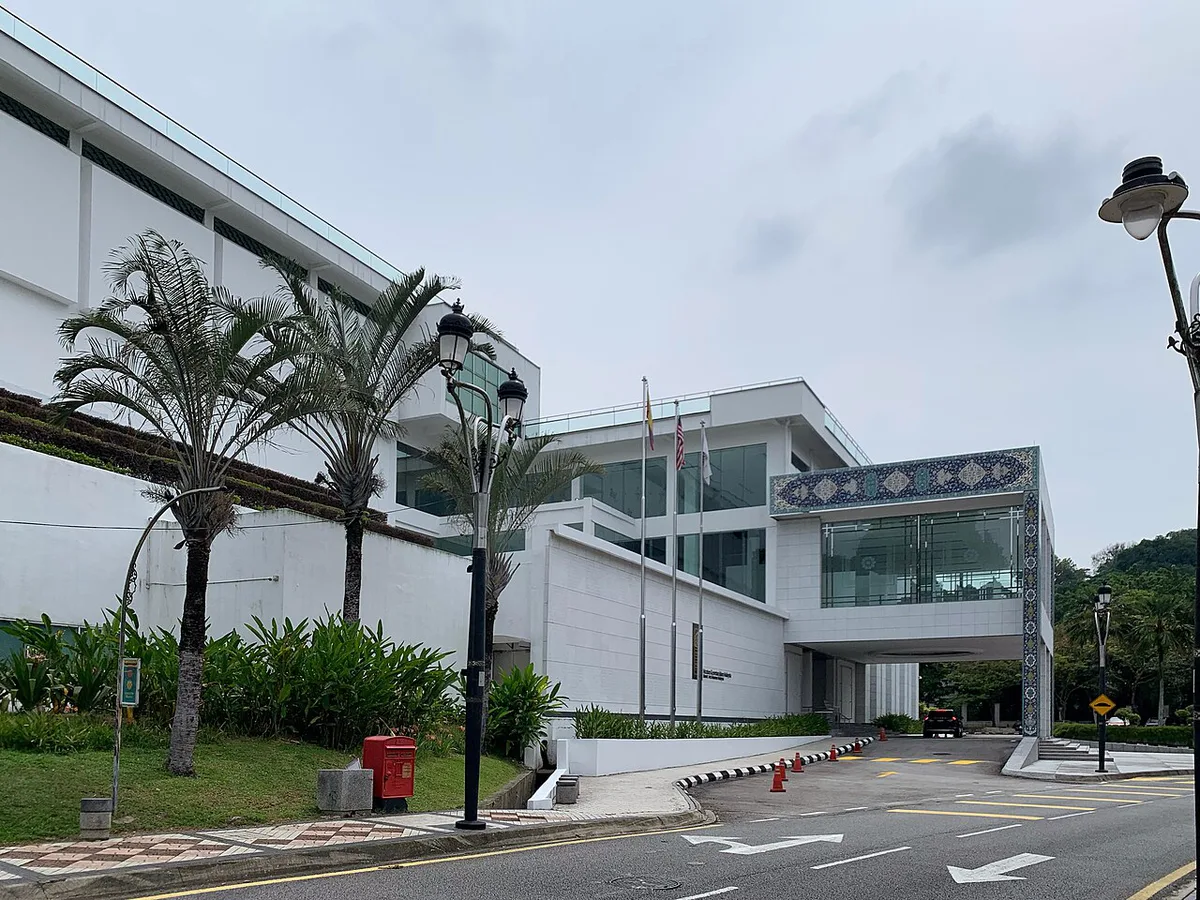
- Islamic Arts Museum Malaysia: RM20 adult, RM10 students with ID, free for children under 6
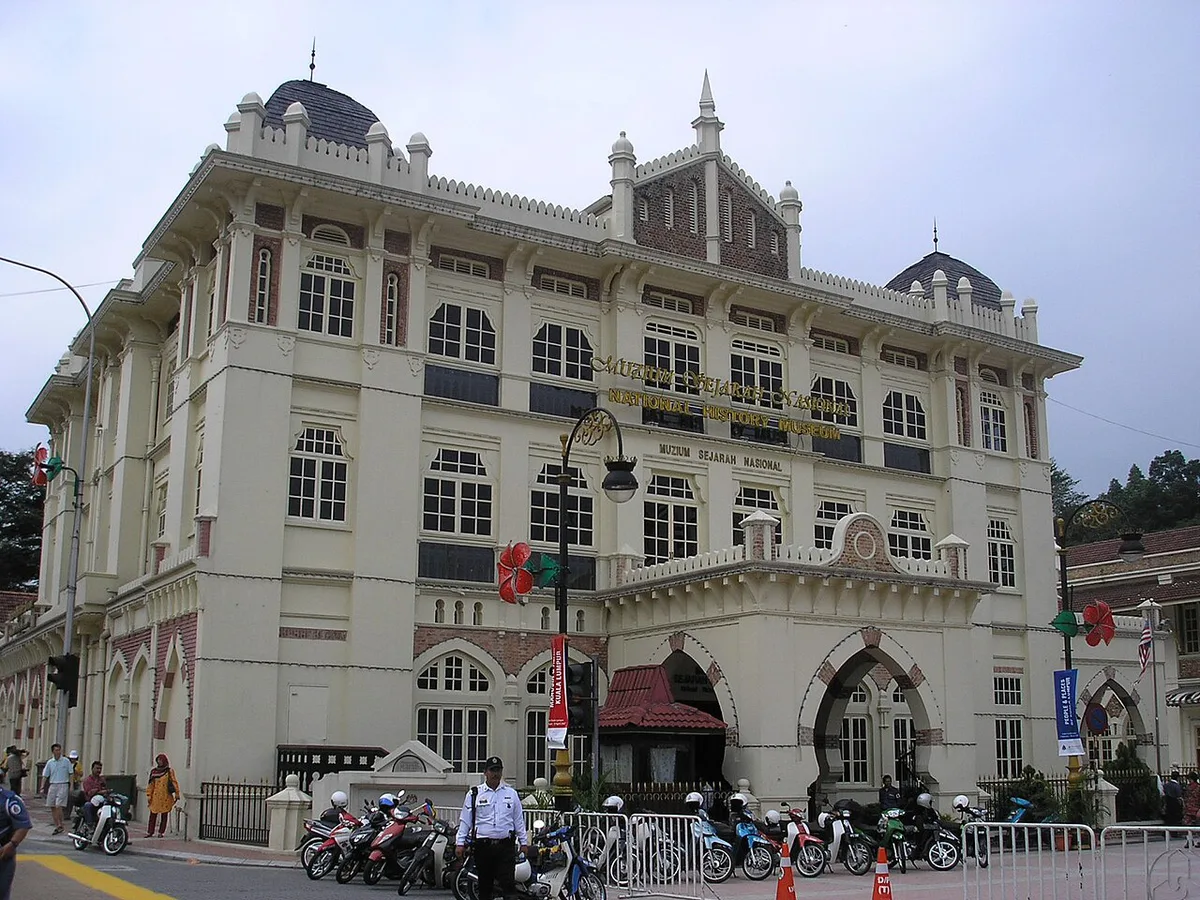
- National Museum: RM2 for Malaysian citizens, RM5 for non-Malaysian adults
- Suria KLCC: open on public holidays, 10:00 am to 10:00 pm
Getting Around in Heavy Rain
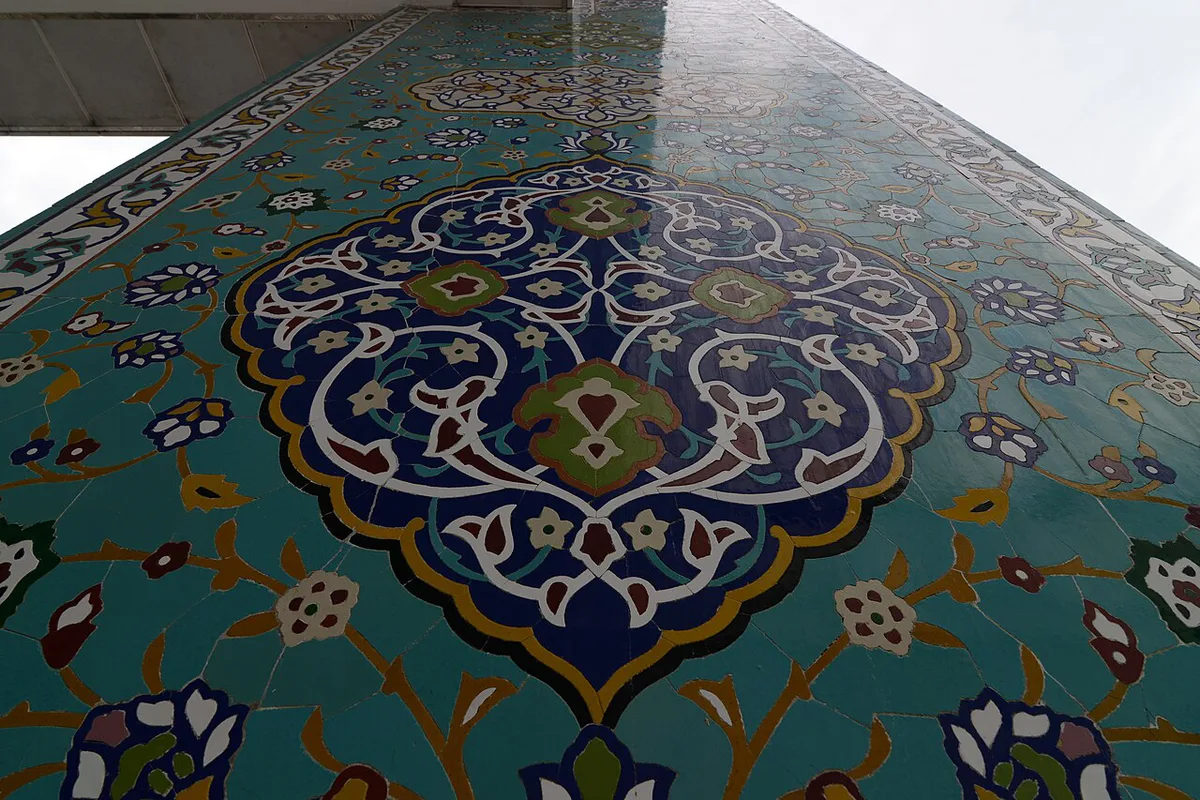
Rail keeps you out of the downpour. Suria KLCC, at the foot of the towers, connects to KLCC station on the LRT Kelana Jaya line. An air-conditioned pedestrian walkway runs from Pavilion Kuala Lumpur to KLCC. From KL Sentral or Pasar Seni, take the Kelana Jaya Line to KLCC Station (KJ10). The free GOKL City Bus Green Line runs from Bukit Bintang to KLCC. Taxi and Grab drop-off sits in front of the Suria KLCC main entrance facing Jalan P. Ramlee. Islamic Arts Museum Malaysia is a 10-minute walk from Pasar Seni station past Masjid Negara. Take a 5-minute taxi from KL Sentral if the sky is dark.
What to Pack
Pack a compact umbrella, quick-dry clothing and shoes that handle wet pavement. Add a light layer for air-conditioned malls and museums. Bring a waterproof sleeve for your phone and passport.
Combining KL With Other Regions in the Wet Months
The northeast monsoon, from November to March, hits the east coast. Boats to Perhentian, Redang and Tioman often stop, and some resorts close until the rains ease. Pair KL with the west coast instead, such as Penang or Langkawi, though the west coast has its own heavy rain between September and October and April and May. Cameron Highlands is cooler at 14°C (57°F) to 25°C (77°F). It is also wetter from November to February, and heavy rain raises landslide risk, so build slack into road transfers.
Frequently Asked Questions
What is the weather like in Malaysia in July?
July is typically the driest month in Kuala Lumpur, at around 150 mm of rain. Showers still occur on about 15 days. Temperatures stay near 27°C (81°F) on average.
Is it rainy season in Kuala Lumpur now?
Mid-November sits inside the wettest stretch of the year. Expect afternoon downpours, high humidity and about 6 hours of sunshine per day.
Useful notes for your Southeast Asia trip
Optional updates to our guides.
You might also like

Continue reading
More guides you'll find useful