5 Best Areas: Where to Stay in Kuala Lumpur (2026)
Choose where to stay in Kuala Lumpur: compare Bukit Bintang, KLCC, Chinatown, KL Sentral and Bangsar by transit, noise, budget and traveler type.
On this page
Last updated November 2026: where to stay in Kuala Lumpur comes down to one choice, which neighborhood fits your plans. Bukit Bintang suits most first-timers, KLCC suits families and business trips, and Chinatown suits tighter budgets. Each area below covers transit, noise and the trade-offs that matter.
Featured image: Vyacheslav Argenberg, CC BY 4.0, via Wikimedia Commons.
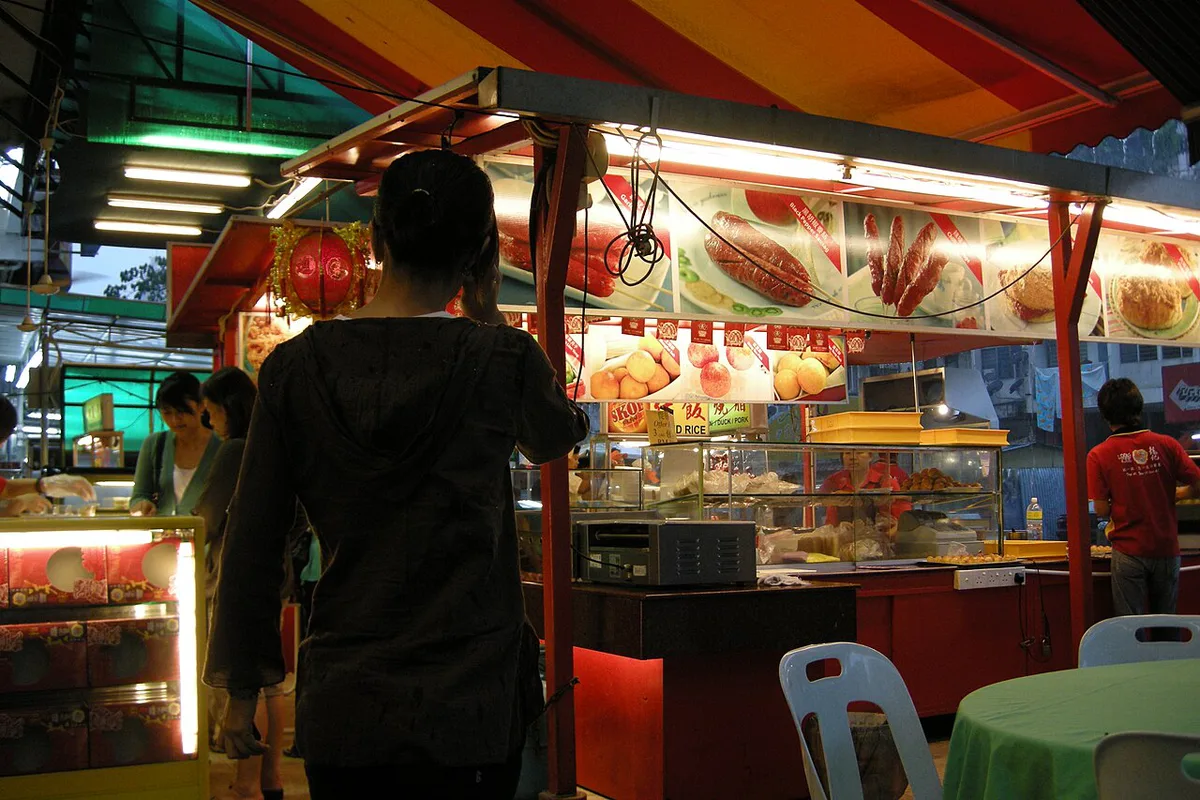
Where to Stay in Kuala Lumpur: Quick Picks by Traveler Type
Pick a base by how you travel, then read the matching area below. Station access matters more than a "city center" label, because traffic stretches short trips.
| Traveler type | Best base | Why |
|---|---|---|
| First-timers | Bukit Bintang | MRT, monorail, Pavilion KL and Jalan Alor food stalls close together |
| Families | KLCC | Aquaria KLCC, Suria KLCC and the Petronas Twin Towers on one site |
| Nightlife | Bukit Bintang | Late-running food streets, bars and rooftop lounges |
| Business | KLCC | Polished, corporate district with LRT access |
| Budget | Chinatown | Typically lower rates, plus hostel options |
| Airport layovers | KL Sentral | KLIA Ekspress rail link into town |
5 Best Areas for Where to Stay in Kuala Lumpur
Prices and hours checked November 2026. Each area lists its station access, its main trade-off and who should look elsewhere.
1. Bukit Bintang: Best for First-Timers and Nightlife
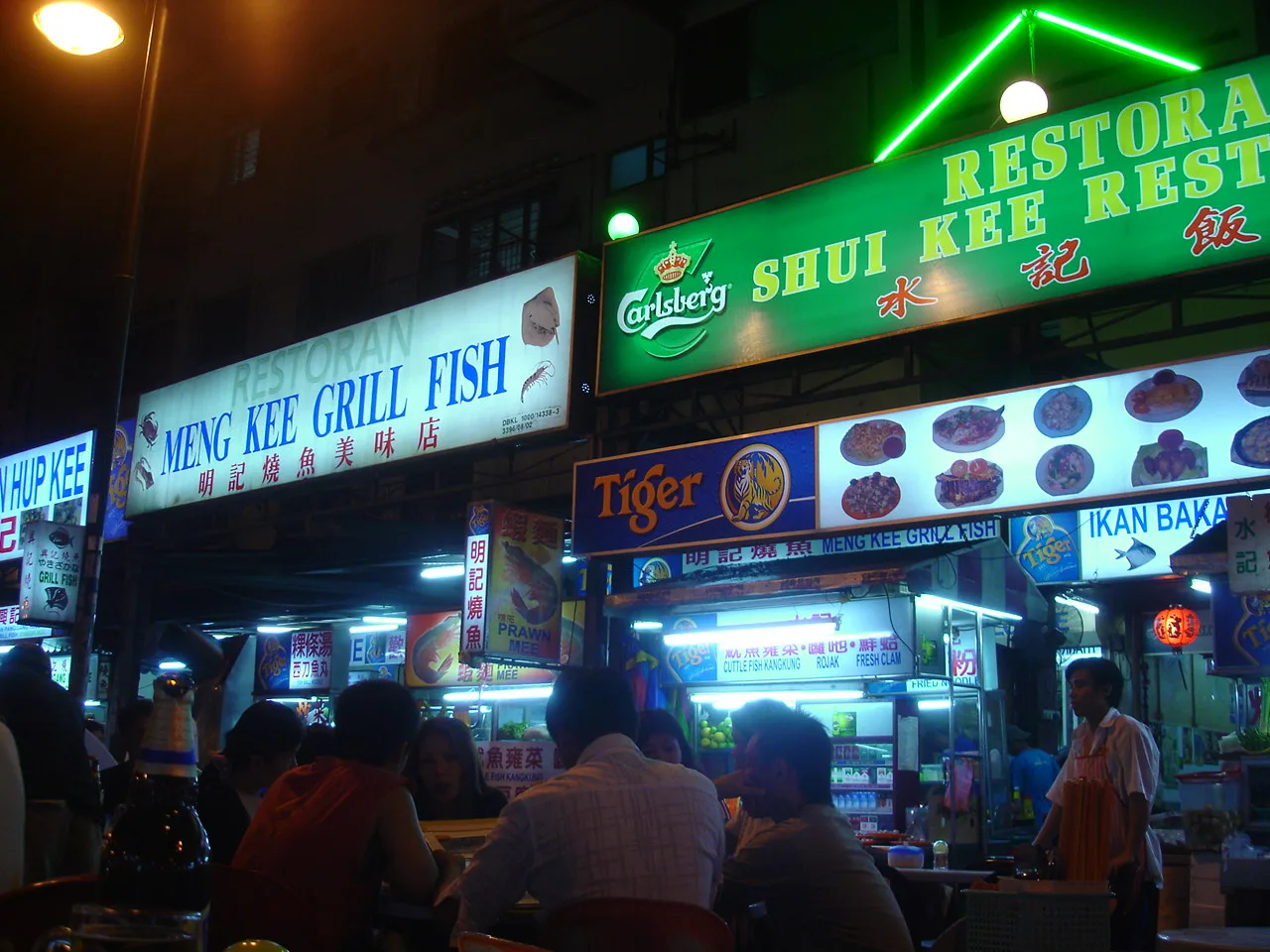
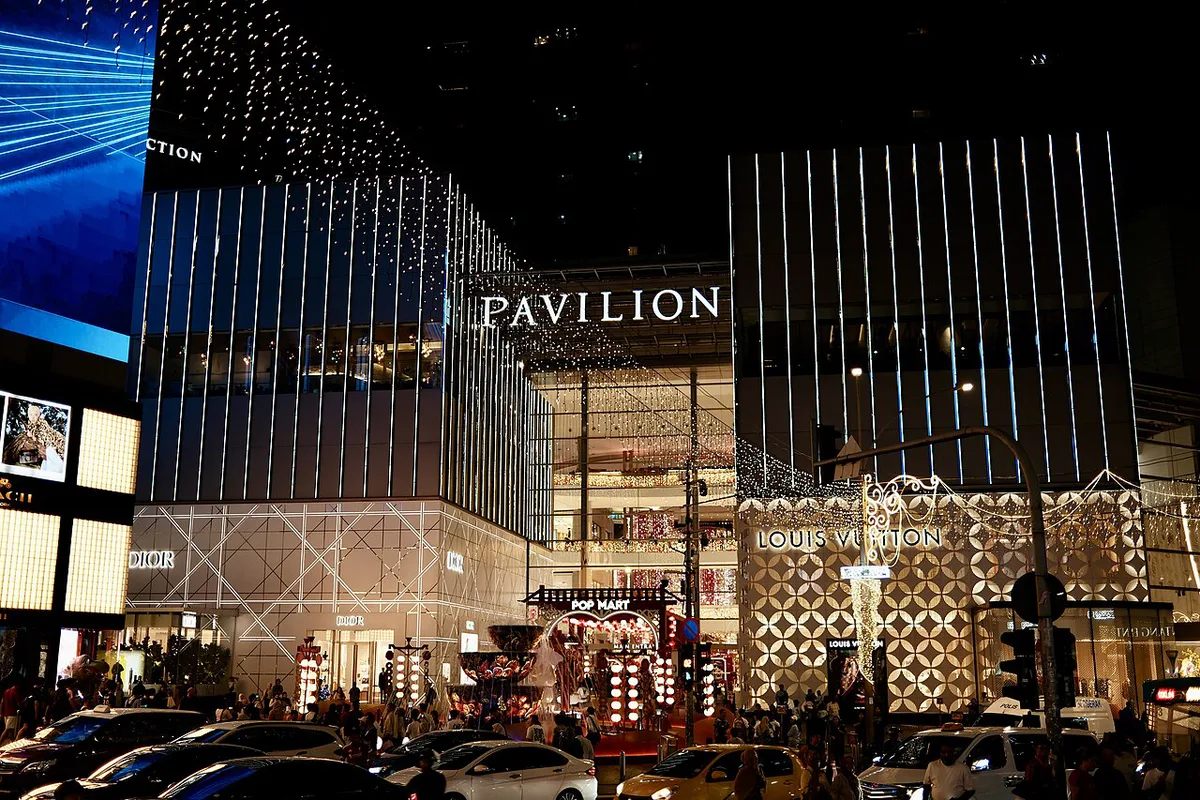
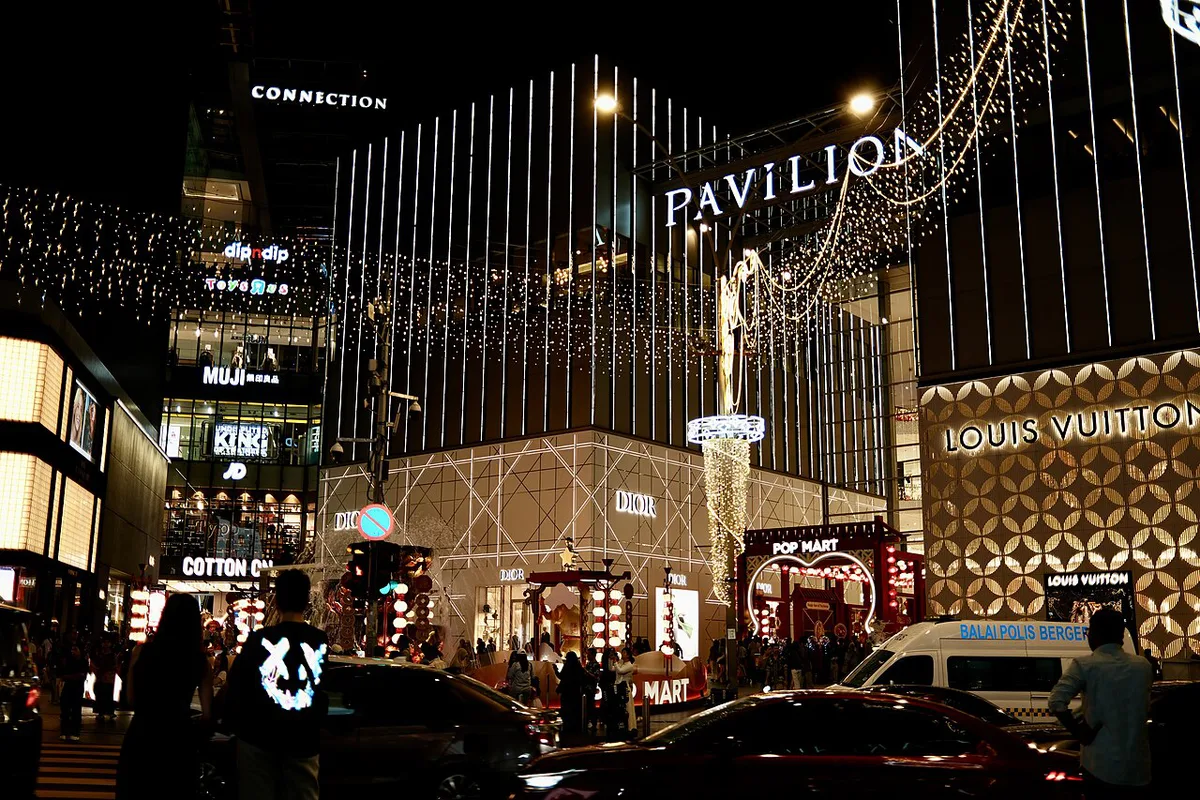
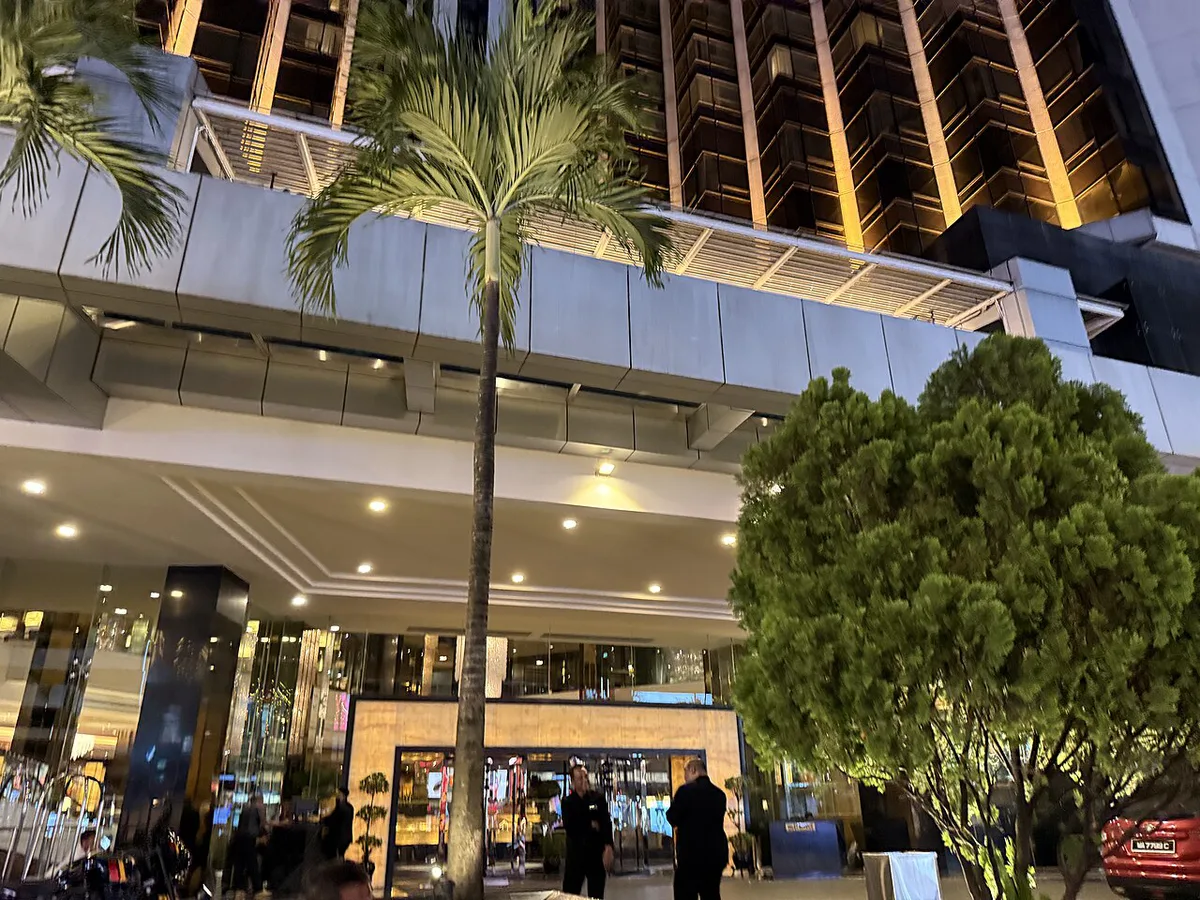
Bukit Bintang puts food streets, malls and two rail systems within a short walk of most hotels. Pavilion Kuala Lumpur sits at 168 Jalan Bukit Bintang, and Jalan Alor's open-air food stalls are nearby. MRT riders alight at Pavilion Kuala Lumpur – Bukit Bintang Station and use Door E or Door D, while monorail riders use Bukit Bintang Station and follow the Pavilion KL signage.
Tourism Malaysia lists the KL Travel Pass for international visitors, with unlimited Monorail, LRT and MRT rides. Streets stay loud late and traffic is heavy, so light sleepers should look at KLCC or Bangsar instead. Browse hotels around Bintang Walk for room options.
2. KLCC: Best for Families, Business and Sightseeing
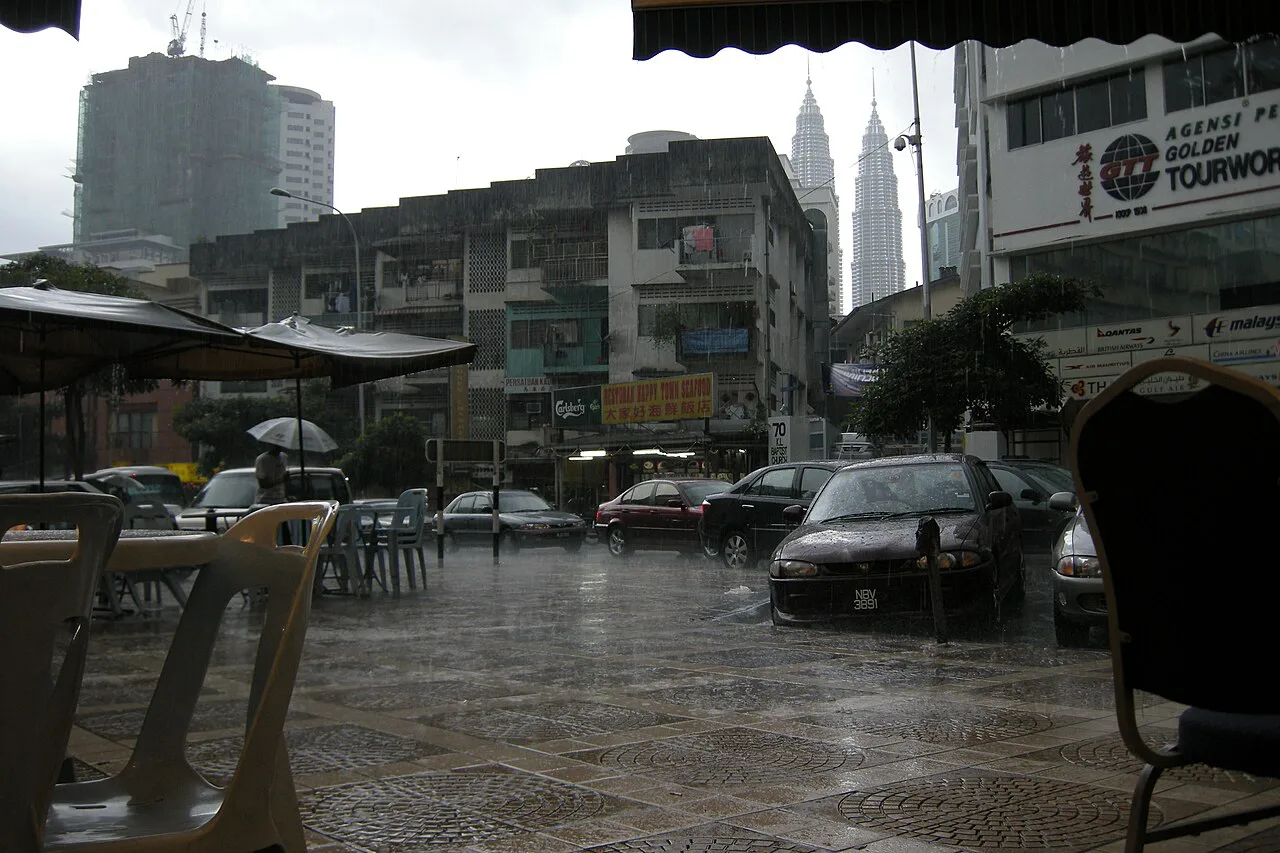
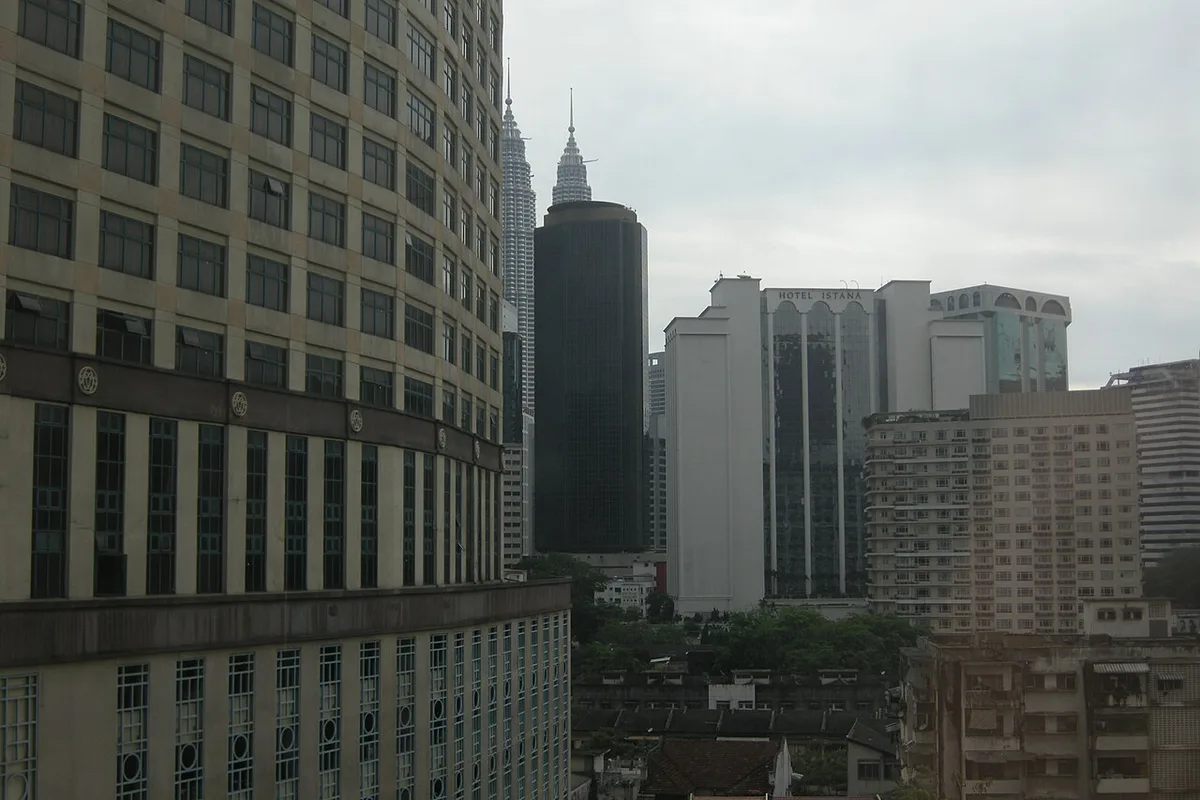
KLCC is the polished, business-leaning district at the foot of the Petronas Twin Towers. Suria KLCC is open 10:00 am to 10:00 pm every day, including public holidays, and connects to KLCC station on the LRT Kelana Jaya line. Families can plan around Aquaria KLCC, where a visit runs about 2 hours and last entry is 7:00 pm.
Petronas Skybridge tickets cost RM127 for adults on weekdays and RM137 on weekends. Skip KLCC for a street-food neighborhood, since hotels here tend to cost more and the district feels corporate. Compare KLCC hotel options before you decide.
3. Chinatown (Petaling Street): Best for Budget and Heritage
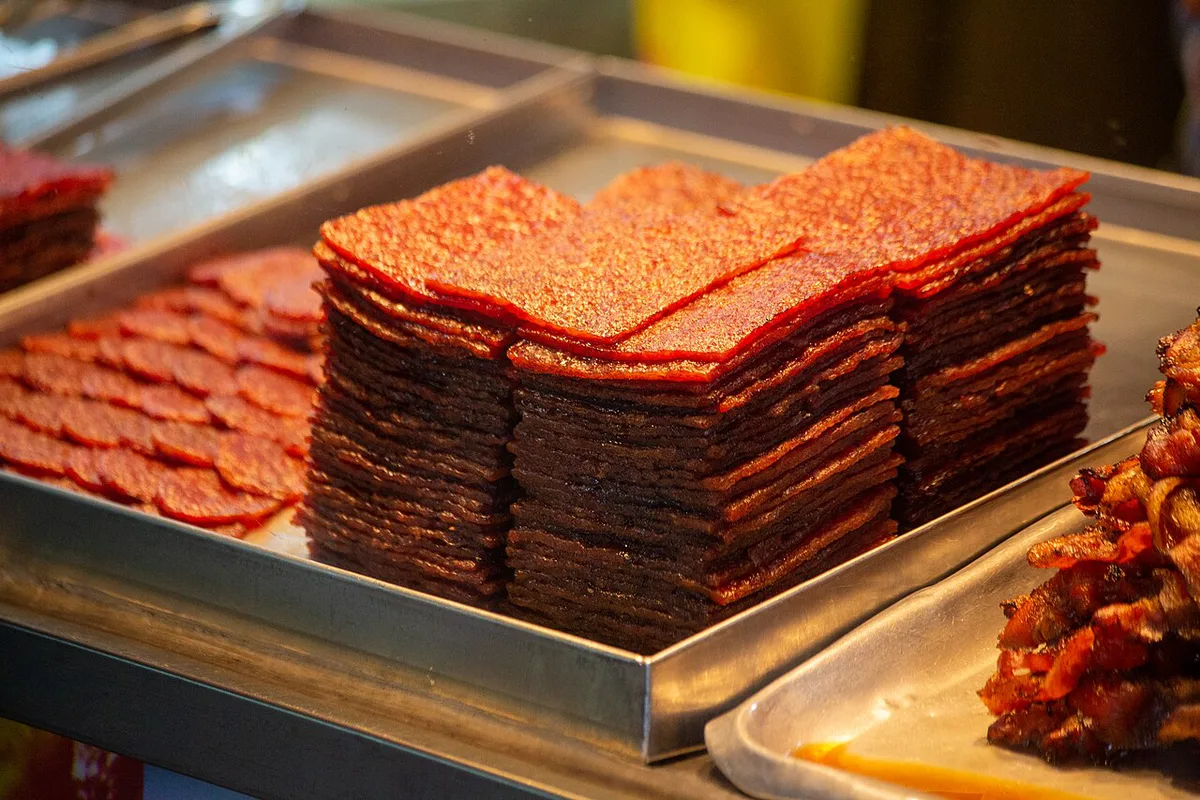
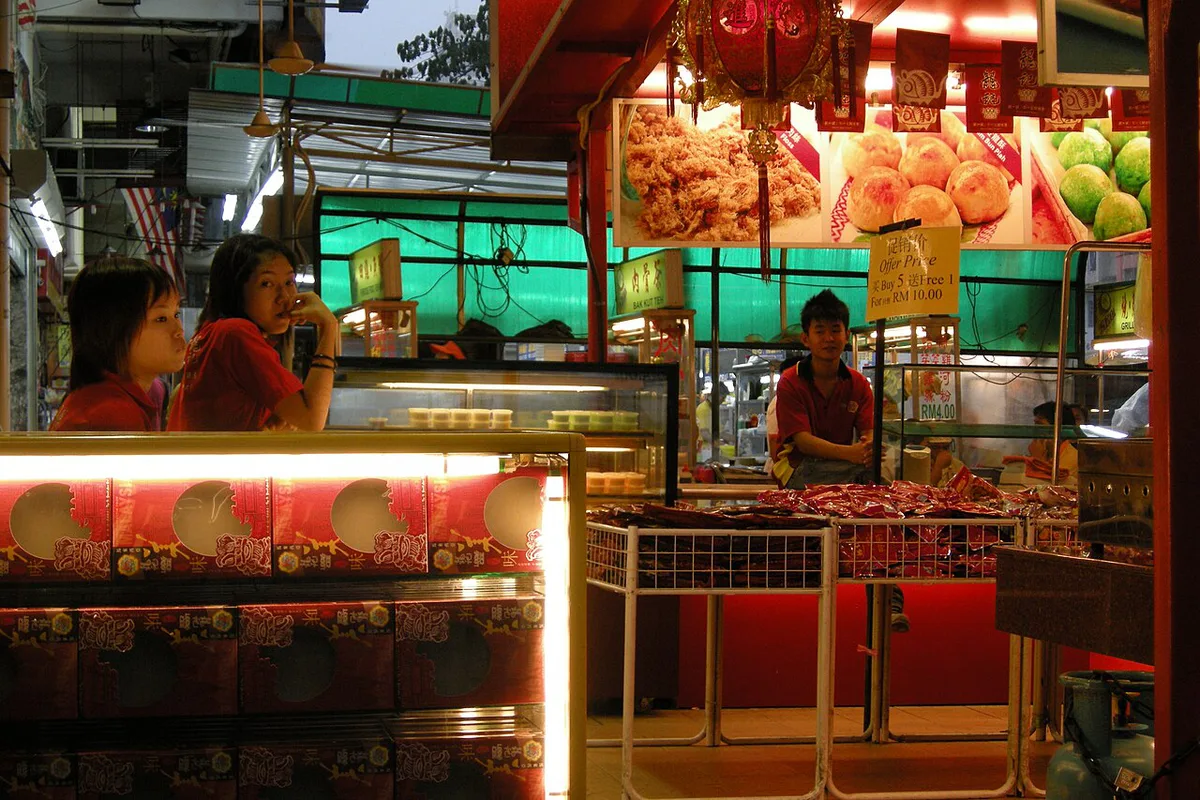
Chinatown is the usual budget-friendly base, with boutique hotels and cafes in converted shophouses. Petaling Street Market anchors the area with street food stalls and bargain shopping. Sri Mahamariamman is one of the heritage temples here.
Expect crowds and noise around Petaling Street at night, and older buildings can mean steps and tighter rooms. Ride-hail to KLCC or Bukit Bintang is a short hop, though traffic varies by hour. Skip Chinatown if you want a polished, quiet district like KLCC.
4. KL Sentral and Brickfields: Best for Transit and Day Trips
KL Sentral is the city's main transport hub for trains, buses and the airport express. KLIA Ekspress departures link it with the airport, which keeps arrival and departure days simple. Brickfields, known as Little India, sits in the same district and offers Indian restaurants and temples.
From KL Sentral, the Kelana Jaya Line LRT reaches KLCC Station (KJ10). Evenings are calmer than in Bukit Bintang, and the area feels more business-focused. Skip it if nightlife or an atmospheric evening stroll is the point of the trip.
5. Bangsar: Best for Food and a Residential Feel
Bangsar is the residential pick, slightly outside the center and known for restaurants and bars. Transit connections are decent, but most outings to the main sights involve a ride-hail or a rail transfer. Grab and InDriver both offer fixed-price rides, while taxi costs vary by starting point.
Reaching KLCC for a 9am Skybridge slot means a ride rather than a walk from here. Skip Bangsar on a short first visit when you want to cover the major sights on foot.
How to Choose Your Kuala Lumpur Base
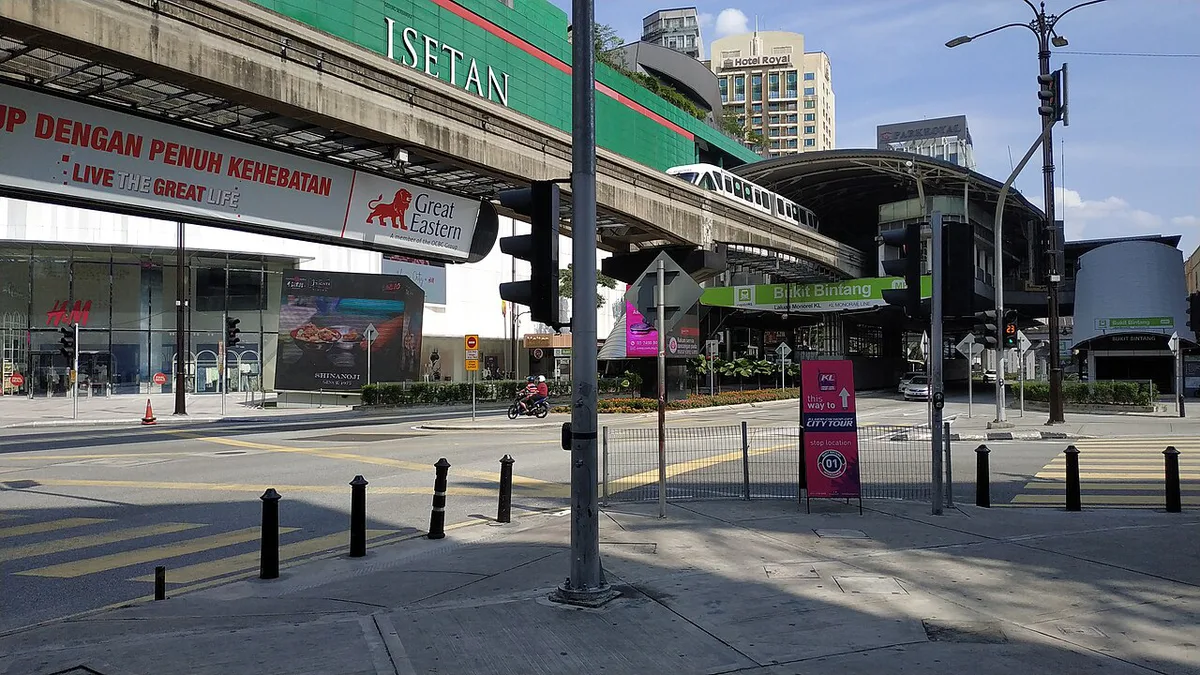
Start with transit, then noise, then budget. Bukit Bintang has MRT, monorail and the free GO-KL City Bus Green Line, which runs to KLCC with 14 stops in between. KLCC adds the Kelana Jaya Line LRT. Traffic is heavy around Bukit Bintang, so short car hops can take longer than expected.
- Transit: pick a hotel near a named station, not a district label.
- Noise: Bukit Bintang and Petaling Street run late, while KLCC and KL Sentral run quieter.
- Budget: Chinatown tends lower and KLCC tends higher.
- Arrival: late flights favor KL Sentral or an airport hotel.
Budget and Hostel Options in Kuala Lumpur
Nightly rates shift with season and event dates, so compare live listings for your dates. Chinatown is the usual budget base, and hostel dorms in KL are the place to start for shared rooms.
Airport and Late-Flight Stays
KLIA Ekspress connects the airport with KL Sentral, where you can change to the Kelana Jaya Line LRT for KLCC Station (KJ10). For flights before dawn or after midnight, look at hotels near the airport.
Suria KLCC runs 10:00 am to 10:00 pm daily, so a pre-dawn airport arrival at KLCC means waiting before the mall opens.
Cost, Time and Access Trade-Offs
Rail beats ride-hail for fixed destinations. Pasar Seni (SBK16) is the MRT interchange for the Kelana Jaya Line to KLCC. Batu Caves works as a rail day trip: take the KTM Komuter to Batu Caves station and walk about 5 minutes. Bus 11 from Bangkok Bank near Central Market also reaches it. Parking costs RM2 but spaces are limited. Arrive before 8:00 am to avoid the crowds, then climb the 272 steps to the Temple Cave.
Thaipusam draws thousands of worshippers to Batu Caves, so on those dates arrive before 8:00 am.
| Place | Figure | Planning note |
|---|---|---|
| Petronas Skybridge | RM127 weekday, RM137 weekend (adult); 9am to 10:30pm Tuesday through Sunday | Last admission 9:30pm; Mondays run 9am to 8pm on the 2nd, 4th and 5th and are closed on the 1st and 3rd |
| Suria KLCC | 10:00 am to 10:00 pm daily | Open on public holidays |
| Aquaria KLCC | 10:00am to 8:00pm; about 2 hours | Last entry 7:00 pm; tickets are not refundable |
| Batu Caves | Open 24 hours; 272 steps | Parking RM2 |
Common Mistakes When Choosing a Kuala Lumpur Base
Booking by a "city center" label hides the walk to the nearest station. Pavilion's MRT station and Bukit Bintang's monorail station are different stops, so check which one your hotel faces. Light sleepers who pick a nightlife strip pay for it at 2am.
- Ignoring the nearest station name.
- Choosing Bukit Bintang while needing quiet.
- Basing in Bangsar for a two-night sightseeing trip.
- Overlooking arrival time on late flights.
Booking Tips: What to Check Before You Reserve
Read cancellation terms before comparing price. Look up the walking route from the hotel to its station on a map. Match your dates against Thaipusam, which draws thousands of worshippers to Batu Caves. Skybridge tickets and Aquaria entry are bookable in advance, so lock hotel flexibility first.
Building the rest of the trip? Our Kuala Lumpur attractions guide covers the sights, districts and logistics around this guide.
Frequently Asked Questions
What is the best residential area in Kuala Lumpur?
Bangsar is the residential pick for visitors, with a local feel and a name for restaurants and bars. It sits slightly outside the center, so expect a ride-hail or rail transfer to reach KLCC. First-timers on short trips usually do better in Bukit Bintang.
Why is Bukit Bintang so famous?
Bukit Bintang packs Pavilion Kuala Lumpur, Jalan Alor's food stalls and late-night bars into one rail-connected area. MRT, monorail and the free GO-KL City Bus all serve it. International visitors can add the KL Travel Pass for unlimited Monorail, LRT and MRT rides.
Where to stay in Kuala Lumpur on a budget?
Chinatown is the usual choice for lower rates, with Petaling Street Market nearby. Hostel dorms are the cheapest format. Bukit Bintang also has a wide range of hotel tiers.
Going on to Penang? See our guide to where to stay in Penang.
Explore More Kuala Lumpur Guides
Keep planning your Kuala Lumpur trip with these guides.
Kuala Lumpur Guides
Useful notes for your Southeast Asia trip
Optional updates to our guides.
You might also like
Continue reading
More guides you'll find useful