Kuala Lumpur Tourist Scams: How to Spot and Avoid Them
Common tourist scams in Kuala Lumpur, how to spot them, safer taxi and money choices, and what to do if you're targeted.
On this page
Last updated November 2026. Kuala Lumpur tourist scams are mostly small and avoidable: taxi fare disputes, poor-rate money changers, and fake closure stories near busy sites. Most visits pass without trouble, and a handful of habits prevent nearly every problem.
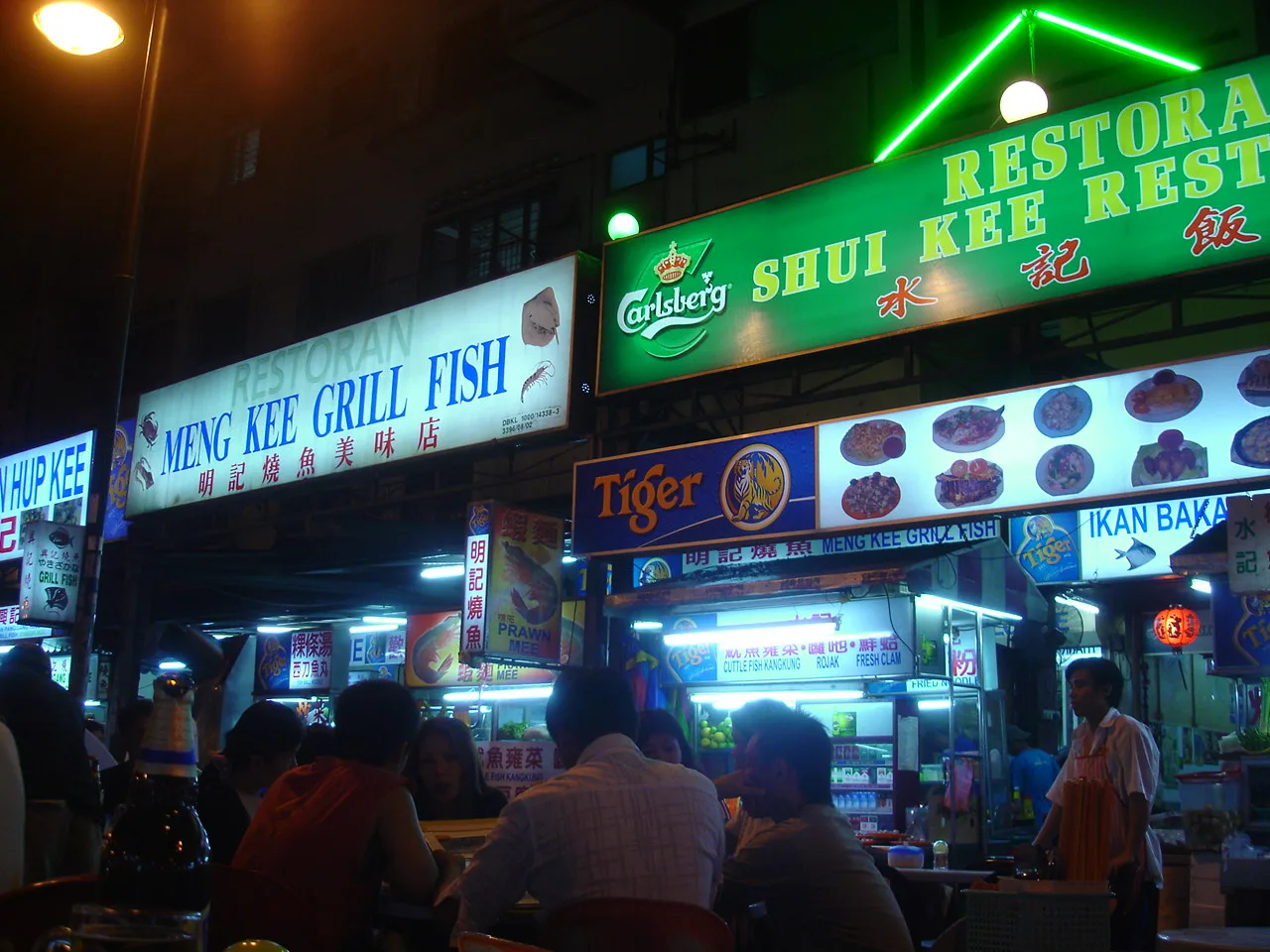
Featured image: Naz Amir, CC BY 2.0, via Flickr.
Quick Answer: The Kuala Lumpur Tourist Scams Worth Knowing
Most problems fall into five groups. Taxi drivers may refuse the meter and quote a flat price. Money changers may offer poor rates or short-change you. Street touts may claim an attraction is closed and steer you elsewhere. Phone and booking fraud can hit before or during the trip. Remote scams can follow you home. The U.S. Embassy rates Malaysia at Travel Advisory Level 1, which means normal precaution. Nothing here should put you off visiting. It simply means a few habits are worth building before you land.
- Use a ride-hailing app or insist on the meter.
- Compare rates before handing over cash to a changer.
- Ignore anyone who says a site is closed.
- Never send money to someone you only know online.
- Save your bank's lost-card number before you travel.
Scams at a Glance
Use this table as a quick reference. Each row is a pattern travelers report around Bukit Bintang, Petaling Street, Pasar Seni and KL Sentral. Detail follows in the sections below.
Petaling Street runs 8:00 AM to 8:00 PM Sunday to Friday, so a closed-today claim is easy to test from the entrance.
| Scam | Where | Red flag | What to do |
|---|---|---|---|
| Meter refusal or flat quote | Taxi ranks, Bukit Bintang, KL Sentral | Driver says the meter is broken or quotes a price before you sit down | Decline and book a ride-hailing app instead |
| Poor-rate currency exchange | Tourist shopping streets, hotel desks | Rate board hides the spread, or the counter staff rush you | Compare two licensed changers and count cash at the counter |
| Fake closure story | Near Petaling Street and Pasar Seni | A stranger says the market is shut and offers an alternative | Walk to the entrance and check for yourself |
| Unmarked tourist pricing | Market stalls | No price shown and a quote that changes when you hesitate | Ask the price first, then walk away if it feels off |
| Fake messages and listings | Phone, email, booking sites | Urgent link, payment request or too-good rate | Contact the provider through its official channel |
| Remote romance or parcel fraud | Online, before or after the trip | Request for money from someone you have never met | Stop contact and send no funds |
Airport and Taxi Scams
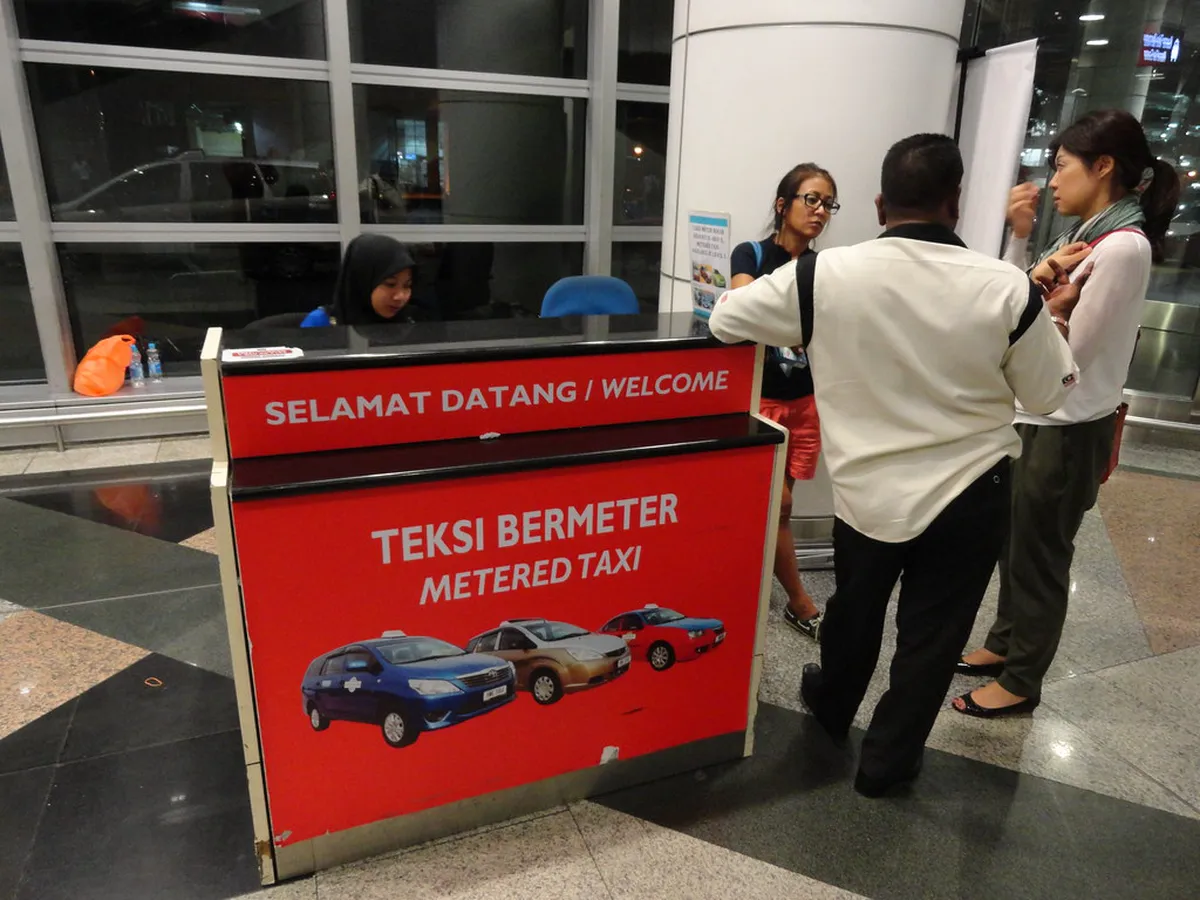
Taxi disputes are the most common complaint. The pattern is simple: a driver declines the meter and names a flat fare that suits him. Fares from Bukit Bintang vary by starting point, according to Tourism Malaysia. That variation is exactly why a fixed quote is hard to judge on the spot. Ride-hailing apps Grab and InDriver are both available there with a fixed price shown up front. For arrivals at KLIA or KLIA2, skip anyone who approaches you inside the terminal and use an official counter or an app. Check current airport fares on the operator's own site before you travel. For getting around the city itself, the KL Travel Pass for international visitors gives unlimited rides on the Monorail, LRT and MRT. Trains remove the fare argument entirely.
- Agree the method before you get in: meter or app price.
- Walk away if a driver quotes a price before you have named your destination.
- Screenshot the app fare and the driver's plate.
- Use rail for Bukit Bintang, Pasar Seni and KL Sentral.
Money Changer, ATM and Card Traps
Changers near tourist streets can post attractive boards and still deliver a weak rate once fees apply. Bank Negara Malaysia is the national regulator, and its site is the place to check whether a business is licensed. Count your notes at the counter before you walk away. Our guide to Money Changers in Kuala Lumpur: Where to Exchange and Avoid Bad Rates covers how to compare options. At card terminals, choose to pay in ringgit when asked. Accepting your home currency lets the merchant set the conversion rate, and that rate is usually worse. Use ATMs inside bank branches or malls where you can, and cover the keypad as you type your PIN.
| Option | Convenience | Risk | Best for |
|---|---|---|---|
| Ride-hailing app | High | Low: fixed price shown | Airport and late-night rides |
| Metered taxi | Medium | Medium: meter refusal | Short city hops with a firm meter request |
| Unmetered quote | Low | High: no way to check fairness | Avoid |
| Card in ringgit | High | Low | Hotels, malls, restaurants |
| Licensed changer | Medium | Medium: rate spread | Cash for markets |
| Booth with no license shown | Low | High | Avoid |
Street, Market and Attraction Scams
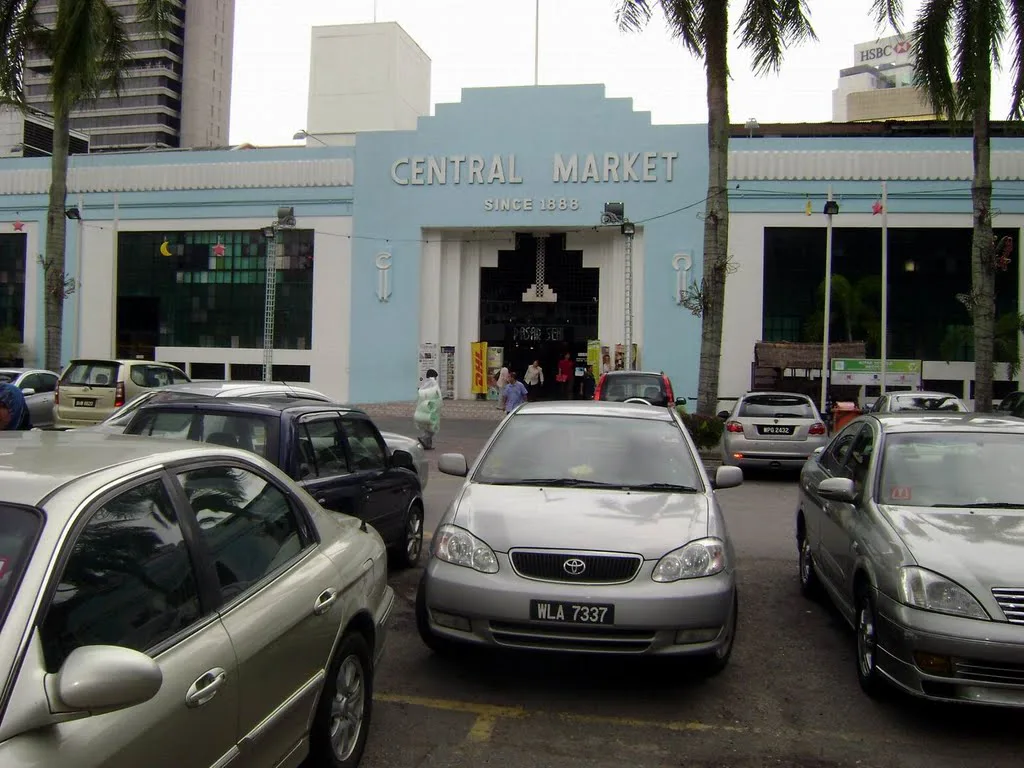
Petaling Street runs from 8:00 AM to 8:00 PM Sunday to Friday and until 10:00 PM on Saturday. It has no regular closing day. That matters because a stranger who tells you it is shut is wrong. Treat the claim as a red flag, especially if it comes with an offer to take you elsewhere. The nearest rail stop is Pasar Seni LRT station on the Kelana Jaya Line, then about a 3-minute walk. From Maharajalela Monorail Station the walk is about 14 minutes. Central Market is open daily from 10:00am to 10:00pm, so the same closure story fails there too. Stalls in both areas may not show prices. Ask the price before you touch an item, and expect to haggle politely. Bag snatching by motorbike is a safety issue more than a scam. Carry your phone and bag on the side away from the road. Keep valuables out of back pockets in crowds at Bukit Bintang and KL Sentral.
- Check opening hours yourself at the entrance.
- Refuse unlicensed guides who approach you on the street.
- Agree the price before accepting any item or service.
- Walk with bags on the building side of the pavement.
Phone, SIM and Online Scams
Fake parcel texts and unexpected payment links are the common phone-based tricks. Delete them and contact the sender through its official app or website. Public Wi-Fi in cafés and malls is convenient but easy to spoof, so avoid banking on it. A local data plan solves both problems. Our Kuala Lumpur SIM card guide explains the options. Booking fraud is the other risk. Fake accommodation listings ask for an off-platform deposit. Pay only through the booking site's own checkout, and read the URL before you enter card details.
Scams That Start Online Before or After Your Trip
Some Malaysia-linked fraud never involves a visit at all. The U.S. Embassy says an increasing number of internet scams originate in Malaysia. Typical versions include romance scams, parcel release fees and inheritance processing fees. Scammers often pose as someone who has been detained or hurt in Malaysia and needs urgent cash. The embassy states that there is no such thing as a BTA, or Basic Travel Allowance. It also states that U.S. embassies do not detain people. If you recognize the pattern, stop communicating and send nothing. Victims of online crimes can file a complaint with the FBI's Internet Crime Complaint Center. Recovering money afterward is rarely possible, so the safest move is to refuse the first request.
If a message claims you or someone you know is detained in Malaysia, remember that U.S. embassies do not detain people. The embassy emergency line is 03-2168-5000.
Scam or Just Local Practice?
Not every surprise is a scam. Restaurants often add a service charge to the bill, and it is legitimate when printed on the menu or receipt. Haggling at markets is normal practice. A first price that seems high is an opening offer, not fraud. A scam involves deception: a false closure, a rigged meter or a fake listing. Our guide to Tipping in Kuala Lumpur: Do You Need To Tip? (2026) explains which extras are expected.
| Situation | Scam? | Why |
|---|---|---|
| Service charge printed on the receipt | No | Disclosed charge |
| Market stall quotes a high first price | Usually no | Haggling is routine |
| Driver says the meter is broken | Likely | Common pretext to quote a flat fare |
| Stranger says Petaling Street is closed | Yes | Stated hours show it is open |
| Taxi fare varies by starting point | No | Fares depend on origin |
If You've Been Scammed: What to Do
Act quickly and stay calm. Most card losses are recoverable when reported fast. Work through these steps in order. Royal Malaysia Police is the official channel for reports, and its site lists current stations and contacts. U.S. citizens can reach the embassy's emergency line on 03-2168-5000 for help with lost passports or victim services.
- Stop any payment you can still cancel.
- Call your bank or card issuer and freeze the card.
- Save screenshots, receipts, plate numbers and messages.
- File a police report at the nearest station and keep a copy.
- Contact your embassy if a passport is lost or stolen.
- Change passwords on accounts you used on public Wi-Fi.
Prevention Checklist
A few routines remove most of the risk. Our 8 Kuala Lumpur Travel Tips for First-Time Visitors (2026) add wider trip-prep advice.
- Book rides in an app, or confirm the meter before you board.
- Pay by card in ringgit, not your home currency.
- Keep a spare card and a photo of your passport page.
- Verify opening hours yourself, not through a stranger.
- Ask prices first at market stalls.
- Use a local data plan rather than open Wi-Fi.
- Save your bank's overseas emergency number before you fly.
For trip-planning details, see Tourism Malaysia official site and Royal Malaysia Police.
Frequently Asked Questions
Is Kuala Lumpur safe to visit right now?
Yes, most visitors have trouble-free trips. The U.S. Embassy lists Malaysia at Travel Advisory Level 1, which means exercise normal precaution. Petty theft and fare disputes are the main risks.
What are the most recent scams in Malaysia?
Online fraud dominates the embassy's warnings. Those include romance scams, fake detained or injured traveler stories, parcel fees and inheritance fees. Pause and verify any urgent request for money.
Useful notes for your Southeast Asia trip
Optional updates to our guides.
You might also like
Continue reading
More guides you'll find useful