Money Changers in Kuala Lumpur: Where to Exchange and Avoid Bad Rates
Where to exchange money in Kuala Lumpur: compare money changers by area, check the rate before you hand over cash, and know what to avoid at airports and hotels.
On this page
Last updated November 2026. Money changers in Kuala Lumpur cluster in central malls and old trading streets, and a licensed counter in the city usually beats the airport desk on rate. Compare two or three counters before you hand over cash. Our guide maps the districts, a five-step rate check and the red flags. For wider arrival and budget planning, read our Kuala Lumpur trip basics.
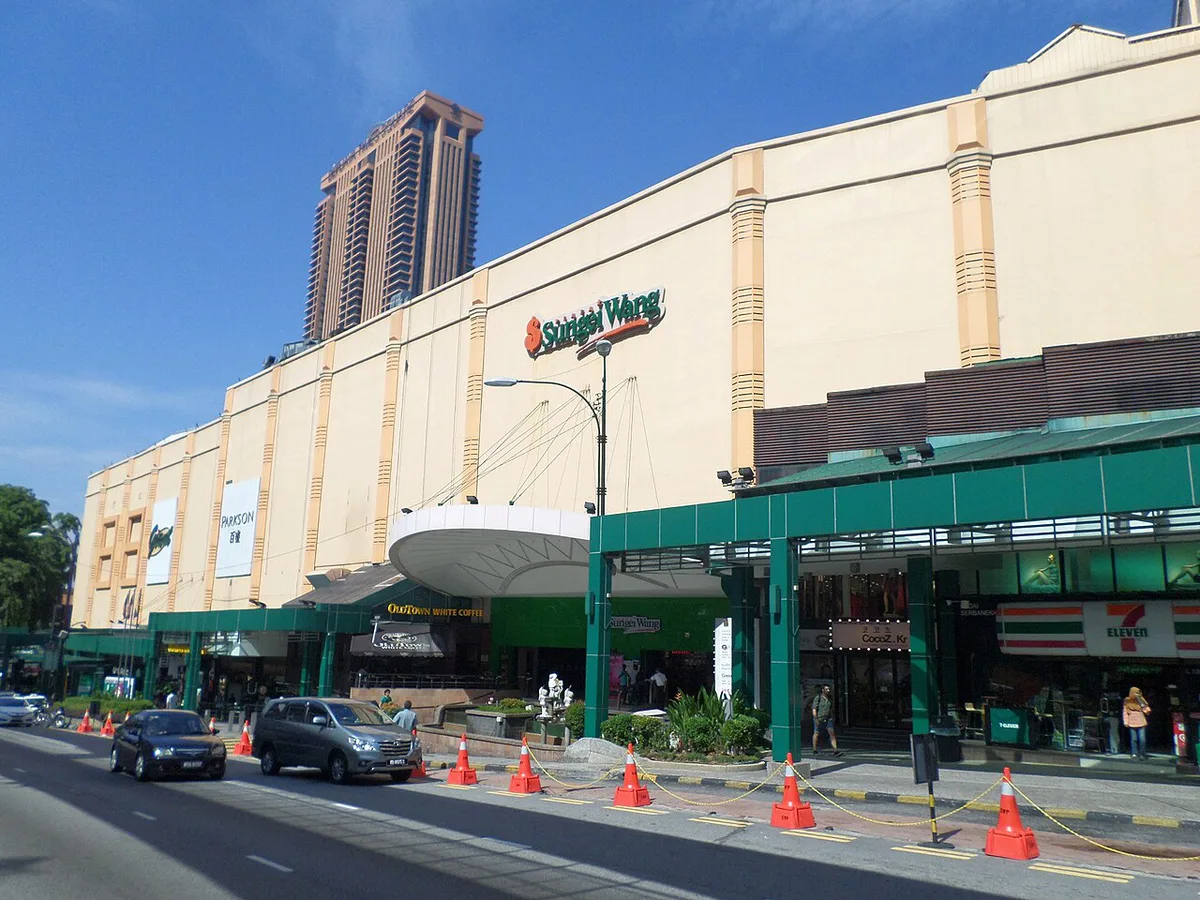
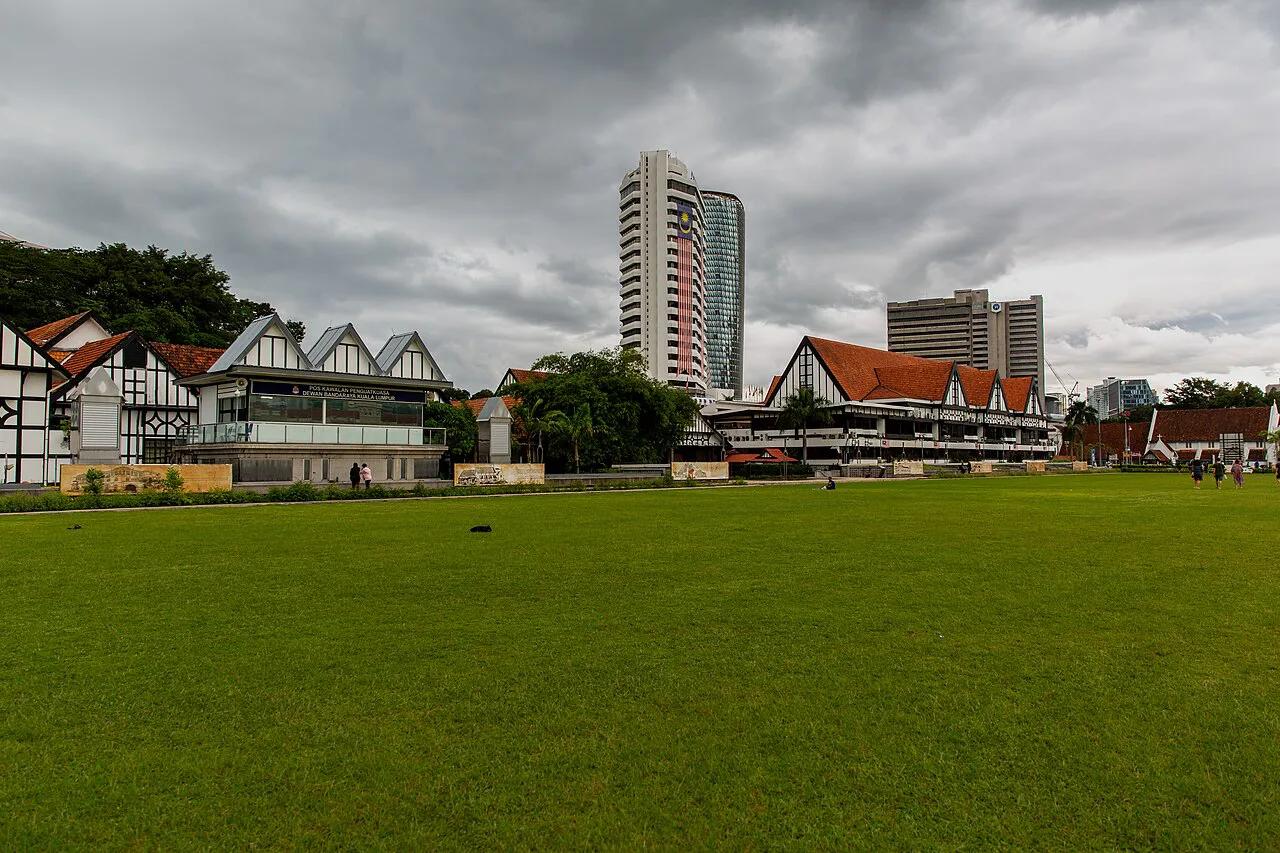
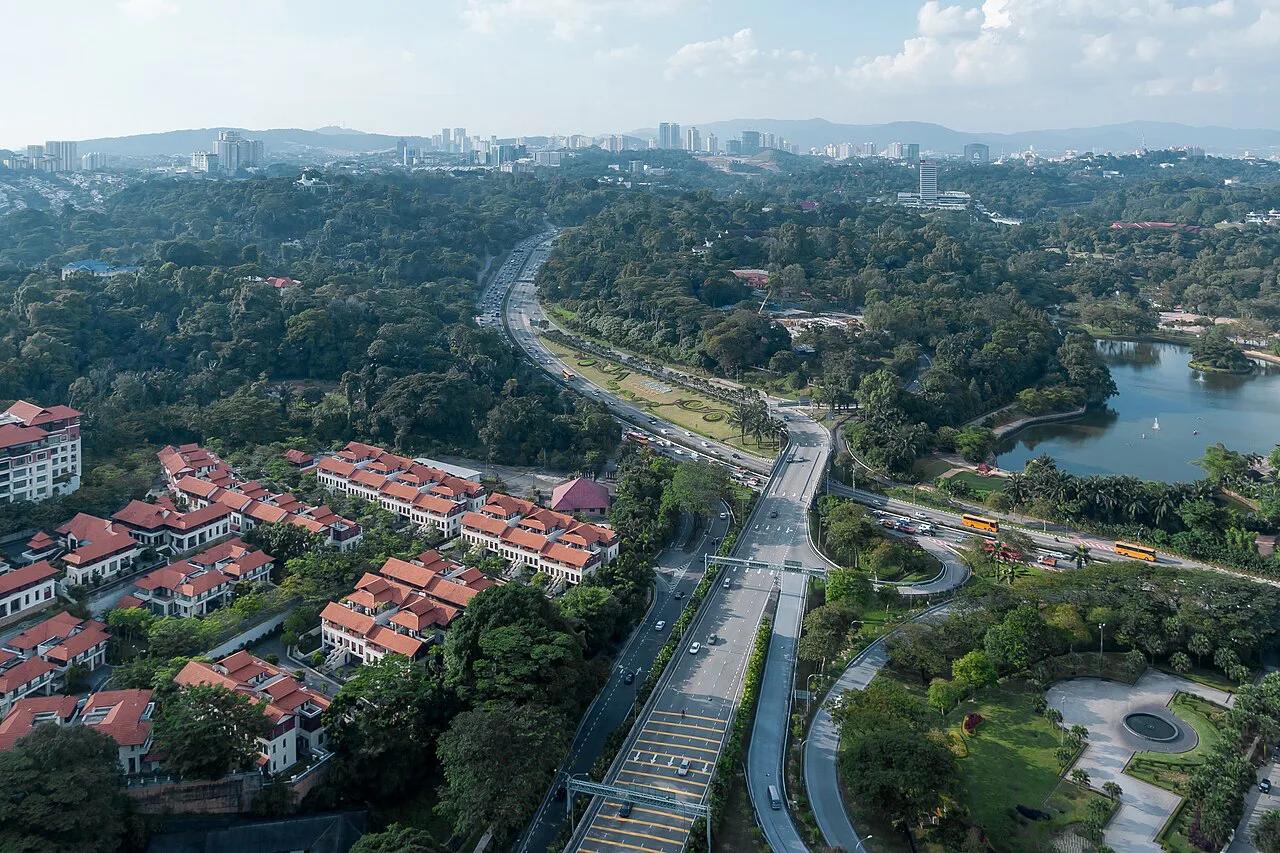
Featured image: Azreey, CC BY-SA 4.0, via Wikimedia Commons.
Quick answer: where to exchange money in Kuala Lumpur
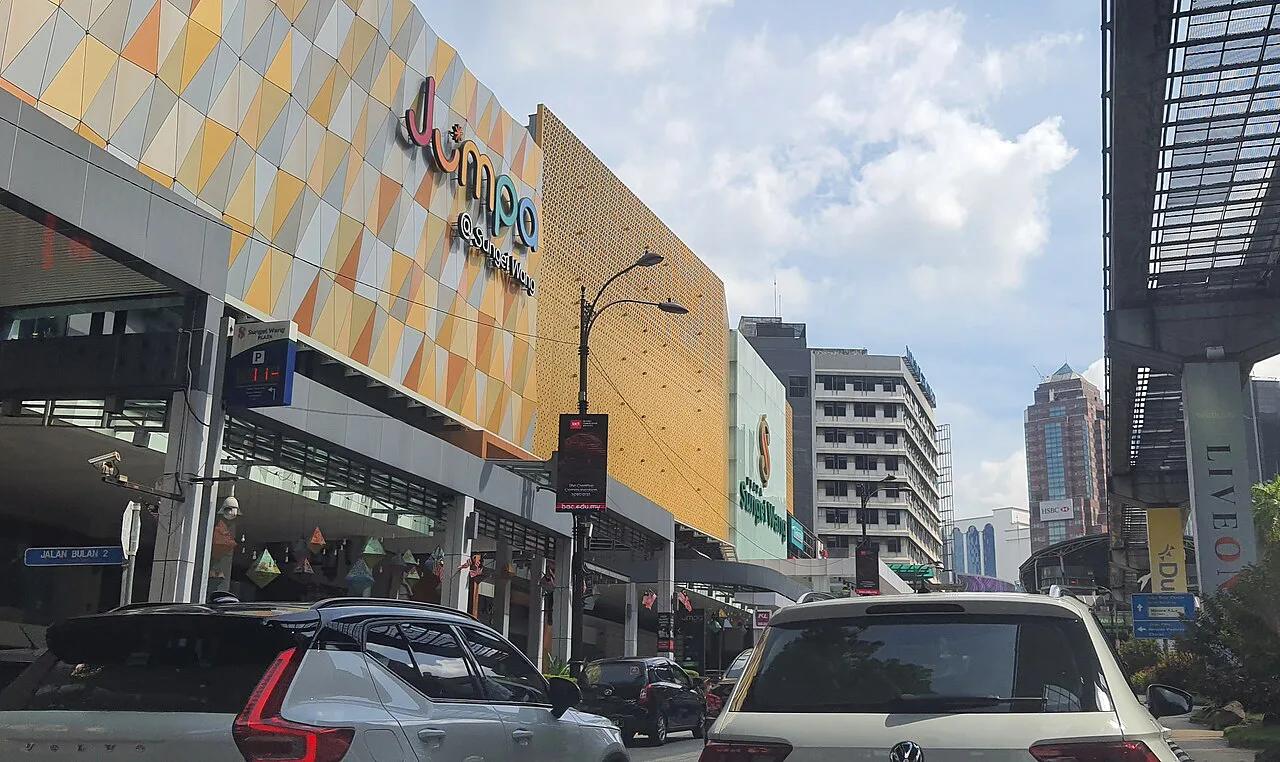
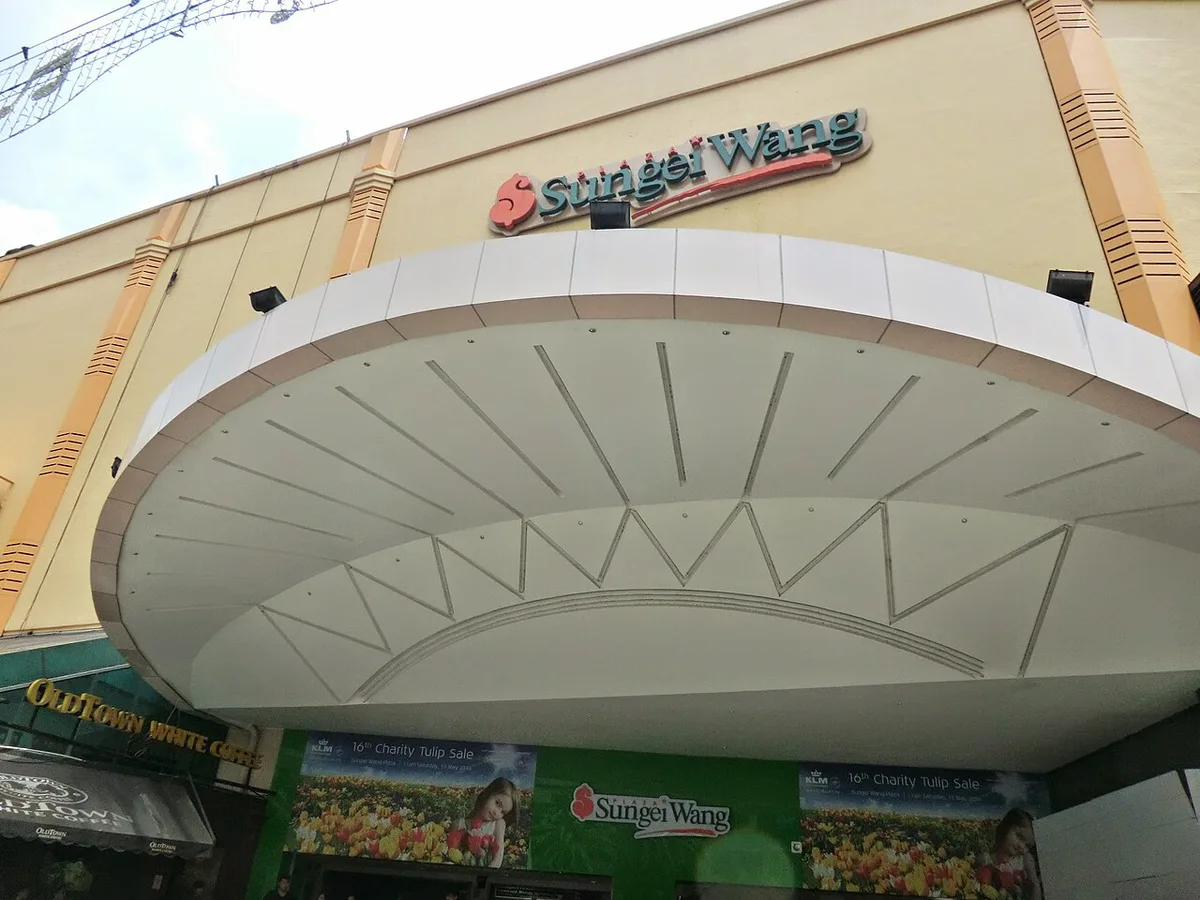
For most visitors, the best option is a licensed money changer in a central mall or shopping district. Bukit Bintang, KLCC and Chinatown all have several counters within walking distance of each other. Sungei Wang Plaza is open 10:00 am to 10:00 pm, which covers most of a normal day. Airport counters and hotel desks are convenient, but their rates typically trail. Exchange only what you need for the first day at the airport. Prices and hours in this guide were checked in November 2026.
Money changers vs. banks, airport, hotels and ATMs
Each option trades rate against convenience. Driving from KLIA to Sungei Wang Plaza takes about 45 minutes, so a small airport exchange can cover a taxi or e-hailing fare. Do the bulk of your exchange in the city. Rate quality below is a general guide, not a quote from any outlet.
| Option | Rate quality | Convenience | Best for |
|---|---|---|---|
| City money changer (mall or street) | Usually the strongest | High in central districts | Most of your cash |
| Airport counter | Typically weaker | Highest on arrival | A small first-day amount |
| Hotel desk | Typically weaker | High if you are staying there | Emergencies |
| Bank counter | Varies by bank | Limited by branch hours | Larger sums with ID |
| ATM withdrawal | Depends on your bank's fees | Wide, including malls | Small top-ups |
Best areas to find a money changer
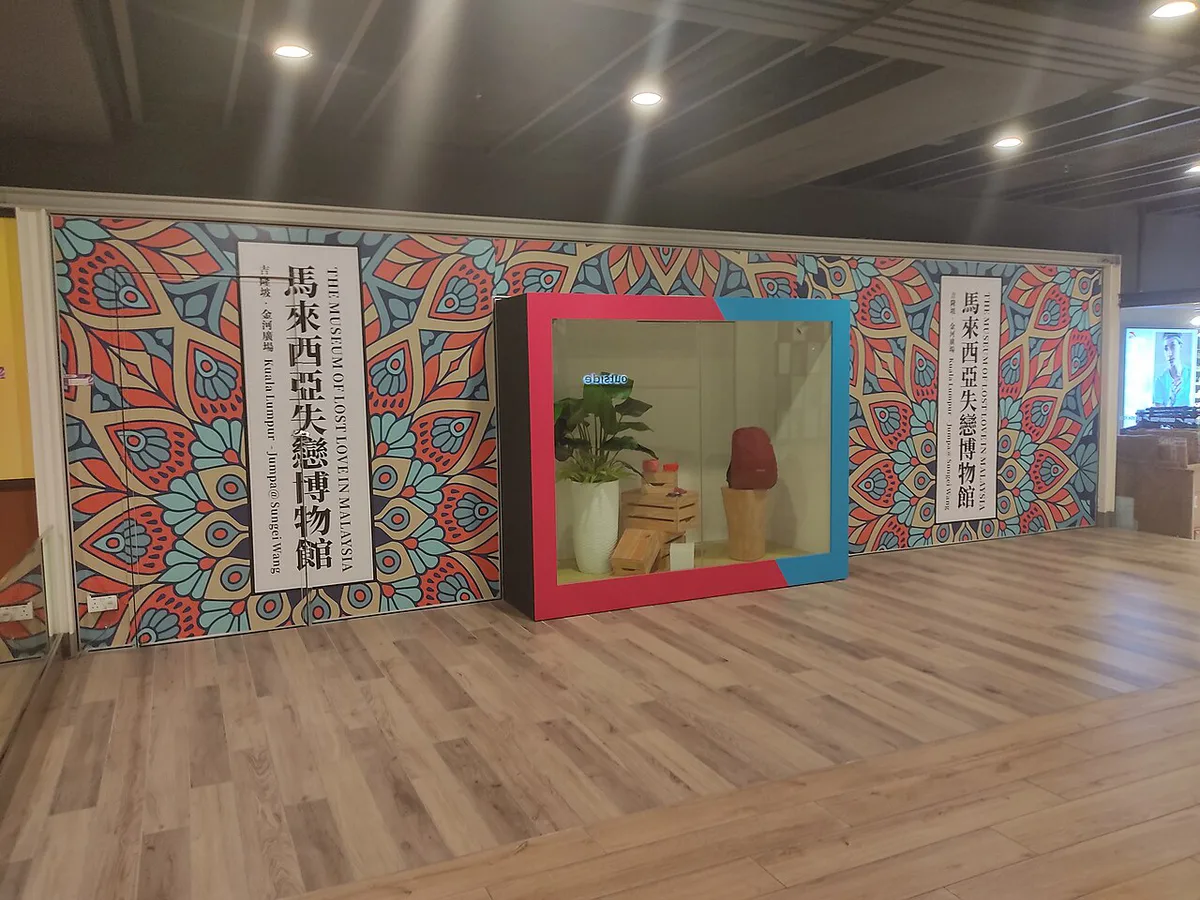
Match the district to where you are staying or sightseeing. Counters often sit a few doors apart, so comparing is easy. Bukit Bintang is the densest area. Sungei Wang Plaza is a 3-minute walk from the Bukit Bintang MRT station via Gate C. Pavilion Kuala Lumpur sits at 168 Jalan Bukit Bintang, and Berjaya Times Square at No. 1, Jalan Imbi. Berjaya Times Square runs 10AM to 10PM daily. In Chinatown, Petaling Street trades 8:00 AM to 8:00 PM Sunday to Friday and until 10:00 PM on Saturday.
Mall hours run 10 am to 10 pm, but Petaling Street's Sunday to Friday hours end at 8:00 PM, so visit Chinatown counters earlier in the day.
- Bukit Bintang: Sungei Wang Plaza, Pavilion KL and Berjaya Times Square, all in one shopping strip.
- KLCC: Suria KLCC is open 10:00 am to 10:00 pm daily, including public holidays.
- Chinatown: Petaling Street area, reached from Pasar Seni LRT station, with Kota Raya nearby.
- Mid Valley: Mid Valley Megamall is open 10am to 10pm daily, with a KTM station outside its doors.
- Masjid India and Nu Sentral: useful if you are staying near KL Sentral or in the old town.
How to get a good rate, step by step
Follow the same routine at every counter. A data connection helps for the first step, so set up a local data plan before you start comparing. Some outlets quote rates over WhatsApp, which saves a trip. Reviewers report little room to negotiate on Japanese yen and Thai baht, so ask for those rates in advance.
- Look up the mid-market rate for your currency online.
- Visit two or three nearby counters and ask each for the final ringgit amount.
- Ignore "zero commission" signs and compare only the total you receive.
- Count the notes at the counter before you leave.
- Keep the receipt until you have left the country.
What to bring and what to expect
Bring your passport, because licensed counters may ask for ID. Carry notes that are clean and uncreased, as damaged notes can be refused or priced lower. Mall counters generally work within mall hours, which run 10 am to 10 pm at the malls named above, though individual counters can differ. Trains run from 6.00am until 12.00am according to Sungei Wang Plaza's own directions, so plan evening exchanges around your ride back. Check a changer's licence on the Bank Negara Malaysia site if you are unsure.
Trains run until 12.00am, but Sungei Wang Plaza is open only until 10:00 pm, so exchange earlier in the evening.
Mistakes and red flags
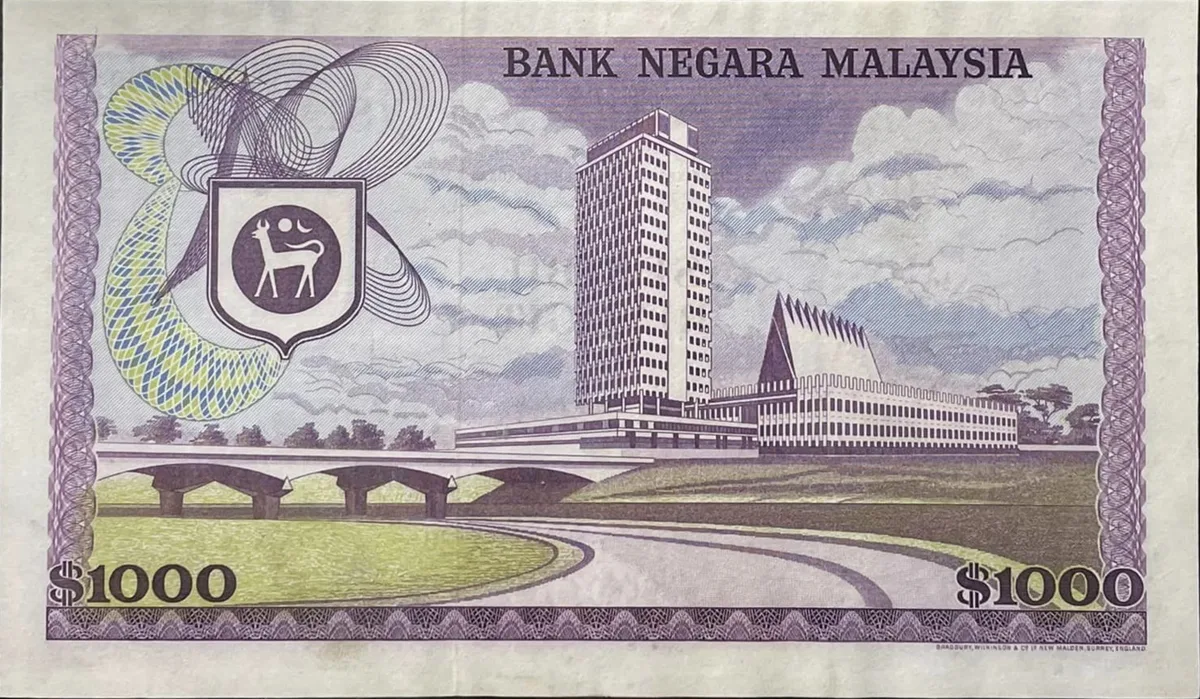
Walk away from any counter that will not show the final amount in writing. Be wary of a board that lists only the buy rate. Street offers outside licensed premises carry real short-change risk. Miscounted notes are the most common complaint, so count twice. Card terminals may offer to charge you in your home currency, which is called dynamic currency conversion. Decline it and pay in ringgit. Our guide to common street scams covers more tricks.
Cash, card or ATM: what to do first
Short stays suit a small cash exchange plus a card. Longer stays suit one city exchange and an ATM top-up now and then. Check your own bank's foreign transaction and ATM fees before you fly. Keep ringgit in small notes for taxis, street food and tips. Our note on small-note tipping explains where cash still matters. Bukit Bintang is reachable by LRT, MRT and taxi, and the Tourism Malaysia Bukit Bintang page lists Grab and InDriver at a fixed price.
Frequently Asked Questions
Where can I exchange currency in Malaysia?
Licensed money changers in city malls and shopping districts are the usual choice. In Kuala Lumpur, look around Bukit Bintang, Suria KLCC, Mid Valley and Petaling Street. Banks and airport counters also exchange cash.
Where do I get the best currency exchange rate?
Check the mid-market rate online, then compare two or three counters in the same district. Ask each for the final ringgit amount, not the headline rate. City changers typically beat airport and hotel desks.
What is the currency used in Kuala Lumpur, Malaysia?
Kuala Lumpur uses the Malaysian ringgit, written RM. Keep some small notes for taxis, markets and street food.
Useful notes for your Southeast Asia trip
Optional updates to our guides.
You might also like
Continue reading
More guides you'll find useful