Luang Prabang Rainy Season: Is It Worth Visiting?
Planning Luang Prabang in the rainy season? See month-by-month conditions, Kuang Si and river trade-offs, packing tips and booking advice.
On this page
Last updated November 2026: the Luang Prabang rainy season runs roughly May to October, with the heaviest rain from June to September. Showers usually arrive as afternoon bursts after clear mornings, so the trip stays workable for most travelers. Go if you want green hills, fuller rivers and quieter streets, and skip it if your itinerary has tight river or flight connections.
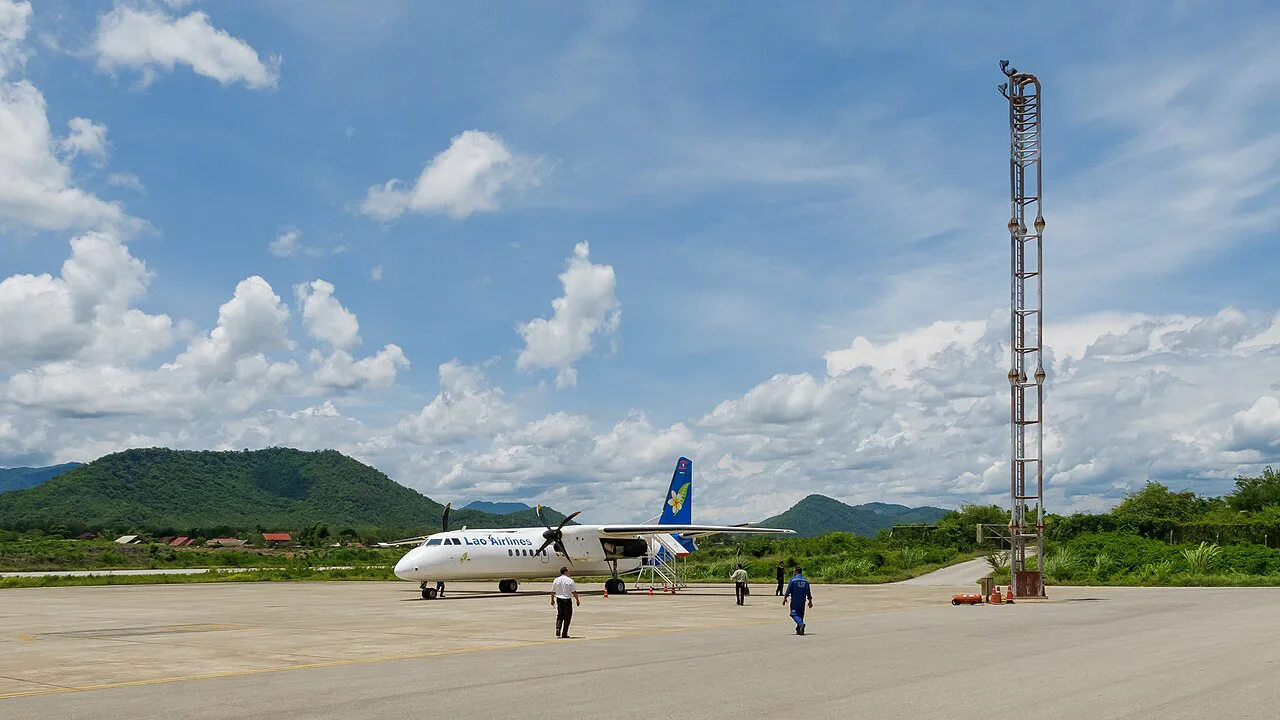
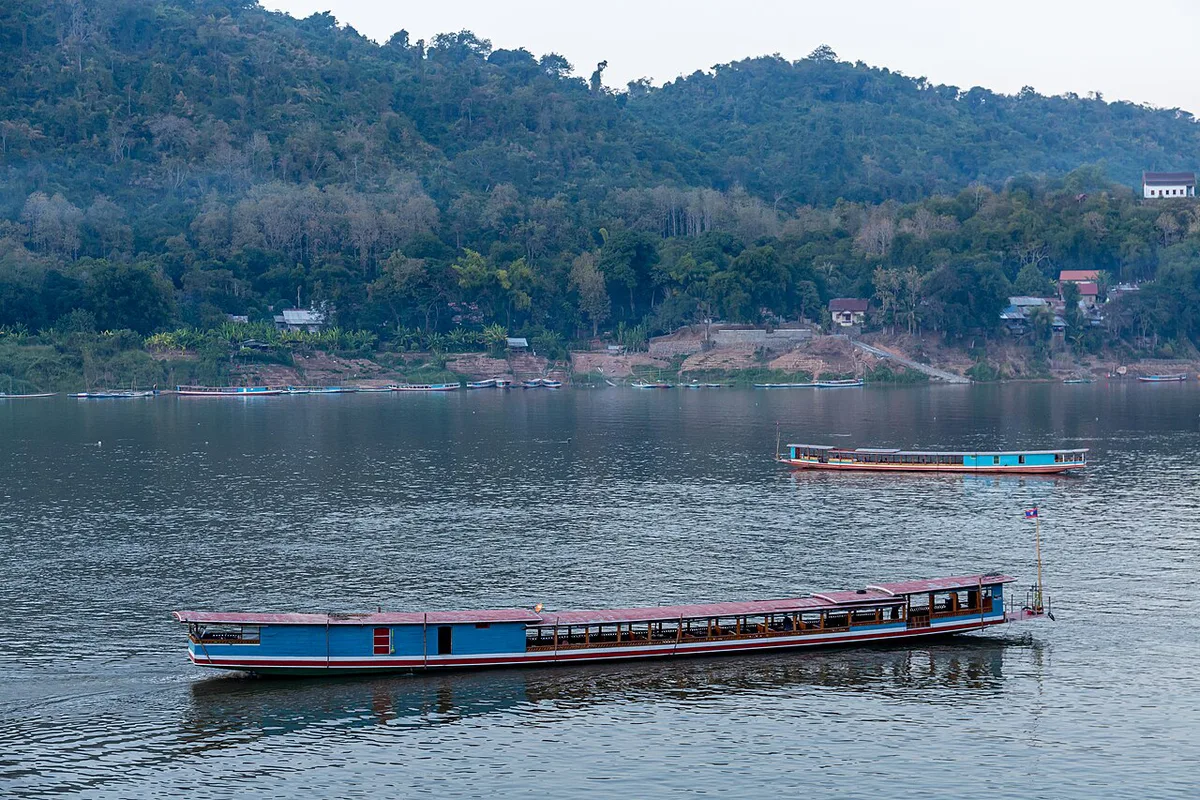
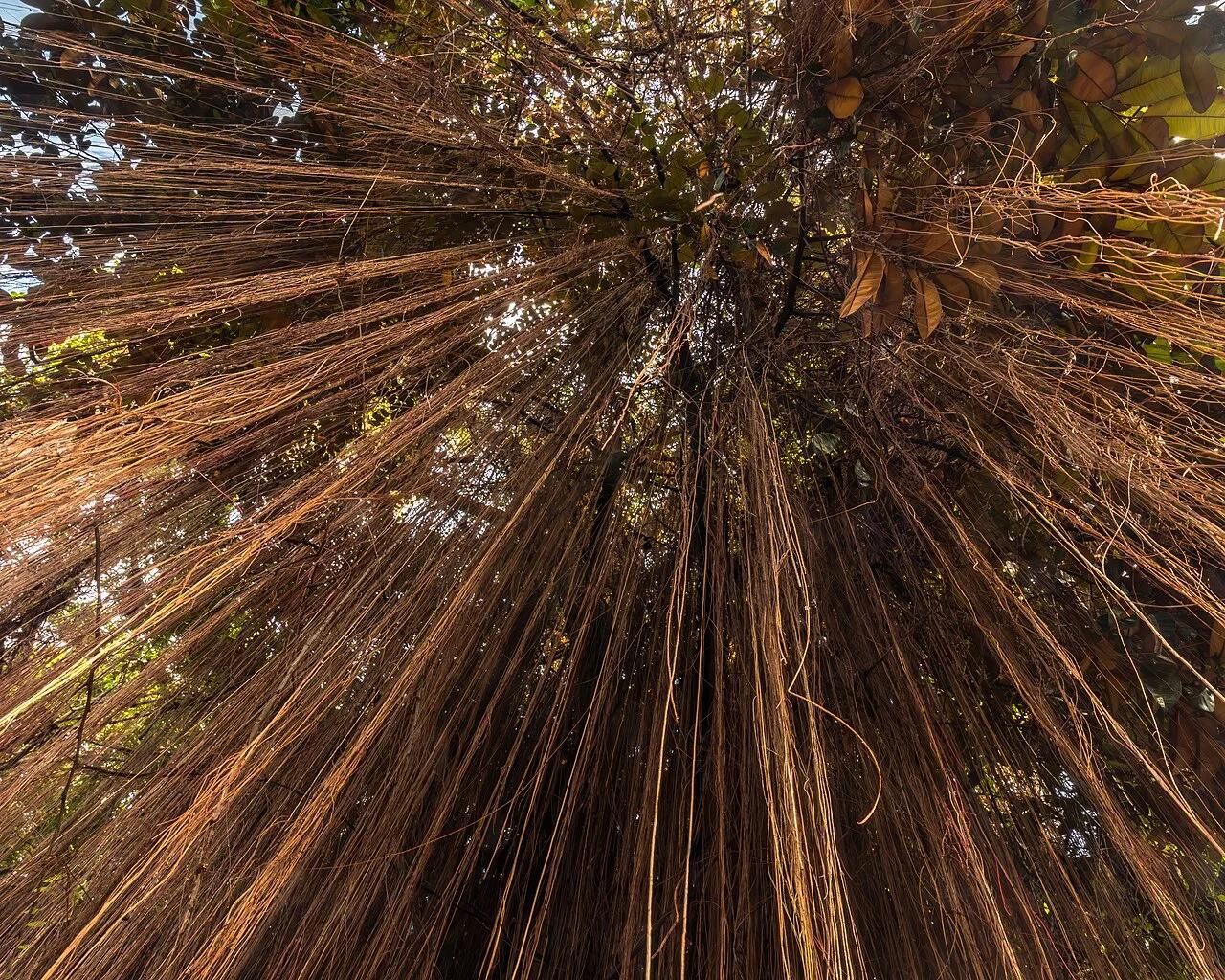
Featured image: Alexkom000, CC BY 4.0, via Wikimedia Commons.
Quick Answer: Is Luang Prabang Worth Visiting in the Rainy Season?
For most visitors, yes. Mornings are usually workable, rooms are easier to book, and temples and cafes run whatever the sky does. Rain mostly costs you afternoon flexibility and dependable boat timing. Use this list to sort yourself.
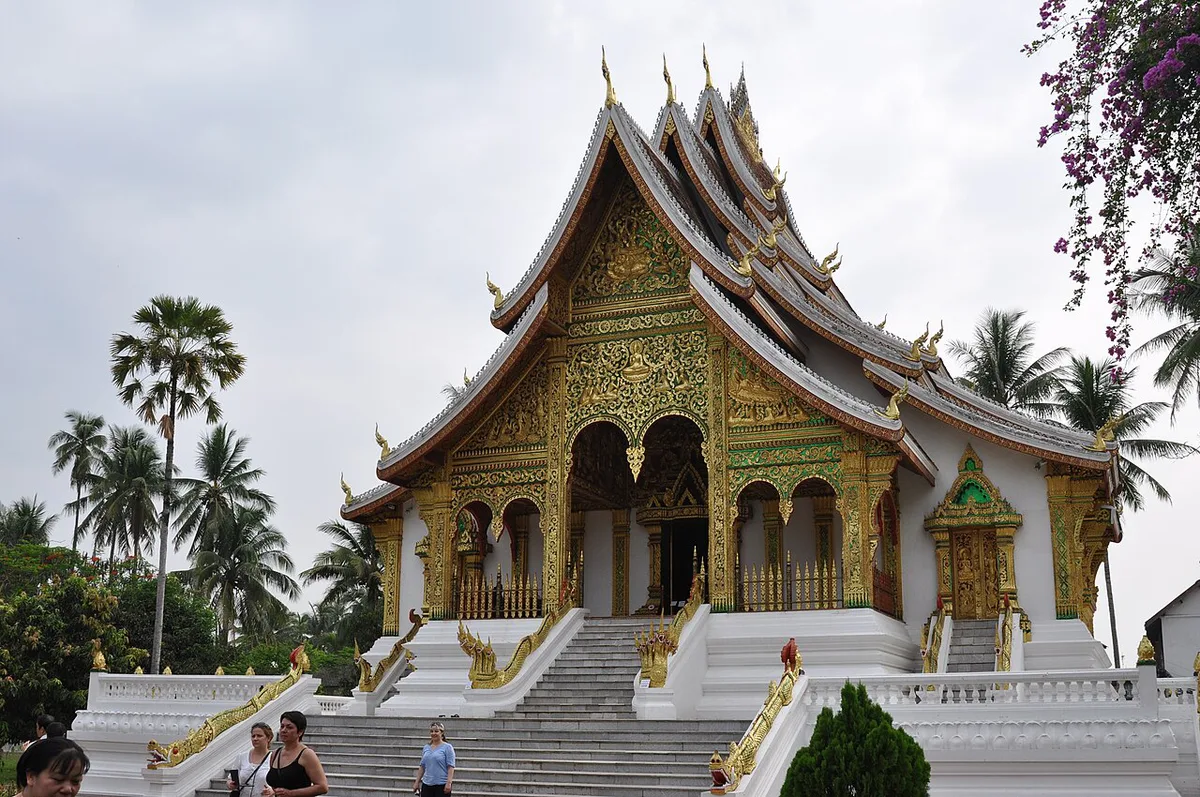
- Go if you are a photographer who likes green hills and wet temple roofs.
- Go if you want waterfalls at full flow and shorter lines at dawn alms-giving.
- Go if you are a budget traveler who can shift plans by a day.
- Skip if you have a fixed itinerary with tight river, road or flight connections.
- Skip if humidity wears you down quickly.
- Skip if you need a guaranteed clear-water swim at Kuang Si on one set day.
When Is the Luang Prabang Rainy Season?
Published sources disagree on exact dates. Ranges run from May to October at the wide end and June to September at the narrow end. Treat May to October as the season and June to September as its wetter core. Peak rain is usually July to September. For current forecasts, the Lao Department of Meteorology and Hydrology is the official source.
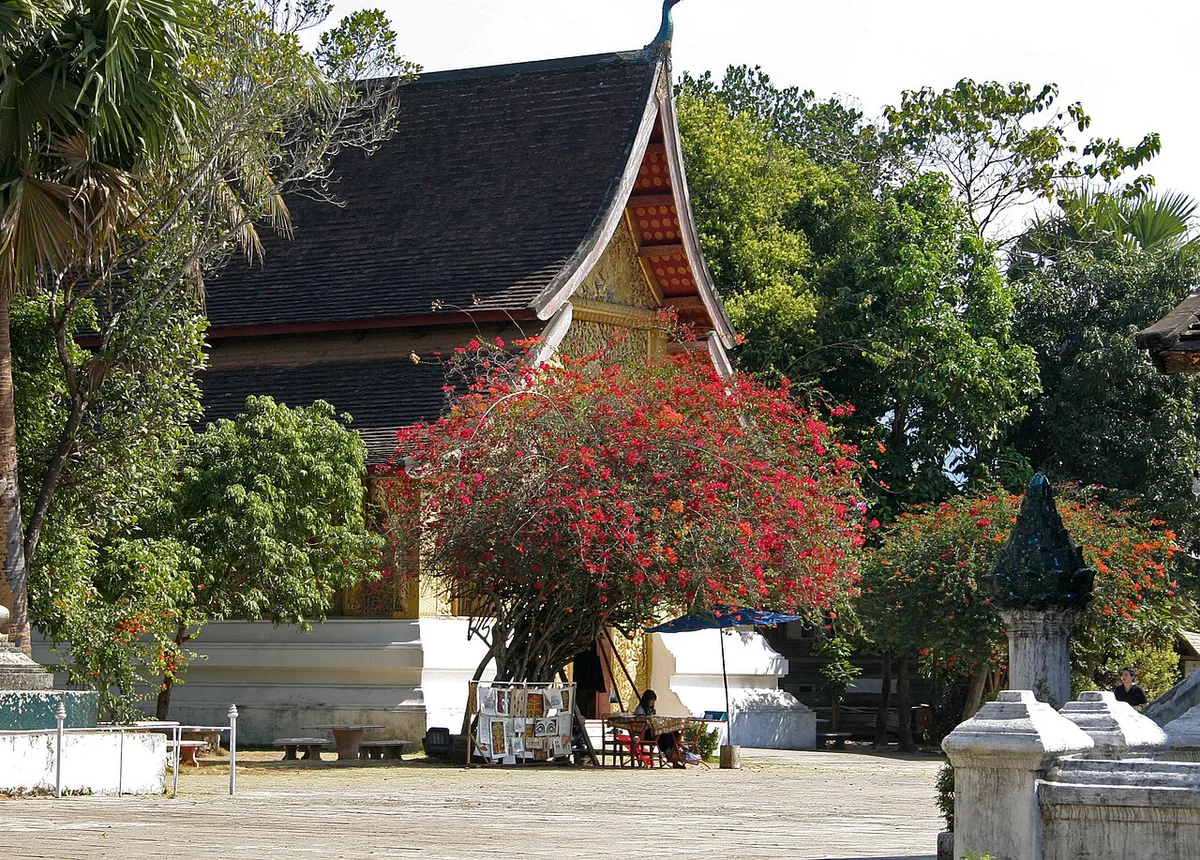
Rain tends to fall as a heavy burst in the afternoon, followed by a cooler evening. All-day rain happens, but it is the exception. Typical July highs sit near 32°C (90°F), with lows near 21°C (70°F). Hot-season highs in April reach about 36°C (97°F). Our month-by-month climate numbers cover the full year.
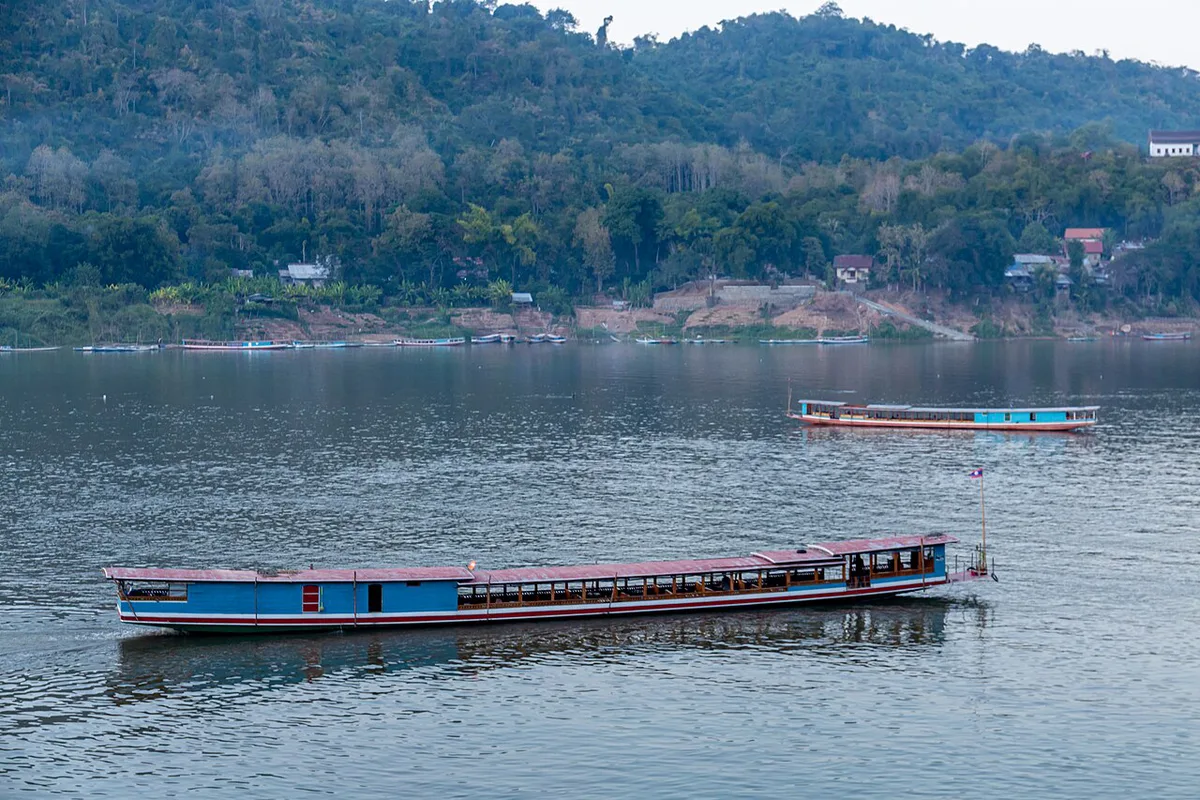
Both the Mekong and the Nam Khan run fuller and browner than in the dry months. Riverside paths and low banks can flood after a heavy spell, so ask your guesthouse before walking the water's edge.
Month-by-Month: May to October
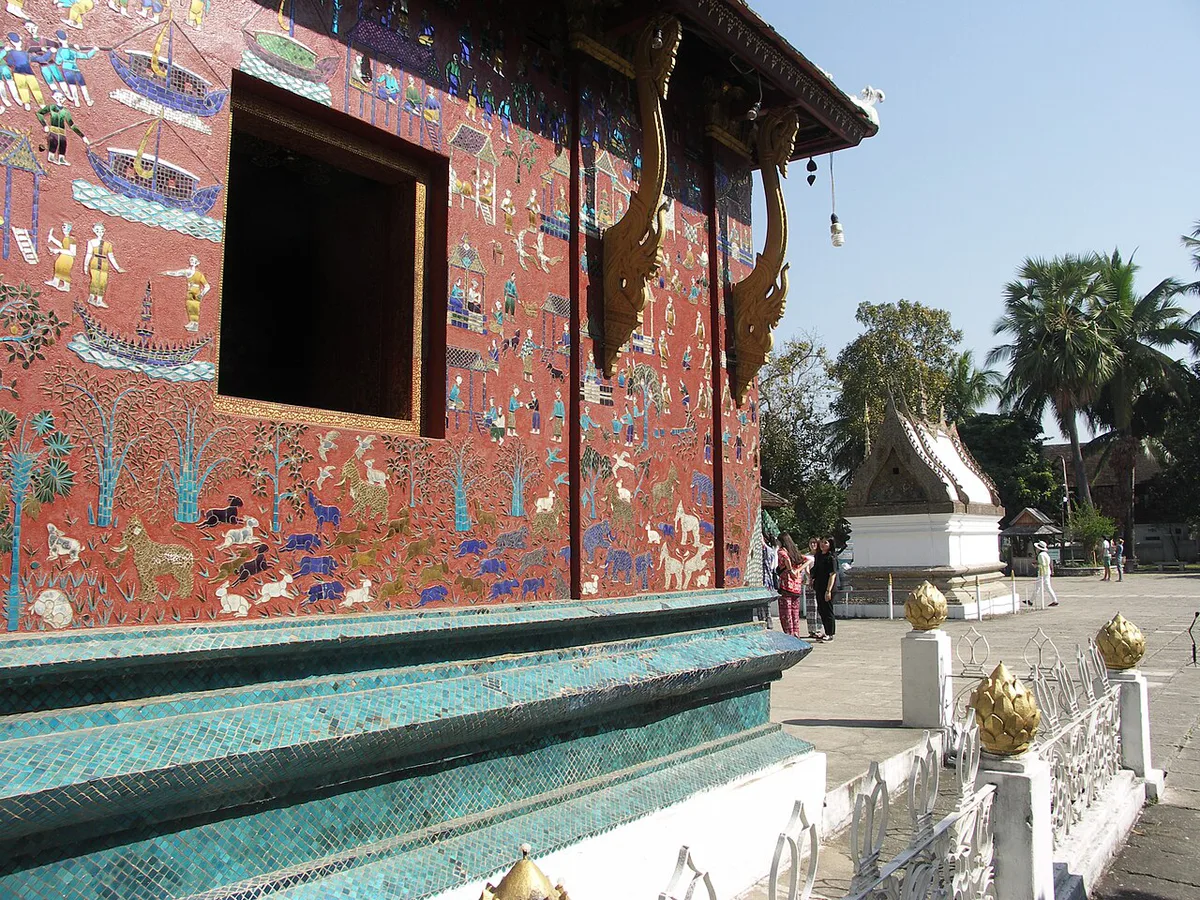
Peak rain is roughly July to September, though sources differ on the exact month. May and October are shoulder months, mixing green scenery with more dependable skies. Highs hover near 32°C (90°F) through the wetter months. October gives the best odds of dry mornings.
| Month | What it's like | Worth it? |
|---|---|---|
| May | Hot and humid, with short storms breaking the heat; late haze is possible | Yes, if you are flexible |
| June | Afternoon rain settles in and the hills turn green | Yes |
| July | Clear mornings, heavy afternoon bursts | Yes, with a morning-first plan |
| August | Among the wettest months; rivers run high | Yes, with buffer days |
| September | Often the wettest stretch; boat and road plans can shift | Mixed; keep slack |
| October | Rain tapers and the landscape stays green | Best of the season |

Pros and Cons of Visiting in the Wet Season
Quieter alms-giving at dawn and green hills around town are the real rewards. Rooms are easier to find at short notice. Against that, afternoon plans need a fallback and trails and steps get slick. Kuang Si water can run muddy after heavy rain, which affects swimming. Expect rivers to look brown rather than clear.
- Pro: fewer people at the dawn alms line and at temples.
- Pro: waterfalls and rivers at their fullest.
- Pro: more bargaining room on rooms.
- Con: afternoon showers cancel hill climbs and walks.
- Con: muddy water at Kuang Si on some days.
- Con: boat and minibus schedules can shift.
Rainy-Day Plan: What to Do in the Morning and the Afternoon
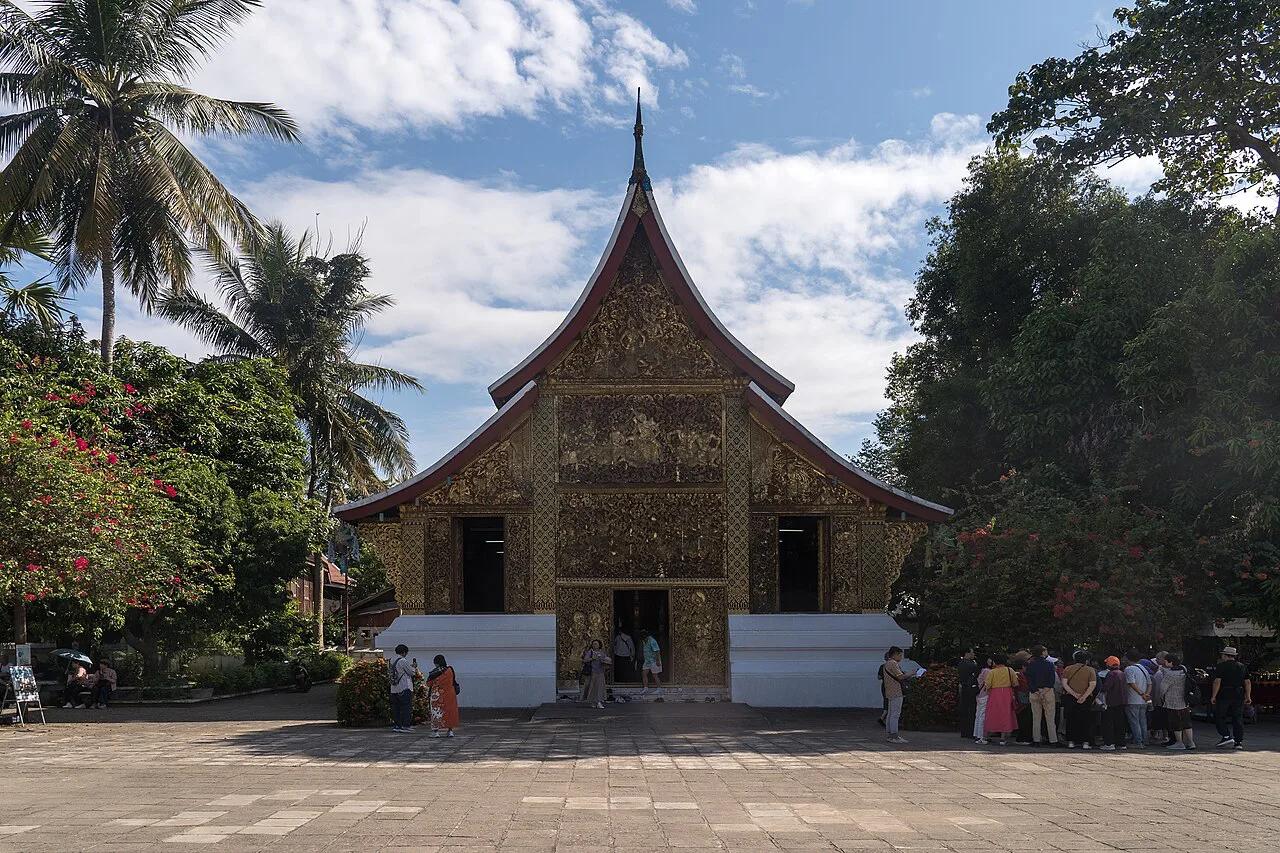
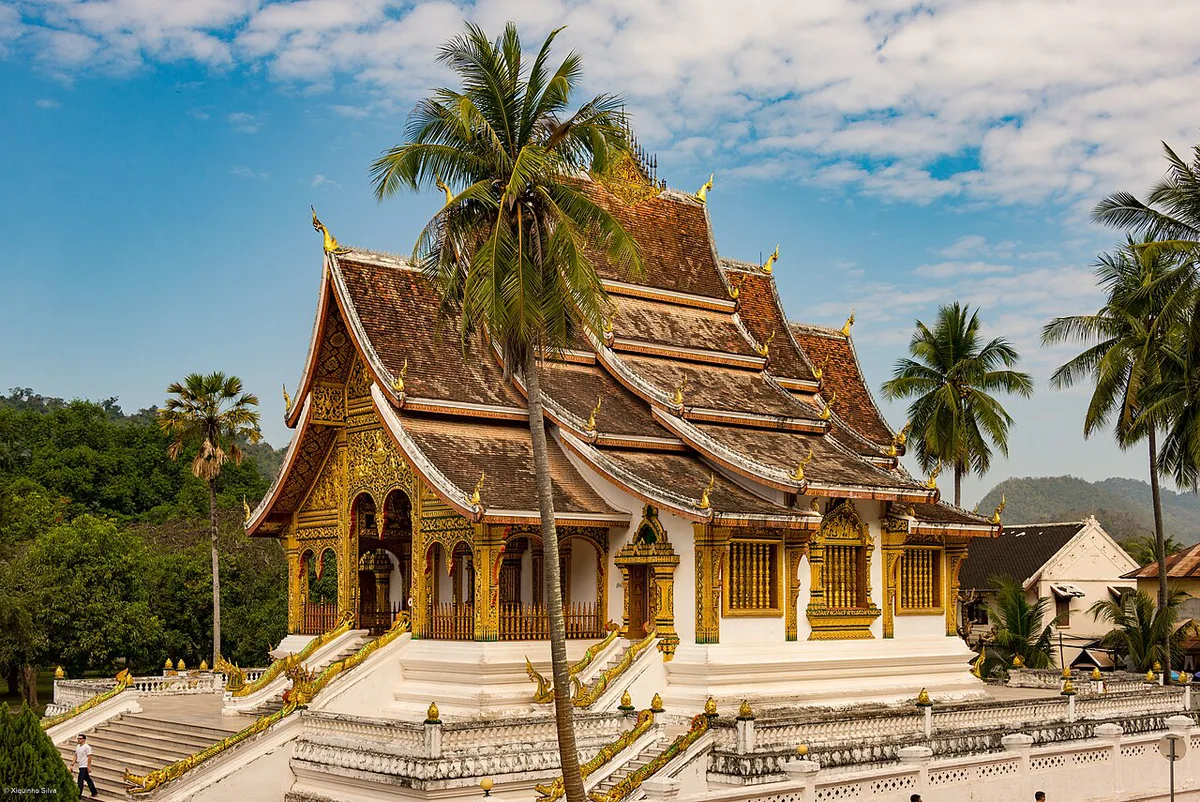
Put outdoor stops before lunch and indoor ones after. Start with the dawn alms-giving, then climb Mount Phousi or browse the morning market. Wat Xieng Thong is open daily from 6:00am to 6:00pm, and morning is the best time for photography. It sits on the main street at the end of the peninsula, about 10 minutes' walk from the Luang Prabang Tourism Information Center.
Foreign visitors pay 60,000 kip from November 15, 2026, up from 30,000 kip. Cover your shoulders and knees, and take off hats and shoes. Afternoons suit the Royal Palace Museum, cafes, cooking classes and massage. Ask each venue for its current hours.
- 6:00am: alms-giving, then a market breakfast.
- 8:00am: Mount Phousi viewpoint before clouds build.
- 10:00am: Wat Xieng Thong.
- 2:00pm: museum, cooking class or massage while rain passes.
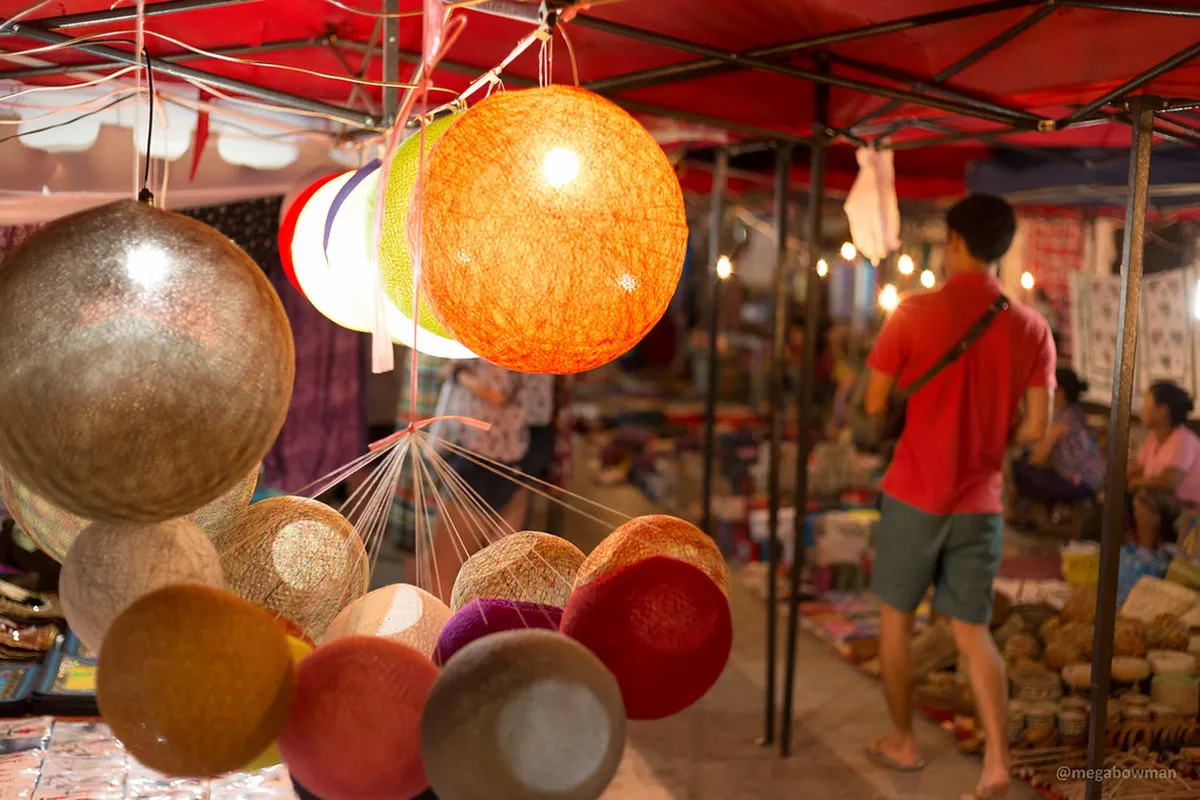
- Evening: night market once the sky clears.
Kuang Si, Pak Ou and Boat Trips in the Rain
Kuang Si Falls run at their strongest in the wet months. After heavy overnight rain the pools can turn brown for a day or two, and swimming may be limited. Go in the morning after a drier night, and wear shoes with grip on the wet paths.
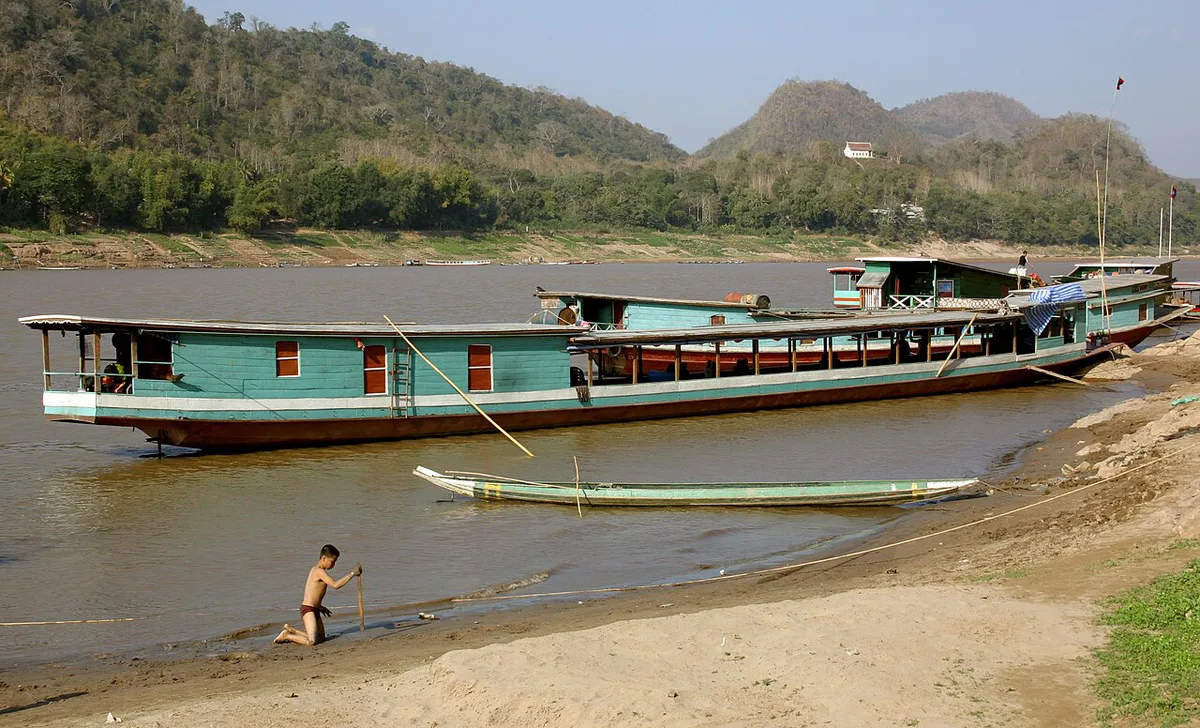
High water can change Pak Ou Caves boat trips and the slow boat. Operators adjust schedules to river conditions. Ask your guesthouse or operator the day before, and keep one buffer day before any international flight. Never plan your only swim day for the day after a storm.
Rainy vs Hot vs Cool Season: Which to Choose?
Cool-season December brings lows near 13°C (55°F) and the busiest streets. For peak cool-season conditions, read our December guide. Hot-season smoke from burning can cloud views from March to May. If your dates can move, consider Lao New Year festivities instead.
Expect lows near 21°C (70°F) in July, which keeps rainy-season nights far warmer than the December lows near 13°C (55°F).
| Factor | Rainy (May–Oct) | Hot (Mar–May) | Cool (Nov–Feb) |
|---|---|---|---|
| Crowds | Lightest | Moderate | Heaviest |
| Air quality | Clear after rain | Smoke and haze | Generally clearer |
| Heat | Warm and humid, highs near 32°C (90°F) | Highs near 36°C (97°F) | Mild days, cool nights near 13°C (55°F) |
| Price | Most bargaining room | Moderate | Highest demand |
| Views | Green hills, full rivers | Hazy | Clear, drier |
| Festivals | Buddhist Lent events; dates change yearly | Lao New Year | Peak-season events |
Costs and Booking in the Green Season
Prices and hours checked November 2026. Lower demand means more bargaining room and easier last-minute rooms, though no reliable discount figure exists, so ask directly. Entry fees do not fall with the weather: Wat Xieng Thong charges foreign visitors 60,000 kip from November 15, 2026. Lao visitors enter free.
Plan for Wat Xieng Thong at 60,000 kip for foreigners from November 15, 2026, up from 30,000 kip, even on a quiet rainy-season day.
- Ask for flexible cancellation.
- Ask about free rebooking for rain days.
- Keep one indoor activity on every outdoor day.
What to Pack and Health Tips
Keep luggage light and quick-drying. Temples require shoulders and knees covered, so bring a light long layer. Mosquitoes are common in wet months, and leeches or insects can trouble trail walkers. Check dengue and vaccine advice with a travel health source before you go.
- Light rain jacket or poncho.
- Quick-dry clothes.
- Sandals with grip.
- Dry bag for phone, passport and camera.
- Insect repellent.
Getting Around and Practical Logistics
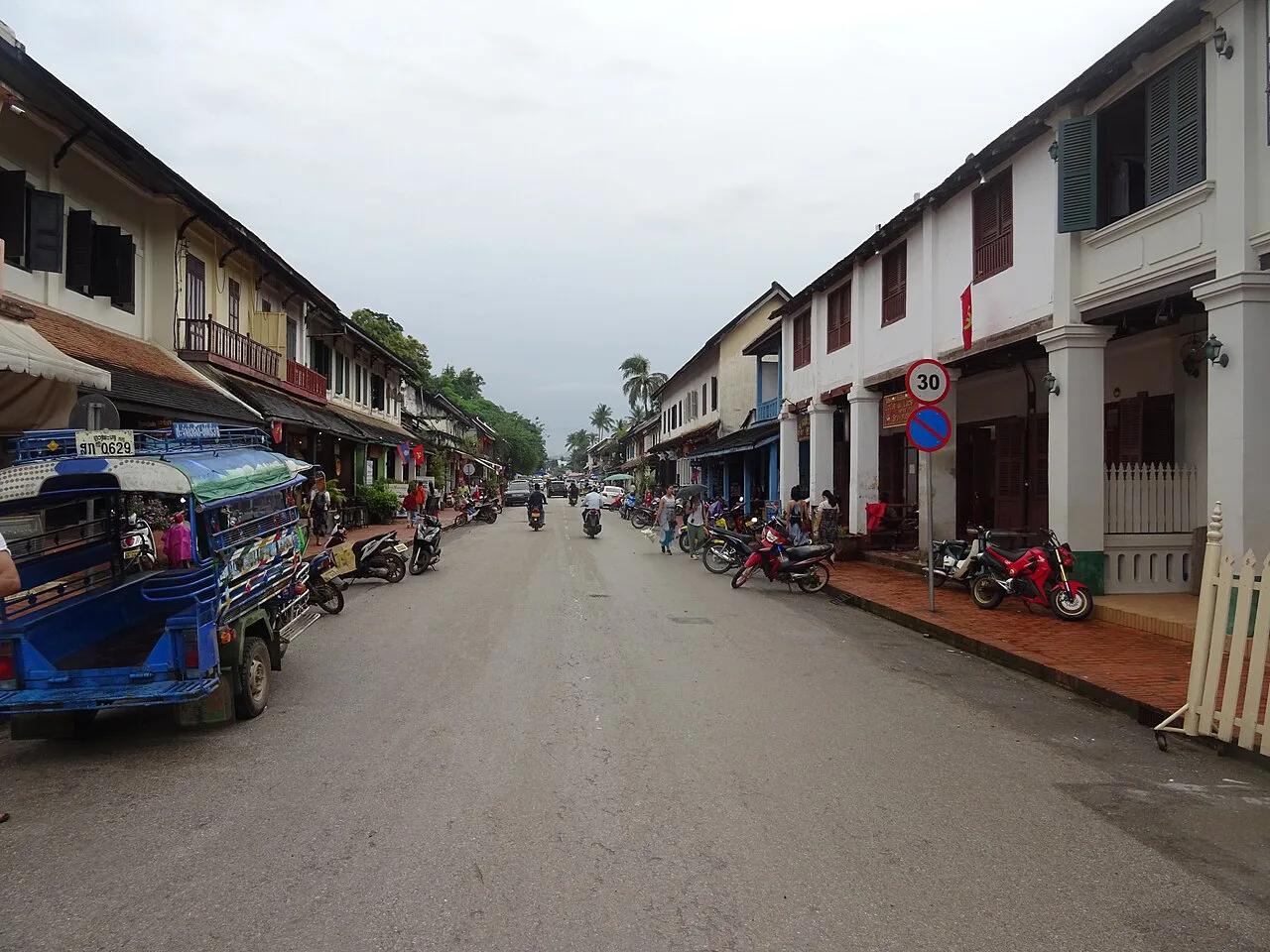
Allow extra time for airport transfers in heavy rain, and agree a tuk-tuk fare before you board. If a flight or road is disrupted, contact your guesthouse first, since staff know current conditions. Leave a spare day before departures. When you are choosing your month, weigh that slack against the savings. For tourism information, see Laos official tourism.
Frequently Asked Questions
Is Laos hot all year round?
No. Luang Prabang cools noticeably in the dry cool season, with December lows near 13°C (55°F). Heat peaks in April, with highs near 36°C (97°F), and the rainy months stay warm and humid.
Useful notes for your Southeast Asia trip
Optional updates to our guides.
You might also like

Continue reading
More guides you'll find useful