Penang Assam Laksa: Where to Eat It and What to Expect
What Penang assam laksa tastes like, how to order it, where to eat it, and how it fits a street food day. Practical tips for first-timers.
On this page
Last updated November 2026: penang assam laksa is a sour, spicy rice-noodle soup built on mackerel, tamarind and fresh herbs, finished with a spoon of sweet shrimp paste. We wrote this as a visitor's decision guide, so expect advice on ordering, choosing a stall and knowing when to skip it. Pair it with our wider look at Penang's street food.
Featured image: Alpha from Melbourne, Australia, CC BY-SA 2.0, via Wikimedia Commons.
What Penang Assam Laksa Is and What It Tastes Like
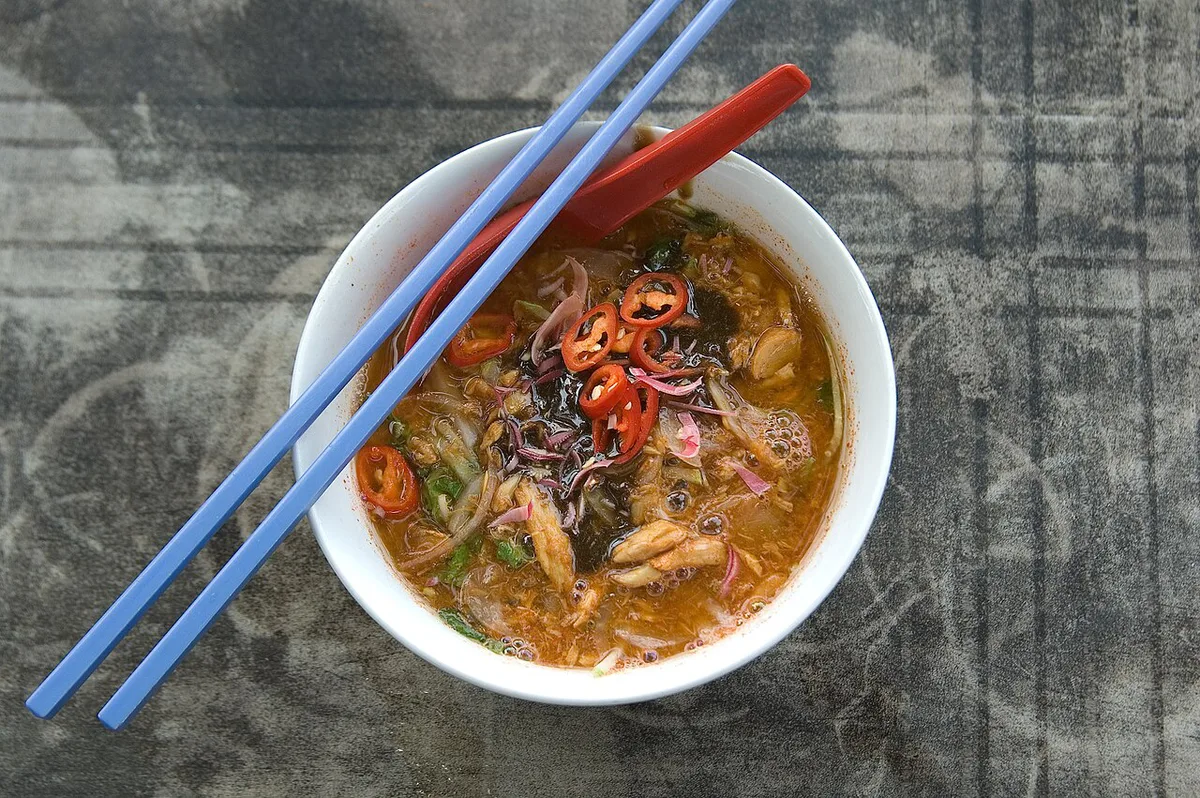
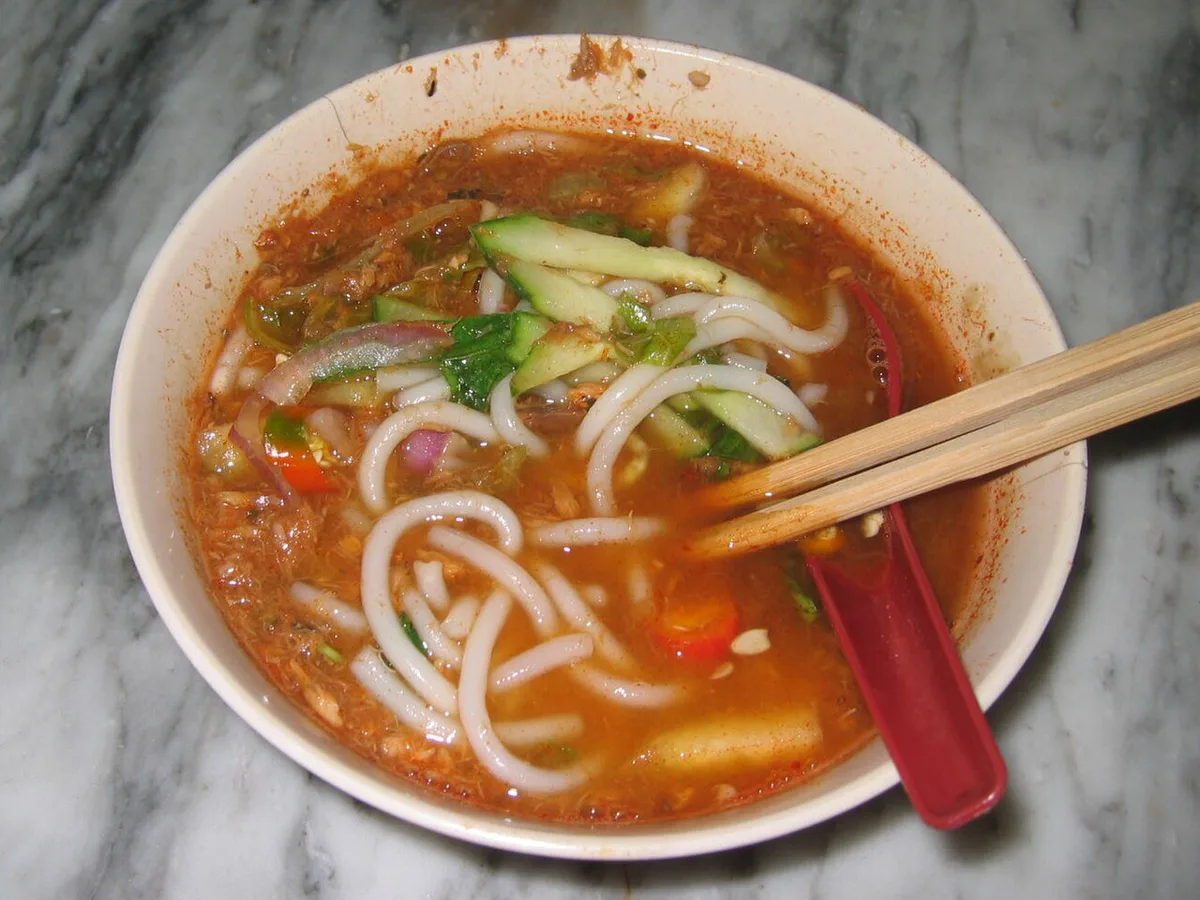
Penang assam laksa is a fish-based rice-noodle soup. Sourness leads, heat follows, and a faint sweetness comes from the shrimp paste on top. Menus spell it both assam and asam, and we use assam here. Expect a thin, tangy broth rather than a creamy one. Mackerel gives it a savoury, fishy depth. Raw cucumber, pineapple and mint cool each spoonful. First-timers often find the opening sip sharper than expected. We'd say the sour, sweet and salty notes settle into balance after a few mouthfuls.
What Is in the Bowl

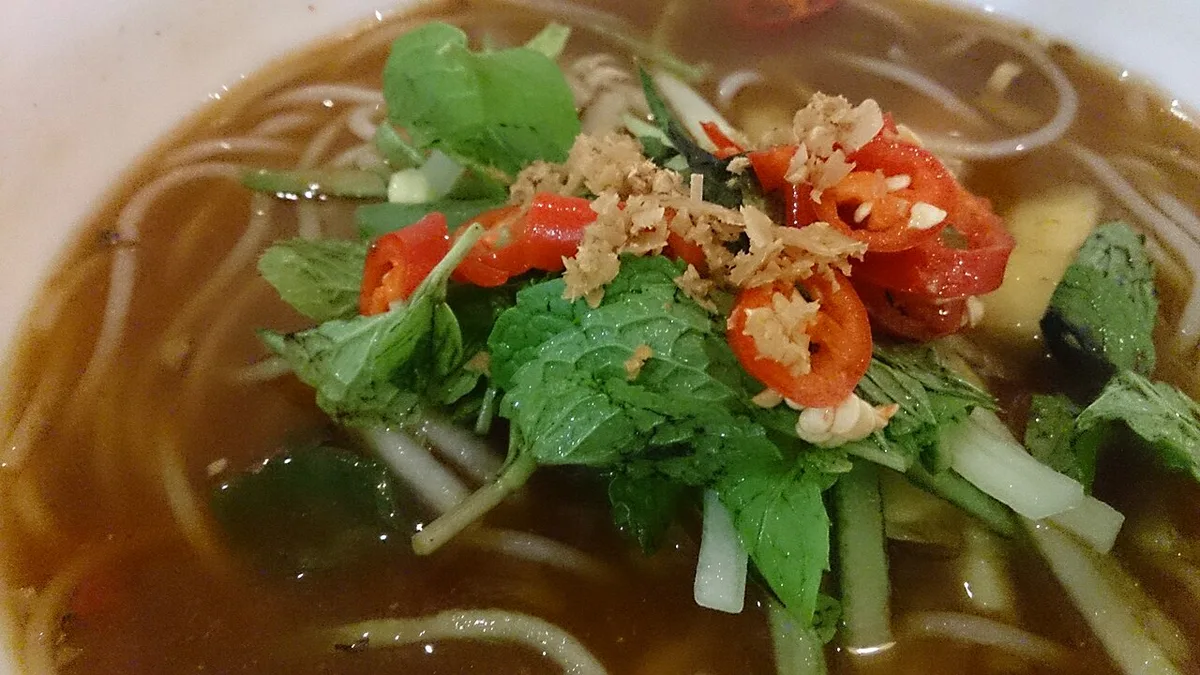
Ikan kembung, or mackerel, is the usual fish. Tamarind (asam jawa) and dried asam gelugor supply the sourness. Daun kesum, a peppery herb also called Vietnamese mint or polygonum, adds fragrance. Thick rice noodles carry the broth. Hei ko, a sweet, molasses-like shrimp paste, arrives on the side or drizzled over the top. Belacan is a different paste, cooked into the spice base rather than spooned on at the end.
- Fish: ikan kembung (mackerel)
- Sour: tamarind and asam gelugor
- Herbs: daun kesum, mint, torch ginger (bunga kantan)
- Raw toppings: cucumber, pineapple, onion, chilli
- Noodles: thick rice noodles
- Condiment: hei ko (sweet shrimp paste)

Assam Laksa vs Other Laksas
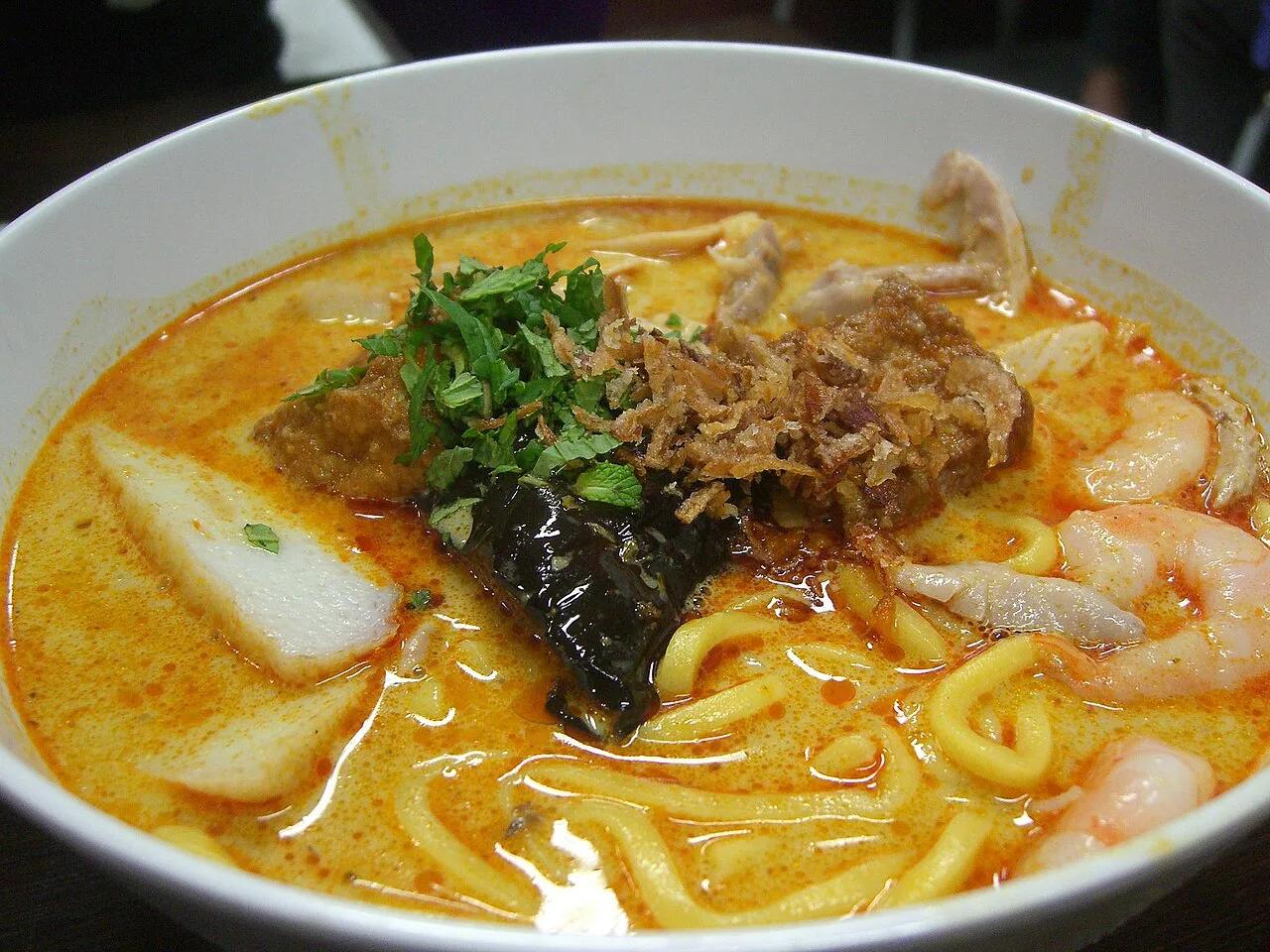
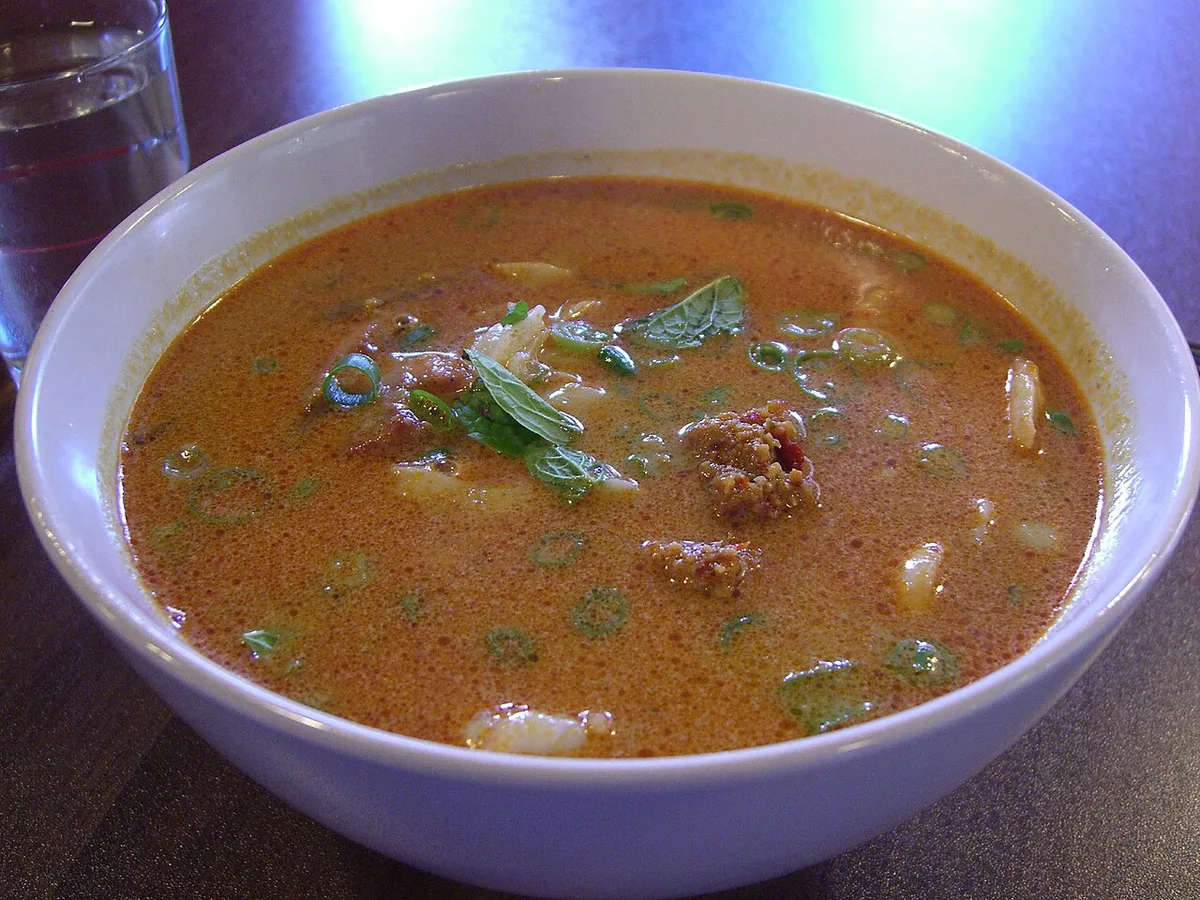
Penang assam laksa is a sour fish soup, unlike the coconut curry laksa served in other parts of Malaysia. Some Penang vendors also sell a hybrid called Siamese laksa or laksa lemak, which sits between the two styles. Menus vary, so ask what a stall means by the name. Our advice for a first visit is to start with the sour version.
| Style | Broth | Best for |
|---|---|---|
| Penang assam laksa | Sour, fish-based, tamarind | Travellers who like sharp, fresh flavours |
| Curry laksa | Coconut curry | Anyone who prefers rich, creamy soup |
| Siamese laksa / laksa lemak | Hybrid of sour and creamy | Second-timers curious about the middle ground |
Where to Eat Penang Assam Laksa: Choosing by Situation
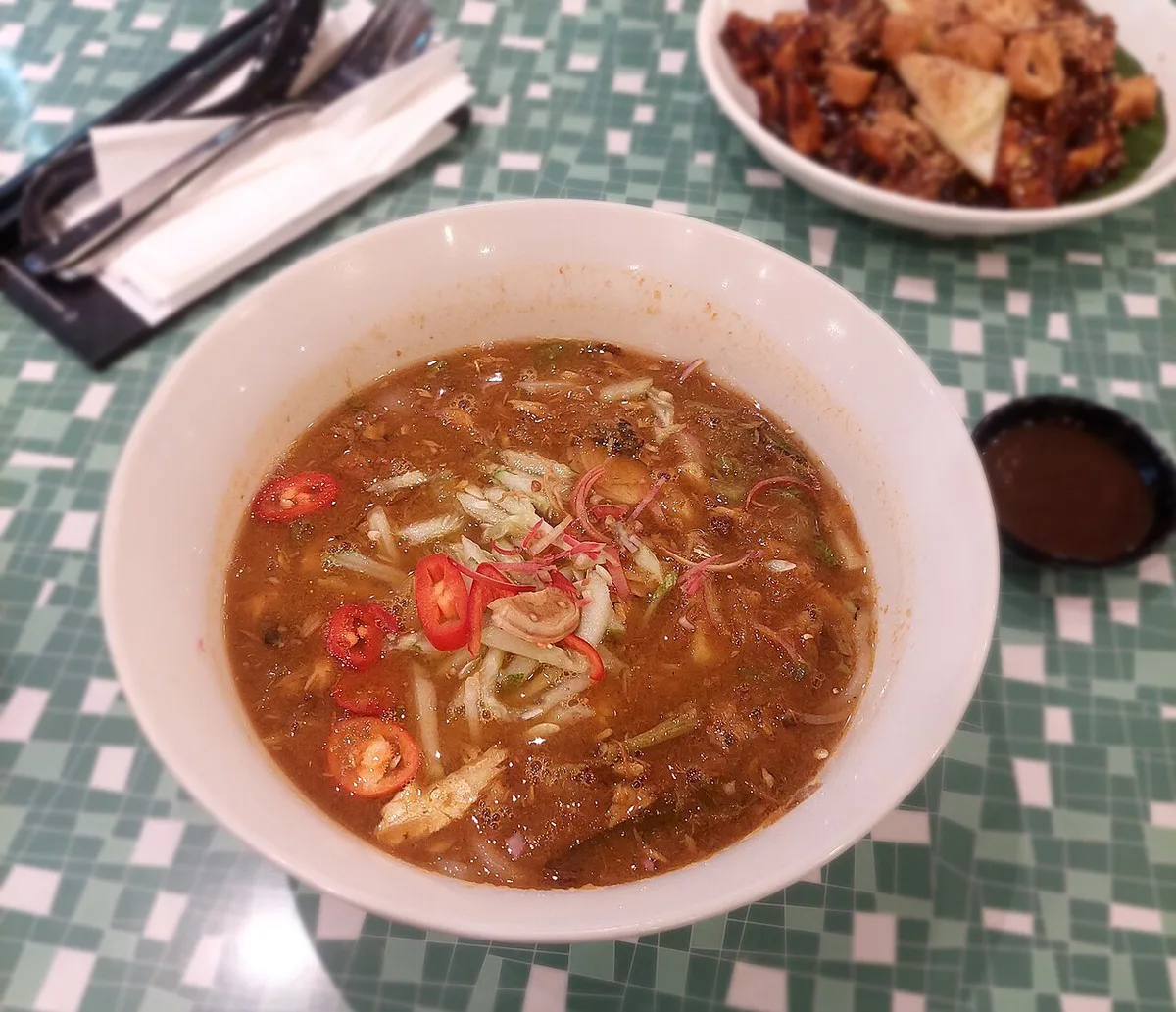
We'd choose a stall by situation rather than by a list that goes stale. Michelin Guide runs a feature on Penang Road famous laksa, which is worth reading before you queue. For a wider spread of dishes in one visit, try the stalls covered in our guide to Penang's hawker centres. Judge any bowl by a short checklist. Sour and sweet should balance. Herbs should look fresh. Broth should be thin, not thickened.
| Venue type | Best for | Time of day | Trade-offs |
|---|---|---|---|
| Famous queue-heavy stall | A landmark first bowl | Off-peak hours beat the lunch rush | Long waits and heat; limited seating |
| Hawker-centre stall | Pairing laksa with other dishes | Lunch, when most stalls are open | Quality varies stall to stall |
| Café or restaurant | Air-conditioning and a calm table | Any time the venue is open | Milder flavours; less street-stall character |
How to Order and Eat It
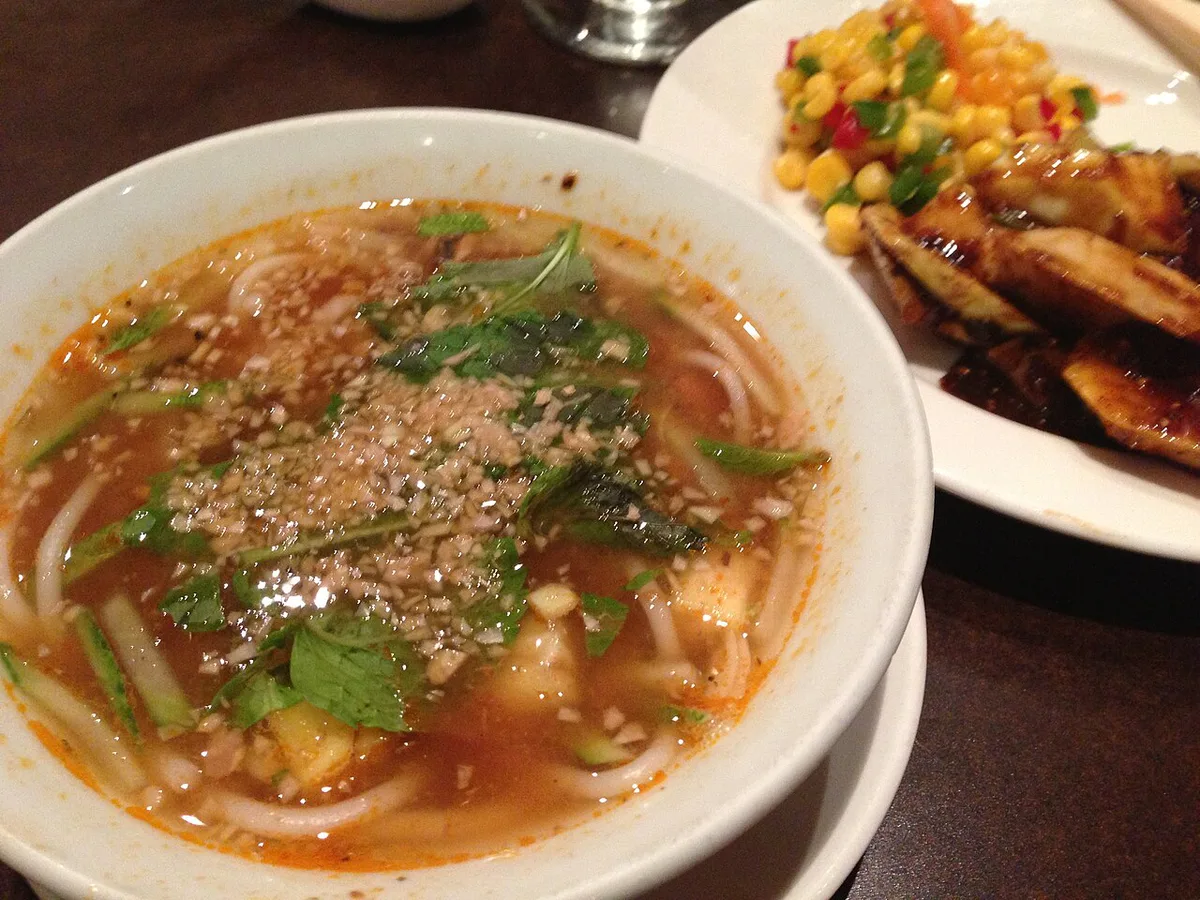
Order the bowl with hei ko on the side. Taste the broth first. Then stir in a little paste and taste again. Sweetness rounds off the sourness, so add it gradually. Ask for less chilli if you are sensitive to heat. Stir the raw herbs through rather than leaving them on top. Bowls are usually a snack-to-light-meal size, which makes a second dish easy to add. A plain cold drink suits the sour broth better than a sweet one. Cendol afterwards cools the palate.
Timing, Cost and Getting There
We have no verified price range, opening hours or payment details to quote for specific stalls. Check Penang Global Tourism and each stall's own channels for current details.
Who Should Skip or Adapt It
Fish and shrimp paste sit at the core of the dish. Anyone with a fish or shellfish allergy should skip it. Hei ko can be left off the bowl, but the broth itself is fish-based. Strong, fishy flavours put some visitors off. Spice and sour levels can be adjusted at the stall. Halal status varies by stall, so ask the vendor directly.
- Skip if you have a fish or shellfish allergy
- Skip if you dislike strong fishy or sour flavours
- Adapt by asking for less chilli and hei ko on the side
- Ask each stall about halal status before ordering
Pairing It With Other Penang Dishes
Assam laksa works best as one bowl in a food day, not the whole plan. Our sample half-day starts with laksa, then moves to Penang Char Kway Teow: Where to Eat It and How to Order for a smoky, savoury contrast. Add cendol or another dessert to finish. Stacking too many bold dishes brings sour-spicy fatigue, so leave a gap between bowls. For the Peranakan roots behind this flavour profile, read about Nyonya cooking in Penang. If you want a seat and a menu instead, browse sit-down restaurants in Penang.
Frequently Asked Questions
What does assam laksa mean?
Laksa is the noodle soup, and assam (or asam) points to the sour tamarind in the broth. Dried asam gelugor adds to the sourness.
What is the traditional food of Penang?
Assam laksa is one of the signature dishes. Char kway teow is the other noodle dish most visitors pair with it.
Useful notes for your Southeast Asia trip
Optional updates to our guides.
You might also like



Continue reading
More guides you'll find useful