Penang Char Kway Teow: Where to Eat It and How to Order
Where to eat Penang char kway teow, what makes it different, and how to order. Covers lard versus halal options, wok hei, queues and costs.
On this page
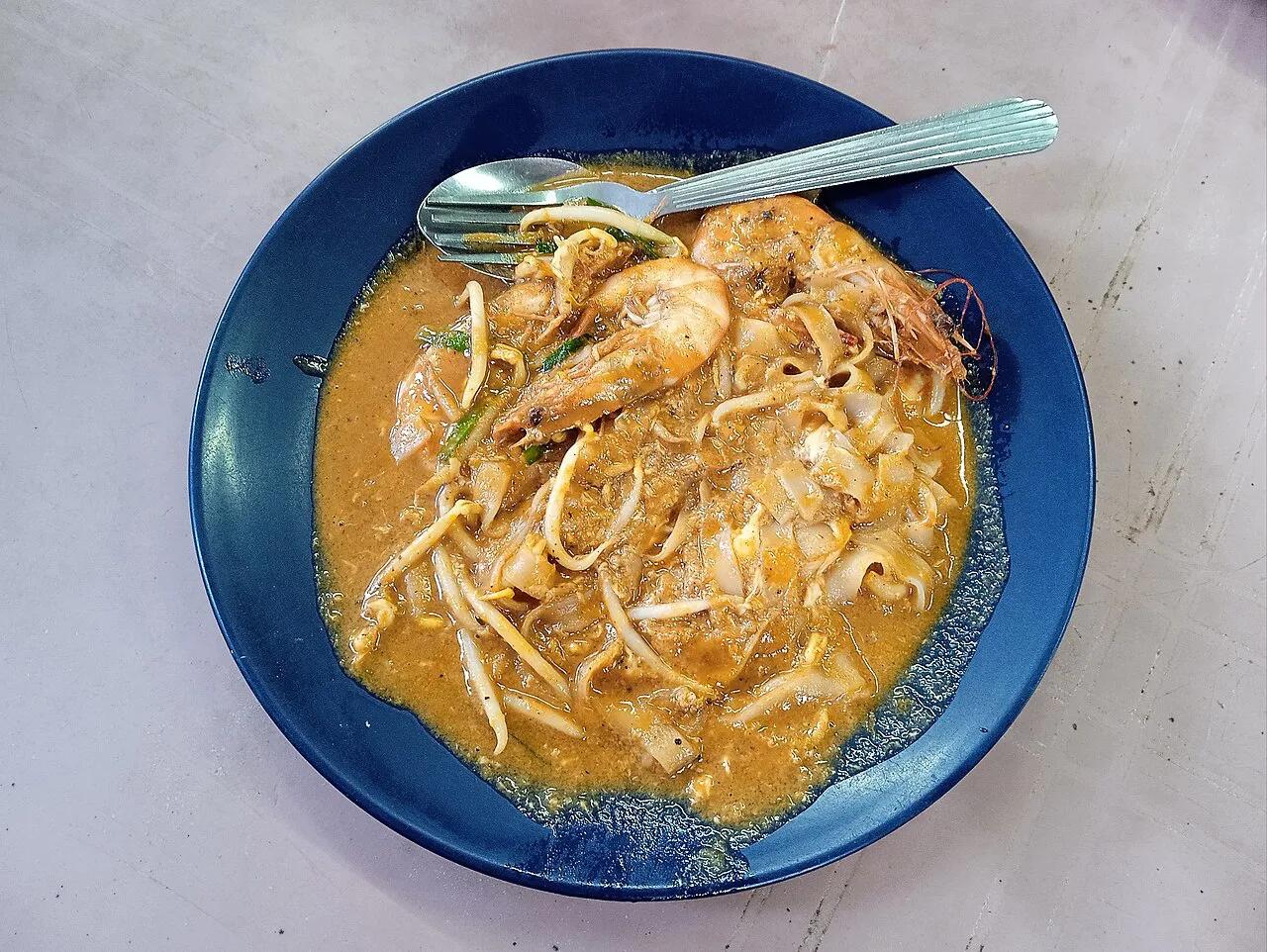
Last updated November 2026: Penang char kway teow is flat rice noodles fried over very high heat with prawns, cockles, egg, bean sprouts and chives. Chinese-community cooks often fry it in pork fat, and the smoky wok hei is what separates a great plate from a greasy one. Use this guide to pick a stall, order for your diet and fit the dish into a wider route through our street food overview.
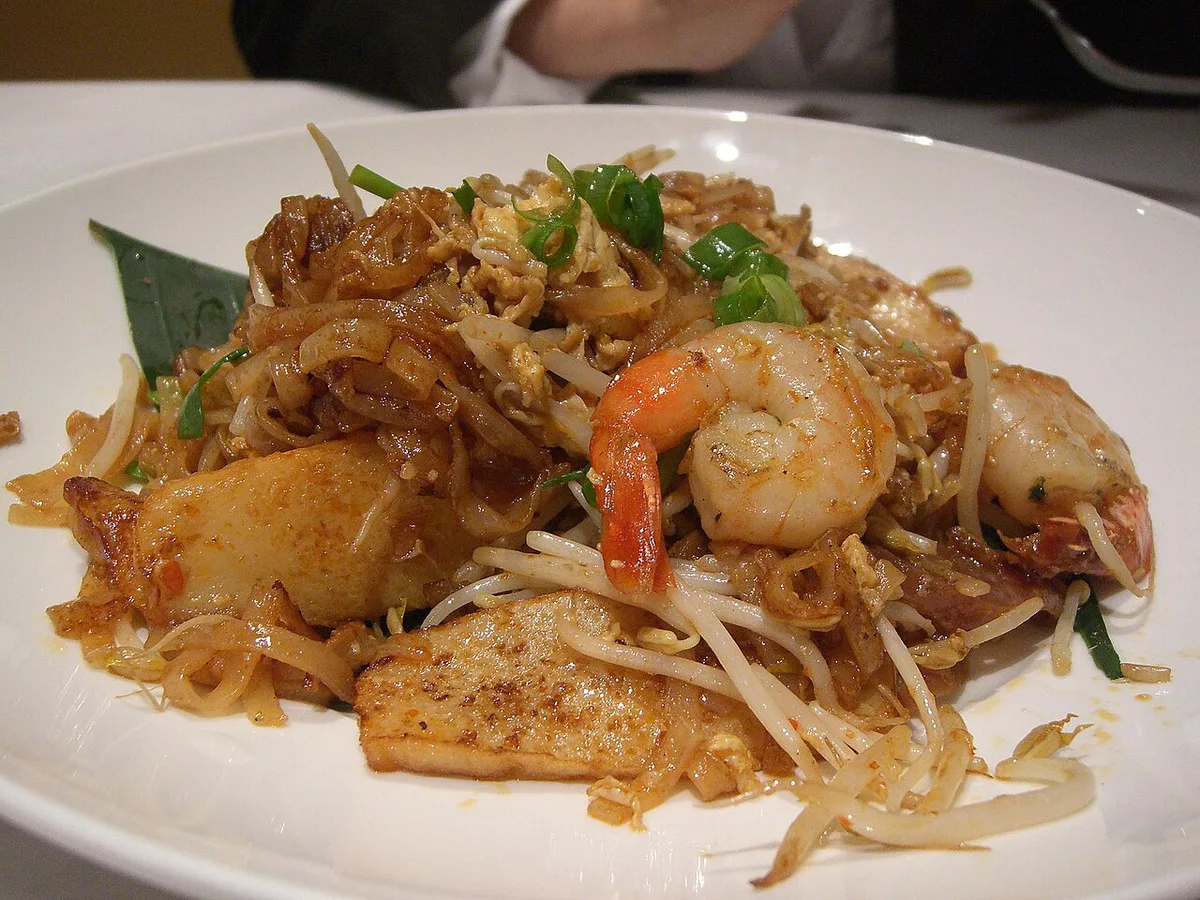
Featured image: Wiki Farazi, CC0, via Wikimedia Commons.
What Makes Penang Char Kway Teow Different
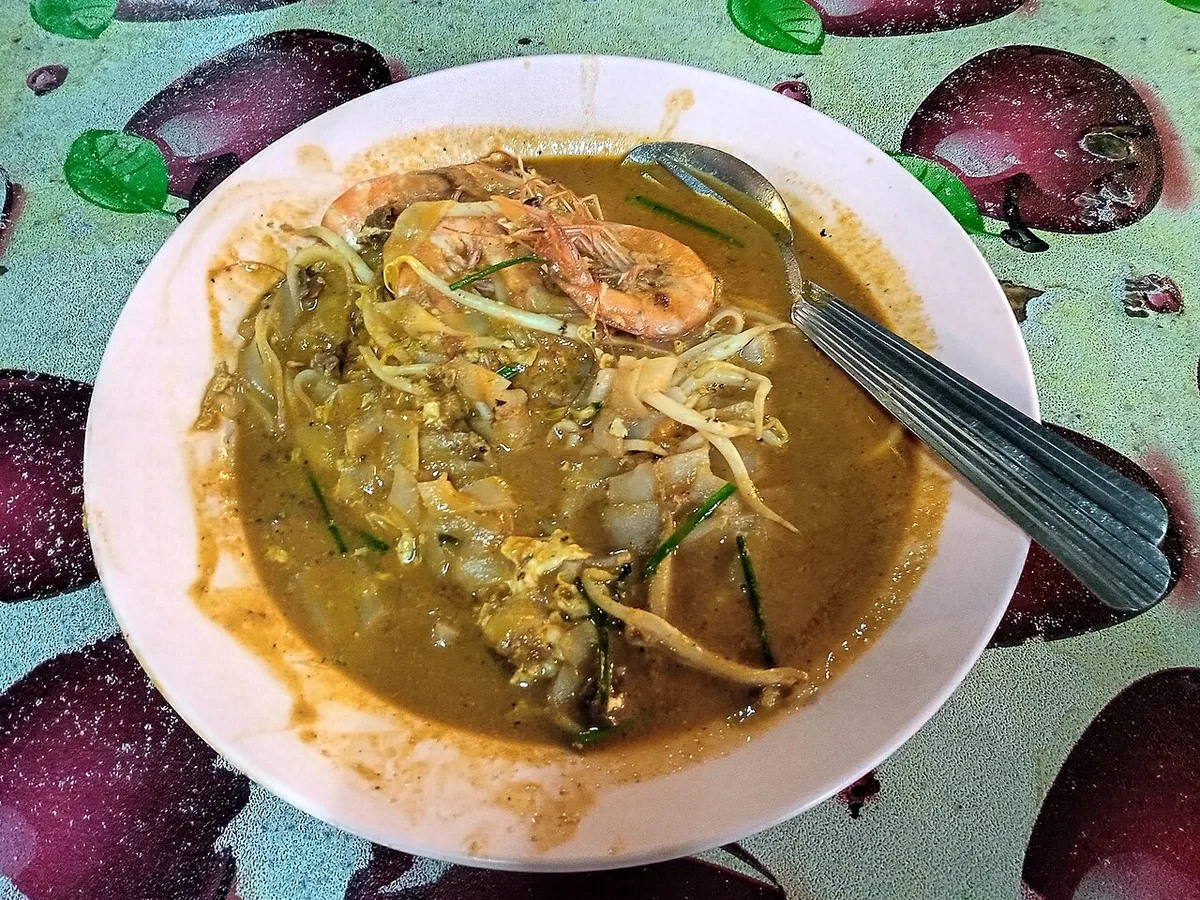
"Char" means fried and "kway teow" means flat rice noodles, both from Hokkien. Cooks stir-fry the noodles with light and dark soy sauce, garlic, egg and bean sprouts. Typical add-ins are prawns, cockles, Chinese chives, Chinese sausage and fishcake. Many Chinese-community stalls fry in pork fat and add crisp pork-skin croutons. The dish began as cheap food for laborers, fishermen and cockle-pickers. Penang is often called the benchmark for it, though that is a local pride more than a measurable fact. Regional versions exist too. In Kampar, Perak, cooks lean on cockles and add prawns only on request. What you taste in Penang is the contrast: charred edges, springy sprouts and a faint smokiness from the wok. Cooks call that smokiness wok hei, the "breath of the wok."
How to Choose a Stall
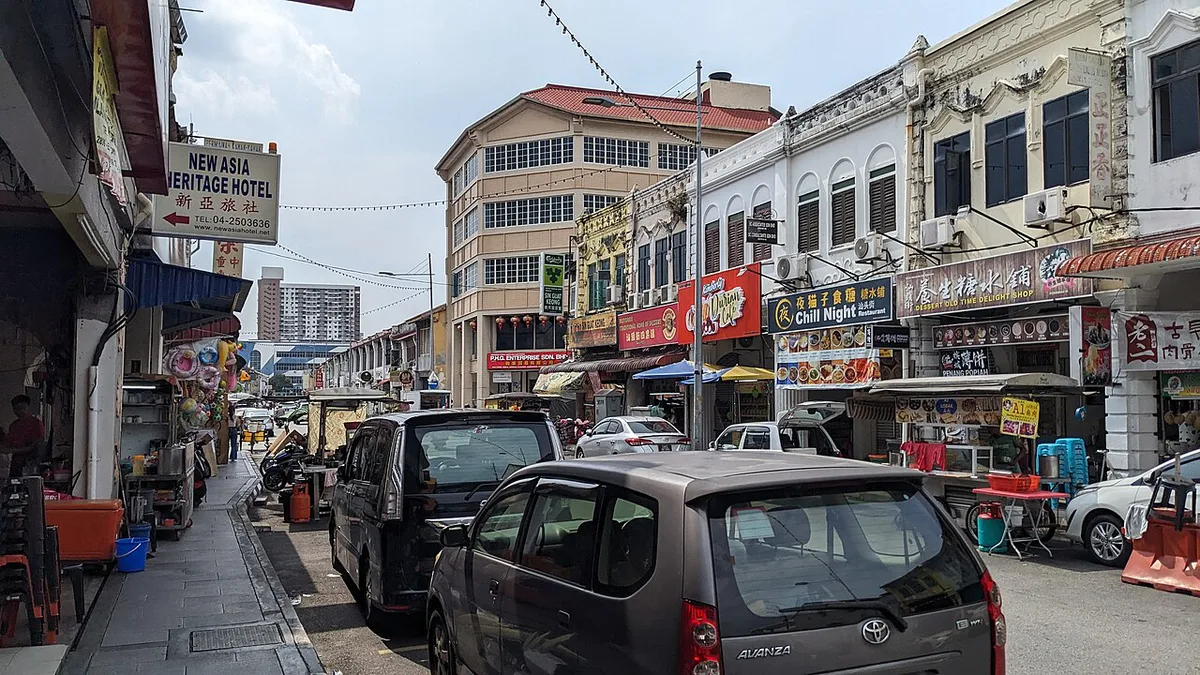
Judge a plate by its char, not its queue. Look for noodles with browned edges that are not slick with oil. Watch the cook, because a stall frying one or two portions per wok keeps the heat high. Duck egg gives a richer plate, while chicken egg is the lighter default. Blood cockles are authentic but optional. Use the table below to match a stall type to your priorities.
| Criteria | Hawker centre | Coffee shop stall | Restaurant |
|---|---|---|---|
| Lard or oil | Often lard; ask the cook | Often lard; ask the cook | More likely to offer an oil option |
| Egg type | Usually chicken; duck egg if offered | Duck egg more common at specialist stalls | Varies by kitchen |
| Cockles | Standard, can be skipped | Standard, can be skipped | Often optional |
| Spice | Chilli paste on request | Chilli paste on request | Usually adjustable |
| Queue risk | High at known stalls at peak meals | High at single-wok stalls | Low; seat usually available |
| Best for | Variety and quick comparison | Chasing strong wok hei | Air conditioning and groups |
Where to Eat It: Hawker Centres, Coffee Shops and Restaurants
Start with hawker centres if you want to compare several noodle dishes in one sitting. Our hawker centre guide lists the main food courts and what each one cooks. Coffee shops (kopitiam) hold single-wok specialists. These stalls often fry only char kway teow, so the cook's full attention goes into one dish. Restaurants suit travelers who want air conditioning and a menu in English. Compare them in our list of air-conditioned restaurants. Stall names, opening days and hours change often. Check current details through Penang's tourism board or a stall's own social page before you travel.
How to Order
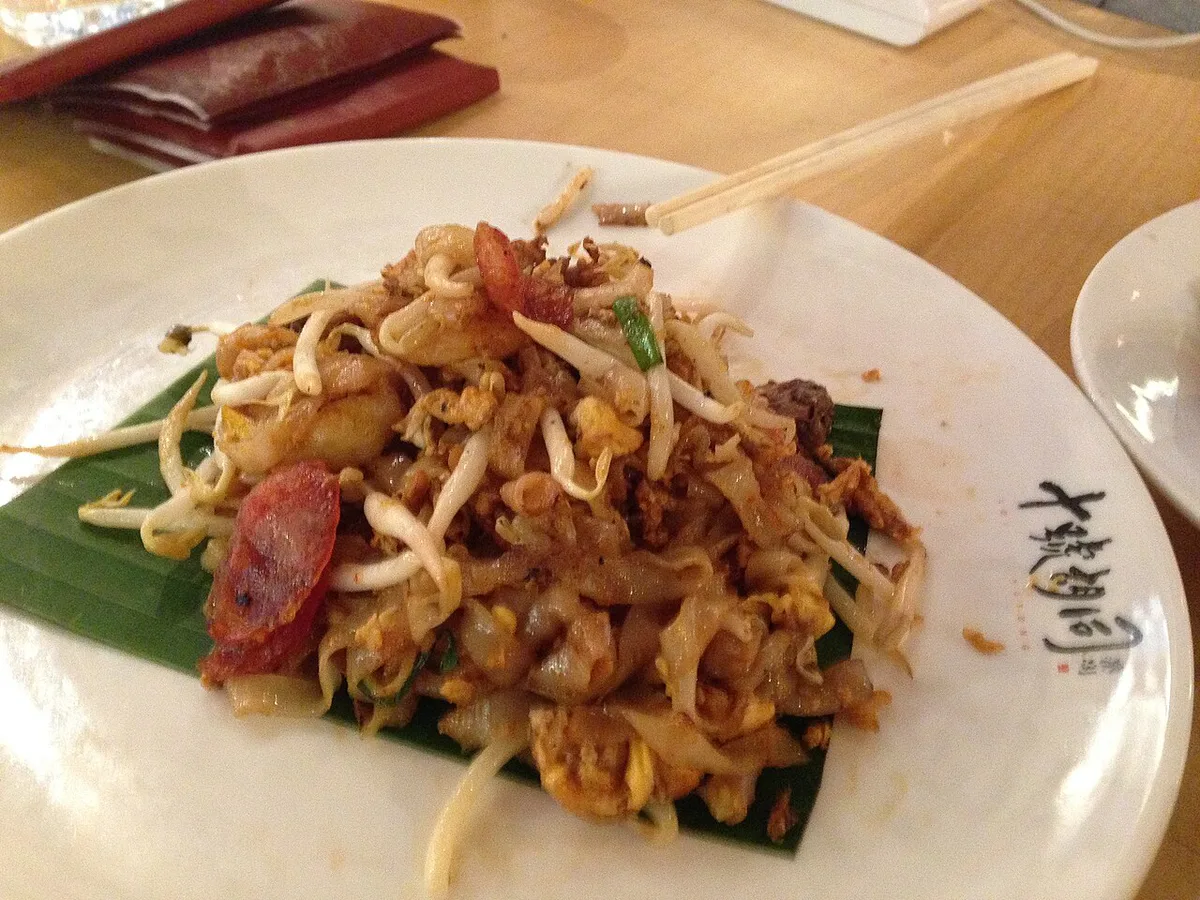
Order at the stall or let a server take it at your table. Say "char kway teow" and add your changes in plain English. Useful requests are "no cockles," "no egg," "extra prawns" and "less spicy." Ask for duck egg if you want the richer version. Pork-free diners should ask whether the cook uses lard. Halal-certified plates are rare at Chinese-run stalls, so look for signage or ask directly. Malaysia's national tourism site offers broader background on food and dietary needs. Halal versions omit certain ingredients, so the taste will differ from the lard-fried style.
Costs, Timing and Queues
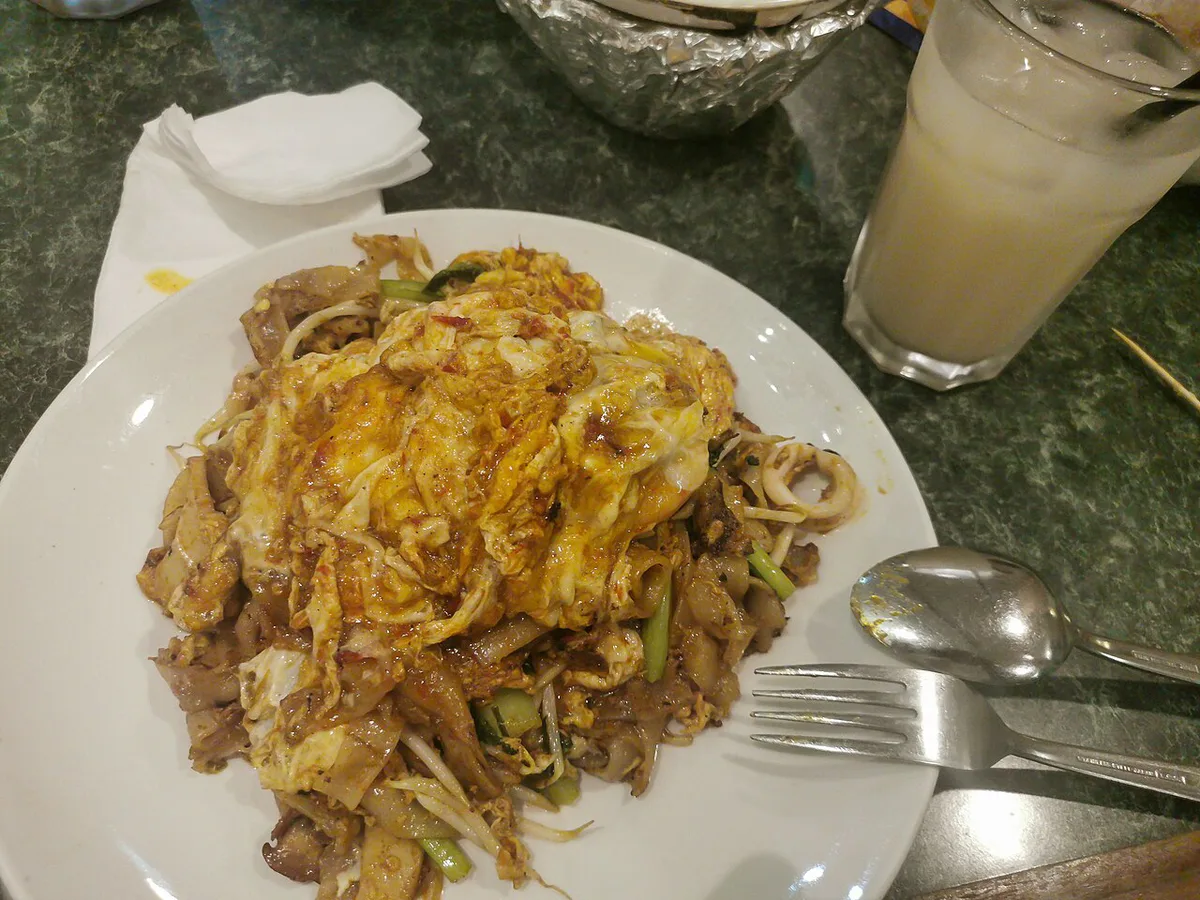
No official price list covers hawker plates, so this guide quotes none. Compare menu boards on the spot and expect restaurants to cost more than stalls. Lunch and early evening are the busiest meal windows at popular stalls. Arrive early or off-peak if you dislike queuing. Stalls close on set rest days, so check before you detour.
Mistakes to Avoid
Most disappointing plates come from planning errors, not bad cooking. Avoid these common slips.
- Arriving on a stall's rest day or after it has sold out.
- Ordering several wok dishes at once at a single-wok stall, which slows every plate.
- Assuming every stall is halal or pork-free.
- Judging quality by queue length alone.
- Skipping the wok hei test: a good plate smells smoky before the first bite.
Pair It: What to Eat Next in Penang
Char kway teow is rich and savory. Balance it with a sour, spicy bowl of assam laksa later the same day. Travelers who want a seated meal can try Nyonya cooking for a gentler, herb-forward contrast. Eat the noodles first while hot, and save lighter dishes for afterward.
Frequently Asked Questions
What is Penang char kuey teow?
It is Penang's stir-fried flat rice noodle dish. Cooks fry it in a very hot wok with soy sauce, egg, bean sprouts, prawns and often cockles. Many stalls use pork fat for flavor.
What are kway teow noodles called?
Kway teow is the Hokkien name for flat rice noodles. In Malay-speaking settings you may also see the spelling kuey teow. Both refer to the same wide, flat noodle.
Is kway teow healthy?
Char kway teow is a rich dish fried in fat, usually pork lard. Treat it as an occasional treat rather than a daily meal. Ask for fewer add-ins or less oil if you want a lighter plate.
Useful notes for your Southeast Asia trip
Optional updates to our guides.
You might also like



Continue reading
More guides you'll find useful