Manila Rainy Season: Months, Typhoons & Rain-Day Plans
When Manila's rainy season runs, how typhoons and habagat flooding behave, and how to plan sightseeing, transit and hotels around the rain.
On this page
Last updated November 2026. The Manila rainy season runs roughly June to October, peaks in August, and rarely rains all day. Plan outdoor stops for the morning, keep indoor options for the afternoon, and use our Best Time to Visit Manila: Month-by-Month Weather Guide guide if you can still move your dates.
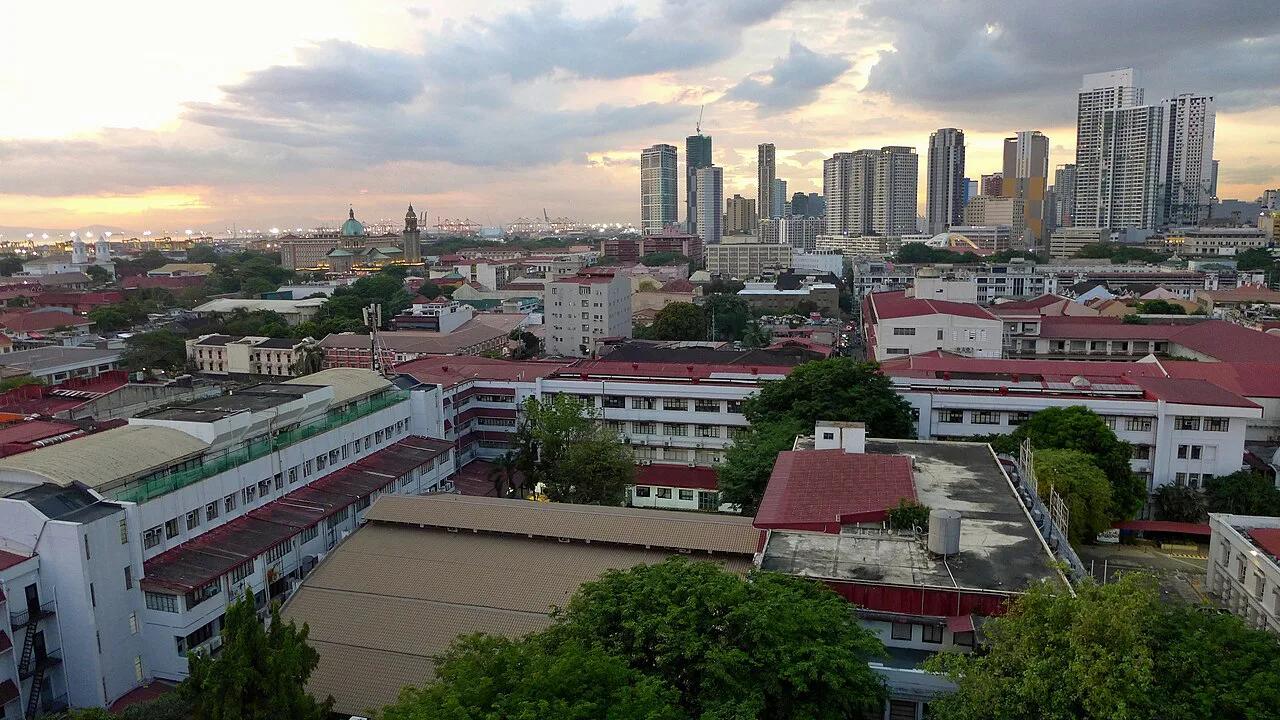
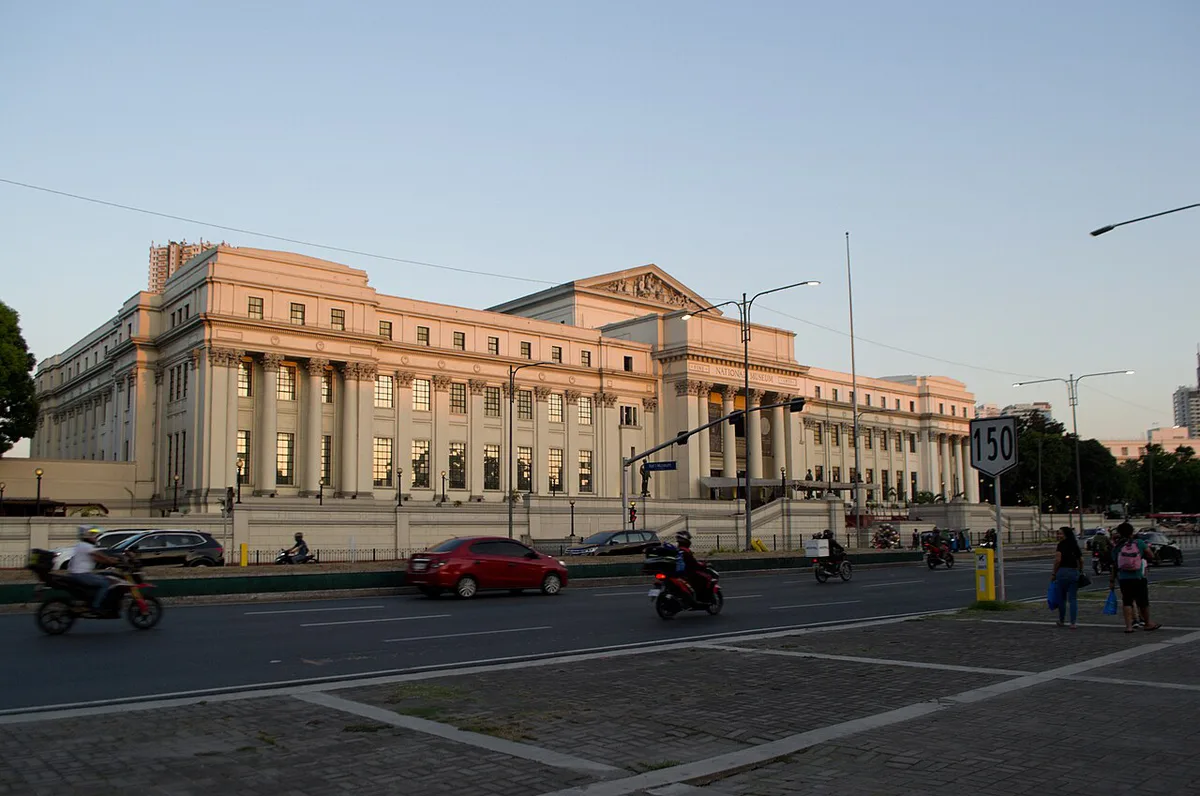
Featured image: PhiliptheNumber1, CC BY 4.0, via Wikimedia Commons.
When Manila's Rainy Season Starts and Ends
Manila sits in a climate zone with two seasons, dry and wet. One published climate summary puts the wet months at June to October and the dry months at November to May. PAGASA, the national weather agency, defines the seasons for each year and announces when the rainy season begins. Its climate information page is the reference to read before you book. Treat the June to October window as a planning range, not a fixed calendar. Rain is driven by the southwest monsoon, called habagat, and by tropical cyclones passing near Luzon. August is the wettest month, at about 13.6 inches of average rainfall. March is the driest. For detailed monthly numbers, see our Manila weather guide.
- Wet window: about June to October
- Peak month: August, about 13.6 inches
- Driest month: March
- Typical wet-season temperatures: highs near 31°C (88°F), lows near 25°C (77°F)
Month by Month: What the Wet Season Feels Like
Rain changes character across the season. Early showers arrive in short bursts, the middle months bring long soaking spells, and October fades out. Humidity stays high throughout, so 31°C (88°F) can feel much hotter between showers. Expect afternoon downpours more often than all-day drizzle. Dry conditions return by December, which our Manila in December: Weather, Christmas Events & Traffic Tips guide covers.
| Month | Typical conditions | Traveler impact |
|---|---|---|
| June | Showers begin; mixed sun and rain | Easy to plan around; carry a compact umbrella |
| July | Frequent monsoon rain | Allow extra transfer time |
| August | Wettest month, about 13.6 inches | Highest flood and delay risk; keep plans flexible |
| September | Heavy rain continues | Typhoon watching matters most for flights |
| October | Rain tapers off | Better odds for sightseeing; evenings can still flood streets |
Typhoons vs. Everyday Rain: What Actually Disrupts a Trip
Ordinary monsoon rain is wet but workable. Typhoons are different because they can cancel flights, suspend ferries and close schools and offices. Habagat can also flood the city when a distant cyclone pulls moisture over Luzon, even if the storm never makes landfall. Follow PAGASA advisories in the days before departure. Use a simple rule. If a named storm is forecast to pass over Luzon within 48 hours of your flight, contact your airline about rebooking. Cancel or shift only if your carrier or insurer confirms a waiver. Travelers with a tight onward connection should build in a spare night. Island add-ons are the most exposed, because sea conditions drive ferry and small-plane cancellations.
Flooding, Traffic and Getting Around When It Pours
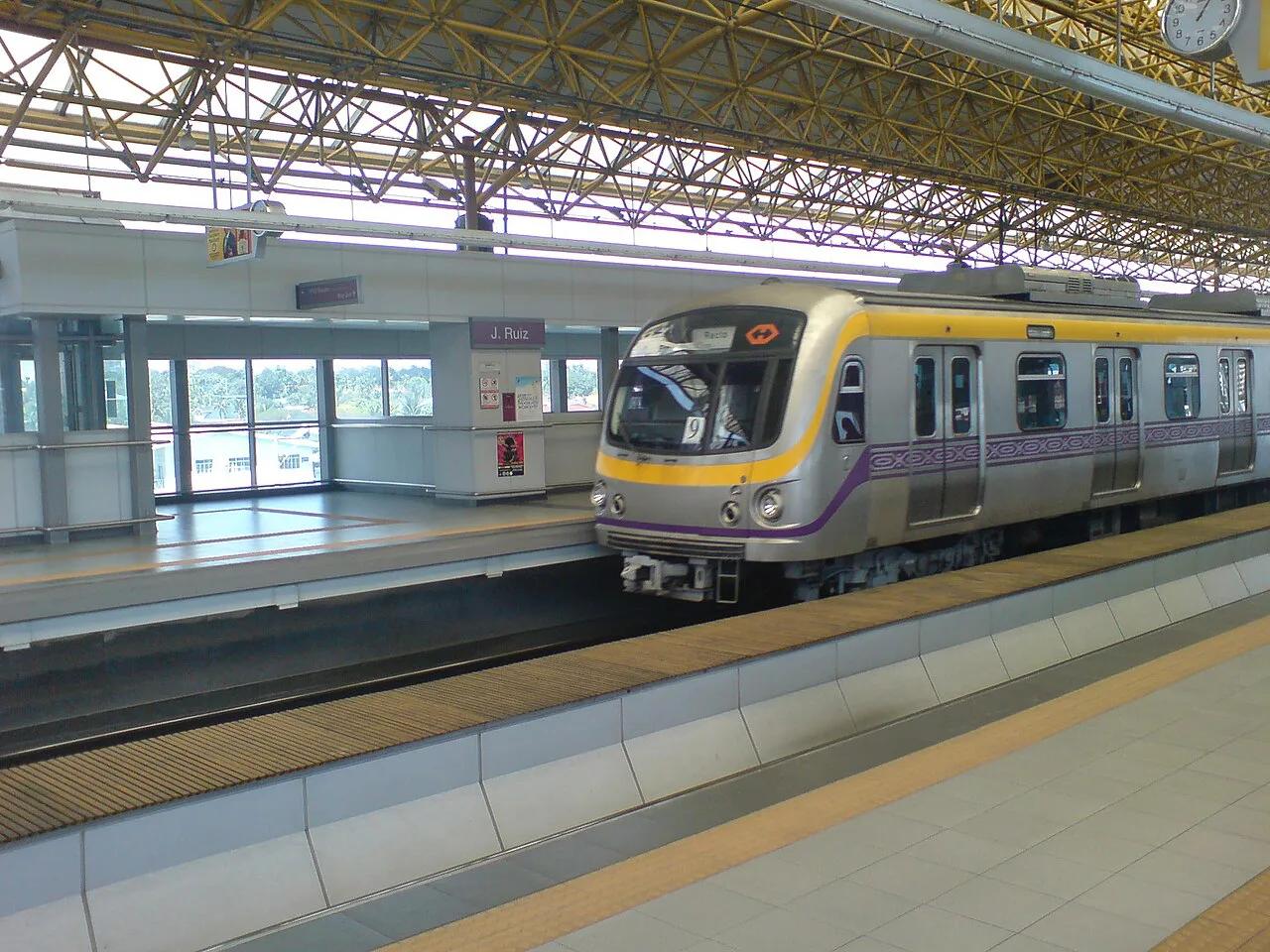
Heavy rain slows road traffic sharply at rush hour, and low-lying streets can hold water for hours. Rail is the steadier option on days of steady rain. MRT-3 runs 16.9 km along EDSA from North Avenue in Quezon City to Taft Avenue in Pasay City. The end-to-end trip takes about 30 minutes across 13 stations. Weekday trains start at 4:30 AM, and Sunday and holiday service runs 4:30 AM to 10:40 PM. That makes an early rail start a good way to beat the afternoon downpour. Leave airport transfers a generous buffer. Do not schedule a flight home on the same evening as a forecast storm. Cross town in the morning, and plan to be indoors by mid-afternoon.
August brings about 13.6 inches of rain, so a 4:30 AM start on MRT-3 gets you across town before the afternoon downpours.

Best Things to Do in Manila When It Rains
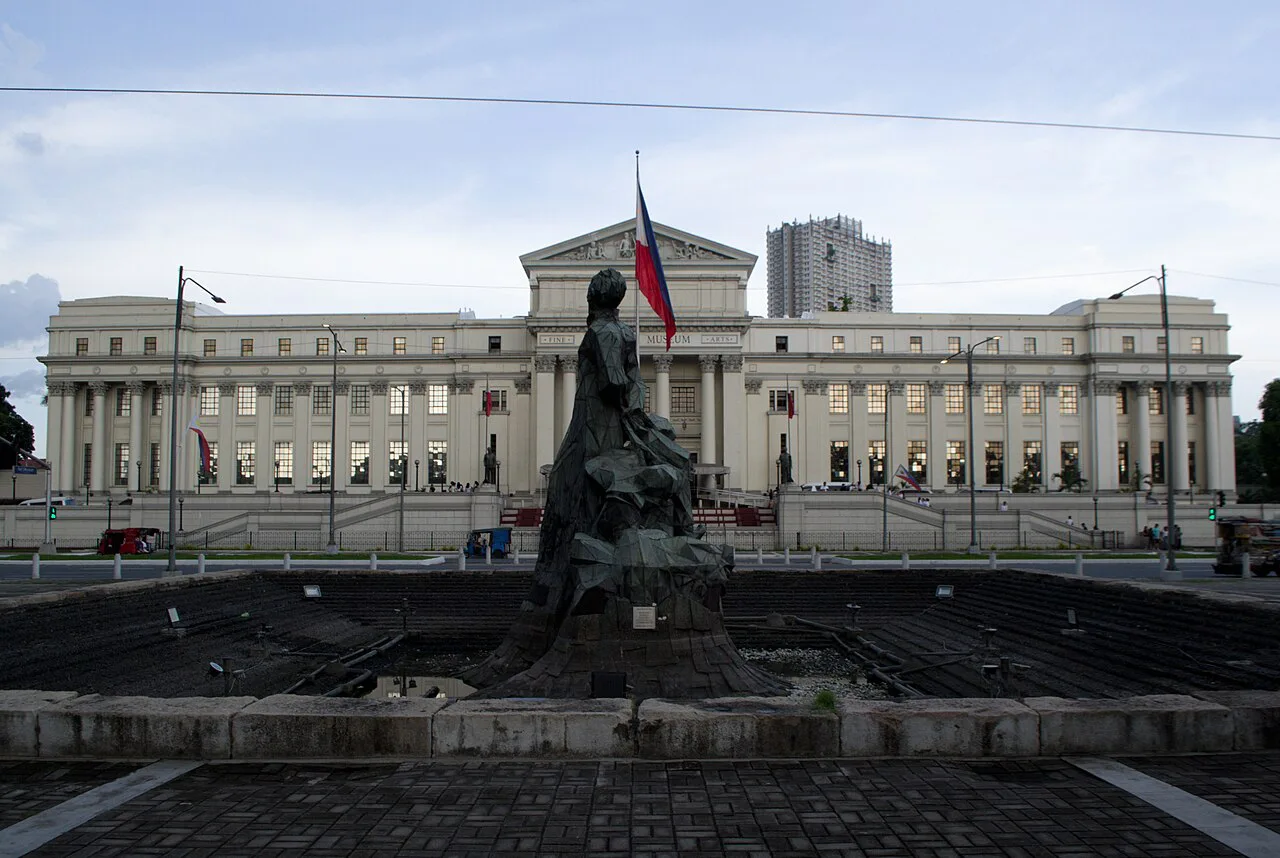
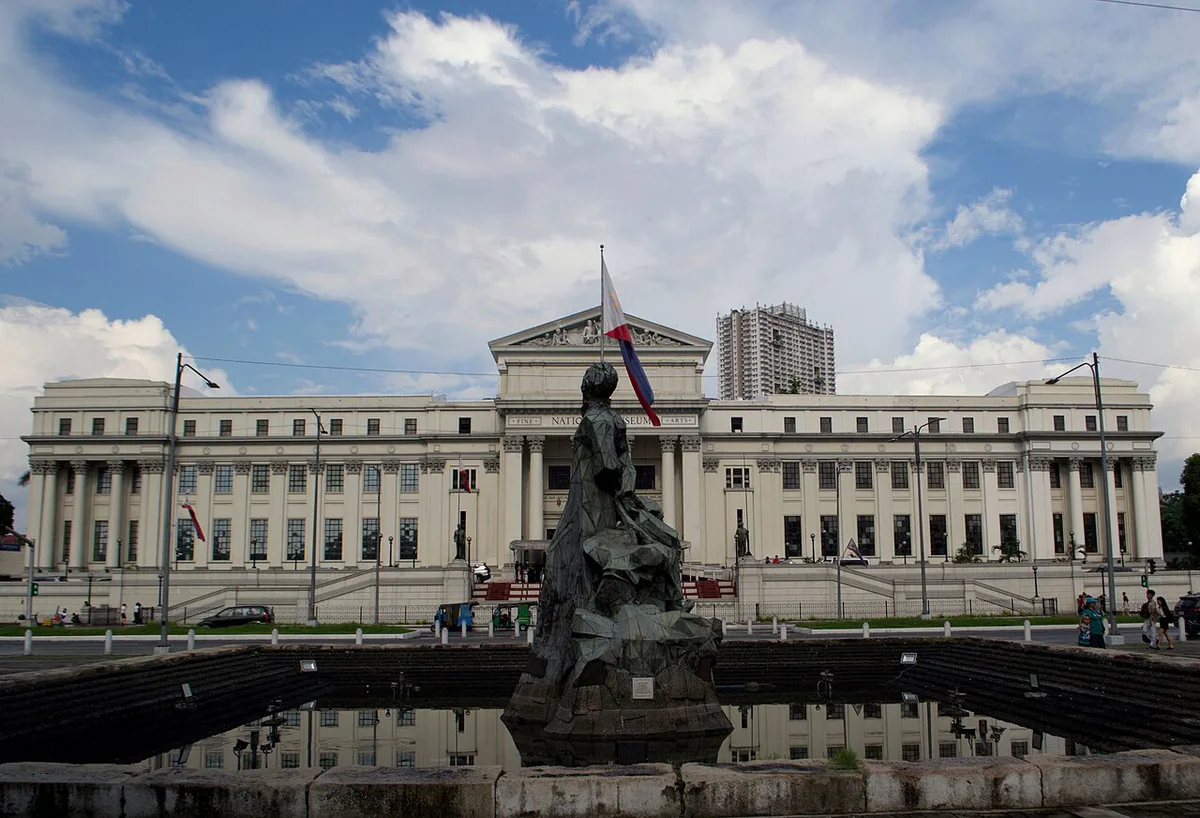
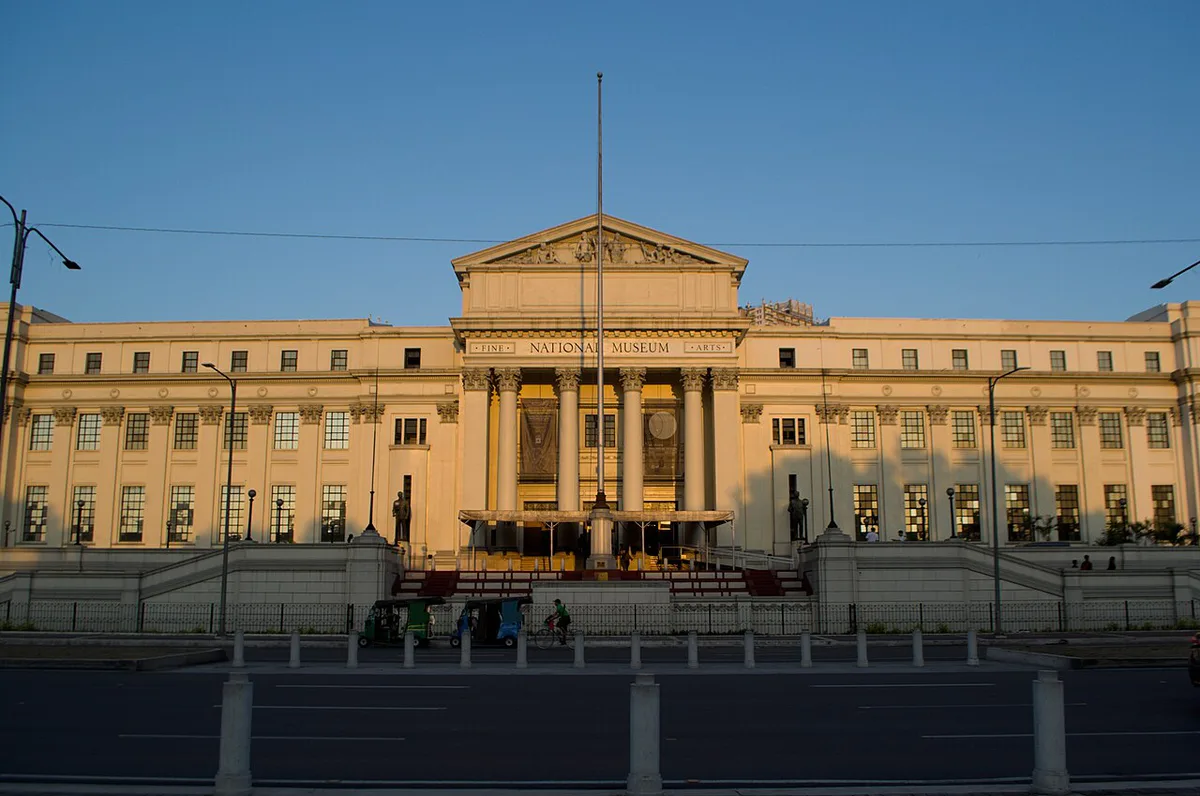
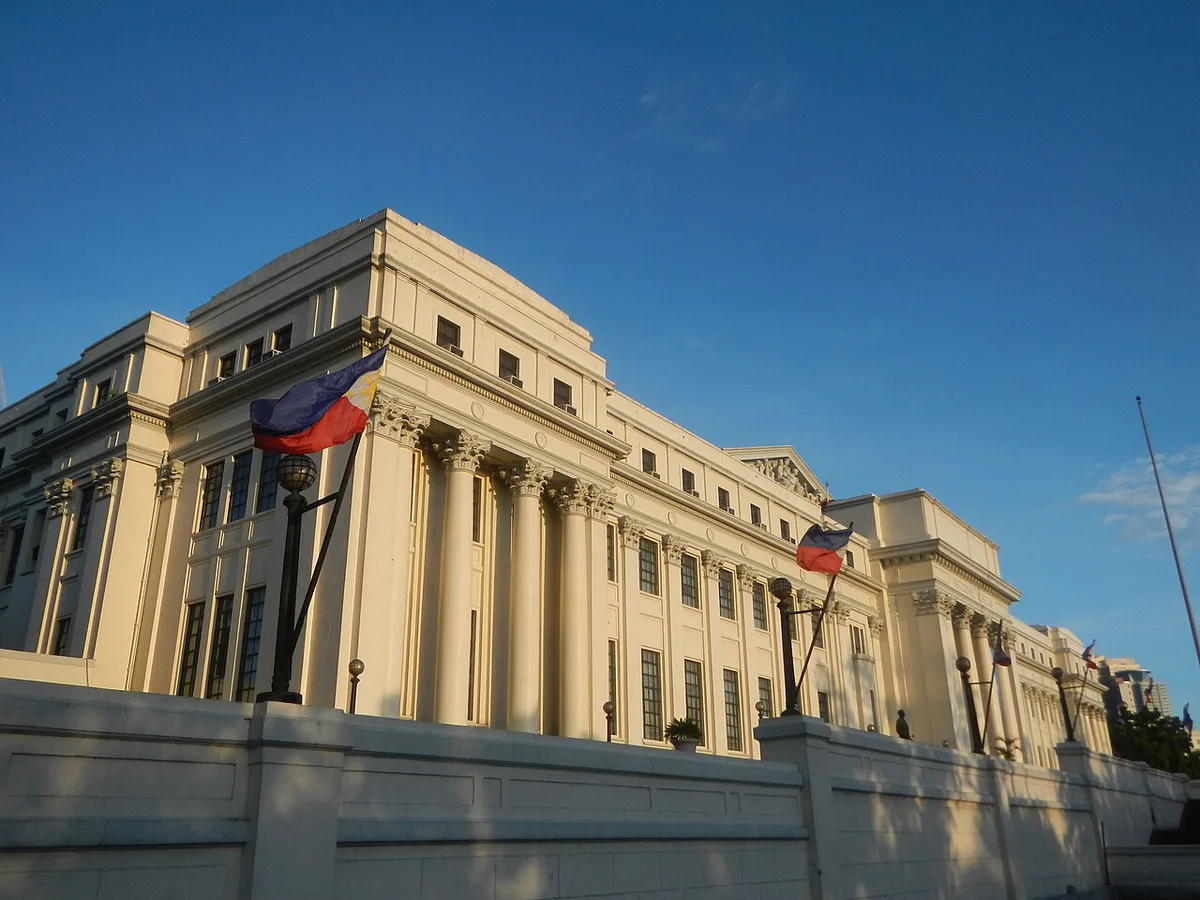
Group your days by shelter. Indoor stops absorb a washed-out afternoon. Covered or semi-covered stops work between showers. Outdoor sights need a dry window. The National Museum Complex on P. Burgos Drive in Rizal Park fits a wet afternoon. Its official site lists current visitor details. SM Mall of Asia on Seaside Blvd. in Pasay City keeps mall hours of 10:00 AM to 10:00 PM, Monday to Sunday. Holiday-season hours differ, so check the mall directory in late December.
Mall of Asia's doors open 10:00 AM to 10:00 PM daily, so a washed-out afternoon can move indoors after a morning outing.

- Indoor: National Museum Complex, Rizal Park; SM Mall of Asia, Pasay City
- Covered or flexible: churches and museum stops in and around Intramuros
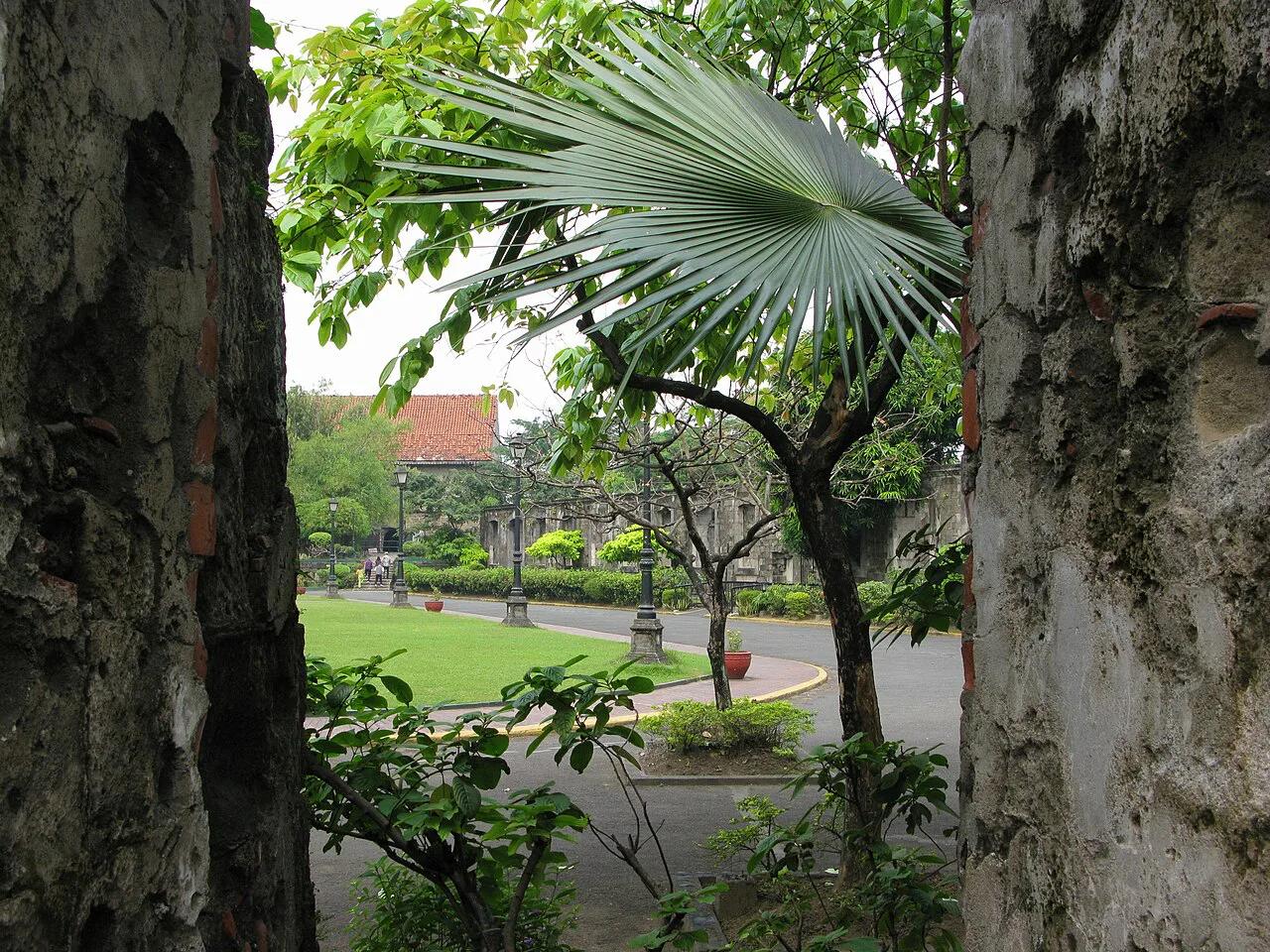
- Weather-dependent: walking Intramuros' streets and walls, Rizal Park lawns, bay-side sunset views
Is the Rainy Season Worth It? Costs, Crowds and Who Should Skip
Low season usually means cheaper rooms and thinner crowds, but you pay in reliability. Compare hotel rates for your own dates before deciding. For example, if a room costs ₱3,500 a night in March, the same room may drop to around ₱2,800 in August. Treat those figures as a worked example, not a quote. Savings matter less if a typhoon costs you a day. The dry-season alternative is better for fixed itineraries. Compare it with the hot, dry Manila in April: Heat, Holy Week and Day Plans guide, where highs reach about 35°C (95°F). Skip the wet months if you cannot absorb a lost day or have tight island connections.

| Factor | Wet season (Jun–Oct) | Dry season (Nov–May) |
|---|---|---|
| Hotel cost | Lower; example ₱2,800 vs ₱3,500 a night | Higher; example ₱3,500 a night |
| Crowds | Quieter | Busier, especially around December |
| Reliability | Flights, ferries and roads can slip | Mostly predictable |
| Outdoor access | Limited to dry windows | Open, but hot and humid |
- Mistake: booking a same-day connection after an international flight
- Mistake: stacking three outdoor sights in one afternoon
- Mistake: wading through floodwater to save time
What to Pack and Where to Stay
Pack a light rain jacket, quick-dry clothes and sandals that tolerate puddles. Add a dry bag or zip pouches for phones and passports. Bring insect repellent, because standing water breeds mosquitoes that can carry dengue. Avoid wading through floodwater, which can carry bacteria. Rinse and dry any skin that gets wet. Choose a hotel by criteria. Look for covered walkways to a mall or station, a well-drained street, and flexible cancellation terms. Staying near MRT-3 stations reduces your exposure to road gridlock.
Frequently Asked Questions
Is it the wet season in the Philippines?
Yes, from roughly June to October in Manila's climate zone. Dry conditions generally return from November. PAGASA announces each year's start and end.
What is the PAGASA?
PAGASA is the Philippine national weather agency. It issues forecasts, typhoon advisories and seasonal climate information. Its climate page is the best place to check conditions before you travel.
What is the weather like in Manila in June?
June is the early wet season, with showers mixed with sunshine and warm, humid air. Expect afternoon rain more than all-day downpours. Daily highs usually sit near 31°C (88°F).
Useful notes for your Southeast Asia trip
Optional updates to our guides.
You might also like
Continue reading
More guides you'll find useful