Manila Weather: Seasons, Typhoons and What to Pack
Manila weather by season: hot and humid year-round, when rain and typhoons hit, and how to plan your days, pack and budget around them.
On this page
Last updated November 2026. Manila weather is hot and humid all year, and the real variables are rain, typhoon risk and the heat index. Use this guide to read the seasons, plan each day around the heat and pack sensibly. For choosing travel dates, pair it with our Best Time to Visit Manila: Month-by-Month Weather Guide guide.
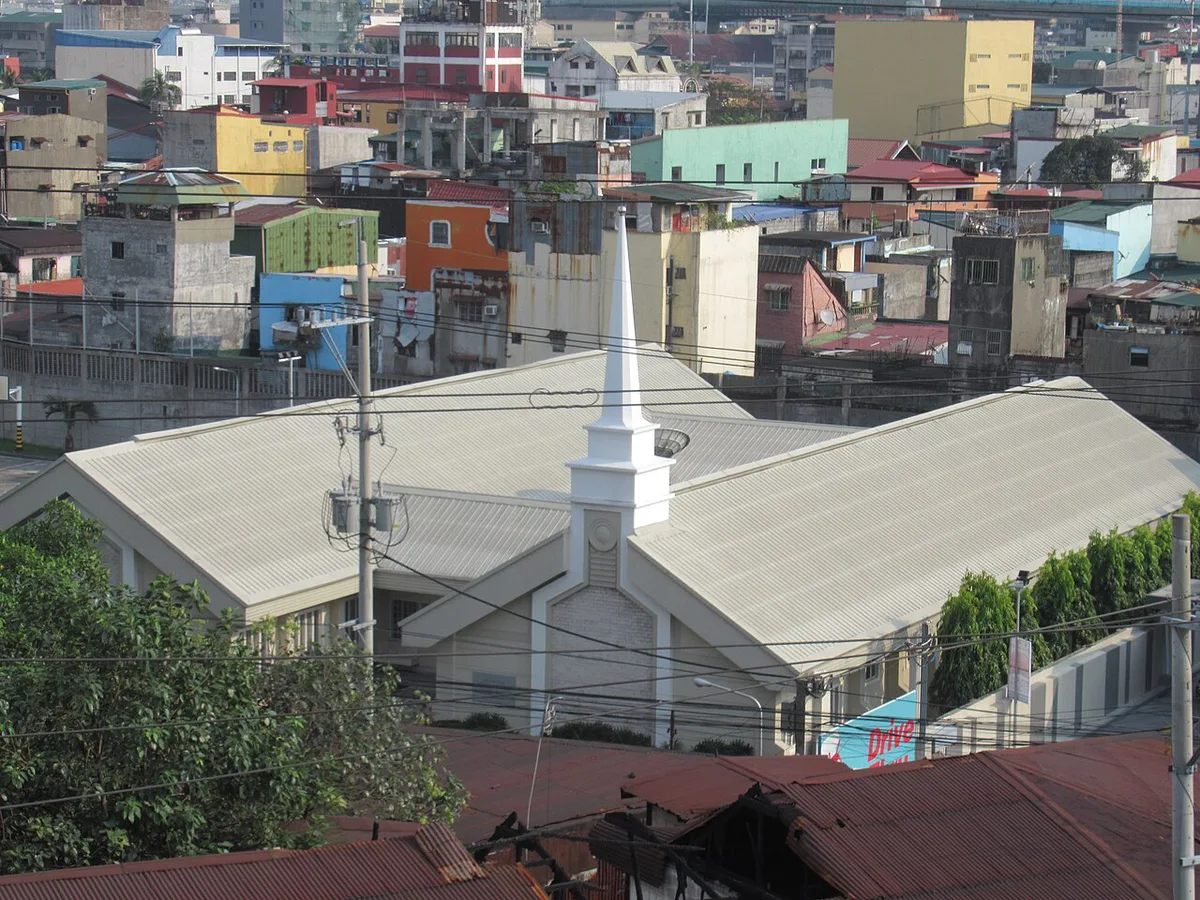
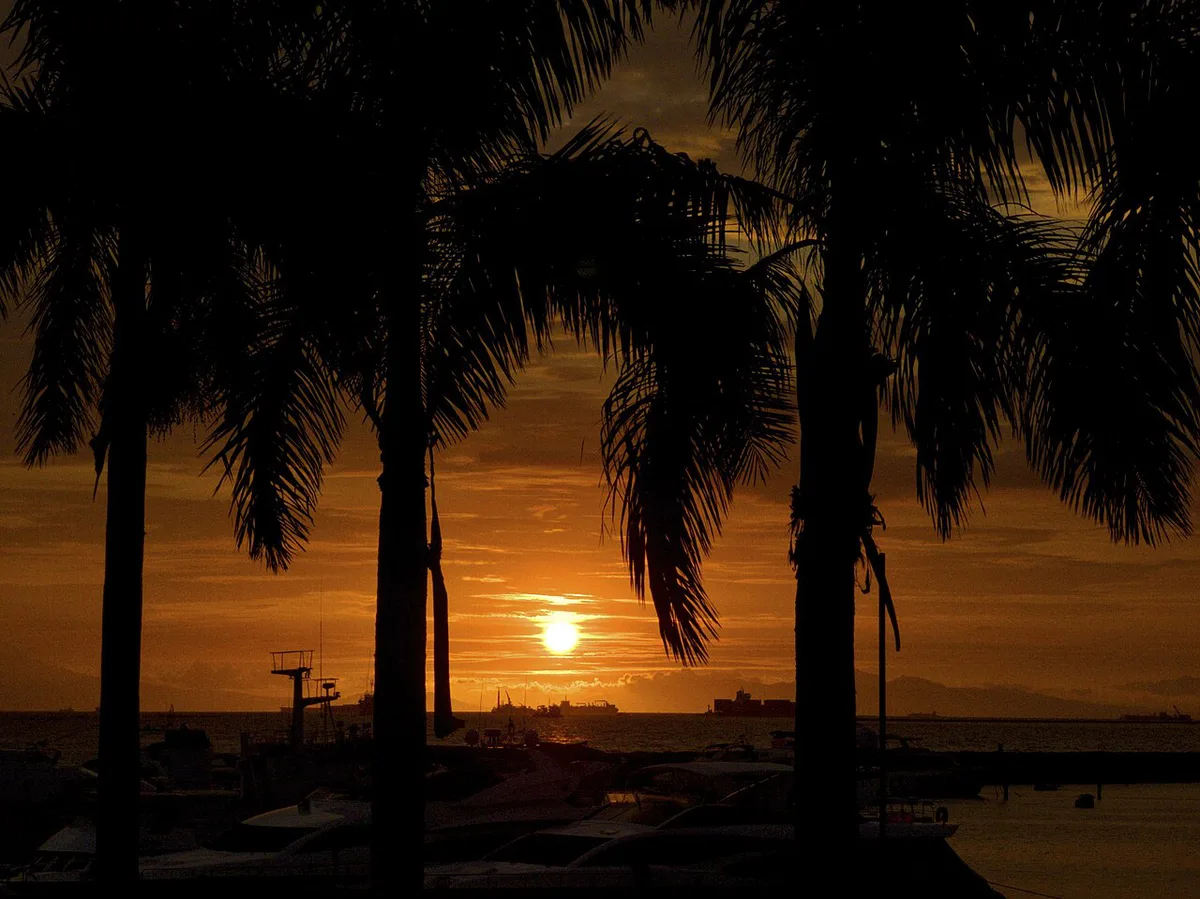
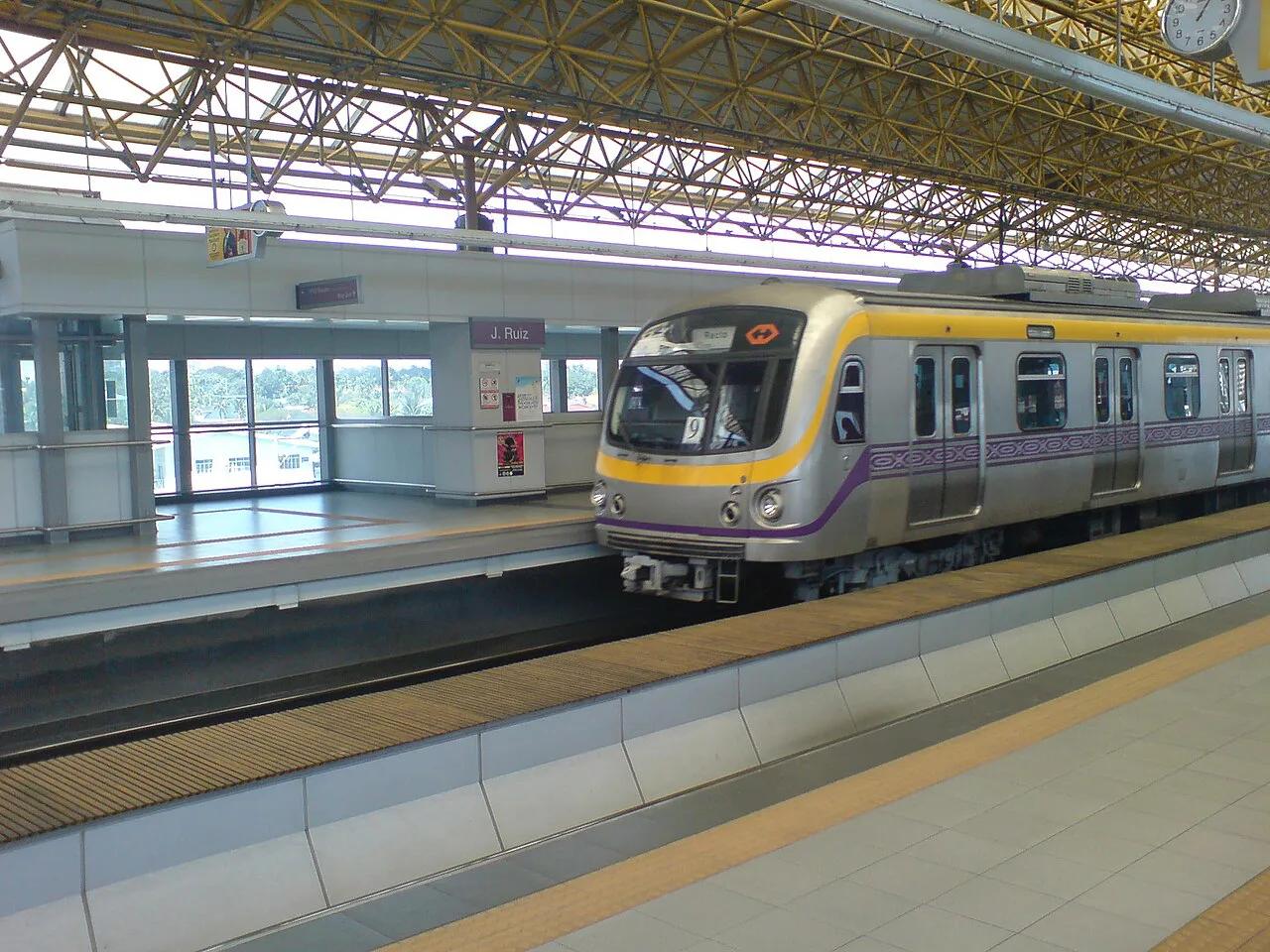
Featured image: Vyacheslav Argenberg, CC BY 4.0, via Wikimedia Commons.
Manila Weather at a Glance
Manila has a tropical climate with a hot, humid baseline in every month. Mid-November snapshots show daytime highs around 30–32°C (86–90°F) and nights around 24–27°C (75–81°F). Midday "feels like" readings can reach 36°C (97°F), which is why the heat index matters more than the thermometer. Expect a drier stretch, a hot stretch and a wet stretch. Live conditions and warnings come from PAGASA, the national weather agency.
| Season | What it feels like | Rain and storms | Planning move |
|---|---|---|---|
| Cooler dry months | Hot but breezier, with northeast winds (amihan) | Low chance of rain | Best window for long walks |
| Hot dry months | Highest heat index, little relief by midday | Brief showers possible | Start early and plan indoor midday breaks |
| Wet season | Humid and sticky, with heavy afternoon downpours | Southwest monsoon (habagat) rain and typhoon risk | Keep bookings flexible |
Manila Weather by Season
Think in three moods rather than twelve months. The cooler dry months are the easiest for sightseeing. Winds turn north-to-northeast, skies are mostly clear and afternoons rarely end in a downpour. The hot dry months push the heat index highest, so outdoor time shrinks to mornings and evenings. The wet season brings southwest monsoon rain, short heavy afternoon bursts and, at worst, multi-day typhoon systems. Exact month boundaries shift from year to year, so use our timing guide to choose dates and PAGASA for the current outlook.
Manila Weather by Month: A Quick Snapshot

Use the table as a planning shorthand, not a forecast. December in Manila sits in the cooler dry stretch with the most comfortable walking. April in Manila is the hot-season test, when the afternoon heat index is hardest to handle.
| Month | Heat | Rain | Typhoon risk |
|---|---|---|---|
| November | Hot, with highs near 30–32°C (86–90°F) | Low chance in snapshots | Lower, but still watch PAGASA |
| December | Hot but breezier | Low | Lower |
| April | Peak heat index | Occasional short showers | Low |
| August | Humid and heavy | Frequent downpours | Higher, with flooding risk |
Rainy Season and Typhoons in Manila
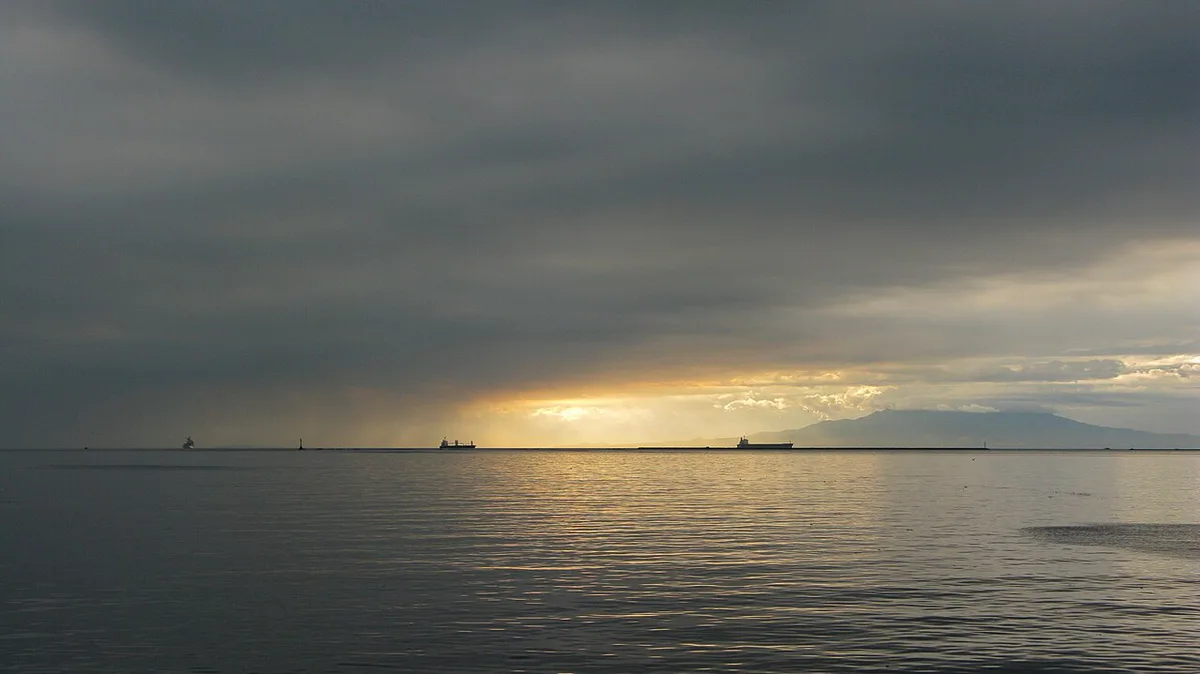
Rain comes in two forms. Afternoon downpours last an hour or two but flood low streets and slow traffic. Typhoons and monsoon surges can bring days of rain, suspended work and classes, and flight delays. Follow PAGASA's tropical cyclone warnings and local advisories before every outdoor day. Our Manila rainy season guide goes deeper on flooding and timing. Wet-season dates can save money. As a budgeting example, if a hotel quotes ₱4,000 a night in December and ₱2,800 in August, the saving only pays off if the fare and booking are flexible. Buy changeable fares and travel insurance that covers weather disruption. Avoid tight same-day connections for flights in or out of the city.
Heat and Humidity: How to Plan Your Day
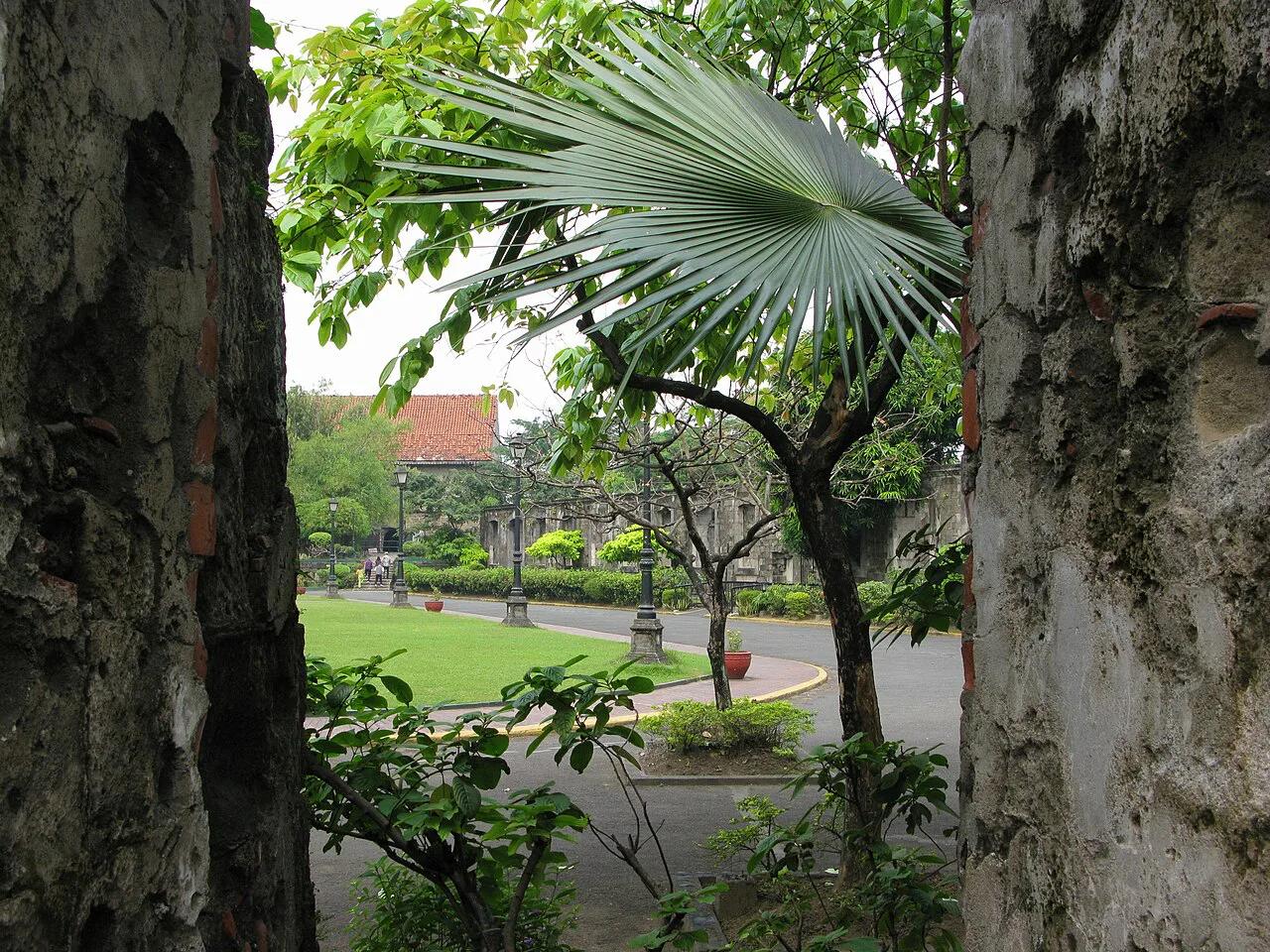
Heat index is the temperature your body registers once humidity is added. A 32°C (90°F) afternoon can feel like 36°C (97°F) or more. Schedule outdoor walking for early morning and late afternoon. Visit Intramuros first thing, since the Visitors Center at Fort Santiago, Sta. Clara St., opens daily 8:00AM to 5:00PM. Move to a mall or museum at midday. Binondo is only a few minutes from Intramuros and Rizal Park, so you can pair a morning walk with an air-conditioned lunch. Binondo is also around an hour from Ninoy Aquino International Airport, so factor heat and traffic into arrival-day plans. Drink water steadily, and rest in shade when you feel dizzy or headachy.
Intramuros' Visitors Center runs 8:00AM to 5:00PM daily, so a late-afternoon walk there only works if you arrive before closing.
What to Pack for Manila Weather
Pack for sweat and sudden rain rather than for cold.
- Breathable cotton or linen shirts, plus a spare for midday changes
- Compact umbrella or light rain jacket
- Sandals or shoes that dry quickly, since flooded streets are common in wet months
- Sunscreen, a hat and a refillable water bottle
- Dry bag or zip pouch for your phone and passport
- Light layer for strong air-conditioning in malls and museums
Best Activities by Weather
Match the plan to the sky. In dry, hot weather, do outdoor sightseeing at Intramuros early and shift indoors from late morning. National museums and malls suit midday heat and rain alike. The National Museum of the Philippines is a natural indoor option. In heavy rain or typhoon warnings, stay near your hotel and skip day trips outside the city. Check weather and sea conditions before any boat or coastal excursion. Travelers sensitive to heat, including children and older adults, should choose the cooler months and indoor-heavy itineraries. Fixed-date events need a backup plan for rain.
Midday feel-like readings can reach 36°C (97°F), so the indoor shift from late morning is about heat, not just rain.
Frequently Asked Questions
What is the rainy season in Manila?
Rain peaks during the southwest monsoon (habagat), with frequent afternoon downpours and a higher typhoon risk. Exact start and end dates vary each year, so follow PAGASA outlooks for the season you plan to visit.
Is it typhoon season in the Philippines right now?
Typhoon risk is higher in the wet season, but storms can still form outside it. Check PAGASA's current tropical cyclone bulletins before booking and again before you fly.
Useful notes for your Southeast Asia trip
Optional updates to our guides.
You might also like
Continue reading
More guides you'll find useful