Angkor Pass Guide: Which Ticket to Buy and Where
Choose between the 1-day, 3-day and 7-day Angkor Pass, learn where to buy it officially, and plan around sunrise, circuits and heat.
On this page
Last updated November 2026. The Angkor Pass is the official entry ticket for Angkor Archaeological Park, and it comes as a 1-day, 3-day or 7-day version. Most visitors on a 2-3 day stay in Siem Reap should buy the 3-day pass, and this guide shows how to choose, where to buy it and how to use it. It also covers the main temples that the pass opens up, which you can explore in our guide to the main temples of Angkor.
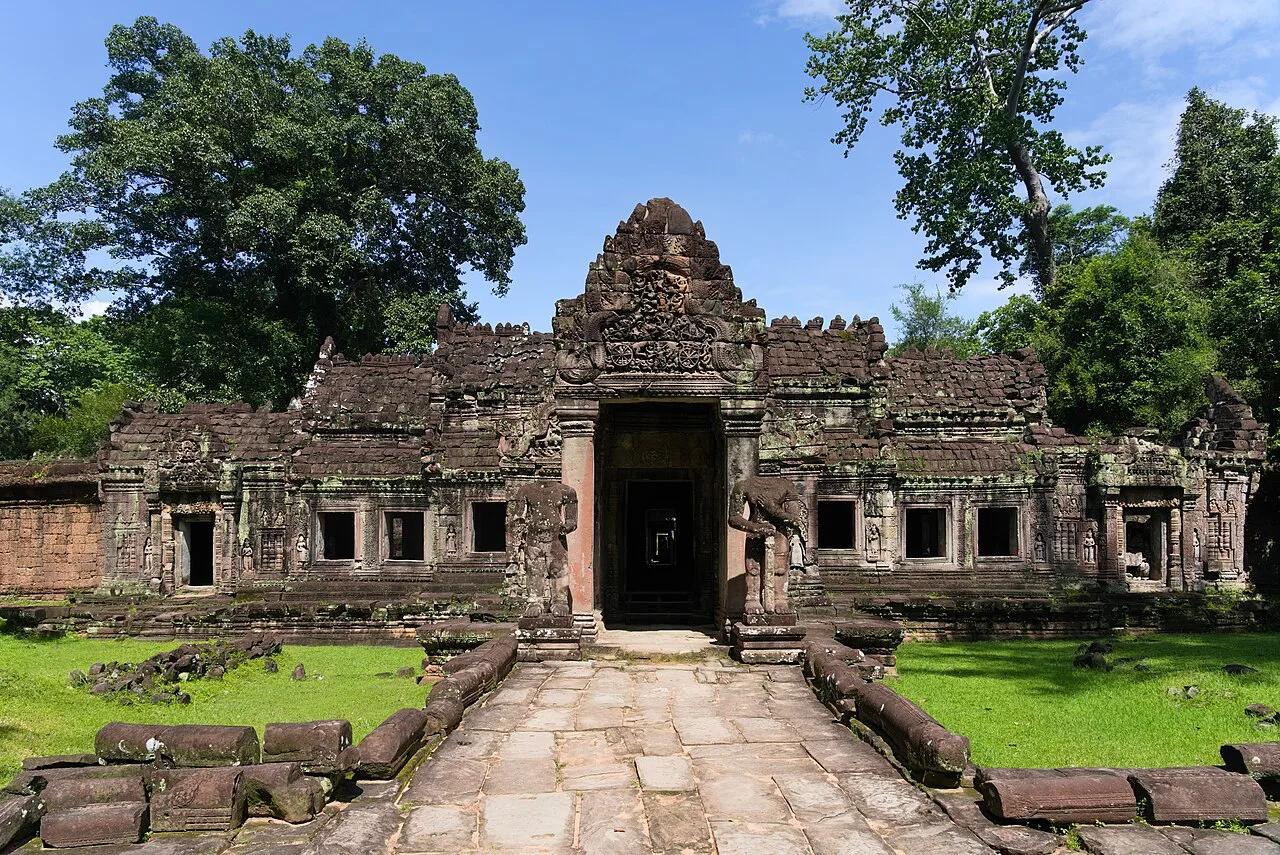
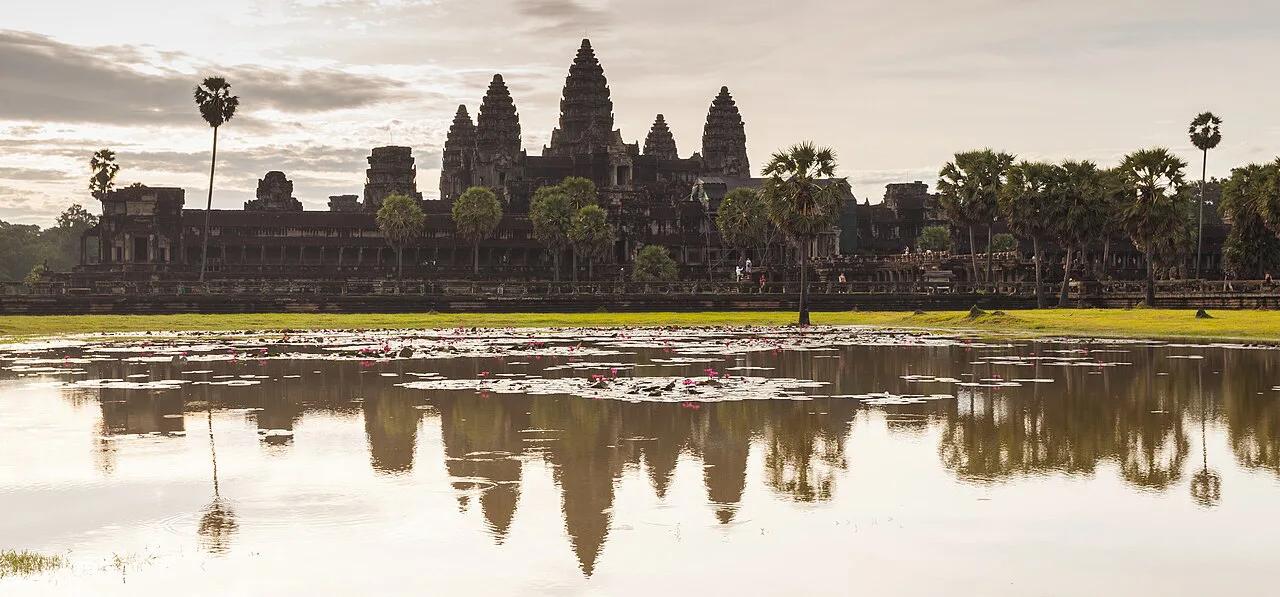
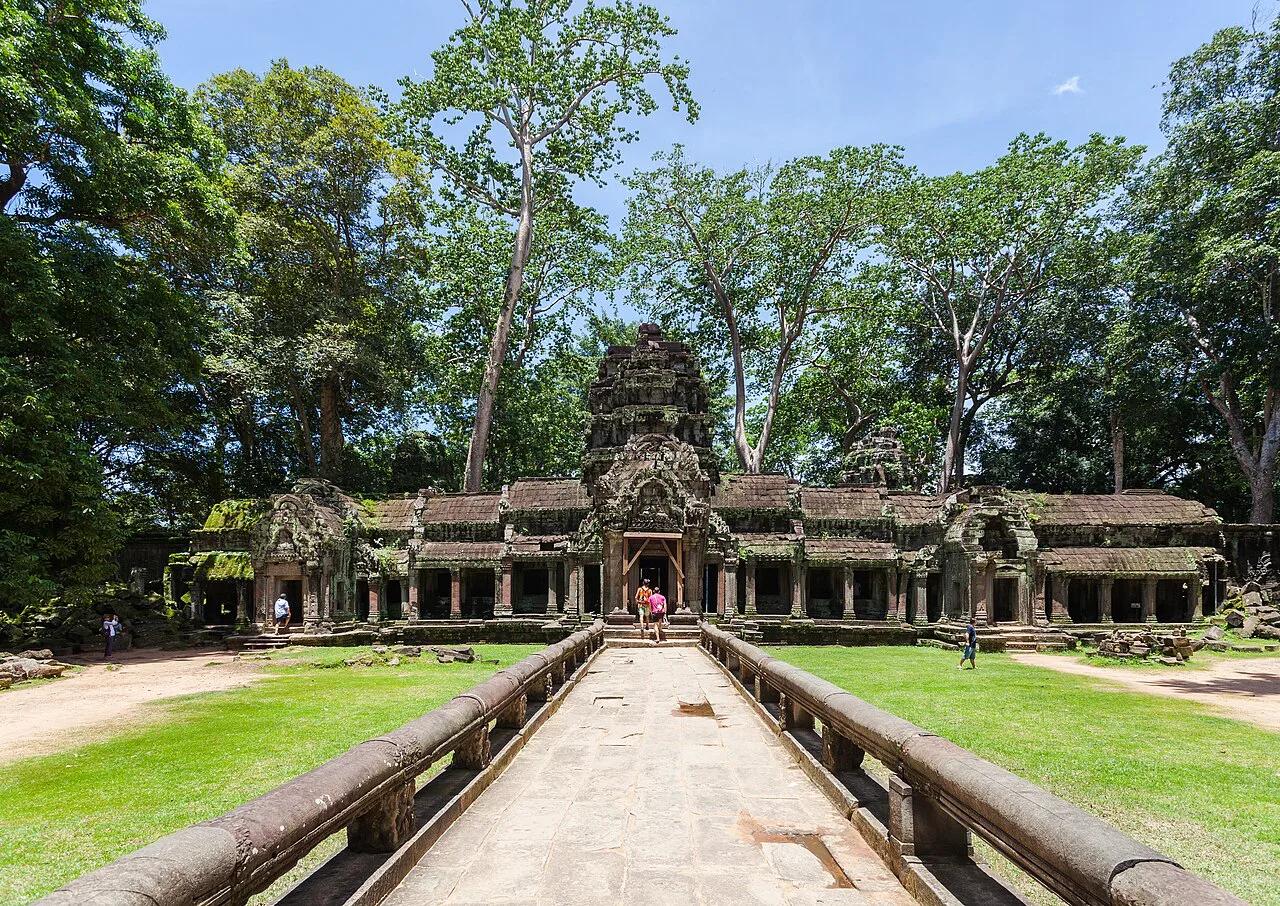
Featured image: Diego Delso, CC BY-SA 3.0, via Wikimedia Commons.
What the Angkor Pass is and the quick answer
Angkor Enterprise issues the pass, and it is the only ticket that gets you into Angkor Wat, Angkor Thom, Bayon and Ta Prohm. It covers park entry only. Guides, transport and activities are paid separately. Pick the 1-day pass for a single big day, the 3-day pass for a relaxed first visit, and the 7-day pass for slow travelers, cyclists and photographers.
Angkor Pass prices and validity: 1-day vs 3-day vs 7-day
Prices and hours checked November 2026. A 1-day pass costs $37 and covers one calendar day. A 3-day pass costs $62 and works on any 3 days within 10 days of purchase. A 7-day pass costs $72 and works on any 7 days within 30 days. Moving from 1 day to 3 days adds $25. Moving from 3 days to 7 days adds only $10. Because the days do not need to be consecutive, you can rest between temple days. Mistake to avoid: do not assume the days run back to back. A 3-day pass bought for a 2-day trip wastes $25 over the 1-day price.

| Pass | Price | Validity | Best for |
|---|---|---|---|
| 1-day | $37 | 1 day | Angkor Wat, Bayon and Ta Prohm in one push |
| 3-day | $62 | Any 3 days within 10 days | First-timers who want a slower pace and the grand circuit |
| 7-day | $72 | Any 7 days within 30 days | Cyclists, photographers and long stays |
Which Angkor Pass should you buy?
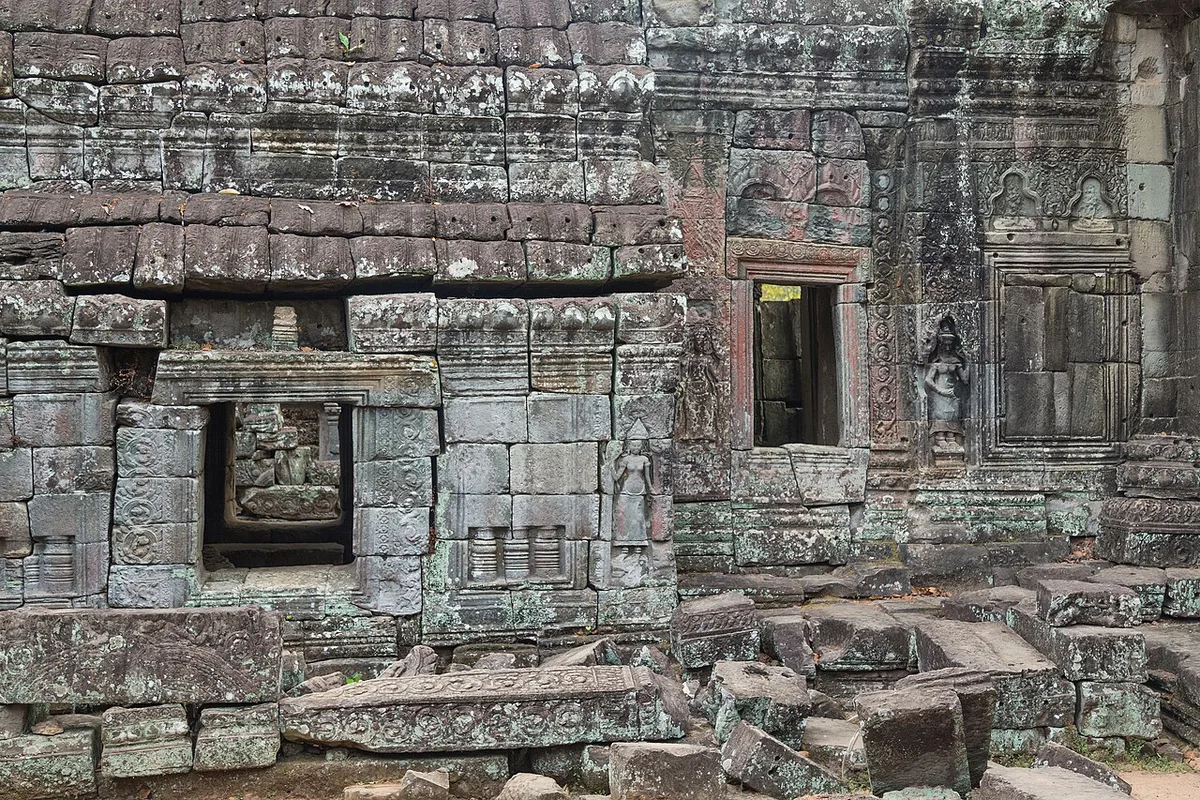
Start with your days in Siem Reap, then your tolerance for midday heat. One day is enough for the small circuit through Angkor Wat, Angkor Thom, Bayon and Ta Prohm. Our small circuit route shows how to fit these into a single day. That day leaves little room for sunrise and a midday break, though. Three days suits most visitors. It gives you a sunrise start, a pool break at noon and time for Preah Khan, Neak Pean, Ta Som and East Mebon. Our longer grand circuit guide covers that loop. Choose 7 days only if you plan to cycle, revisit favorites or add distant temples. Since 7 days costs just $10 more than 3, long stays get the best value.
- One day in town: 1-day pass, small circuit, sunset at Phnom Bakheng or Srah Srang.
- Two to three days: 3-day pass, with a rest day between temple days.
- Sunrise plus the grand circuit: 3-day pass, so early starts stay manageable.
- Five days or more, or a cycling trip: 7-day pass.
The sunset-entry trick: buying after 5pm

A pass bought after 5pm can reportedly be used for sunset that same day without counting as a used day. It then stays valid for the following morning. That lets a 1-day pass cover a sunset one evening and a full day the next. Phnom Bakheng and Srah Srang are the usual sunset spots. The pairing also works for a pre-dawn start the next day, which our guide to sunrise at Angkor Wat explains. Ask at the counter how the day count applies to your pass before you pay.
Where and how to buy the official Angkor Pass
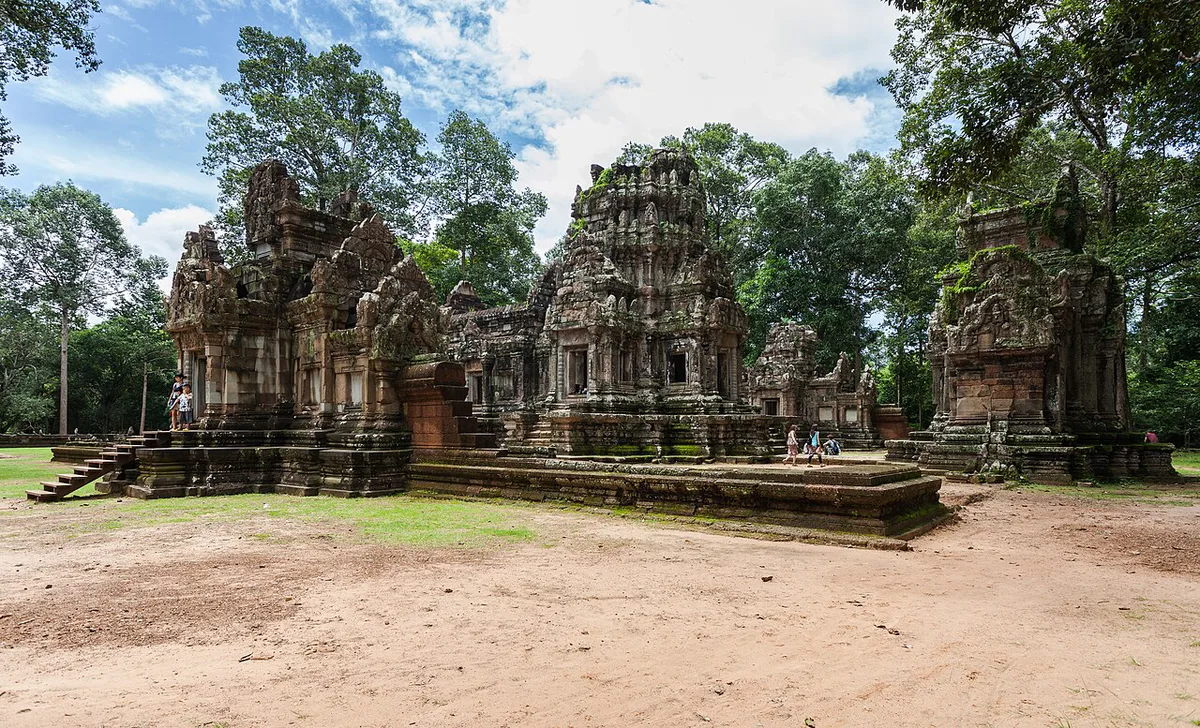
Only two channels are official. One is the online store at the Angkor Enterprise ticket site. The other is the Angkor Enterprise ticket office, which is on the road from Siem Reap to the park. Do not buy from anyone at the temples or from unofficial resellers, because those tickets may be refused. The office sits on Apsara Road at the corner of Street 60. It opens at 5am and runs until 5:30pm. Tuk-tuk drivers all know it, and our notes on hiring a tuk-tuk cover how to plan the stop. The office is off the most direct route to the temples, so it adds a detour and a queue in high season. Buying online up to 3 days ahead avoids both. A photo is printed on every pass, so you take one at the counter or upload one online.
At the Apsara Road office, which runs until 5:30pm, an after-5pm purchase leaves only a half-hour window.
On the day: checkpoints, photo and what to carry
Checkpoints stand on each main road into the park. More checks follow on the road into Angkor Thom, and each temple has its own security. Keep the pass on you, because it will be checked repeatedly. A lost pass can mean a fine, so carry it in a zip pocket rather than a loose bag. Temples also enforce clothing rules. Our shoulders-and-knees rules explain what to wear so you are not turned away at a gate.
Who gets in free or cheaper

Children under 12 do not need a ticket, though staff may ask them to prove their age. Cambodian citizens enter free. Foreigners with 2 or more years of legal residence can apply for a free annual pass, valid for one year and renewable once per year. It reportedly covers Angkor and Koh Ker. Applicants need a passport copy, a visa and a recent photo, and approval takes about 3 days. Tourists get no discounts, so plan on the full price.
Children under 12 do not need a ticket, so a family with young kids buys fewer passes than it has people.
What the Angkor Pass covers beyond the central temples
The pass also reportedly covers Beng Mealea, Kbal Spean, Phnom Krom, Phnom Bok and Wat Athvea. Banteay Srei lies about 25-30 km northeast of Siem Reap. It has its own satellite ticket counter near the temple entrance, so you can buy a pass there if you visit it first. Temple access generally runs from 6:30 AM to 4:30 PM. The counter takes cash in US dollars and major cards, including Visa, Mastercard, Discover, Union Pay, JCB and Diners Club. At Kbal Spean, the Angkor Centre for the Conservation of Biodiversity charges a separate fee. For site protection and park rules, see the APSARA National Authority.
Useful notes for your Southeast Asia trip
Optional updates to our guides.
You might also like
Continue reading
More guides you'll find useful