Angkor Small Circuit: One-Day Route, Costs and Tips
Plan the Angkor small circuit: temples on the route, tuk-tuk costs, pass choice, timing, and when to add the grand circuit.
On this page
Last updated November 2026: the Angkor small circuit is a one-day loop of Angkor Wat, Angkor Thom with the Bayon, and Ta Prohm, with eastern stops that many drivers add. Expect roughly 15-20 km of travel and a full day on your feet. Below you will find the stop order, costs, transport trade-offs and when to add the grand circuit.
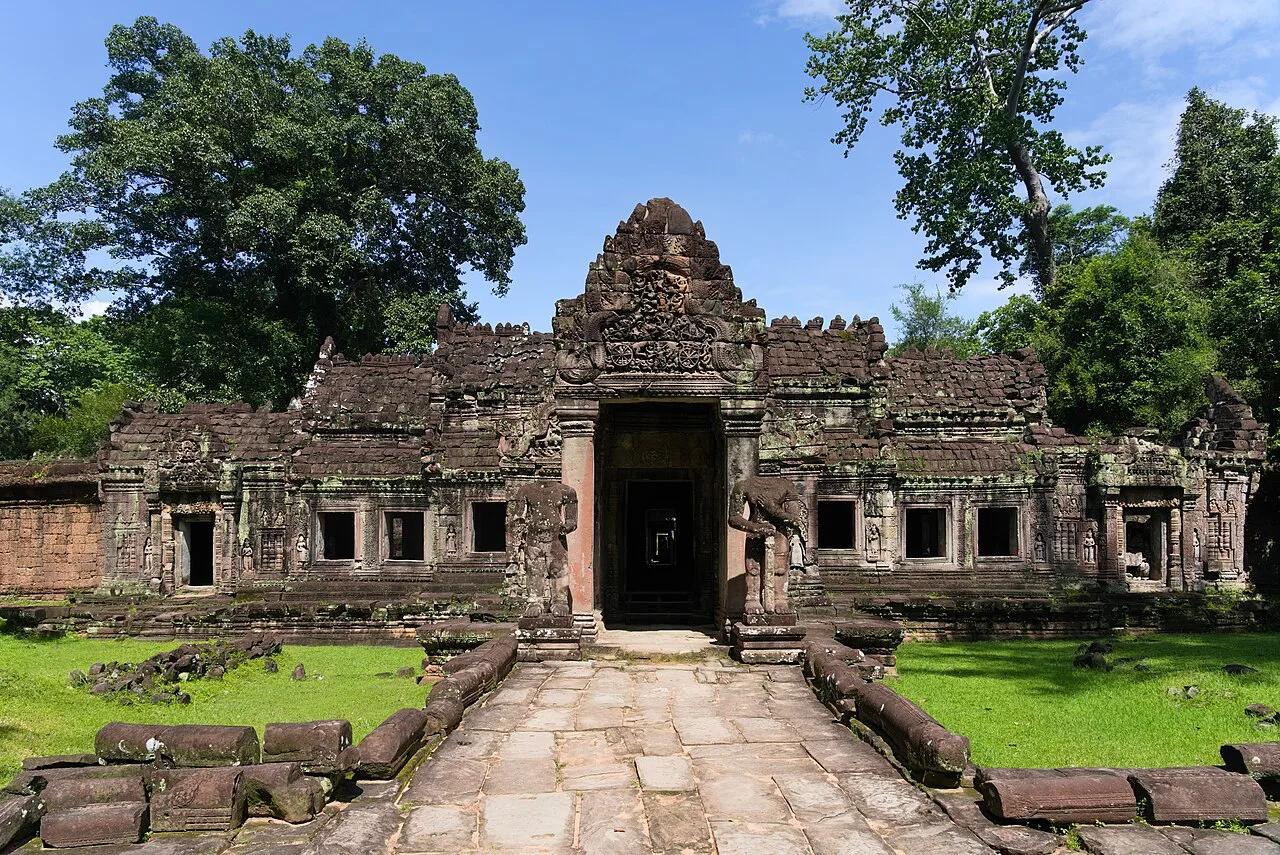
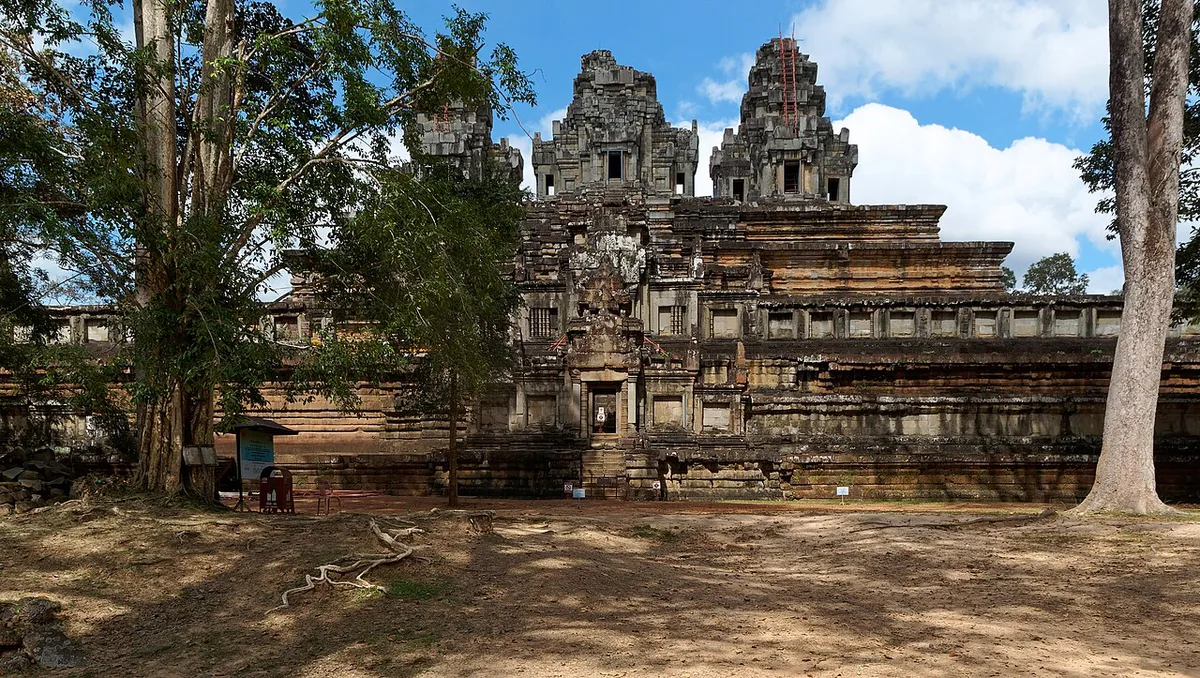
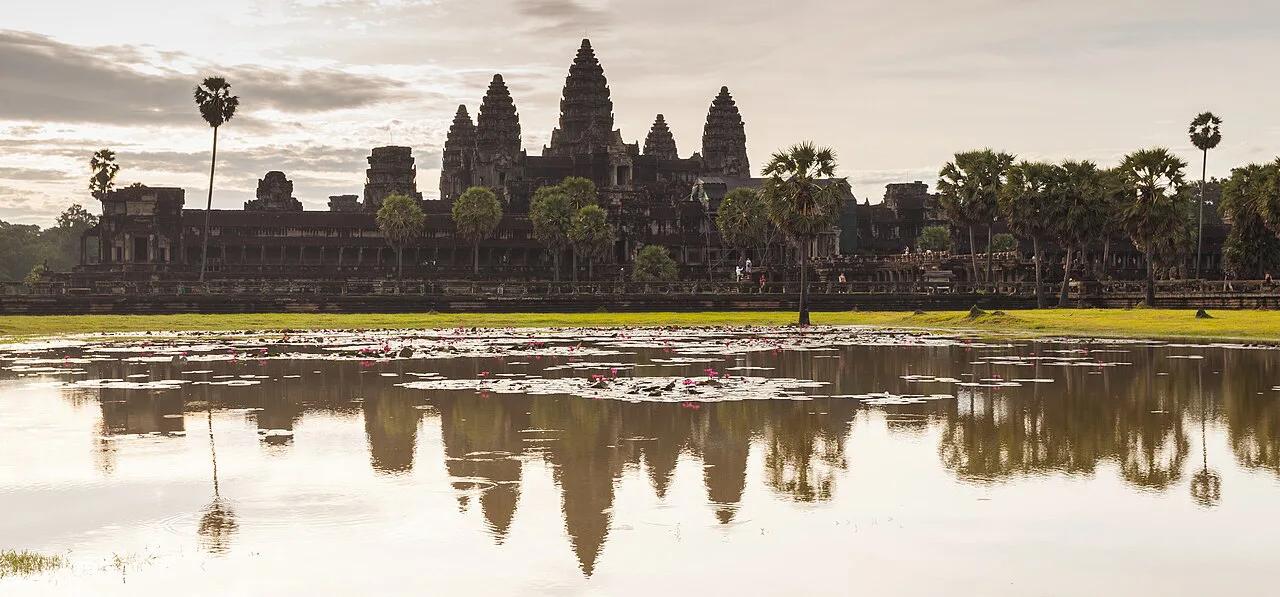
Featured image: This Photo was taken by Supanut Arunoprayote. Feel free to use any of my images, but please mention me as the author and may send me a message. (สามารถใช้ภาพได้อิสระ แต่กรุณาใส่เครดิตผู้ถ่ายและอาจส่งข้อความบอกกล่าวด้วย) Please do not upload an updated image here without consultation with the Author. The author would like to make corrections only at his own source. This ensures that the changes are preserved.Please if you think that any changes should be required, please inform the author.Otherwise you can upload a new image with a new name. Please use one of the templates derivative or extract., CC BY 4.0, via Wikimedia Commons.
What the Angkor Small Circuit Covers
Operators define the route differently, so no single stop list is canonical. Most versions share a core of three headline sites: Angkor Wat, Angkor Thom with the Bayon, and Ta Prohm. Many drivers add eastern stops such as Banteay Kdei, Srah Srang, Ta Keo, Thommanon and Chau Say Tevoda. Distances run about 15-20 km for the full loop. For wider park context, start with this Angkor temples overview.
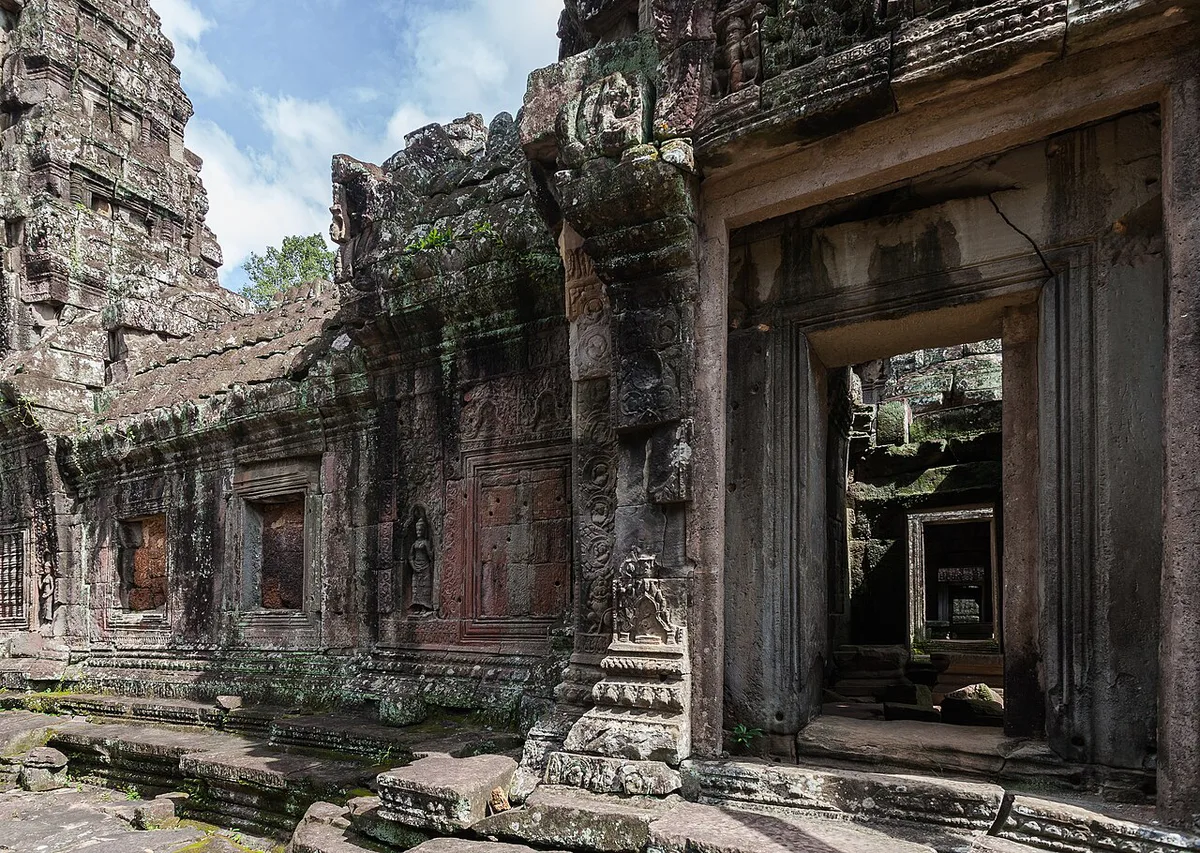
- Core: Angkor Wat, Angkor Thom (South Gate, Bayon, Baphuon, Terrace of the Elephants and Leper King), Ta Prohm
- Eastern add-ons: Thommanon, Chau Say Tevoda, Ta Keo, Banteay Kdei, Srah Srang
Which Version of the Small Circuit Should You Do?
Pick by energy and heat tolerance, not by temple count. Temple walking tends to run 3-5 hours a day, and heat builds by about 10 AM. The table compares three versions.
| Version | Stops | Effort | Best for |
|---|---|---|---|
| Classic | Angkor Wat, Angkor Thom and the Bayon, Ta Prohm | Moderate, with time for a midday break | First-timers with one day |
| Extended | Classic plus Thommanon, Chau Say Tevoda, Ta Keo, Banteay Kdei, Srah Srang | High; easy to overstuff | Fit travelers who start early |
| With sunrise | Classic, started at Angkor Wat before dawn | High; needs an early nap or late finish | Photographers on a one-day schedule |
A Timed One-Day Route
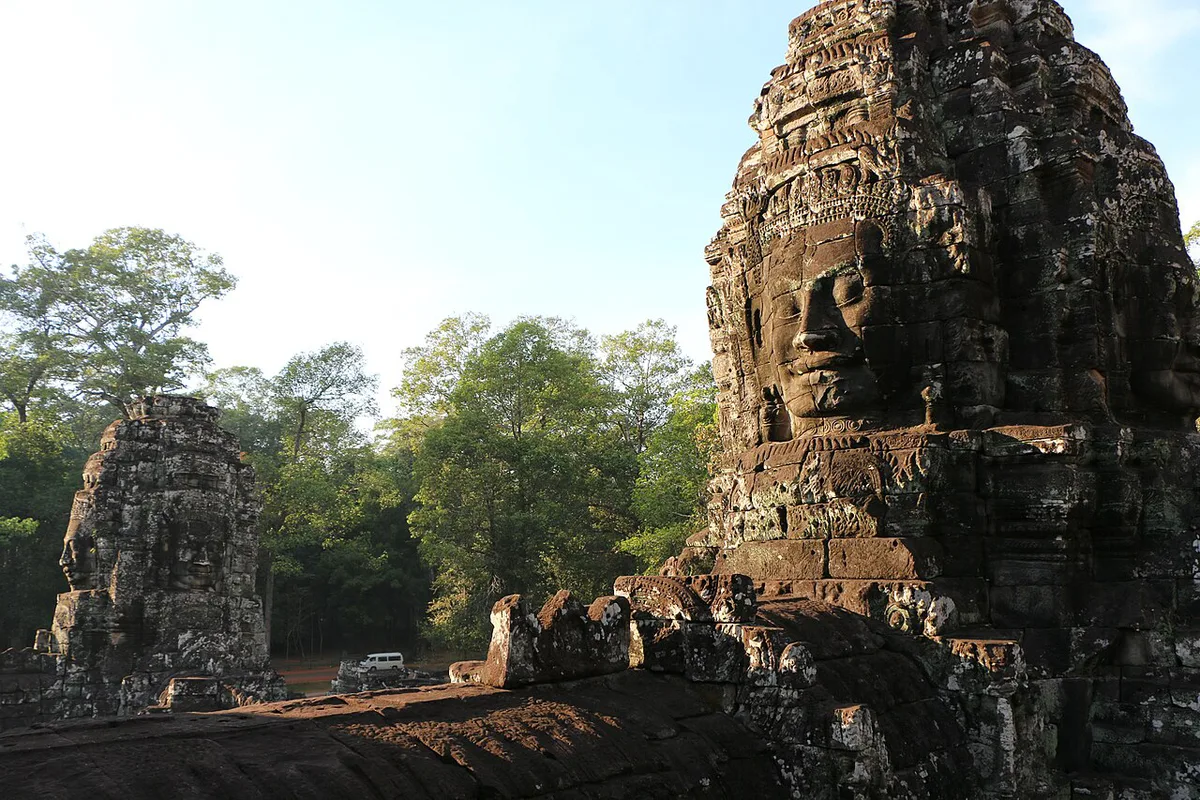
Start at Angkor Wat when it opens at 5:00 AM. Go on to Angkor Thom through the South Gate, then walk the Bayon, Baphuon and the Terrace of the Elephants and Leper King. Stop for lunch and a rest before the heat peaks. Work through Thommanon, Chau Say Tevoda and Ta Keo in the afternoon. Visitors have described a 20-minute shuffle at Ta Prohm's famous tree by mid-morning, so save it for late in the day. Following this order means you never backtrack past Angkor Thom. Deciding on dawn? Read this Angkor Wat sunrise guide first.
Passes bought after 4:45 PM are valid from the next day, so a 5:00 AM start can use a pass bought the evening before.
- 5:00 AM: Angkor Wat, interior after the first crowd leaves
- Mid-morning: South Gate, Bayon, Baphuon, Terrace of the Elephants and Leper King
- Midday: lunch and rest out of the sun
- Afternoon: Thommanon, Chau Say Tevoda, Ta Keo, Ta Prohm, Banteay Kdei
Temple-by-Temple Notes
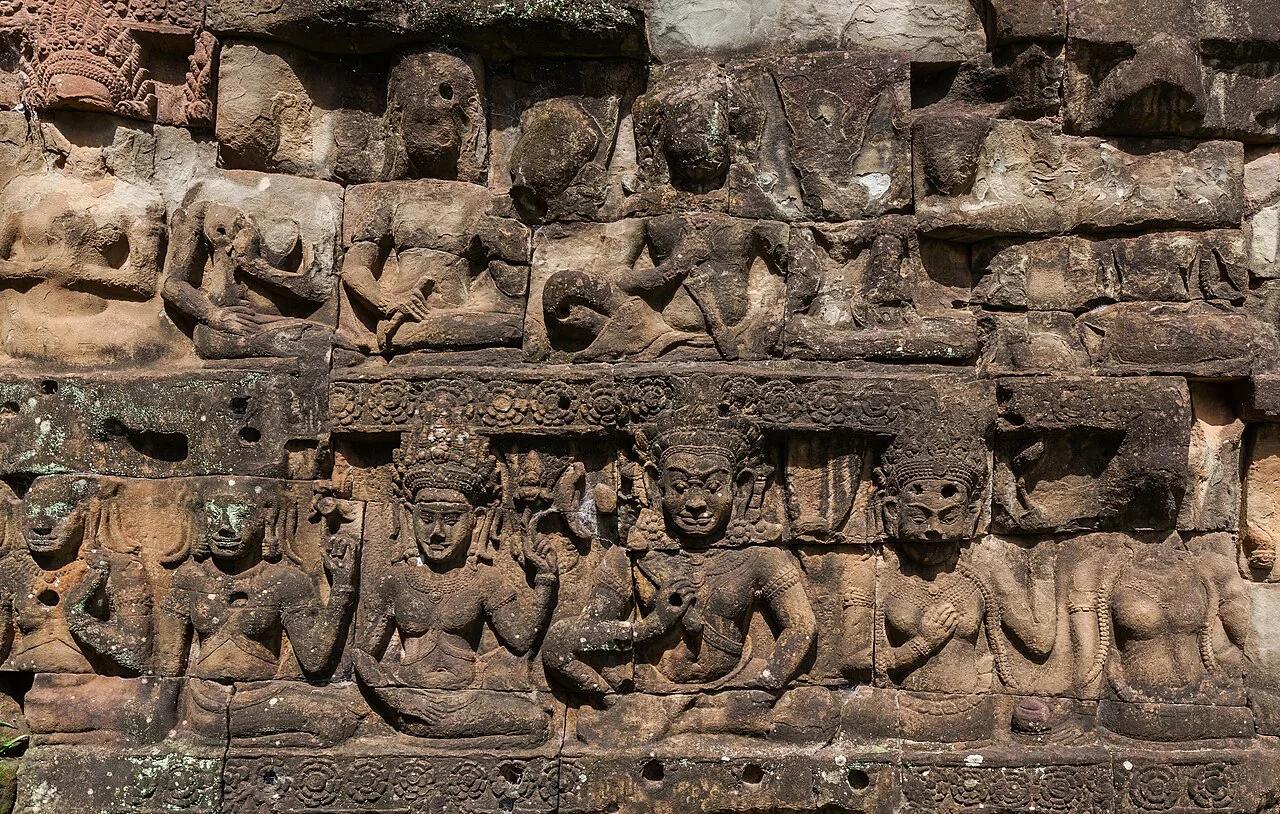
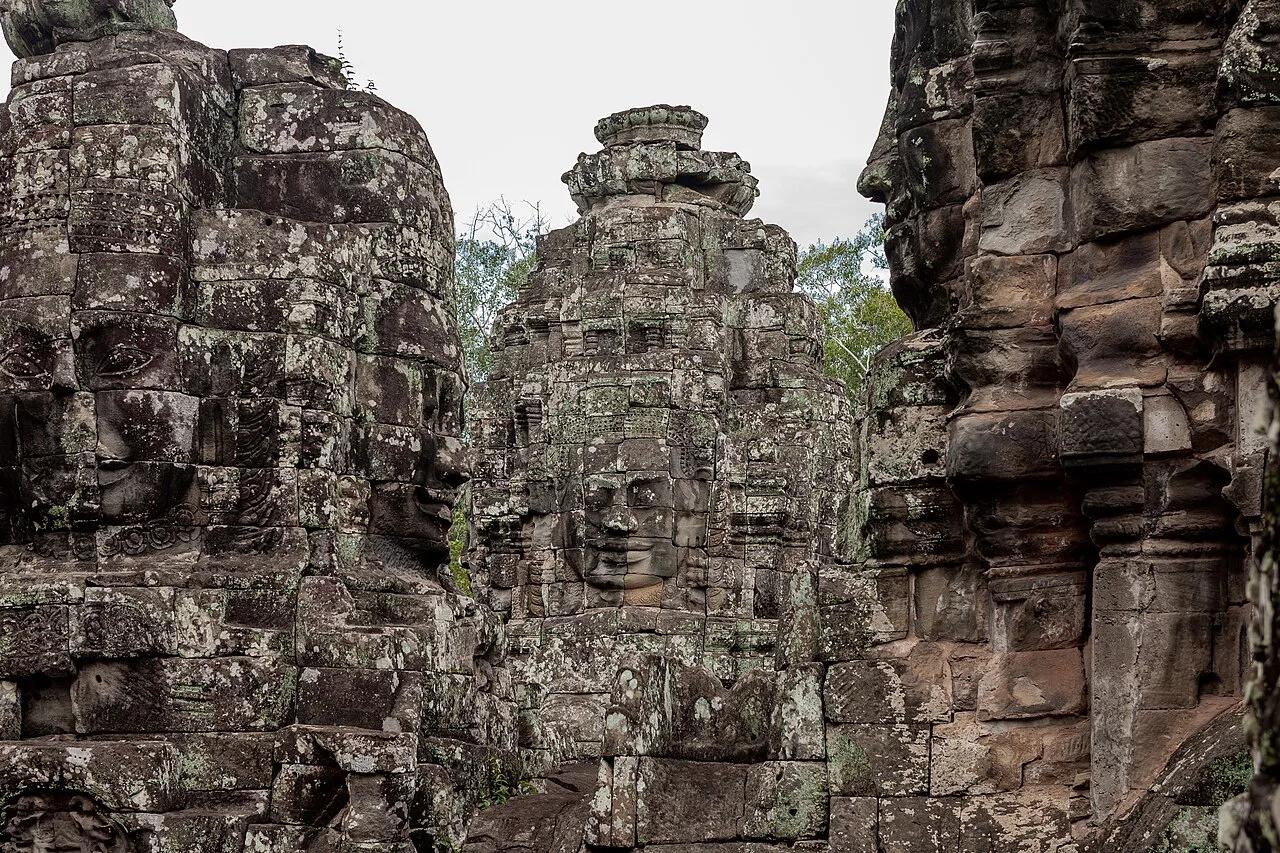
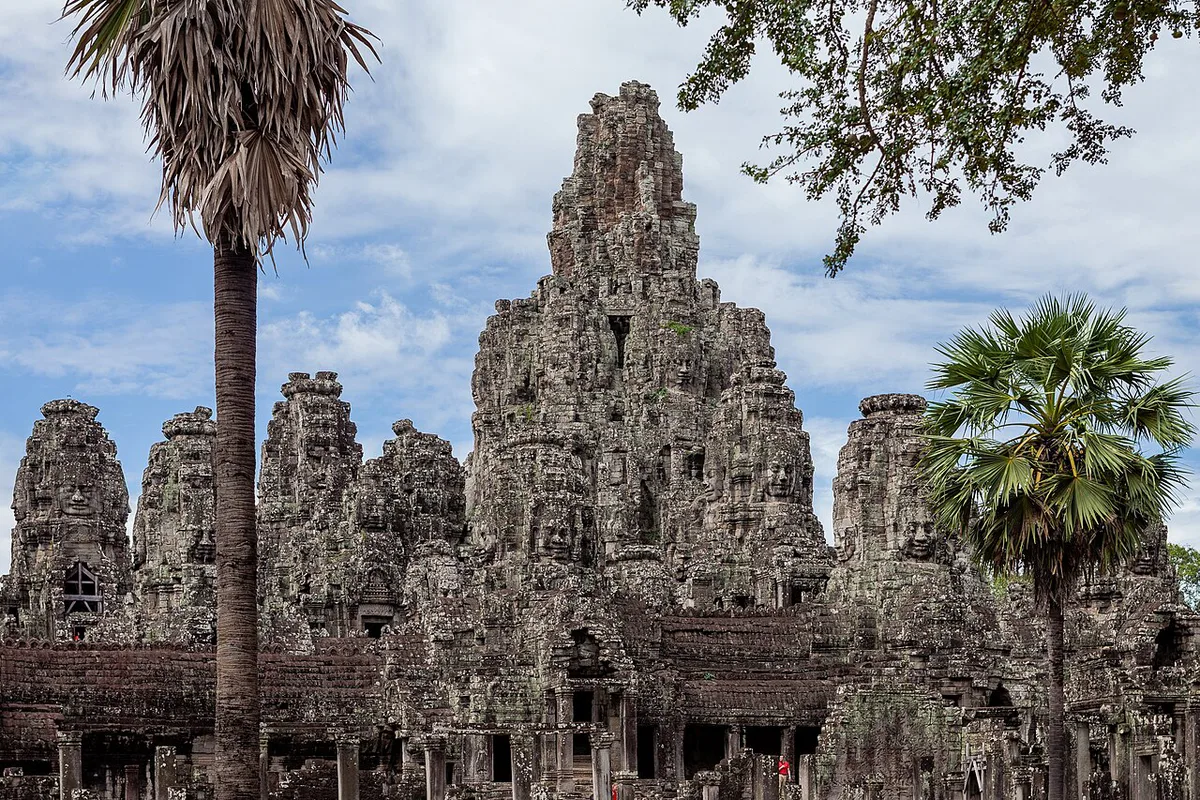
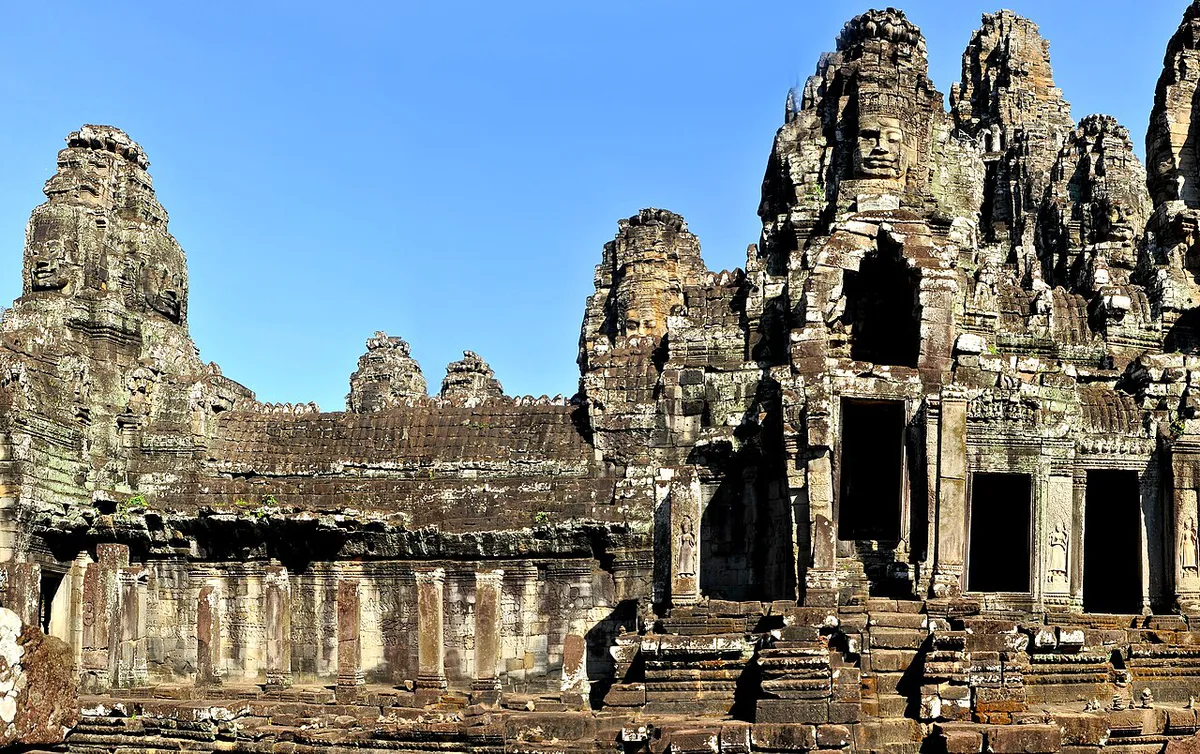
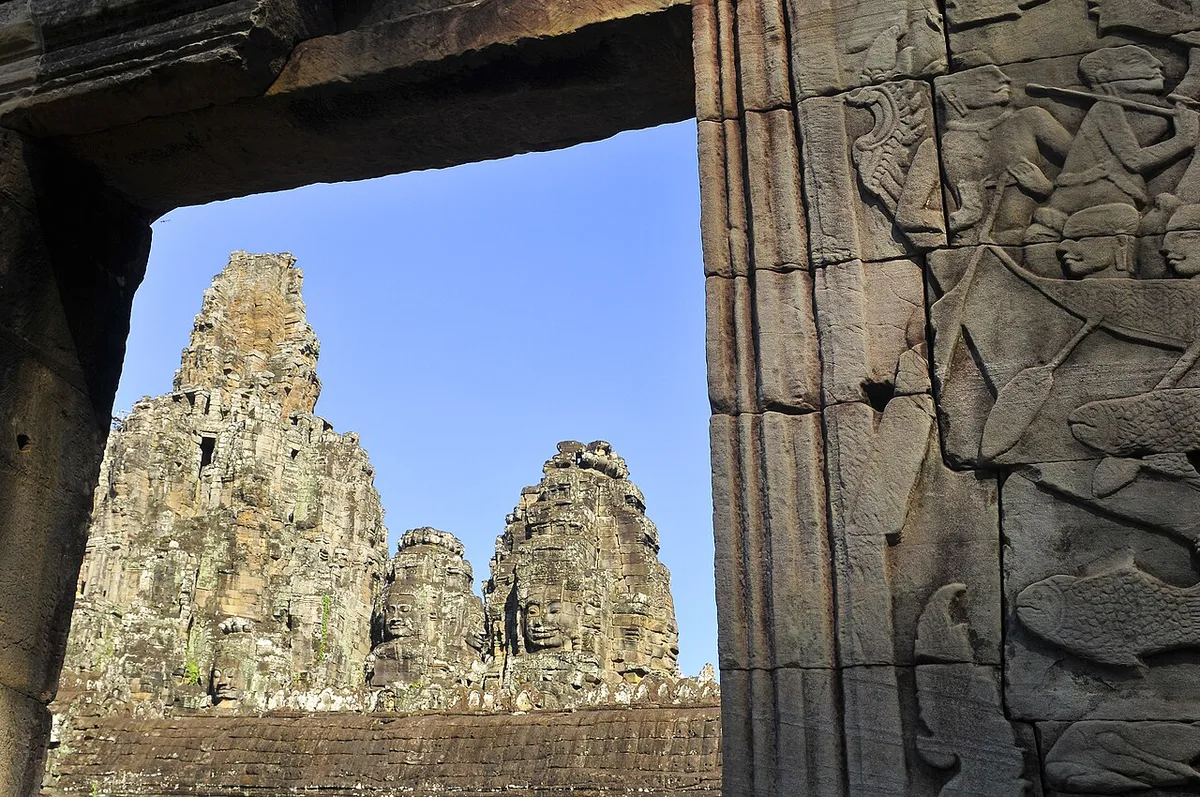
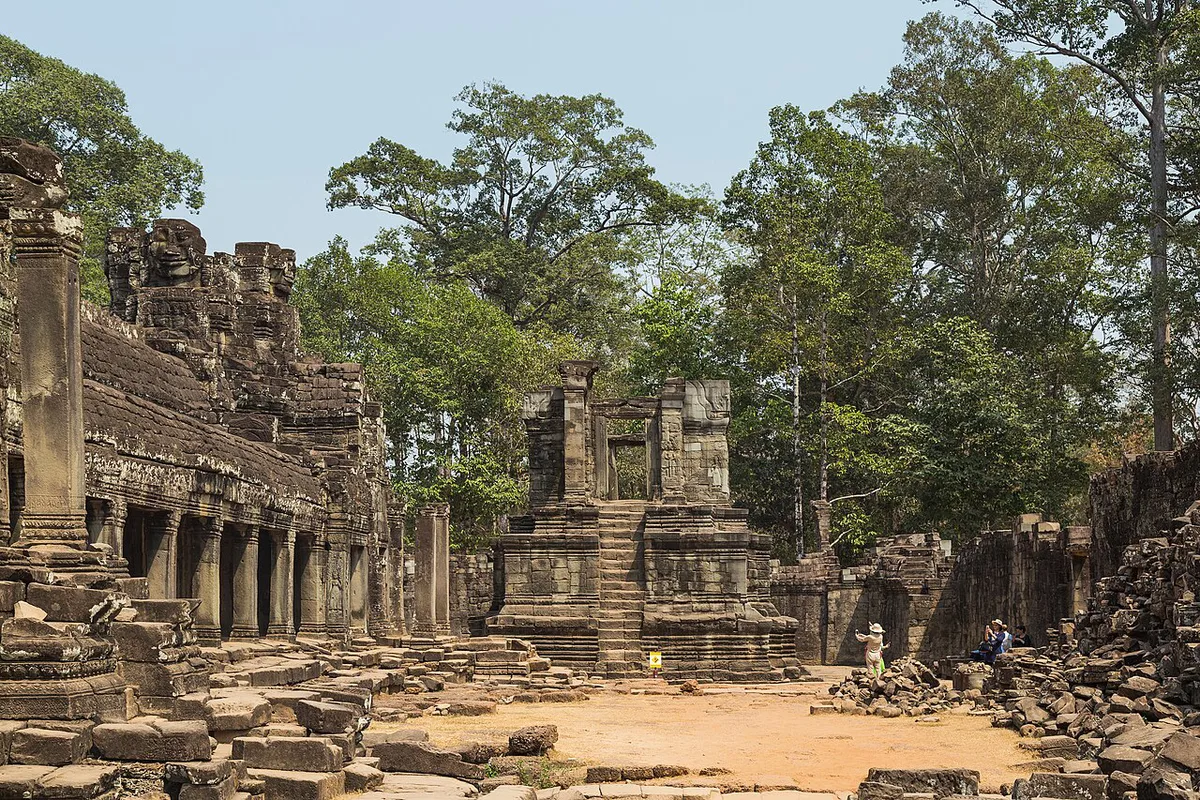
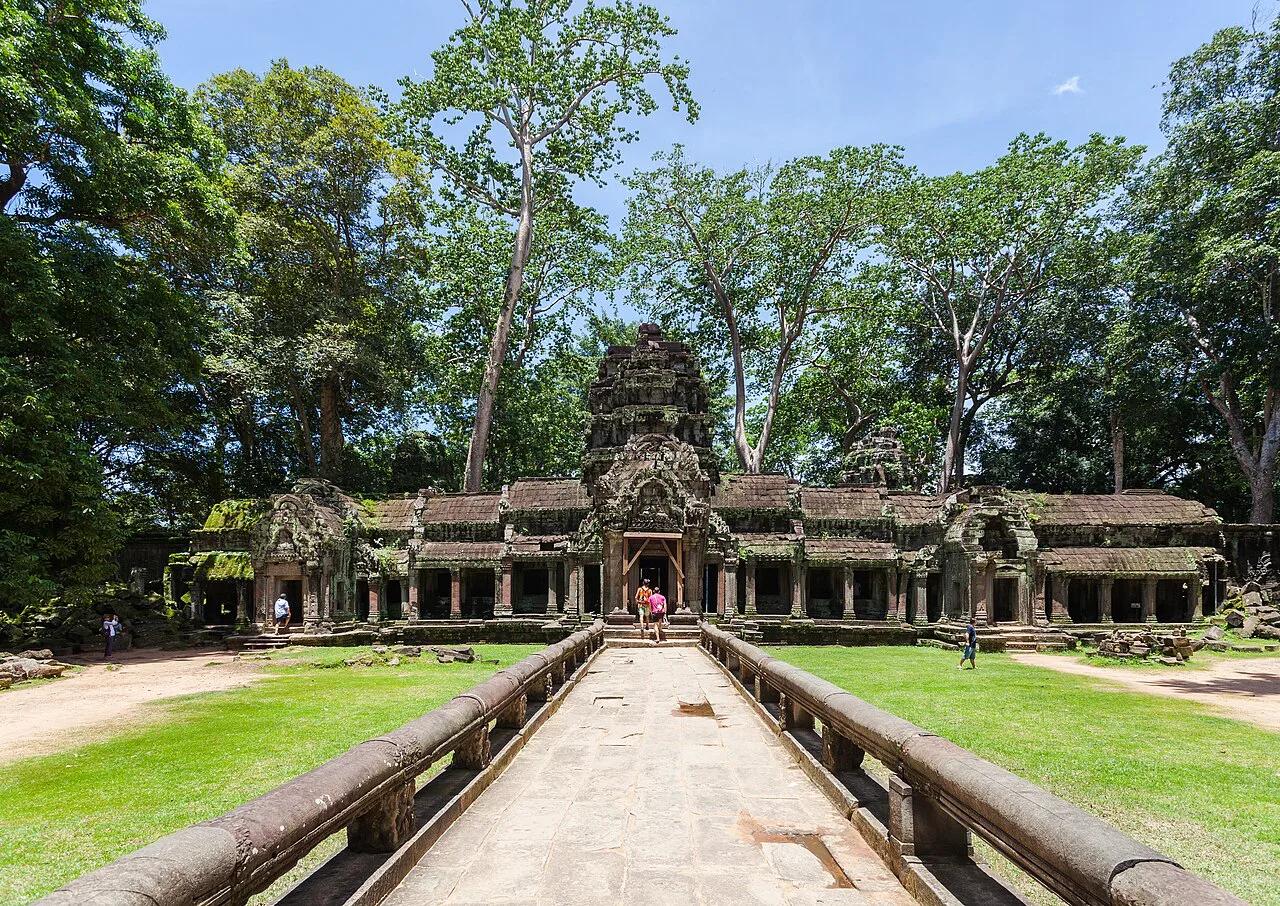
Each stop rewards a different kind of attention. Angkor Wat has bas-reliefs along its outer gallery that are mostly unlabelled. At the Bayon, look for the stone faces on the towers and for scenes of daily life along the galleries. Ta Prohm shows tree roots over its walls, and conservators left it partly overgrown. Ta Keo stands bare because it was never finished. Banteay Kdei has four entrances with face towers, and Srah Srang is a large reservoir across the road from its east entrance.
Tickets, Hours and Costs
Prices and hours checked November 2026. Passes cost $37 for 1 day, $62 for 3 days and $72 for 7 days. Validity windows are about 10 days for the 3-day pass and about a month for the 7-day pass. Buy through the official Angkor ticket site only, since third-party tickets can be invalid. Passes bought after 4:45 PM are valid from the next day. If you start at the satellite counter at Banteay Srei, it runs 6:30 AM to 4:30 PM and accepts USD cash and major cards. Compare lengths in the Angkor pass guide.
| DIY day item | Range |
|---|---|
| 1-day pass | $37 |
| Tuk-tuk, full day | $15-25 |
| Licensed guide, optional | $10-45 depending on scope |
| Bicycle rental | $3-5 |
Getting Around: Tuk-Tuk, Car, Bicycle or Scooter
Tuk-tuk is the default: the driver waits at each temple and you get shade and airflow between stops. Day rates run $15-25, and sunrise or sunset may cost extra. Agree price, route and start time before leaving, as this tuk-tuk hire guide explains. A car with driver costs about $27-55, and it earns its cost from March to May. Cycling is a 45-minute ride each way from town, so dawn or sunset means riding in the dark. November to February suits bikes best, and April heat does not. Scooter rules for foreign visitors need checking with official sources before you rent.
Cycling is a 45-minute ride each way from town, so a 5:00 AM start at Angkor Wat means riding in the dark.
| Option | Cost per day | Fits |
|---|---|---|
| Tuk-tuk | $15-25 | Most visitors |
| Car with driver | $27-55 | March to May heat |
| Bicycle | $3-5 | Cool season only |
| Scooter | $5-8 | Check foreign-visitor rules first |
Do You Need a Guide?
A guide pays off at Angkor Wat and the Bayon, where bas-reliefs carry no labels. Rates run about $20 for Angkor Wat alone and $35-45 for a full day. You can hire at the temple or through your hotel. Ask for official ID before you agree anything. Skip a guide if you mainly want atmosphere at Ta Prohm or the eastern stops.
Dress Code, Heat and Practical Tips
Shoulders and knees must be covered at temples. Details are in the Angkor Wat dress code guide. Carry two bottles of water and use a lanyard for your ticket, since it is checked at several gates. Mistakes to avoid: buying the pass after dawn, skipping the midday break, cycling in April, and cramming every eastern stop into one day. If afternoons feel punishing, the Angkor National Museum is open daily from 8:30 AM and closes at 6:00 PM from April to September and 6:30 PM from October to March. Allow 1 to 2 hours there. Rules on dress, ticketing and conduct come from APSARA National Authority.
Small Circuit vs Grand Circuit
The small circuit has the icons, and the grand circuit is a longer, quieter loop of about 26 km. Add it if you have 3 days. If Ta Prohm is crowded, Preah Khan is a sensible substitute. Full stop lists are in the Angkor grand circuit route.
Where to Stay and Base Yourself in Siem Reap
Stay in Siem Reap town and plan around early starts. Banteay Srei lies roughly 25-30 km northeast of town, so choose a base that makes a 5:00 AM pickup easy. Tuk-tuk drivers will find you at most guesthouses, and your front desk can book one the night before. For official visitor information, see Cambodia's Ministry of Tourism.
Choosing the Right Angkor Pass Length
Choose the pass by the number of separate temple days, rather than by the length of your Siem Reap stay. The $37 1-day pass suits a focused small-circuit visit, especially if Angkor Wat, the Bayon and Ta Prohm are your priorities.
The $62 3-day pass is the practical choice for travelers who want the small circuit without rushing. It also leaves room for the grand circuit or Banteay Srei on another day. Its 10-day validity window means a rest day can sit between temple days.
The $72 7-day pass only makes sense for a slower, repeat-visit itinerary. It is useful if you want several dawn starts, quieter afternoon returns, and more distant temples. See the Angkor pass guide for the current ticket rules and validity details.
Frequently Asked Questions
Is 1 day enough for Angkor Wat?
One day covers the small circuit's headline temples, including Angkor Wat, the Bayon and Ta Prohm. You will move briskly and will not reach outer sites like Banteay Srei. Two days feels far less rushed.
How to get to Angkor Wat, Cambodia?
Most visitors take a tuk-tuk from Siem Reap for $15-25 a day, with the driver waiting at each temple. Cycling takes about 45 minutes each way. Buy your pass first, as the driver can take you to the ticket counter.
Useful notes for your Southeast Asia trip
Optional updates to our guides.
You might also like
Continue reading
More guides you'll find useful