7 Best Angkor Temples: Routes, Passes & Timing
Plan your Angkor temples trip with seven top picks, Small vs Grand Circuit routes, pass advice and heat-smart timing for first-timers in Siem Reap.
On this page
Last updated November 2026: the Angkor temples sit in a large archaeological park just outside Siem Reap, and most first-timers should see Angkor Wat, Angkor Thom with the Bayon, and Ta Prohm. We'd add one or two outliers depending on your time and energy. Below are seven picks, a route-by-time table and the logistics that decide how smoothly the days go.
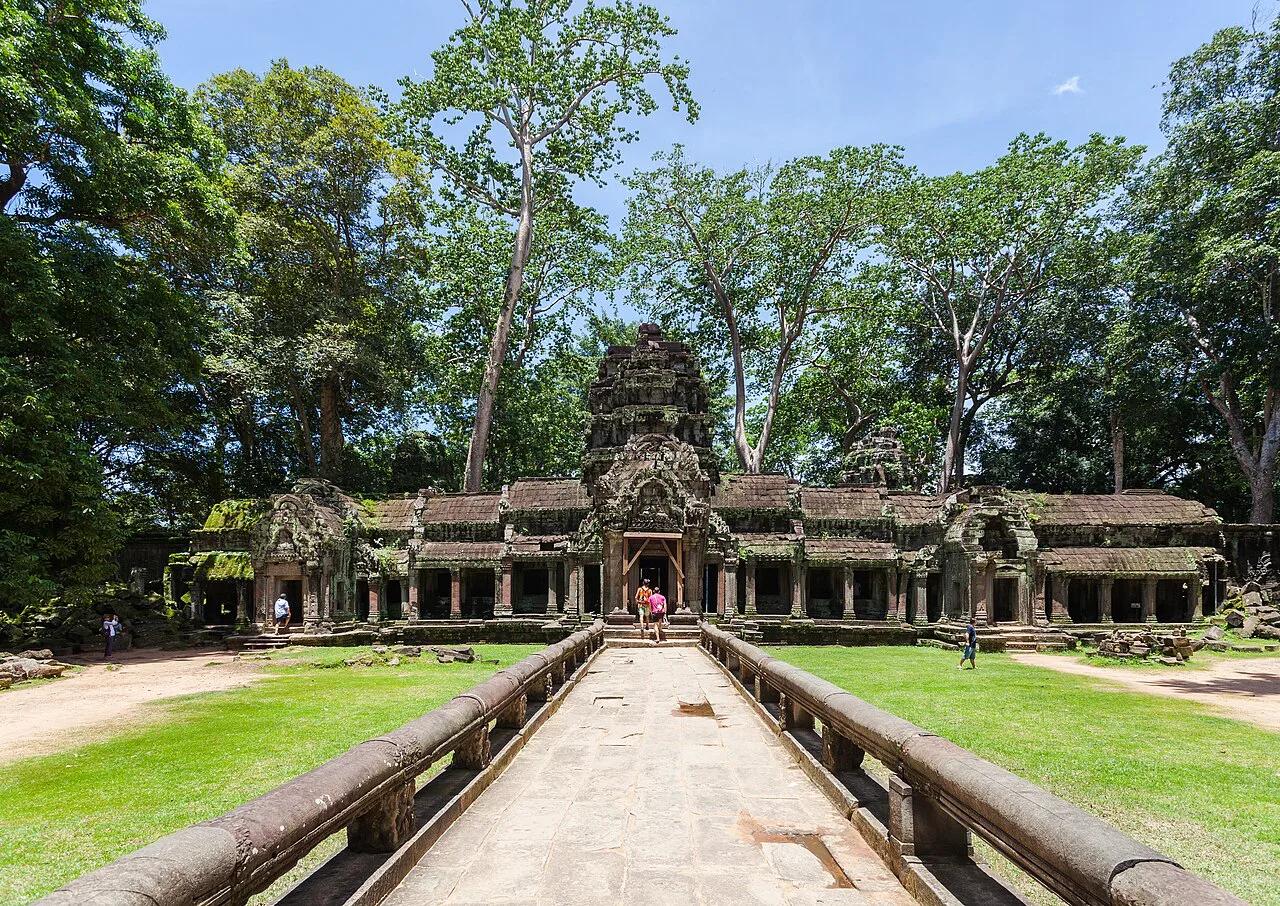
Featured image: Diego Delso, CC BY-SA 3.0, via Wikimedia Commons.
Quick Answer: How the Angkor Temples Are Organized
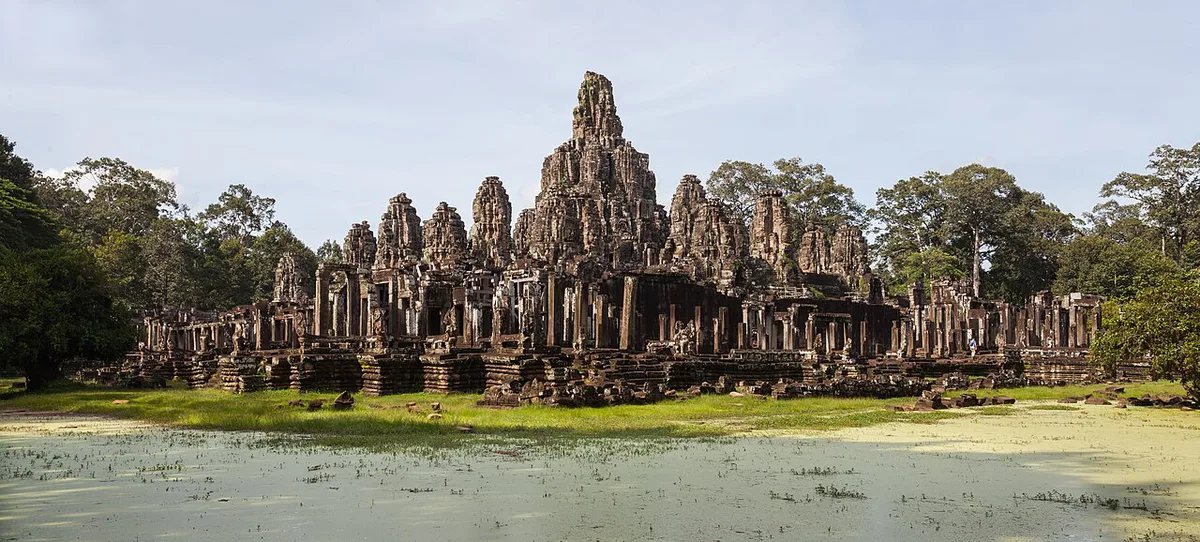
Angkor Archaeological Park holds the remains of several Khmer Empire capitals, and it is far too big to treat as one stop. Most visitors split it into three zones. The Small Circuit covers Angkor Wat, Angkor Thom with the Bayon, and Ta Prohm. Grand Circuit temples such as Preah Khan and Pre Rup sit on a wider loop. Outliers like Banteay Srei and the Roluos group need extra driving. Park information is published by the APSARA National Authority.
7 Best Angkor Temples to Visit
Prices and hours checked November 2026. We ordered these seven by how well each earns a place on a first visit. Every entry says when to go and who can skip it.
1. Angkor Wat
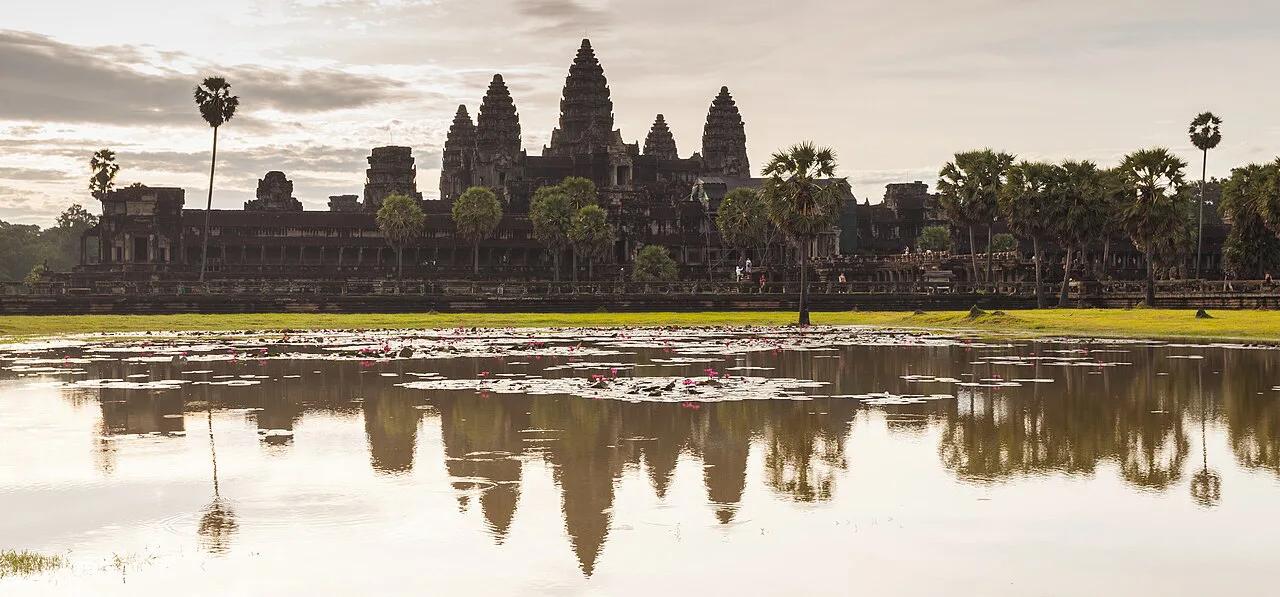
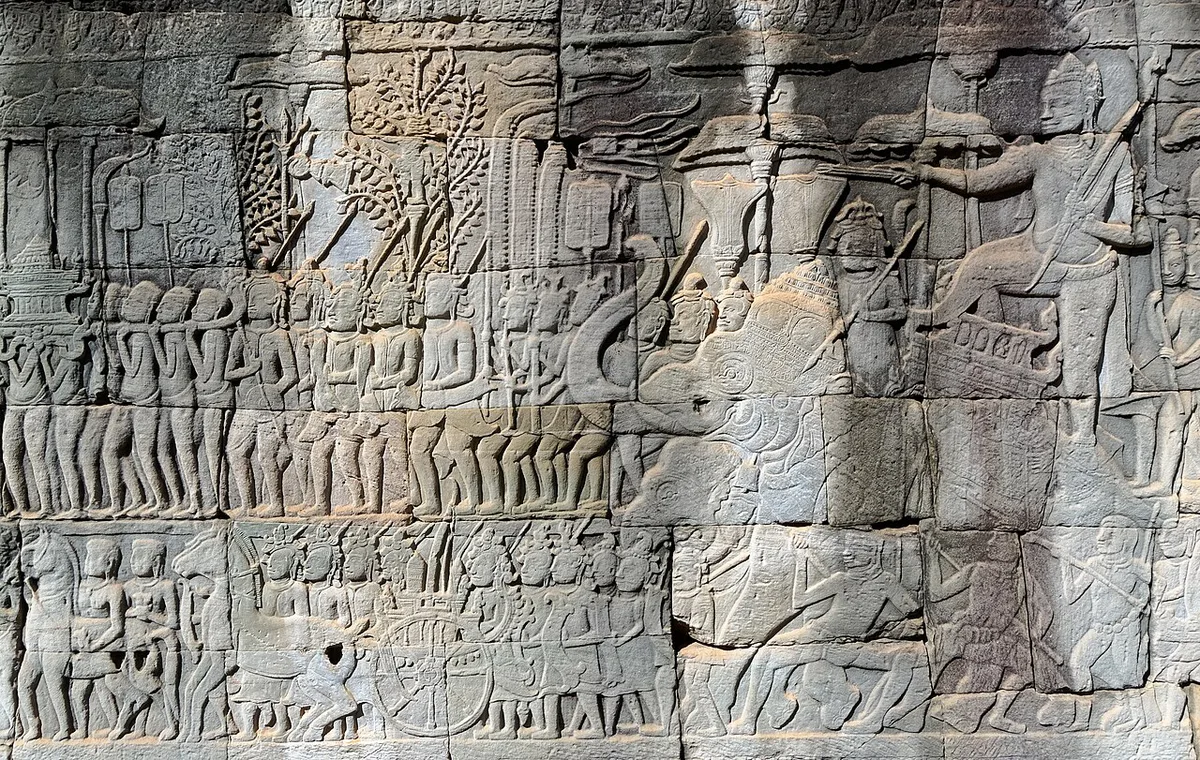
Angkor Wat was built in the early 12th century as a Hindu temple and later became a Buddhist one. Two ponds in front give the classic reflection view, and the inner courtyard holds the famous murals of Hindu mythology. Sunrise brings the heaviest crowds of the day.
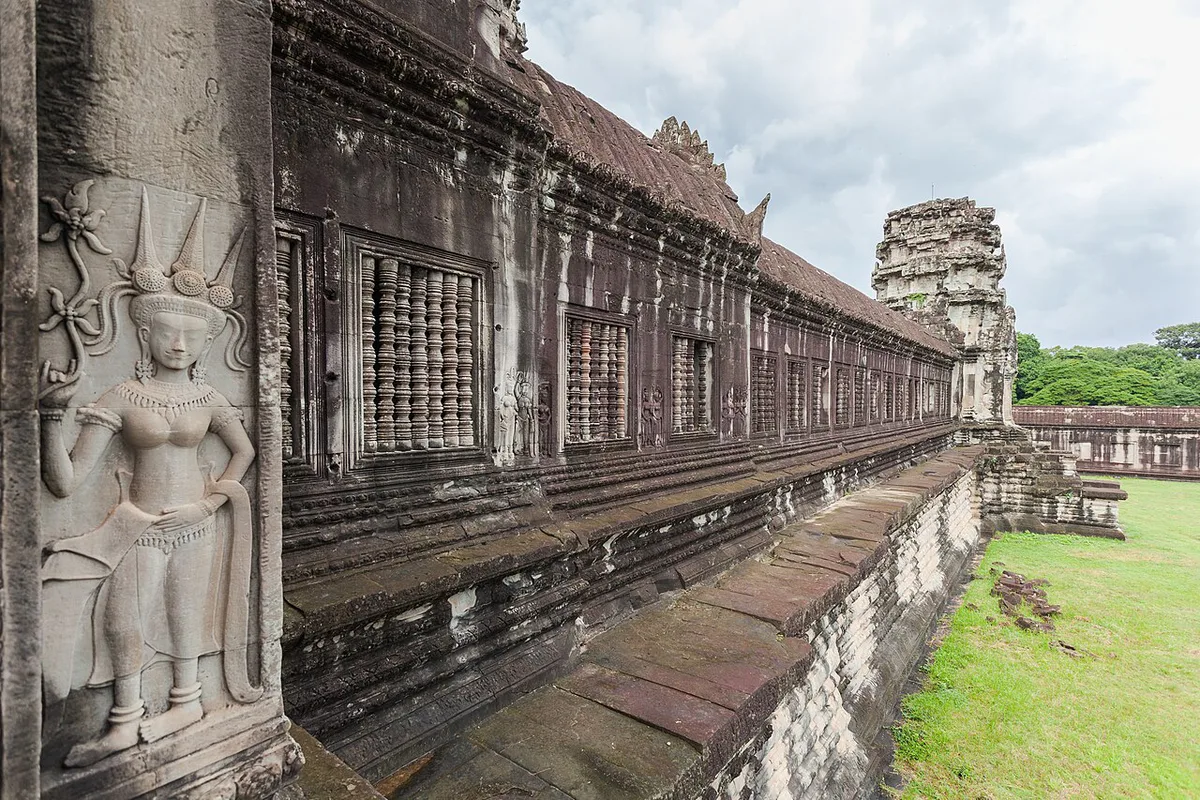
We'd tour the interior after the dawn rush, when the galleries are calmer. Skip the pre-dawn start if crowds or short nights bother you.
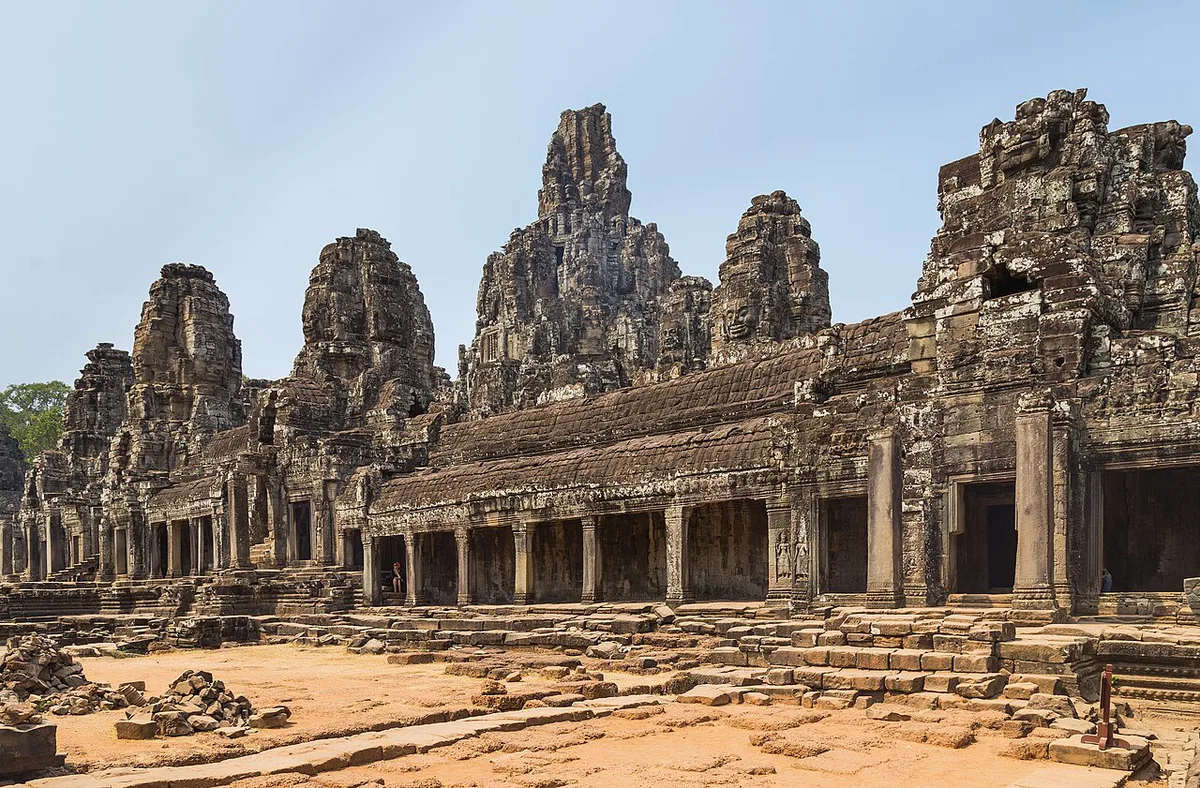
2. Bayon, Angkor Thom
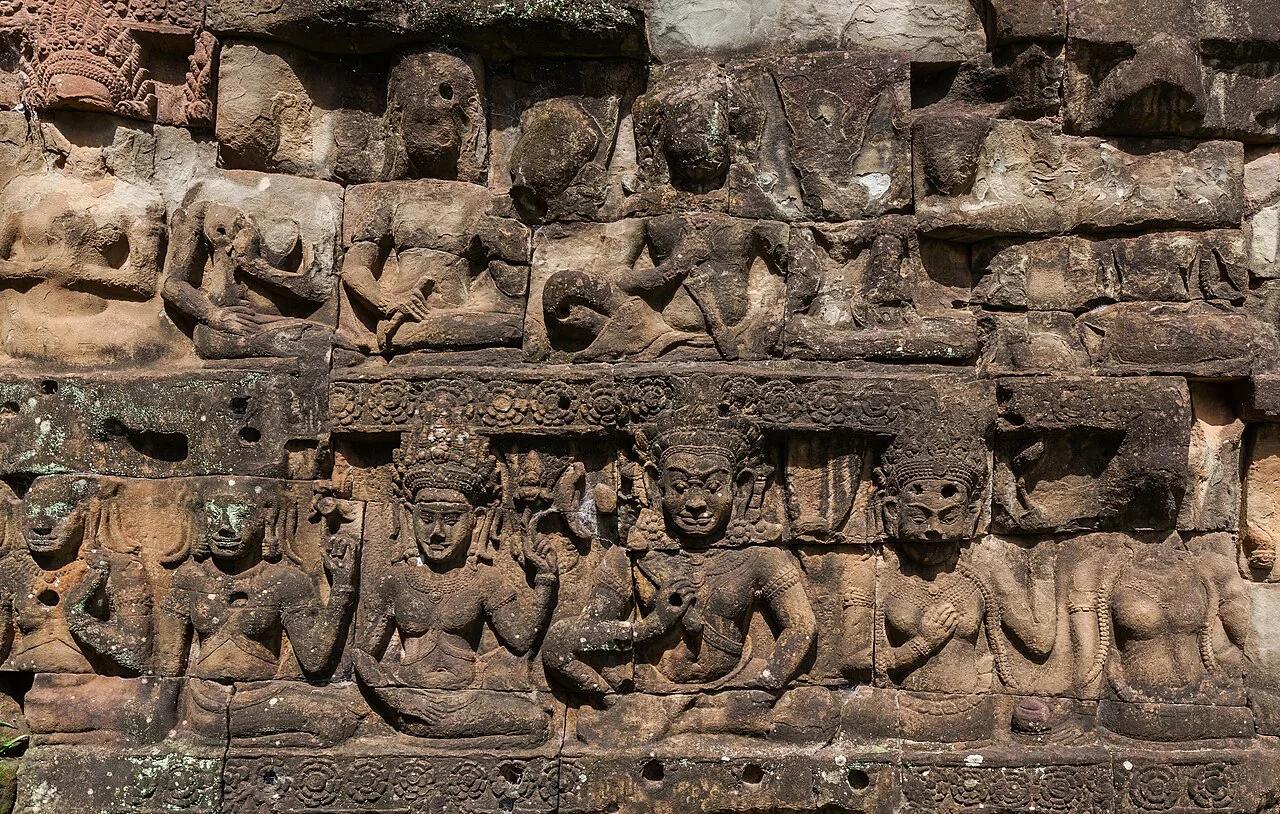
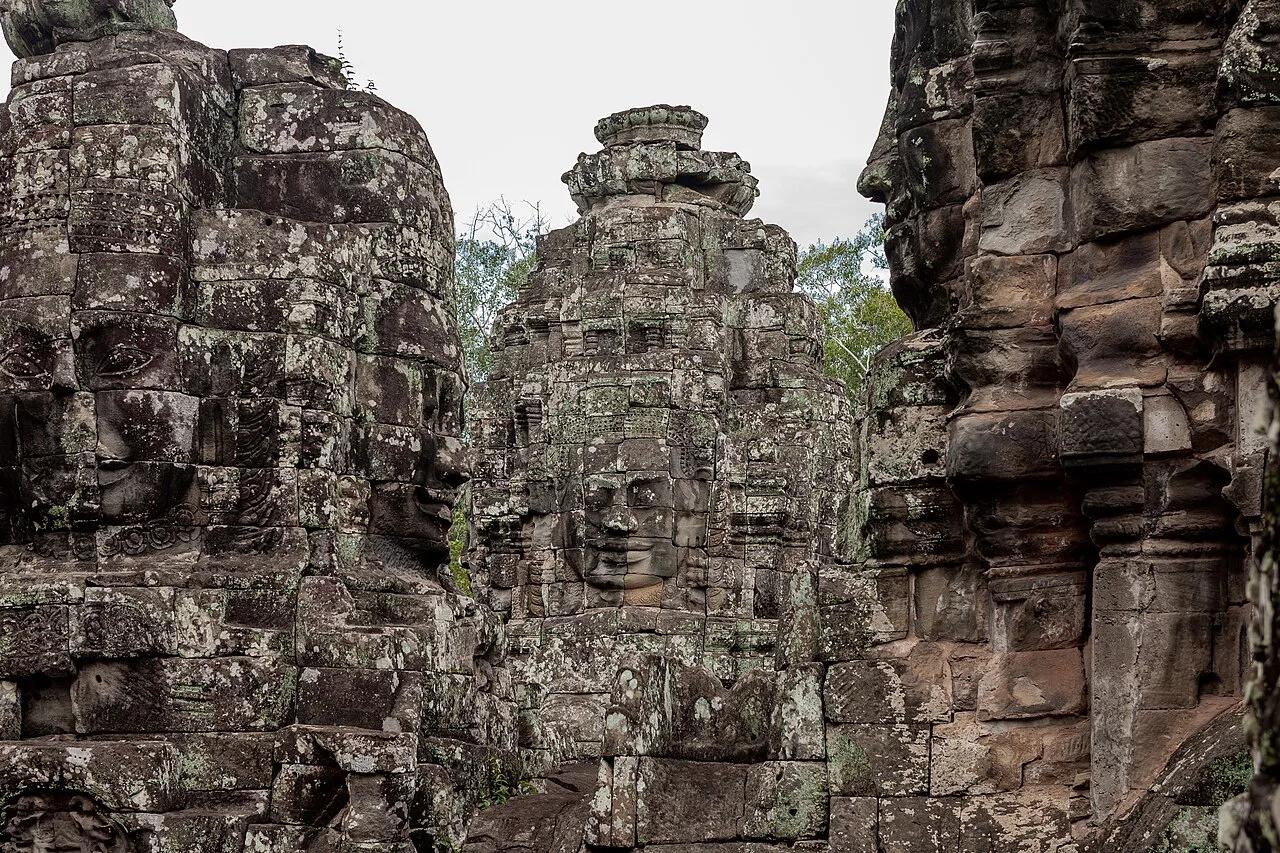
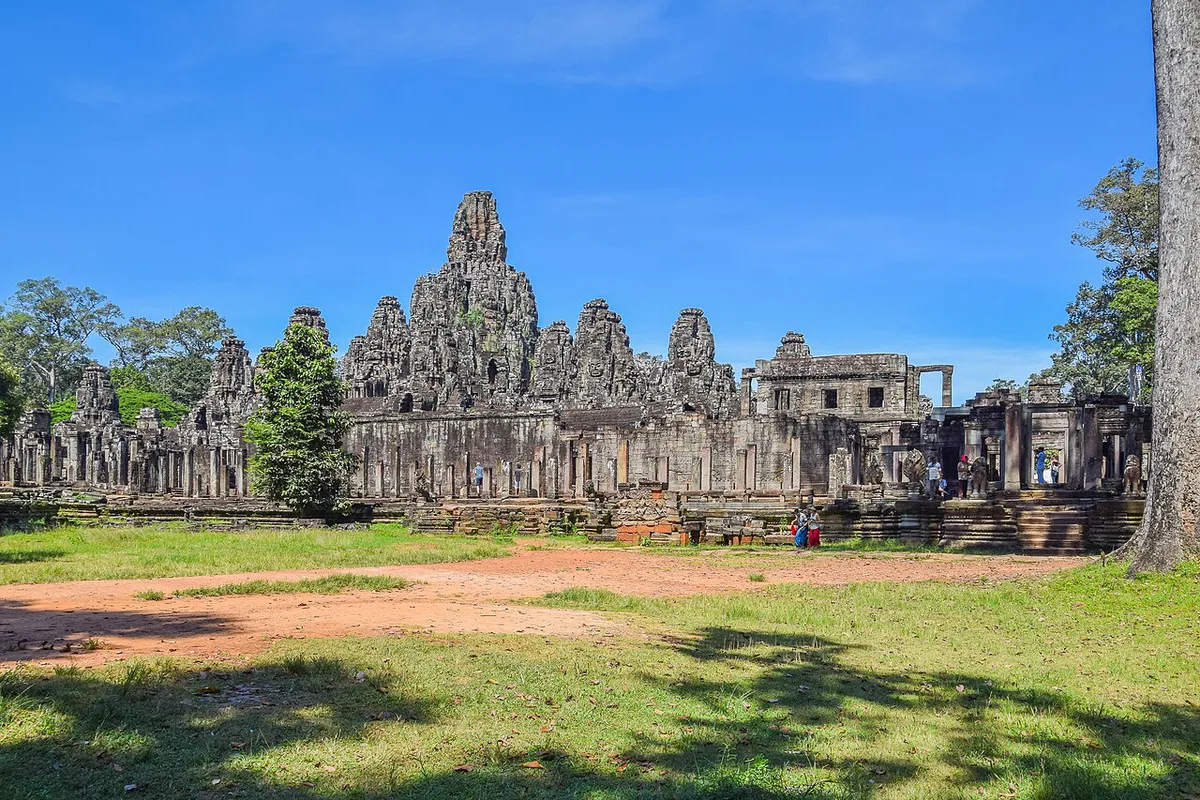
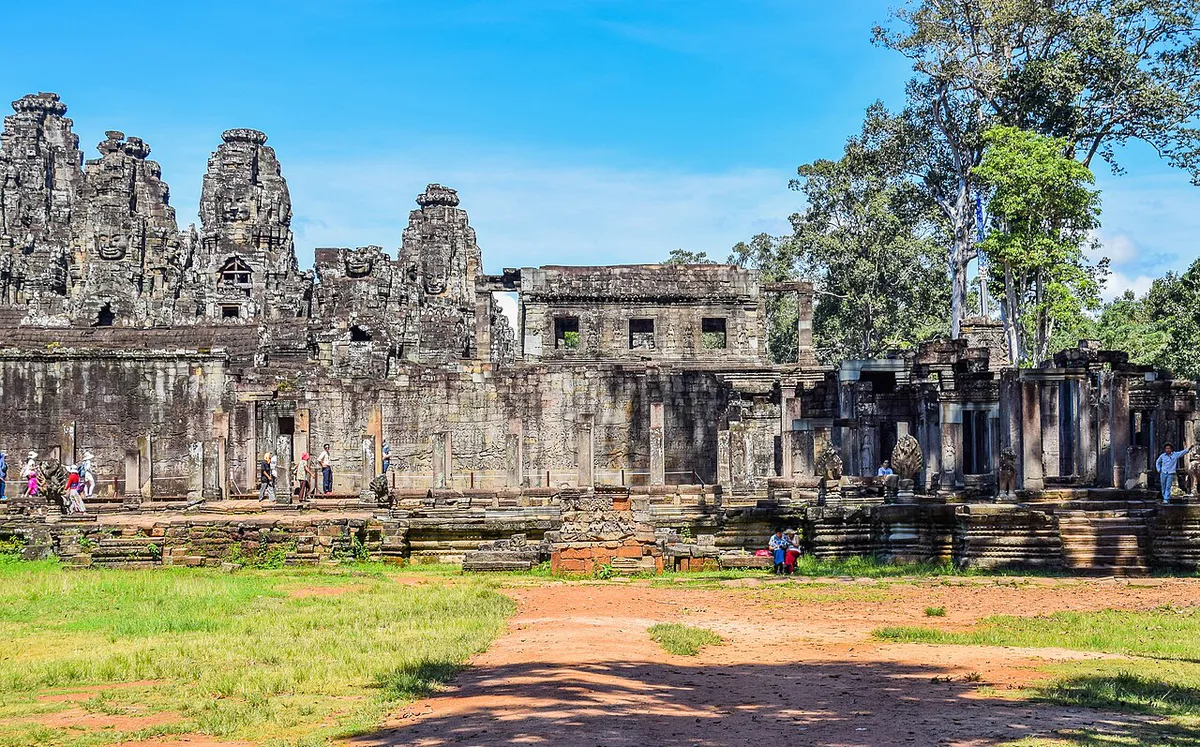
Angkor Thom is a walled city, and you enter through a gate lined with giant smiling faces, across a bridge and moat. Bayon stands at its center, a 12th-century state temple whose towers carry huge carved faces. Baphuon, the Elephant Terrace and the Leper King Terrace are all close by, so one stop covers several sights.
We'd arrive early, before tour buses, since the faces photograph best in softer light. Skip Baphuon's top if steep stairs are a problem.
3. Ta Prohm
Ta Prohm is the jungle-and-roots temple, with trees and lianas wrapped around the ruins. Its narrow passages and tumbled stones reward slow walking. Midday and sunrise both draw heavy crowds here.
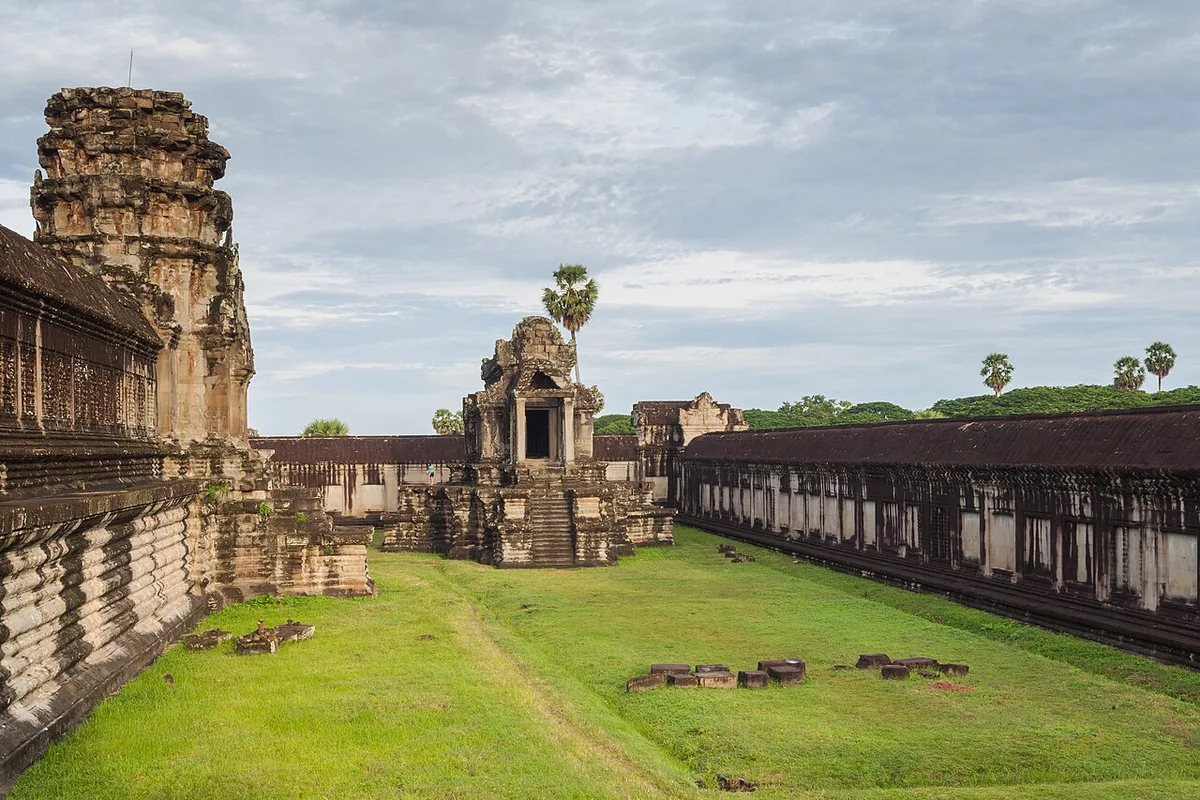
Pair it with Banteay Kdei for a similar feel and lighter foot traffic. Skip it in the hottest hours if you dislike queues for photo spots.
4. Preah Khan
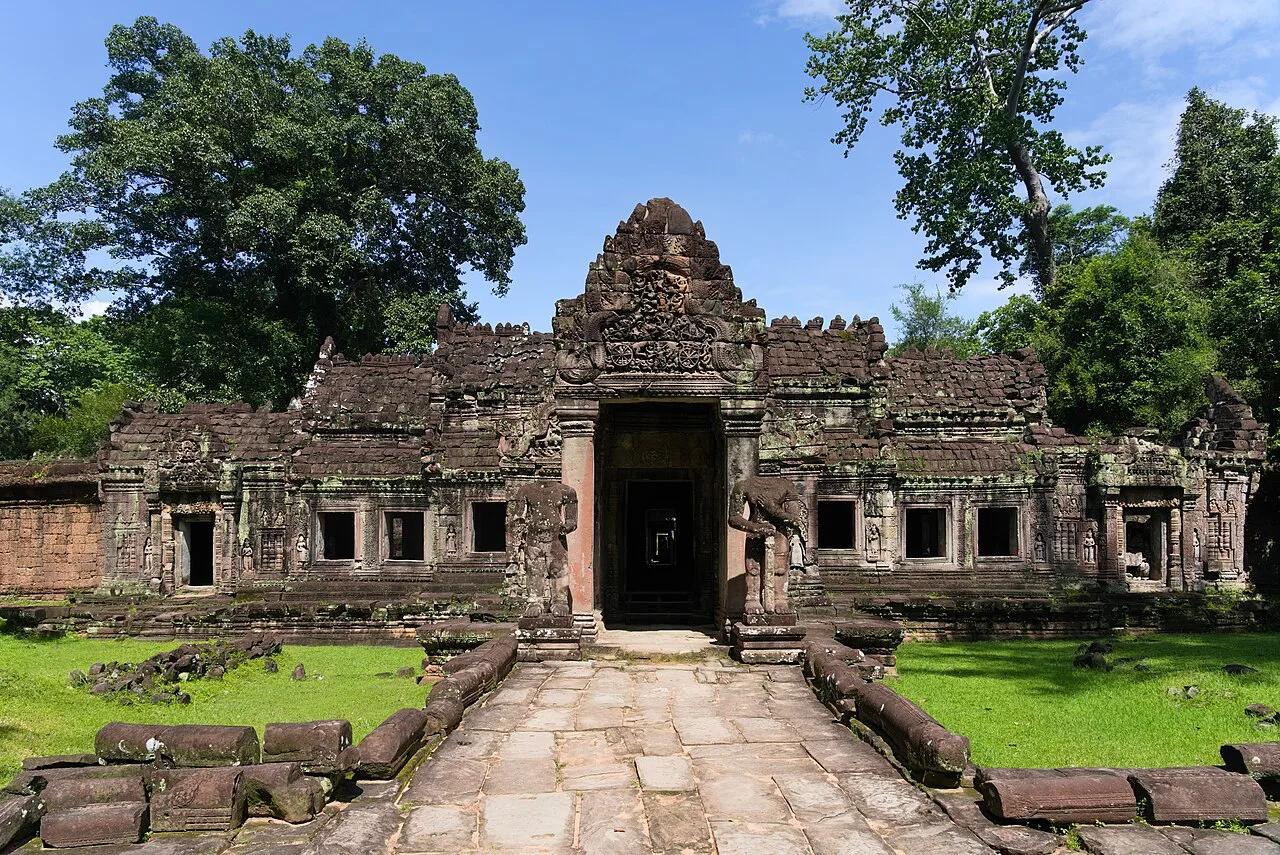
Preah Khan is a large Grand Circuit complex that once served as a center of learning and religious devotion. Its halls, pavilions and long corridors run symmetrically, with banyan roots pushing through the walls. It is a quieter alternative to Ta Prohm and suits readers who want atmosphere without the crowds.
We'd add it on day two of a two-day plan. Skip it if your time is limited to one day.
5. Pre Rup
Pre Rup is a pyramid-shaped 10th-century temple with terraces that look over the surrounding landscape. Climbing it takes real effort, because the steps are steep. It is a popular late-afternoon stop for sunset views.
Visit when the heat has eased, not at noon. Skip the climb if you have knee trouble, and enjoy the ground-level structures instead.
6. Banteay Srei
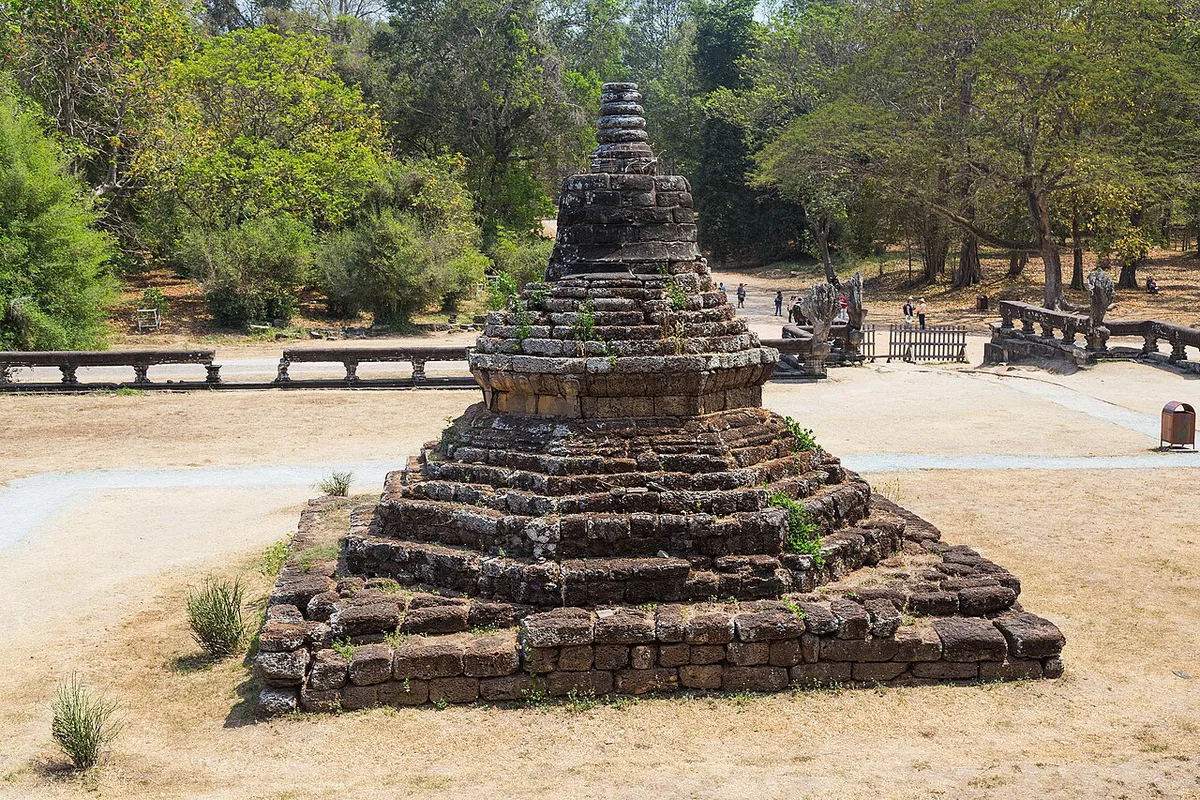
Banteay Srei lies roughly 25 to 30 km northeast of Siem Reap, just outside the main loop. Its narrative bas-reliefs are well preserved, and the ornate decoration dates back to the 10th century. Temple access generally runs 6:30 AM to 4:30 PM.
A satellite Angkor Pass counter at the temple lets you buy there if you visit it first. Skip it if you only have one day, as the drive adds real time.
7. Roluos Group (Bakong, Preah Ko)
Roluos is a cluster of older temples about 12 km east of Siem Reap, with Bakong and Preah Ko among the main stops. Lolei sits in the same group. These temples show what Khmer building looked like before the grander monuments of the main park.
Go on a third day, when you want quiet ruins and few tour groups. Skip it on a first short trip.
How to Choose: Time, Interests and Effort
Start with your time. A half day fits Angkor Wat and the Bayon. One day fits the Small Circuit. Two days let you add the Grand Circuit, and 3+ days leave room for Banteay Srei and Roluos. Interest matters too. Pick Ta Prohm and Preah Khan for roots and jungle. Pick Banteay Srei for carving detail. Pick Pre Rup for a climbing view, but expect steep steps. We'd never stack more than one outlier into a single day.
| Time available | Route | Temples to prioritize |
|---|---|---|
| Half day | Small Circuit core | Angkor Wat, Bayon |
| 1 day | Small Circuit | Angkor Wat, Bayon, Ta Prohm |
| 2 days | Small plus Grand Circuit | Add Preah Khan, Pre Rup |
| 3+ days | Add outliers | Add Banteay Srei, Roluos group |
Small Circuit vs Grand Circuit
Small Circuit days stay compact and cover the headline sights. Our Small Circuit route lays out the order of stops. Grand Circuit temples spread across a loop of about 40 km, so plan roughly half a day. Our Grand Circuit route covers that loop stop by stop. We'd take the Small Circuit first and add the Grand Circuit on day two, once you know how you handle the heat.
Temples Beyond the Main Park
Banteay Srei is the easiest outlier to add, and the Roluos group sits about 12 km east of Siem Reap. Beng Mealea lies roughly 50 km east, outside the pass area. Temples outside the pass need extra time, transport and a separate entry fee. Pay that fee at the site, and keep an hour in reserve for the drive each way. Do not try Banteay Srei, Roluos and Beng Mealea in one day.
Angkor Pass: Which One to Buy
Pass prices change, so read current rates on the official Angkor Enterprise ticket site. Our guide to choosing a pass length matches one-day and multi-day plans to the routes above. Banteay Srei has its own satellite counter, open within temple hours of 6:30 AM to 4:30 PM. That counter takes cash in USD and major cards including Visa, Mastercard and Union Pay.
Sunrise, Sunset and Beating the Heat
Advice on sunrise conflicts: some say it is unmissable, others say the crowds ruin it. We'd split the day. Read our sunrise at Angkor Wat guide if you want the dawn shot, then do Bayon early and return to Angkor Wat later. Take a midday break out of the sun. Angkor National Museum, at No.968 Vithei Preah Sihanouk Ave, is open daily from 8:30 to 18:00 between 1 Apr and 30 Sep. From 1 Oct to 31 Mar it stays open until 18:30. Allow 1 to 2 hours. Phone photos without flash are allowed, and a deposit box for bags is free. For sunset, Phnom Bakheng involves a climb of 20 to 30 minutes, and Pre Rup is the alternative.
Plan roughly half a day for the Grand Circuit, then visit Angkor National Museum, open from 8:30 to 18:00 between 1 Apr and 30 Sep.
Getting Around and What to Wear
Tuk-tuks give the best balance of shade and flexibility. Our advice on hiring a tuk-tuk driver covers what to agree before you set off. Bicycles work for short hops but leave you exposed to the sun. A car with a driver suits Banteay Srei and Roluos. Cover shoulders and knees at every temple. Our what to wear at Angkor Wat page lists what works. Wear sturdy shoes and carry water.
| Option | Cost level | Heat exposure | Flexibility | Best for |
|---|---|---|---|---|
| Tuk-tuk | Medium | Moderate | High | Both circuits |
| Bicycle | Low | High | High | Short hops |
| Car with driver | Higher | Low | Medium | Banteay Srei, Roluos |
Mistakes to Avoid
Buying the wrong pass length is the costliest error, so match it to your route first. Climbing Pre Rup or Baphuon at noon is another. Skipping covered shoulders and knees can stop you at the gate. Cramming every outlier into one day leaves you tired and rushing. Buy tickets only from the official ticket site or counters.
Quieter Stops on the Grand Circuit
The Grand Circuit is worth using for more than Preah Khan and Pre Rup. Its loop is about 40 km, so treat it as a half-day addition rather than squeezing it into the Small Circuit. Banteay Kdei is a useful choice after Ta Prohm if you want a similar ruin-and-roots atmosphere with less pressure around photo spots.
Neak Pean offers a different kind of stop: visitors reach its island setting along a pier of about 500 m. You cannot approach the central structure closely, so it works best as a short, contemplative walk rather than a major temple visit. Ta Som is another quieter stop for travelers who prefer smaller-scale ruins over headline monuments. Add these sites on a second day, after the essential Angkor Wat, Bayon and Ta Prohm route.
Building the rest of the trip? Our Siem Reap attractions guide covers the sights, districts and logistics around this guide.
Frequently Asked Questions
Why is Angkor Wat famous?
Angkor Wat was built in the early 12th century as a Hindu temple and later became a Buddhist one. Visitors come for its towers, reflecting ponds and the wall murals of Hindu mythology.
What is Angkor city?
Angkor Thom is the walled city inside the park. You enter through gates with giant smiling faces, and the Bayon stands at its center.
Heading to the capital after the temples? See our guide to things to do in Phnom Penh.
Explore More Siem Reap Guides
Keep planning your Siem Reap trip with these guides.
Siem Reap Guides
- Siem Reap attractions hub: tickets, hours & maps
- Angkor Pass Guide
- Angkor Wat Sunrise: Tickets, Timing & Best Spots
- Angkor Small Circuit: One-Day Route, Costs and Tips
- Angkor Grand Circuit: Route, Time & Tuk-Tuk Tips
- Angkor Wat Dress Code: What to Wear (and What Gets You Turned Away)
- Angkor Wat Tuk Tuk Hire: What to Book and Confirm
Useful notes for your Southeast Asia trip
Optional updates to our guides.
You might also like
Continue reading
More guides you'll find useful